 MomSkoop
Ever wonder why some meals just make more sense to order out? Cooking at home usually saves money, but certain dishes flip that logic on its head. Between specialty ingredients, cooking equipment, and the sheer quantity of components, some restaurant favorites actually cost less when you let professionals handle them. Let’s explore meals where your wallet stays happier when you skip the kitchen and dial for delivery instead.
1. Fast Food Breakfast Sandwiches

That morning sandwich from your favorite drive-thru costs maybe three dollars, but recreating it at home tells a different story. You’ll need English muffins, eggs, cheese slices, breakfast meat, and butter—all items that come in quantities way bigger than what you need for one sandwich.
Most packages force you to buy enough ingredients for at least six sandwiches. Unless you’re feeding a crowd every morning, half those ingredients spoil before you use them.
Fast food chains buy in massive bulk and perfect their assembly-line process, keeping prices surprisingly low. Your homemade version might taste great, but financially? The drive-thru wins this breakfast battle every single time.
2. Fried Chicken
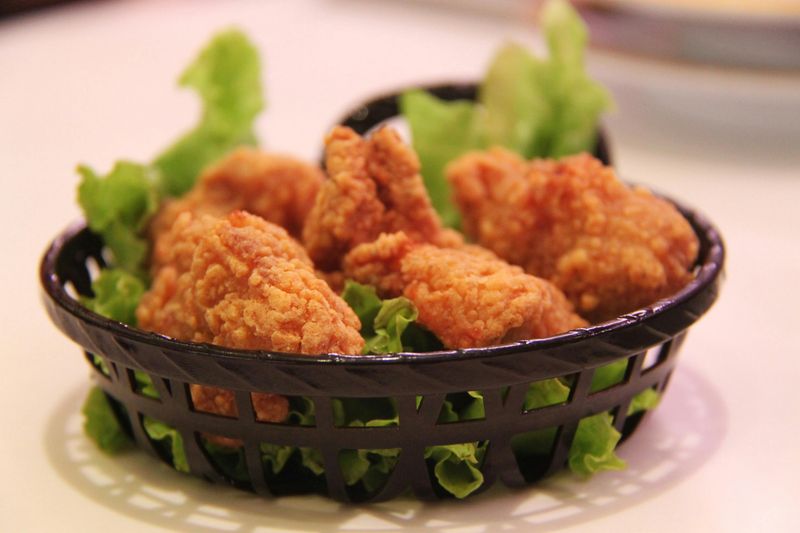
Crispy, juicy fried chicken seems simple until you price out everything needed. A whole chicken, buttermilk for soaking, flour, and a dozen different seasonings add up quickly. Then there’s the cooking oil—you’ll need at least a quart for proper frying, and that stuff isn’t cheap.
Temperature control matters hugely for perfect results. Too hot and the outside burns while the inside stays raw; too cool and you get greasy, soggy chicken.
Restaurants specializing in fried chicken nail the technique and buy ingredients wholesale. Their bucket of chicken often costs less than your grocery bill would, plus you avoid the cleanup nightmare of oil-splattered stovetops.
3. Value Menu Burgers
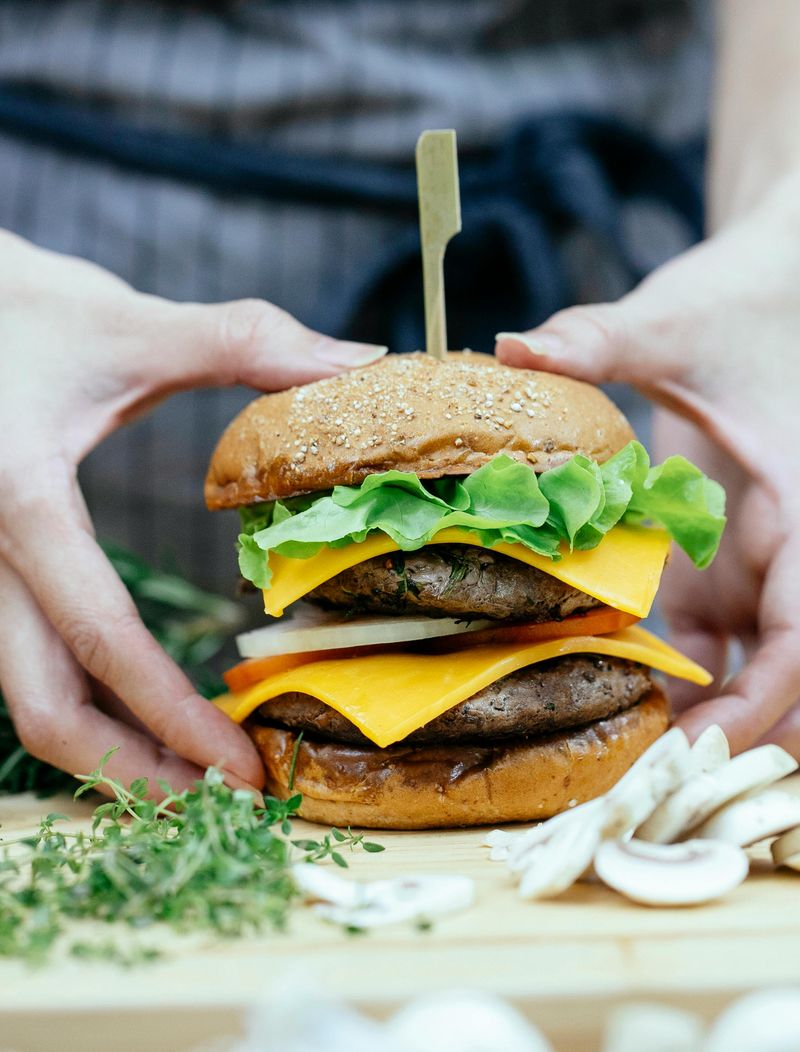
How do fast food places sell burgers for a dollar or two? Massive purchasing power and streamlined operations make it possible. Building that same burger at home requires buying buns, ground beef, cheese, lettuce, tomatoes, pickles, onions, and condiments.
Ground beef alone costs several dollars per pound. Even the cheapest bun package contains eight, and produce comes in quantities that’ll wilt before you finish them.
You’re stuck with enough ingredients for multiple meals whether you want them or not. Meanwhile, that value menu burger gets handed to you hot and ready for pocket change. The economics simply don’t work in your kitchen’s favor here, especially for a quick solo meal.
4. Chinese Takeout Combo Meals
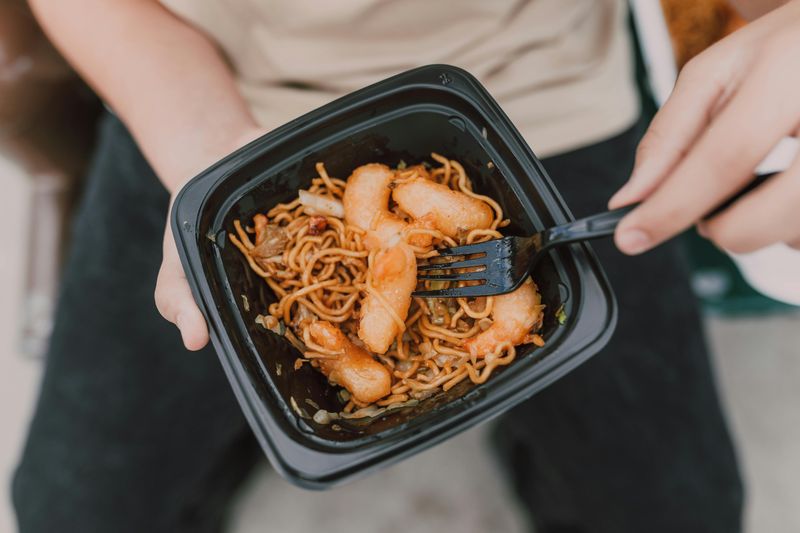
Your neighborhood Chinese restaurant serves generous combo plates for under ten bucks. Attempting the same spread at home becomes an expensive adventure through specialty grocery aisles. Soy sauce, oyster sauce, sesame oil, rice wine, and hoisin sauce are just the beginning.
Fresh ginger, garlic, specific vegetables, and proper rice noodles all demand separate purchases. Many recipes call for ingredients you’ll use once and never again.
Chinese restaurants prepare these dishes in huge batches, making their per-serving cost incredibly low. They’ve already got every sauce and ingredient on hand. Unless you’re cooking Chinese food regularly, that takeout menu delivers better value than your grocery cart ever could.
5. Sushi and Poke Bowls
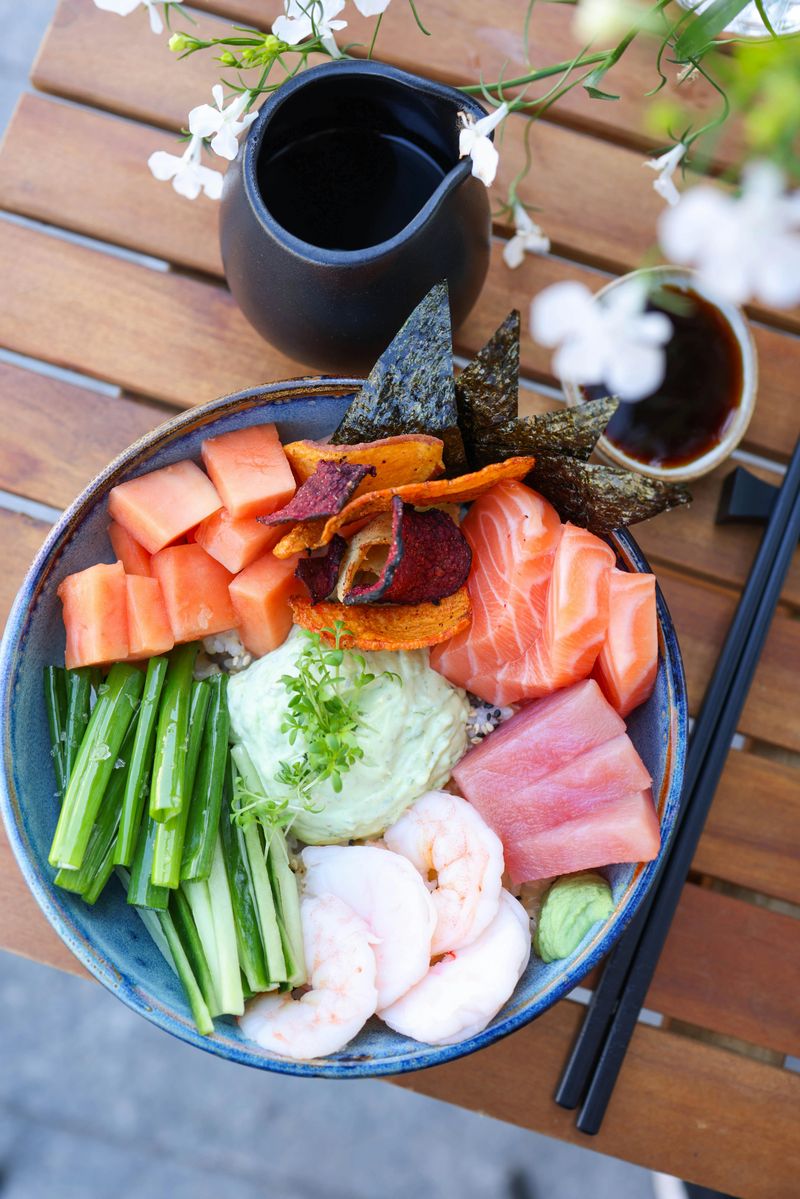
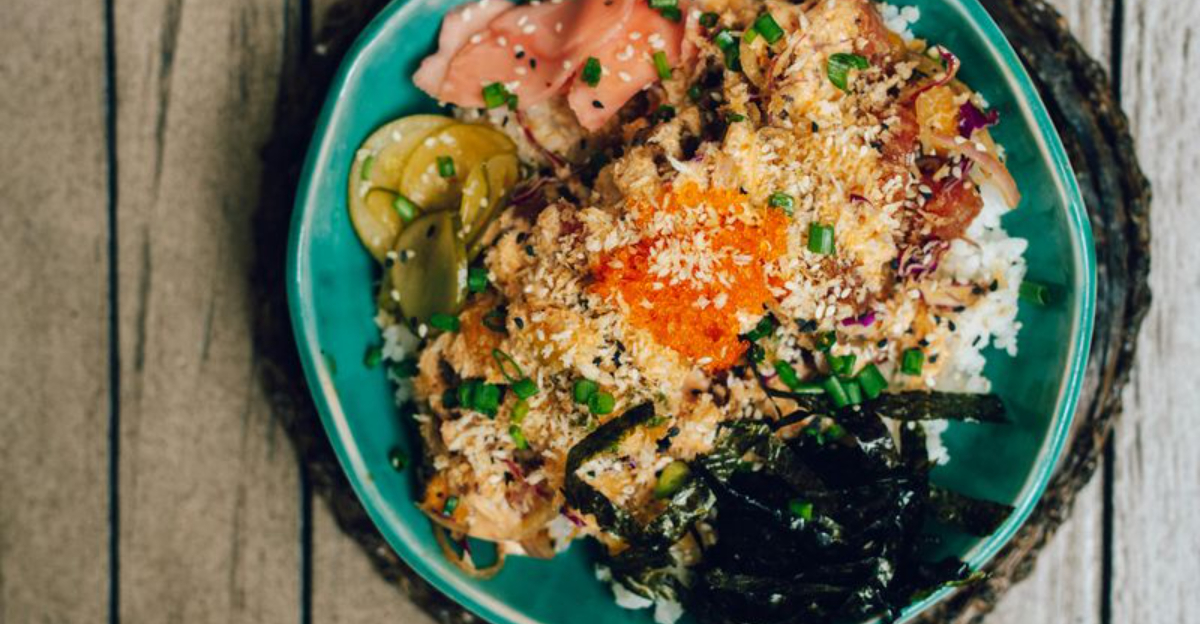
Sushi-grade fish isn’t something you casually toss in your shopping cart. This specially handled seafood costs significantly more than regular fish, and you’ll need multiple varieties for an authentic experience. Add sushi rice, rice vinegar, nori sheets, wasabi, pickled ginger, and soy sauce to your list.
Poke bowls require similar investments in premium raw fish plus toppings like edamame, seaweed salad, avocado, and specialty sauces. The fish alone often exceeds what you’d pay for a restaurant bowl.
Professional sushi chefs know exactly how to source, handle, and portion expensive seafood without waste. Their volume purchasing and expertise make restaurant prices surprisingly reasonable compared to your DIY grocery bill.
6. Thai and Vietnamese Noodle Dishes

Authentic pad thai or pho requires a pantry full of specialized ingredients. Fish sauce, tamarind paste, palm sugar, fresh Thai basil, lemongrass, galangal, and rice noodles aren’t standard kitchen staples. Each item represents another purchase, and many come in sizes you’ll struggle to use up.
Vietnamese pho demands hours of simmering bones and spices to create that complex broth restaurants serve. Your time and gas bill factor into the real cost too.
Thai and Vietnamese restaurants prepare these dishes constantly, using ingredients efficiently across their entire menu. That eight-dollar bowl of noodles would easily cost fifteen dollars in groceries, not counting your labor.
7. Pizza by the Slice
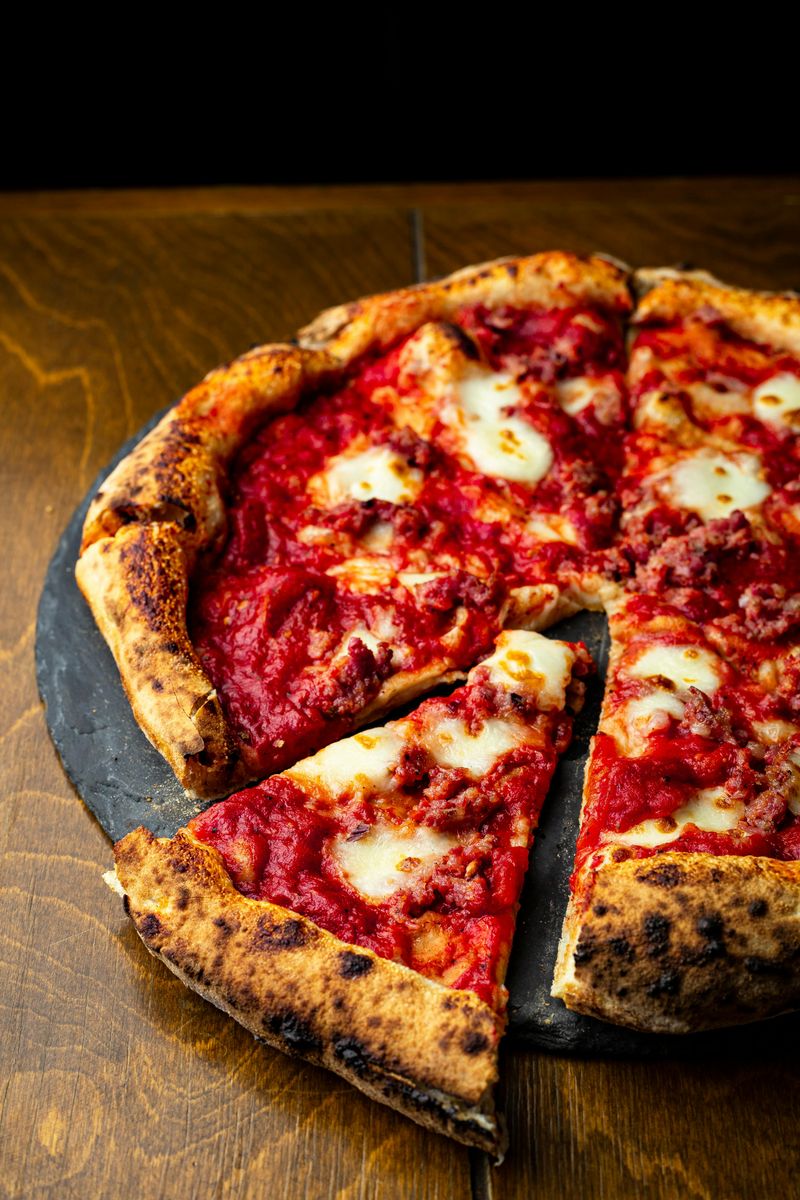
Grabbing two slices and a drink for five bucks beats making pizza at home by miles. Sure, homemade pizza tastes amazing, but the math doesn’t add up for casual pizza cravings. Flour, yeast, olive oil, pizza sauce, mozzarella cheese, and toppings quickly exceed that slice shop price.
You’ll also need a pizza stone or proper pan for decent results. Most ingredient packages contain way more than one pizza’s worth, so you’re committed to multiple pizza nights.
Pizza shops buy enormous cheese blocks and sauce quantities at wholesale prices. Their ovens stay hot all day, making each pizza incredibly cheap to produce. Your single homemade pizza costs more than just buying slices.
8. Greek Lamb Dishes
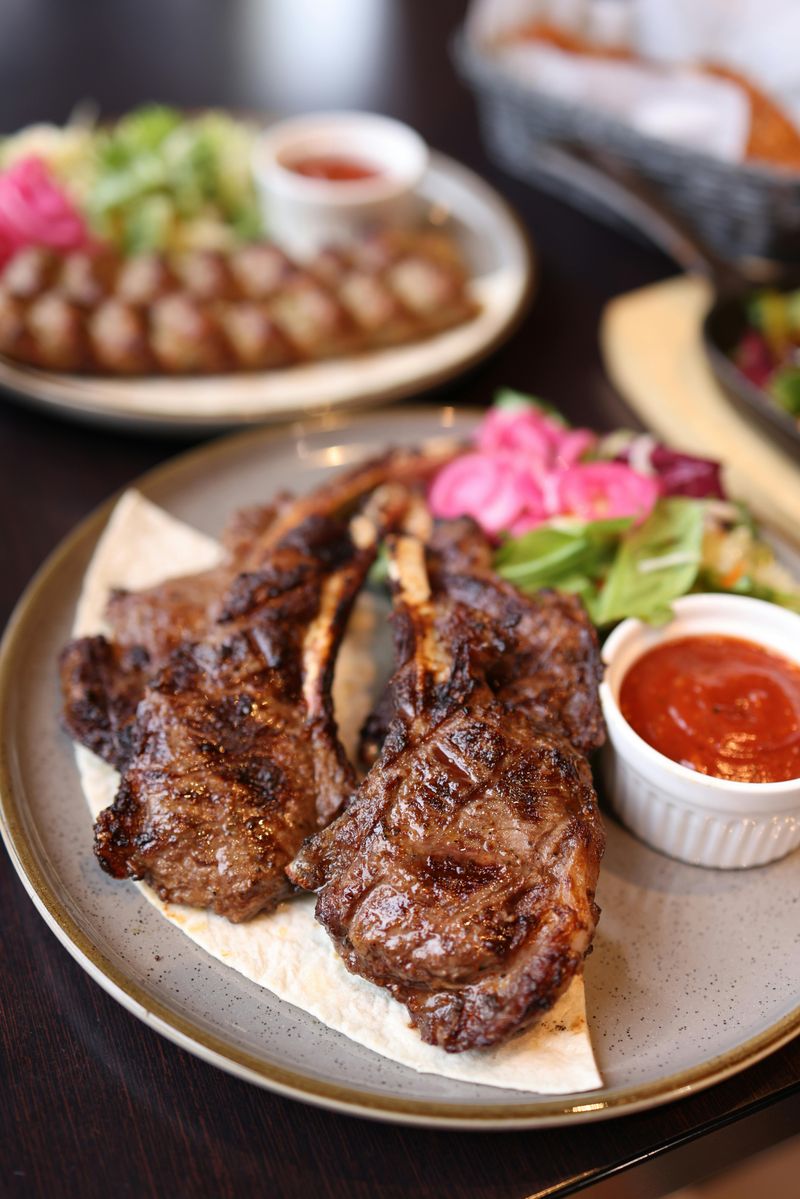
Lamb costs considerably more than chicken or beef, making Greek lamb dishes expensive home projects. Whether you’re eyeing gyros, souvlaki, or moussaka, quality lamb is your biggest expense. Then you’ll need Greek yogurt, cucumbers, dill, lemon, olive oil, and pita bread for proper accompaniments.
Traditional recipes often call for specific cuts and lengthy marination times. Spice blends like za’atar or unique ingredients like kasseri cheese add to your shopping list.
Greek restaurants serve generous lamb portions at prices that seem impossible when you’re staring at meat counter prices. Their supplier relationships and menu efficiency make ordering out the smarter financial move for lamb lovers.
9. Authentic Indian Curries

Building an Indian spice collection from scratch costs a small fortune. Garam masala, turmeric, cumin, coriander, cardamom, fenugreek, and curry leaves are just the foundation. Each spice jar runs several dollars, and recipes often need eight or more different ones.
Fresh ingredients like ginger, garlic, cilantro, and specialty items like ghee and paneer cheese add more expense. Coconut milk, tomatoes, cream, and protein round out your lengthy shopping list.
Indian restaurants maintain fully stocked spice cabinets and prepare curries in large batches, dramatically reducing per-serving costs. That twelve-dollar curry platter would easily cost twenty-five dollars in groceries, making takeout the clear winner.
10. Rotisserie-Style Chicken
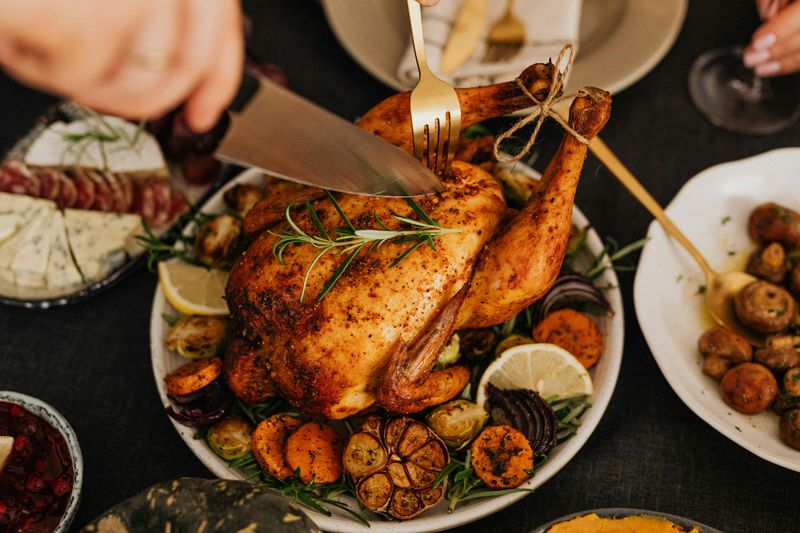
Grocery store rotisserie chickens are famous loss leaders—stores sell them cheap hoping you’ll buy other items. These perfectly cooked birds cost around five dollars, sometimes less. Buying a raw whole chicken and cooking it yourself costs nearly the same amount, but requires your time and oven energy.
Achieving that evenly cooked, crispy-skinned perfection takes skill and proper equipment. Most home ovens can’t replicate the rotating spit’s results.
Stores prepare dozens simultaneously, making their operation incredibly efficient. You’d spend more on electricity and seasoning than you save buying raw chicken. Sometimes convenience and quality both come cheaper when you let professionals handle it.
11. Seafood Dishes
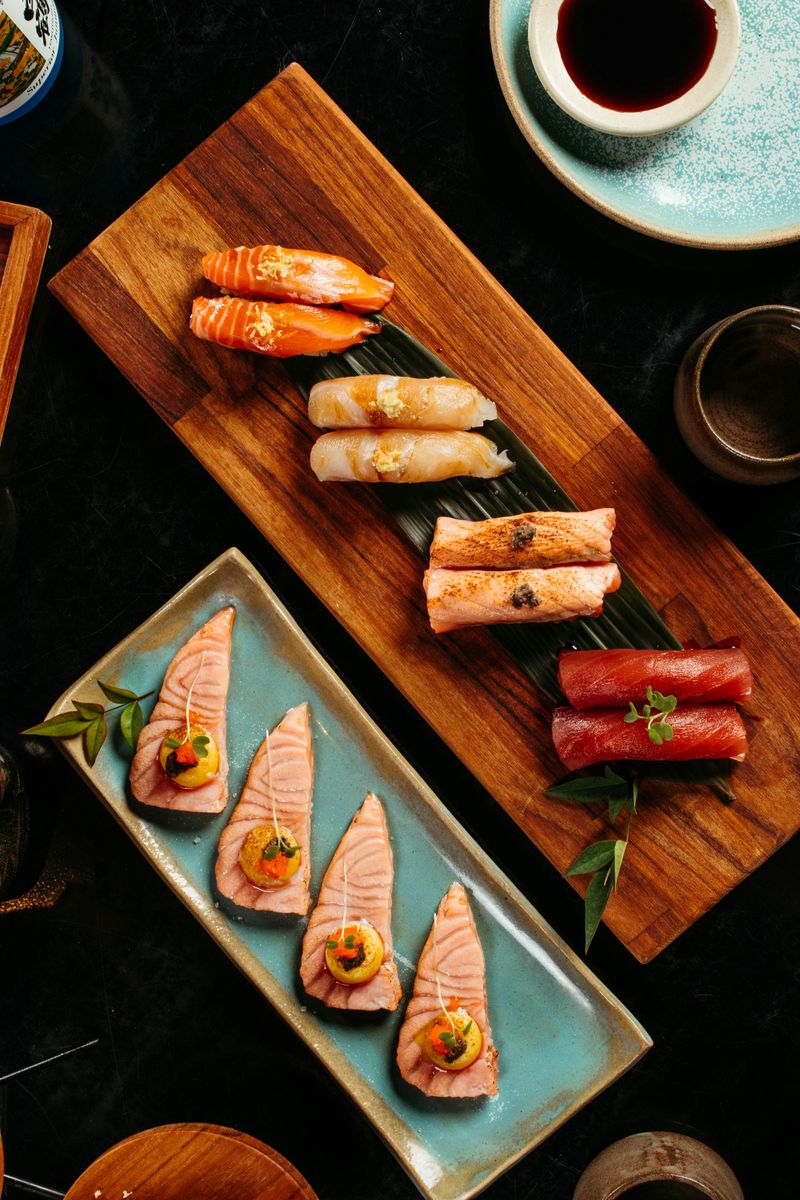
Fresh seafood carries premium prices that make restaurant portions look like bargains. Shrimp, scallops, crab, or quality fish fillets cost substantially more per pound than chicken or beef. Unless you live coastal with access to fresh catches, you’re paying top dollar at inland grocery stores.
Seafood spoils quickly, so you can’t stock up or freeze it without quality loss. Recipes often combine multiple seafood types, multiplying your costs.
Seafood restaurants have reliable supplier networks and move inventory fast, keeping prices competitive. They know exactly how to prepare delicate fish without ruining expensive ingredients. Your wallet stays happier letting seafood experts handle these dishes.
12. Dim Sum and Specialty Dumplings

Those adorable steamer baskets of dumplings at dim sum restaurants seem pricey until you consider making them yourself. Dumpling wrappers, multiple filling ingredients, and specialty sauces start your shopping list. Each dumpling type needs different components—shrimp, pork, vegetables, seasonings, and binding agents.
Folding dumplings takes practice and patience. You’ll spend hours preparing enough for one meal, and bamboo steamers aren’t free either.
Dim sum restaurants employ experienced dumpling makers who produce hundreds daily. Their efficiency and bulk ingredient purchasing keep prices reasonable. Unless dumpling-making becomes your hobby, ordering these delicate parcels makes more financial and practical sense than DIY attempts.