 MomSkoop
Hollywood actors are often celebrated for their performances, but sometimes those roles come back to haunt them.
Over the years, several famous stars have publicly apologized for characters they played, whether due to cultural insensitivity, poor representation, or personal regret.
These apologies remind us that even the biggest celebrities can make mistakes and learn from them.
Here are some notable examples of actors who said sorry for their on-screen choices.
1. Hank Azaria – The Simpsons’ Apu Controversy
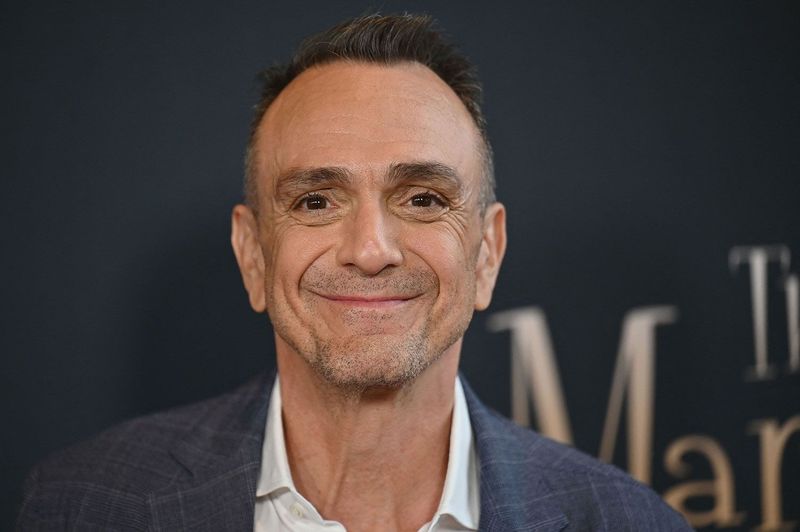
For over three decades, Hank Azaria brought life to Apu Nahasapeemapetilon, the Indian convenience store owner on The Simpsons.
His exaggerated accent and stereotypical portrayal eventually sparked serious criticism from the South Asian community.
Many felt the character reinforced harmful stereotypes about Indian immigrants.
After the documentary “The Problem with Apu” highlighted these concerns, Azaria listened and reflected deeply.
He publicly apologized in 2021, acknowledging the pain his portrayal caused.
Azaria stepped away from voicing Apu, demonstrating that growth and accountability matter more than tradition.
His apology was widely praised for its sincerity and willingness to learn from past mistakes.
2. Mike Henry – Stepping Down from Cleveland Brown
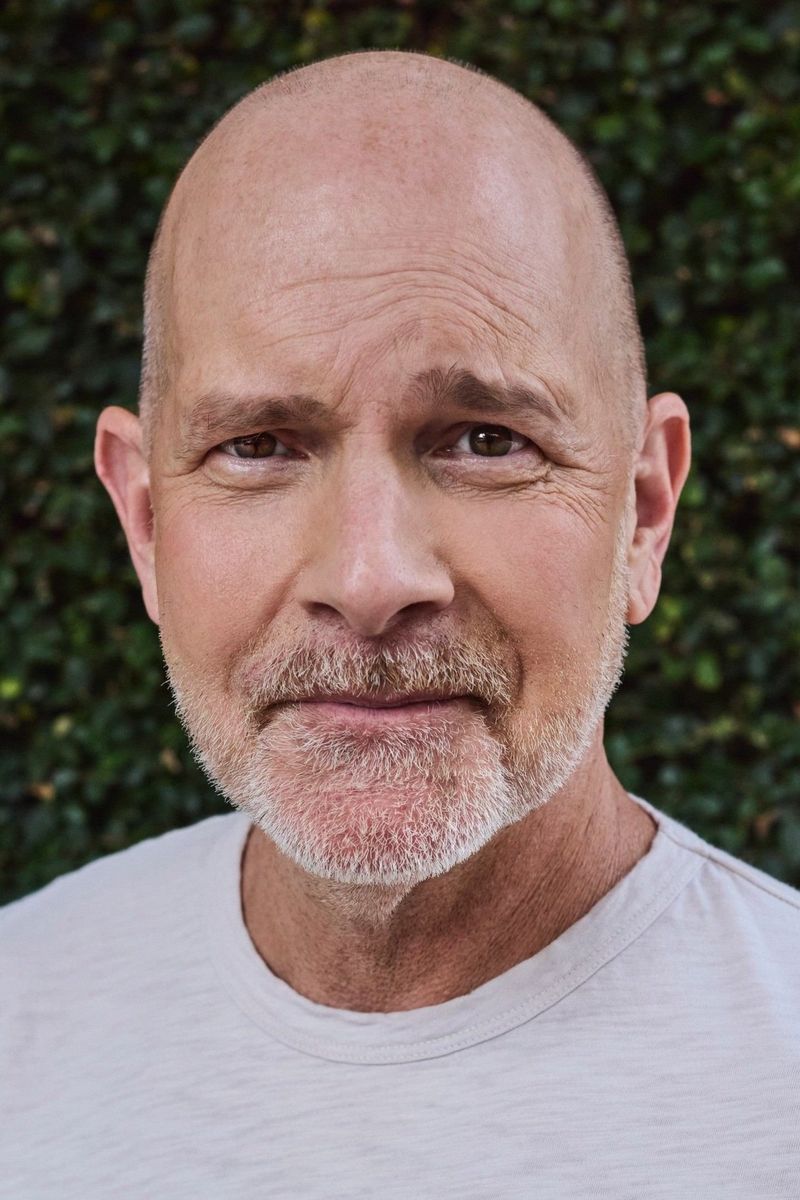
Mike Henry voiced Cleveland Brown on Family Guy for over twenty years, but in 2020, he made a significant decision.
Following conversations about racial representation in animation, Henry announced he would no longer voice the Black character.
He apologized for taking a role that could have gone to a Black actor.
His statement came during a broader industry reckoning about who should voice characters of different races.
Henry acknowledged that persons of color should play characters of color, showing respect for authentic representation.
The role was later recast with Arif Zahir, a Black voice actor.
Henry’s decision sparked important conversations throughout Hollywood.
3. Jenny Slate – Big Mouth’s Missy Casting Issue
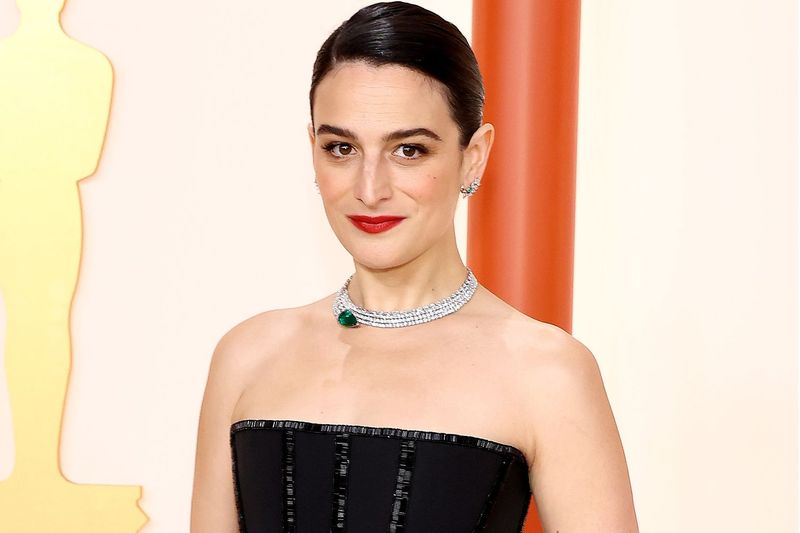
Jenny Slate voiced Missy Foreman-Greenwald, a biracial character, on the animated series Big Mouth.
In 2020, she publicly apologized and stepped down from the role, recognizing that voicing a Black character was inappropriate.
Her apology was heartfelt and showed genuine understanding of the problem.
Slate admitted that she should have questioned the casting from the beginning.
She expressed regret for participating in a system that limits opportunities for Black actors.
Her decision came during widespread discussions about representation in entertainment.
The role was recast with Ayo Edebiri, a Black actress.
Slate’s actions demonstrated accountability and respect for authentic storytelling.
4. Ed Skrein – Hellboy Whitewashing Concerns
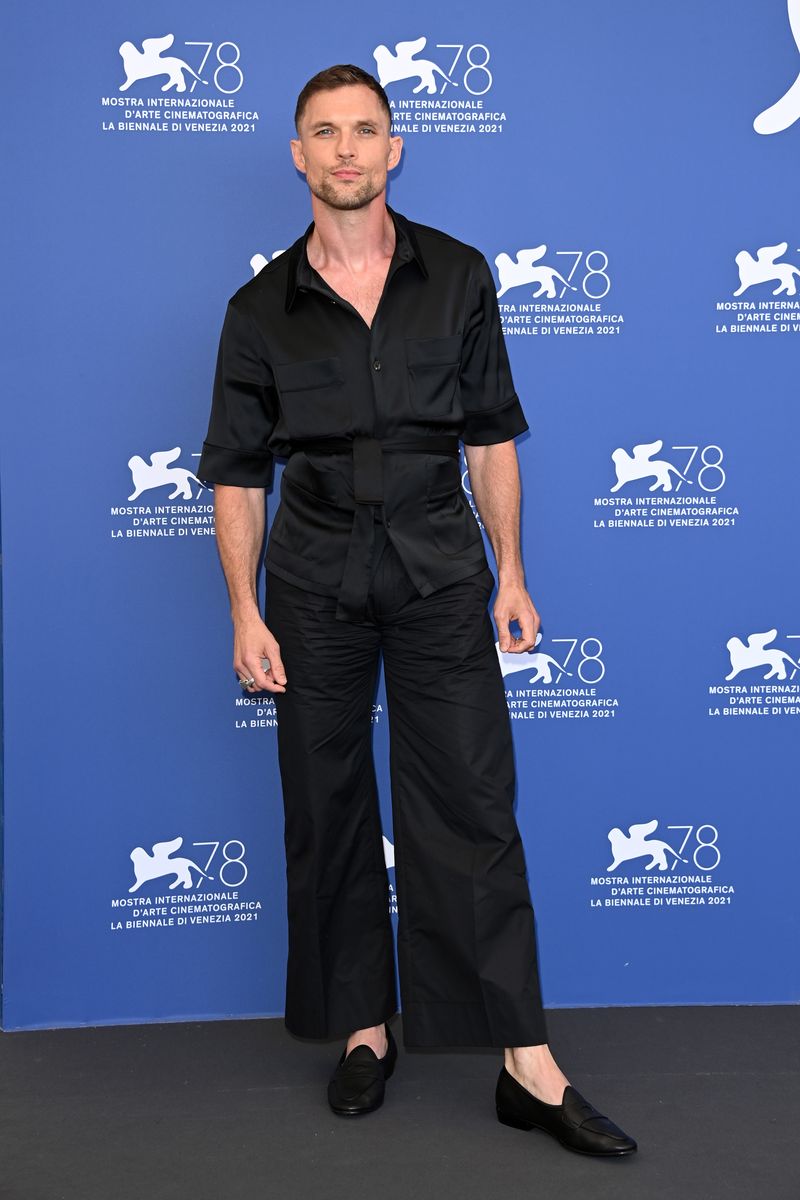
Ed Skrein was cast as Major Ben Daimio in the 2019 Hellboy reboot, but fans quickly noticed a problem.
In the comics, Daimio is Japanese-American, and casting a white British actor seemed like whitewashing.
The backlash was immediate and intense across social media platforms.
Rather than defending the choice, Skrein listened to the criticism.
He voluntarily withdrew from the role and apologized, stating he wanted to honor the character’s heritage.
His decision was praised as a rare example of an actor prioritizing representation over career opportunity.
Daniel Dae Kim, an Asian-American actor, replaced him.
Skrein’s choice set a powerful precedent for Hollywood casting decisions.
5. Joseph Fiennes – Michael Jackson Casting Backlash
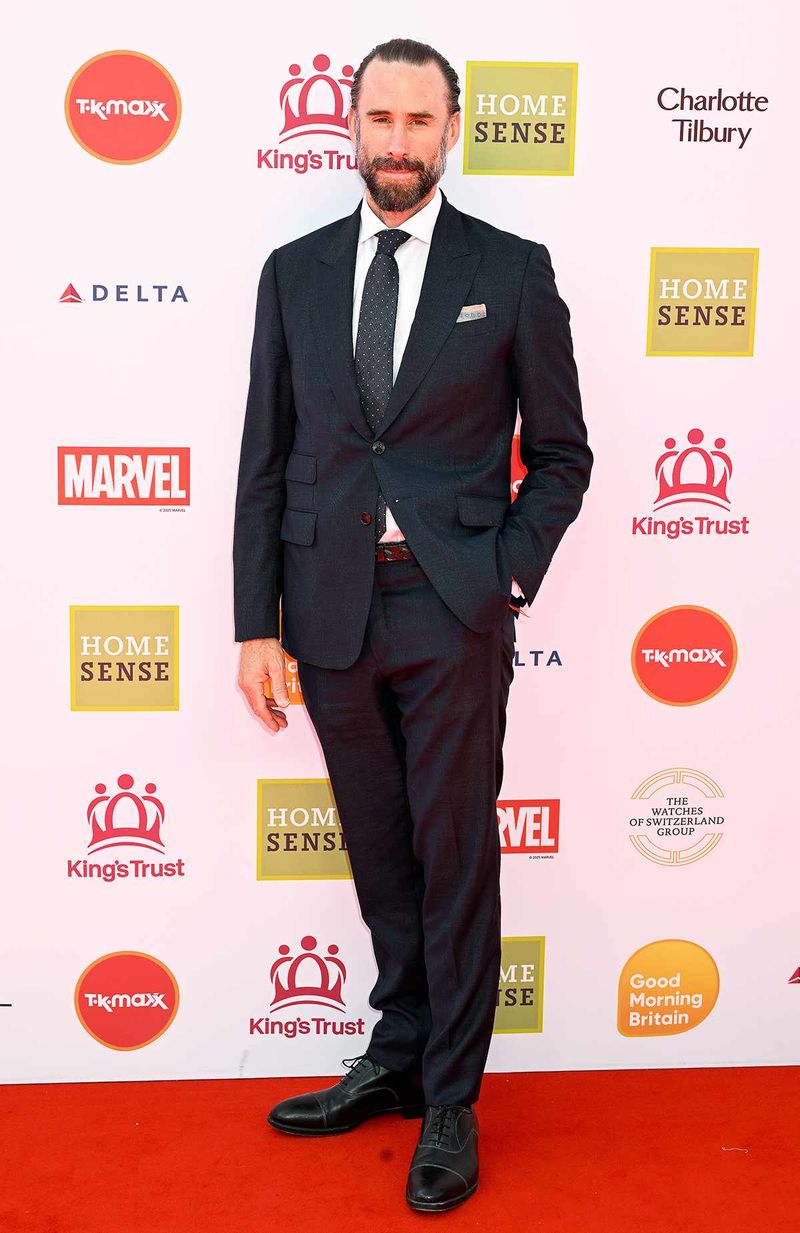
Joseph Fiennes was cast to play Michael Jackson in the British comedy series Urban Myths, and the announcement created instant controversy.
Critics questioned why a white actor would portray the Black pop icon, regardless of Jackson’s changing appearance.
The casting choice felt deeply disrespectful to many fans and cultural commentators.
Fiennes initially defended the role but later apologized after widespread backlash.
He admitted the casting was a mistake and expressed regret for the offense caused.
The episode was ultimately pulled from broadcast before airing.
This incident highlighted ongoing sensitivity around race and representation in entertainment.
Fiennes learned a valuable lesson about cultural respect and appropriate casting choices.
6. Fisher Stevens – Short Circuit Brownface Controversy
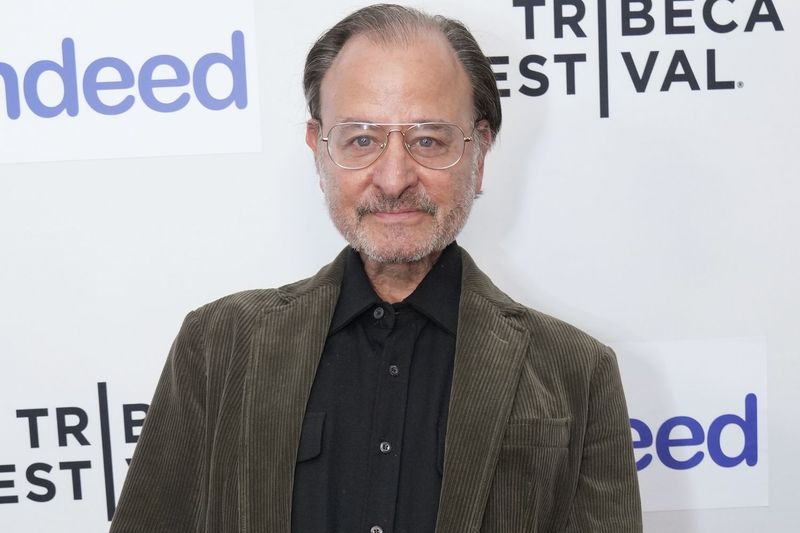
Back in 1986, Fisher Stevens played Ben Jabituya, an Indian scientist, in Short Circuit.
He wore brownface makeup and used an exaggerated accent that many now recognize as offensive.
At the time, such casting choices were unfortunately common in Hollywood, but that doesn’t make them acceptable.
Decades later, Stevens publicly apologized for the role.
He acknowledged that his portrayal perpetuated harmful stereotypes and took opportunities from South Asian actors.
His apology came after years of criticism and reflection about the film’s problematic choices.
Stevens admitted he wouldn’t accept such a role today.
His apology represents Hollywood’s slow evolution toward better representation and cultural sensitivity.
7. Emma Stone – Aloha Whitewashing Scandal

Emma Stone faced criticism for playing Allison Ng in the 2015 film Aloha.
Her character was written as part-Chinese and part-Hawaiian, but Stone is of Swedish and German descent.
Critics called this whitewashing, arguing that an Asian or Pacific Islander actress should have been cast instead.
Stone apologized, calling the casting “a flawed system” and expressing regret for taking the role.
She acknowledged that the character’s heritage should have been honored with appropriate casting.
Her apology was seen as genuine, though some felt she should have questioned the casting earlier.
The controversy sparked broader conversations about Hollywood’s representation problems.
Stone has since spoken about the importance of diverse casting.
8. Viola Davis – The Help Narrative Concerns
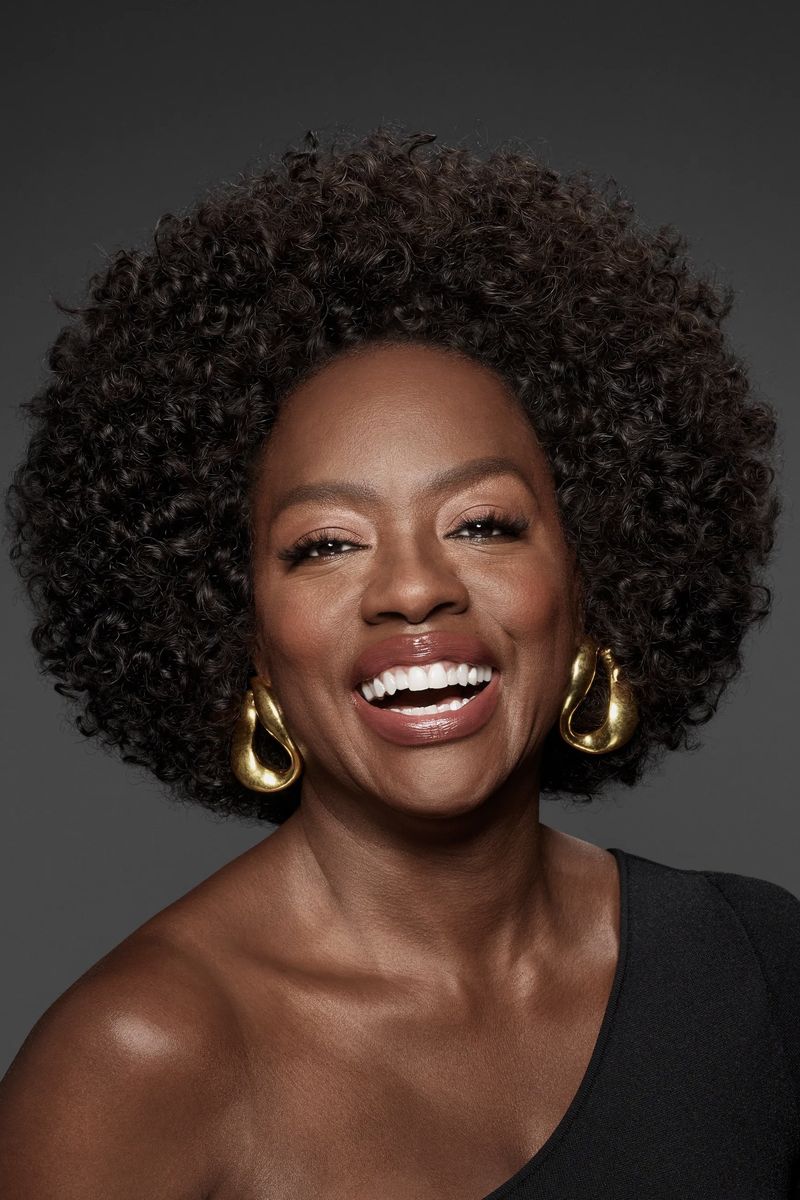
Viola Davis delivered a powerful performance in The Help, earning an Oscar nomination.
However, years later, she expressed deep regret about accepting the role.
Davis felt the film told a story about Black domestic workers from a white perspective, centering white characters rather than the Black women it claimed to honor.
She apologized for participating in what she called “a white savior narrative.”
Davis explained that despite her excellent performance, the film’s framing reinforced problematic storytelling patterns.
Her critique highlighted how even well-intentioned films can miss the mark on representation.
Davis’s honesty sparked important discussions about whose stories get told and how they’re framed in Hollywood.
9. Anne Hathaway – The Witches Disability Insensitivity

Anne Hathaway starred as the Grand High Witch in the 2020 remake of The Witches.
Her character’s hands featured three fingers, which resembled a limb difference called ectrodactyly.
Many in the disability community felt this design choice portrayed their condition as scary and villainous.
Hathaway quickly apologized, admitting she hadn’t considered how the design would affect people with limb differences.
She expressed genuine regret for any pain caused and promised to be more thoughtful in future roles.
Her apology was praised for its promptness and sincerity.
The incident reminded filmmakers to consult with affected communities before making creative choices.
Hathaway’s response showed willingness to learn and grow from criticism.
10. Zoe Saldana – Nina Simone Portrayal Criticism
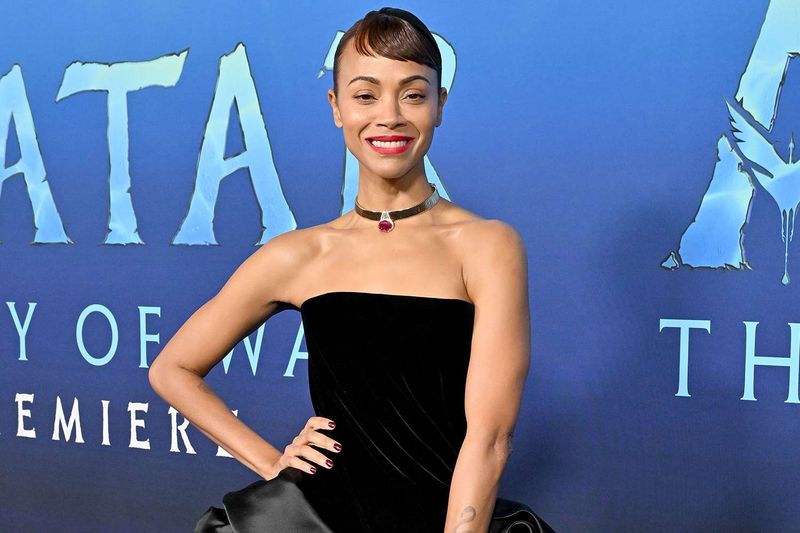
Zoe Saldana faced intense backlash for playing Nina Simone in the 2016 biopic Nina.
Critics argued that Saldana, who is Afro-Latina with lighter skin, wore darkening makeup and a prosthetic nose to resemble the darker-skinned icon.
Many felt this was disrespectful to Simone’s legacy and dark-skinned Black women.
Saldana initially defended her casting but later apologized.
She admitted she should have questioned whether she was the right person to tell Simone’s story.
Her apology acknowledged colorism issues within the entertainment industry.
The controversy highlighted ongoing debates about authentic representation and who should portray historical figures.
Saldana’s experience became a cautionary tale about casting choices.
11. Mahershala Ali – Green Book Family Apology
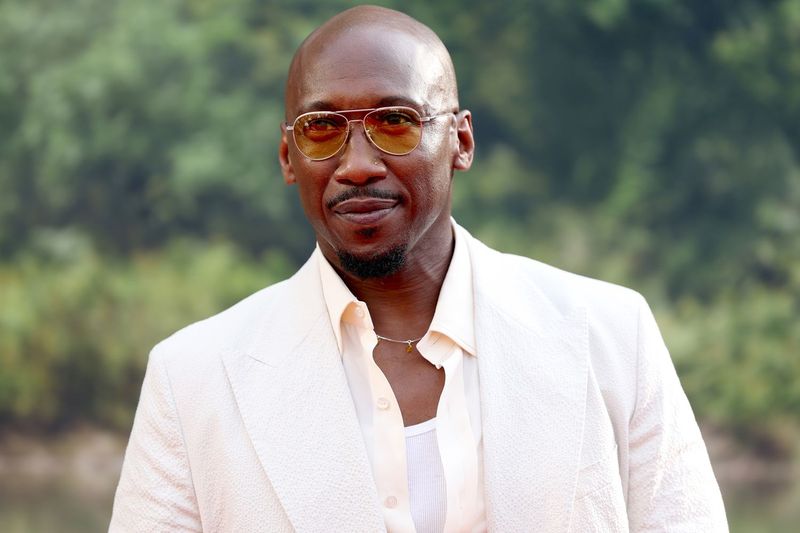
Mahershala Ali won an Oscar for playing Dr. Don Shirley in Green Book, but the victory came with complications.
Dr. Shirley’s family publicly stated the film misrepresented him and that they weren’t consulted during production.
They criticized the movie’s accuracy and perspective on their loved one’s life.
Ali apologized directly to Shirley’s family for any pain caused.
He explained that he wasn’t aware of the family’s concerns until after filming.
His apology showed respect for the real person behind the character he portrayed.
The situation highlighted the importance of consulting families when telling true stories.
Ali’s gracious response demonstrated professionalism and empathy despite his award-winning performance.
12. Benedict Cumberbatch – Zoolander 2 Non-Binary Character
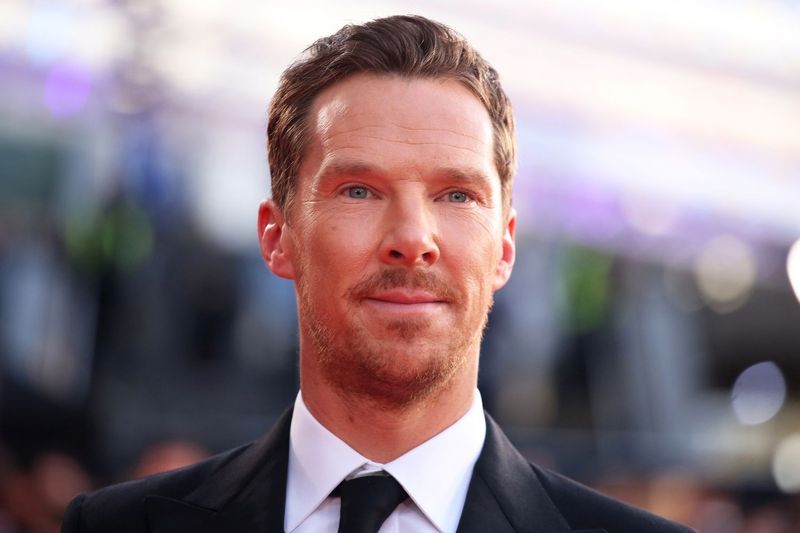
Benedict Cumberbatch played a character named All in Zoolander 2, portrayed as a fashion model of ambiguous gender.
The character was played for laughs, and many in the LGBTQ+ community found the portrayal offensive and mocking.
Critics argued the role reinforced harmful stereotypes about non-binary and gender-nonconforming people.
Cumberbatch expressed regret for taking the role.
He apologized for participating in humor that punched down at marginalized communities.
His apology acknowledged that comedy shouldn’t come at the expense of vulnerable groups.
The incident sparked conversations about respectful LGBTQ+ representation in comedy.
Cumberbatch’s response showed growth and awareness about the impact of entertainment choices.
13. Paul Newman – The Silver Chalice Career Regret
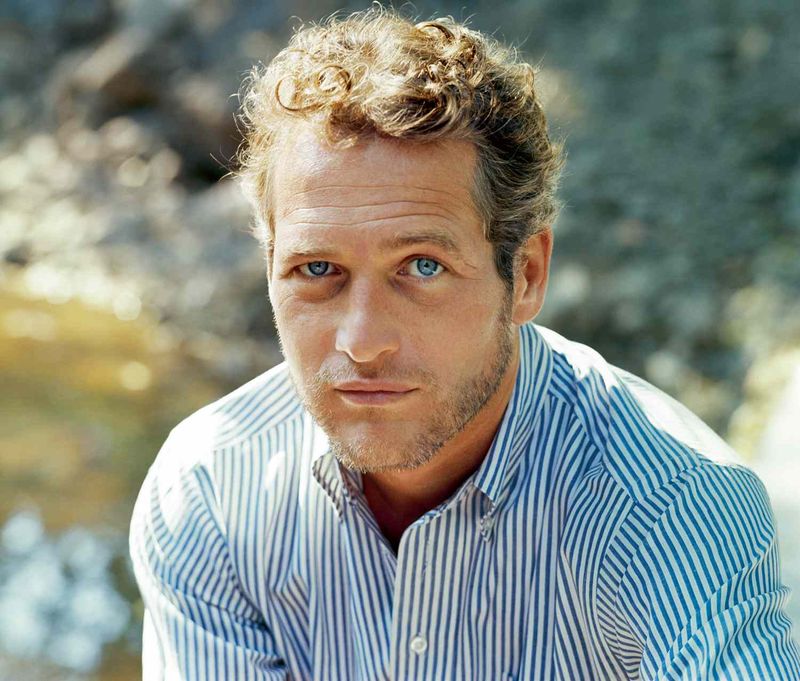
Paul Newman’s first major film role was in The Silver Chalice in 1954, and he hated it.
The biblical epic was poorly received, and Newman considered his performance embarrassing.
Unlike most actors who quietly distance themselves from early work, Newman took an unusual approach to expressing his regret.
He famously took out newspaper ads apologizing to audiences when the film aired on television years later.
Newman publicly denounced the movie throughout his career, calling it his worst work.
His ongoing apology became legendary in Hollywood circles.
This early misstep motivated Newman to choose roles more carefully afterward.
His honesty about the film showed humility rare among major stars of his era.
14. Mickey Rooney – Portrayal of Mr. Yunioshi
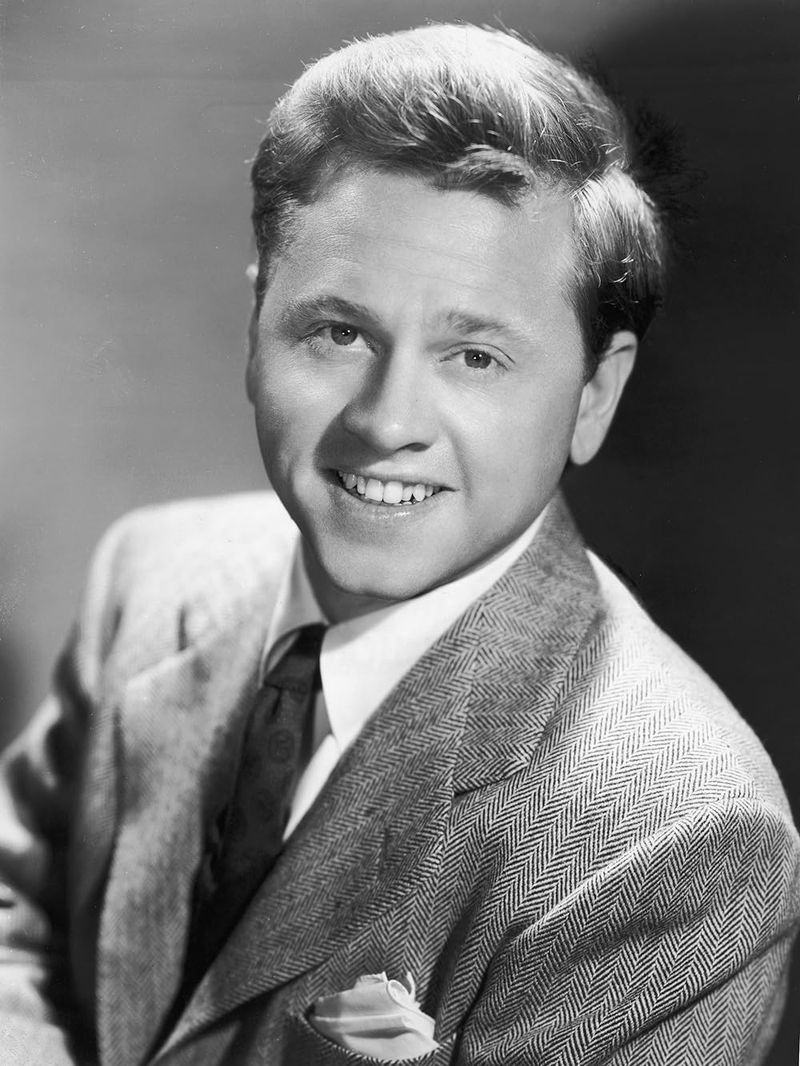
Mickey Rooney later expressed regret for his portrayal of Mr. Yunioshi in the 1961 film Breakfast at Tiffany’s, a role that has since become one of Hollywood’s most cited examples of racist stereotyping.
Rooney played the character using exaggerated makeup, prosthetic teeth, and a caricatured accent, elements that were widely criticized in later decades for perpetuating harmful Asian stereotypes.
In interviews later in life, Rooney acknowledged the portrayal was a mistake and said he would never have taken the role had he known it would offend people.
He stated that the performance was intended as comedy at the time but conceded that it was misguided and insensitive.
While he stopped short of a formal apology early on, his comments reflected clear remorse and recognition of the harm caused.
Rooney’s regret has been frequently referenced in discussions about changing standards in Hollywood and the evolution of on-screen representation.
His acknowledgment is often cited as an example of an actor reassessing past work through a modern cultural lens.
15. Mark Wahlberg – Flight Risk Cast Apology
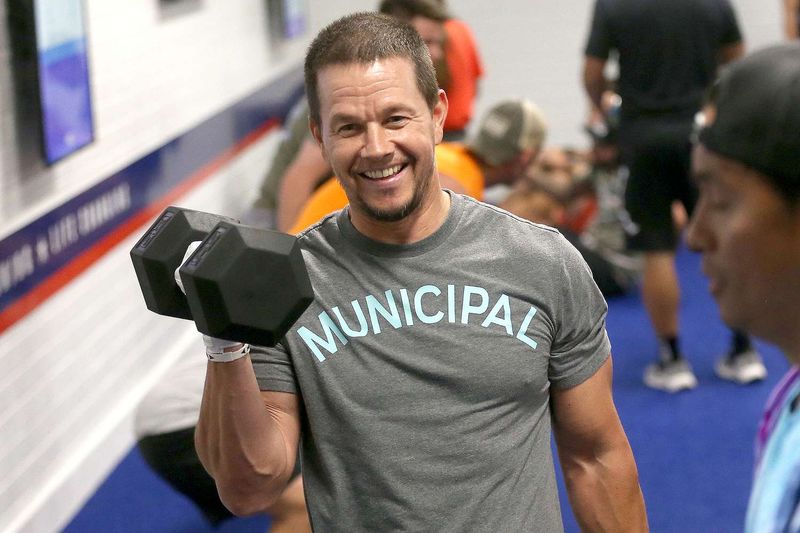
Mark Wahlberg is known for his intense method acting approach, but sometimes his immersive process affects those around him.
During the filming of Flight Risk, Wahlberg’s behavior reportedly made his castmates uncomfortable.
His commitment to staying in character created tension on set.
Wahlberg apologized to his fellow actors for any difficulties his process caused.
He acknowledged that while method acting helps his performance, he needs to balance that with respect for colleagues.
His apology showed awareness that artistic choices shouldn’t negatively impact others.
The incident highlights ongoing debates about method acting boundaries.
Wahlberg’s willingness to apologize demonstrates professionalism and consideration for his collaborators’ experiences during production.