 MomSkoop
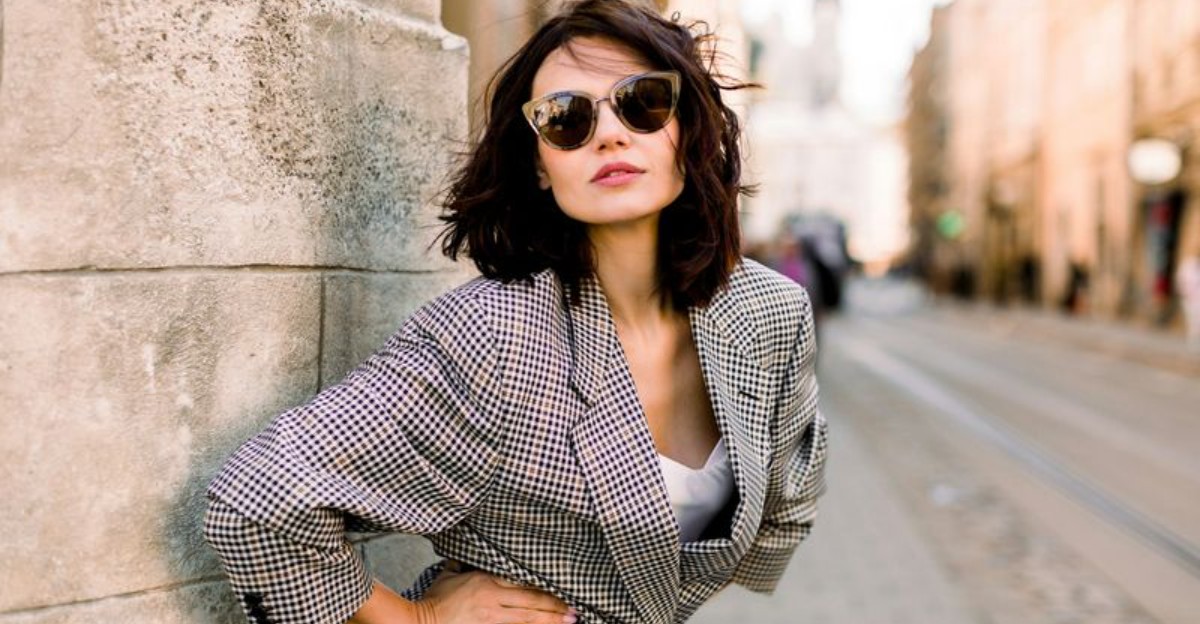
Makeup fans on TikTok have built a whole look around seeming unapproachable, complete with sharp contour and smoky siren eyes. Some wearers say they use it on purpose to keep unwanted attention away.
Clothes and accessories can send a message before anyone says hello, and researchers have studied how color, fit, and formality shape first impressions. None of this means you should change how you dress. Sometimes looking a little hard to approach is exactly the point, and that is a fair choice to make. The list below covers details people often read as do not disturb, plus easy tweaks if you want to seem a bit more open.
1. Dramatic Makeup Looks
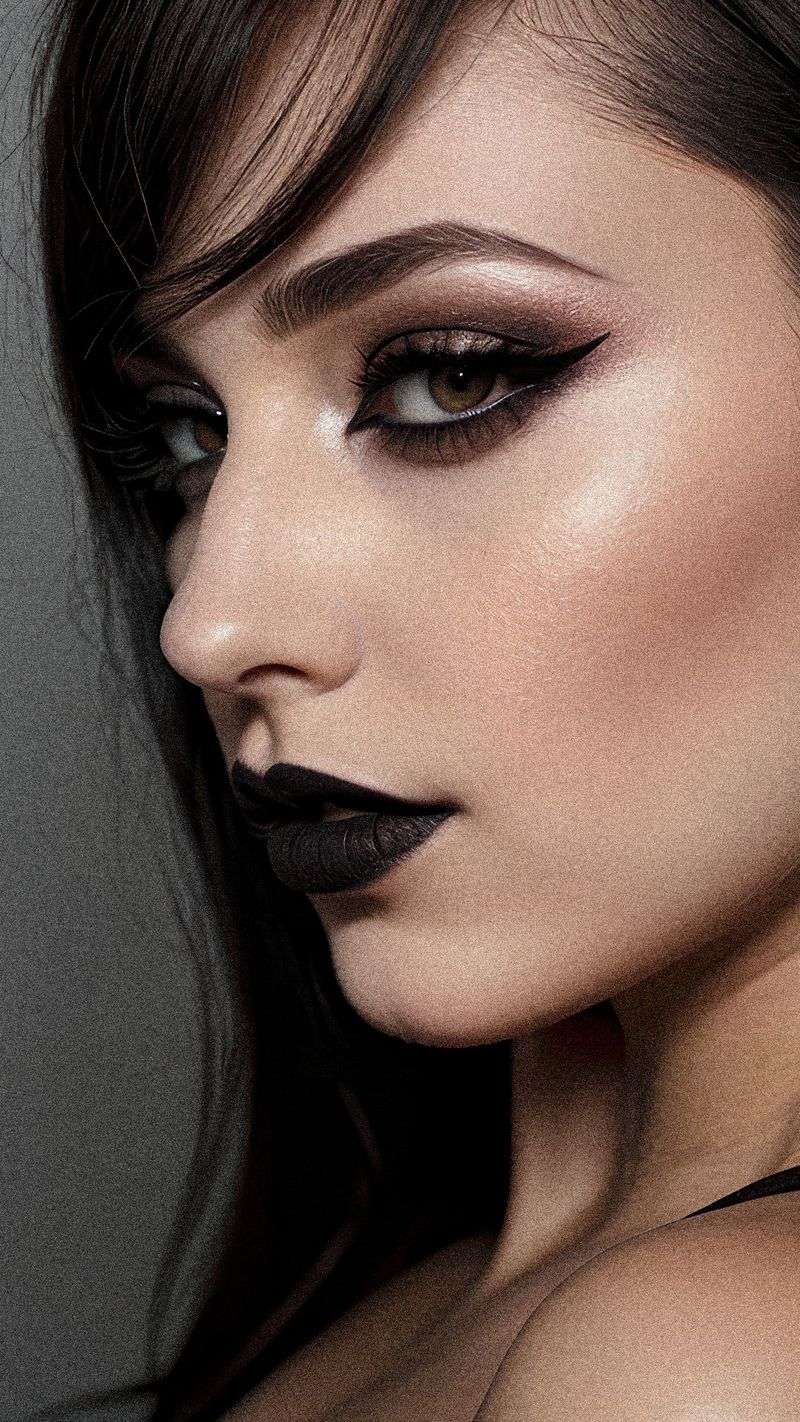
Some makeup trends come with their own mission statement.
The so-called unapproachable makeup look, shared widely by creators on TikTok, uses sharp contour, dark siren or smoky eyes, heavy lashes, and deep lip colors.
Makeup artists describe the effect as powerful, mysterious, and a little intimidating.
For plenty of wearers, that is the whole goal, since some say they like how it keeps strangers from bothering them.
Bold makeup is not a problem, and it can be a fun creative outlet.
Still, the strong lines and dark tones can read as serious, especially when paired with a neutral face.
People tend to react to the overall mood before they notice the artistry.
If you love drama but want a softer first impression, try picking one strong feature instead of three.
A sharp winged liner with a sheer lip feels different from black liner, heavy contour, and a deep plum mouth all at once.
Warmer shades like bronze, copper, or rosy brown can also give smoky eyes a gentler finish.
You keep the depth while trading some of the edge for friendliness.
And on days you want the shield effect?
Go full siren and enjoy the quiet commute.
2. Headphones That Never Come Off
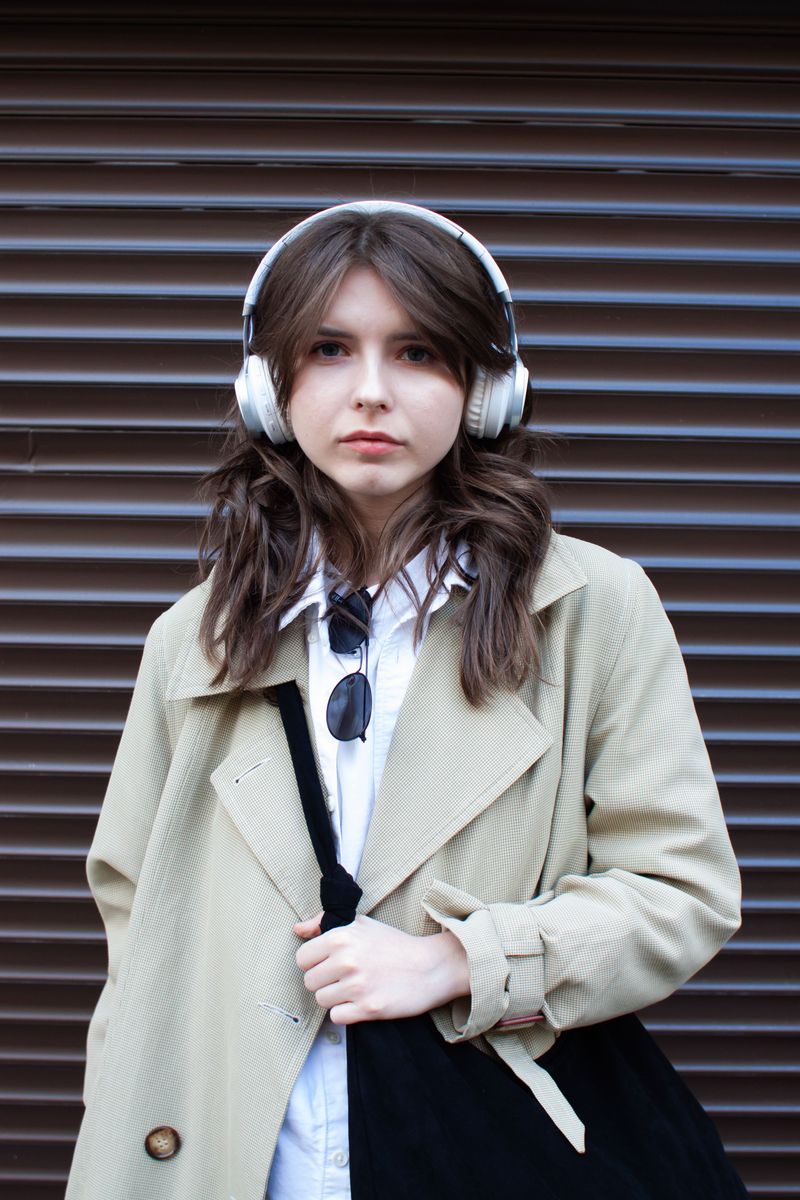
Few accessories say busy right now as clearly as a pair of headphones.
Big over-ear models, tiny earbuds, and sporty sets all send a similar signal to people nearby.
That signal is often useful.
On a crowded train or during a solo walk, headphones create a polite little bubble that most people respect.
The catch is that they also lower your awareness of the room.
You might miss a coworker saying hi, a neighbor calling your name, or someone asking a quick question.
To the other person, it can look like you are ignoring them, even when you just did not hear.
Some people keep one earbud out when they are open to small talk.
Others slip headphones around the neck when entering a shop, office, or party.
Both habits show you are tuned in without giving up your playlist.
Open-ear headphones are another option, since they leave the ear canal uncovered and let outside sound through.
Companies such as Shokz market this design for staying aware of surroundings.
None of this means you owe strangers your attention.
It simply helps to know that headphones speak loudly, so you can decide when that message fits.
3. Head-to-Toe Black
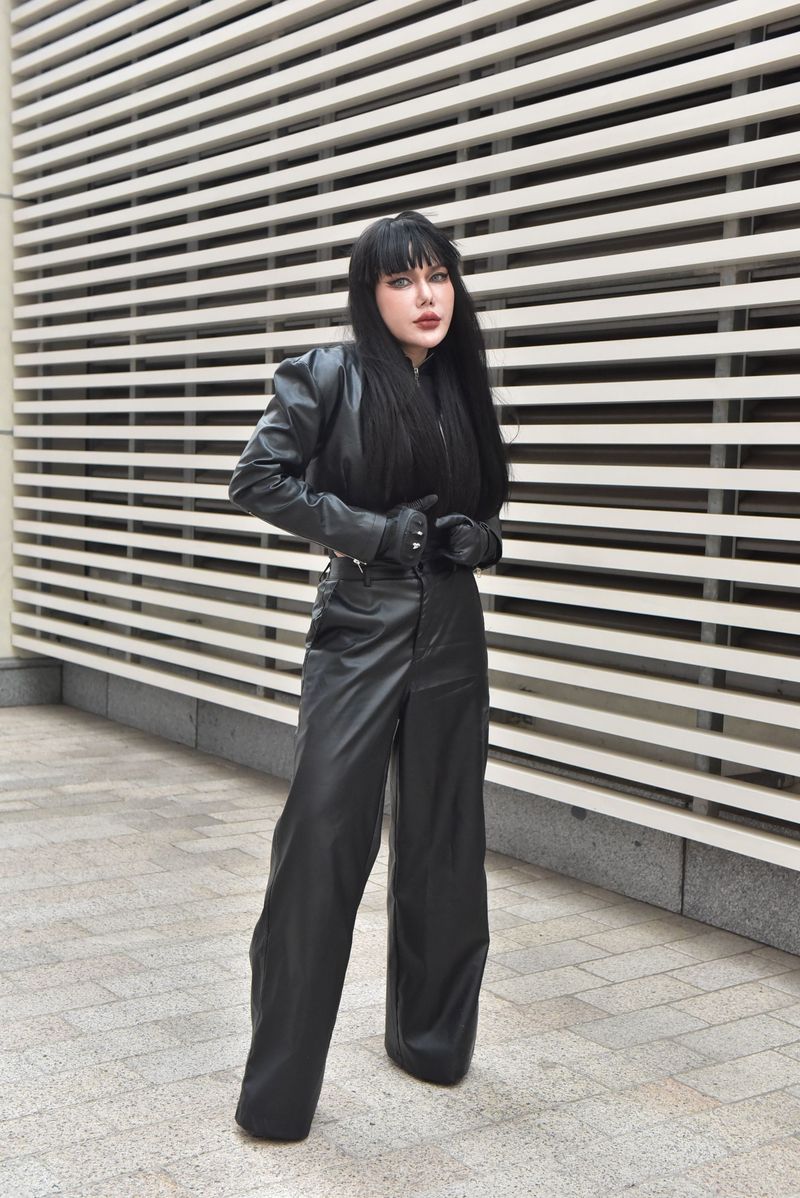
An all-black outfit is the closest thing fashion has to a mic drop.
It looks polished, simple, and serious, which explains why so many people rely on it.
Style writers and color researchers often link black with confidence, authority, and sophistication.
Those are great qualities, but they can also come across as formal or reserved.
For someone who is naturally quiet, a full black look may add another layer of distance.
Some psychologists describe black as a kind of protective armor, and that idea fits how many people use it.
It feels safe, sleek, and private.
You do not have to give up your favorite shade.
A small touch of color near your face, like a soft blue scarf or a coral lip, can break up the intensity.
Texture also helps, since a fuzzy knit sweater feels friendlier than a stiff black blazer.
Mixing black with denim, cream, or camel is another easy fix.
A black top with light jeans reads relaxed, while black from collar to boots reads strict.
Of course, if you want to look like the coolest person at the art gallery, keep the all-black uniform.
It works for a reason.
4. Very Formal Outfits

A sharp suit can open doors at work, yet it might close a few socially.
Research summarized by several outlets found that formal clothing tended to boost how approachable men seemed but could lower it for women, especially younger women.
Researchers suggest this may come from old stereotypes about gender and age.
In other words, the problem sits in how people judge, not in women who like tailored clothes.
Knowing that pattern can still be handy.
In a meeting, interview, or courtroom, formal wear may be exactly the signal you want.
In a mixer, class, or neighborhood event, it might read as stiff or guarded.
Small changes can soften a formal look without losing its polish.
Swap a crisp button-up for a silky knit tee under your blazer.
Trade pumps for loafers or clean sneakers.
Rolling your sleeves or leaving the jacket unbuttoned also relaxes the shape.
These tweaks keep you looking capable while hinting that you are open to a chat.
Think of formality as a dial instead of a switch.
You can turn it up or down depending on whether you need to command a room or blend into it.
5. Stiff, Structured Fabrics
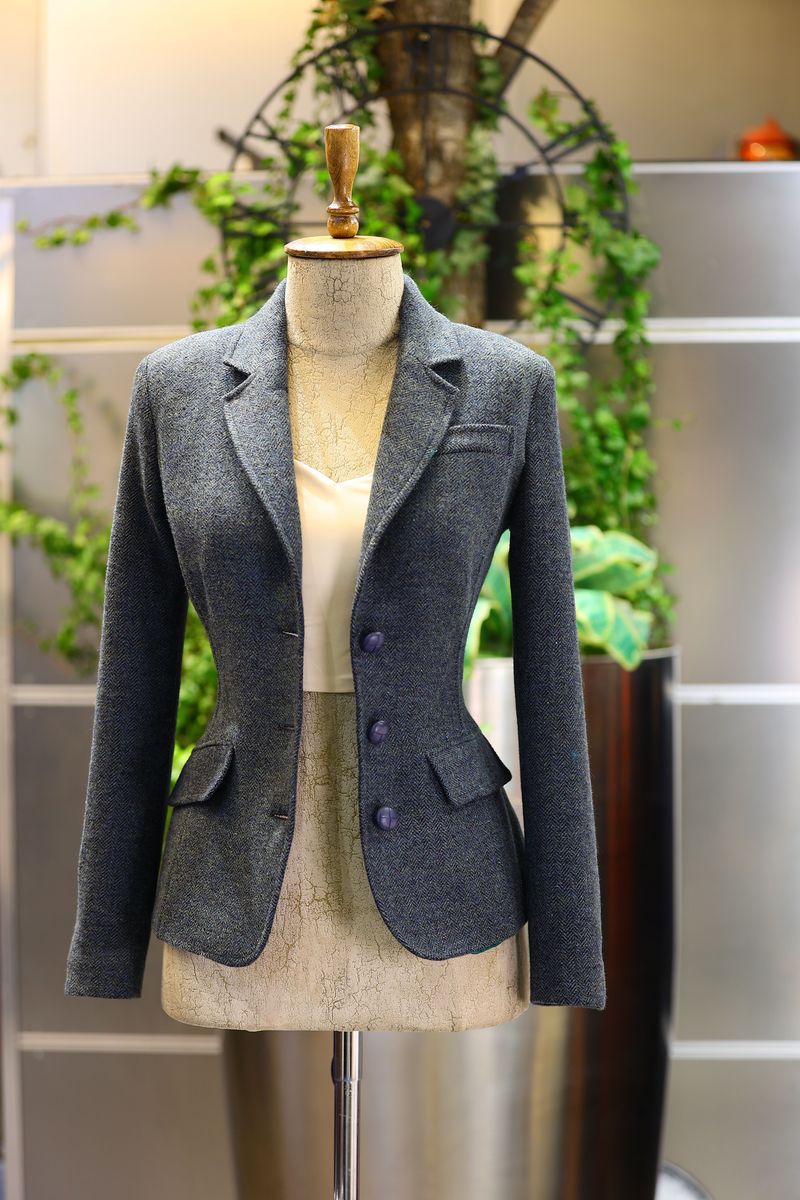
Fabric talks, even when it stands perfectly still.
Crisp, heavily structured pieces with sharp shoulders and firm seams usually signal authority and competence.
That makes them a favorite for jobs where you need to look in charge.
A structured jacket can make you look ready to run the budget meeting before coffee.
The flip side is that stiff materials, especially some shiny synthetics, can look cold.
Softer fabrics that drape or move, such as chiffon, jersey, or light knits, often appear more relaxed.
Movement in clothing seems to make people feel more at ease.
You can blend both moods in one outfit.
Pair a tailored blazer with a flowy blouse, or wear a structured skirt with a soft cardigan.
The contrast keeps you looking put-together without seeming rigid.
Paying attention to how a piece moves is a smart shopping habit.
Hold it up, give it a little shake, and see whether it swings or stays frozen in place.
Neither choice is wrong.
Structure is great for presentations, while softer fabric may suit coffee dates and family gatherings better.
Your closet can hold both, and you get to pick the message each day.
6. A Rigid, Boxy Handbag
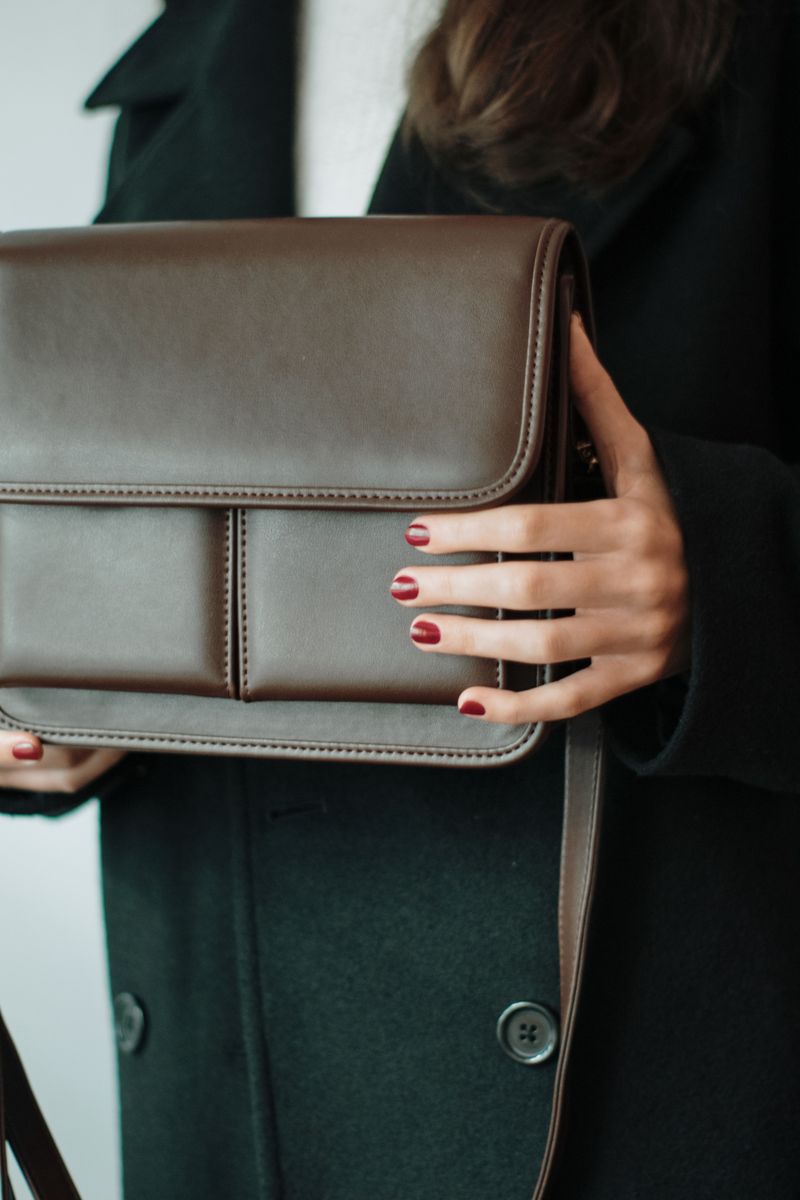
A handbag with straight sides and a stiff top handle can look like it has a calendar full of appointments.
Style writers often describe structured bags as signs of organization, focus, and a no-nonsense attitude.
That reputation is mostly a compliment.
Still, the same bag that says I have it handled may also say please do not slow me down.
Shape plays a big role here.
A boxy bag held in the crook of the elbow looks formal and composed.
A slouchy hobo or soft crossbody hanging easily at the hip looks more casual and relaxed.
Color and hardware matter too.
Shiny gold clasps and dark leather feel dressier, while canvas, woven straw, or a fun color lowers the stakes quickly.
If you carry a structured bag every day, you do not need to replace it.
Try a playful bag charm, a colorful strap, or a softer outfit to balance it out.
Keeping a second, casual bag for weekends is another simple option.
It lets the power bag do its job at work while a softer one handles farmers markets and errands.
Your handbag can switch roles, even if you never fully clock out.
7. Sky-High Heels
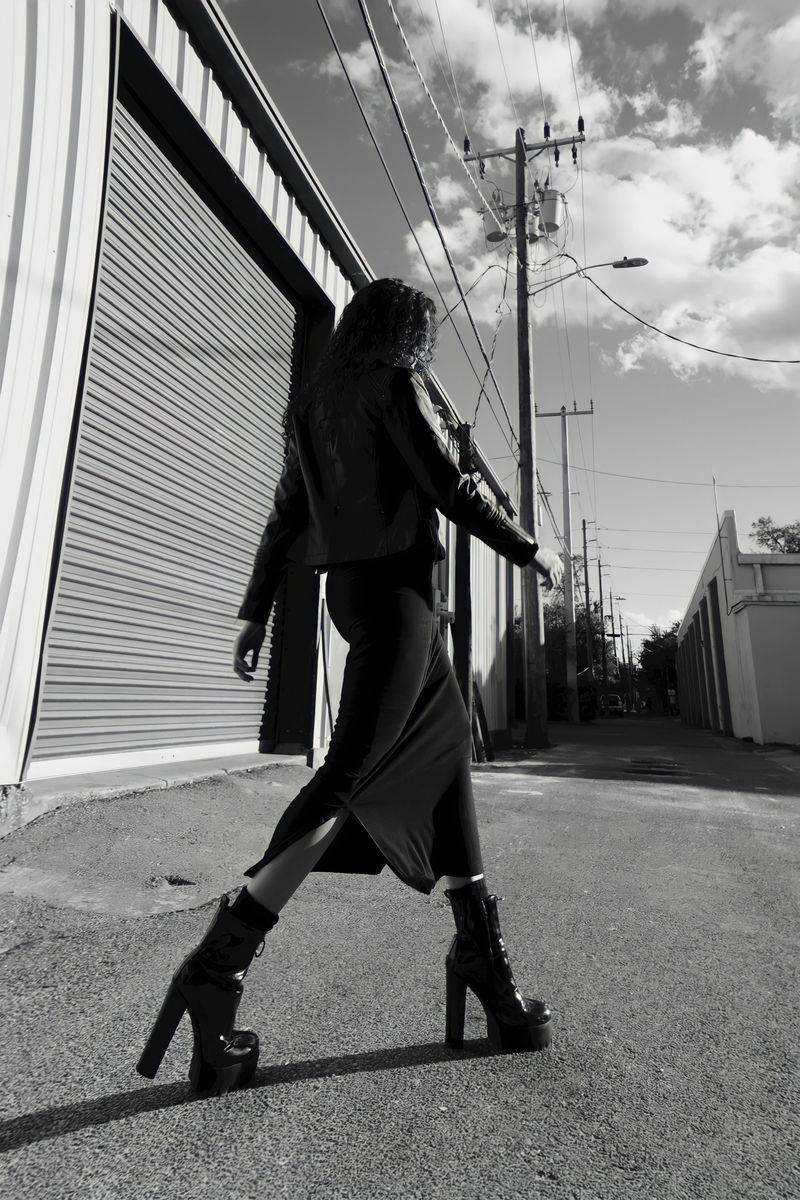
Extra inches change more than your view of the room.
High heels add height and shift posture, and some writers compare that stance to a power pose.
Studies have linked heels with perceptions of attractiveness and higher status.
That boost in status can be a plus at an event, though it may also add some distance in casual settings.
Picture the vibe gap between stilettos at a backyard barbecue and flats at the same picnic table.
The heels might look fantastic while signaling a more formal, guarded mood.
Being physically taller than those around you can add to that effect.
For a middle ground, try block heels, kitten heels, or stylish loafers.
They keep a polished line without the tower effect, and they work well for long days on your feet.
Matching your shoe to the setting helps too.
A dinner party can handle a strappy heel, while a park picnic usually calls for sneakers or sandals.
And if heels make you feel unstoppable, wear them proudly.
Confidence is attractive in its own right, and a friendly smile can easily outweigh three extra inches.
Shoes start the conversation, but your attitude finishes it.
8. Oversized Statement Jewelry
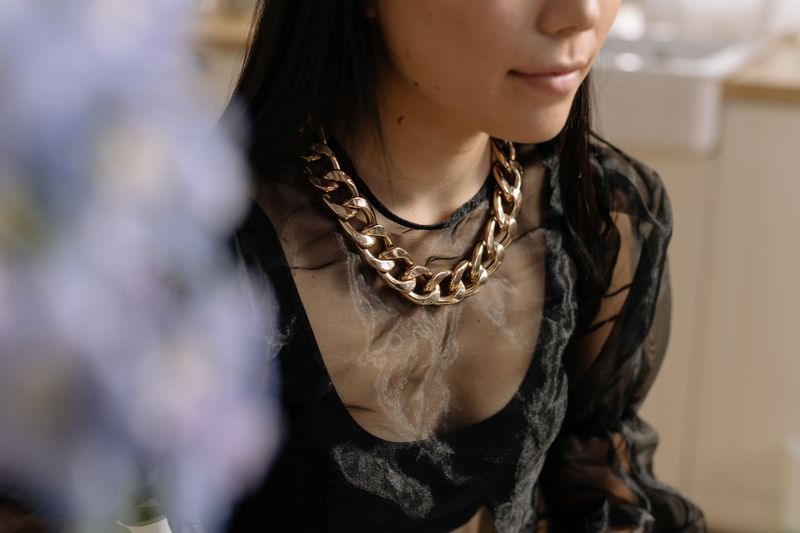
A giant gold collar necklace can enter a room a full second before you do.
Statement jewelry is designed to grab attention, and it usually succeeds.
Bold pieces can express personality and add fun to a plain outfit.
The trouble starts when several loud pieces compete at once, which some people read as high maintenance.
Chunky earrings, a stack of cuffs, a big cocktail ring, and a bib necklace together can feel overwhelming.
Others may focus on the sparkle instead of your face.
Some style writers also link large jewelry with status, which can make casual chats feel trickier.
A simple rule many stylists suggest is to choose one hero piece.
If your earrings are huge, keep the neckline bare.
If your necklace is the star, wear small studs or nothing at all.
Material changes the mood too.
Wooden beads, enamel, or colorful resin feel playful, while heavy gold or crystal feels formal and polished.
None of this is about shrinking your style.
One standout piece often gets more attention than five, and it gives people an easy compliment to start a conversation.
That earring might just turn into the best icebreaker of your week.
9. Clothes That Swallow You Up
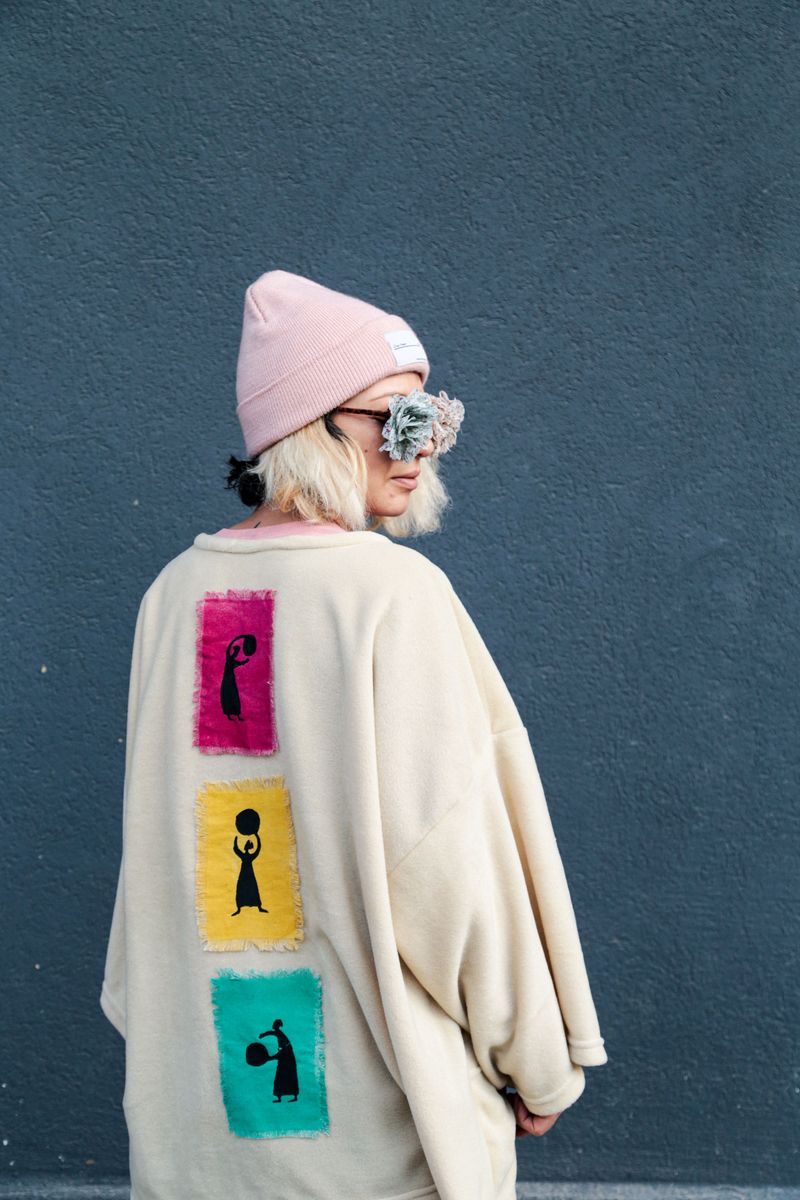
Oversized clothing can feel like wearing a weighted blanket in public.
Comfort matters, and relaxed fits have been a big part of fashion in recent years.
The difference lies between intentional oversize and clothes that seem to swallow you.
When fabric piles up with no shape at all, it can make someone look withdrawn or uninterested in connecting.
Dark, very baggy outfits sometimes give off an extra layer of hiding.
A hood up, sleeves past the fingers, and pants dragging on the ground may read as please do not see me.
That impression may be totally wrong, but first glances are quick.
A few small moves add shape without losing comfort.
Tuck the front of a big sweater into your jeans, roll the sleeves to show your wrists, or add a belt over a loose dress.
Balancing proportions works well too.
Wide pants look fresh with a fitted top, while a roomy sweater pairs nicely with straight leggings or slim jeans.
Choosing a lighter color, like oatmeal or soft green, also brightens a loose look.
You stay comfy, and people can spot the person inside the fabric.
Cozy and open can absolutely share a closet.
10. Too-Tight Pieces
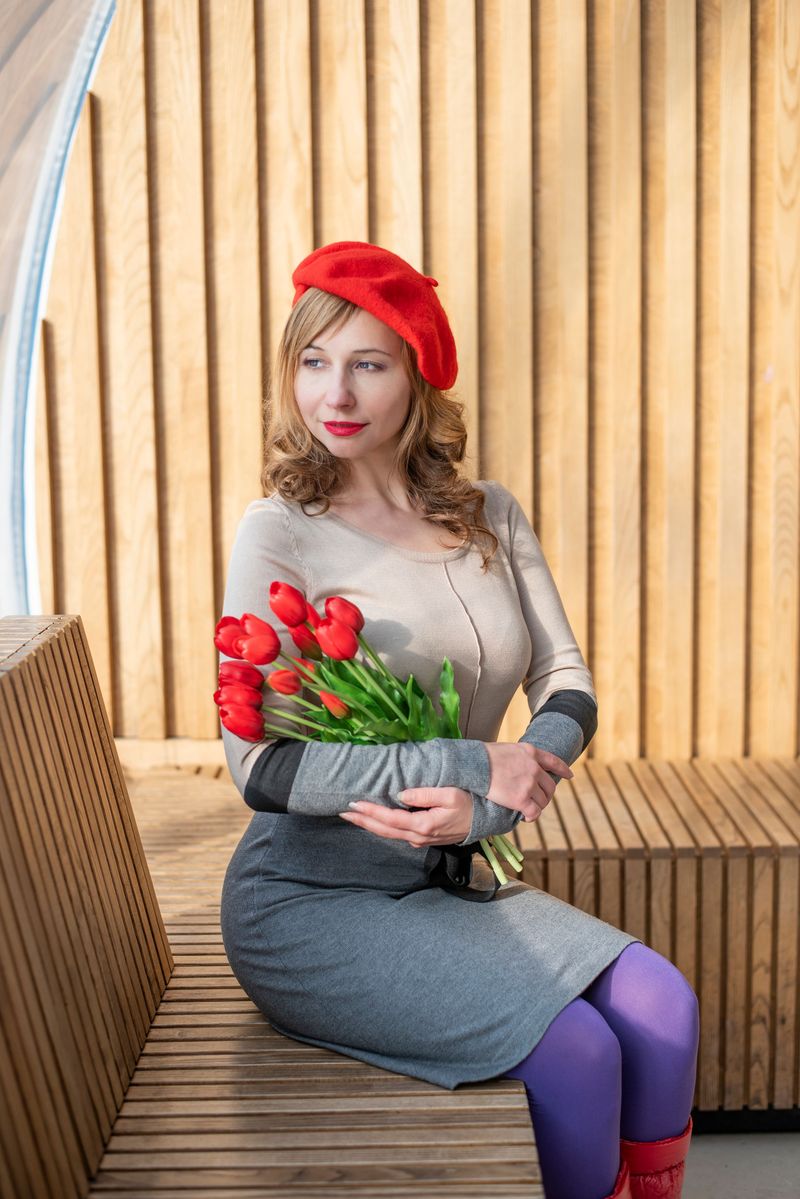
Tugging at a hem all evening is nobody’s idea of fun.
Clothes that are too tight can make the wearer uncomfortable, and that discomfort often shows.
Constant adjusting, crossed arms, and stiff posture may read as defensive or self-conscious.
People notice body language quickly, even when they cannot say why someone seems guarded.
This is about fit, not about body size or showing skin.
A fitted dress that moves with you looks confident.
The same style one size too small can pull, pinch, and keep you distracted all night.
A quick test helps before you leave home.
Sit down, raise your arms, and take a few steps.
If you feel like you are holding your breath, the outfit may be working against you.
Stretchy fabrics like jersey or ponte can give a sleek look with more freedom to move.
A tailor can also adjust tricky spots, such as gaping buttons or tight shoulders.
When clothes fit well, you stop thinking about them.
That frees your attention for the people around you, which is where approachability really lives.
Comfort shows up on your face, and a relaxed face invites more hellos than any perfect silhouette.
11. Dark, High-Contrast Color Combos
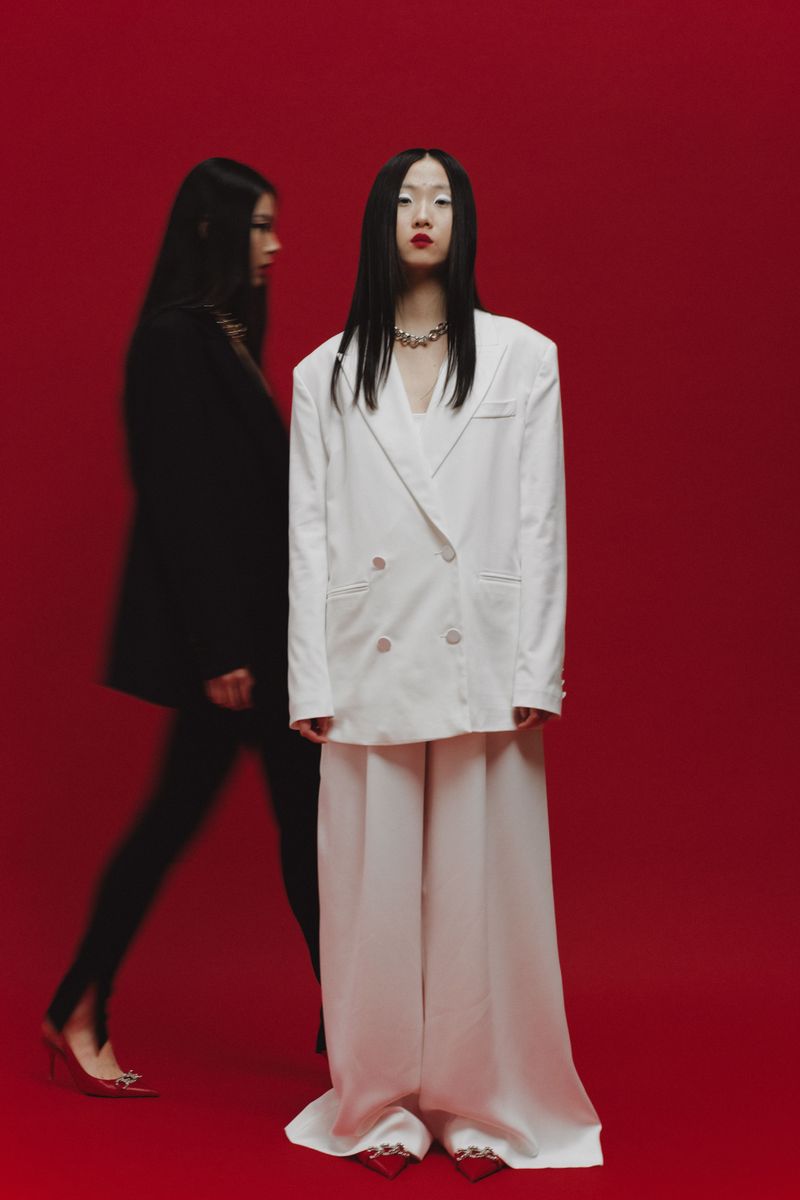
Color can set the tone faster than words.
Dark shades are often seen as more formal and authoritative, which can make a look feel less casual.
High-contrast pairs, like black with bright white, add even more punch.
The look is graphic and striking, but it can feel a bit like walking into a board meeting.
Red is a curious case.
Results vary, so treat red as powerful rather than off-limits.
Softer palettes tend to feel easier to approach.
Pastels, muted earth tones, and mid-blues usually come across as calmer and more relaxed.
You can keep contrast but lower the volume.
Try navy with cream instead of black with stark white, or a dusty rose instead of a fire-engine red.
Another trick is placing the boldest color away from your face.
A red skirt with a soft gray sweater reads friendlier than a blazing red turtleneck.
In the end, color is a mood tool.
Pick strong combos when you want impact and gentler ones when you want conversation.
12. Elaborate, Sculpted Hairstyles
Long before salons existed, fancy hairstyles were status symbols in many cultures.
Towering wigs and intricate braids often showed rank or wealth.
Modern hair is mostly about personal style, but some of that old message lingers.
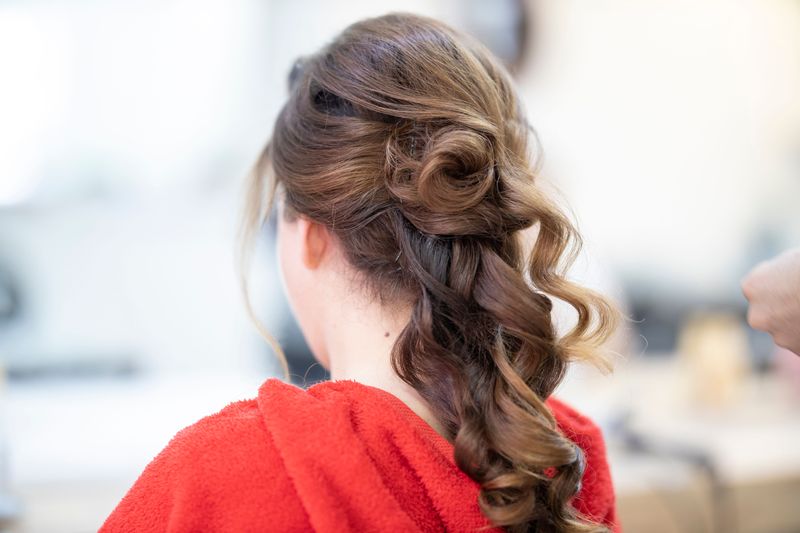
A very sculpted, perfectly sprayed updo can read as formal or high maintenance in an everyday setting.
One study on hair perception found that short and medium cuts were rated higher in social status and professionalism than long styles.
Straight hair was also rated higher in expertise than wavy hair.
These ratings reflect bias in the raters, not facts about anyone’s ability.
That point matters, because cultural and textured styles deserve respect everywhere.
No one should change natural hair to please a biased glance.
For general approachability, a little softness tends to help.
A few loose pieces framing the face, a relaxed braid, or a low messy bun can look friendly and polished at once.
Save the dramatic sculpted looks for weddings, galas, or any day you feel like making a statement.
They can be stunning works of art.
Hair grows back and styles wash out, which makes it one of the easiest places to experiment with mood.
13. Piling On Accessories
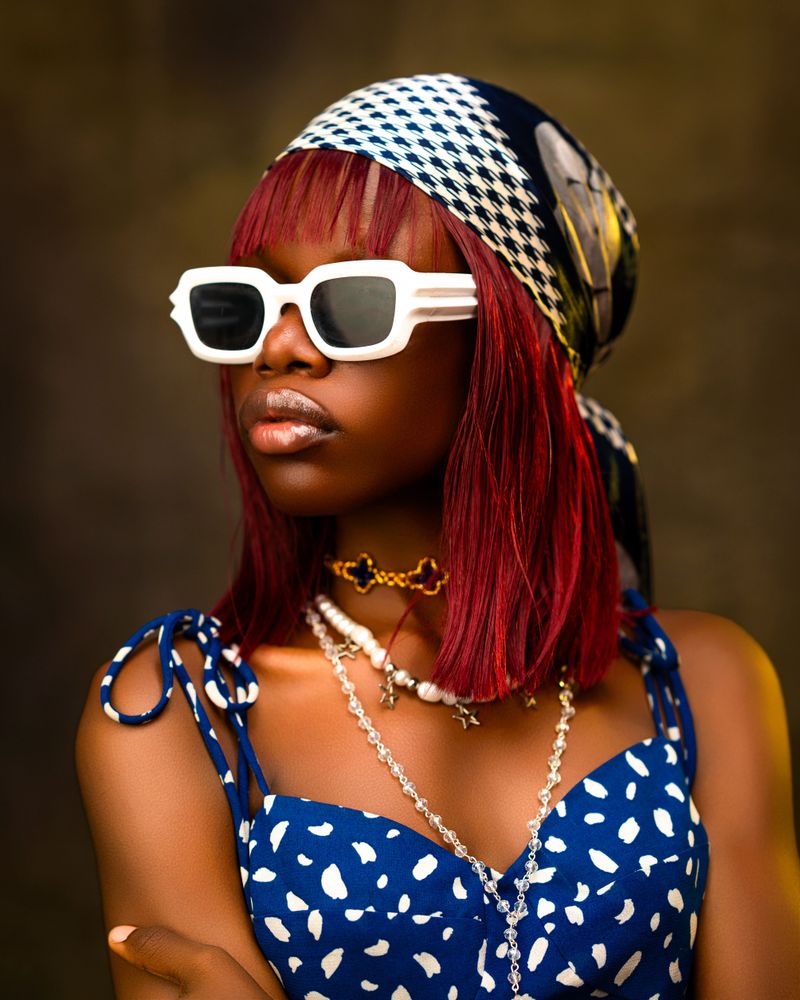
A scarf, a wide belt, three necklaces, a stack of bangles, sunglasses, and a hat all walk into a room.
That might sound like a joke setup, but it is also a pretty busy outfit.
When accessories pile up, they can create a visual wall.
People may not know where to look, and some may assume you take style very seriously.
Style writers note that a crowded look can make others hesitate, worried they will seem too casual next to you.
That hesitation is small, but it can be enough to skip a hello.
An old styling tip often credited to Coco Chanel suggests taking one accessory off before leaving the house.
Whether or not she said it, the idea works as a quick editing trick.
Choose accessories with a clear job.
A belt can define your waist, a scarf can add color, and simple earrings can frame your face.
Layered pieces can still look fantastic when they share a theme.
Delicate gold chains stacked together feel cohesive, while mixed metals, beads, and charms all at once can feel cluttered.
Intentional accessorizing shows confidence without shouting.
Your personality gets the spotlight instead of the bracelet collection.
14. Overdressing for the Occasion
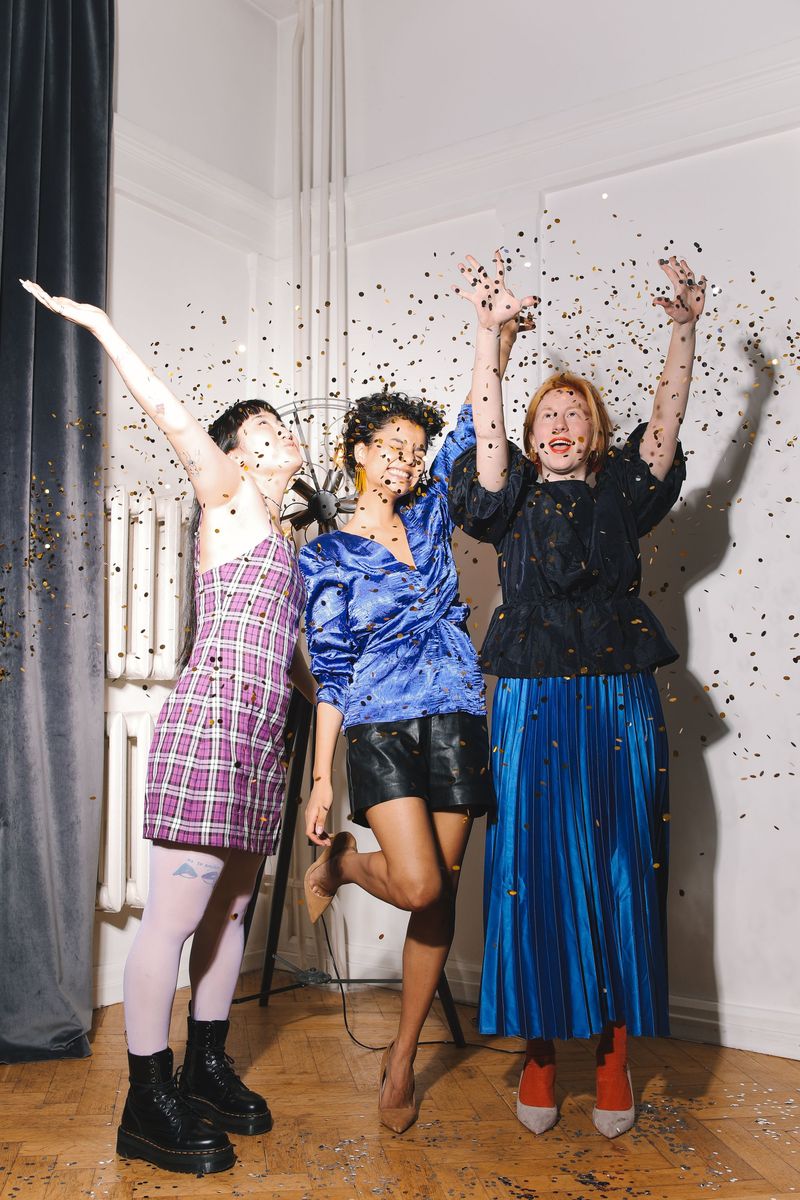
Showing up to a backyard cookout in sequins guarantees attention, though maybe not the kind you planned.
Dressing far above the setting can make someone seem uptight or out of sync.
People tend to feel more comfortable approaching those who seem similar to them.
When your outfit is much fancier than everyone else’s, that sense of common ground can shrink.
Some folks dress up because it makes them happy, and that is a lovely reason.
The trick is reading the room and adjusting just enough to match its energy.
A quick look at the invitation, venue, or a friend’s plans can save some awkwardness.
If you are unsure, aim slightly above casual instead of fully formal.
Layering is your friend here.
A blazer or jacket can come off if you feel too dressed up, and a nicer pair of shoes can upgrade jeans in seconds.
Picking pieces that work in both directions also helps.
A simple midi dress can pair with sneakers for a picnic or heels for dinner.
Being slightly overdressed is rarely a disaster.
Still, matching the crowd makes it easier for people to walk over, chat, and pass you the chips.
15. A Bold, Dramatic Personal Style
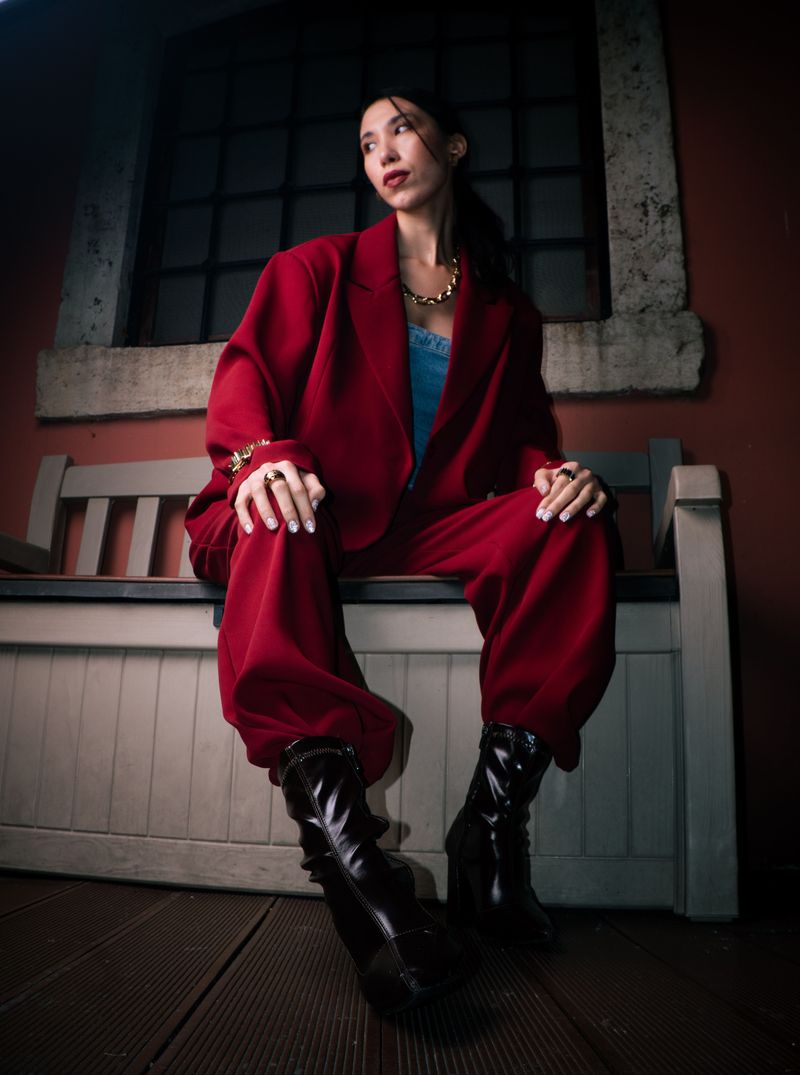
Some women walk in looking like the cover of a fashion magazine, without even trying.
Striking features, bold coloring, and a love for sharp, dramatic clothing can create a powerful visual presence.
Fans of this approach say dramatic types sometimes get labeled intimidating or too much.
That label says more about the viewer than the woman.
Still, it can feel lonely when people seem to keep their distance before you speak.
You do not need to dim yourself to fix it.
Many dramatic dressers keep their signature pieces and add small friendly cues, like a soft knit, a playful print, or a favorite colorful accessory.
Body language does a lot of heavy lifting too.
Eye contact, a quick smile, or asking someone a question can melt that first impression fast.
A bold style is a strength, not a flaw.
It makes you memorable, and memorable people often build loyal circles once others get past the first glance.
The goal is choice, not change.
When you know how your style reads, you can lean into the drama or soften it whenever you like.