 MomSkoop
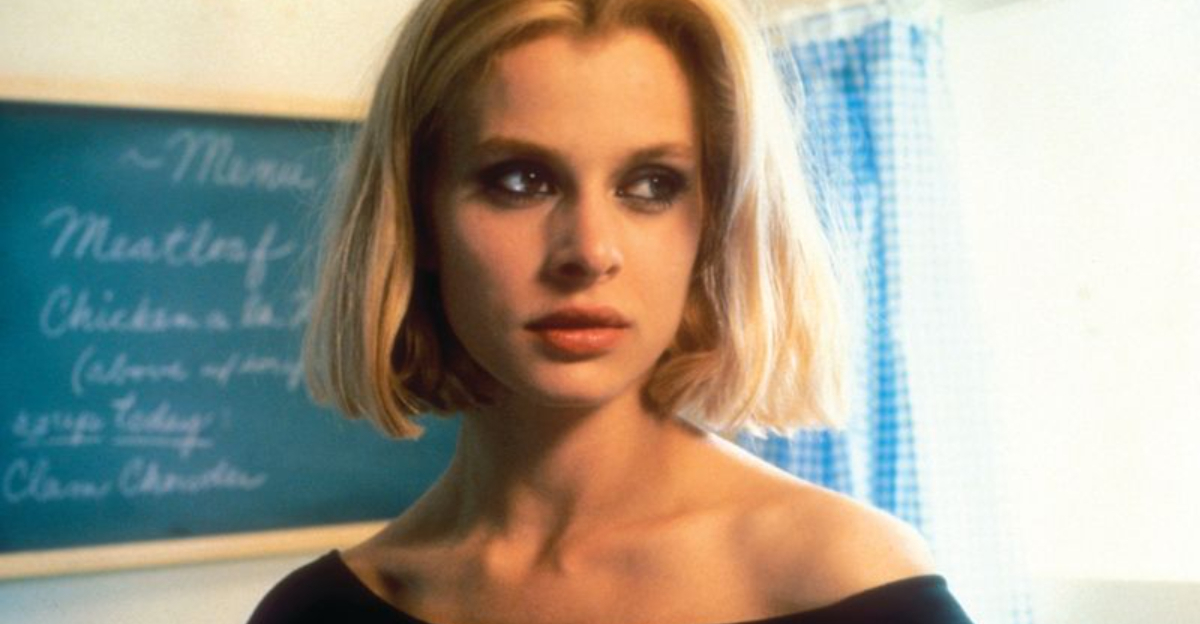
Some movies don’t just make you cry — they settle deep inside you and stay there long after the credits roll. These are the films that deal with grief, loneliness, lost love, and the quiet weight of being human.
They don’t shout at you with dramatic music or big explosions; instead, they whisper, and somehow that makes them hit even harder. If you’re ready to feel something real, this list of 15 melancholic films is a journey worth taking.
1. Manchester by the Sea (2016)
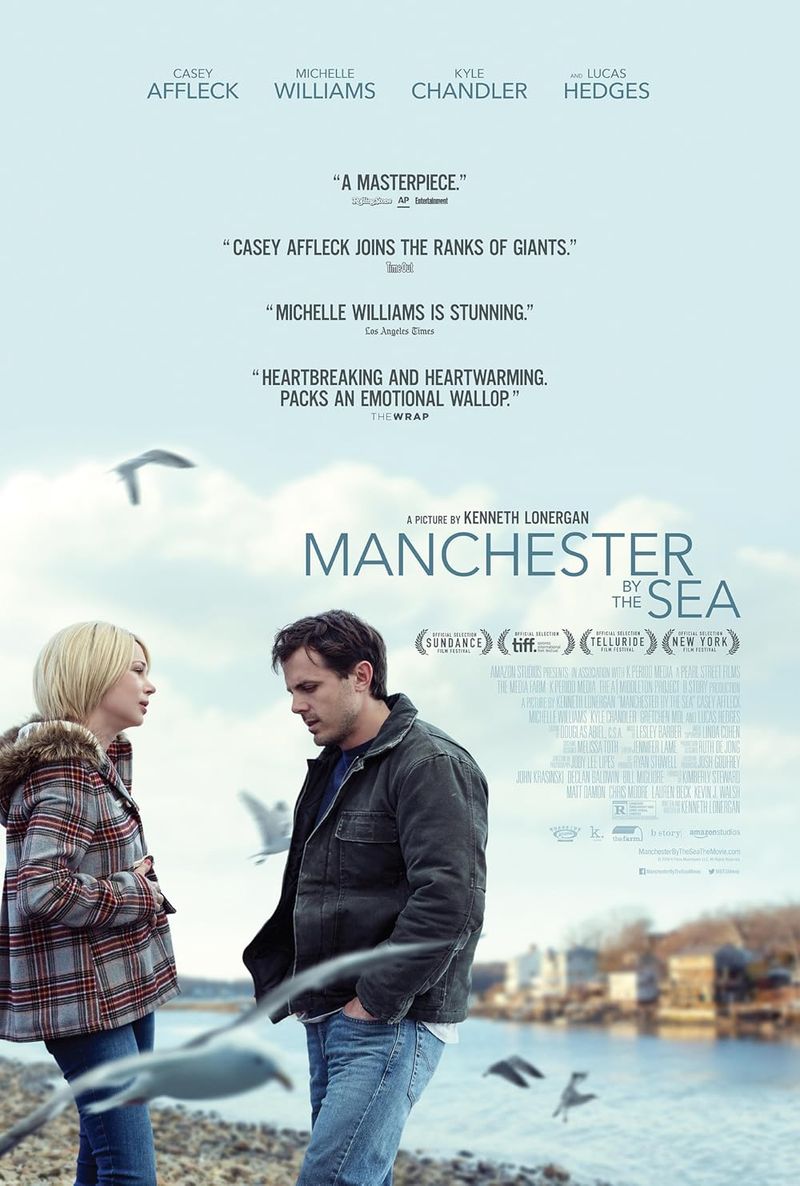
Grief doesn’t always look like sobbing — sometimes it looks like a man who simply can’t move forward.
Manchester by the Sea follows Lee Chandler, a janitor who returns to his hometown after his brother dies and must become the guardian of his teenage nephew.
What unfolds is one of the most honest portrayals of guilt and emotional paralysis ever captured on film.
Casey Affleck won an Oscar for his performance, and every quiet, hollow look he gives tells a story words never could.
Director Kenneth Lonergan never tries to fix Lee’s pain — and that refusal to offer easy comfort is exactly what makes this film so crushingly real.
2. Melancholia (2011)
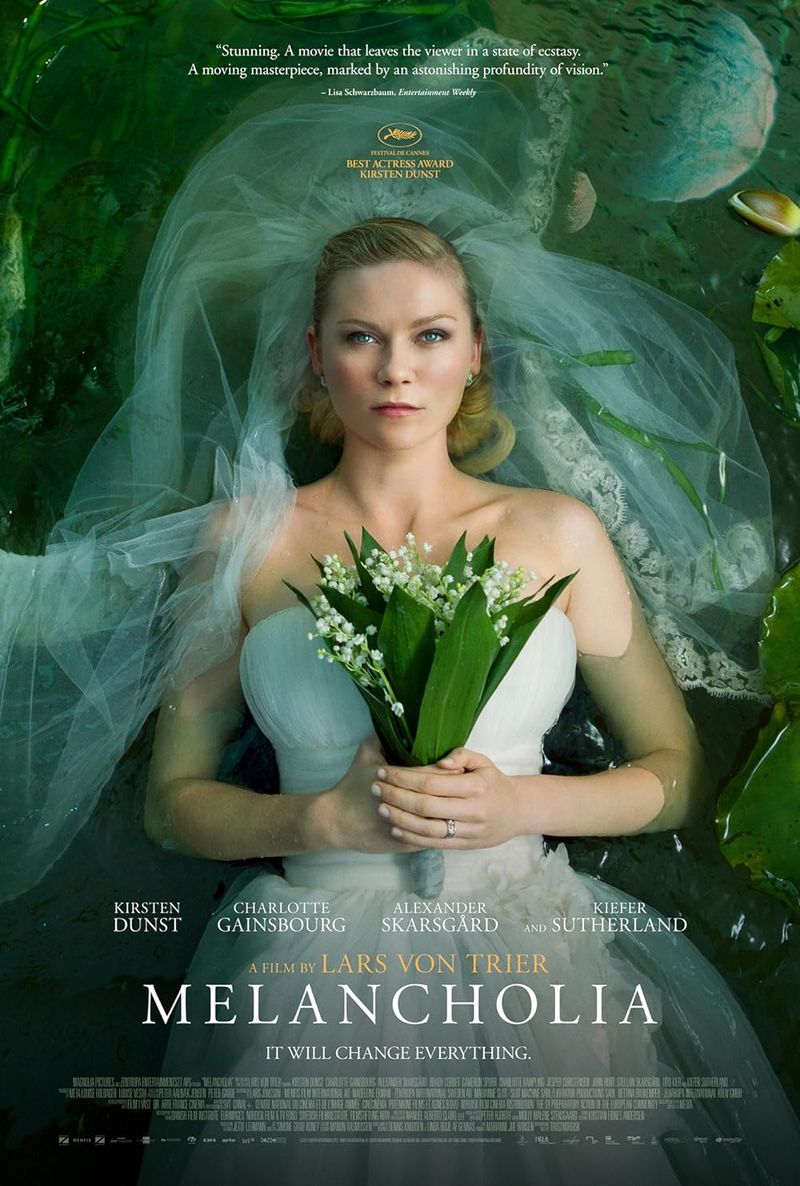
Lars von Trier made this film while suffering from severe depression, and every frame feels soaked in that emotional truth.
Melancholia tells the story of two sisters facing the literal end of the world as a rogue planet hurtles toward Earth.
But the real story is about Justine, a woman whose depression makes her strangely calm as everyone around her falls apart.
The film opens with a breathtaking slow-motion sequence set to Wagner’s Tristan und Isolde — and it’s one of cinema’s most hauntingly beautiful openings.
Kirsten Dunst gave the performance of her career here, earning a Best Actress award at Cannes.
This is a film that treats depression not as weakness, but as a kind of dark, terrible wisdom.
3. Blue Valentine (2010)
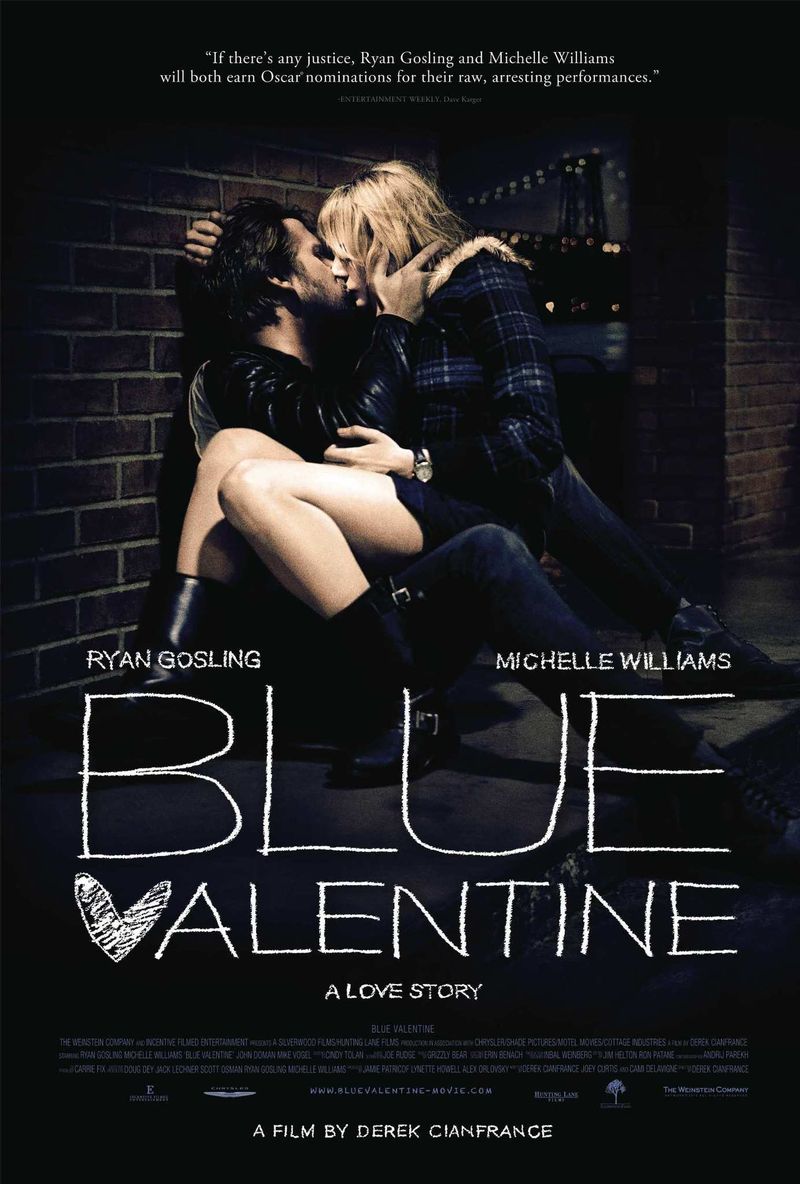
Few films have the courage to show love dying in real time, but Blue Valentine does exactly that.
The movie cuts back and forth between the hopeful, romantic beginning of Dean and Cindy’s relationship and its painful, suffocating collapse years later.
Ryan Gosling and Michelle Williams deliver performances so raw and believable, watching them feels almost intrusive.
Director Derek Cianfrance shot the falling-apart scenes first, then the falling-in-love scenes, so the actors could feel the emotional weight between past and present.
There are no villains here — just two people who grew apart, which somehow makes it even more heartbreaking.
Blue Valentine is the kind of film that makes you hug the people you love a little tighter.
4. Eternal Sunshine of the Spotless Mind (2004)
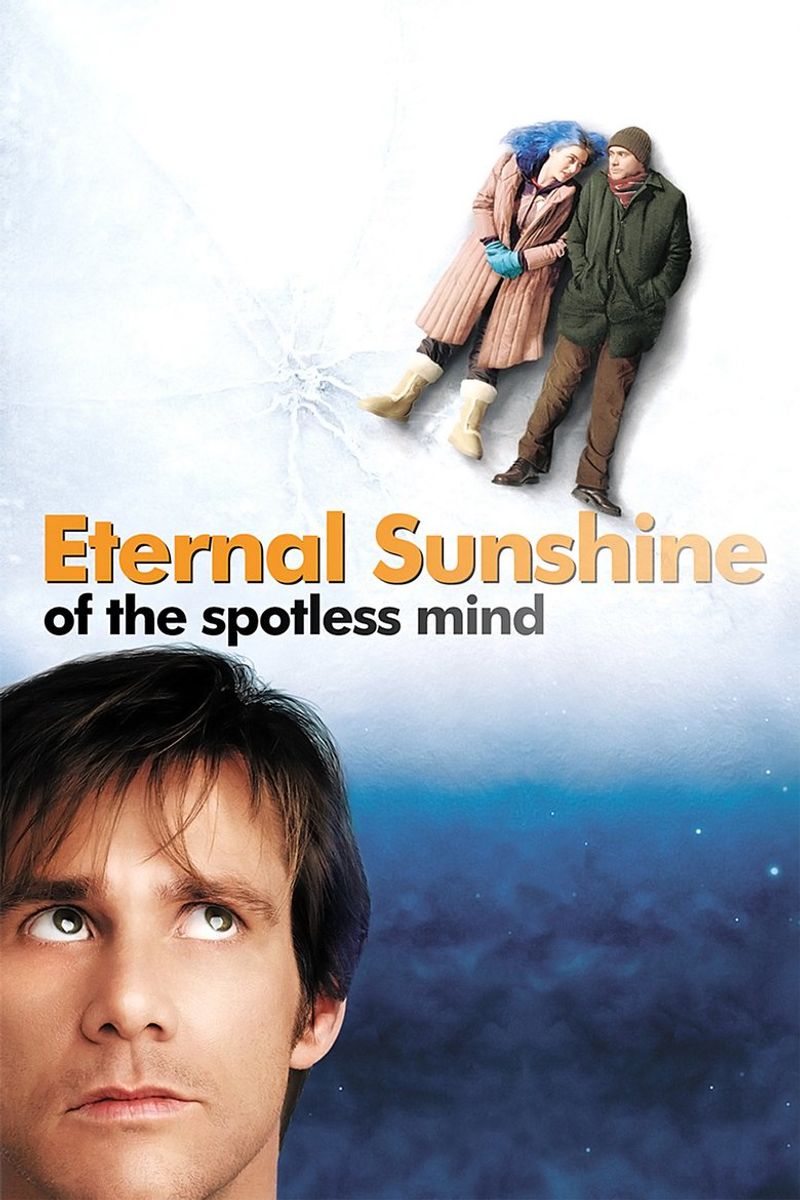
What if you could erase someone you loved from your memory entirely?
That’s the devastating question at the heart of this Charlie Kaufman masterpiece.
Joel discovers his ex-girlfriend Clementine has had him erased from her mind, and he decides to do the same — but halfway through the procedure, buried inside his own memories, he realizes he doesn’t want to forget her after all.
Jim Carrey gives a quietly powerful dramatic performance, and Kate Winslet is electric as the free-spirited Clementine.
The film’s non-linear structure mirrors the chaos of memory and heartbreak perfectly.
It asks whether pain and love are inseparable — and its bittersweet answer will linger in your chest for days after watching.
5. Lost in Translation (2003)
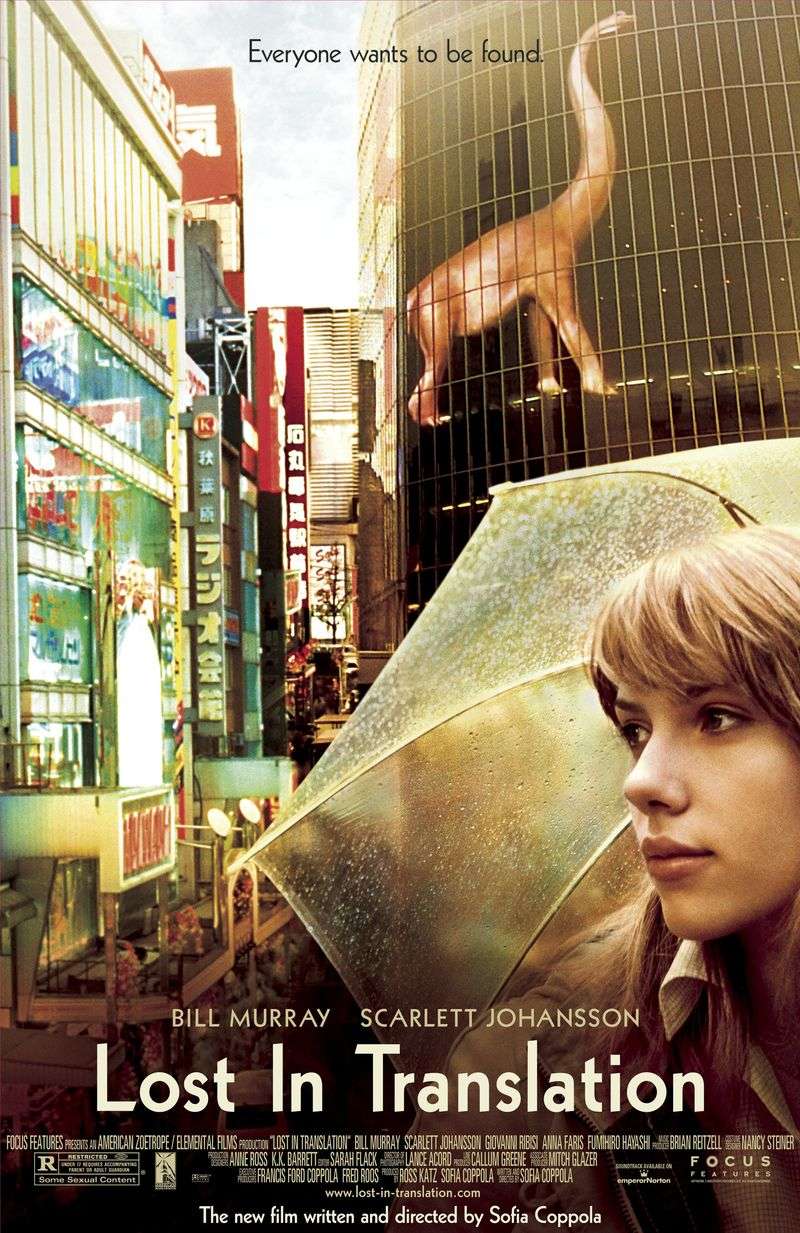
Tokyo has never felt lonelier than it does in Sofia Coppola’s quiet masterpiece.
Bob Harris, a fading American actor, and Charlotte, a young woman adrift in her marriage, meet by chance in a luxury hotel and form an unlikely, deeply tender connection.
Neither of them says what they truly feel — and that restraint is what makes every shared glance and whispered exchange feel enormous.
Bill Murray and Scarlett Johansson have one of cinema’s most believable platonic chemistries, built on shared silences more than dialogue.
The film captures the specific ache of being surrounded by people and still feeling completely alone.
That famous final whispered scene remains one of the most discussed and emotionally resonant endings in modern film history.
6. Grave of the Fireflies (1988)
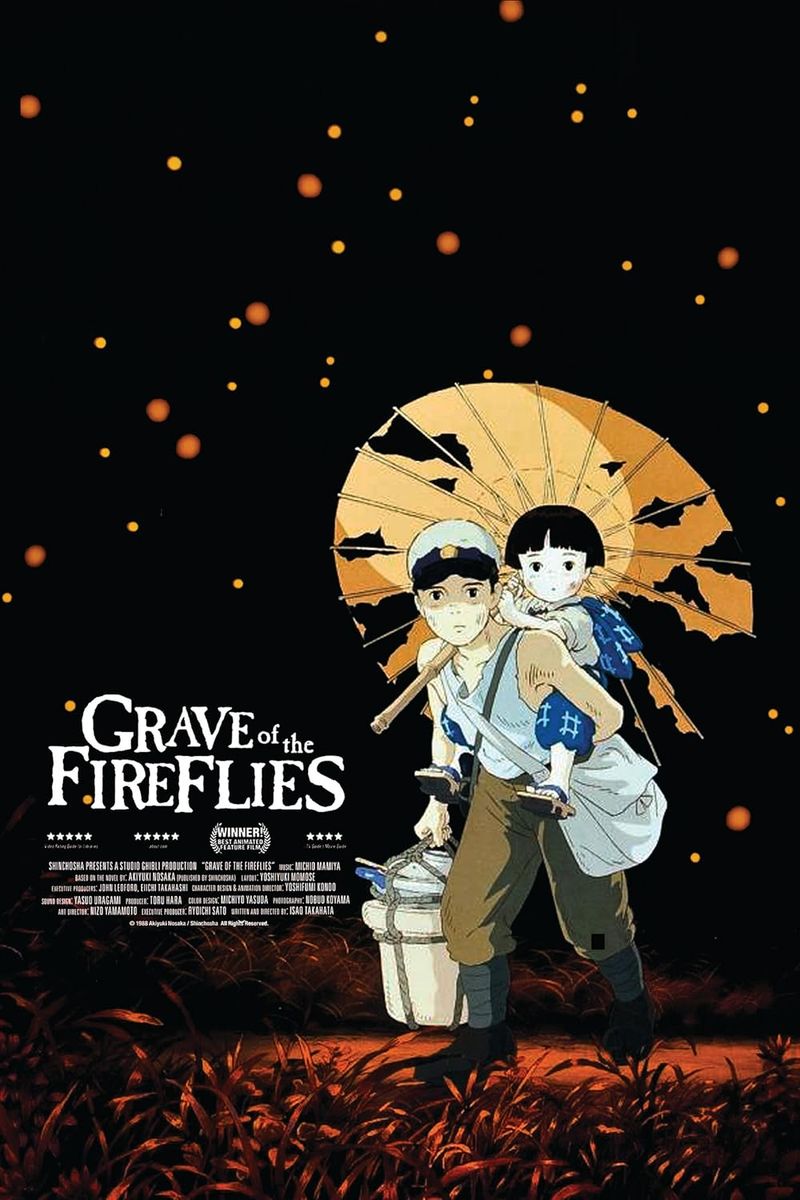
Studio Ghibli is known for warmth and wonder, but Grave of the Fireflies is something entirely different — it is one of the most emotionally devastating films ever made, animated or otherwise.
Set during the final months of World War II in Japan, it follows teenage Seita and his tiny sister Setsuko as they struggle to survive after their mother is killed in a firebombing.
Director Isao Takahata said he made it as an anti-war statement, not a war film — and the distinction matters.
The tragedy isn’t explosive; it’s slow, quiet, and unbearable.
Roger Ebert called it one of the greatest war films ever made.
Watching Setsuko’s innocent joy against the backdrop of starvation and loss will break something open in you that doesn’t easily close again.
7. Her (2013)
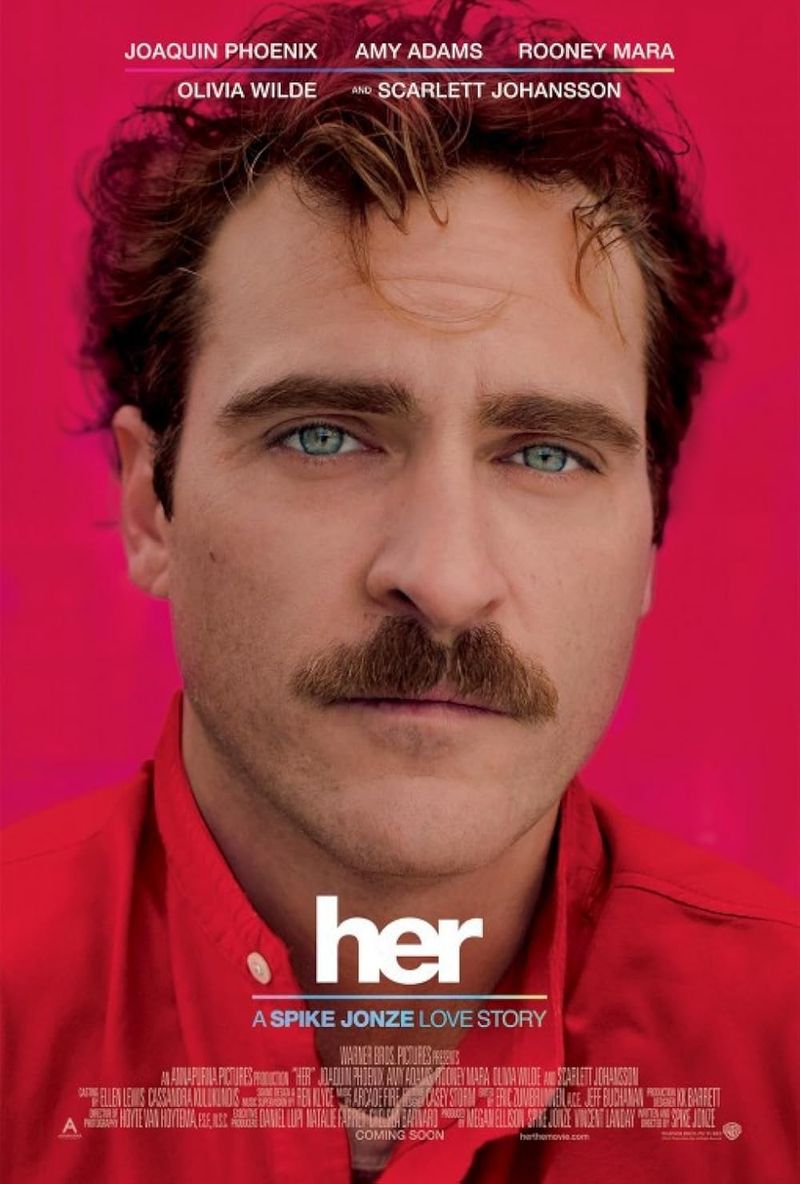
Spike Jonze imagined a near-future Los Angeles where a man falls deeply in love with his operating system — and somehow made it one of the most genuinely moving love stories of the decade.
Theodore Twombly, recently separated and emotionally closed off, begins a tender relationship with Samantha, an AI with a warm, curious voice.
Their connection feels achingly real, which is exactly the point.
Joaquin Phoenix carries nearly every scene alone, and his performance is a masterclass in quiet longing.
The film asks hard questions about what intimacy really means in an age of screens and digital connection.
Scarlett Johansson’s voice performance as Samantha is extraordinary — you forget entirely that you never see her face.
Her leaves you strangely, beautifully sad.
8. The Road (2009)
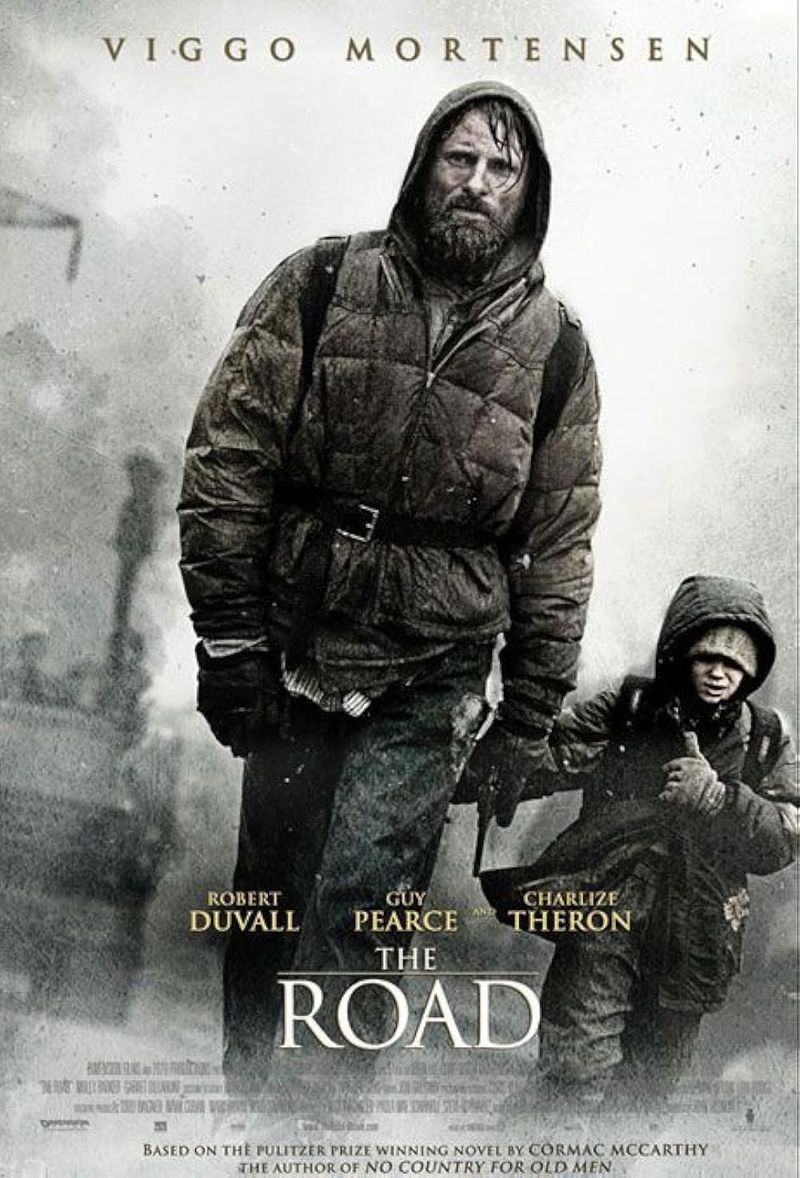
Cormac McCarthy’s novel was already one of the bleakest things ever written, and John Hillcoat’s film adaptation matches that darkness frame by frame.
A father and son walk through a post-apocalyptic America where almost nothing alive remains, holding onto each other as the last reason to keep going.
Viggo Mortensen gives one of his finest performances, his body hollowed out and his eyes filled with fierce, exhausted love.
What makes The Road so emotionally punishing is that the love between father and son is enormous — and the world they inhabit is completely indifferent to it.
There are no easy rescues or hopeful endings here.
The film asks what it means to carry the fire of humanity when everything around you has gone dark and cold.
9. Never Let Me Go (2010)
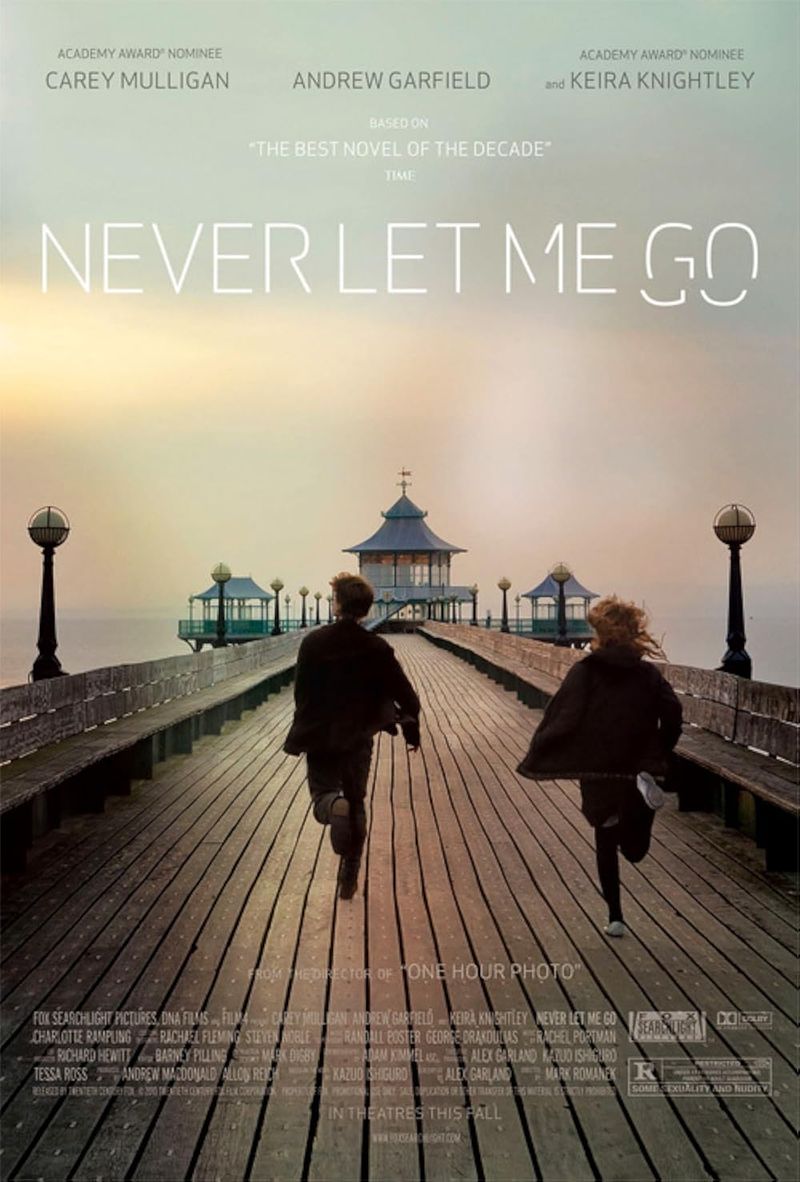
Based on Kazuo Ishiguro’s celebrated novel, Never Let Me Go unfolds with a soft, dreamlike sadness that makes its central horror all the more shocking.
Kathy, Tommy, and Ruth grow up together at a seemingly idyllic English boarding school — but their futures have already been decided for them in the most devastating way imaginable.
The film withholds its full truth slowly, like fog lifting to reveal something terrible.
Carey Mulligan, Andrew Garfield, and Keira Knightley are all extraordinary, each playing characters who accept their fate with a kind of quiet, heartbreaking dignity.
The film never raises its voice — it just quietly dismantles you.
It’s ultimately about how all of us live with the knowledge of our own mortality, and what we choose to do with the time we have.
10. In the Mood for Love (2000)
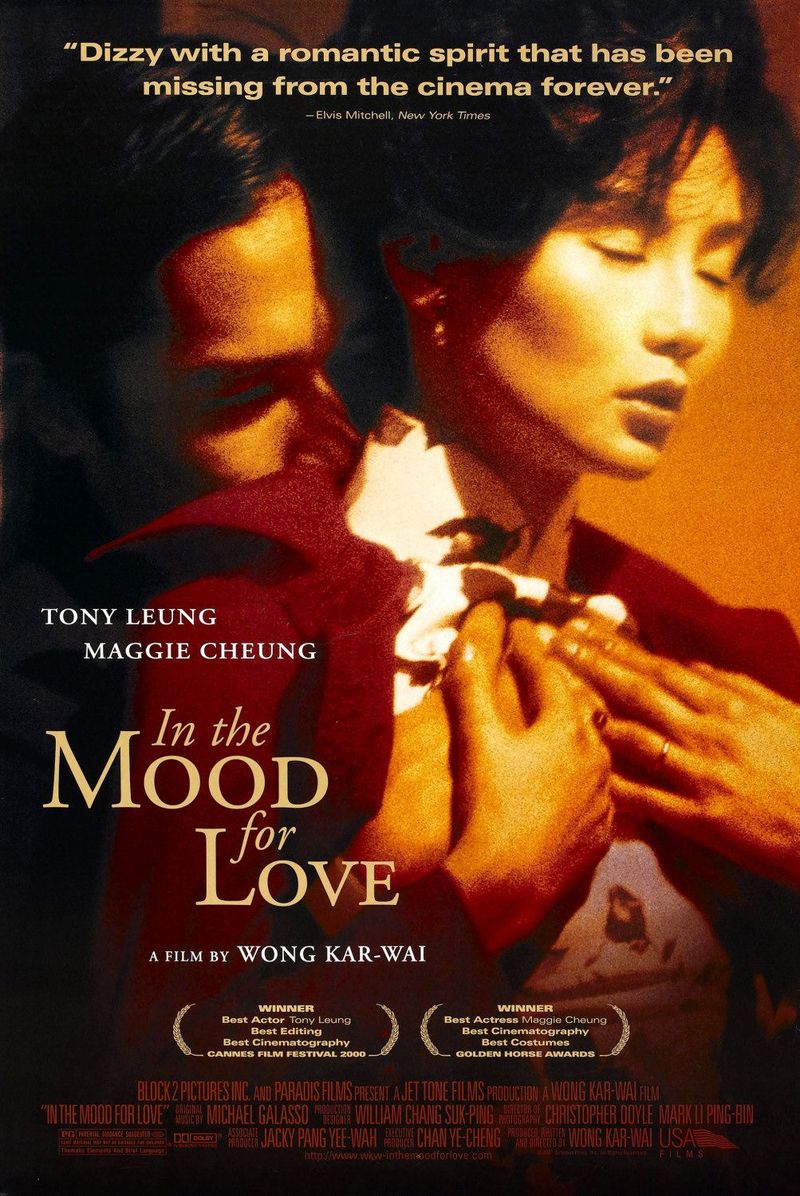
Wong Kar-wai’s masterpiece is a film about a love that never quite happens — and somehow that restraint makes it one of the most romantic and heartbreaking films ever made.
Two neighbors in 1960s Hong Kong discover their spouses are having an affair with each other, and their shared pain draws them together into something tender and impossible.
Every slow-motion shot feels like a held breath.
Maggie Cheung and Tony Leung communicate volumes without ever saying what they feel, and Shigeru Umebayashi’s recurring waltz score wraps around every scene like a gentle ache.
The film’s visual beauty is extraordinary — lush, saturated colors and narrow corridors that feel like a world closing in.
It’s a film about longing, and it makes you feel longing just by watching it.
11. Synecdoche, New York (2008)
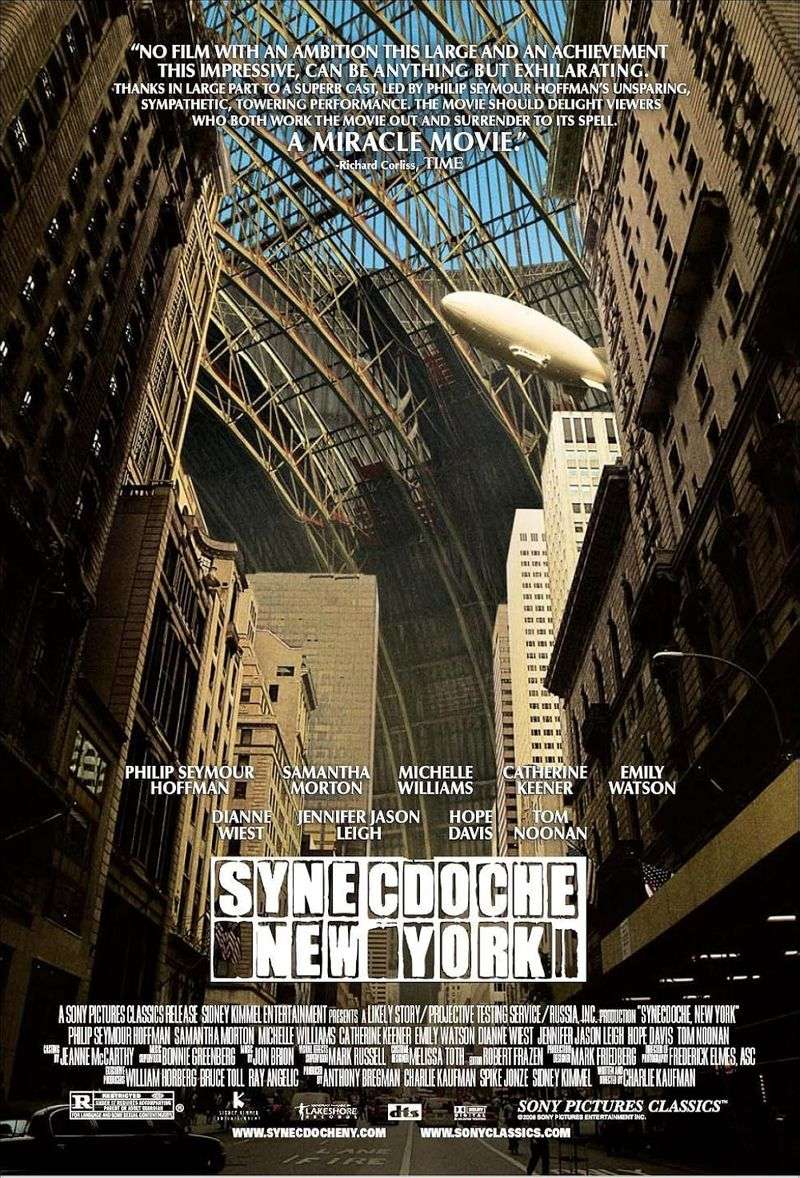
Charlie Kaufman’s directorial debut is unlike anything else on this list — or in cinema, really.
Caden Cotard is a theatre director who spends decades building an exact replica of New York City inside a warehouse, attempting to create the ultimate honest work of art while his real life crumbles around him.
The film spans an entire lifetime in ways that feel simultaneously absurd and unbearably true.
Philip Seymour Hoffman is heartbreaking in the lead role, playing a man consumed by his fear of death and his inability to connect with the people he loves.
The film is dense, strange, and exhausting — but that’s entirely the point.
Synecdoche, New York is a film about the impossibility of fully knowing yourself or anyone else, and it stings long after it ends.
12. A Ghost Story (2017)
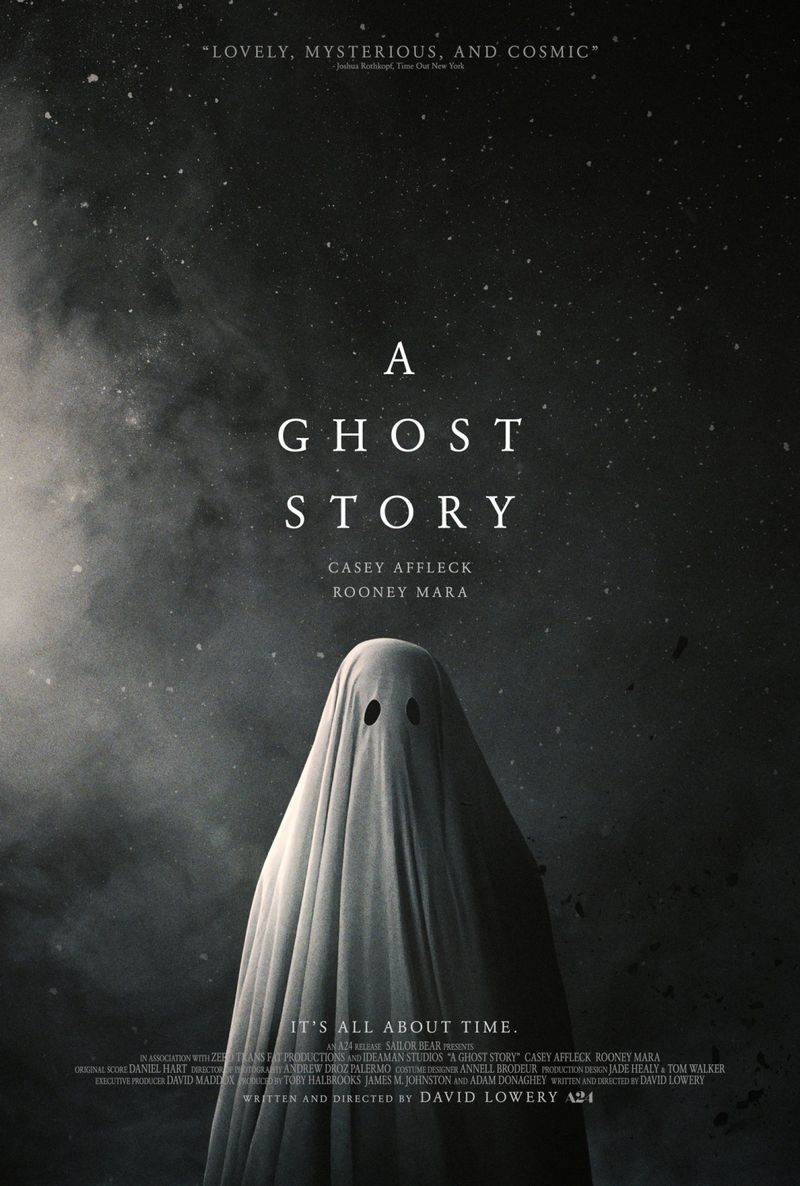
A man dies, comes back as a ghost in a white bedsheet, and then simply watches time pass.
That’s A Ghost Story — and in the hands of director David Lowery, that simple premise becomes one of the most quietly devastating explorations of grief, time, and impermanence in recent memory.
Casey Affleck and Rooney Mara star, but the ghost himself barely speaks a word.
There’s a scene where Mara’s character sits on the kitchen floor and eats an entire pie in grief-stricken silence — and it’s one of the most emotionally honest things you’ll ever see on screen.
The film moves slowly, almost defiantly so, but that slowness is the whole point.
Time keeps moving whether we’re ready or not, and A Ghost Story makes you feel every second of that.
13. The Assassination of Jesse James by the Coward Robert Ford (2007)
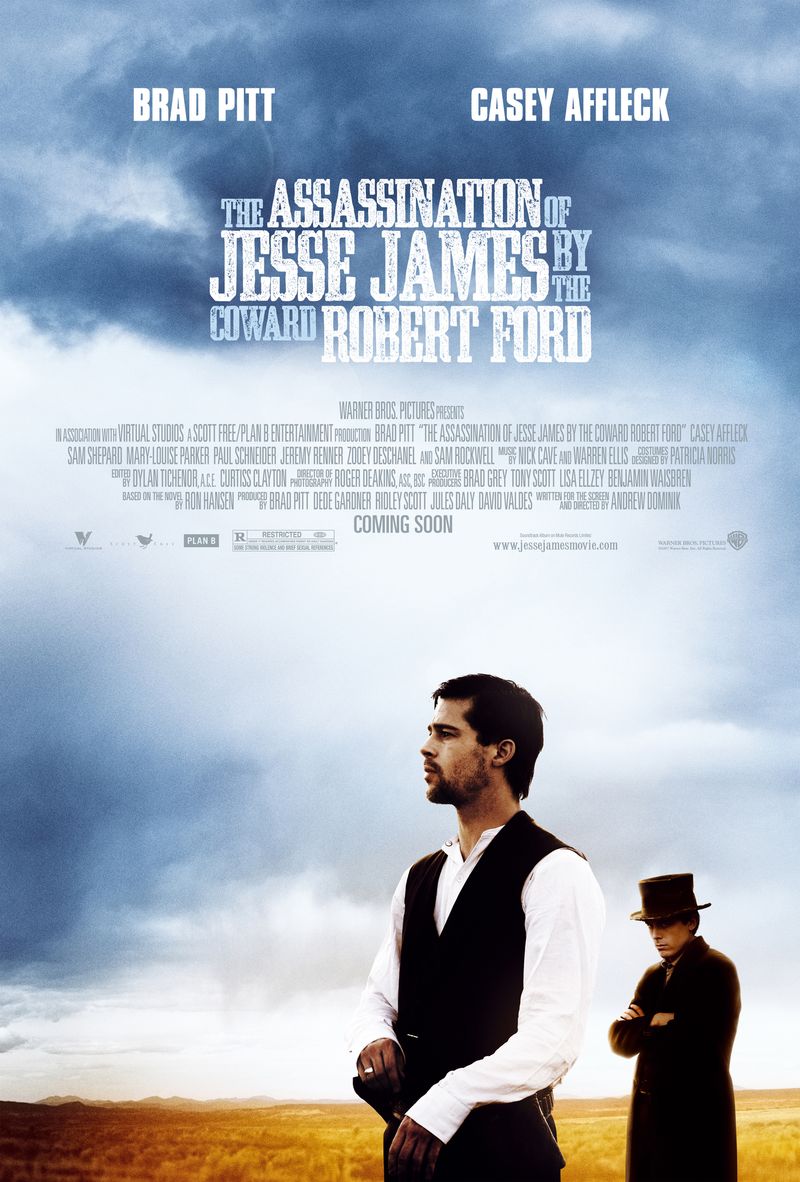
The title tells you how it ends, and yet the film makes that ending feel like a slow-motion tragedy you can’t stop watching.
Brad Pitt plays Jesse James as a mythic, dangerous, and deeply unknowable figure, while Casey Affleck’s Robert Ford is a young man whose obsessive admiration curdles into something darker and more complicated.
Director Andrew Dominik shot it like a fading dream.
Roger Deakins’ cinematography is among the most beautiful ever committed to film — golden light, vast skies, and shadows that feel like they carry the weight of history.
The film is long, meditative, and deliberately paced, but every frame rewards patience.
It’s ultimately about the tragedy of idolizing someone, and what happens when the legend you worshipped turns out to be just a man.
14. Paris, Texas (1984)
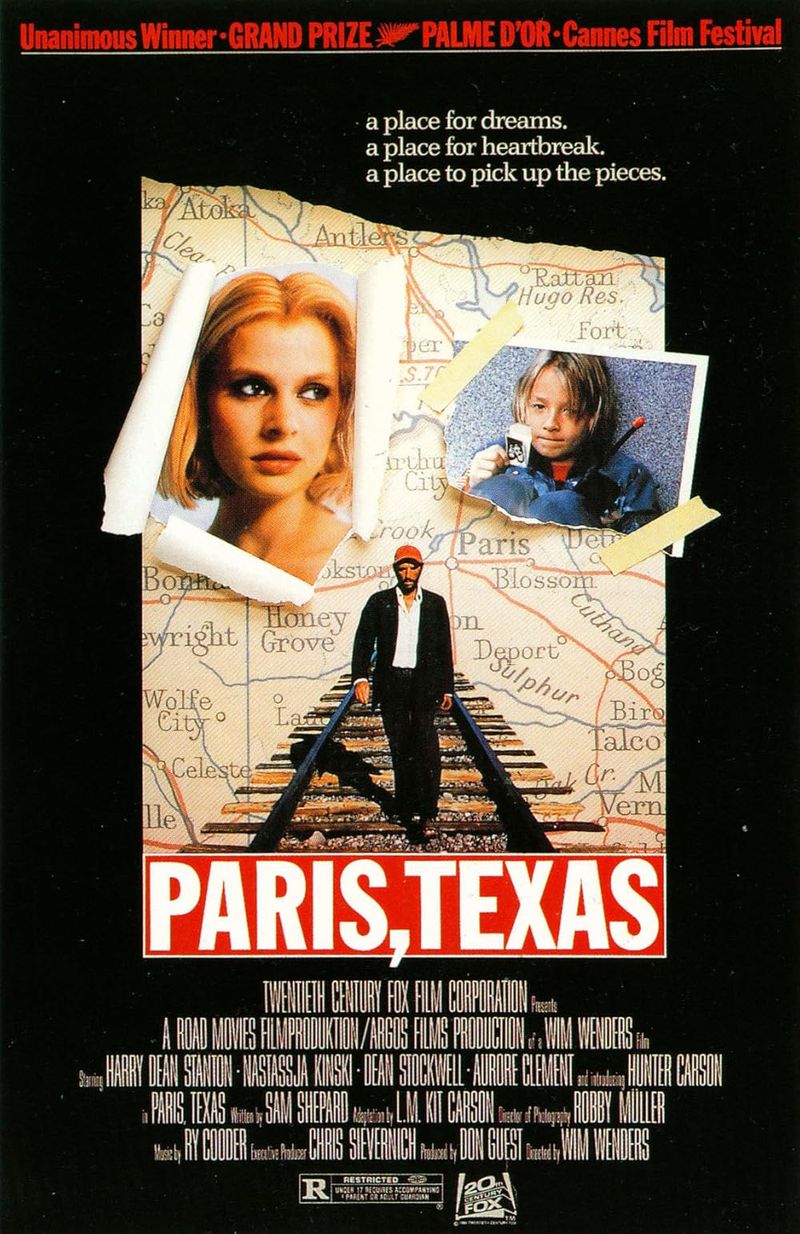
Wim Wenders’ road movie begins with a man walking out of the desert with no memory of who he is — and what follows is one of cinema’s most tender and heartbreaking explorations of regret and fractured family bonds.
Travis Henderson slowly reconnects with his young son, and together they go looking for the woman Travis loved and lost, played by Nastassja Kinski.
Ry Cooder’s slide guitar score is pure emotional ache, perfectly matching the film’s sun-bleached loneliness.
The final scene between Travis and his estranged wife, separated by a one-way mirror in a peep show booth, is one of cinema’s most painfully honest moments of love and loss.
Harry Dean Stanton has never been better, carrying decades of quiet regret in every shuffling step.
15. Aftersun (2022)
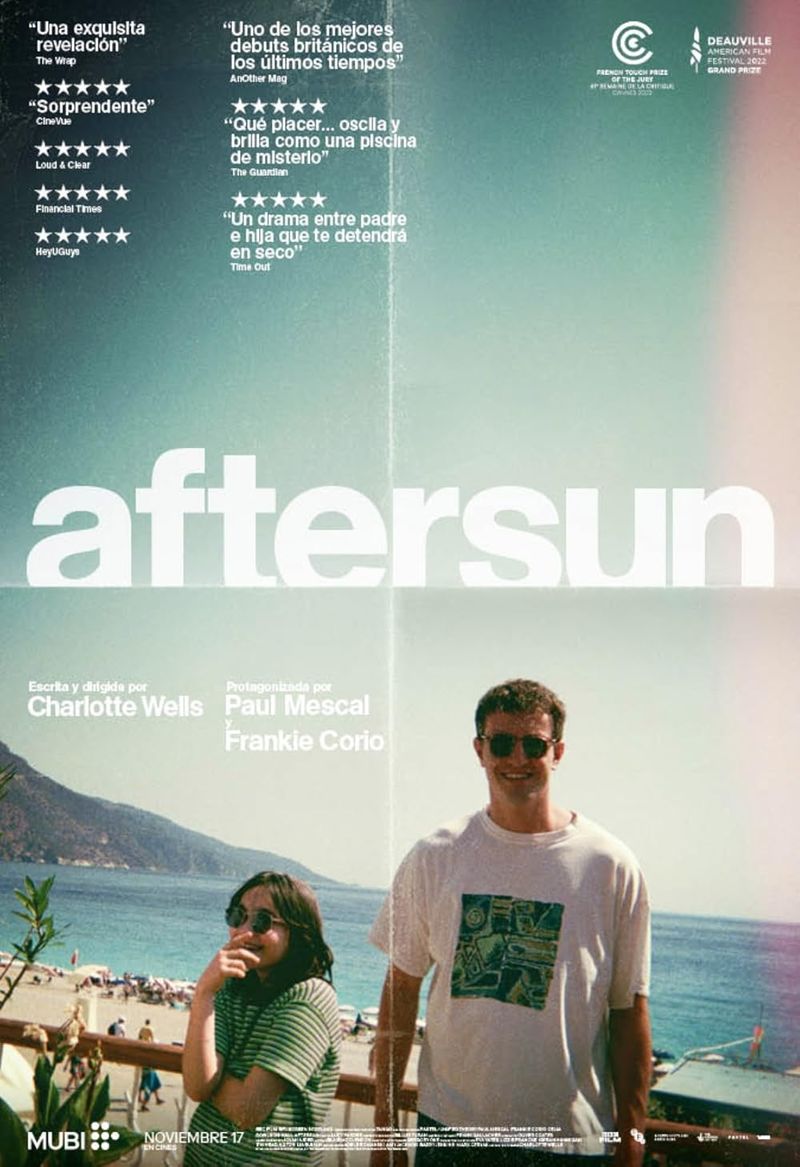
Charlotte Wells’ debut feature is one of those films you think you’ve understood — and then it hits you fully, hours later, like a wave you didn’t see coming.
Eleven-year-old Sophie looks back at footage from a holiday she took with her father Calum when she was a child, slowly piecing together the sadness he was hiding beneath his warm, playful exterior.
Paul Mescal is devastating in the role of Calum.
The film trusts its audience completely, never spelling out what’s happening beneath the surface — and that quiet confidence is part of what makes it so emotionally crushing.
It’s about memory, about parents as full human beings we only partially knew, and about grief that arrives long after the moment has passed.
Aftersun is a small film that leaves an enormous mark.