 MomSkoop
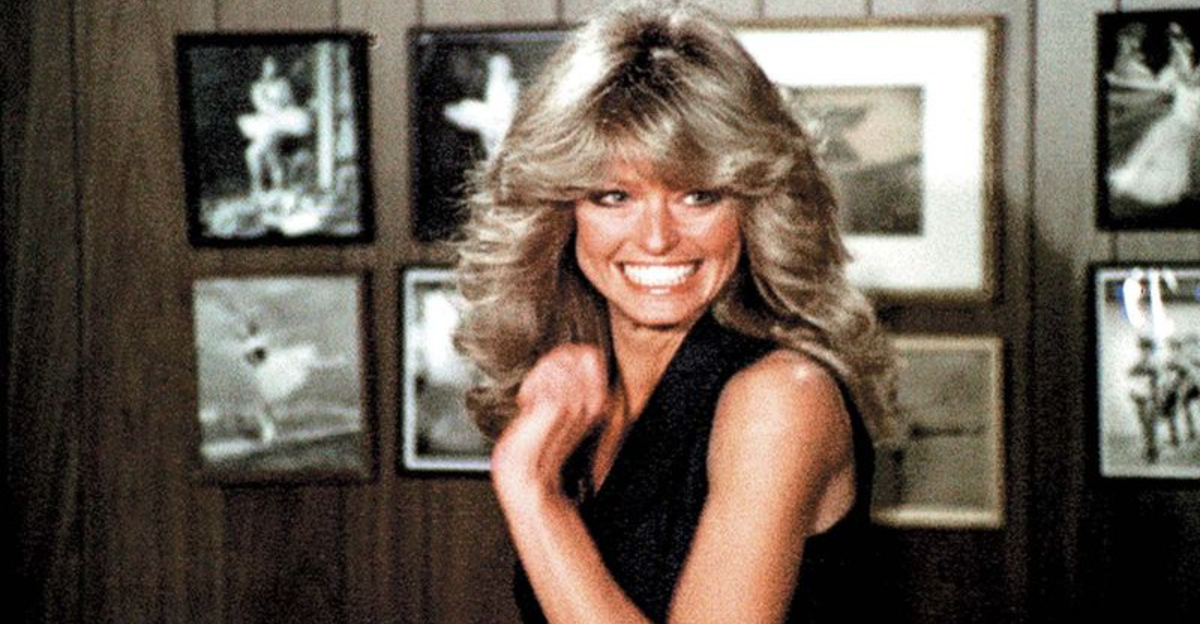
Before they were A-list movie stars, many of Hollywood’s biggest names got their start on the small screen during the 1970s. That decade was a golden era for American television, packed with groundbreaking sitcoms, cop dramas, and variety shows that launched careers no one could have predicted.
Some of these actors were barely out of their teens when cameras first caught their spark. Take a look at the television roles that started it all for some of the most iconic names in Hollywood history.
1. John Travolta – Welcome Back, Kotter (1975–79)
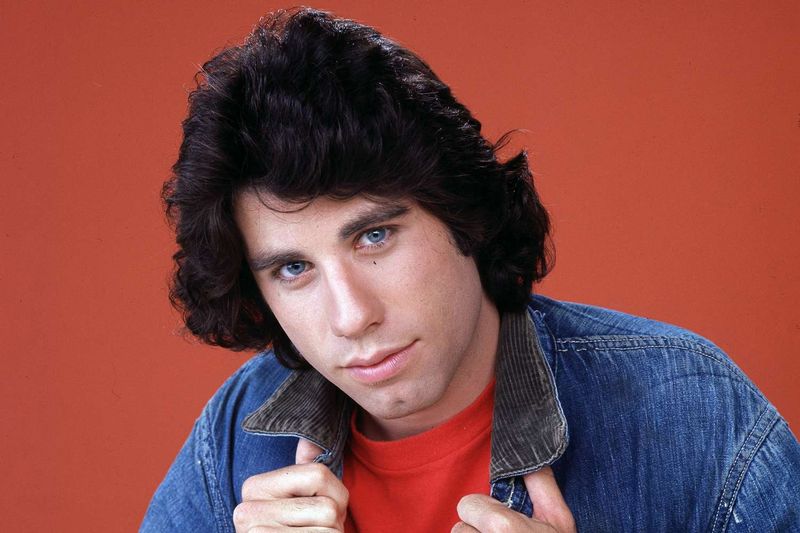
Long before disco balls and dance floors made him a global superstar, John Travolta was just a wise-cracking Brooklyn kid named Vinnie Barbarino.
His role on Welcome Back, Kotter turned a relatively unknown actor into a teen heartthrob almost overnight.
Girls plastered his face on their bedroom walls, and fan mail flooded the studio.
The show followed a group of underachieving high school students called the Sweathogs, and Travolta’s effortless charm made Vinnie the breakout character.
His comedic timing and magnetic energy caught Hollywood’s attention fast.
Just a couple of years later, he starred in Saturday Night FeverGrease and , cementing his place in pop culture history forever.
2. Robin Williams – Mork & Mindy (1978–82)
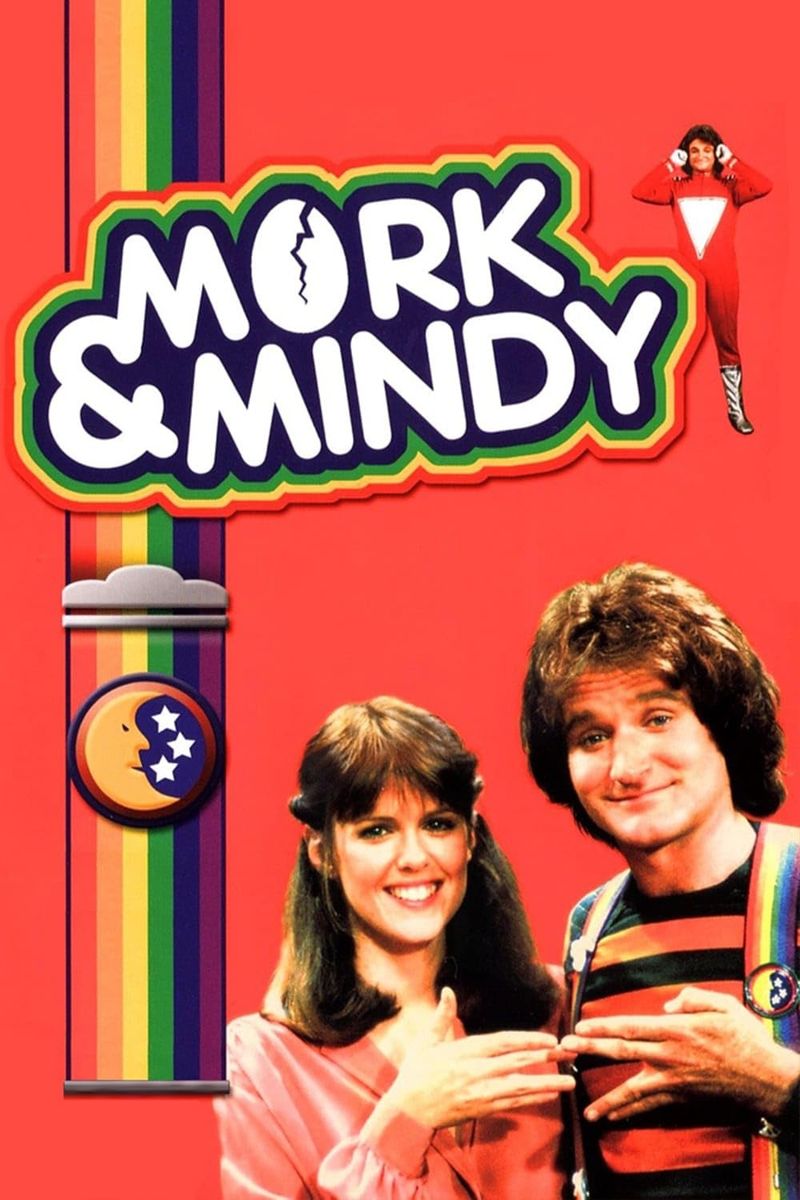
Nobody quite prepared television audiences for the whirlwind that was Robin Williams.
When he first appeared as the alien Mork from Ork on a Happy Days episode in 1978, viewers were absolutely floored by his rapid-fire improvisation and rubber-faced comedy.
The response was so overwhelming that Mork & Mindy was greenlit almost immediately.
Williams played an alien learning about human life, which gave him endless room to be brilliantly unpredictable.
Producers reportedly let him improvise entire scenes because no script could keep up with his brain.
That raw, untamed energy translated seamlessly to film, launching one of the most beloved and versatile acting careers Hollywood has ever witnessed.
3. Goldie Hawn – Rowan & Martin’s Laugh-In (1968–73)
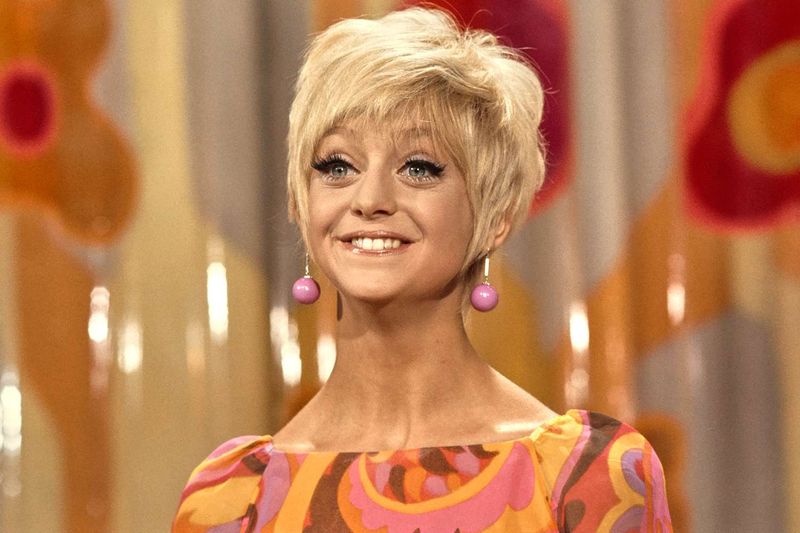
Giggly, bubbly, and completely irresistible — that was how America first fell in love with Goldie Hawn.
She joined Rowan & Martin’s Laugh-In as a regular cast member and quickly became one of the show’s most beloved personalities.
Her ability to laugh at herself while delivering sharp comedy was something truly special for that era.
Hawn often played the ditzy blonde, but anyone paying close attention could see sharp comedic instincts working beneath the surface.
Hollywood noticed too.
She transitioned to film and won an Academy Award for Best Supporting Actress for Cactus Flower in 1970, proving she was far more than just a pretty laugh.
Her career has spanned decades since.
4. Sally Field – The Flying Nun & ’70s TV Movies
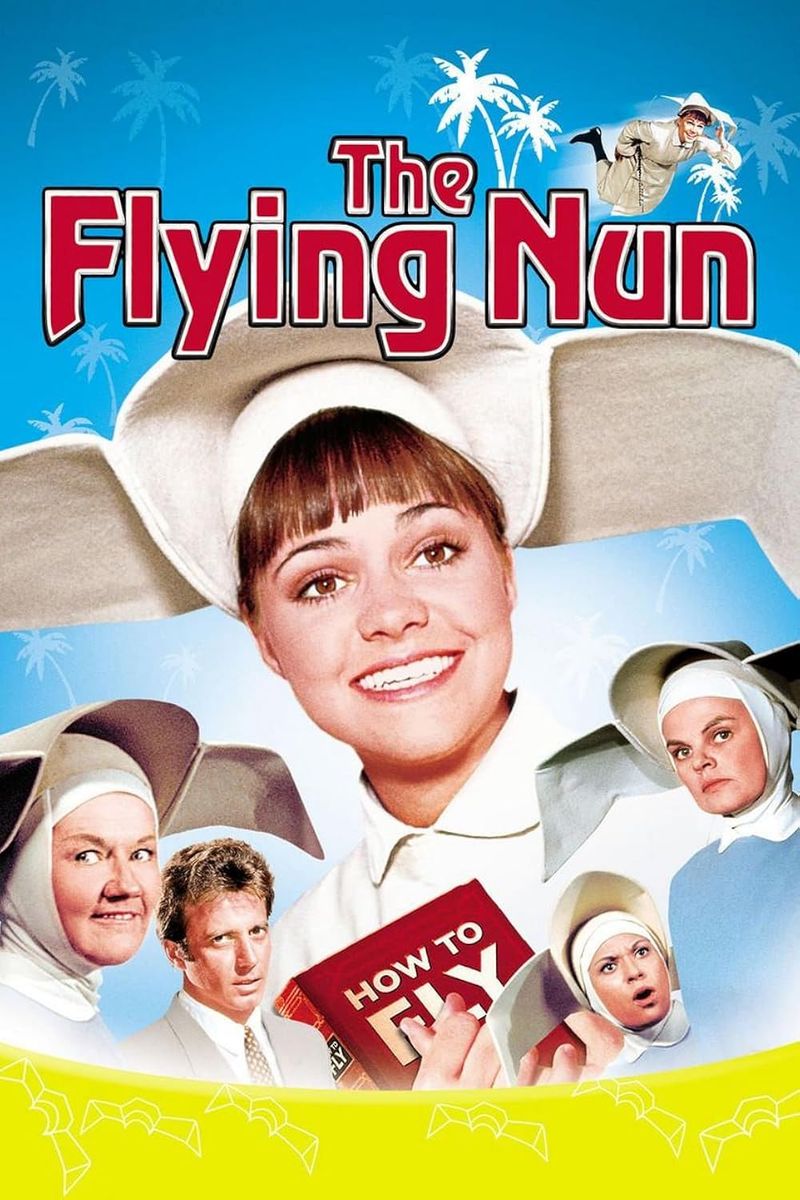
Sally Field had already charmed audiences as the surfing teen in The Flying Nun and the gravity-defying Sister Bertrille in before the ’70s even rolled around.
But it was her work throughout the 1970s in television movies that truly showcased her dramatic depth.
She refused to be boxed in by her bubbly early image.
Her Emmy-winning performance in Sybil (1976) — a TV movie about a woman with multiple personalities — completely shattered any lingering doubts about her range.
Critics and audiences were stunned.
That performance opened the door to a remarkable film career, including two Academy Award wins, proving that television can be the perfect training ground for greatness.
5. Farrah Fawcett – Charlie’s Angels (1976–77)
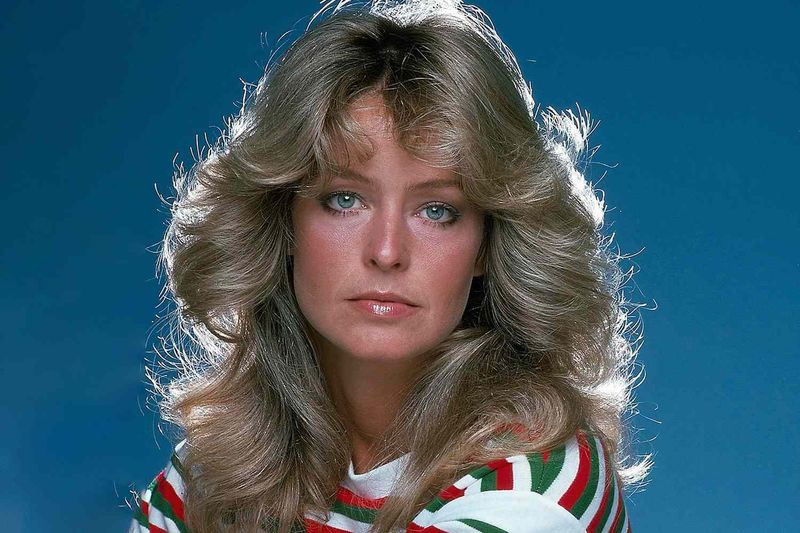
Few images from the 1970s are more instantly recognizable than Farrah Fawcett’s feathered hair and dazzling smile.
When Charlie’s Angels premiered in 1976, she became a cultural phenomenon practically overnight.
Her poster — that red swimsuit, that iconic grin — sold over 12 million copies and became the best-selling poster in history at the time.
Fawcett played Jill Munroe, one of three female detectives working for an unseen boss named Charlie.
The show was groundbreaking for featuring women in lead action roles.
Though she left after just one season, her impact never faded.
She later proved her dramatic chops in films and TV movies, earning serious critical recognition far beyond her Angel days.
6. Jaclyn Smith – Charlie’s Angels (1976–81)
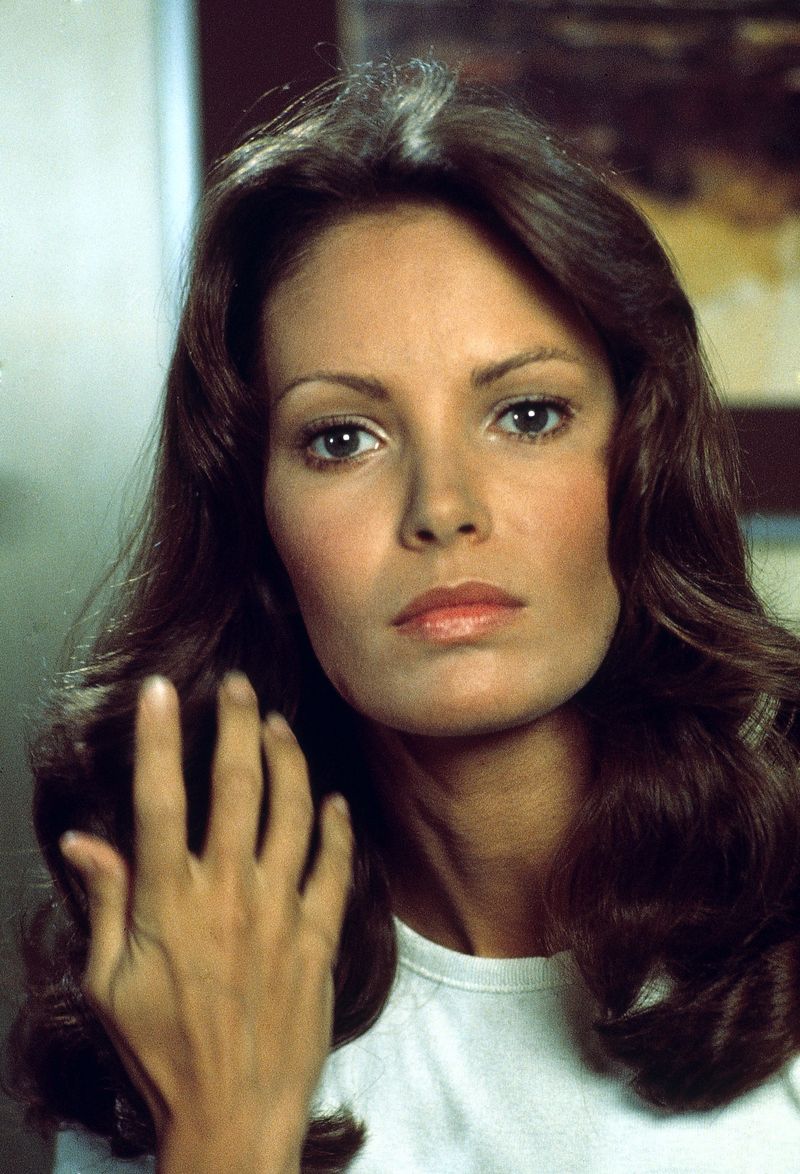
While Farrah Fawcett grabbed the headlines, Jaclyn Smith quietly became the heart and soul of Charlie’s Angels.
She played Kelly Garrett for all five seasons of the show — the only original Angel to stay for the entire run.
Her calm, elegant screen presence balanced the show’s energy in a way that kept audiences coming back year after year.
Smith brought a quiet confidence to Kelly that felt genuinely different from the flashier characters around her.
Off-screen, she built a lasting business empire in fashion and home goods, proving her ambitions stretched well beyond acting.
She remains one of the most enduring symbols of 1970s television glamour, respected both for her talent and her entrepreneurial spirit.
7. Michael Douglas – The Streets of San Francisco (1972–76)
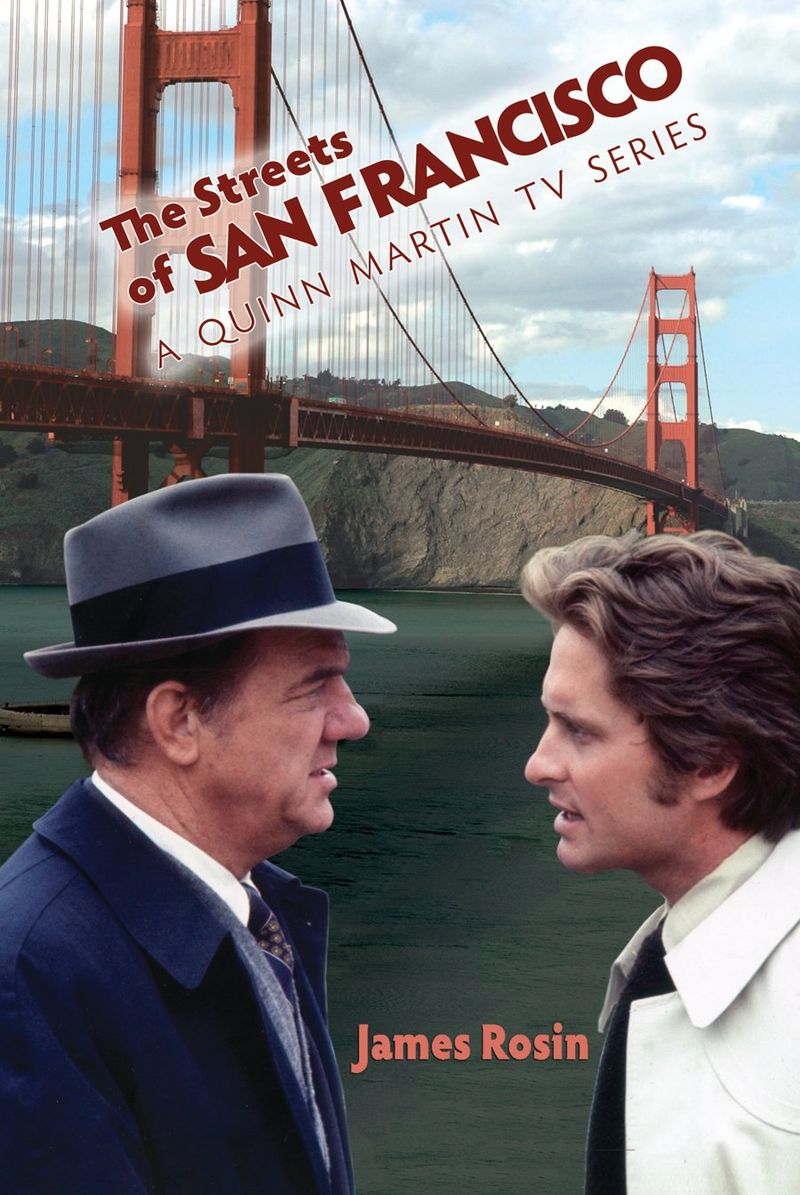
Before Michael Douglas became one of Hollywood’s most powerful producers and actors, he was walking the rain-slicked streets of San Francisco on television.
He starred as Inspector Steve Keller alongside Karl Malden in The Streets of San Francisco, a gritty crime drama that ran from 1972 to 1976.
The show was a huge hit and gave Douglas serious dramatic credibility.
Playing a young, sharp detective gave him room to develop the intensity that would later define roles in films like Wall Street.
He left the show in 1976 to focus on producing One Flew Over the Cuckoo’s Nest, which won the Academy Award for Best Picture.
Not a bad career pivot at all.
8. Chevy Chase – Saturday Night Live (1975–76)
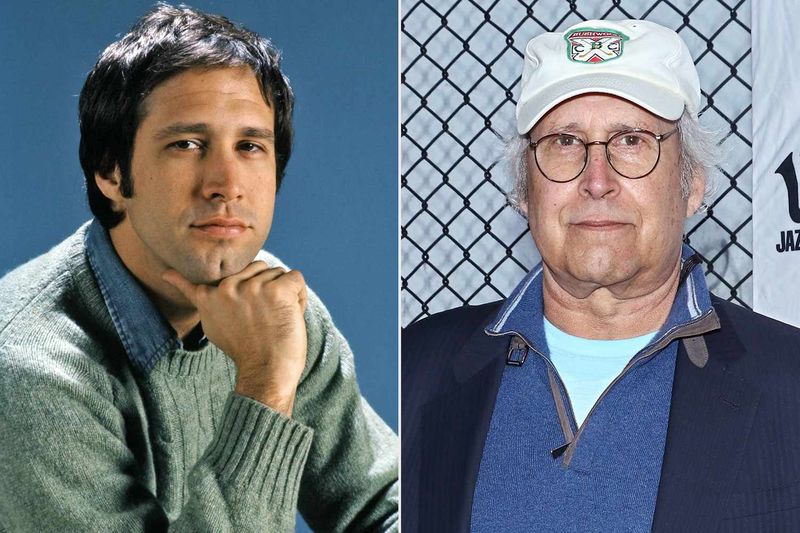
Chevy Chase practically invented the concept of a TV breakout star with his work on the very first season of Saturday Night Live.
His deadpan delivery, physical pratfalls, and razor-sharp wit made him the show’s first true standout.
His fake Gerald Ford impressions and “Weekend Update” segments had the whole country laughing every Saturday night.
Chase was so popular that he left SNL after just one season to pursue a film career — a bold move that paid off enormously.
Films like Fletch and National Lampoon’s Vacation and the series made him a comedy giant throughout the 1980s.
It all started with that first iconic tumble behind the SNL news desk in 1975.
9. Bill Murray – Saturday Night Live (1977–80)
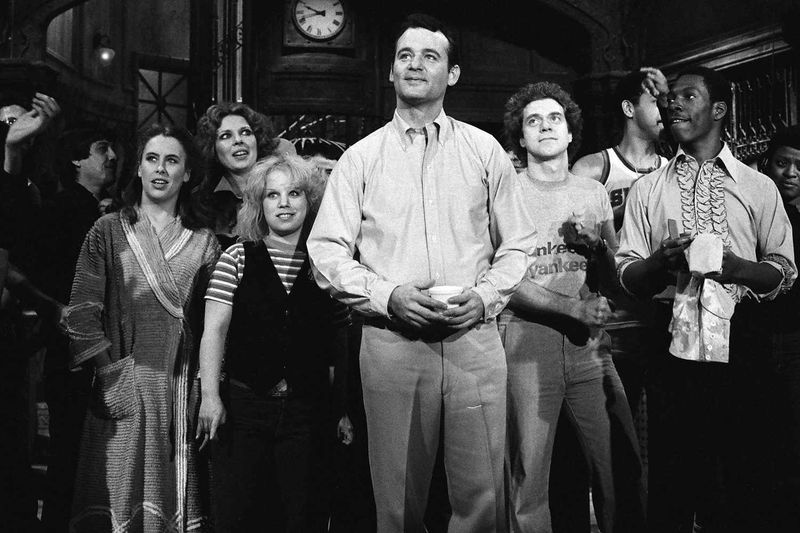
Bill Murray walked into one of the most difficult situations in television history — replacing the wildly popular Chevy Chase on Saturday Night Live — and somehow made it look easy.
Audiences were skeptical at first, but Murray’s laid-back, sardonic humor quickly won them over completely.
He made the role entirely his own.
His characters had a uniquely world-weary charm that felt fresh and real.
Nick the Lounge Singer became an instant fan favorite, showcasing his ability to blend cringe comedy with genuine likability.
Murray’s SNL years (1977–1980) gave him the launchpad for an extraordinary film career that includes Ghostbusters, Groundhog Day and countless other classics that generations of fans still love today.
10. Billy Crystal – Soap (1977–81)
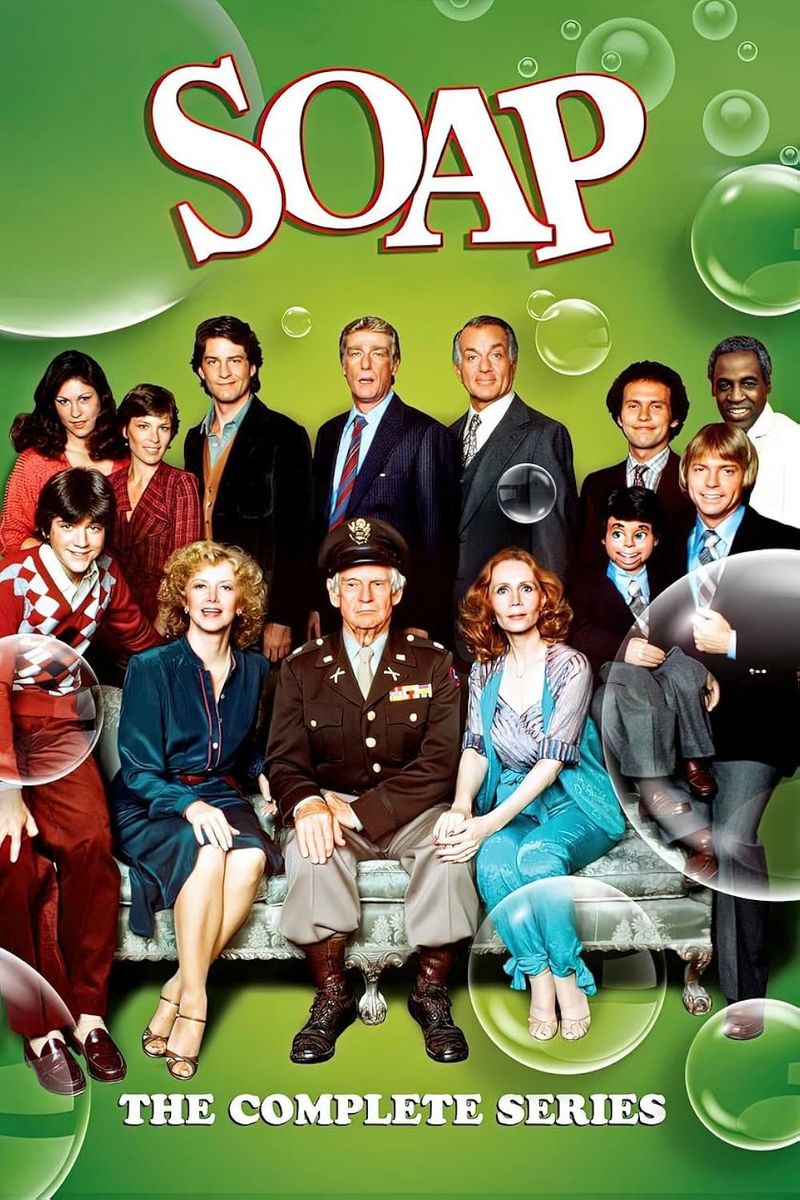
Billy Crystal made television history when he appeared as Jodie Dallas on the ABC sitcom Soap — one of the first openly gay recurring characters on American network television.
It was a bold role for a young comedian to take on in 1977, and Crystal played it with warmth, humor, and real humanity.
The show stirred up controversy before it even aired.
That willingness to take risks defined Crystal’s entire career.
He went on to host the Academy Awards nine times, becoming one of the most beloved hosts in Oscars history.
Films like When Harry Met Sally, City Slickers made him a household name.
But his brave TV debut on Soap showed audiences who he truly was from the very beginning.
11. Kurt Russell – The New Land (1974)
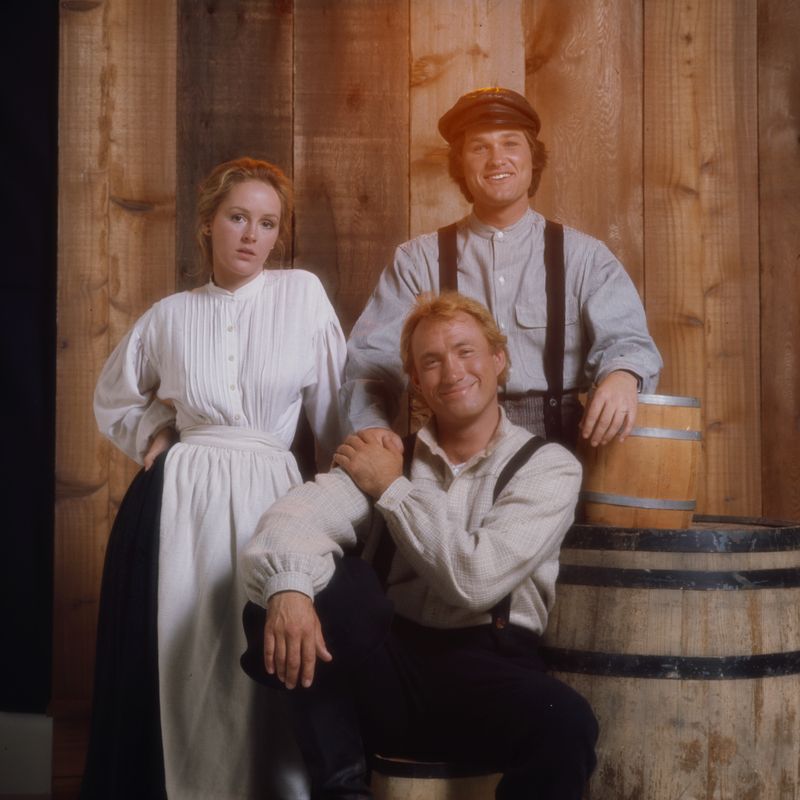
Kurt Russell had already been a Disney child star for years before stepping into more serious television work in the 1970s.
His role in the short-lived ABC drama The New Land (1974) showed a more mature side that hinted at the action hero lurking beneath the surface.
The show was based on a Swedish film about immigrant pioneers settling in Minnesota.
Though The New Land was cancelled quickly, Russell’s trajectory kept climbing.
His collaborations with director John Carpenter — starting with ElvisThe ThingEscape from New York (1979) and continuing through and — transformed him into one of Hollywood’s most reliable leading men.
His ’70s TV work was the quiet bridge between child star and grown-up icon.
12. Tom Hanks – The Love Boat (1979)
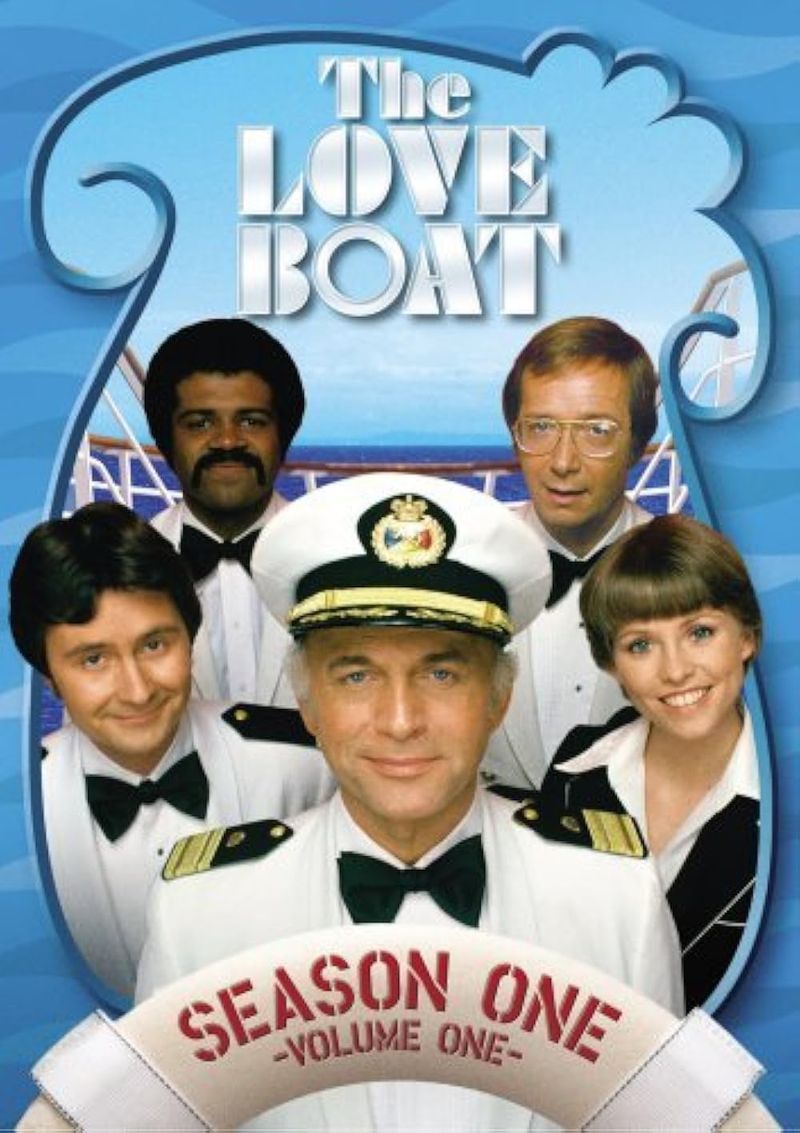
Before two Academy Awards and a career full of unforgettable roles, Tom Hanks was a barely-known young actor picking up guest spots wherever he could find them.
His appearance on The Love Boat in 1979 was one of those early breaks that put his face in front of a mass audience for the first time.
It was a small role, but every step counted.
Hanks also appeared in a few other TV projects before landing his first starring role in Bosom Buddies in 1980.
What makes his story so compelling is how completely ordinary his beginnings were.
Nothing about those early guest appearances screamed future legend — yet here we are, talking about one of the greatest actors who ever lived.
13. Sylvester Stallone – Early ’70s TV Roles
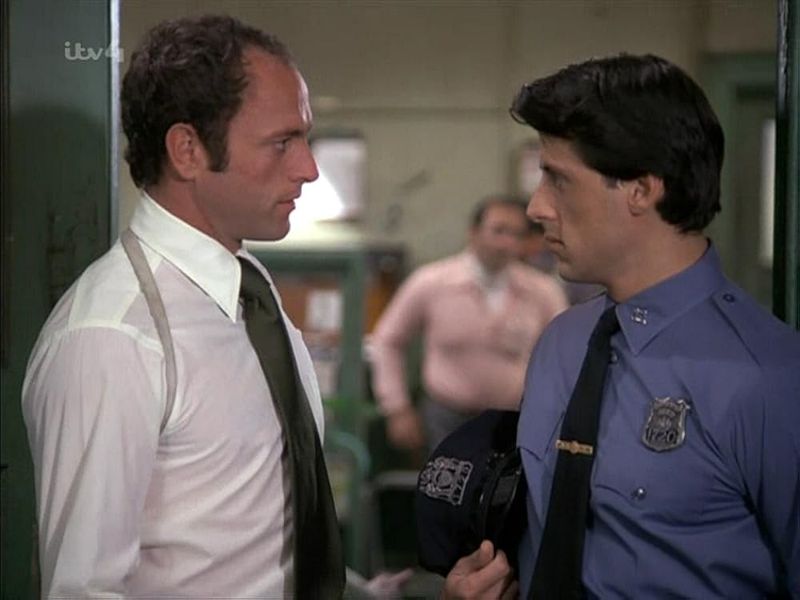
In the early 1970s, he picked up small guest roles on shows like Kojak and Police Story, playing mostly thugs and minor criminals.
It was survival acting at its most raw.
Those early TV appearances kept him afloat financially while he wrote the script that would change everything — Rocky (1976).
Stallone famously refused to sell that script unless he could star in it himself.
That stubborn belief in his own talent, forged during those lean TV years, turned him into a bona fide Hollywood legend.
14. Arnold Schwarzenegger – ’70s TV Documentaries
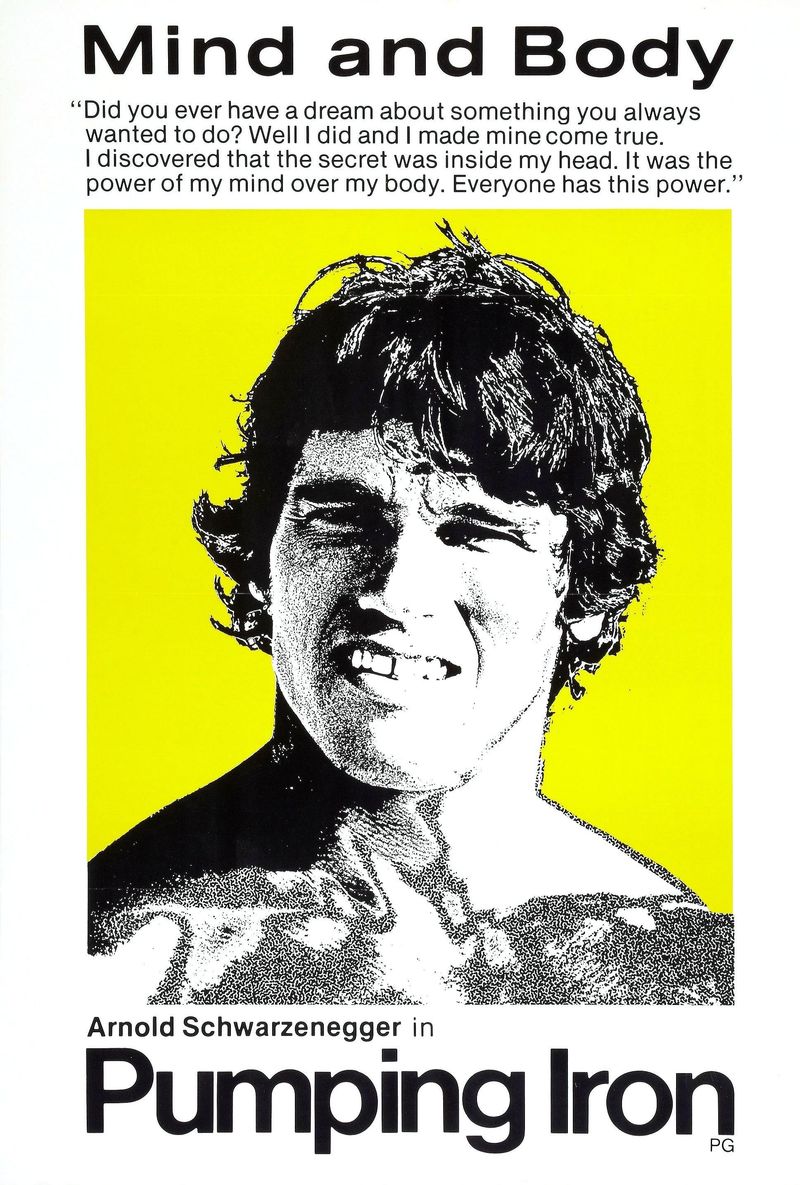
His path to Hollywood stardom was unlike anyone else on this list.
Before he uttered a single movie line as an actor, he was already a television presence through bodybuilding documentaries and competition broadcasts in the early 1970s.
The documentary Pumping Iron (1977) brought him to mainstream audiences and revealed a natural charisma that cameras absolutely loved.
Schwarzenegger used those early television moments to build a public persona — the charming, larger-than-life Austrian bodybuilder with an impossible name and an unstoppable drive.
By the time Conan the Barbarian (1982) and The Terminator (1984) arrived, audiences already felt like they knew him.
His ’70s TV appearances were essentially the world’s longest audition tape, and he nailed every second.
15. Bruce Willis – Late ’70s Uncredited TV Work
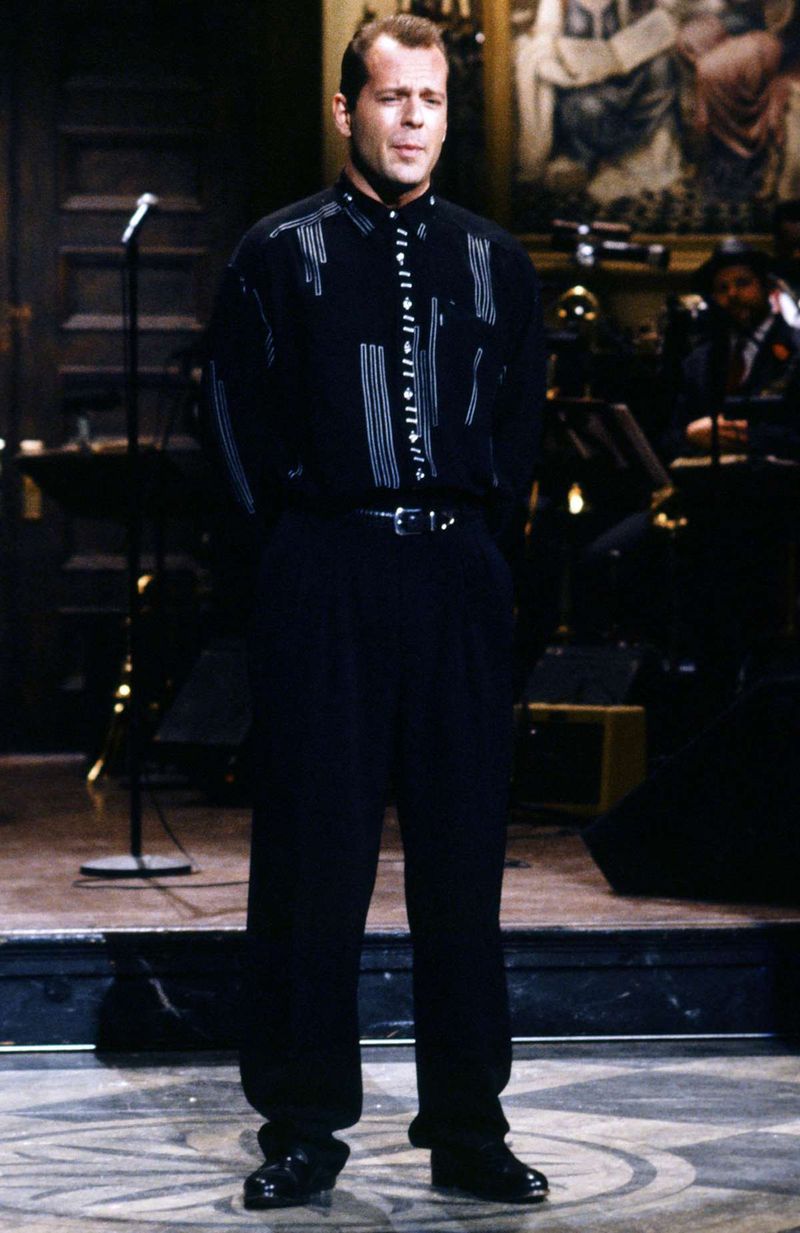
Bruce Willis is mostly associated with his 1980s television breakthrough on Moonlighting, but his story actually began earlier with small, uncredited television appearances in the late 1970s.
He moved to New York City and hustled for any work he could find — commercials, bit parts, and background roles that most people never noticed.
That grind shaped everything that came after.
Those anonymous early years taught Willis how to command attention in a crowded room, a skill that would later make him magnetic in Die Hard and dozens of other films.
His journey is a reminder that even the biggest stars start somewhere unglamorous.
The late ’70s were his training ground, and he made the most of every invisible moment.