 MomSkoop
Back in 1951, Hollywood released two very different movies about the planet running out of time, one with a calm visitor from space and one with a runaway star. Moviegoers have kept buying tickets to the end of the world ever since. The threats keep changing with the headlines, starting with atomic bombs and moving on to comets, viruses, and wild weather. Each era’s fears show up on screen like a time capsule you can stream on a Friday night.
This list mixes thoughtful classics, sharp satires, and big-budget disaster spectacles from more than seven decades of filmmaking. A couple will make you laugh, and a few will make you hug your houseplants a little tighter. None of them require a survival bunker to enjoy, just a couch and maybe a snack. Which version of doomsday sounds like your kind of movie night?
1. The Day the Earth Stood Still
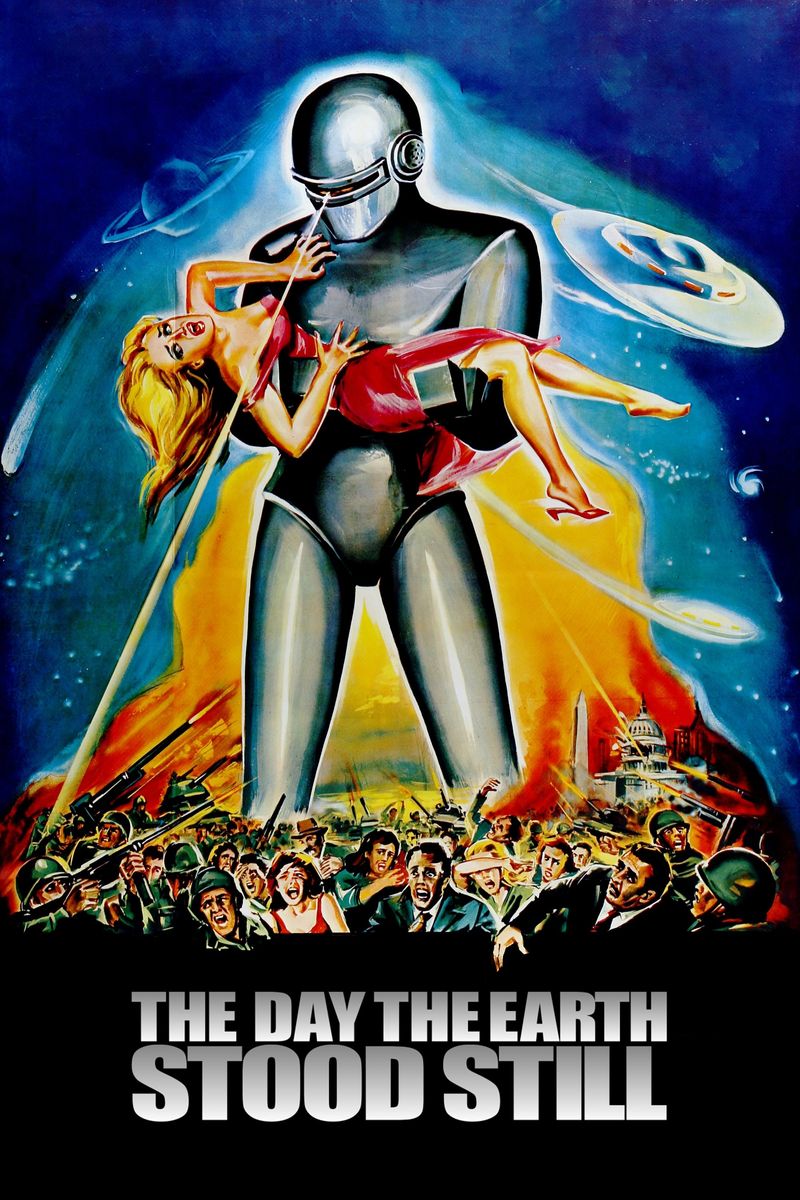
A flying saucer lands in the middle of Washington, D.C., and the visitor inside comes with a message instead of a ray gun.
That simple setup made Robert Wise’s 1951 film one of the most influential science fiction movies ever made.
Michael Rennie plays Klaatu, a polite alien who warns Earth to stop its violent ways before they spread into space.
Standing guard beside him is Gort, a giant silent robot who looks like he could flatten a city block without breaking a sweat.
Patricia Neal plays Helen Benson, a widowed mother who becomes one of the few people Klaatu can trust.
Hugh Marlowe plays her boyfriend, and his choices add a sharp human twist to the story.
Listen closely to the music, too.
Composer Bernard Herrmann used the theremin, an electronic instrument with an eerie, wobbly sound that still feels otherworldly today.
The movie also gave pop culture the phrase “Klaatu barada nikto,” which fans still quote decades later.
You may have heard it in other films without knowing where it came from.
Watch this one when you want a calm, thoughtful story rather than explosions.
Its message about choosing peace over fear lands just as clearly now as it did during the Cold War.
2. When Worlds Collide
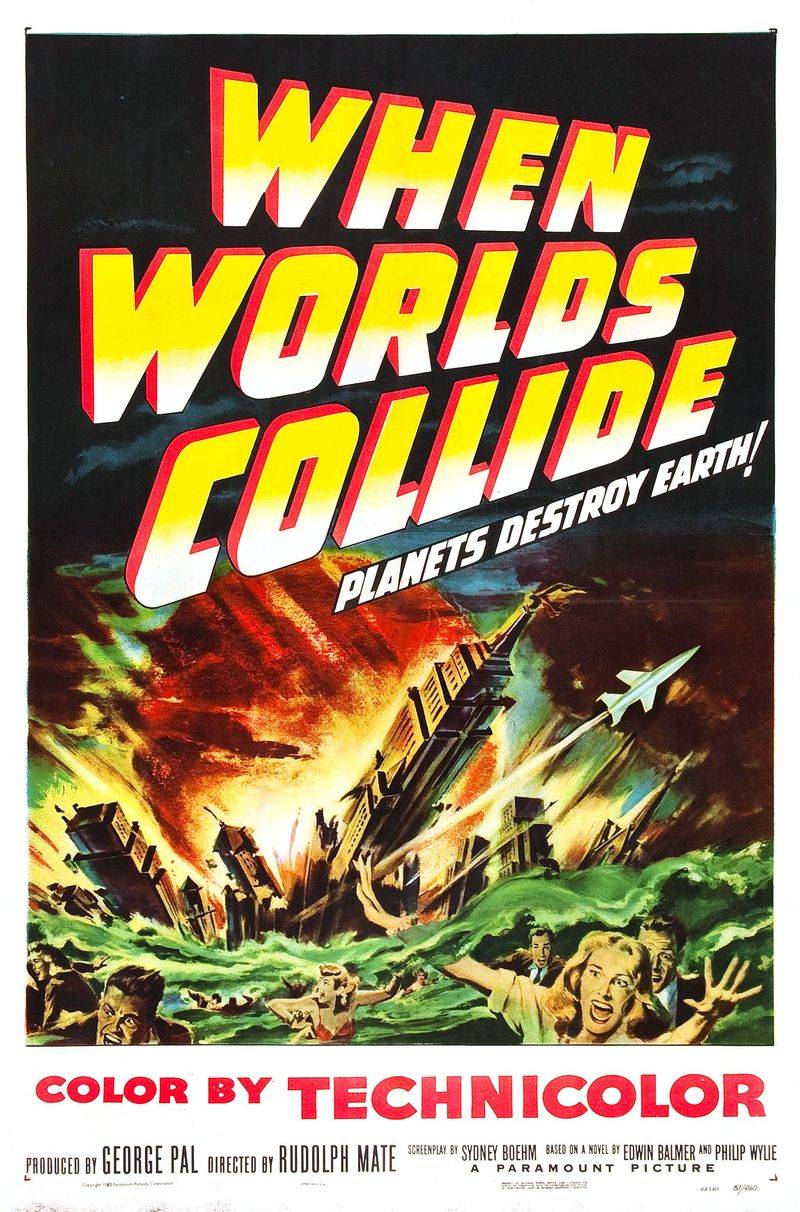
Astronomers spot a runaway star named Bellus heading straight for Earth, and the bad news only gets worse from there.
Released in 1951, this Technicolor thriller from director Rudolph Maté turned cosmic panic into a full-color spectacle.
The plan to save humanity sounds wild even now.
Scientists race to build a giant rocket, often called a space ark, that can carry a small group of people to Zyra, a planet traveling alongside Bellus.
Richard Derr plays pilot David Randall, and Barbara Rush plays Joyce Hendron, the daughter of the scientist leading the project.
Their story gives the big disaster a human center, along with a love triangle for good measure.
Producer George Pal was famous for his special effects work, and it shows.
The film won an Academy Award for its effects, including scenes of flooded cities and a sleek rocket sliding down a launch ramp.
Some of the science is pure 1950s imagination, so enjoy it with a grin.
The fun comes from watching people argue over who gets a seat on the last ride out.
Pair it with a modern disaster film afterward.
You’ll notice how many later movies borrowed its race-against-the-clock structure.
3. On the Beach
No explosions, no monsters, and barely any shouting.
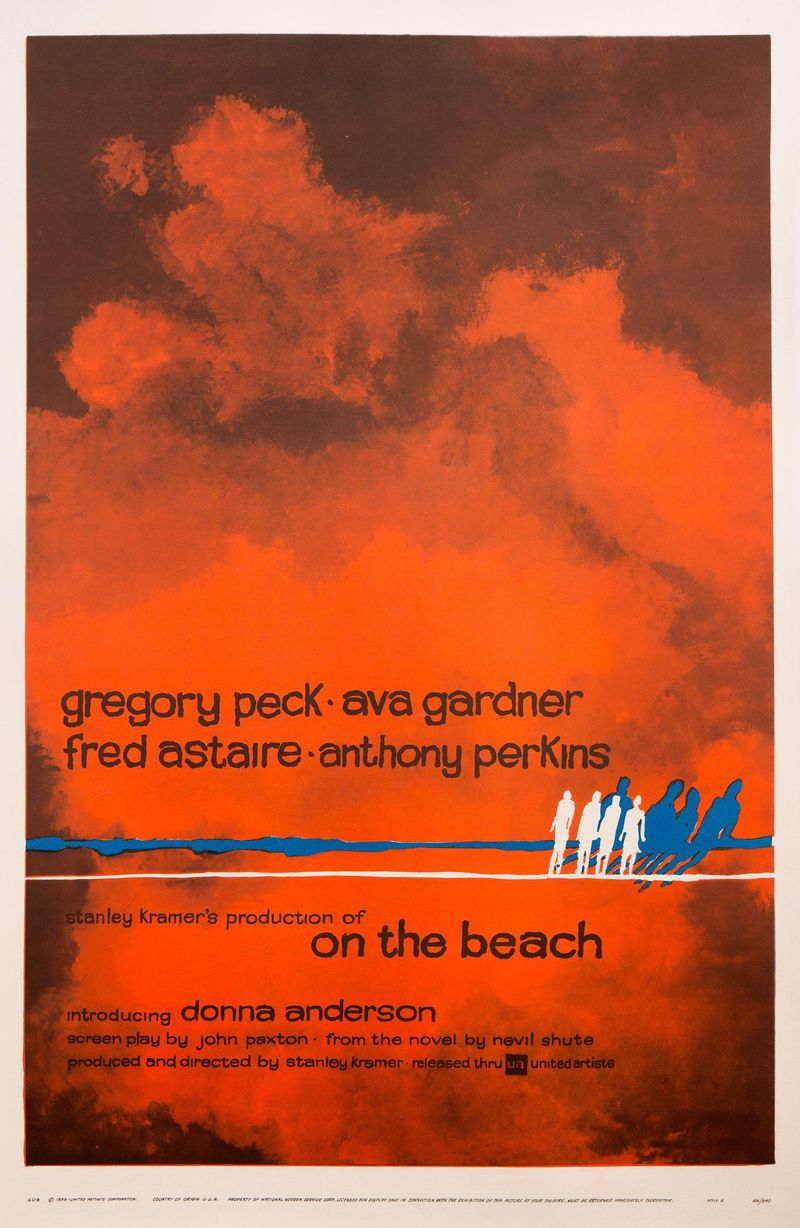
Stanley Kramer’s 1959 drama gets its power from quiet conversations among people who know their time is running short.
The story takes place after a nuclear war has wiped out life in the Northern Hemisphere.
Survivors in Melbourne, Australia, wait as radioactive fallout slowly drifts south toward them.
Gregory Peck plays Commander Dwight Towers, captain of an American submarine stranded in Australia.
Ava Gardner plays Moira Davidson, a lively woman who forms a tender bond with him.
Here’s a fun detail for classic movie fans.
Fred Astaire, the legendary dancer, took a serious dramatic role here as a scientist, and he never dances once.
Anthony Perkins also appears as a young naval officer worried about his wife and baby.
His storyline is one of the most moving parts of the film.
The movie is based on the 1957 novel by Nevil Shute, which became a bestseller.
Both versions ask a simple question: how would you spend your final months?
Choose this one for a reflective evening rather than a popcorn thrill.
Keep tissues nearby, because its gentle sadness sneaks up on you.
4. Dr. Strangelove or: How I Learned to Stop Worrying and Love the Bomb
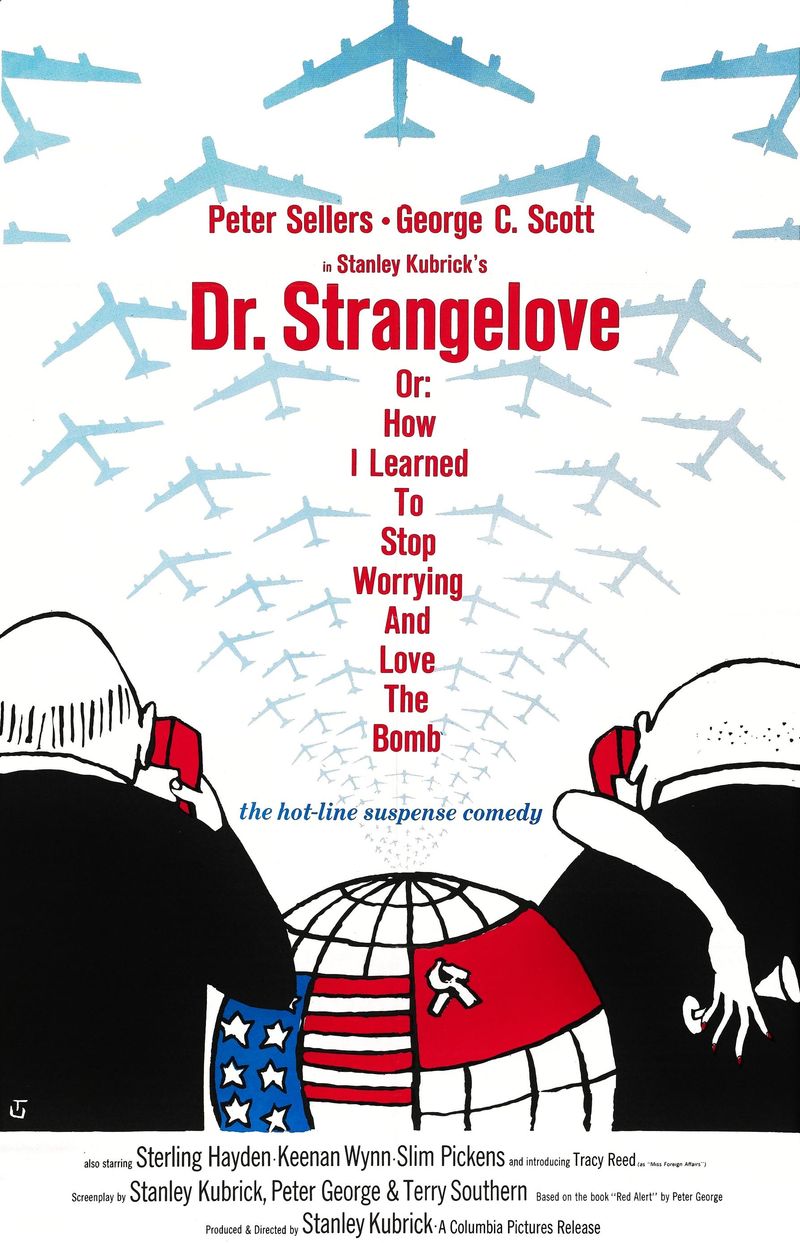
Who knew nuclear panic could be this funny?
Stanley Kubrick took the scariest worry of 1964 and turned it into one of the sharpest comedies ever filmed.
The trouble starts when a rogue Air Force general orders bombers to attack the Soviet Union.
Leaders gather in the War Room to stop the mess, only to learn the Soviets have built a Doomsday Machine.
Peter Sellers plays three different roles: a British officer, the American president, and the strange scientist Dr. Strangelove.
Switching between them is a comedy master class you can enjoy again and again.
George C. Scott brings big, bouncy energy as General Buck Turgidson.
Slim Pickens, as cowboy pilot Major Kong, delivers one of the most memorable final images in film history.
Keep an ear out for the famous line about not fighting in the War Room.
It perfectly sums up the movie’s love of grown-ups acting ridiculous at the worst possible moment.
The film earned four Academy Award nominations, including Best Picture.
Its black and white look makes the gloomy settings feel even sillier by contrast.
Watch it with a friend who thinks old movies are boring.
This one tends to win them over fast.
5. Planet of the Apes
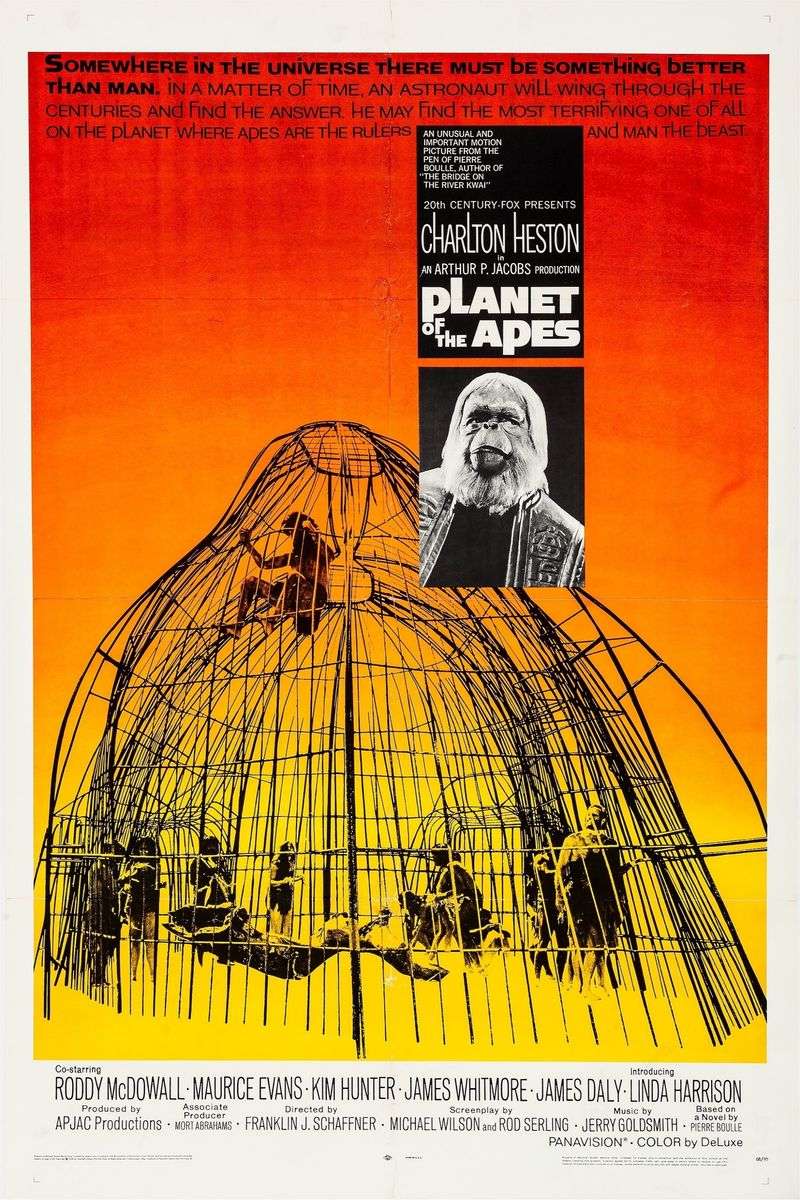
Talking apes on horseback might sound like a silly premise, yet this 1968 adventure plays it completely straight.
That serious tone is a big reason it still works so well.
Charlton Heston plays Colonel George Taylor, an astronaut who crash-lands on a mysterious planet far in the future.
There, intelligent apes run society, while humans can’t speak and are treated like animals.
Roddy McDowall and Kim Hunter play Cornelius and Zira, two chimpanzee scientists who start to doubt their own leaders.
Their curiosity gives the film a surprising amount of heart.
The makeup was groundbreaking for its time.
John Chambers received an honorary Academy Award for his ape designs, which let actors show real emotion through the masks.
Rod Serling, creator of The Twilight Zone, co-wrote the screenplay based on Pierre Boulle’s French novel.
You can feel his love for clever twists in the story’s final minutes.
That ending is famous, so try to avoid spoilers before you watch.
Even if you already know it, seeing it unfold is worth the trip.
The movie launched a huge franchise with sequels, TV shows, and modern reboots.
Start here to see where it all began.
6. Soylent Green
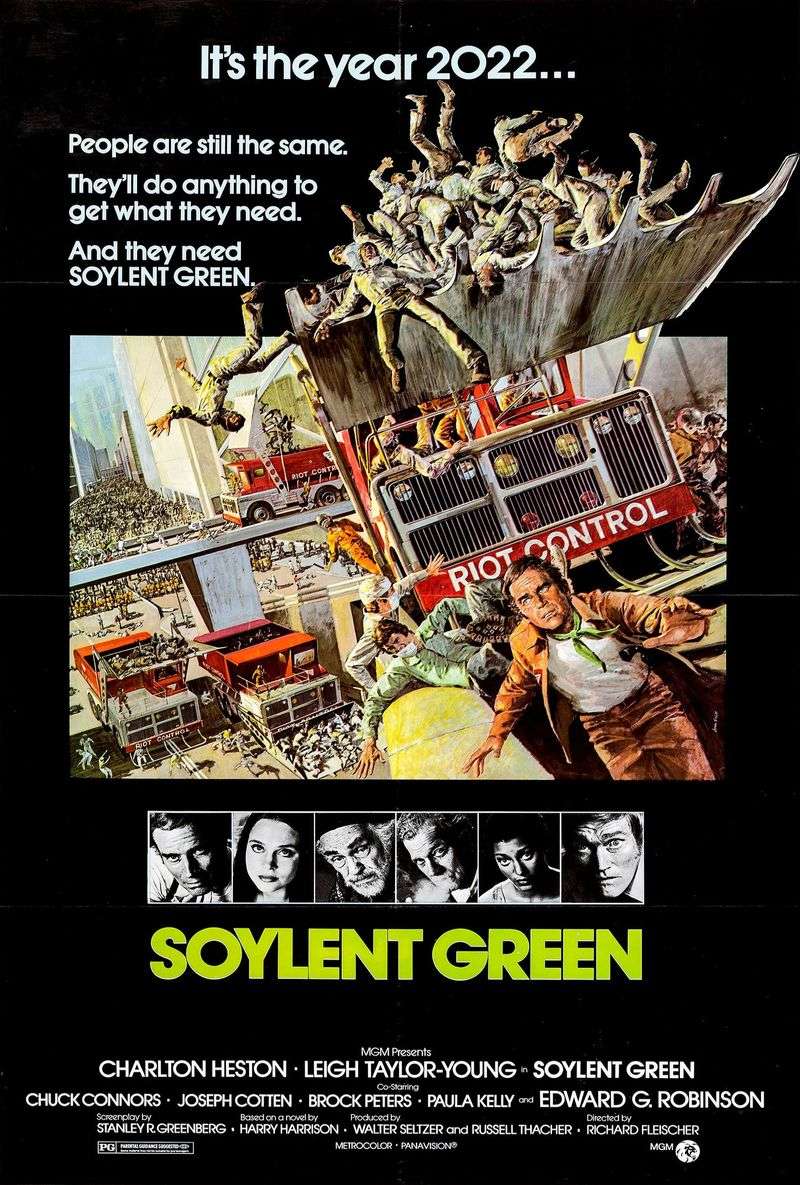
Set in the far-off year of 2022, this 1973 thriller is a fun movie to watch now that we’ve passed that date.
Director Richard Fleischer imagined a New York City packed with people and choked by heat and pollution.
Food is scarce, and most people survive on rationed wafers made by the Soylent Corporation.
Fresh vegetables and real beef are luxuries that only the wealthy can afford.
Charlton Heston plays Detective Robert Thorn, who investigates a suspicious crime involving a powerful businessman.
The deeper he digs, the more uncomfortable the answers become.
Edward G. Robinson plays Sol Roth, Thorn’s older friend who remembers what the world used to look like.
It was his final film, and one quiet scene featuring him is among the most moving in the movie.
The story is loosely based on Harry Harrison’s novel Make Room! Make Room!
The book focused more on overpopulation, while the film added its famous mystery.
You’ve probably heard the big reveal quoted somewhere, even if you’ve never seen the movie.
Try watching it fresh anyway, because the build-up is where the tension lives.
Afterward, you may never look at a snack cracker the same way.
7. Mad Max 2: The Road Warrior
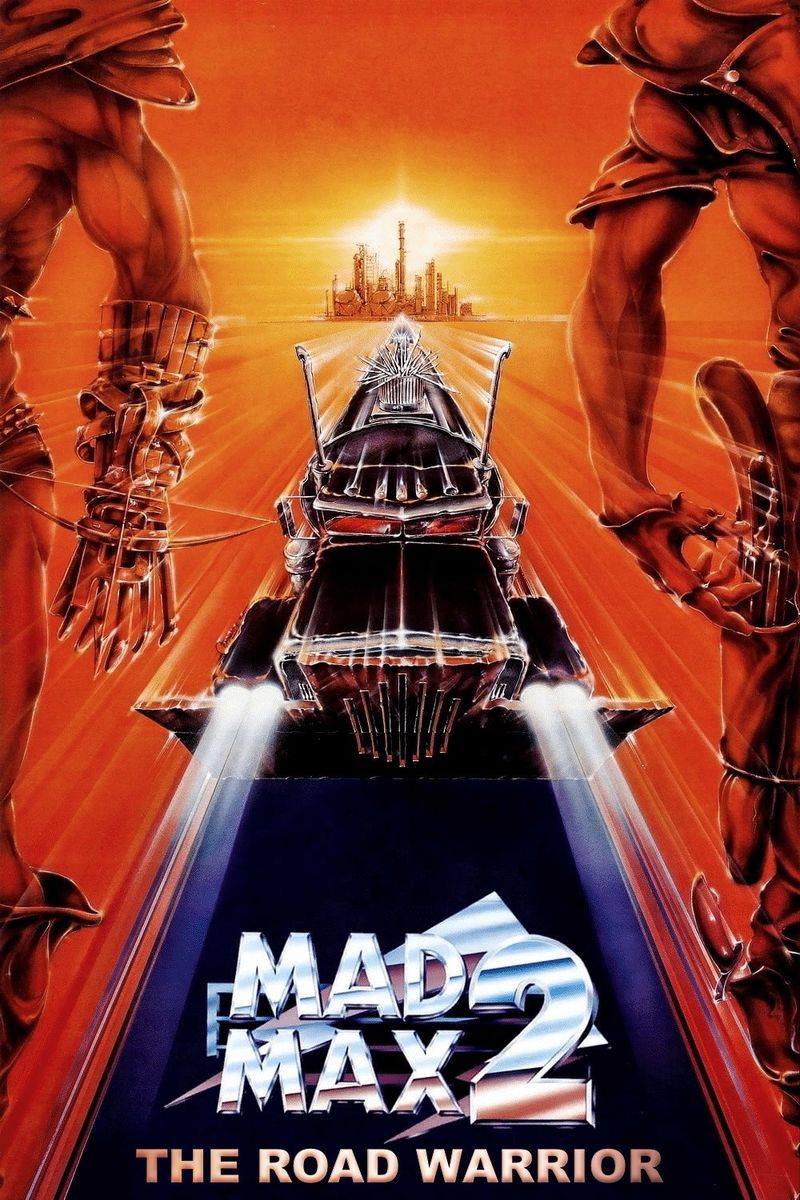
Gasoline is worth more than gold in George Miller’s 1981 action film, and people will go to wild lengths to get it.
Australia released it as Mad Max 2, while American audiences knew it as The Road Warrior.
Mel Gibson returns as Max Rockatansky, a former cop now drifting through a ruined desert world.
He mostly wants to be left alone with his car and his loyal dog.
Things change when he stumbles on a small community guarding a fuel refinery.
A gang led by the masked Lord Humungus wants that fuel, and Max gets pulled into the fight.
The movie barely stops to catch its breath.
Its final tanker chase is a jaw-dropping stretch of real stunts, crashing metal, and roaring engines.
Watch for the Feral Kid, a wild young boy who throws a sharp metal boomerang.
He adds a little humor and plenty of grit.
The leather outfits, spiky vehicles, and dusty landscapes shaped countless movies and video games that followed.
If you’ve seen Mad Max: Fury Road, you’ll spot where many of its ideas started.
Turn the volume up for this one.
The engine noise is half the experience.
8. Threads
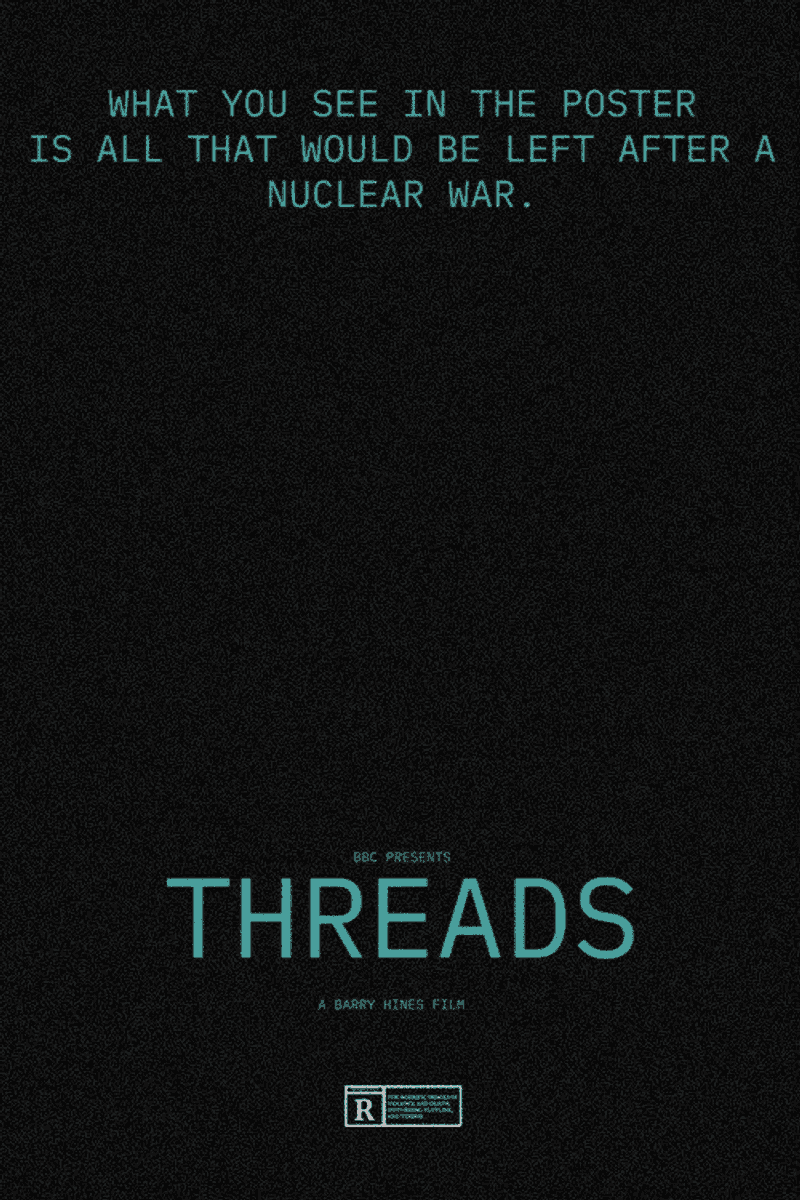
Fair warning: this one is not a Friday night popcorn movie.
Made for the BBC in 1984, Threads is often called one of the most unsettling films ever shown on British television.
Director Mick Jackson and writer Barry Hines set the story in Sheffield, England.
It follows two ordinary families as world tensions slowly grow into a nuclear war.
Karen Meagher plays Ruth, a young woman expecting a baby, and Reece Dinsdale plays her fiancé, Jimmy.
Their everyday worries about weddings and apartments make the later events hit much harder.
The film uses a documentary style, with on-screen text and narration explaining what’s happening.
That approach makes it feel less like a movie and more like a news report from a future nobody wants.
Unlike many disaster films, Threads keeps going long after the first attack.
It shows the slow, difficult years that follow, which is what makes it so different.
Older viewers in the United Kingdom still remember it from its first broadcast.
It was shown again and later released on disc for new audiences.
Watch it when you’re in a serious mood, and plan something cheerful afterward.
A walk outside works nicely.
9. Miracle Mile
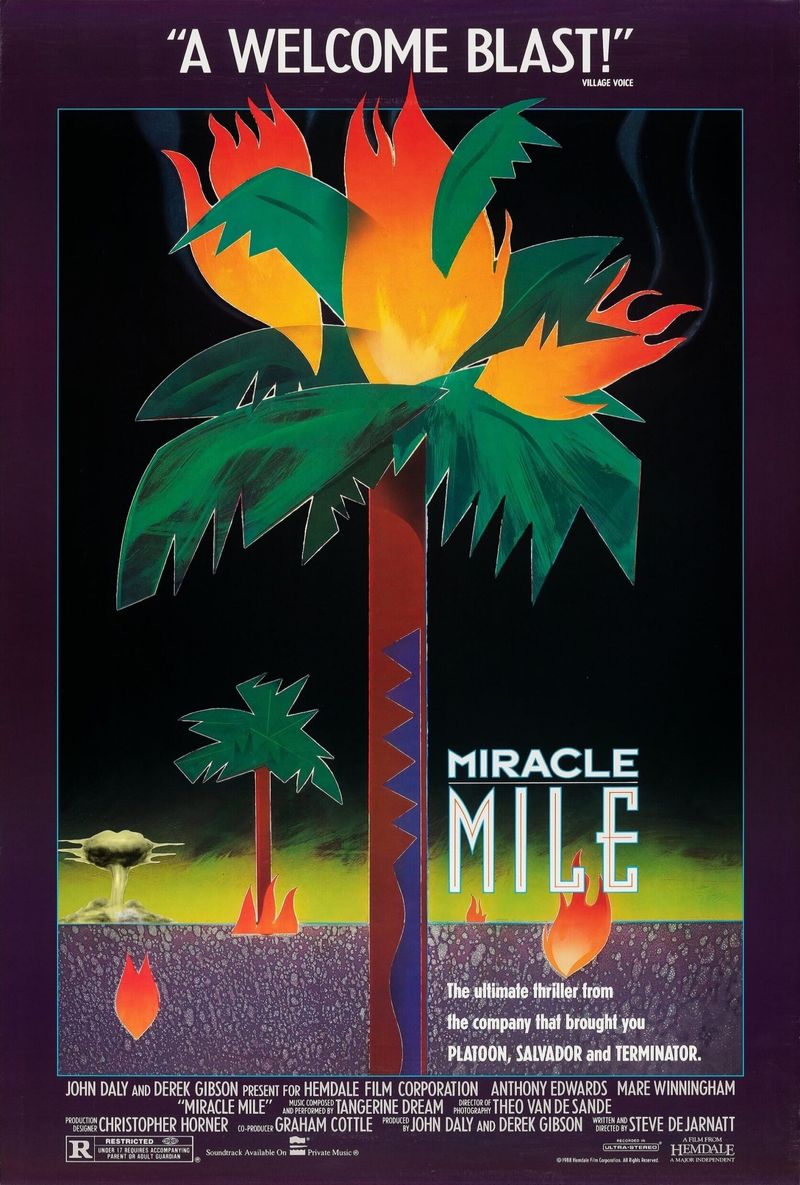
A wrong number at a payphone sets off the most stressful date night in movie history.
Steve De Jarnatt wrote and directed this 1988 thriller, and it plays out close to real time.
Anthony Edwards, later famous for the TV show ER, plays Harry Washello.
He meets Julie, played by Mare Winningham, at the La Brea Tar Pits and falls for her fast.
After missing their late-night date, Harry answers a ringing payphone outside a Los Angeles diner.
The panicked caller says a nuclear attack is about to happen in roughly an hour.
The question of whether the call is real keeps the tension high.
Harry has to decide who to trust while racing across the city to find Julie.
The pulsing electronic score comes from Tangerine Dream, a German group known for moody synth music.
It gives the whole film a dreamy, nervous energy.
Miracle Mile didn’t make much money when it was released.
Over time, though, it has found a loyal fan base thanks to home video and streaming.
Watch it late at night for the full effect.
You’ll probably think twice before answering a random phone call afterward.
10. 12 Monkeys
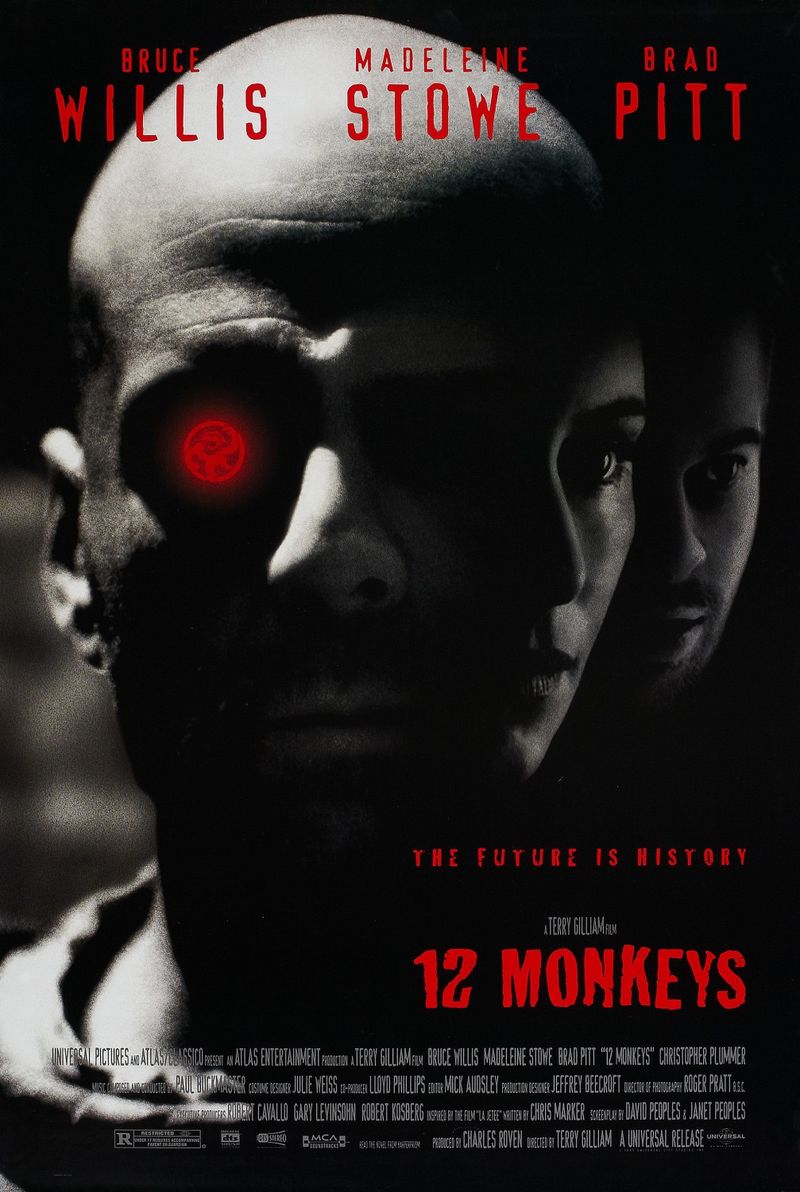
Time travel usually looks fun in the movies, but in Terry Gilliam’s 1995 thriller it looks exhausting.
Bruce Willis plays James Cole, a prisoner sent back in time from the year 2035.
In Cole’s future, a deadly virus has wiped out most people, and survivors live underground.
His mission is to gather clues about the virus and a mysterious group called the Army of the Twelve Monkeys.
Madeleine Stowe plays Dr. Kathryn Railly, a psychiatrist who thinks Cole is simply confused.
Her slow shift from doubt to belief is one of the film’s strongest threads.
Brad Pitt plays Jeffrey Goines, a hyper, fast-talking patient Cole meets in a mental hospital.
The role earned Pitt an Academy Award nomination and a Golden Globe win.
The movie was inspired by La Jetée, a 1962 French short film told almost entirely through still photographs.
Watching both makes a cool double feature.
Gilliam fills the screen with odd angles, strange machines, and cluttered sets.
It feels like a puzzle you’re solving alongside Cole.
Pay close attention to small details early on.
They matter more than you’d expect by the final scenes.
11. Deep Impact
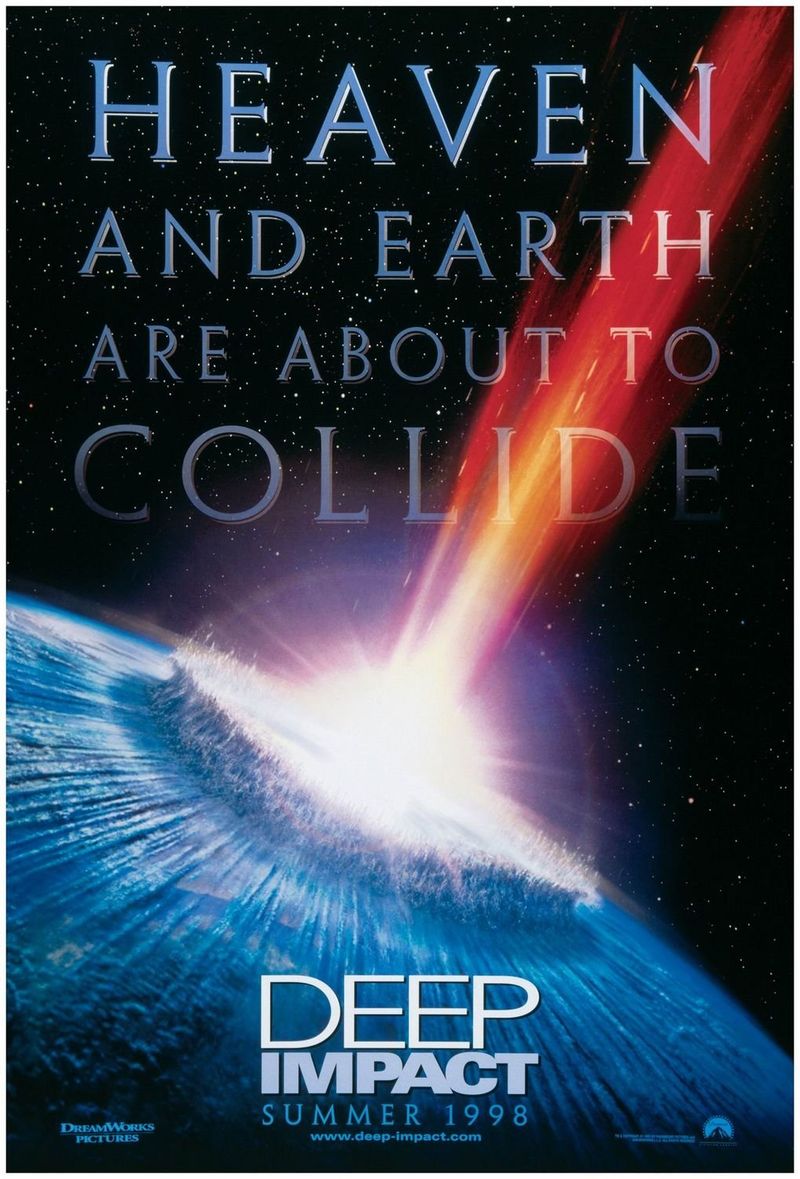
Summer 1998 brought not one but two big movies about space rocks threatening Earth.
Deep Impact arrived first, and it took a noticeably more emotional approach than its rival, Armageddon.
Mimi Leder directed the film, with Steven Spielberg serving as an executive producer.
The story follows several people as the world learns a huge comet is heading toward the planet.
Téa Leoni plays Jenny Lerner, a TV journalist who stumbles onto the story by accident.
Elijah Wood plays Leo Biederman, a teenager who helped spot the comet in the first place.
Morgan Freeman plays the President of the United States, calmly explaining the plan to the nation.
His steady voice makes those speeches some of the film’s most memorable moments.
Robert Duvall leads a team of astronauts sent to stop the comet.
Their mission brings the action, while the family stories on the ground bring the tears.
The film also explores tough questions, like who gets a spot in emergency shelters.
Those scenes give viewers plenty to talk about afterward.
Choose this one if you like your disaster movies with heart.
Its big wave scene still looks impressive on a large screen.
12. The Day After Tomorrow
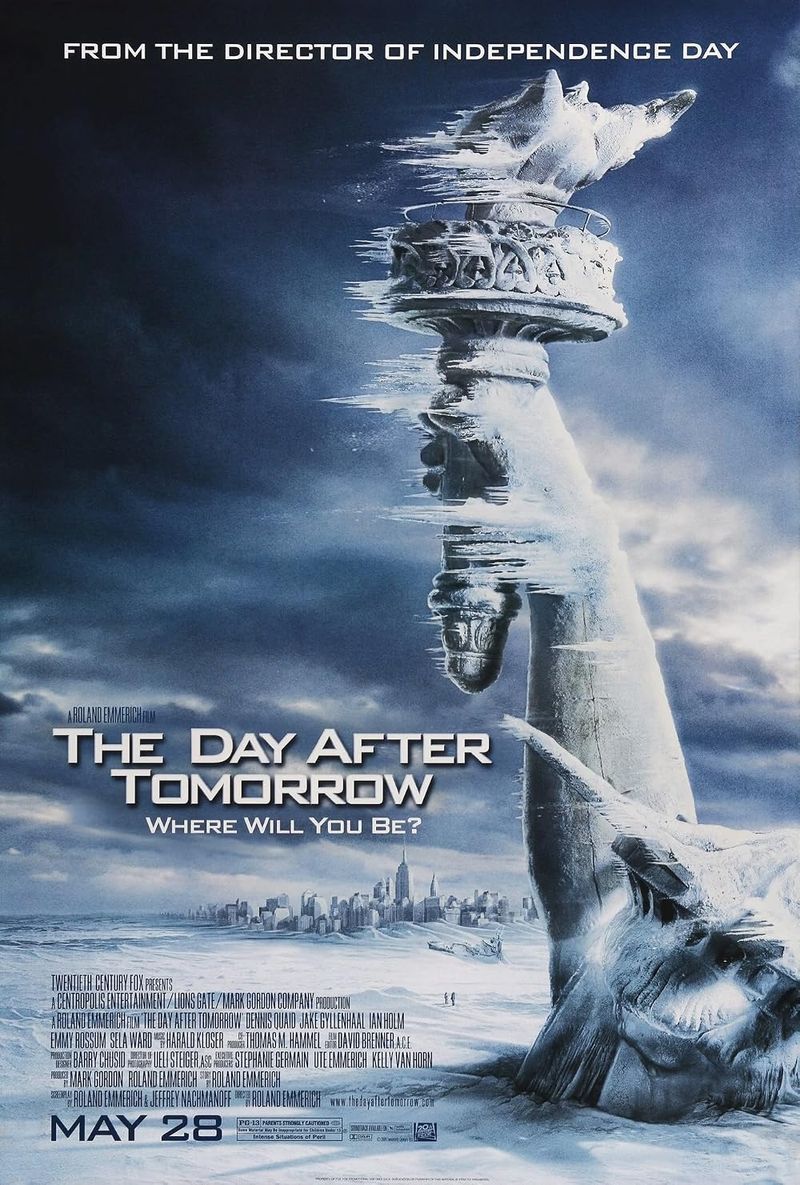
Few movies have frozen New York City quite as thoroughly as this 2004 blockbuster.
Roland Emmerich, who also directed Independence Day, co-wrote and directed this weather-gone-wild spectacle.
Dennis Quaid plays Jack Hall, a climate scientist who warns that global warming could trigger a sudden ice age.
Within days, giant storms, huge hailstones, and tornadoes hit cities around the world.
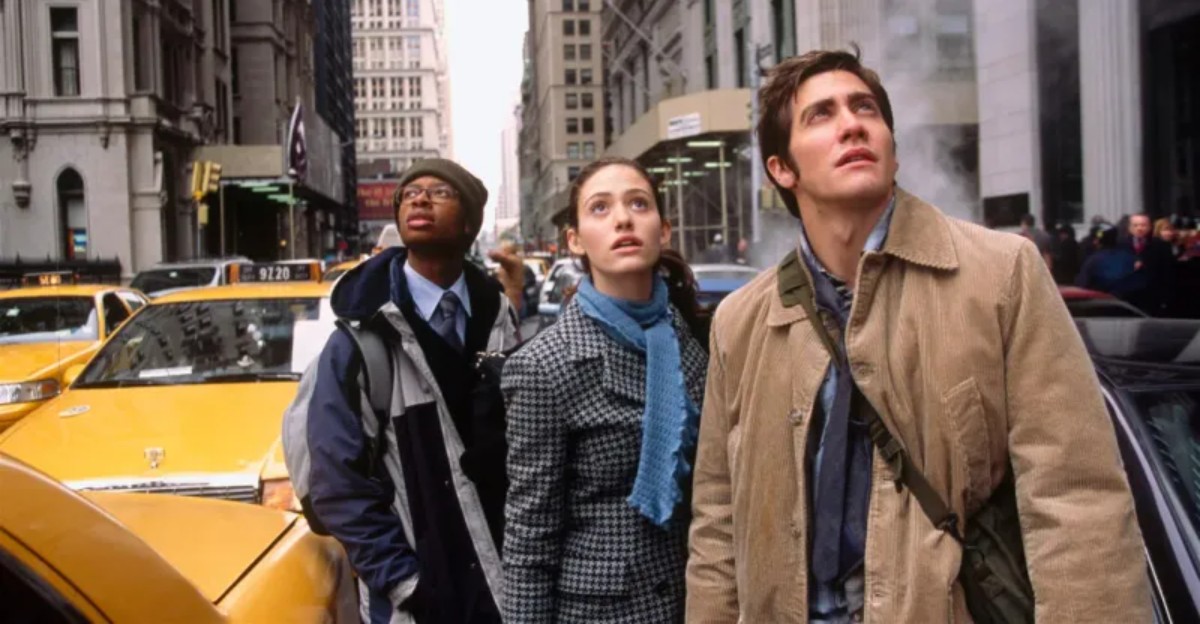
Jake Gyllenhaal plays Sam, Jack’s teenage son, who gets stuck in New York during a school trip.
Sam and his friends take shelter in the New York Public Library as the cold closes in.
One of the most talked-about scenes involves the group burning books to stay warm.
The debate over which books to save is a funny, clever touch in the middle of the chaos.
Jack sets out on foot from Washington, D.C., to reach his son.
That journey through snow and ice gives the film its emotional core.
The science is wildly sped up for drama, so treat it as entertainment rather than a forecast.
Still, it sparked plenty of conversations about climate when it came out.
Grab a thick blanket before pressing play.
You’ll want it.
13. Children of Men
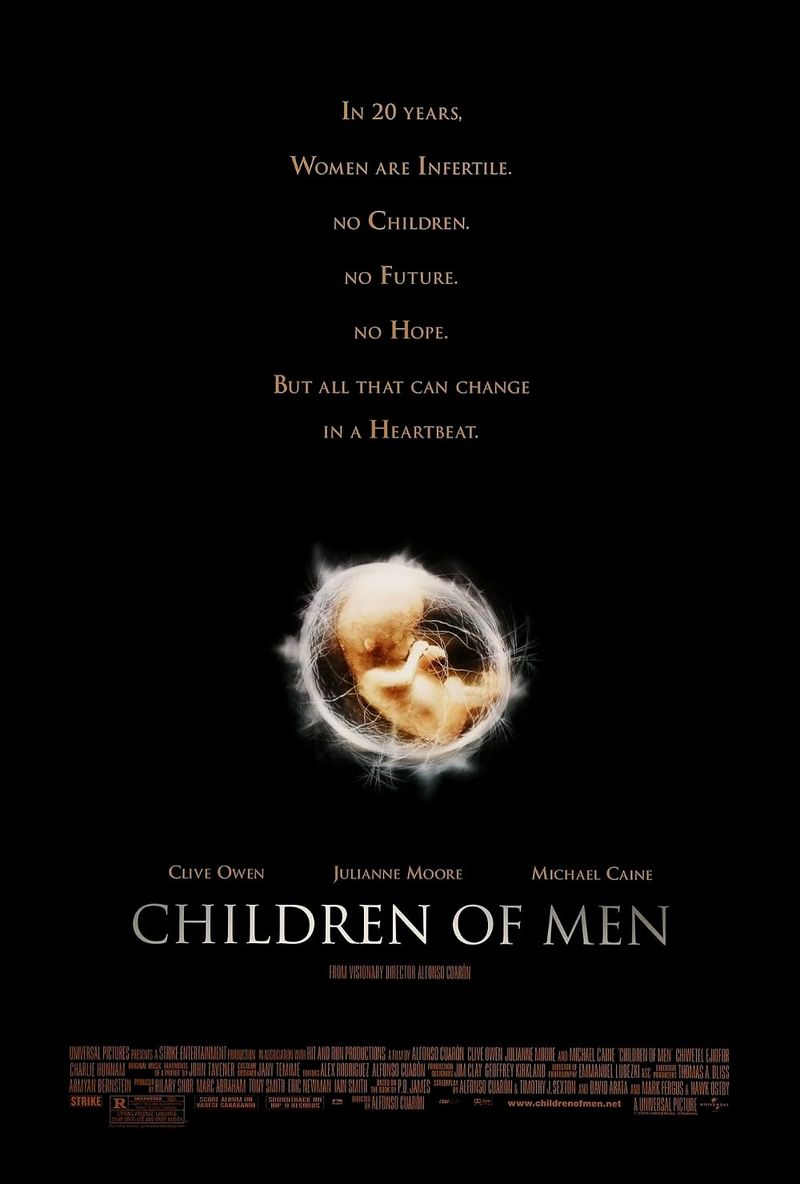
Imagining a world with no babies sounds quiet, but Alfonso Cuarón’s 2006 film shows how loud and chaotic it could get.
Set in 2027, the story takes place after humans have been unable to have children for 18 years.
Clive Owen plays Theo Faron, a tired government worker in a crumbling Britain.
His former partner, played by Julianne Moore, asks him to help a young refugee named Kee.
Clare-Hope Ashitey plays Kee, who carries a secret that could change humanity’s future.
Theo must get her safely to a mysterious group called the Human Project.
Michael Caine nearly steals the show as Jasper, Theo’s friendly, joke-loving old friend.
His scenes add much-needed humor to a dark world.
Film fans often praise the long, unbroken shots, especially a tense car scene and a battle in the streets.
The camera follows the action so closely that you feel stuck right there with the characters.
The movie is based on a novel by P.D. James and earned three Academy Award nominations.
Its cinematography by Emmanuel Lubezki is a big reason why.
Watch for the background details, like posters and news screens.
They tell their own story.
14. Contagion
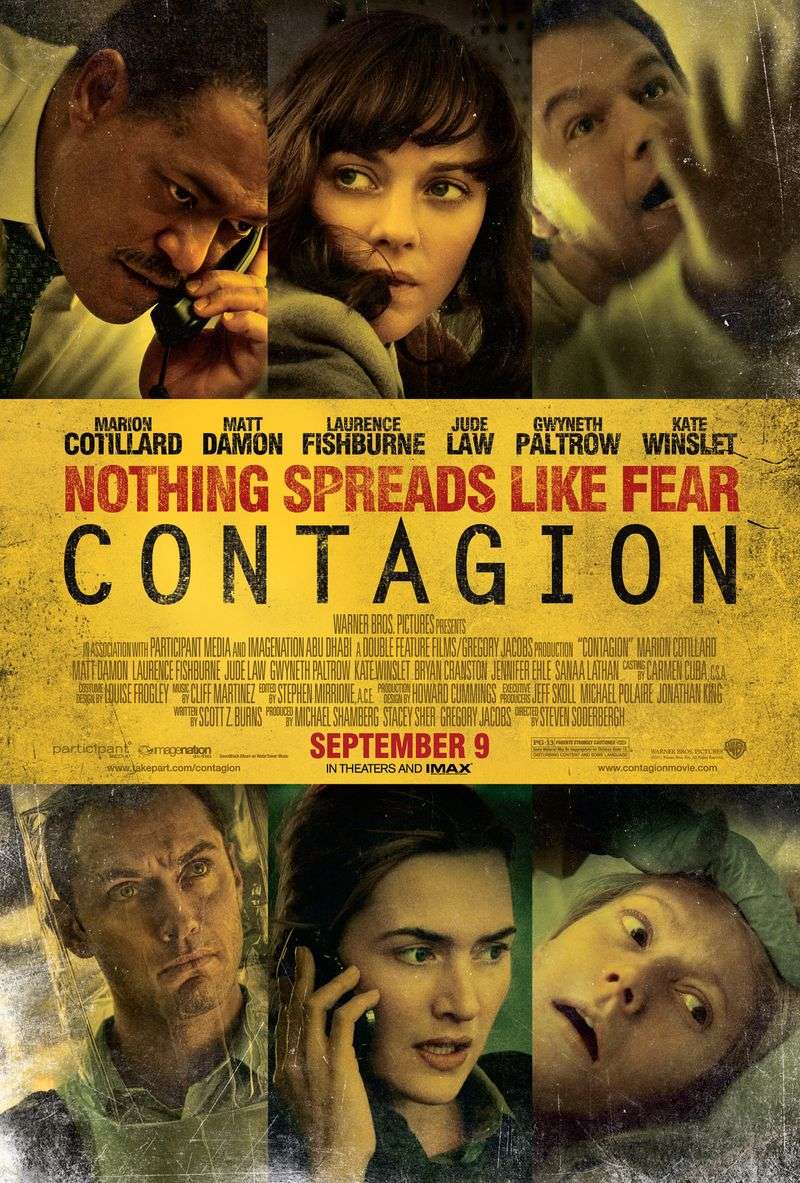
Watching Contagion after 2020 feels a little different than watching it in 2011.
Steven Soderbergh’s thriller follows a new virus as it spreads across the globe in a matter of days.
The film jumps among several characters, giving you a wide view of the crisis.
Matt Damon plays a father protecting his daughter, while Laurence Fishburne plays a health official trying to lead the response.
Kate Winslet and Marion Cotillard play disease investigators working in the field.
Jude Law plays a blogger who spreads rumors and false cures to a growing audience.
Gwyneth Paltrow appears early on, and her storyline kicks off the whole outbreak.
The movie wastes no time showing how quickly a germ can travel.
Writer Scott Z.
Burns focused on realistic details, like contact tracing and vaccine testing.
That grounded approach is why many viewers revisited the film during the COVID-19 pandemic.
Soderbergh keeps the pace brisk with a pulsing score by Cliff Martinez.
The cool, clean visuals make the tension feel almost clinical.
You’ll probably wash your hands right after the credits roll.
Honestly, that’s a pretty good takeaway.
15. Don’t Look Up
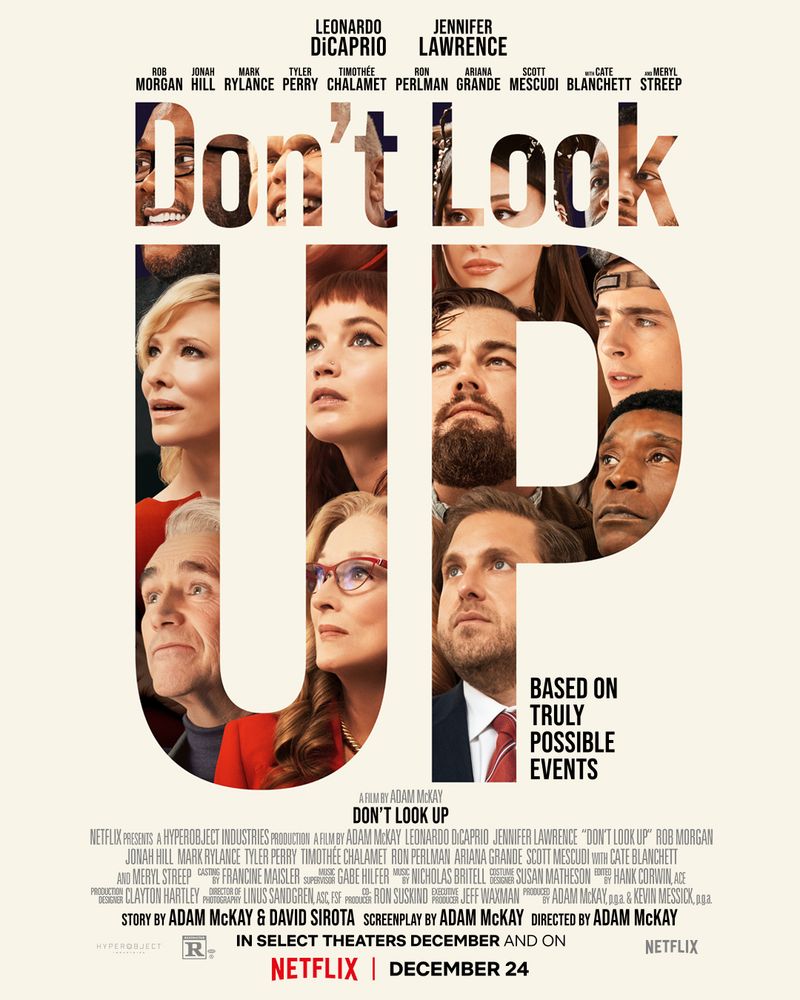
Two scientists discover a comet headed straight for Earth, and the hardest part turns out to be getting anyone to care.
Adam McKay’s 2021 satire treats the end of the world like a bad talk show segment.
Leonardo DiCaprio plays Dr. Randall Mindy, a nervous astronomy professor.
Jennifer Lawrence plays Kate Dibiasky, the grad student who first spots the comet and isn’t shy about her frustration.
Their warnings bounce off a distracted president, played by Meryl Streep, and her son and chief of staff, played by Jonah Hill.
Cate Blanchett plays a breezy TV host, and Mark Rylance plays a strange tech billionaire.
The comet is expected to hit in about six months.
That ticking clock adds bite to scenes of celebrities, politicians, and the media focusing on everything except the real problem.
Netflix released the film in December 2021 after a short theater run.
It earned four Academy Award nominations, including Best Picture.
Viewers had strong and mixed opinions about its humor, which makes it great for post-movie discussions.
Stay through the credits, because there are extra scenes waiting.
It’s a funny, sharp reminder that sometimes the scariest threat is simply not paying attention.