 MomSkoop
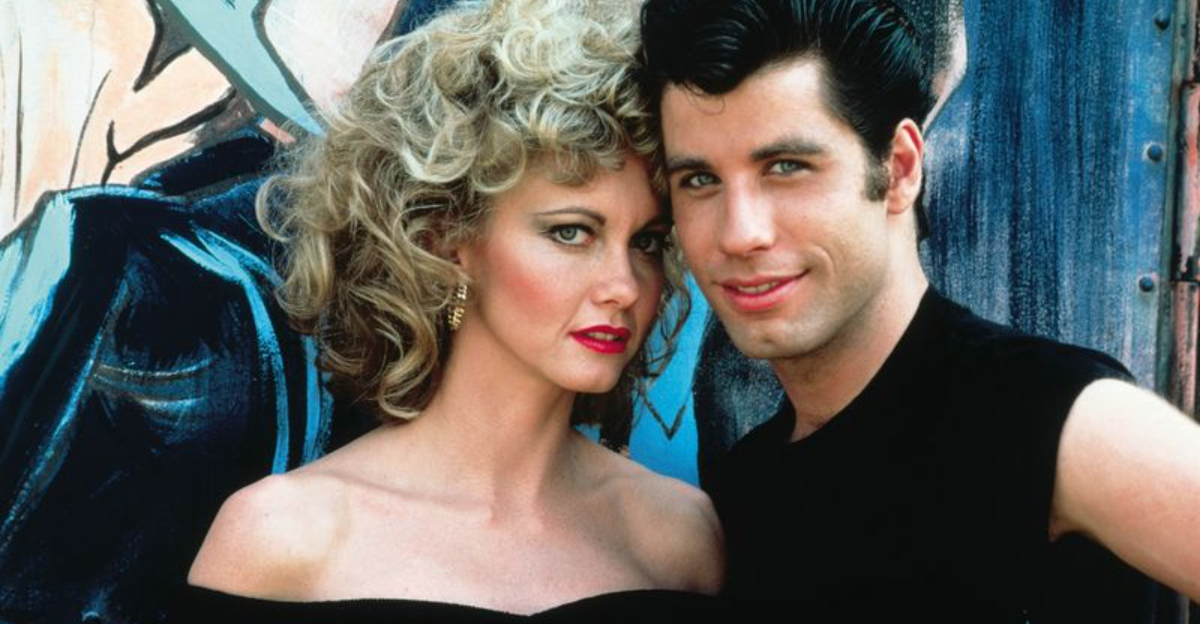
Baby Boomers grew up during a golden age of cinema, when movies meant something different than they do today. They flocked to theaters for films that spoke to their generation’s values, dreams, and rebellions.
While younger audiences might scratch their heads at some of these picks, Boomers hold them close to their hearts as cultural touchstones that defined their youth and early adulthood.
1. The Network
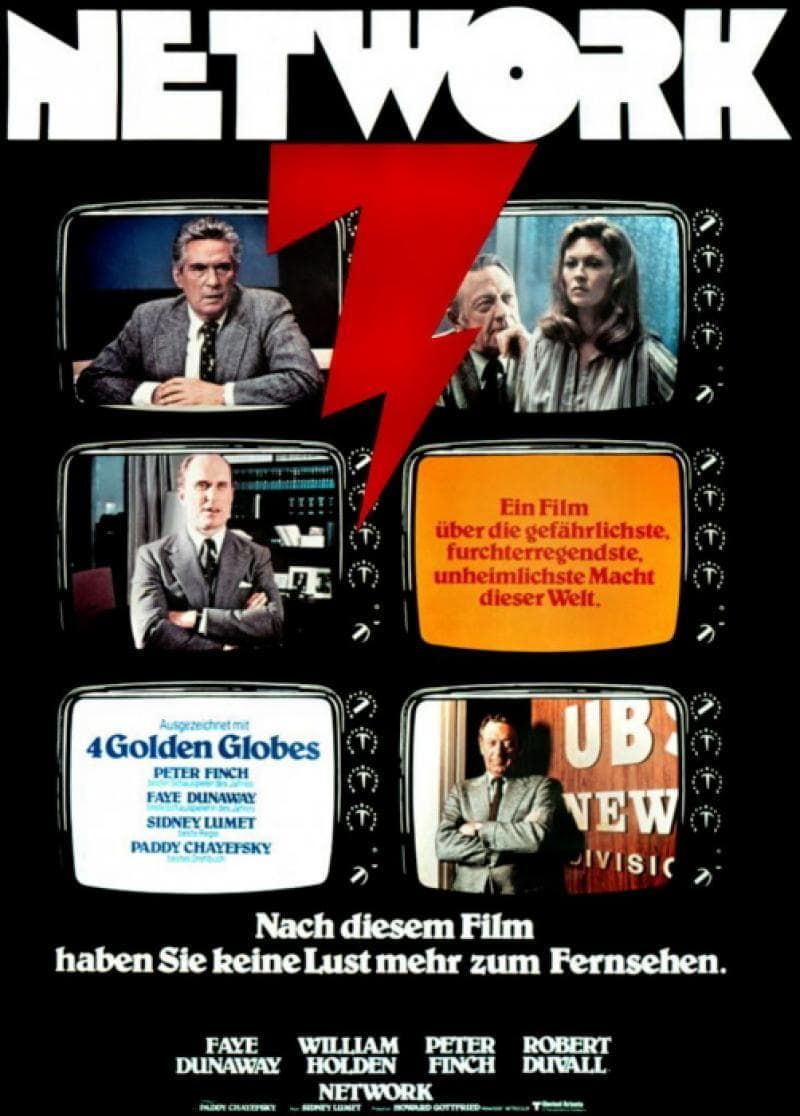
Faye Dunaway and William Holden star in this blistering critique of television news that resonated deeply with Boomers watching media transform before their eyes.
The film’s famous “I’m mad as hell” speech became a rallying cry for a generation frustrated with corporate control and media manipulation.
Younger viewers might find the pacing slow and the satire heavy-handed compared to today’s sharper media criticism.
Boomers, however, saw their own disillusionment reflected on screen.
The movie captured their anger at institutions they once trusted.
It spoke directly to their experience of watching idealism crumble in the face of profit-driven entertainment.
2. Diner
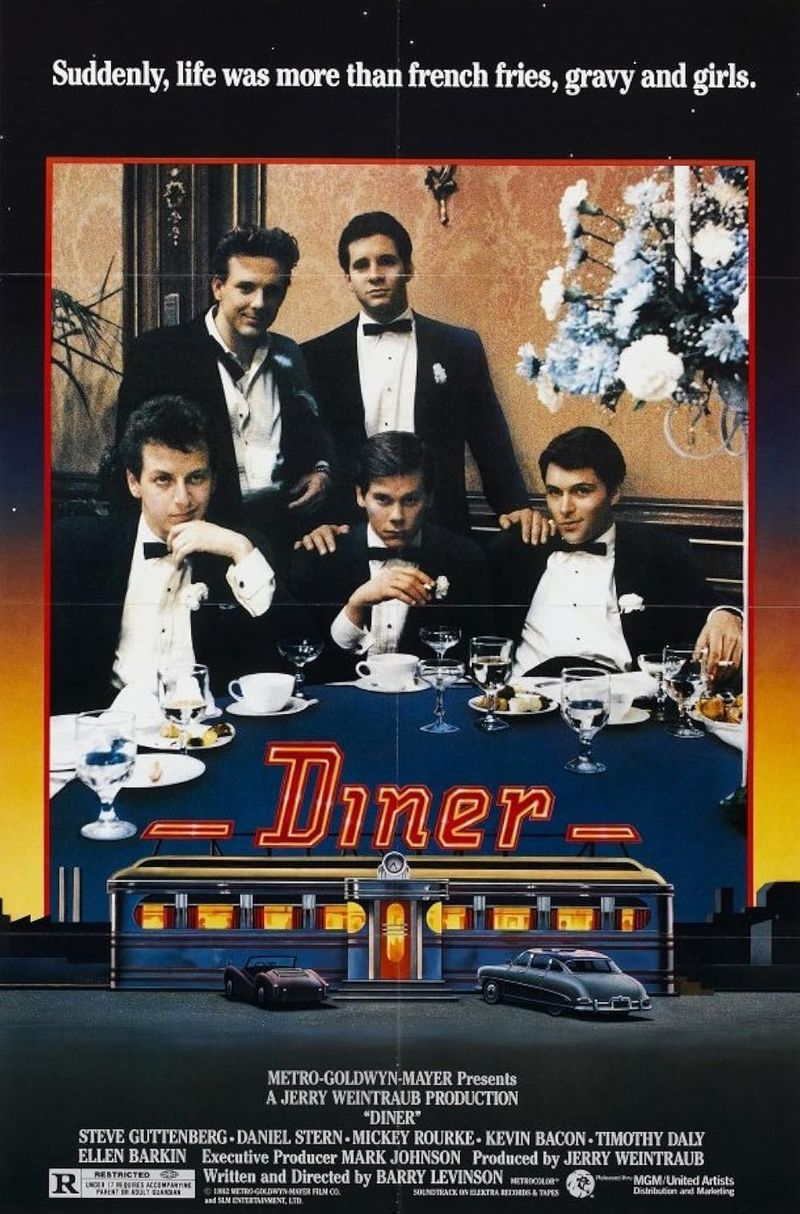
Barry Levinson’s nostalgic look at young men hanging out in a Baltimore diner struck a chord with Boomers remembering their own coming-of-age moments.
The conversations feel authentic and meandering, capturing how friendships actually unfold over fries and coffee.
Modern audiences often find the plot thin and the dialogue aimless, missing the point entirely.
For Boomers, that’s exactly what makes it special.
The film doesn’t rush toward big dramatic moments.
Instead, it lingers on the small talk and silences that define real relationships, reminding them of simpler times before everyone scattered.
3. Five Easy Pieces
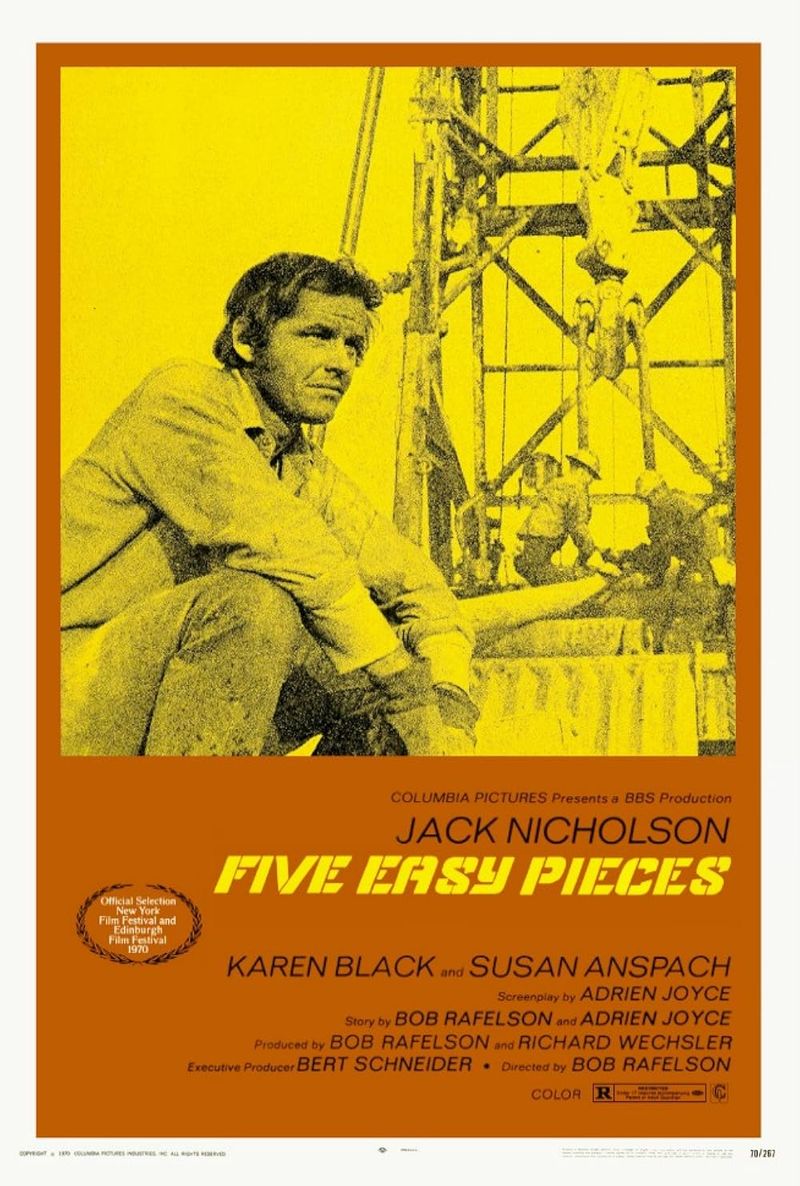
Jack Nicholson’s portrayal of a drifter running from his privileged background became an anthem for Boomer rebellion against expectations.
The famous chicken salad scene showcases the anti-establishment attitude that defined a generation.
Younger viewers often see the main character as whiny and self-destructive rather than heroically nonconformist.
Boomers identified with his refusal to play society’s game.
They understood his frustration with phoniness and rigid social structures.
The film validated their own struggles between duty and freedom, making it feel deeply personal rather than just another character study.
4. American Graffiti
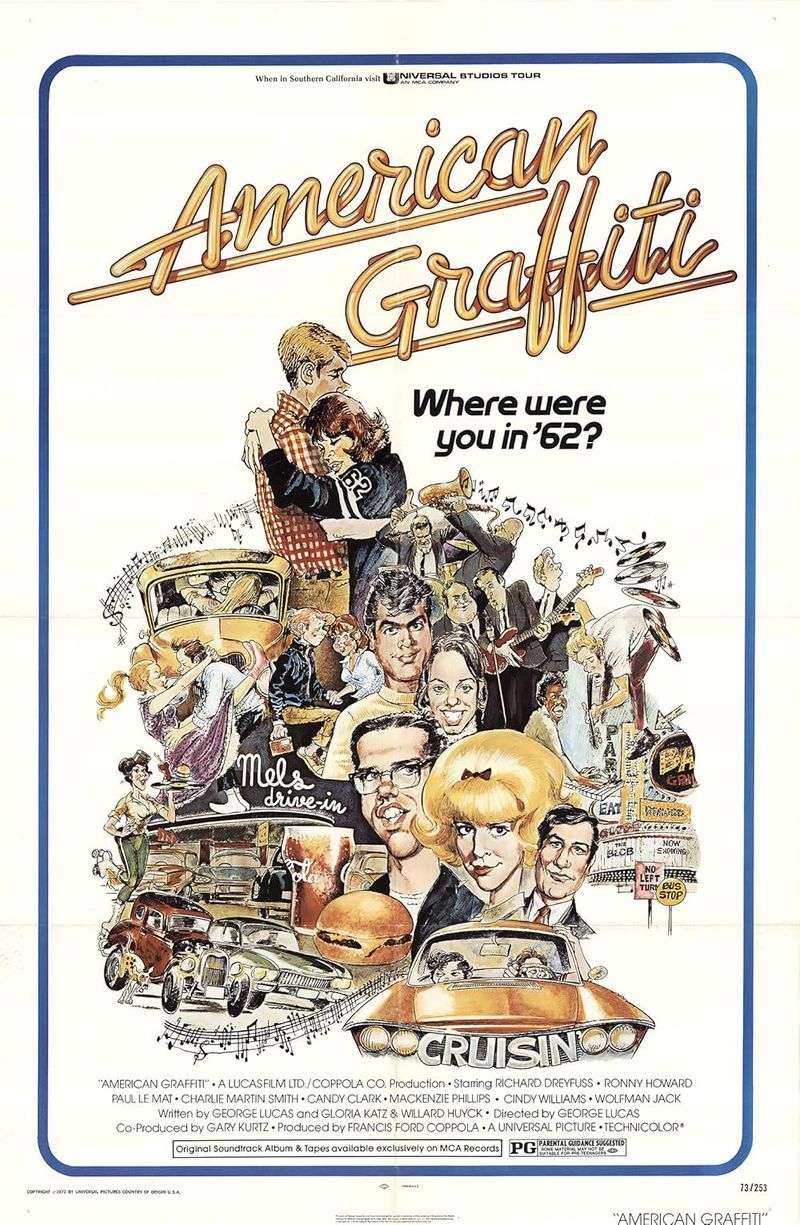
George Lucas captured one magical night in 1962 when teenagers cruised Main Street and rock and roll ruled the airwaves.
The soundtrack alone transports Boomers back to their youth, when life seemed full of endless possibility.
Today’s audiences might struggle with the episodic structure and lack of a clear central plot.
For Boomers, though, it’s a time capsule of their teenage years.
The cars, the music, the innocence before Vietnam changed everything—it all feels precious.
The film freezes a moment just before adulthood arrived, preserving it forever in amber.
5. A Bridge Too Far
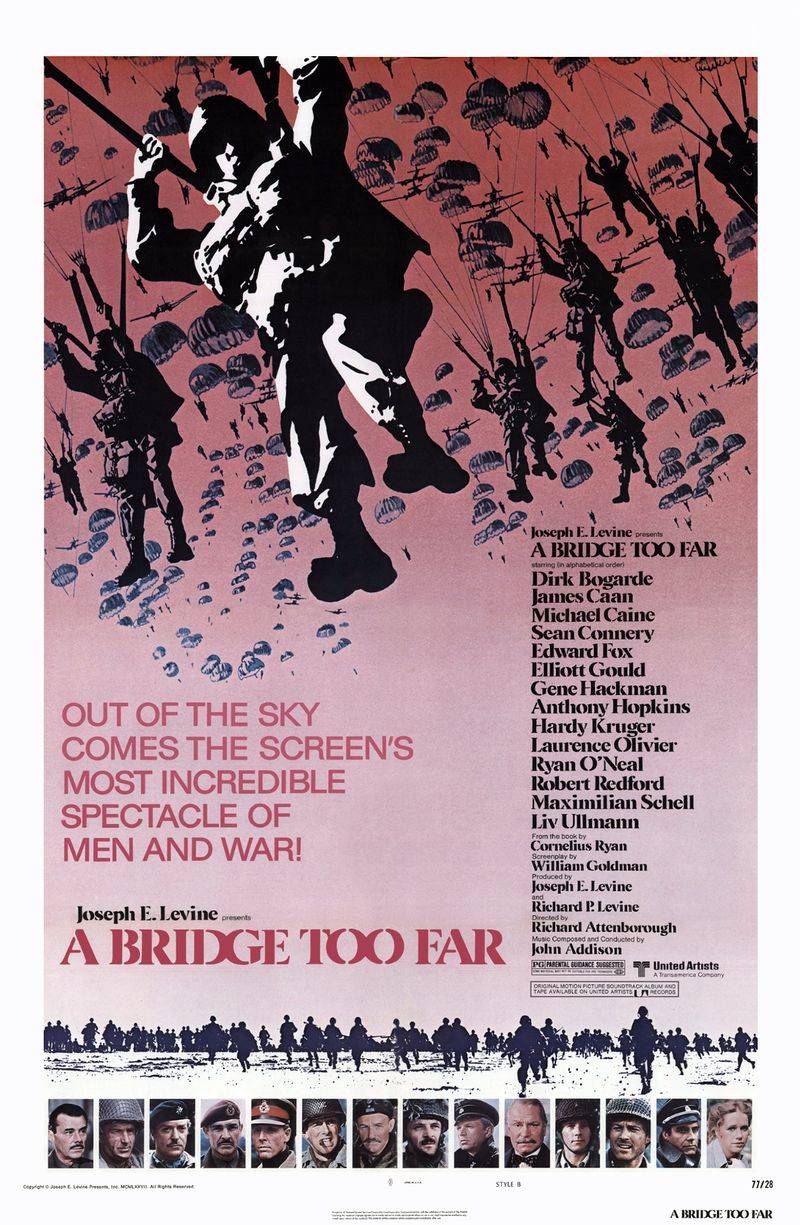
This epic World War II film features an all-star cast recreating Operation Market Garden with painstaking historical detail.
Boomers appreciated the serious treatment of their parents’ war, honoring the sacrifice without glorifying violence.
Modern viewers often find it too long and confusing, with too many characters to track across multiple storylines.
Boomers had patience for complexity and nuance.
They valued historical accuracy over simplified narratives.
The film’s willingness to show military failure resonated with a generation that had witnessed Vietnam, making it feel honest rather than propagandistic.
6. Grease
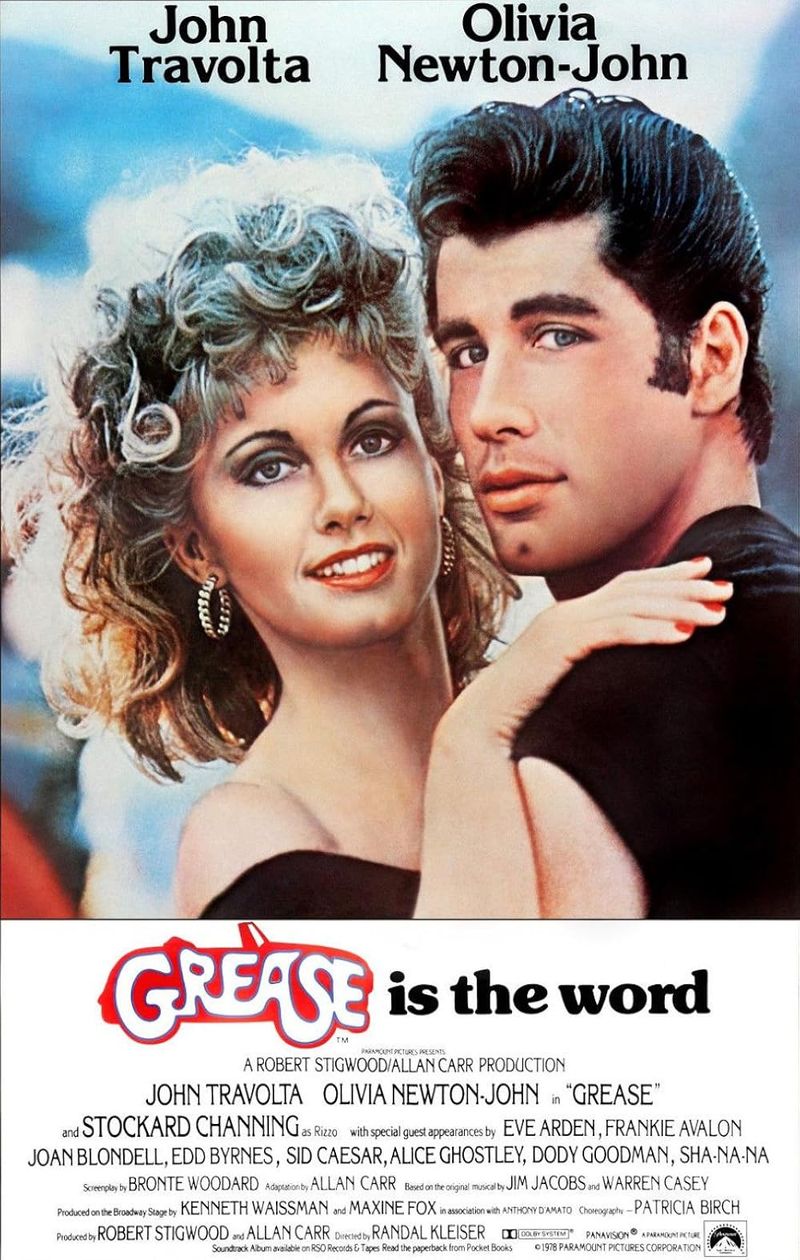
Did you know?
John Travolta was already 23 when he played high school student Danny Zuko, but nobody cared because the energy was electric.
The musical numbers and 1950s nostalgia created a phenomenon that had Boomers lining up for repeat viewings.
Younger generations often criticize the outdated gender dynamics and the message that Sandy should change herself for a boy.
Boomers remember the pure fun of it all.
The songs, the dancing, the innocent romance—it offered escapism.
It let them revisit an idealized version of their parents’ teenage years with catchy tunes.
7. Stand By Me
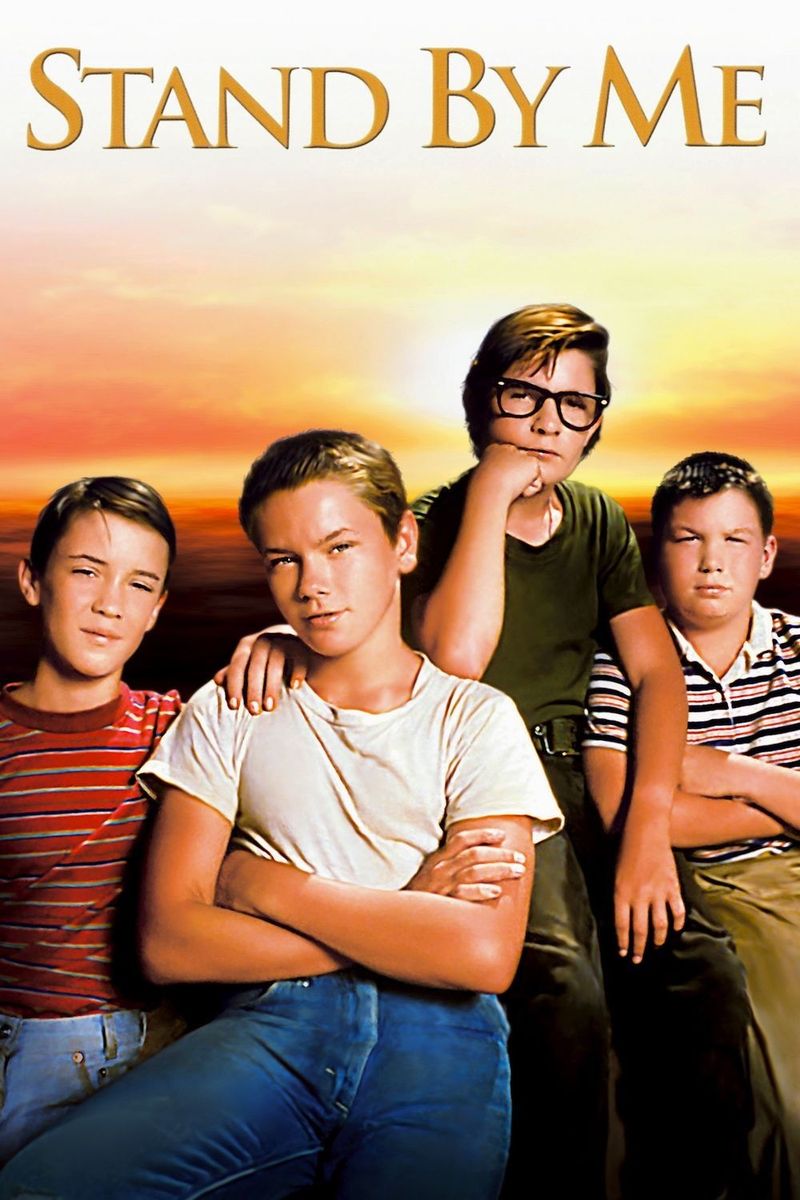
Four boys searching for a dead body sounds grim, but Rob Reiner created something magical about friendship and growing up.
The film’s heart lies in the conversations and adventures along the railroad tracks.
Today’s kids might find it slow, wondering why these boys don’t just text each other or call the police.
Boomers recognized their own childhood summers in every frame.
The freedom to roam, the intensity of young friendships, the bittersweet realization that everything changes—it all rang true.
The movie perfectly captured that moment when childhood ends and adult life begins.
8. The Big Chill
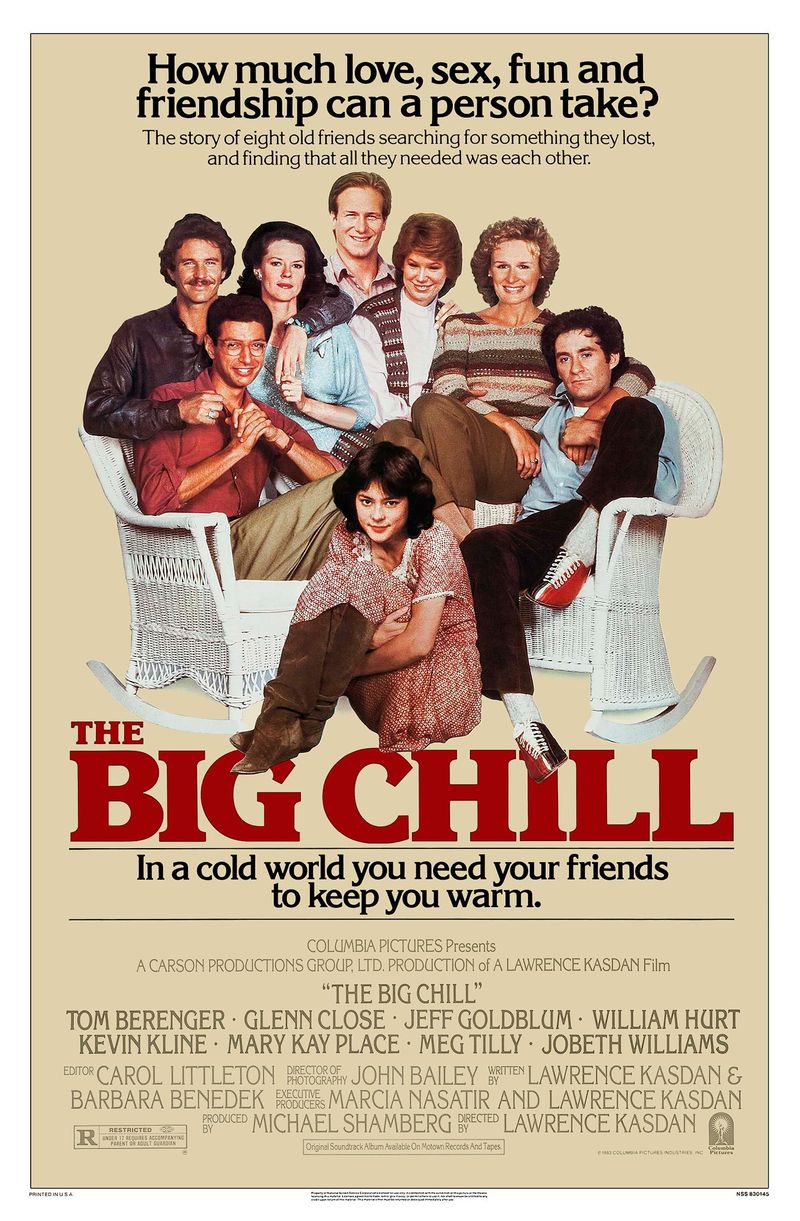
When old college friends reunite for a funeral, they spend a weekend confronting how their idealistic dreams crashed into disappointing reality.
The soundtrack of 1960s hits underscores their lost youth and abandoned principles.
Younger viewers often see privileged people complaining about their comfortable lives, missing the deeper generational disappointment.
Boomers felt this film in their bones.
It articulated their specific experience of selling out, of compromising the values they once held sacred.
The conversations felt like therapy sessions they desperately needed, validating their complicated feelings about aging.
9. Dirty Harry
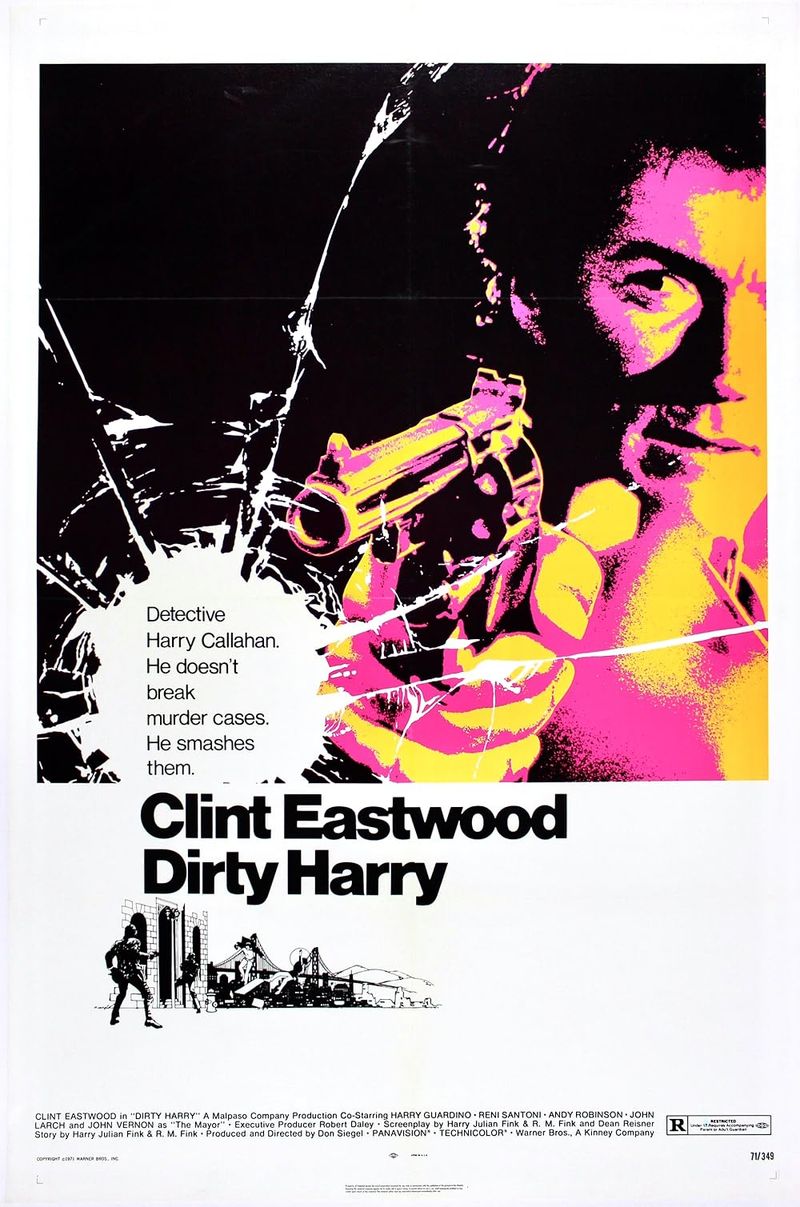
Clint Eastwood’s rogue cop asking “Do you feel lucky, punk?” became an instant cultural icon and conservative fantasy.
The film presented a hero who ignored rules to get results, appealing to Boomers frustrated with rising crime rates.
Modern audiences often critique the vigilante justice and lack of due process as dangerous and fascistic messaging.
Boomers saw a man taking action when the system failed.
The simplicity appealed to them—bad guys exist, good guys stop them.
It offered certainty in an uncertain era, even if that certainty came with troubling implications.
10. Easy Rider
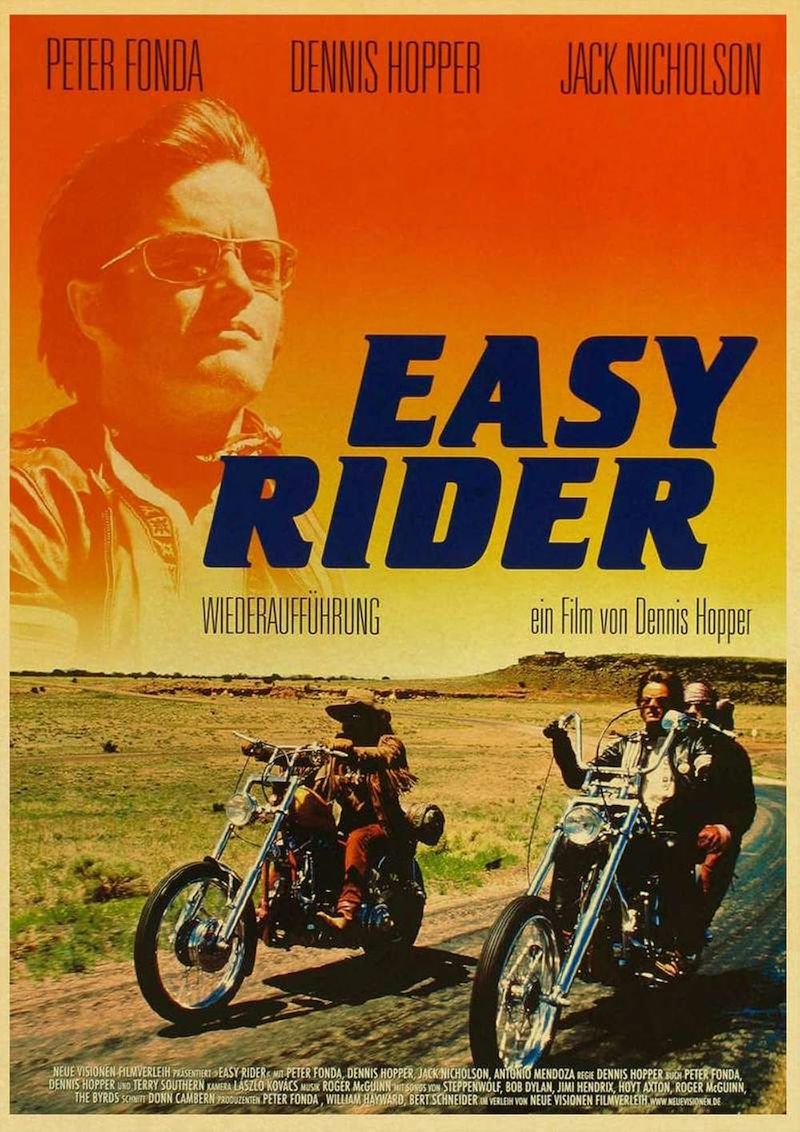
Peter Fonda and Dennis Hopper ride motorcycles across America searching for freedom, only to find prejudice and violence instead.
The psychedelic sequences and rock soundtrack defined counterculture cinema for a generation.
Today’s viewers often find it pretentious and dated, with rambling scenes that go nowhere.
For Boomers, it was revolutionary filmmaking.
The movie captured their desire to escape conventional society and find authentic experience.
The tragic ending confirmed their worst fears about America’s intolerance, making it both a celebration and a cautionary tale of their movement.
11. Chariots of Fire
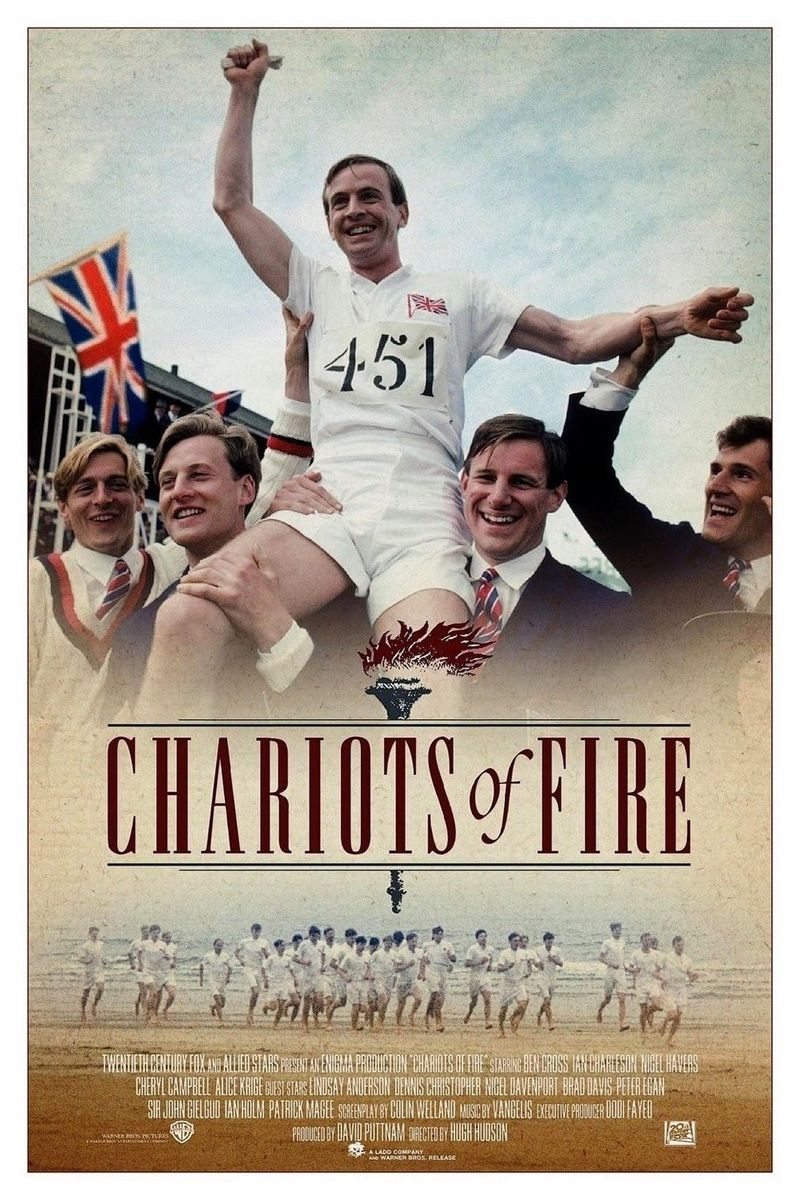
British runners competing in the 1924 Olympics provide an unlikely subject for a film that swept the Oscars and captivated Boomer audiences.
The Vangelis synthesizer score became instantly recognizable, playing at graduations and sporting events everywhere.
Younger generations struggle to stay awake through the slow pacing and earnest discussions of faith and principle.
Boomers appreciated the old-fashioned values and triumph of determination.
The film offered heroes who succeeded through discipline rather than shortcuts.
It provided inspiration without cynicism, something increasingly rare in modern cinema that always needs an ironic twist.
12. Midnight Cowboy
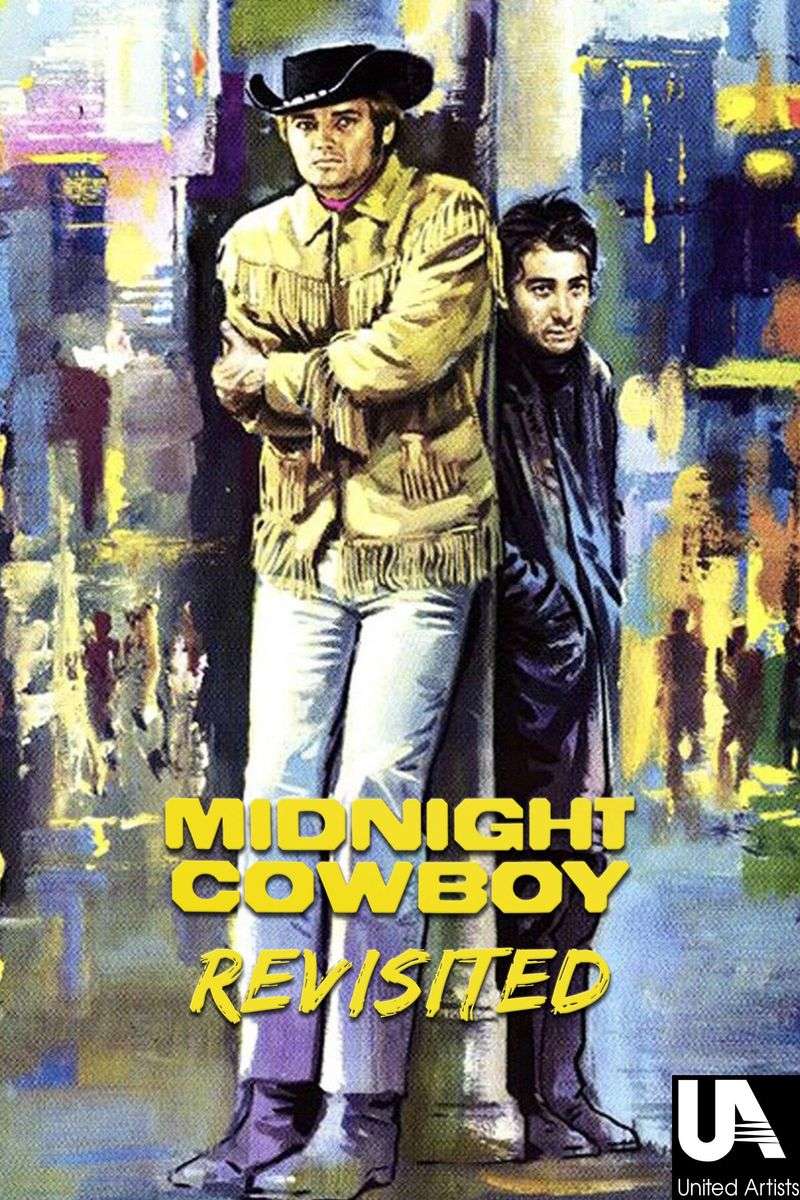
The only X-rated film to win Best Picture follows a naive Texan hustler and his sickly friend struggling to survive in New York City.
The gritty portrayal of urban decay and desperate characters shocked audiences while earning critical acclaim.
Modern viewers often find it depressing and aimless, wondering what the point of all the suffering actually is.
Boomers saw unflinching honesty about American failure.
The film stripped away Hollywood glamour to show real desperation.
It validated their belief that mainstream society was broken, even as it broke their hearts with its tragic story.
13. The Last Picture Show
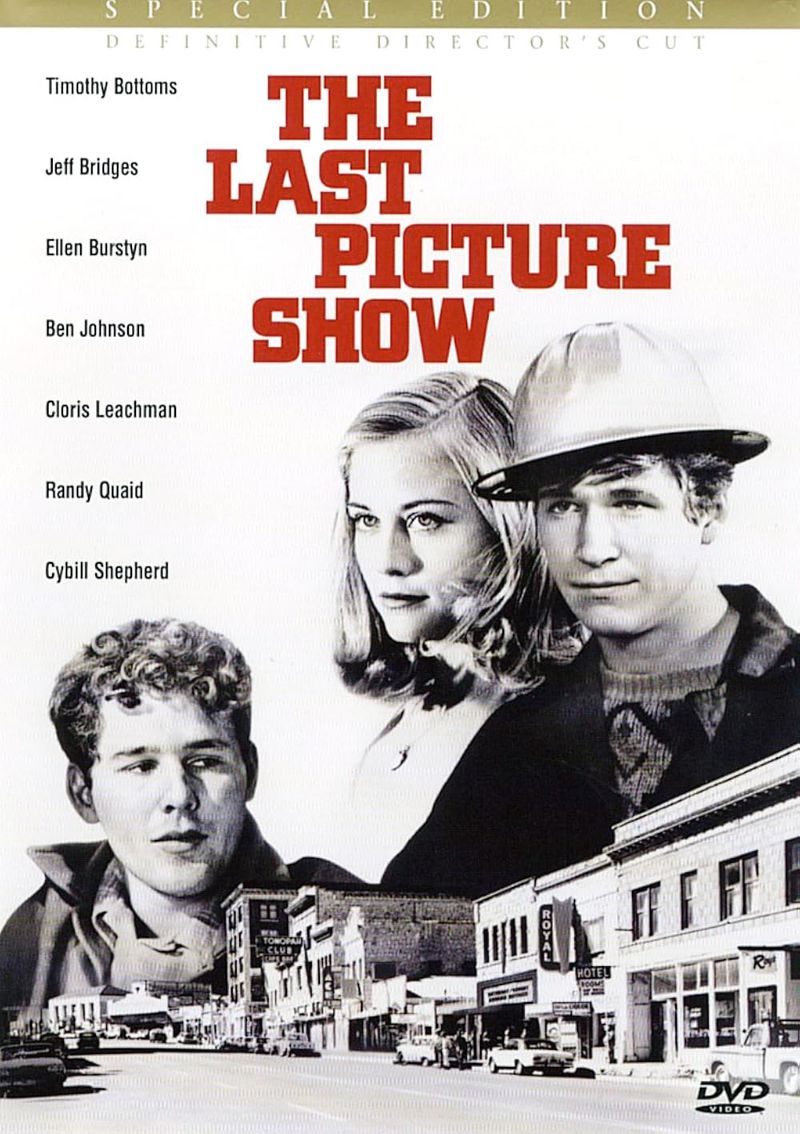
Shot in stark black and white, this film chronicles the dying days of a small Texas town and the teenagers trying to escape it.
Every frame drips with loneliness and fading dreams as the local movie theater prepares to close forever.
Younger audiences often bounce off the deliberate pacing and bleak atmosphere, finding little to connect with.
Boomers recognized the death of small-town America they witnessed firsthand.
The film mourned a way of life disappearing before their eyes.
It captured their ambivalence about progress—grateful to leave but sad about what was lost.
14. The Graduate
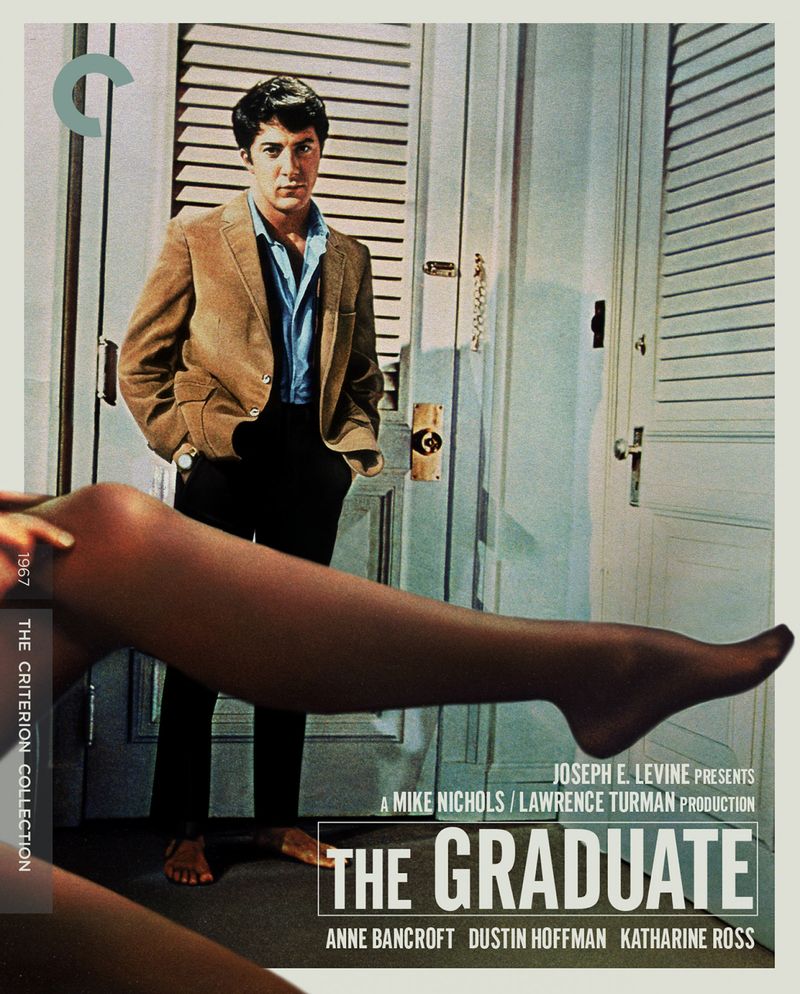
“Mrs. Robinson, you’re trying to seduce me” became one of cinema’s most famous lines as Dustin Hoffman’s confused college graduate drifts into an affair.
The Simon and Garfunkel soundtrack perfectly scored his alienation and uncertainty about the future.
Today’s graduates find Benjamin’s passivity frustrating, wondering why he doesn’t just get a job or make a decision.
Boomers saw their own anxiety reflected perfectly.
The pressure to conform, the emptiness of material success, the search for meaning—it all resonated.
The ambiguous ending left them wondering, just like their own futures did.
15. Love Story
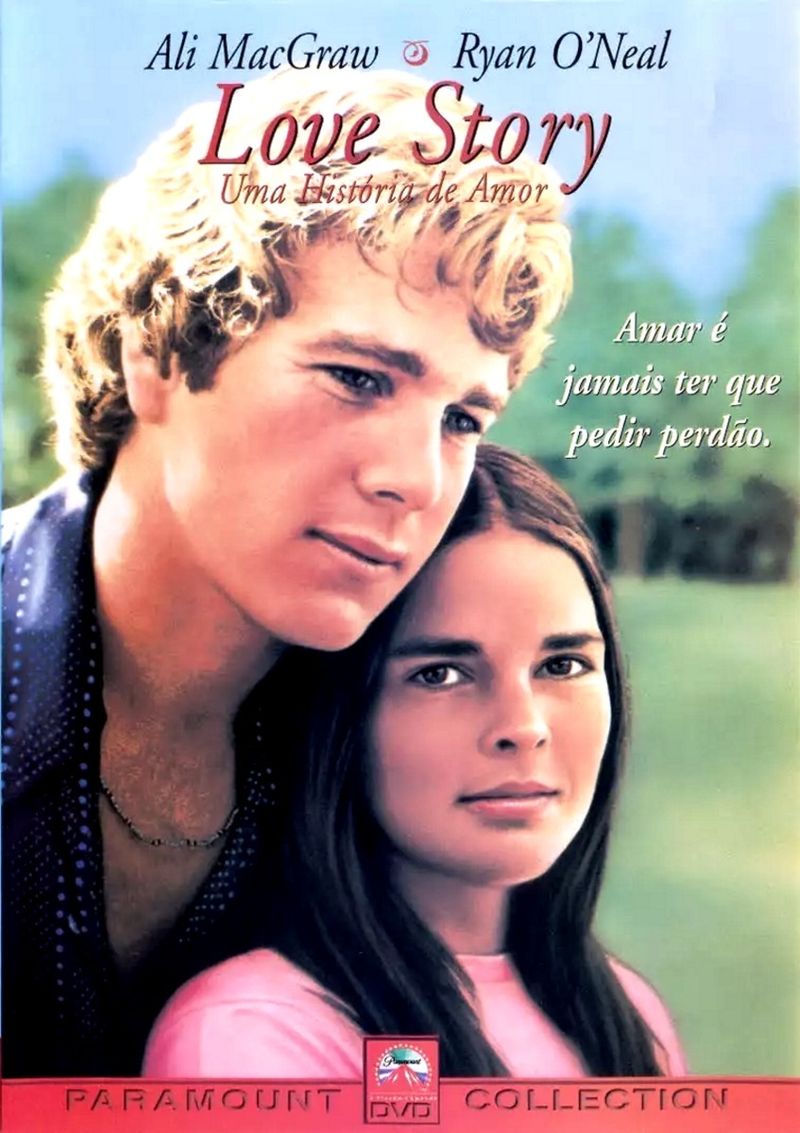
“Love means never having to say you’re sorry” became the tagline for a romance that had entire theaters sobbing into their popcorn.
The wealthy boy and working-class girl love story ends in heartbreaking tragedy that devastated audiences.
Modern viewers often mock the melodrama and the nonsensical famous line, finding the whole thing manipulative.
Boomers embraced the emotional release it provided.
They weren’t embarrassed to cry over a beautiful romance cut short.
The film let them feel deeply without irony, something that seems almost quaint in today’s more cynical entertainment landscape.