 MomSkoop
Some movies get torn apart by critics the moment they hit theaters, only to win over millions of fans years later. It happens more often than you might think — a film lands at the wrong time, gets misunderstood, or simply doesn’t fit what reviewers expected.
History has a funny way of proving those early judgments wrong. Here are 15 movies that absolutely deserved a second chance, and for most of them, audiences eventually gave them exactly that.
1. The Thing (1982)
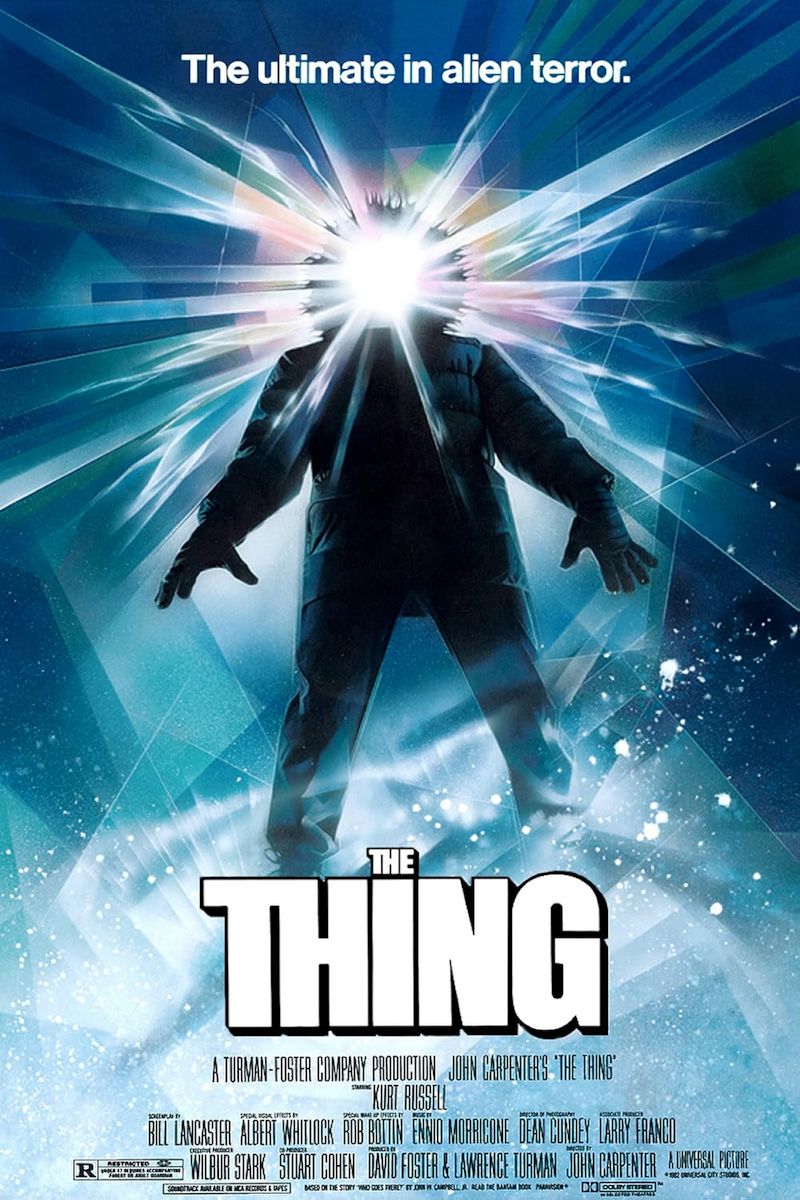
When The Thing opened in the summer of 1982, it had the misfortune of competing with E.T. the Extra-Terrestrial — a warm, family-friendly alien story that was the complete opposite of John Carpenter’s freezing nightmare.
Critics called it cold, gory, and emotionally hollow.
Audiences stayed away.
But something remarkable happened over the following decades.
Horror fans and filmmakers began studying The Thing like a masterclass in tension, practical effects, and paranoia.
The shape-shifting alien creature remains one of cinema’s most terrifying creations, built entirely without CGI.
Today, it consistently ranks among the greatest horror films ever made.
Few movies have aged as gracefully or influenced as many filmmakers.
The initial rejection makes its legendary status feel even more satisfying.
2. Blade Runner (1982)
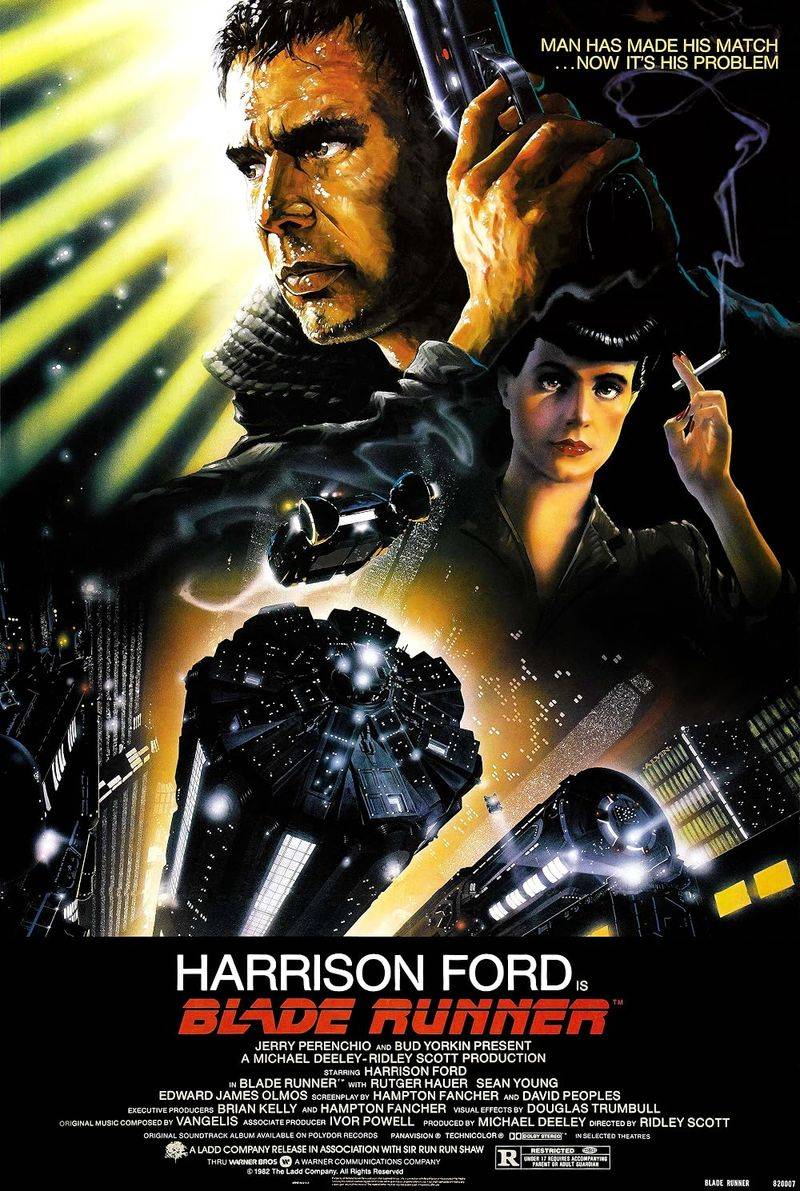
Ridley Scott’s Blade Runner arrived in theaters the same summer as The Thing and received a puzzlingly mixed response.
Some critics found it slow and confusing.
The studio even added a voiceover narration because test audiences felt lost in its moody, atmospheric world.
What those early viewers missed was a deeply philosophical science fiction film asking serious questions about what it means to be human.
Harrison Ford plays a detective hunting down synthetic humans called replicants, and the moral lines blur beautifully throughout.
Multiple director’s cuts later, Blade Runner is now considered one of the most influential sci-fi films ever created.
Its visual style alone has shaped countless movies, TV shows, and video games.
Few films have earned their reputation more honestly over time.
3. Hook (1991)
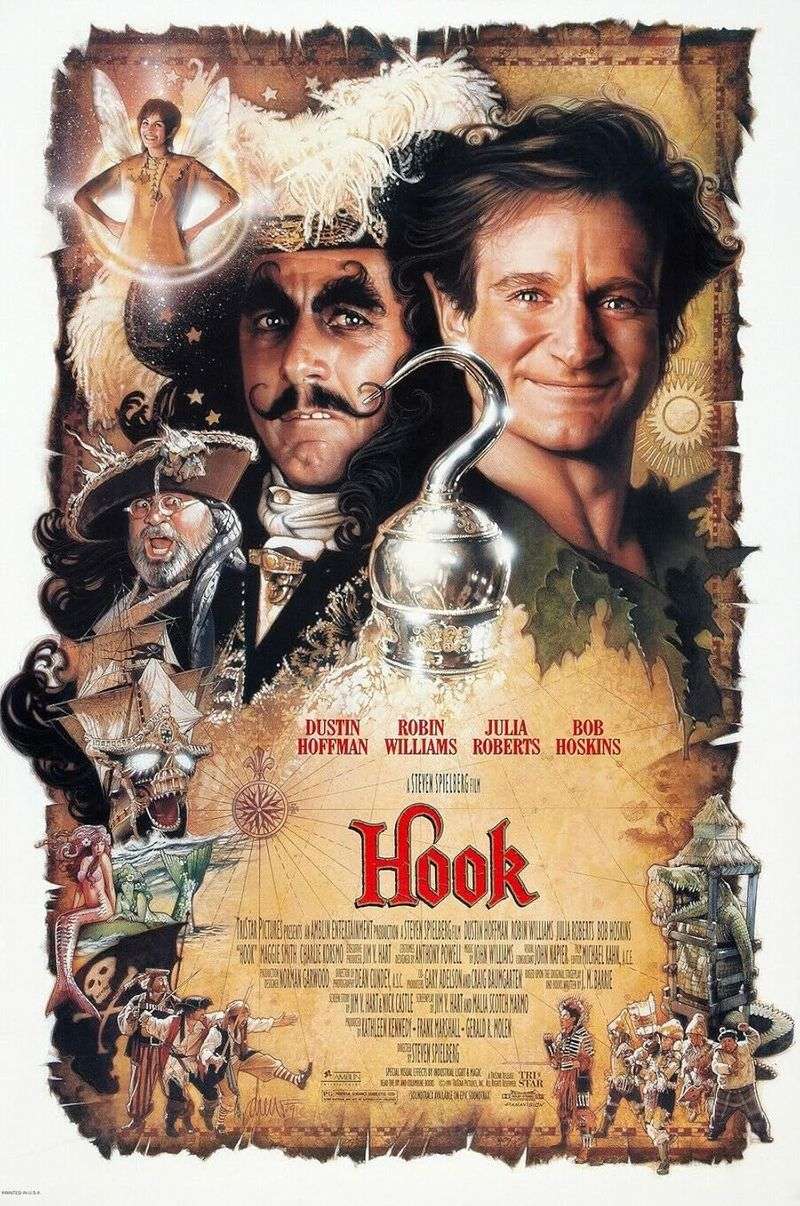
Imagine being a kid in 1991 and watching Robin Williams fly through Neverland as a grown-up Peter Pan who forgot who he was.
For millions of children, Hook was pure magic.
For many critics, however, it was overlong, overstuffed, and too sentimental for its own good.
Steven Spielberg himself has called it one of his least satisfying films, which is a surprisingly harsh self-assessment.
Critics piled on, and the film was dismissed as a bloated fantasy spectacle.
Yet something kept audiences coming back, especially those who first saw it as children.
Hook carries a warmth and imagination that is genuinely hard to replicate.
Dustin Hoffman’s villainous Captain Hook alone deserves more credit than it ever received.
Nostalgia aside, this film holds up remarkably well.
4. The Cable Guy (1996)
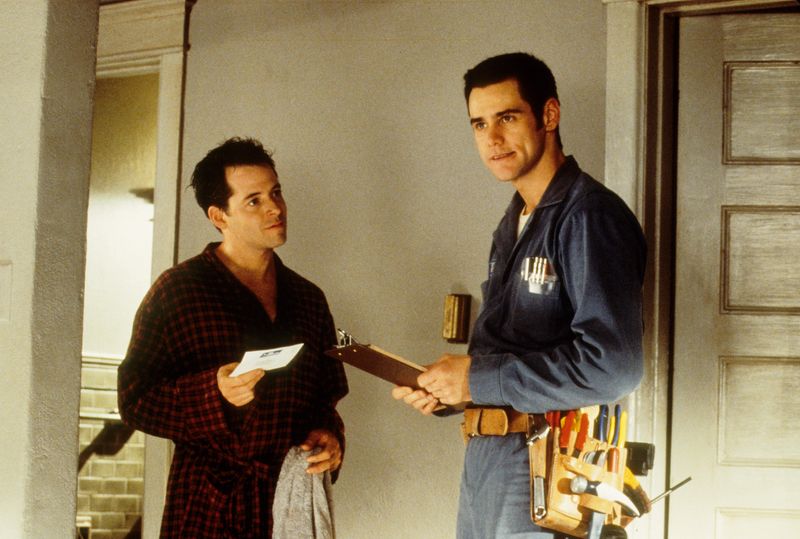
By 1996, audiences expected Jim Carrey to be funny, loud, and lovable.
The Cable Guy gave them something far stranger — a lonely, obsessive man who latches onto a new friend with genuinely unsettling intensity.
Viewers weren’t sure whether to laugh or feel deeply uncomfortable, and critics declared the film a misfire.
The $20 million salary Carrey received also made the movie a target.
Everyone was watching for it to fail, and when it didn’t meet the cheerful standard of Ace Ventura, the knives came out fast.
Looking back, The Cable Guy is a sharp, darkly comedic film about loneliness and parasocial relationships that feels almost prophetic in the social media age.
Carrey’s performance is genuinely brave.
It was simply too weird for its moment.
5. Speed Racer (2008)
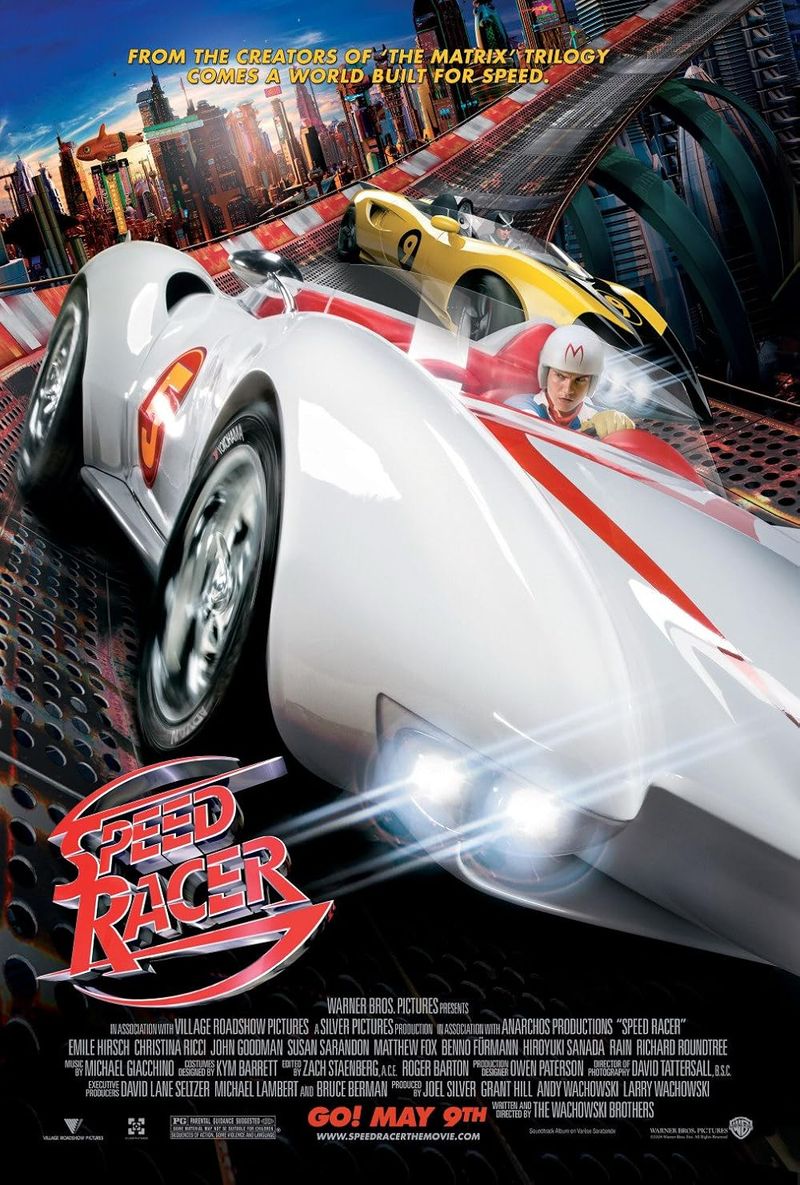
Speed Racer is one of those films that critics rejected so thoroughly that it became almost fashionable to mock it.
Words like “seizure-inducing” and “visual overload” showed up in reviews constantly.
The Wachowskis had crafted something so visually aggressive and stylistically bold that many reviewers simply couldn’t process it.
What those reviewers dismissed as excess was actually a deliberate artistic choice.
Speed Racer is a live-action anime, built to look and feel like a cartoon come to life.
Every color, every impossible camera move, and every candy-bright explosion serves that vision perfectly.
Over the years, a devoted fanbase has emerged, particularly among younger viewers who grew up with the film.
Cinematographers and animators now study it with genuine admiration.
Speed Racer was ahead of its time, plain and simple.
6. Jennifer’s Body (2009)
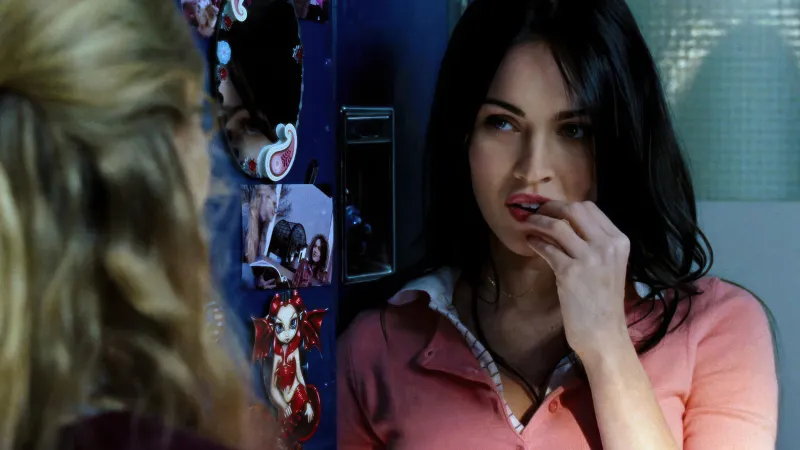
Jennifer’s Body had a marketing problem from day one.
The studio sold it as a horror film for teenage boys, leaning heavily on Megan Fox’s appearance in the advertising.
What the movie actually was — a sharp, feminist horror-comedy about female friendship and exploitation — got completely buried under that campaign.
Critics reviewed the movie they expected rather than the one Diablo Cody had actually written.
The result was a wave of dismissive reviews that tanked the film commercially and critically.
It felt like a cultural failure at the time.
Then something shifted.
A new generation of viewers discovered Jennifer’s Body and recognized its intelligence and wit.
It has since become a celebrated cult film, and Megan Fox’s performance is now rightfully praised.
The reclamation has been a long time coming.
7. John Carter (2012)
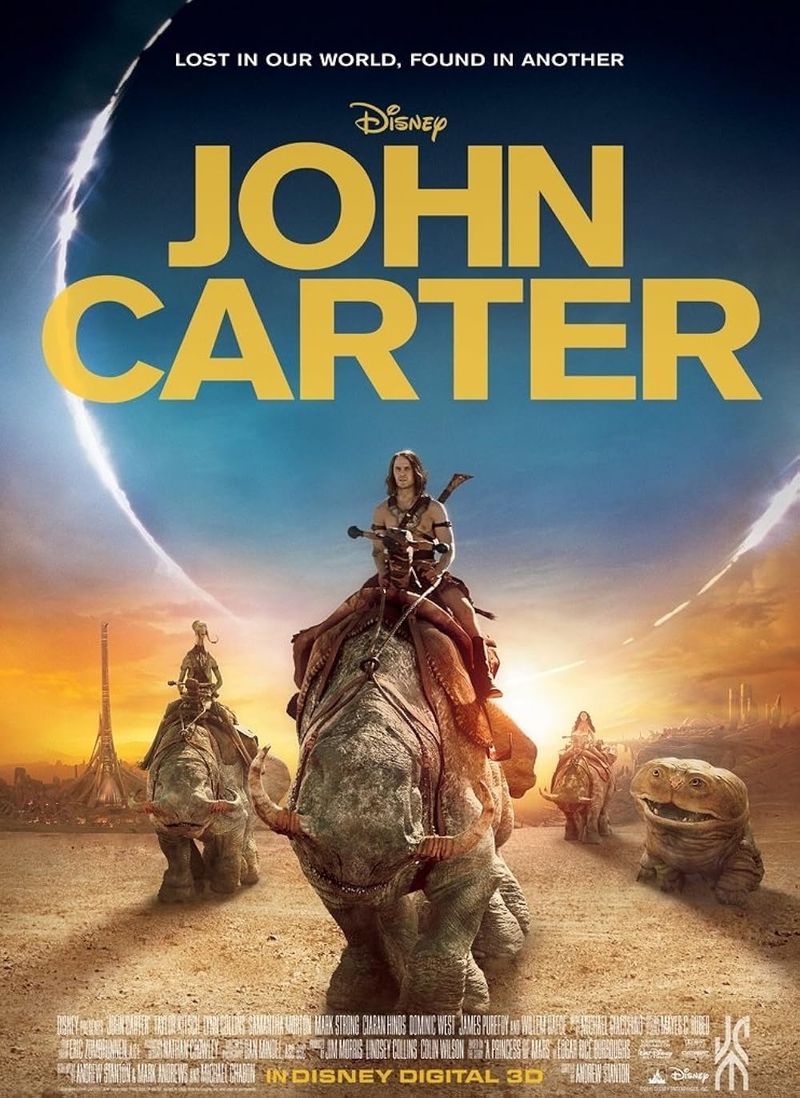
John Carter became Hollywood shorthand for “expensive disaster” almost overnight.
The marketing was confusing, the title was stripped of its original subtitle, and critics lined up to declare it a bloated mess.
Disney lost hundreds of millions of dollars, and the film became a cautionary tale about studio excess.
Here is what those headlines missed: John Carter is actually a rollicking, genuinely entertaining adventure film.
Based on Edgar Rice Burroughs’ classic novels that inspired Star Wars and countless other stories, it deserved far more credit for the source material it was honoring.
The action sequences are exciting, the world-building is ambitious, and Taylor Kitsch gives a likable performance in the lead role.
Sometimes a film’s financial failure shapes perception more than the actual movie does.
John Carter is proof of that.
8. Cloud Atlas (2012)
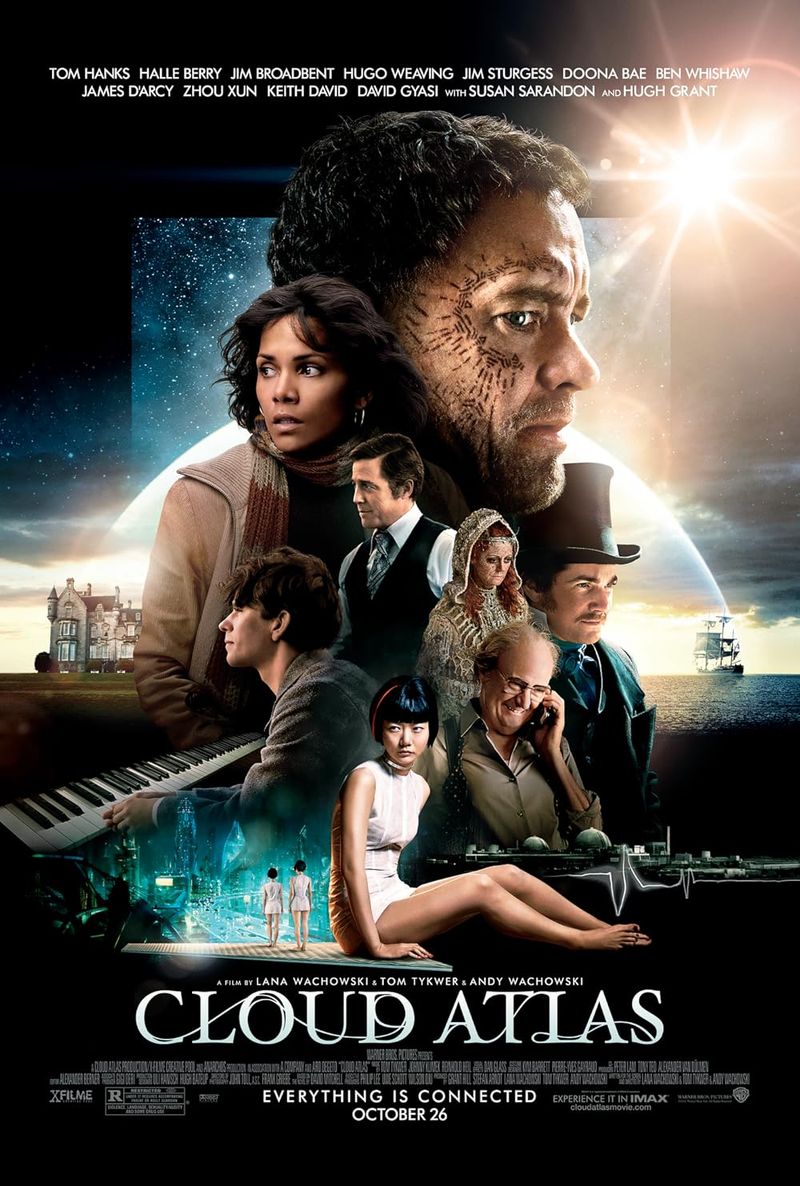
Few films in recent memory were as polarizing as Cloud Atlas.
The Wachowskis and Tom Tykwer adapted David Mitchell’s seemingly unfilmable novel across six interlocking storylines spanning hundreds of years, with the same actors playing different roles in each.
Critics were genuinely divided, some calling it a masterpiece, others calling it an incomprehensible mess.
The negative voices were louder, and Cloud Atlas was largely written off as an ambitious failure.
But ambitious is exactly the right word, and failure feels far too harsh.
Audiences who gave the film their full attention found something genuinely moving and thematically rich.
The idea that our choices echo across time is handled with real emotional weight.
Cloud Atlas rewards patience in ways that few blockbusters ever attempt.
9. The Lone Ranger (2013)
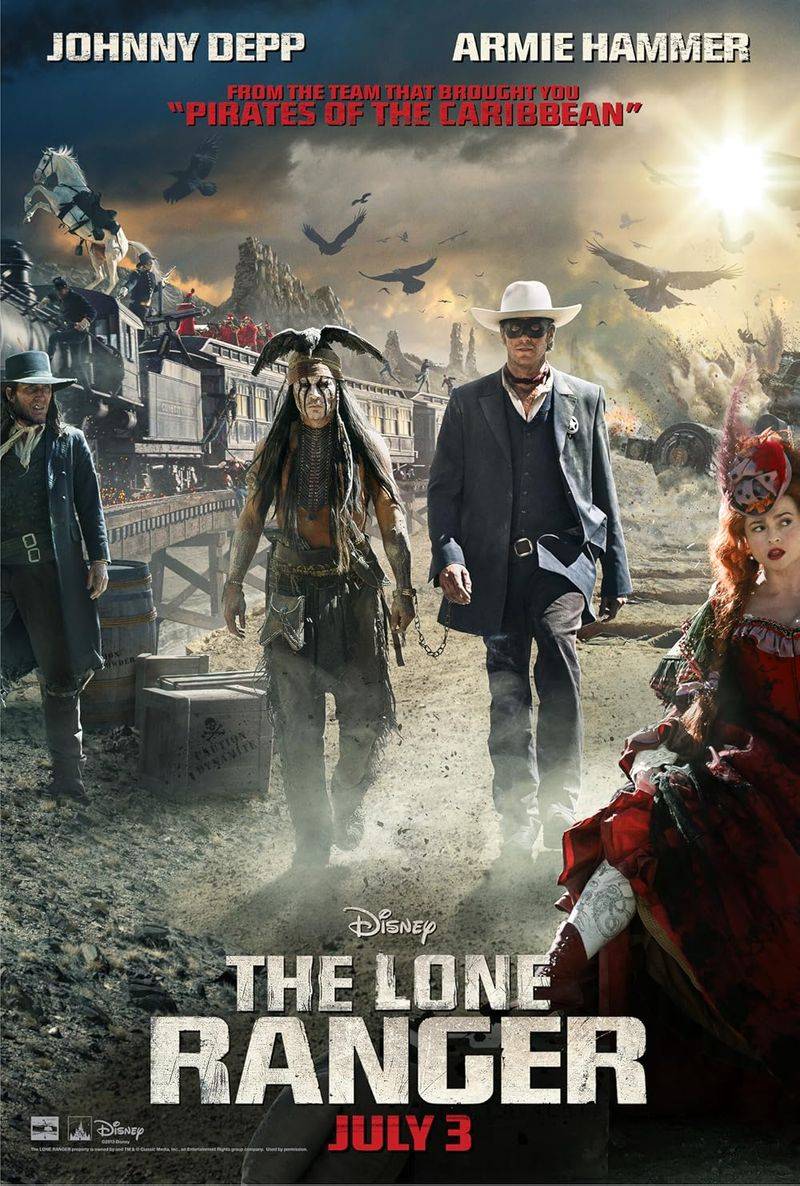
The Lone Ranger arrived carrying enormous baggage.
Gore Verbinski and Jerry Bruckheimer had scored massive success with Pirates of the Caribbean, and expectations were sky-high.
When the film came in over budget and critics found it uneven, the backlash was fierce and swift.
Johnny Depp’s eccentric take on Tonto attracted particular criticism.
Watching the film without that baggage tells a different story.
The Lone Ranger has genuine wit, spectacular action sequences, and a climactic train chase that stands among the most exciting set pieces of the decade.
It is certainly imperfect and overlong, but “terrible” was never the right word.
The film deserved measured criticism, not the scorched-earth treatment it received.
Entertainment value counts for something, and The Lone Ranger has plenty of it.
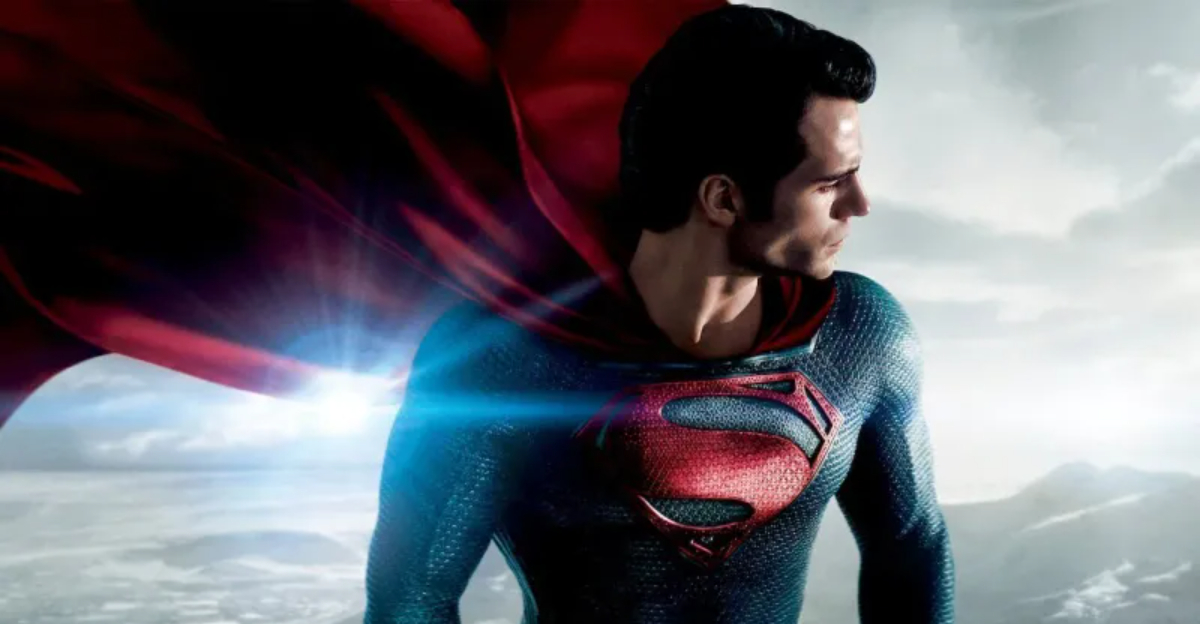
10. Man of Steel (2013)
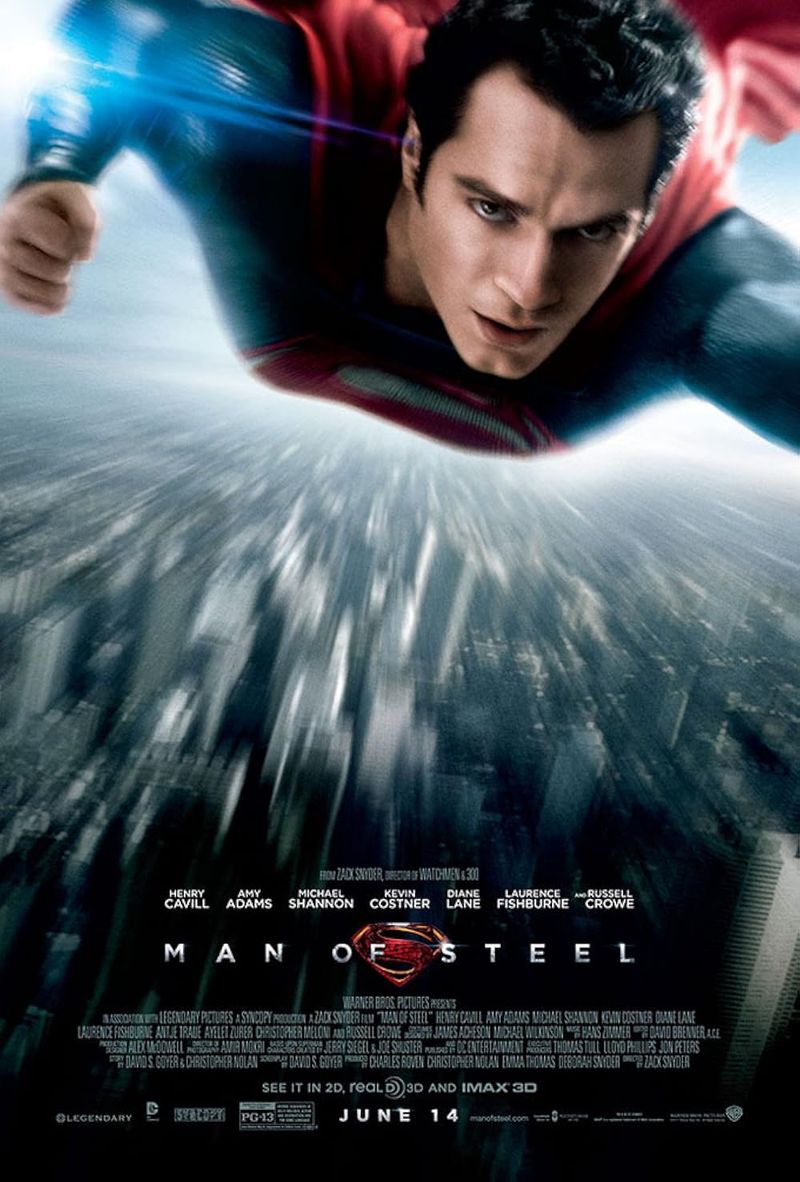
Superman is one of the most debated characters in comic book history, and any filmmaker who attempts to reinvent him will face an impossible standard.
Zack Snyder’s Man of Steel made bold choices — a darker tone, a more conflicted hero, and a climax that divided fans deeply.
Critics were split right down the middle.
The argument about whether Superman should snap a villain’s neck will probably never be fully resolved.
But beyond that controversy, Man of Steel offers a genuinely compelling origin story with stunning visuals and a powerful performance from Henry Cavill.
The Krypton sequence alone is more imaginative than anything in most superhero films.
Many fans consider it the strongest Superman movie since the Christopher Reeve era.
The harsh reviews undersold what Snyder actually delivered.
11. Tron: Legacy (2010)
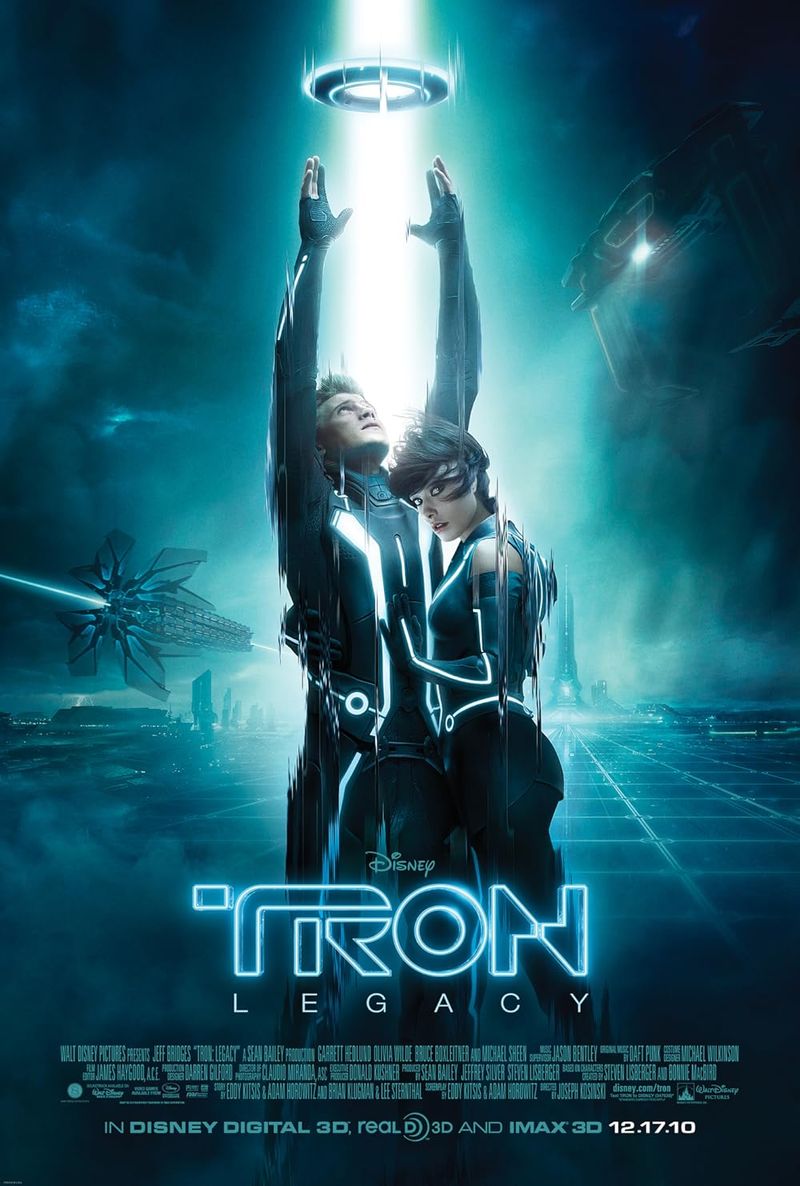
Tron: Legacy walked into theaters in 2010 carrying the legacy of a beloved cult classic and the impossible task of satisfying both nostalgic fans and new audiences simultaneously.
Critics found the story thin and the characters underdeveloped, and they weren’t entirely wrong about either point.
What those reviews consistently undervalued, though, was the film’s extraordinary audiovisual achievement.
The digital world of the Grid is one of cinema’s most stunning creations, and Daft Punk’s pulsing electronic score remains one of the greatest movie soundtracks of the modern era.
Plenty of films tell compelling stories with forgettable visuals.
Tron: Legacy flips that equation entirely.
For viewers willing to let the experience wash over them, it is a genuinely thrilling sensory journey that still holds up beautifully today.
12. King Arthur: Legend of the Sword (2017)
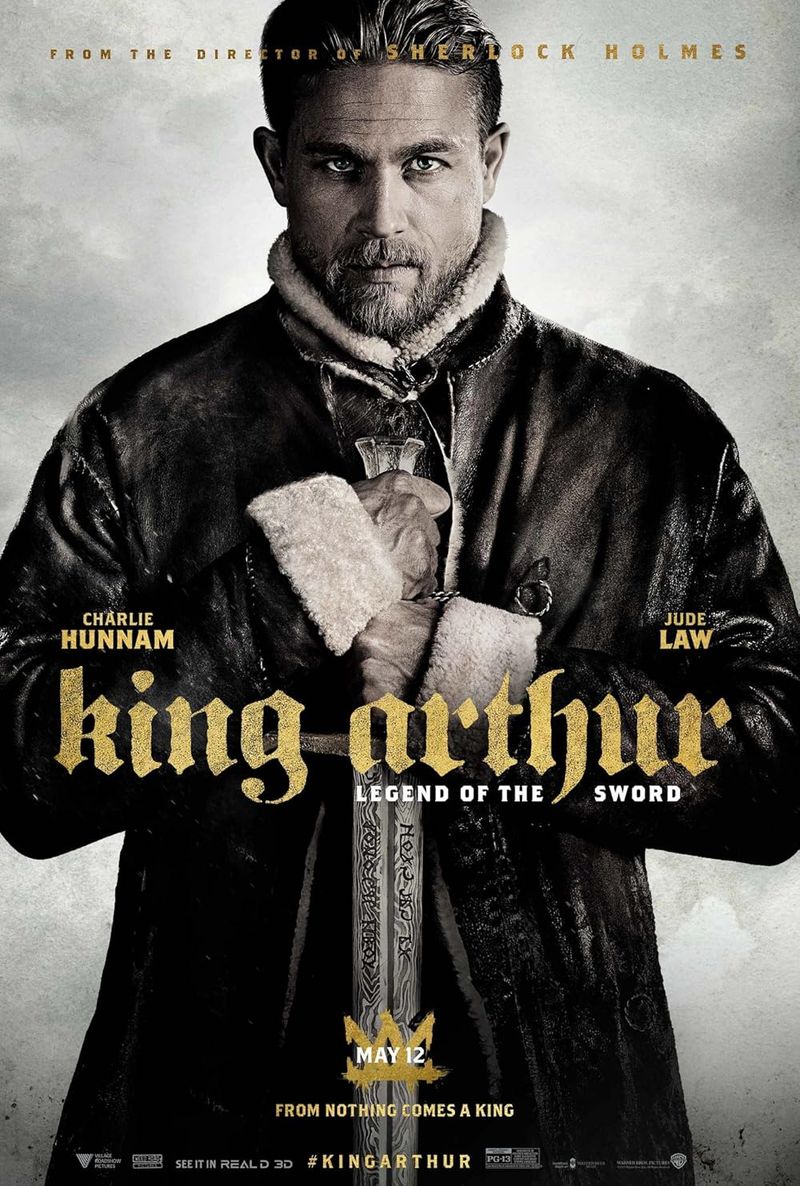
Guy Ritchie brought his trademark fast-talking, kinetic energy to the Arthurian legend, and critics largely hated what he did with it.
King Arthur: Legend of the Sword was called loud, chaotic, and disrespectful to the source material.
It bombed at the box office and effectively killed a planned franchise before it started.
But strip away the expectations of a traditional King Arthur story, and what remains is a genuinely exciting fantasy film with a fresh perspective on familiar mythology.
Charlie Hunnam plays Arthur as a street-smart hustler who slowly discovers his destiny, and that angle is far more interesting than another round of chivalric knights.
The film’s energy is infectious, the visual style is bold, and the action sequences crackle with personality.
It deserved a far warmer reception than it got.
13. Warcraft (2016)
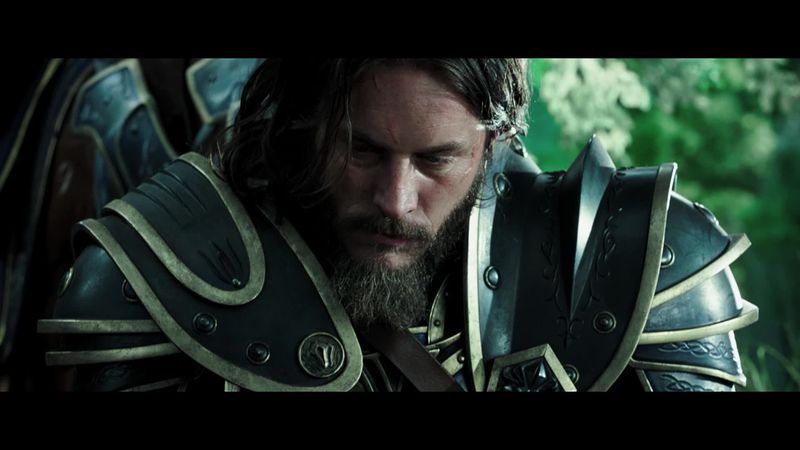
Video game adaptations have a notoriously rough track record, and critics arrived at Warcraft already skeptical.
The reviews were brutal, calling the film confusing, overloaded with lore, and impossible to follow for non-players.
Commercially, it underperformed significantly in North America.
What those reviews missed was the film’s massive success everywhere else, particularly in China, where it became a record-breaking blockbuster.
More importantly, the gaming community — the actual target audience — embraced it warmly.
Director Duncan Jones packed the film with faithful references that Warcraft fans genuinely appreciated.
For anyone who has ever spent hours in Azeroth, the film captures the look and feel of that world with impressive accuracy.
Warcraft is far from perfect, but it was never the catastrophe critics declared.
Fans knew better all along.
14. The Greatest Showman (2017)
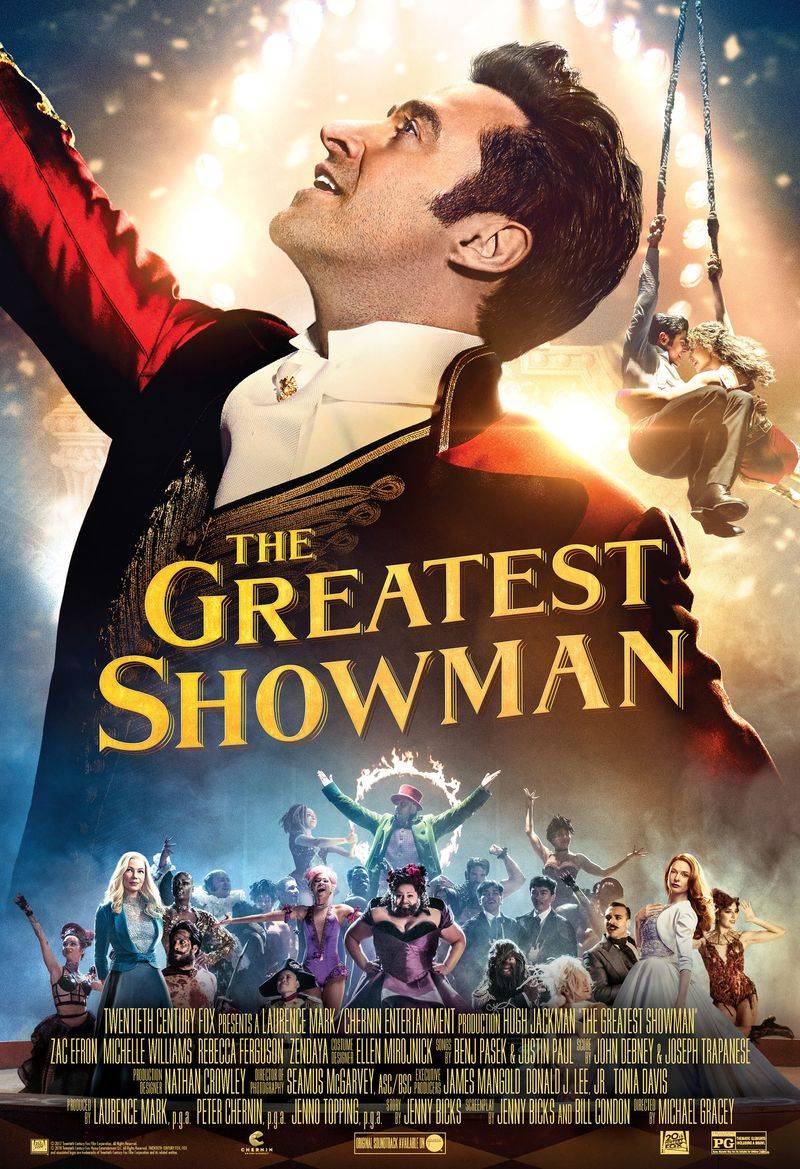
Critics showed up to The Greatest Showman and found a glossy, historically loose, emotionally manipulative musical.
They weren’t entirely off base — the film takes enormous liberties with P.T.
Barnum’s story and isn’t interested in historical accuracy.
Reviews were mixed to negative, and many dismissed it as shallow entertainment.
Then something extraordinary happened.
Audiences ignored the reviews completely.
The Greatest Showman became a word-of-mouth phenomenon, playing in theaters for months and generating a soundtrack that topped charts worldwide.
Hugh Jackman’s performance is magnetic, and the songs are undeniably infectious.
Sometimes a film doesn’t need to be a critical masterpiece to matter to people.
The Greatest Showman made millions of viewers feel something joyful and uplifting, and that emotional connection proved far more powerful than any review score ever could.
15. National Treasure (2004)
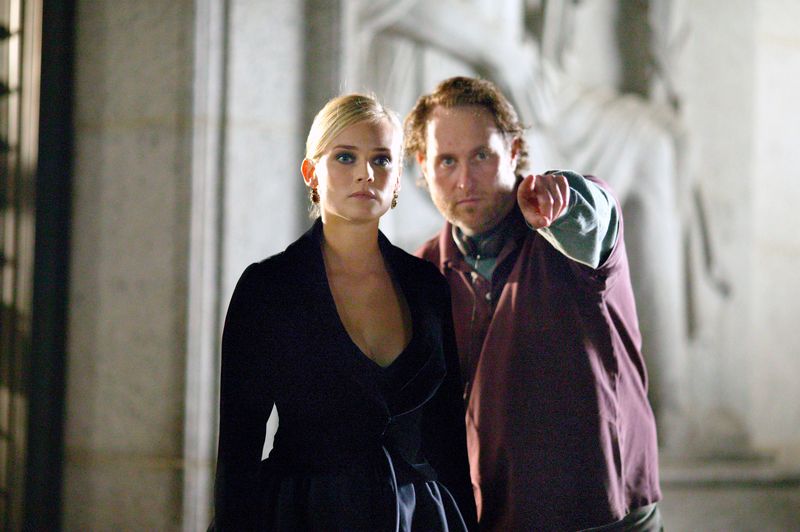
Critics greeted National Treasure with a collective eye-roll in 2004.
The premise — Nicolas Cage stealing the Declaration of Independence to follow a treasure map hidden by the Founding Fathers — sounded ridiculous, and reviewers treated it accordingly.
Words like “preposterous” and “absurd” filled the write-ups.
Here is the thing about preposterous: it can be enormously fun when executed with confidence.
National Treasure commits to its bonkers premise completely, racing from one historical clue to the next with breathless enthusiasm.
Nicolas Cage plays the whole thing with earnest conviction, which makes it work far better than it has any right to.
Families embraced it immediately, and it became one of the most rewatchable adventure films of its decade.
The sequel followed.
Clearly, audiences understood something critics did not.