 MomSkoop
Movies have a sneaky way of making us fall in love with relationships that, in real life, would set off every alarm bell imaginable. From obsessive stalking dressed up as devotion to emotional cruelty disguised as passion, Hollywood has a long history of selling us danger wrapped in a pretty bow.
These films are entertaining, sometimes brilliant, but they also deserve a closer look at what they’re actually showing us. Here are 15 movies that romanticized seriously toxic relationships — and why that matters.
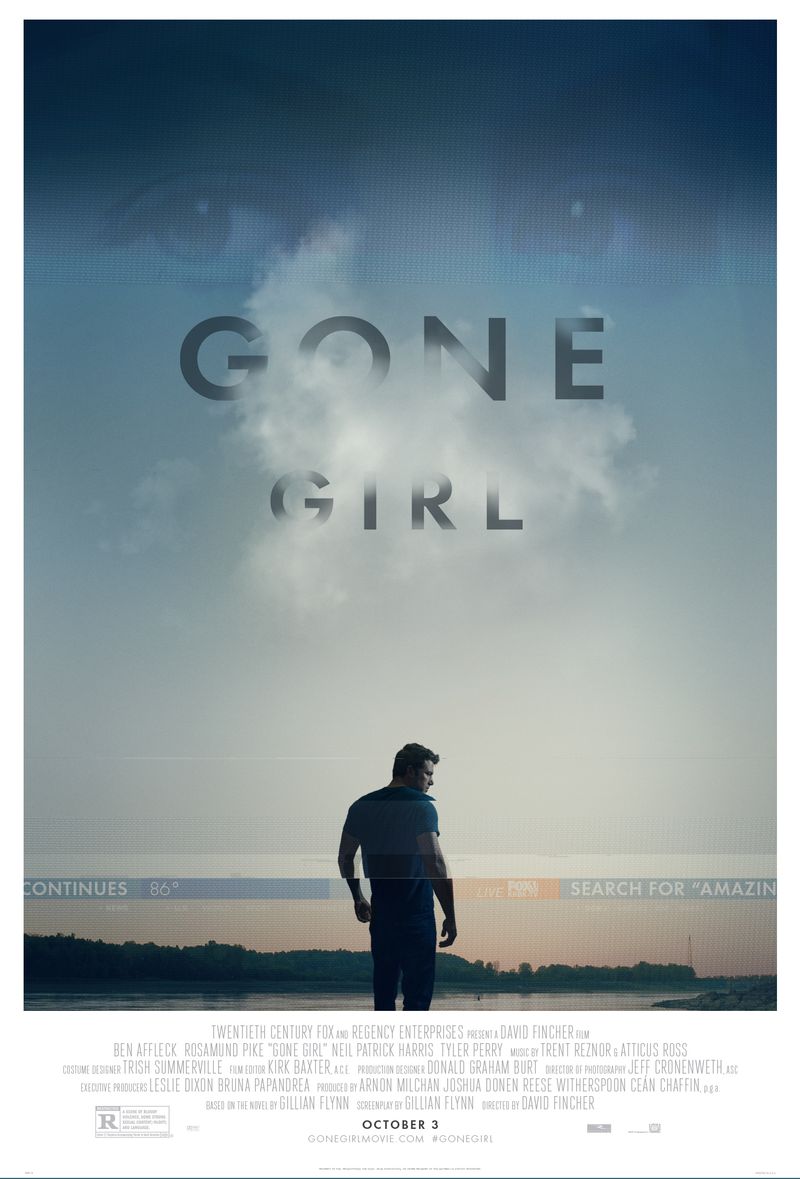
1. Gone Girl (2014)
What if the scariest monster in a horror story wore a smile and called itself your spouse?
Gone Girl turns marriage into a battlefield of lies, revenge plots, and calculated manipulation so polished it almost looks glamorous.
Amy Dunne doesn’t just leave — she engineers a psychological trap so elaborate it redefines the word obsession.
The film frames this toxic war between two people as a twisted love story, almost daring the audience to admire Amy’s intelligence.
But beneath the style and suspense is a deeply disturbing portrait of two people destroying each other.
Emotional abuse, gaslighting, and control aren’t romantic — even when they’re served with sharp cinematography and a killer twist ending.
2. Twilight (2008)
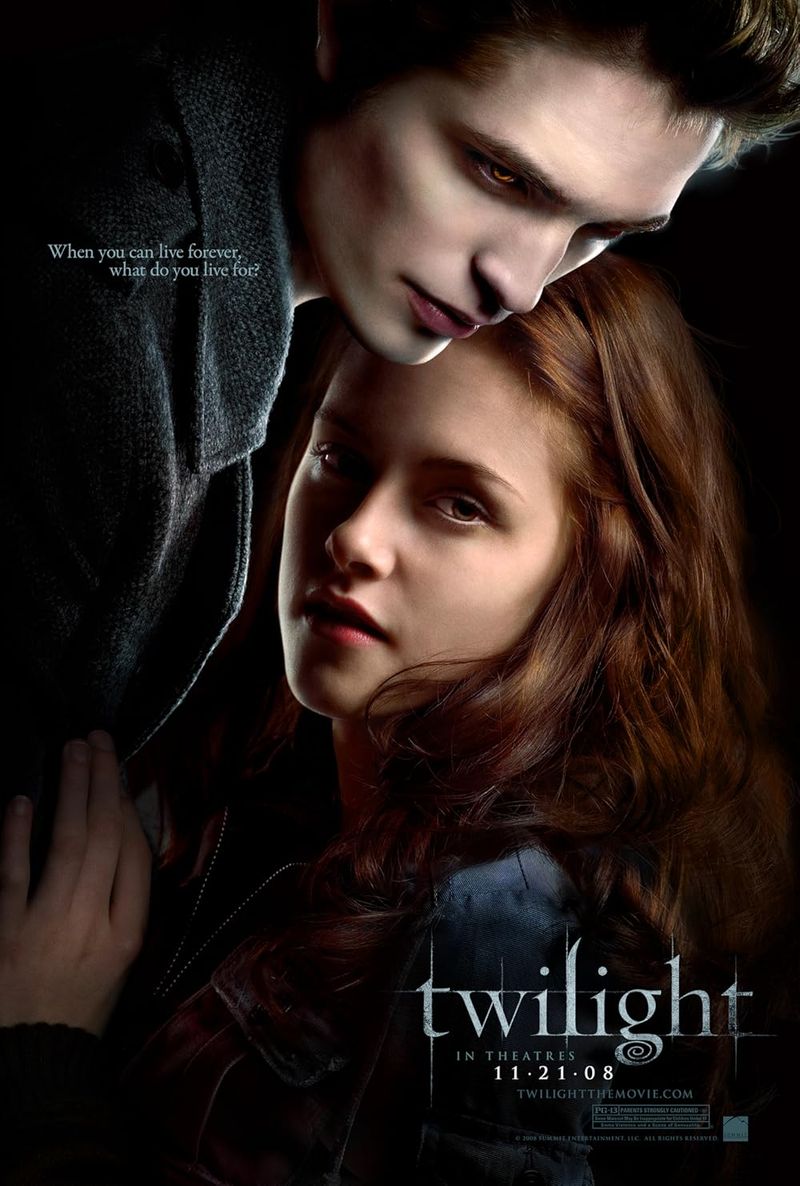
Edward Cullen sneaks into Bella’s room to watch her sleep, admits he’s been following her, and openly tells her he’s dangerous — and somehow, millions of fans found that dreamy.
Twilight wrapped obsessive, controlling behavior in a gorgeous supernatural package and sold it to an entire generation as the ultimate romance.
Bella gives up her friendships, her college plans, and eventually her humanity for a boyfriend who monitors her every move.
Edward’s possessiveness isn’t protection — it’s a classic pattern of isolation and control.
The franchise made these red flags look like red roses.
Looking back now, the relationship reads less like a fairy tale and more like a checklist of unhealthy attachment behaviors.
3. Fifty Shades of Grey (2015)
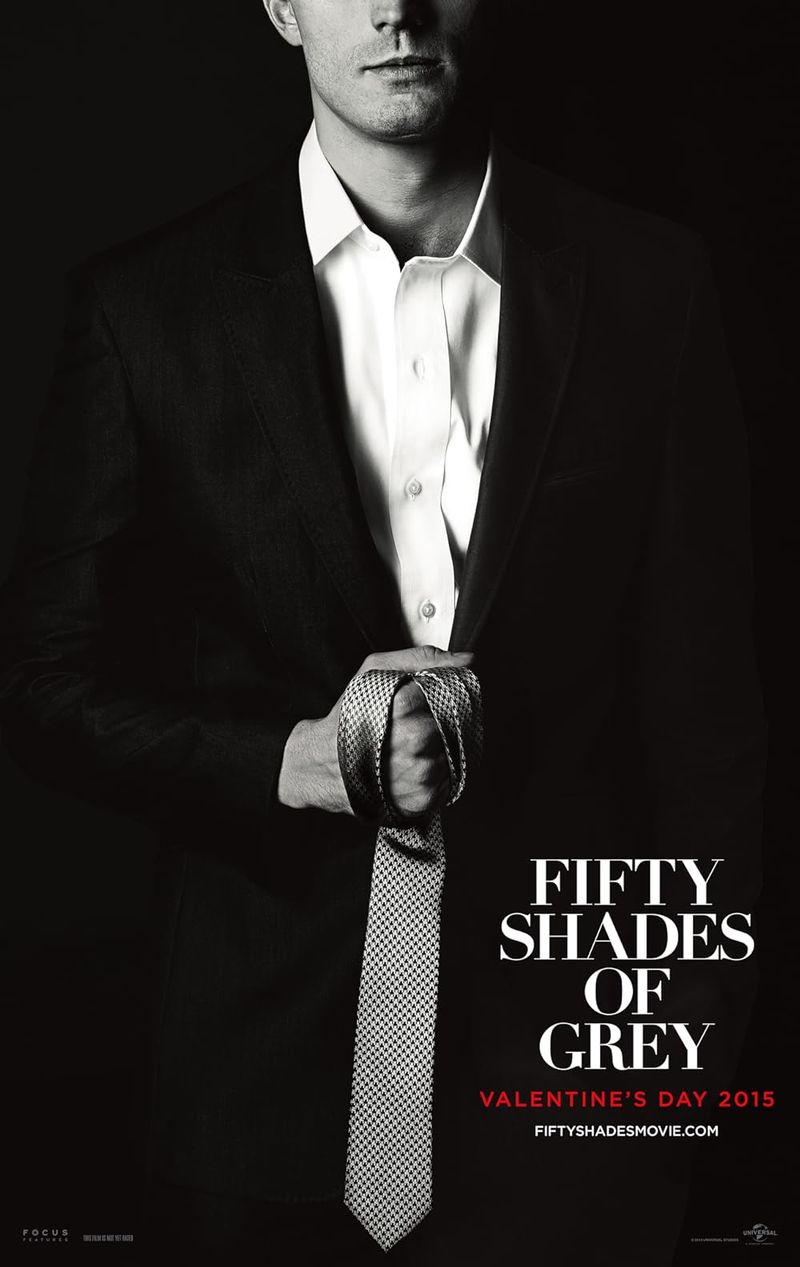
Few films have sparked as much debate about the line between romance and abuse as Fifty Shades of Grey.
Christian Grey’s relationship with Anastasia Steele is presented as passionate and thrilling, but critics — including domestic violence advocates — pointed out that his behavior fits a troubling pattern of emotional control and coercion.
He tracks her phone, shows up uninvited, isolates her from support systems, and uses her inexperience to his advantage.
The film frames all of this as intense desire rather than manipulation.
Consent advocates were vocal about the damage this narrative could cause, especially for younger audiences.
Passion and control are not the same thing, and this movie blurred that line in ways that sparked important real-world conversations.
4. The Notebook (2004)
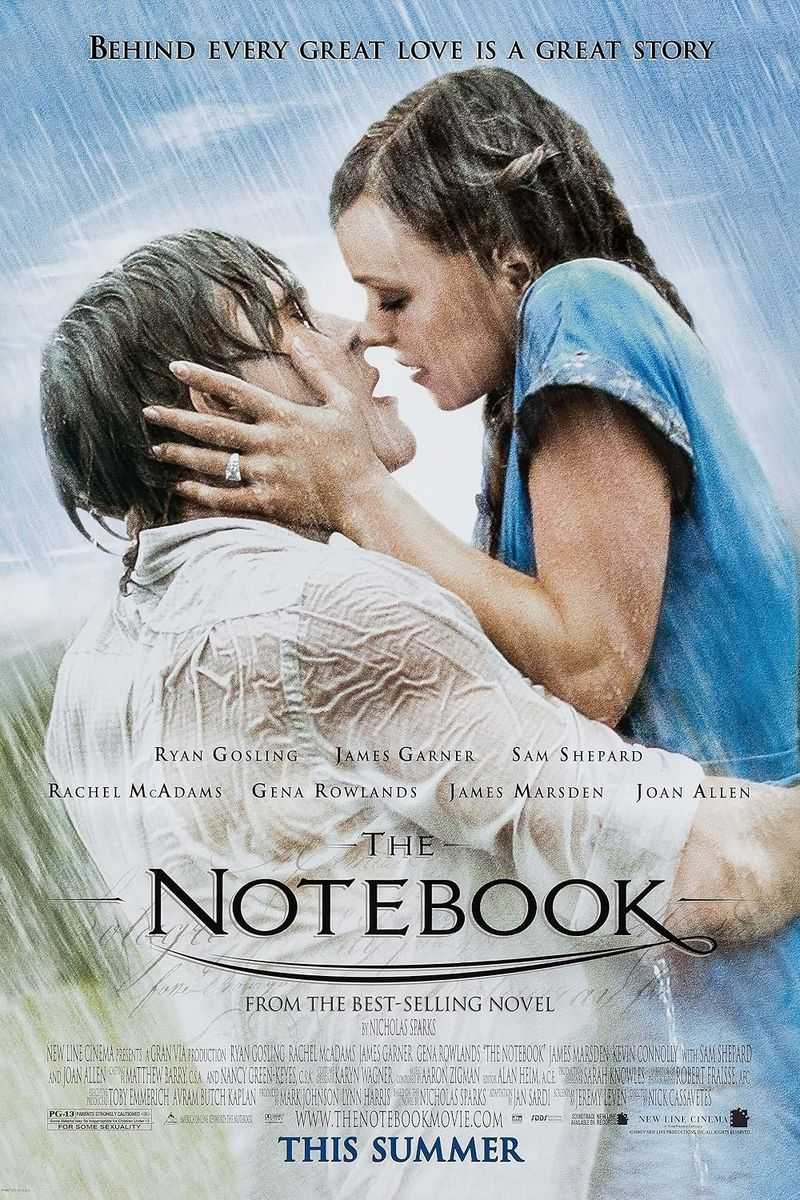
Ask anyone to name the most romantic movie ever made, and The Notebook tops almost every list.
But rewatch Noah’s pursuit of Allie with fresh eyes, and some uncomfortable moments start standing out.
He hangs from a Ferris wheel threatening to fall unless she agrees to a date — and the movie plays it as charming spontaneity.
Throughout the film, Noah dismisses Allie’s boundaries, pushes past her hesitations, and frames his relentless pressure as proof of love.
Persistence can be sweet, but there’s a difference between dedication and refusing to accept no. The Notebook accidentally taught a lot of people that wearing someone down emotionally is the same as winning their heart.
It’s a beautifully filmed lesson in the wrong direction.
5. Blue Valentine (2010)
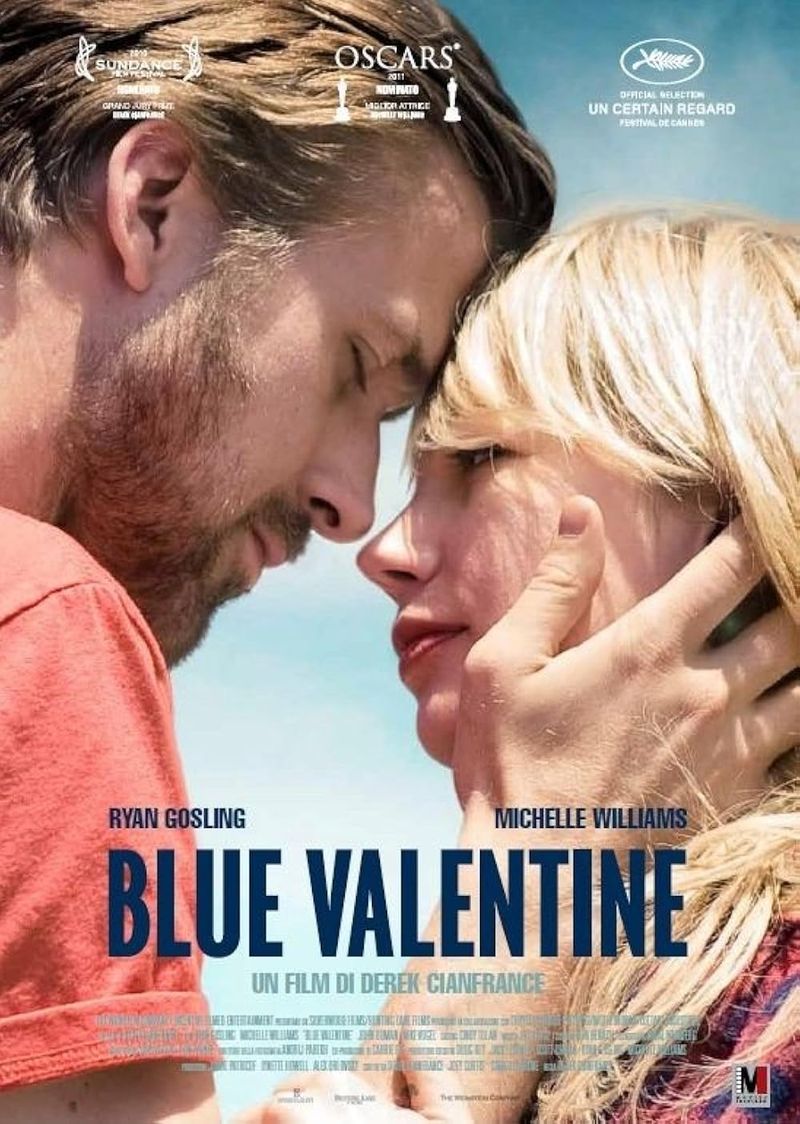
Blue Valentine doesn’t sugarcoat anything — and that’s exactly what makes it so hard to watch.
Ryan Gosling and Michelle Williams deliver gut-wrenching performances as a couple whose love has curdled into resentment, silent rage, and emotional cruelty.
The film cuts between their sweet beginning and their bitter end, making the collapse feel both inevitable and devastating.
Unlike many films that romanticize dysfunction, Blue Valentine almost goes too far in the opposite direction, showing toxic communication patterns with uncomfortable honesty.
Characters lash out, shut down, and wound each other in ways that feel painfully real.
Some audiences found it romantic because of the early tenderness.
But the film is actually a warning — a portrait of what happens when love is never paired with emotional maturity.
6. Silver Linings Playbook (2012)
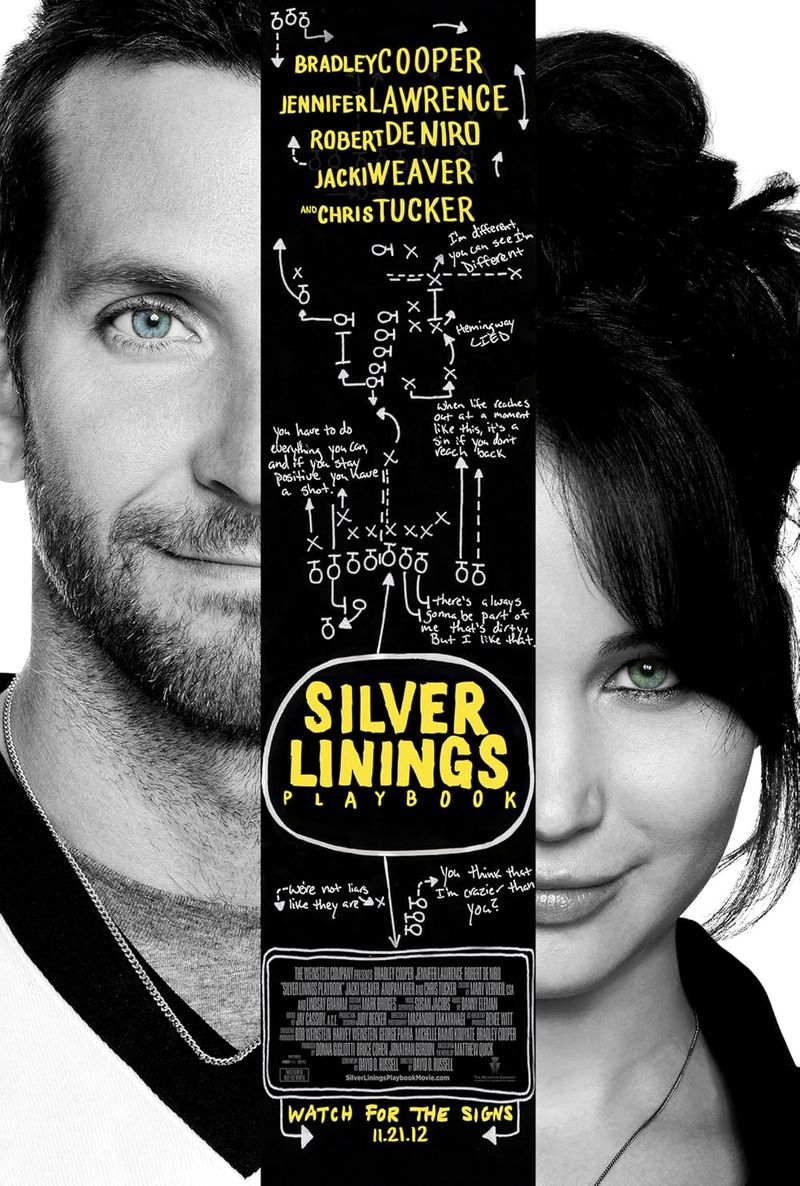
On the surface, Silver Linings Playbook looks like a heartwarming story about two broken people finding each other.
And in many ways, it is.
But when you look closer, Pat and Tiffany’s relationship is built on emotional instability, manipulation, and a codependency that gets rewarded with a dance competition and a happy ending.
Both characters have serious mental health struggles that are played partly for laughs and partly for romance.
The film doesn’t really show them getting the sustained help they need — it suggests love alone can fix the chaos.
That’s a comforting idea, but a misleading one.
Real mental health recovery takes more than a passionate connection.
The movie’s charm makes it easy to miss how turbulent and potentially harmful their dynamic actually is throughout.
7. 500 Days of Summer (2009)
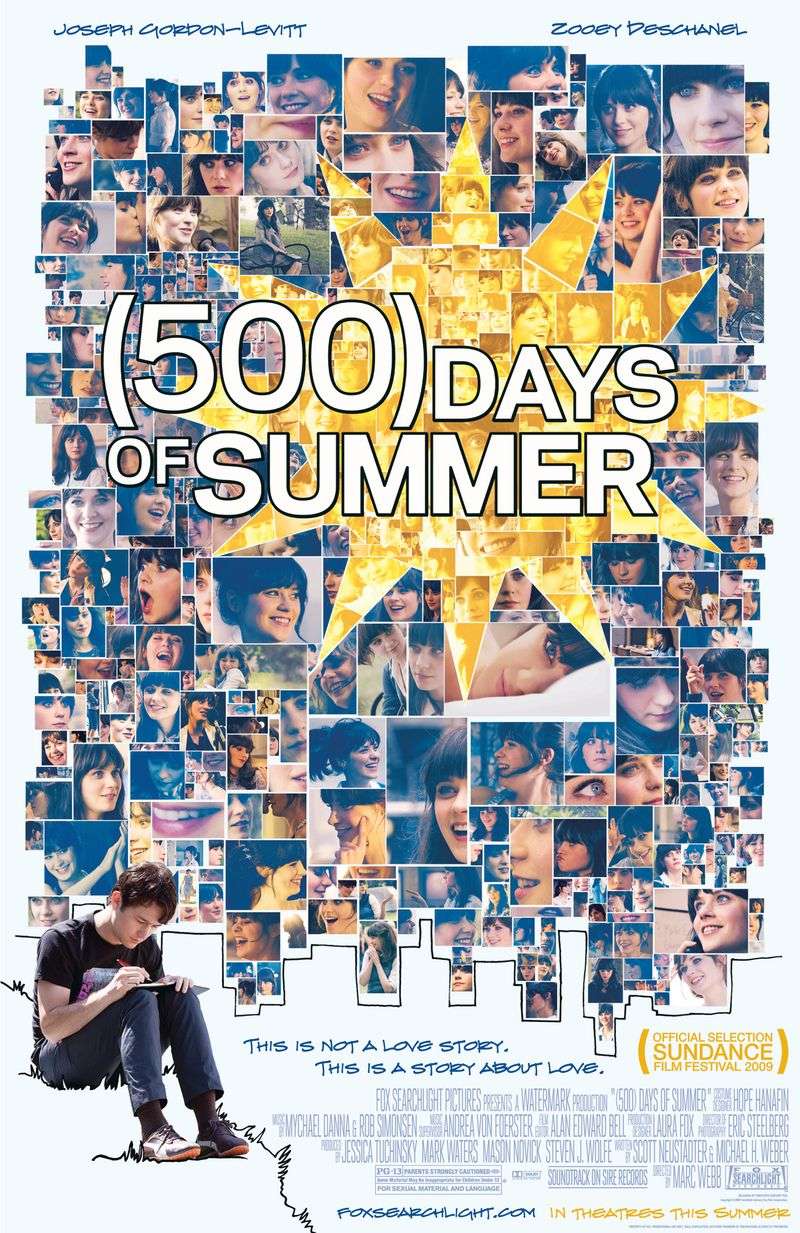
Director Marc Webb literally told audiences this was not a love story — and yet half the viewers still left blaming Summer for Tom’s heartbreak.
That reaction kind of proves the film’s entire point.
Tom doesn’t fall in love with Summer; he falls in love with a version of her he invented in his own head.
He ignores her clear signals, projects his romantic fantasies onto her, and then spirals into depression when reality doesn’t match his expectations.
The film is actually a sharp critique of the “manic pixie dream girl” trope and the danger of building relationships on projection.
But because it’s stylish and emotionally resonant, many viewers absorbed the wrong message: that obsessive idealization is just what love feels like.
It isn’t.
8. Revolutionary Road (2008)
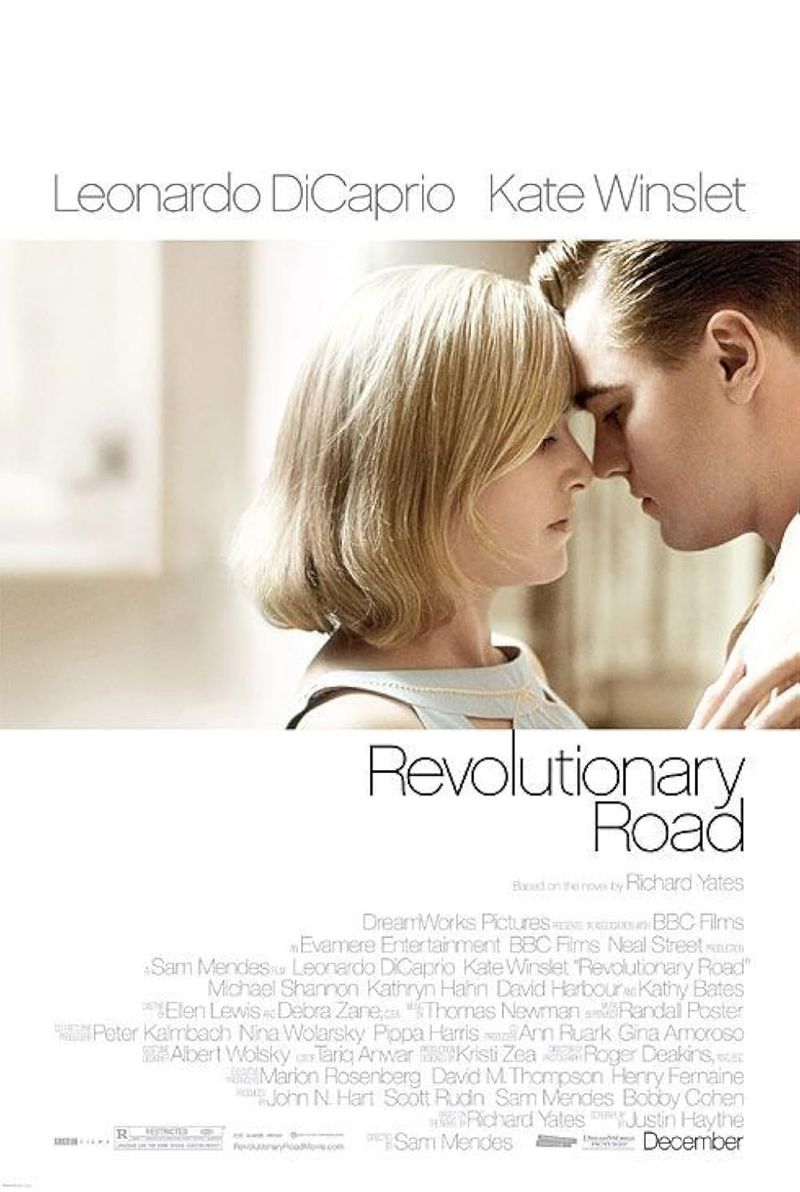
Leonardo DiCaprio and Kate Winslet reunited after Titanic for a film that was basically the anti-romance.
Revolutionary Road follows Frank and April Wheeler, a suburban couple slowly suffocating each other with bitterness, broken dreams, and emotional cruelty disguised as honesty.
Every conversation becomes a weapon.
The film is brilliant precisely because it shows how easily love can rot when two people use each other as targets for their own disappointments.
Frank manipulates, belittles, and cheats.
April grows cold, cutting, and desperate.
Neither is a villain — both are trapped.
But the film romanticizes their intellectual intensity and mutual destruction as something almost poetic.
The dangerous message?
That this level of emotional warfare is somehow deeper and more meaningful than ordinary, stable love.
It isn’t.
9. Closer (2004)
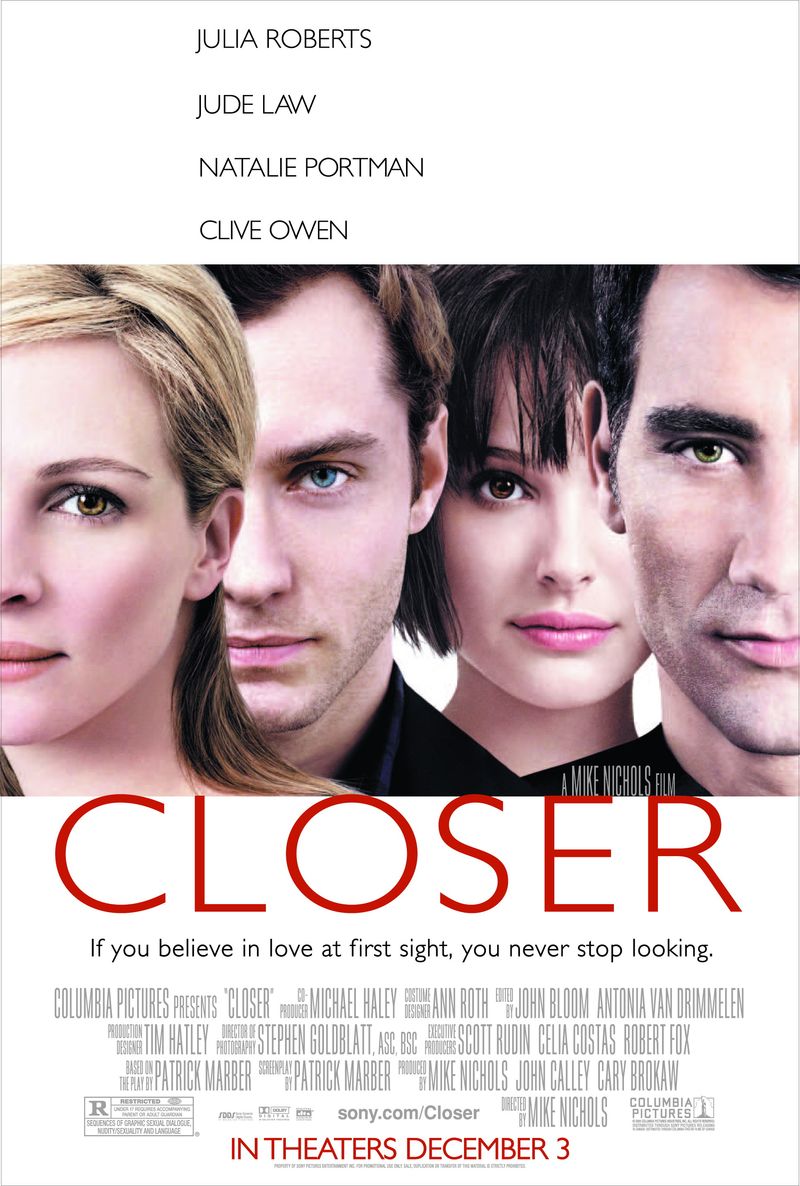
Closer is one of those films that feels like watching four people slowly tear each other apart for sport.
Infidelity, jealousy, and psychological cruelty rotate between every pairing in the movie, and no one comes out clean.
What’s striking is how the film frames these brutal exchanges as proof of deep, passionate feeling.
Characters say vicious, humiliating things to each other and call it honesty.
They betray their partners and call it desire.
The sharp dialogue is mesmerizing, and the performances are electric — which makes it easy to mistake the destruction for sophistication.
Closer is actually a cold-eyed look at how people use intimacy as a weapon.
The problem is that it makes emotional abuse look so stylish that audiences sometimes walk away envying these wrecked relationships.
10. Phantom Thread (2017)
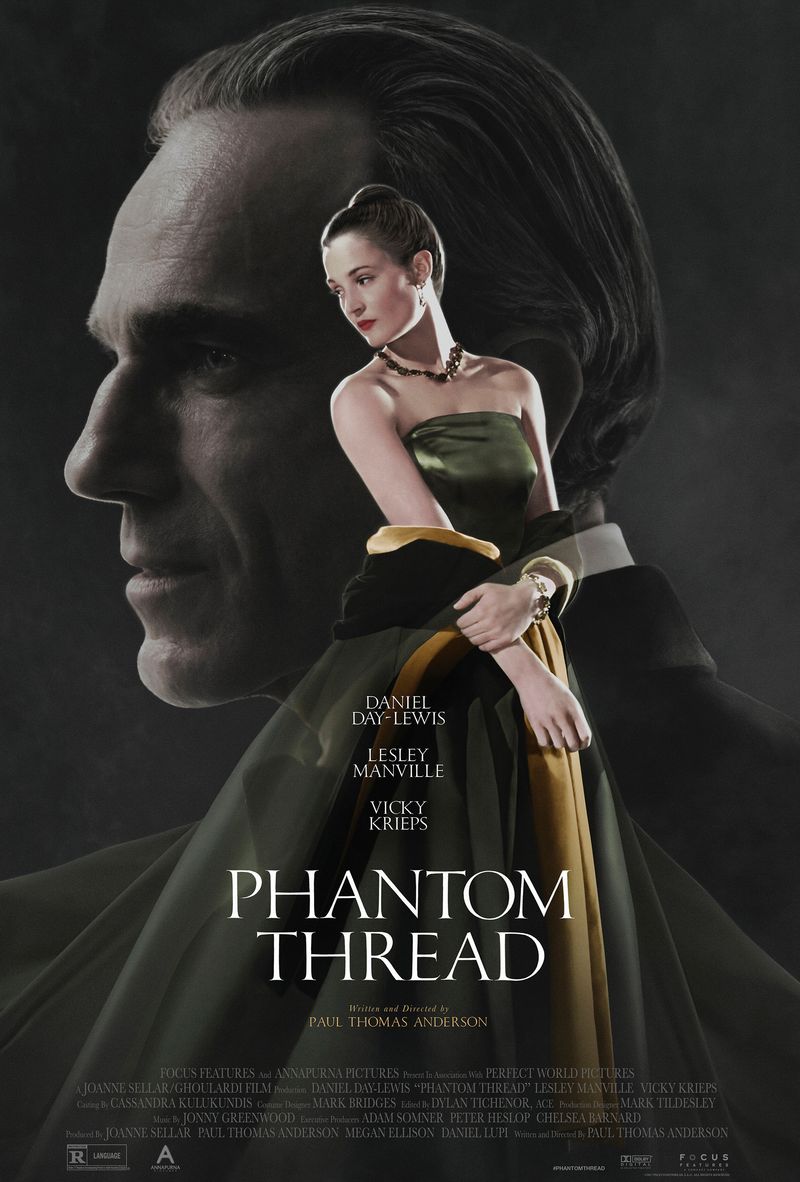
Reynolds Woodcock is a genius, and the film knows it — but genius doesn’t excuse control.
Phantom Thread follows a celebrated fashion designer whose relationship with a young woman named Alma is layered with psychological manipulation, rigid dominance, and a power imbalance so extreme it’s almost suffocating to watch.
What makes it especially unsettling is how the film frames their dynamic as a meeting of equals, even a kind of love.
Alma eventually poisons Reynolds to level the playing field, and the movie treats this as darkly romantic rather than deeply alarming.
Paul Thomas Anderson crafted something genuinely artistic here, but the relationship at its center is a textbook example of psychological control dressed in exquisite tailoring.
Beautiful cinematography doesn’t make a controlling relationship healthy or aspirational.
11. Marriage Story (2019)
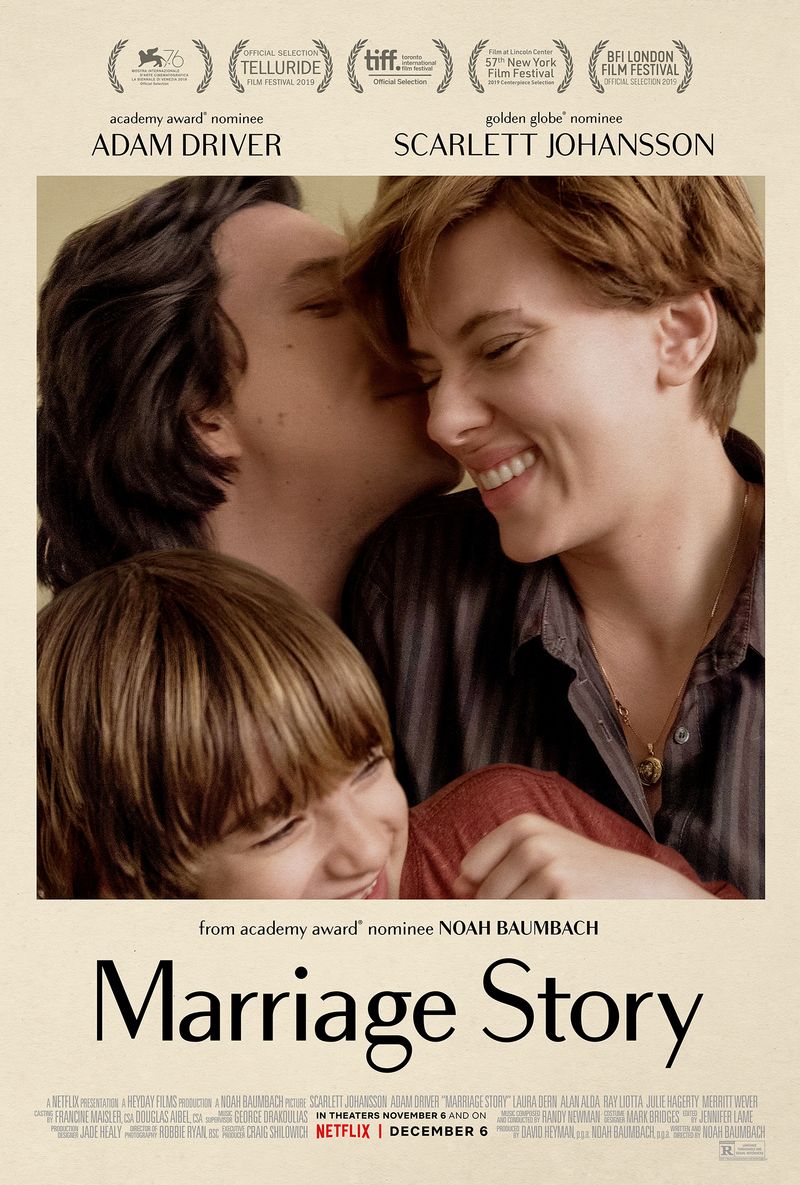
Noah Baumbach’s Marriage Story is emotionally devastating in the best possible way — but it also serves as a masterclass in how two people who love each other can become each other’s worst enemies.
Charlie and Nicole’s divorce unravels into ego battles, public humiliations, and moments of cruelty so sharp they leave marks.
The famous screaming match scene, where years of resentment explode in one horrifying conversation, is one of the most realistic depictions of emotional destruction in modern cinema.
Some viewers found it romantic because of the tenderness woven between the pain.
But the film is really documenting how unresolved issues, pride, and poor communication can transform love into a weapon.
It’s essential viewing — but not exactly a relationship blueprint to follow.
12. Heathers (1989)
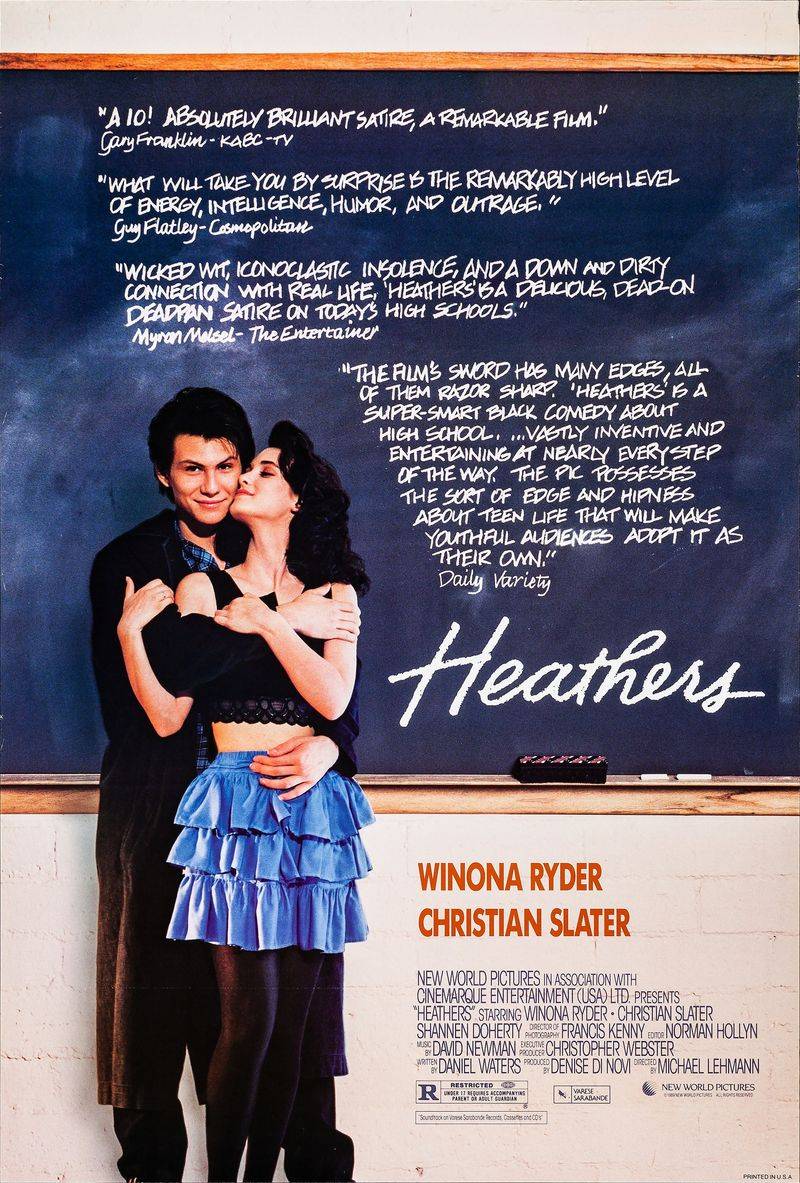
Long before dark teen dramas were a streaming staple, Heathers combined high school social warfare with actual murder and called it a love story.
Veronica falls for J.D., a charismatic outsider who turns out to be genuinely sociopathic — and the film plays their chemistry as irresistible, dangerous fun.
J.D. manipulates Veronica, involves her in killings, and uses her emotional vulnerabilities to keep her compliant.
The movie is sharp satire, and it does eventually hold J.D. accountable — but not before spending most of its runtime making him look incredibly cool.
Heathers influenced decades of “dark romantic” aesthetics that glamorized dangerous, controlling partners as thrillingly edgy.
The film is a cult classic for good reason, but its romantic framing of sociopathic behavior aged in complicated ways.
13. A Star Is Born (2018)
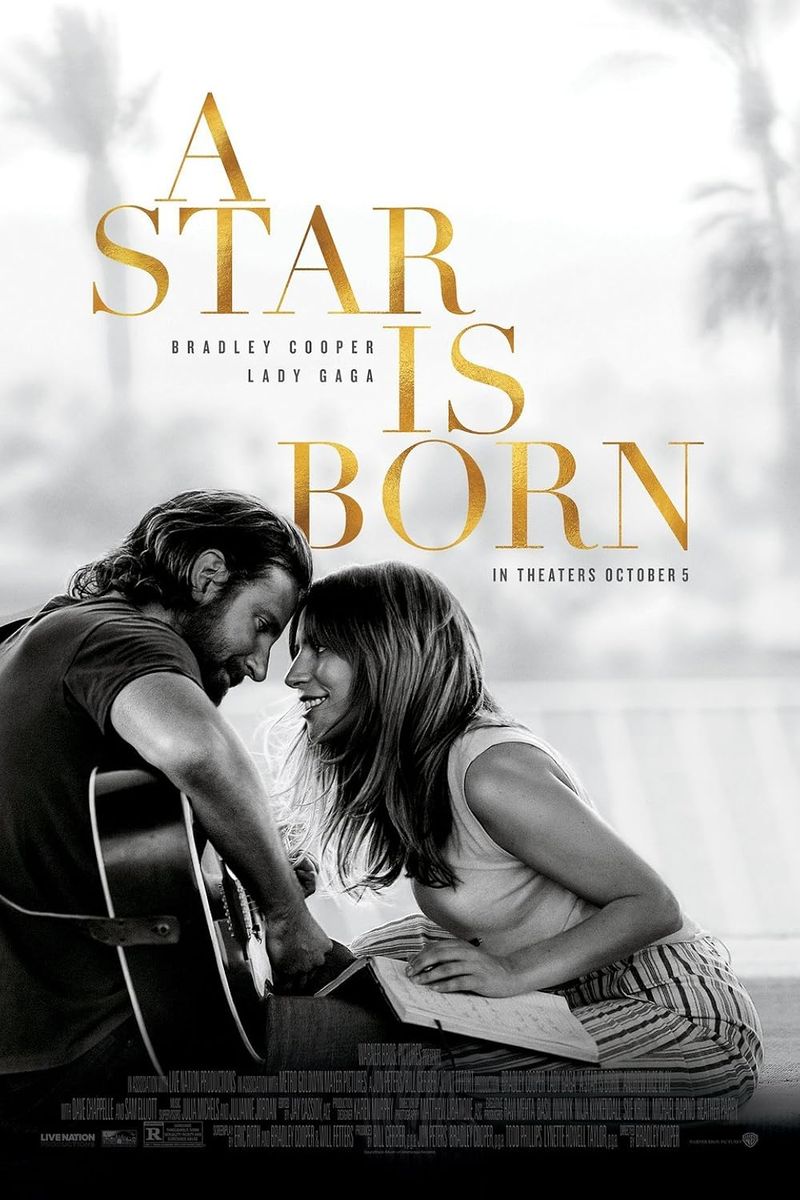
Bradley Cooper’s A Star Is Born is achingly beautiful and emotionally powerful — and also a film where addiction, emotional instability, and dependency are woven so deeply into the romance that it’s hard to separate the love story from the dysfunction.
Jackson Maine is charismatic, talented, and completely falling apart, and Ally loves him anyway.
The film frames her unwavering devotion as the purest kind of love, even as Jackson’s addiction actively derails her career and wellbeing.
His final act is presented as a sacrifice rather than the result of untreated illness and years of enabling.
Many viewers left the theater heartbroken and swooning — which is understandable.
But the relationship modeled here, where love means absorbing someone else’s destruction, is one worth examining honestly.
14. Cruel Intentions (1999)
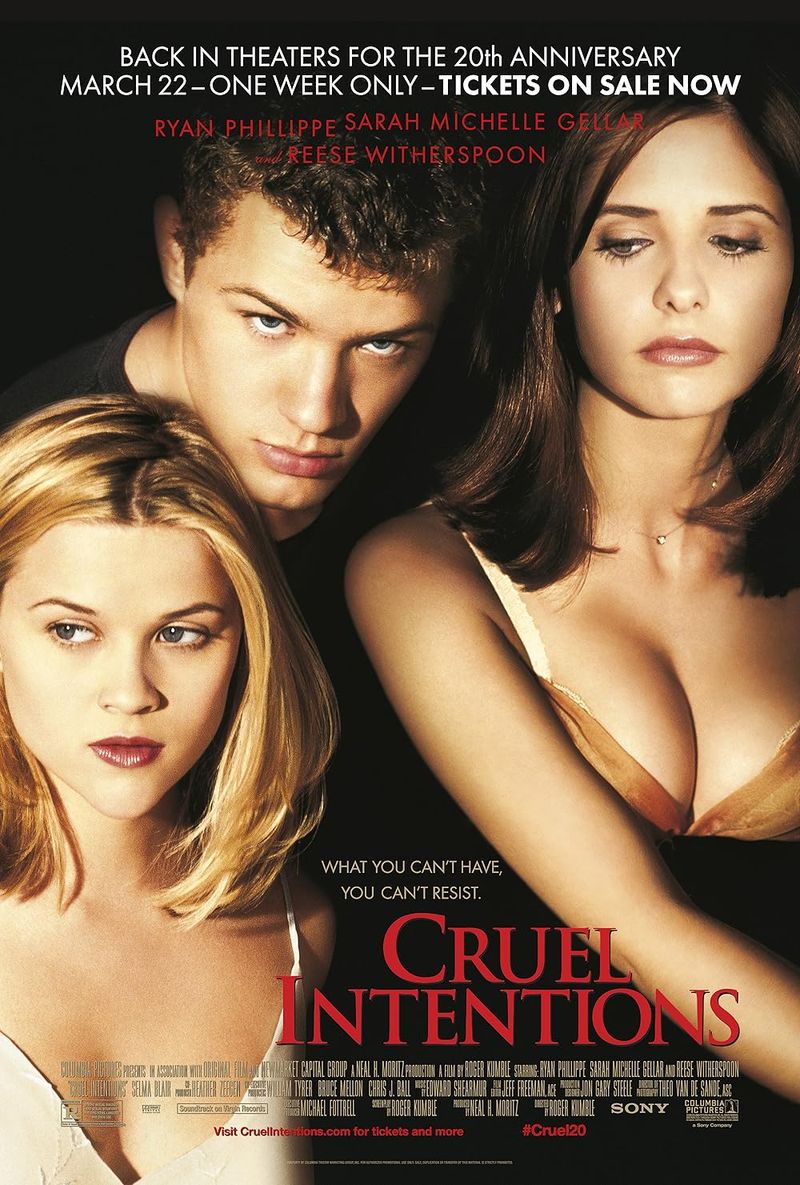
Sebastian and Kathryn are step-siblings who treat seduction as sport, using vulnerable people as pawns in elaborate bets.
The film drips with wealth, beauty, and a kind of effortless cruelty that 1990s cinema found deeply compelling to film.
Sebastian’s pursuit of Annette is framed as a genuine redemption arc — bad boy falls for good girl, changes his ways.
But the entire foundation of their relationship is a calculated deception.
The movie glamorizes emotional manipulation so thoroughly that audiences cheered for Sebastian even knowing his original motives.
Cruel Intentions remains a stylish, entertaining film, but its central message — that deceit and seduction are romantic when the person is attractive enough — is worth unpacking carefully.
15. Wuthering Heights (Multiple Adaptations)
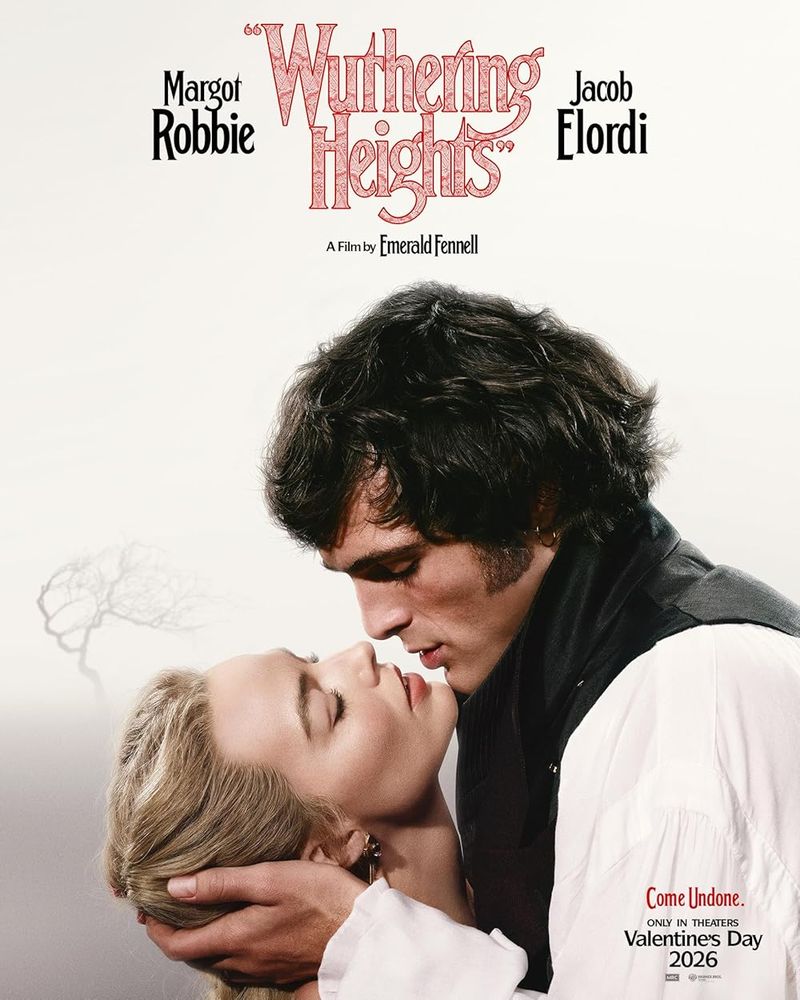
Heathcliff has been called literature’s greatest romantic hero for nearly two centuries.
But read — or watch — Wuthering Heights carefully, and what emerges is a portrait of obsession so consuming it destroys everyone it touches.
Multiple film adaptations have leaned hard into the gothic passion while quietly glossing over the cruelty.
Heathcliff abuses his wife, mistreats children, manipulates everyone around him, and dedicates his entire existence to revenge and possession.
Catherine is no less destructive — she uses people carelessly and romanticizes her own suffering.
Their bond is presented as transcendent love, but it functions more like mutual destruction.
The story is a masterpiece, but generations of adaptations taught audiences that obsessive, all-consuming love is the deepest kind.
That’s a beautiful lie with real-world consequences.