 MomSkoop
Mary Shelley’s Frankenstein has captivated audiences for over two centuries with its dark themes of creation, ambition, and humanity. If the Gothic atmosphere and moral complexity of Frankenstein have left you craving more classic literature brought to life on screen, you’re in for a treat.
From haunting Victorian tales to epic historical dramas, these 15 timeless film adaptations capture the same spirit of literary excellence and cinematic artistry that made the 1931 Frankenstein so unforgettable.
1. Frankenstein (1931)

Boris Karloff’s towering performance as the Monster remains one of cinema’s most iconic creations, bringing Mary Shelley’s tragic creature to unforgettable life.
Director James Whale crafted a masterpiece of Gothic horror that balances sympathy and terror, making audiences question who the real monster truly is.
The stark black-and-white cinematography creates an eerie atmosphere that still sends chills down spines nearly a century later.
Jack Pierce’s groundbreaking makeup design—featuring the flat-top head, neck bolts, and heavy eyelids—became the definitive image of the Monster in popular culture.
Colin Clive’s frantic portrayal of the obsessed Dr. Frankenstein perfectly captures the dangerous ambition at the heart of Shelley’s novel.
This film laid the foundation for Universal’s Golden Age of horror and remains essential viewing for anyone interested in classic cinema.
2. Dracula (1931)
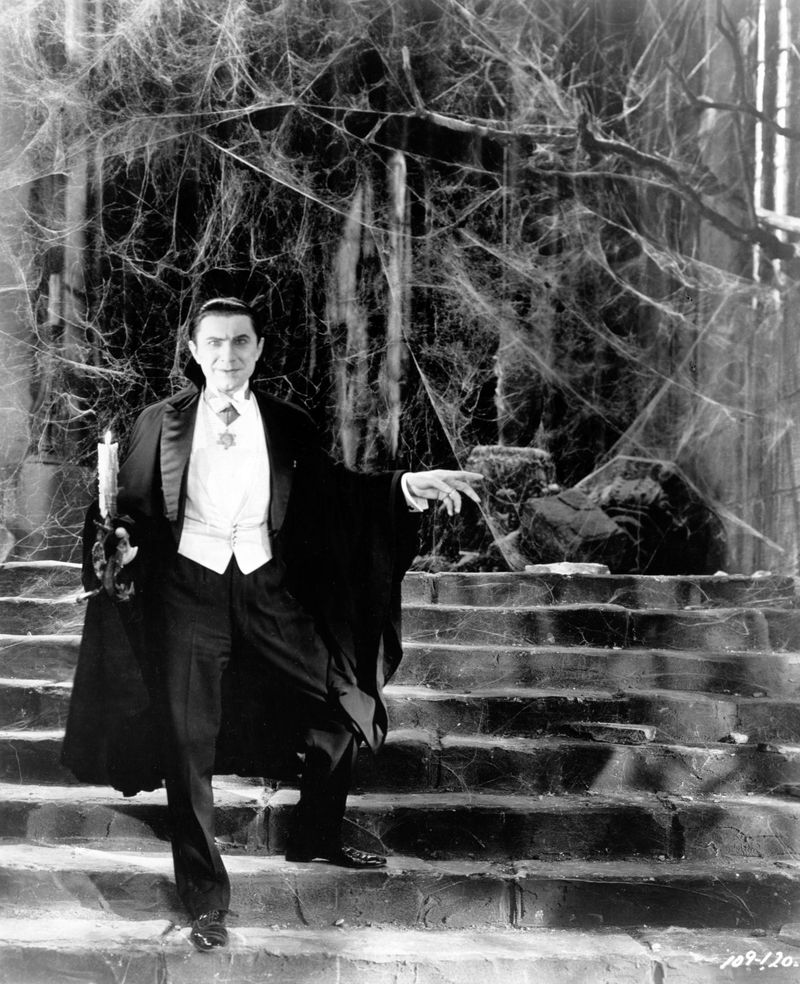
Bela Lugosi’s hypnotic portrayal of Count Dracula defined the vampire for generations, turning Bram Stoker’s literary villain into a cinematic legend.
His thick Hungarian accent and piercing gaze created an unforgettable character that balanced aristocratic charm with predatory menace.
Released the same year as Frankenstein, this film helped establish Universal Studios as the home of horror and Gothic atmosphere.
Director Tod Browning’s moody, theatrical approach emphasizes shadows and suggestion rather than explicit violence, creating a sense of dread that lingers long after viewing.
The film’s lack of musical score—unusual even for early talkies—adds to its unsettling, dreamlike quality.
Dwight Frye’s manic performance as the insect-eating Renfield provides disturbing comic relief.
For fans of Gothic literature and classic horror, Dracula remains absolutely essential.
3. Wuthering Heights (1939)
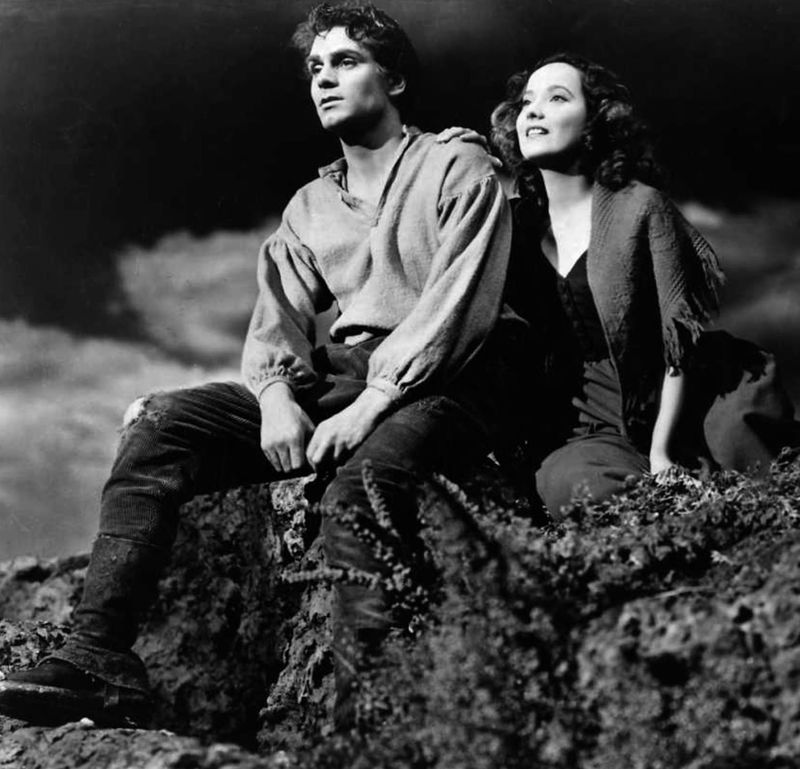
Laurence Olivier and Merle Oberon star in this achingly romantic yet ultimately tragic adaptation of Emily Brontë’s passionate novel.
Director William Wyler captures the wild, windswept beauty of the Yorkshire moors, making the landscape itself a character reflecting the turbulent emotions of Heathcliff and Catherine. Gregg Toland’s stunning cinematography—he’d later shoot Citizen Kane—creates haunting, shadow-filled images that perfectly match the story’s Gothic intensity.
While the film condenses Brontë’s complex narrative, it preserves the novel’s exploration of obsessive love, social class, and revenge.
Olivier’s brooding Heathcliff is both sympathetic and frightening, a man destroyed by rejection and consumed by bitterness.
The film earned eight Academy Award nominations, including Best Picture, cementing its place among Hollywood’s greatest literary adaptations.
Prepare for heartbreak and atmospheric beauty in equal measure.
4. Great Expectations (1946)
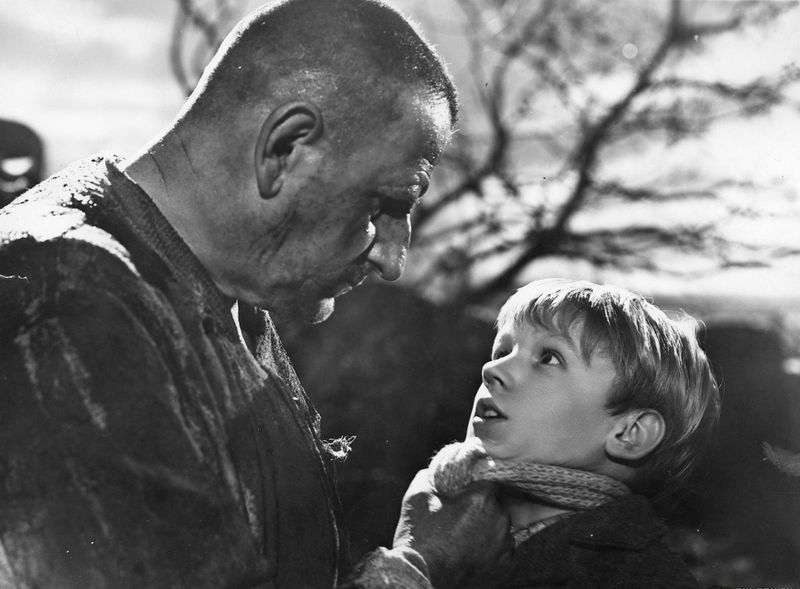
Director David Lean’s masterful adaptation of Charles Dickens’s beloved novel opens with one of cinema’s most memorable sequences—young Pip’s terrifying encounter in a foggy graveyard.
This film captures both the Gothic atmosphere and the social commentary that make Dickens’s work so enduring.
John Mills delivers a nuanced performance as the adult Pip, whose journey from blacksmith’s apprentice to gentleman explores themes of identity, ambition, and moral growth.
The supporting cast brings Dickens’s colorful characters vividly to life, particularly Martita Hunt as the bitter, wedding-dress-wearing Miss Havisham.
Guy Green’s atmospheric cinematography earned an Academy Award, creating unforgettable images of Victorian England’s fog-shrouded streets and decaying mansions.
Lean’s respectful yet cinematic approach proves that literary adaptations can be both faithful and visually stunning.
This remains one of the finest Dickens films ever made.
5. The Picture of Dorian Gray (1945)
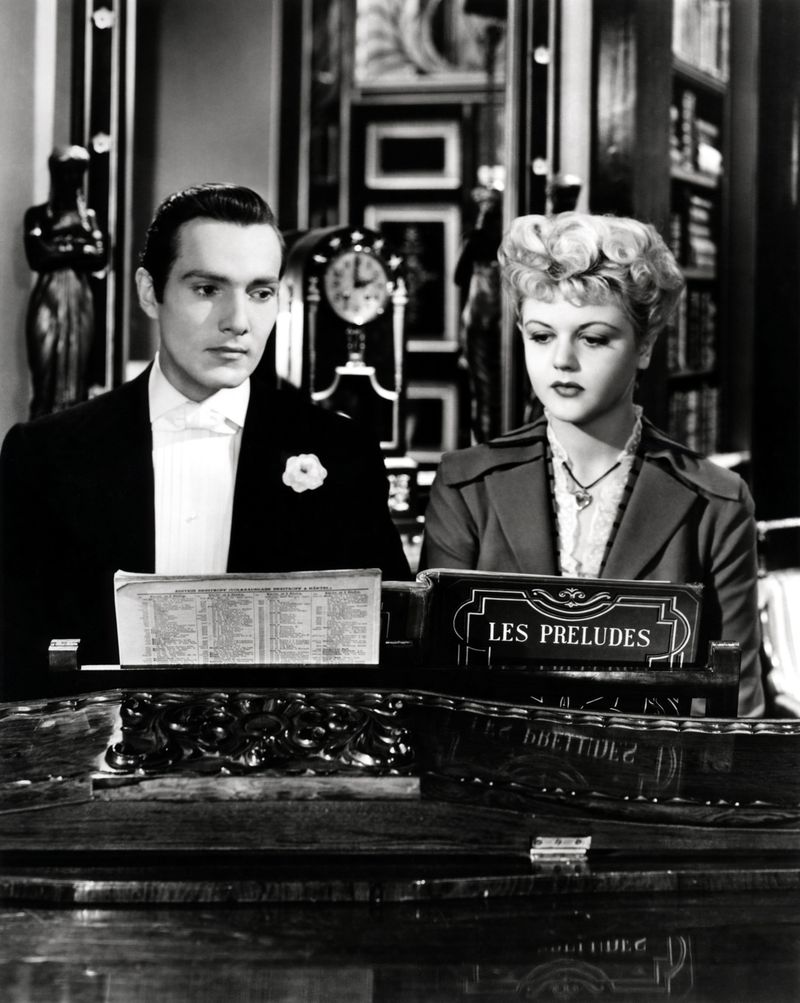
Oscar Wilde’s chilling tale of vanity, corruption, and supernatural punishment receives a stylish film noir treatment in this visually striking adaptation.
Hurd Hatfield plays the eternally youthful Dorian Gray with an appropriately blank, doll-like beauty that grows increasingly unsettling as his hidden portrait absorbs his sins.
Director Albert Lewin made the bold choice to film in black and white while showing the portrait itself in Technicolor, creating shocking moments when we glimpse Dorian’s true, decaying soul.
George Sanders is perfectly cast as the witty, cynical Lord Henry Wotton, whose hedonistic philosophy sets Dorian on his dark path.
The film preserves much of Wilde’s brilliant dialogue and explores themes of beauty, morality, and the consequences of living without conscience.
Its Gothic atmosphere and moral complexity make it a perfect companion to Frankenstein.
6. Pride and Prejudice (1940)
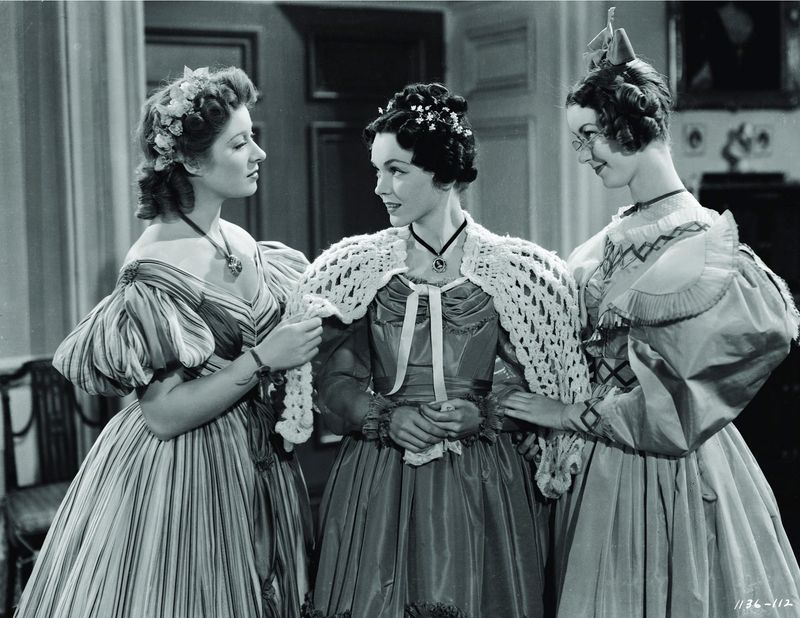
Greer Garson and Laurence Olivier bring wit and chemistry to Jane Austen’s most beloved novel in this charming Golden Age Hollywood production.
While purists note that the costumes are from the wrong era—1830s instead of Austen’s Regency period—the film captures the novel’s sparkling dialogue and social comedy beautifully.
Garson’s Elizabeth Bennet is intelligent, spirited, and appealingly modern in her attitudes, while Olivier’s Mr. Darcy perfectly balances pride with hidden vulnerability.
The supporting cast shines, particularly Edmund Gwenn as the bemused Mr. Bennet and Mary Boland as the hilariously marriage-obsessed Mrs. Bennet. Director Robert Z.
Leonard emphasizes the romance and humor while preserving Austen’s sharp observations about class, marriage, and first impressions.
Though later adaptations may be more faithful, this version remains delightfully entertaining and showcases two of classic Hollywood’s greatest stars at their peak.
7. Jane Eyre (1943)
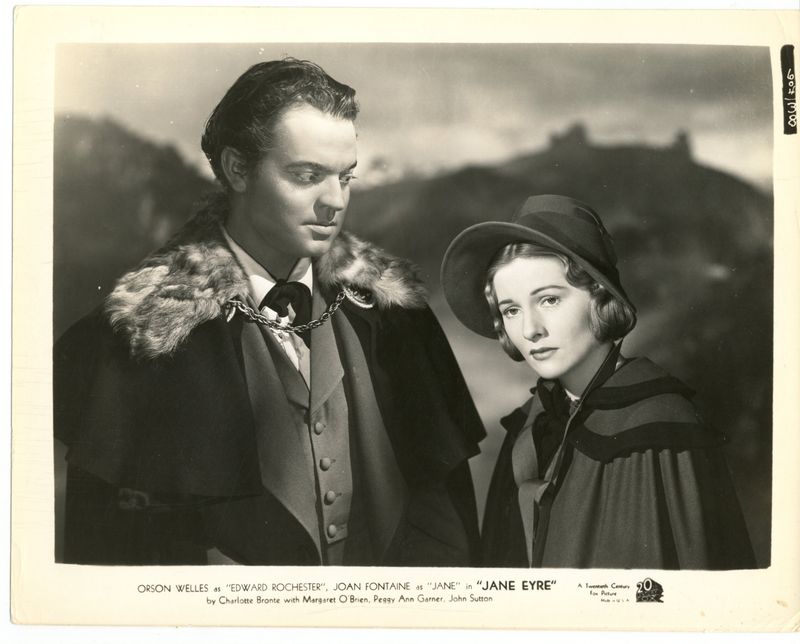
Joan Fontaine and Orson Welles star in this atmospheric adaptation of Charlotte Brontë’s Gothic romance, dripping with shadows and psychological intensity.
Fresh from her triumph in Hitchcock’s Rebecca, Fontaine brings quiet strength and dignity to the orphaned governess Jane, while Welles’s commanding presence makes Rochester both magnetic and dangerous.
Director Robert Stevenson embraces the novel’s Gothic elements—the mysterious laughter, the fire in Rochester’s bedroom, the dark secrets of Thornfield Hall—creating a film that feels more like a horror movie than a conventional romance.
The expressionist cinematography, with its deep shadows and dramatic angles, reflects Jane’s emotional journey and the darkness lurking in Rochester’s past.
The film preserves Brontë’s exploration of independence, morality, and the search for belonging.
Bernard Herrmann’s haunting score enhances the brooding atmosphere, making this version particularly appealing to fans of Gothic literature and classic horror.
8. Moby Dick (1956)
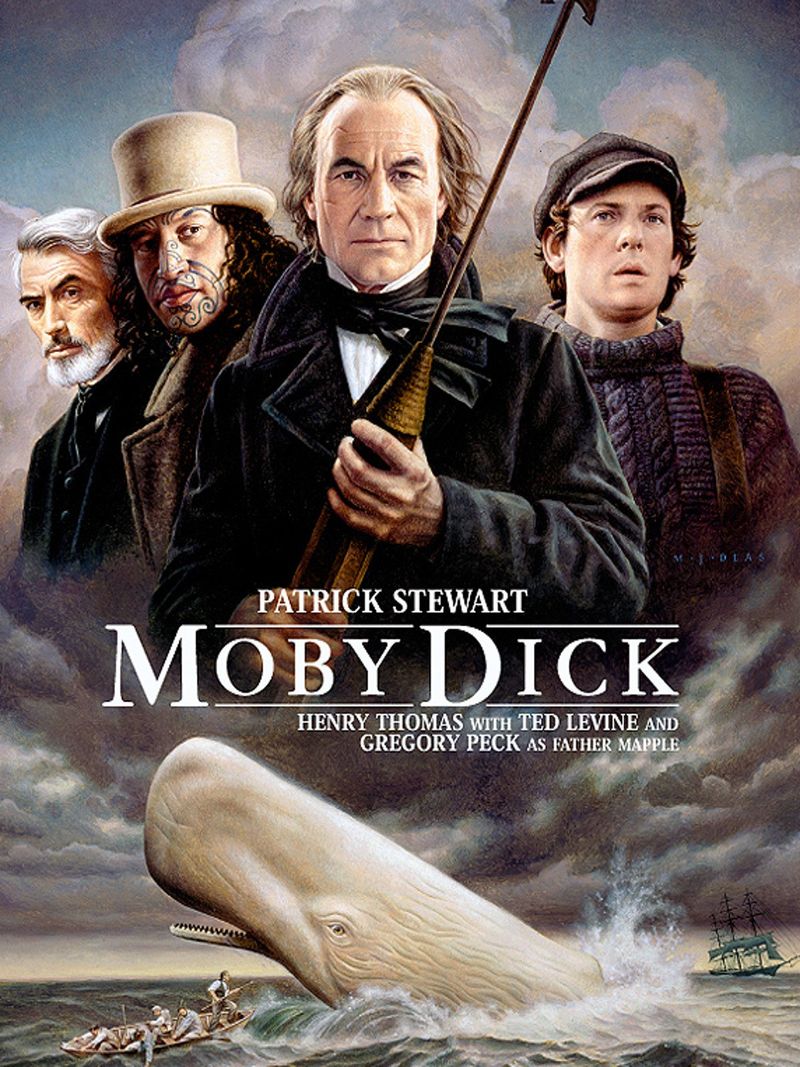
Gregory Peck commands the screen as the obsessed Captain Ahab in director John Huston’s powerful adaptation of Herman Melville’s epic novel.
Huston’s film captures the philosophical depth and psychological complexity of Melville’s tale, exploring themes of obsession, fate, and humanity’s struggle against nature.
The innovative cinematography, which desaturated colors to create a painterly, almost engraving-like quality, gives the film a timeless, elemental feel.
Richard Basehart narrates as Ishmael, guiding viewers through the Pequod’s doomed voyage with Melville’s poetic language.
The practical effects used to create the white whale remain impressive, and the film’s climactic confrontation delivers genuine tension and tragedy.
Peck’s Ahab is both magnificent and terrifying, a man who has allowed his desire for revenge to consume everything human within him.
For viewers fascinated by Frankenstein’s themes of dangerous obsession, Moby Dick offers a similar cautionary tale.
9. War and Peace (1956)
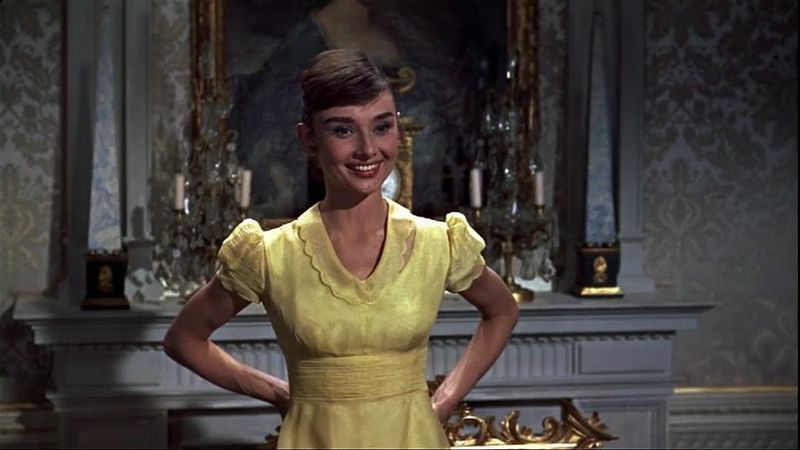
Director King Vidor tackles Leo Tolstoy’s monumental novel with an appropriately sprawling, star-studded production featuring Audrey Hepburn, Henry Fonda, and Mel Ferrer.
This Hollywood version condenses Tolstoy’s epic into a more manageable three-and-a-half hours while preserving the novel’s scope—from glittering ballrooms to devastating battlefields.
Hepburn brings warmth and emotional depth to Natasha Rostova, capturing her transformation from naive girl to mature woman shaped by love and loss.
The battle sequences, particularly the depiction of Borodino, are impressively mounted and convey the chaos and horror of Napoleonic warfare.
Fonda’s Pierre Bezukhov embodies the philosophical searching at the novel’s heart, a man seeking meaning amid historical upheaval.
While the Soviet version released a decade later is more comprehensive, this adaptation remains accessible and emotionally engaging.
The gorgeous Technicolor cinematography and lavish production design create a visually stunning experience worthy of Tolstoy’s masterpiece.
10. Anna Karenina (1935)

Greta Garbo delivers one of cinema’s most luminous performances as Tolstoy’s doomed heroine, a married aristocrat who sacrifices everything for passionate love.
Garbo’s Anna is simultaneously radiant and tragic, and her expressive face conveys the character’s emotional journey from contentment through infatuation to devastating despair.
Director Clarence Brown creates a sumptuous visual feast, with elaborate costumes and sets that capture the opulence of Imperial Russian society.
Fredric March plays the dashing Count Vronsky, whose love affair with Anna leads to social ostracism and tragedy.
The film explores Tolstoy’s themes of social hypocrisy, the double standards applied to men and women, and the destructive power of passion.
While the Production Code required some softening of the novel’s more controversial elements, Garbo’s magnetic performance transcends any limitations.
Her final scenes are genuinely heartbreaking, cementing this as one of classic Hollywood’s greatest literary adaptations.
11. Les Misérables (1935)
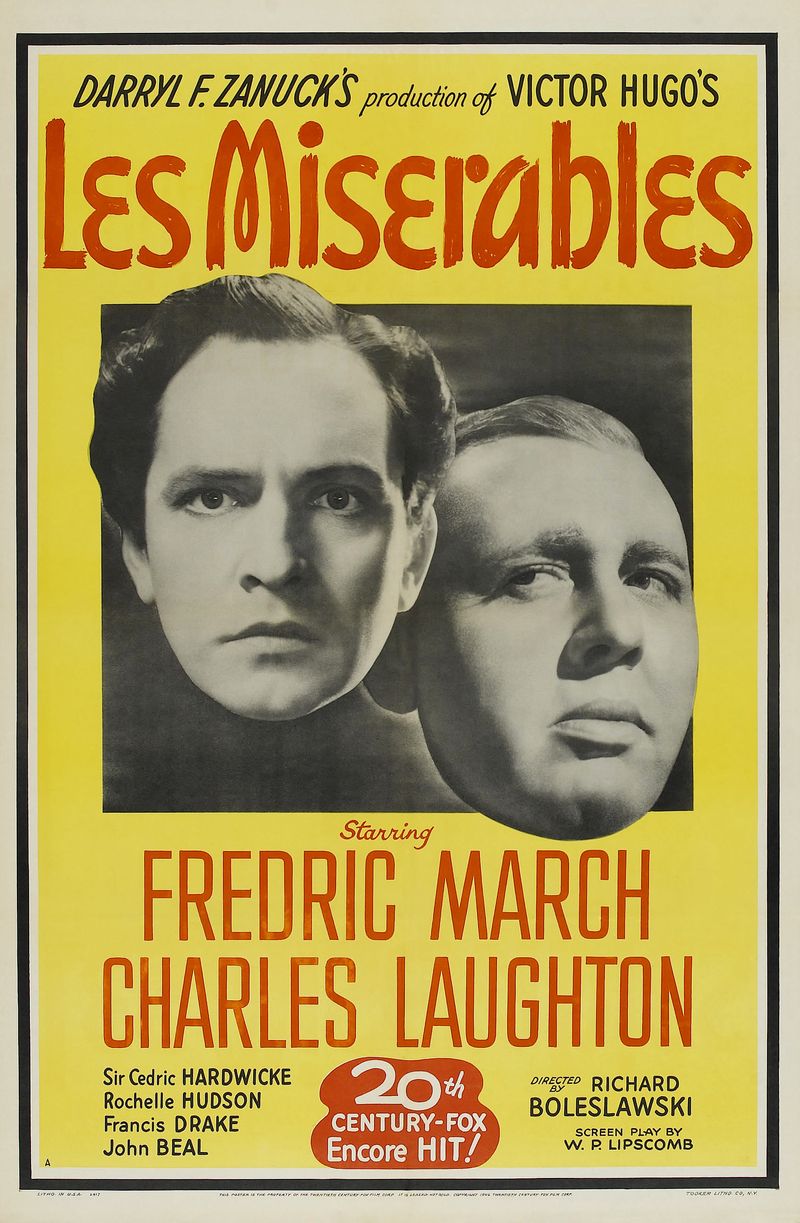
Fredric March anchors this early Hollywood adaptation of Victor Hugo’s sprawling novel about redemption, justice, and the human cost of social inequality.
March brilliantly portrays Jean Valjean’s transformation from hardened convict to compassionate benefactor, capturing both the character’s physical aging and spiritual growth across decades.
Charles Laughton is equally compelling as the relentless Inspector Javert, whose rigid devotion to law brings him into lifelong conflict with Valjean’s quest for redemption.
Director Richard Boleslawski condenses Hugo’s massive novel into just over two hours while preserving its emotional core and social conscience.
The film’s depiction of poverty, injustice, and the possibility of human transformation remains powerful and relevant.
While later versions are longer and more comprehensive, this adaptation benefits from two of the era’s finest actors at their peak.
The climactic confrontation between Valjean and Javert delivers genuine dramatic power and moral complexity.
12. The Hunchback of Notre Dame (1939)
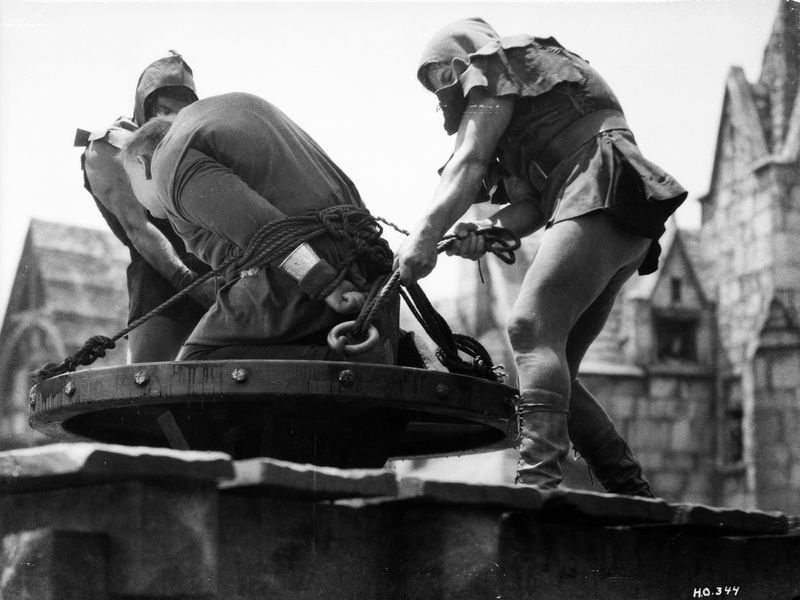
Charles Laughton disappears beneath extraordinary makeup to create one of cinema’s most sympathetic monsters in this lavish adaptation of Victor Hugo’s Gothic masterpiece.
Laughton’s Quasimodo is heartbreaking—a physically deformed bell-ringer with a beautiful soul, capable of both tremendous strength and tender compassion.
His famous cry of “Sanctuary!” as he rescues the gypsy girl Esmeralda remains one of classic cinema’s most powerful moments.
The production design is spectacular, with detailed recreations of medieval Paris and the Cathedral of Notre Dame that create an immersive Gothic atmosphere.
Maureen O’Hara, in her breakthrough role, brings spirit and humanity to Esmeralda, while the film explores Hugo’s themes of prejudice, hypocrisy, and the contrast between outer ugliness and inner beauty.
Like Frankenstein’s Monster, Quasimodo is feared and rejected for his appearance despite his noble heart.
This parallel makes the film essential viewing for Gothic literature fans.
13. Oliver Twist (1948)

David Lean follows his triumph with Great Expectations by tackling another Dickens masterpiece, creating a gritty, visually stunning portrait of Victorian poverty and crime.
The film’s depiction of London’s underworld is both atmospheric and disturbing, with Guy Green’s cinematography creating shadowy, nightmarish images of the city’s criminal haunts.
Young John Howard Davies brings innocence and vulnerability to Oliver, the orphan whose simple request for more food becomes literature’s most famous act of childhood rebellion.
Alec Guinness is chillingly effective as the manipulative Fagin, who trains children to pick pockets and steal.
Robert Newton’s brutal Bill Sikes represents violence and cruelty without redemption.
Lean doesn’t shy away from the novel’s darker elements, creating a film that honestly depicts the exploitation of children and the desperation of poverty.
The murder of Nancy remains genuinely shocking, handled with visual restraint that somehow makes it more disturbing.
14. The Ten Commandments (1956)
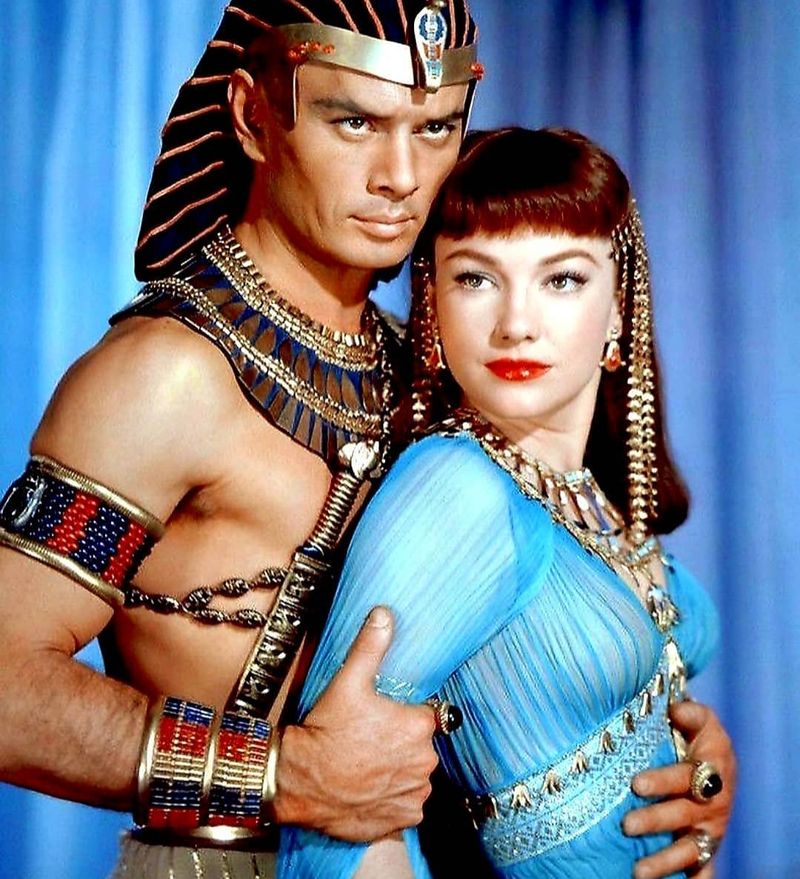
Cecil B. DeMille’s final film is a spectacular three-and-a-half-hour epic that brings the Biblical story of Moses to life with unprecedented scale and visual splendor.
Charlton Heston embodies Moses with commanding presence, portraying his transformation from Egyptian prince to Hebrew prophet with conviction and dignity.
The film draws from the Book of Exodus and other Biblical and historical texts, making it an adaptation of some of humanity’s oldest and most influential literature.
The special effects, particularly the parting of the Red Sea, were groundbreaking for their time and remain impressive today.
DeMille stages massive set pieces—the building of the pyramids, the plagues of Egypt, the exodus itself—with a showman’s flair for spectacle.
Yet amid the epic scale, the film explores timeless themes of freedom, faith, and moral law that resonate with the philosophical questions raised in Frankenstein.
Yul Brynner’s Pharaoh provides a compelling antagonist, proud and tragic.
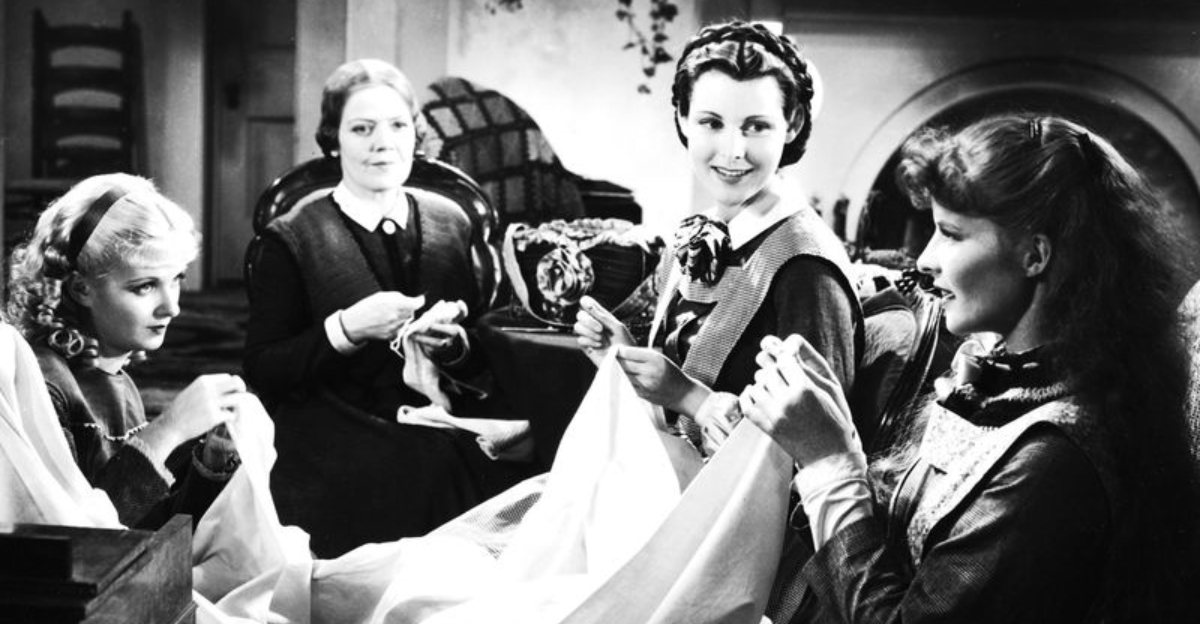
15. Little Women (1933)

Katharine Hepburn shines as the spirited Jo March in this warm, faithful adaptation of Louisa May Alcott’s beloved novel about sisterhood, ambition, and growing up.
Director George Cukor brings sensitivity and emotional depth to the story of the four March sisters navigating life in Civil War-era New England.
Hepburn perfectly captures Jo’s independent spirit, her literary ambitions, and her struggle to reconcile personal dreams with family expectations and society’s demands.
The film beautifully portrays the sisters’ distinct personalities—Meg’s domesticity, Beth’s gentle kindness, Amy’s artistic aspirations—and the unbreakable bonds between them.
Joan Bennett, Jean Parker, and Frances Dee provide excellent support as Jo’s sisters.
While tonally lighter than Gothic tales like Frankenstein, Little Women shares their exploration of what it means to be different, to pursue your own path, and to maintain your humanity in a challenging world.
This version remains one of the most beloved Alcott adaptations ever filmed.