 MomSkoop
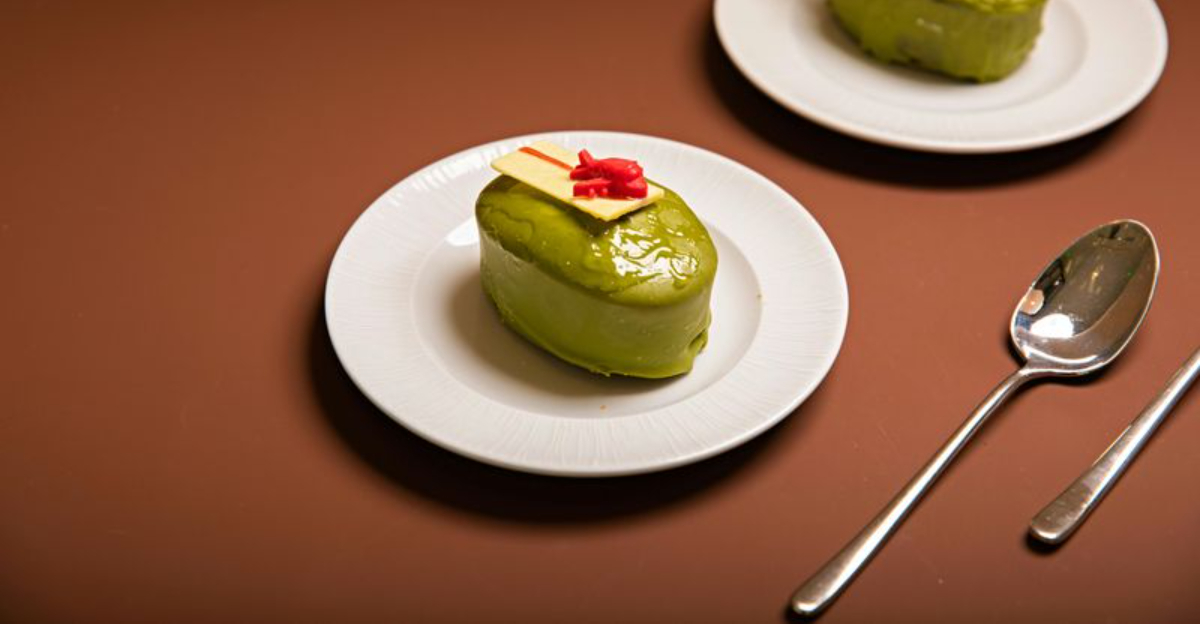
Some foods become famous not because they taste amazing, but because they look great on social media or carry a fancy price tag. We’ve all been tempted by a beautifully plated dish or a trendy ingredient that everyone seems to be raving about.
But once you actually take a bite, the experience can feel a little… underwhelming. Here’s an honest look at 15 popular foods that might be riding more on reputation than real, satisfying flavor.
1. Caviar
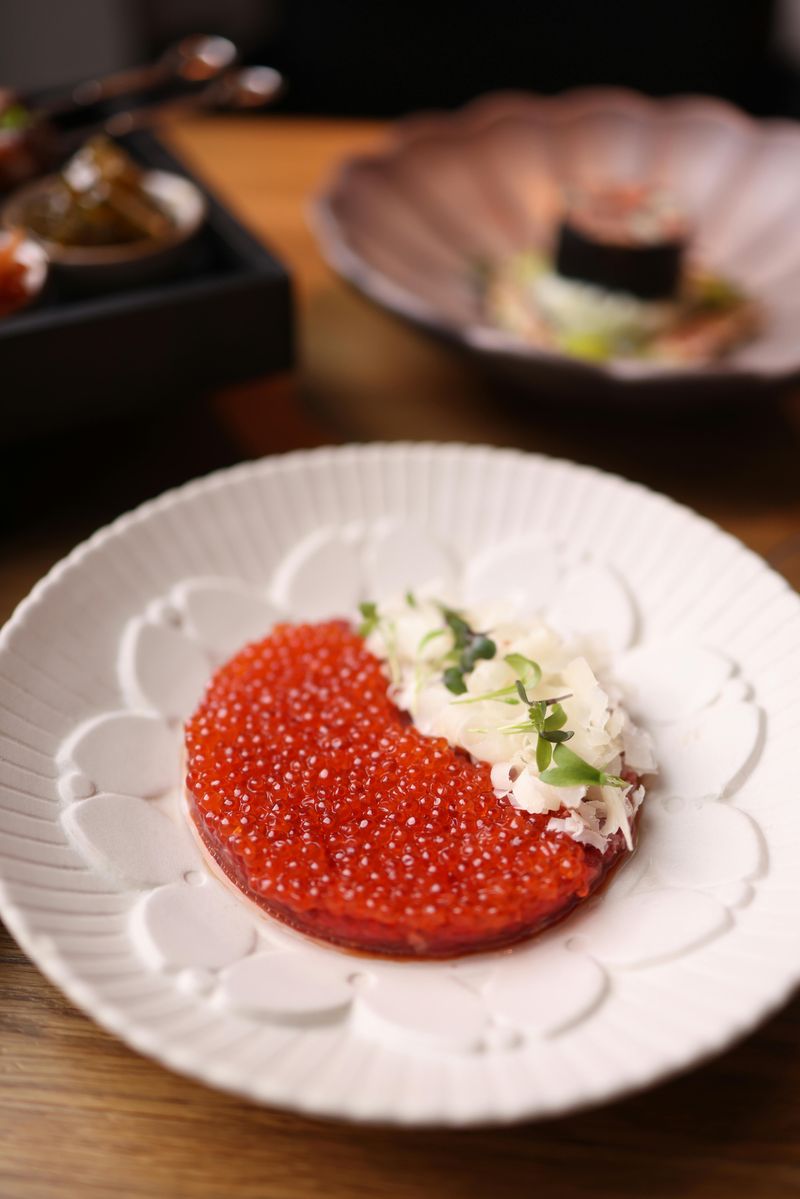
Tiny, glistening, and worth more per ounce than most people’s grocery bills — caviar has long been the ultimate symbol of luxury dining.
But here’s the honest truth: most first-timers describe it as intensely salty and fishy, with a pop that’s more surprising than enjoyable.
The flavor doesn’t exactly scream “worth it” without the right accompaniments.
Many food lovers admit they eat it mainly for bragging rights.
Unless you’ve trained your palate over years, caviar is largely a status symbol sitting on a cracker rather than a genuinely crave-worthy bite.
2. Truffle Oil Dishes
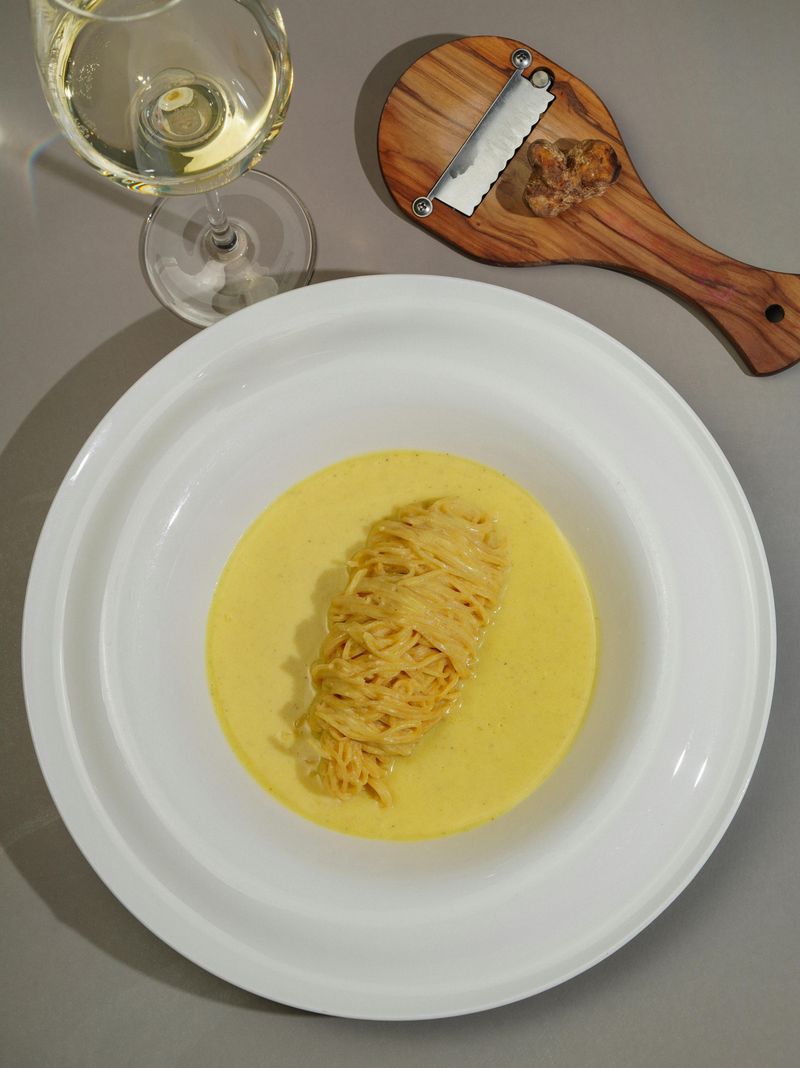
Walk into almost any trendy restaurant and you’ll spot truffle oil on the menu, usually with a significant price bump attached.
The problem?
Most commercial truffle oils don’t contain a single real truffle.
They’re made with a synthetic compound called 2,4-dithiapentane, which mimics truffle aroma but delivers a sharp, artificial punch.
Real truffle flavor is subtle, earthy, and complex — not the overwhelming blast you get from a bottle.
Many professional chefs actually dislike truffle oil for this very reason.
When a dish relies on it heavily, you’re often getting chemical pungency dressed up as sophistication, not genuine gourmet flavor.
3. Gold-Leaf Desserts
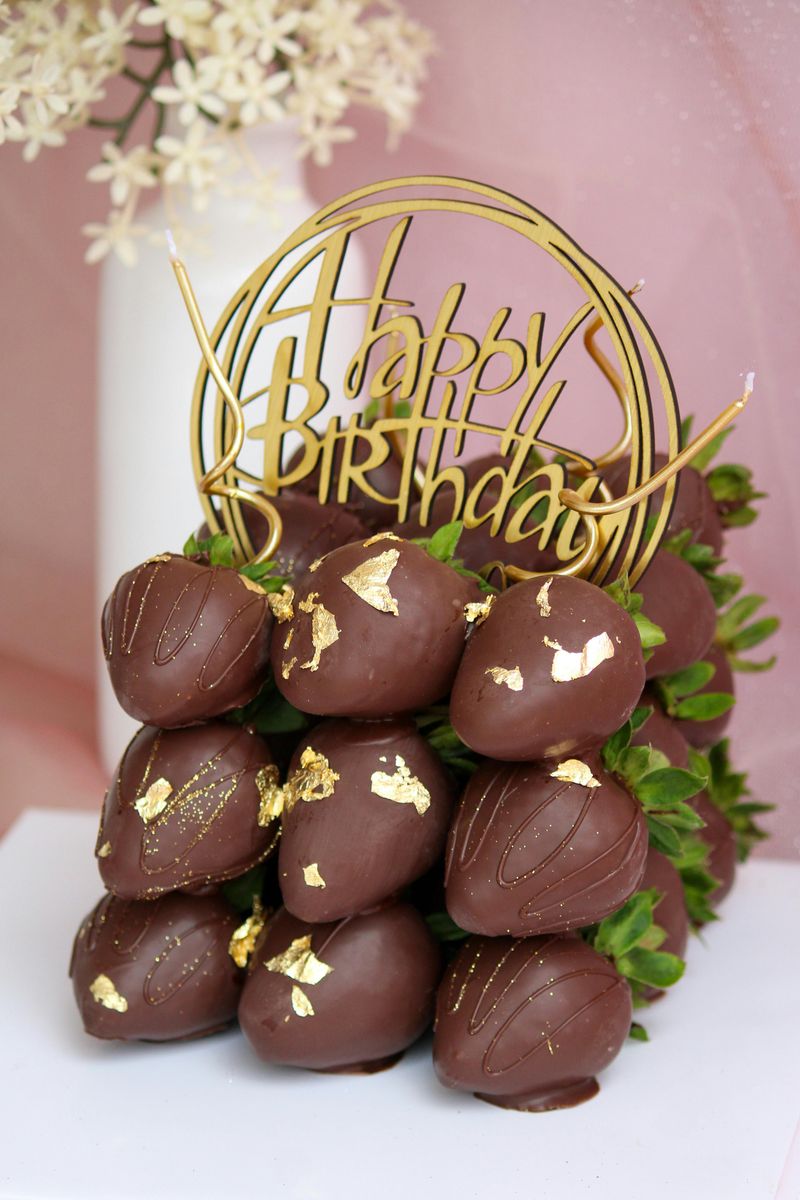
Edible gold sounds like the most extravagant thing you could ever put in your mouth.
Restaurants charge eye-watering prices for desserts dusted or wrapped in shimmering gold leaf, and social media absolutely loves the visual.
But here’s the catch — gold is completely tasteless and odorless.
You’re literally paying extra to eat something that contributes zero flavor to your dessert.
It won’t make your chocolate richer or your cake sweeter.
Gold-leaf dishes are pure theater, designed to photograph beautifully and justify inflated price tags.
If a dessert needs gold to seem special, the flavor probably isn’t doing enough heavy lifting on its own.
4. Macarons
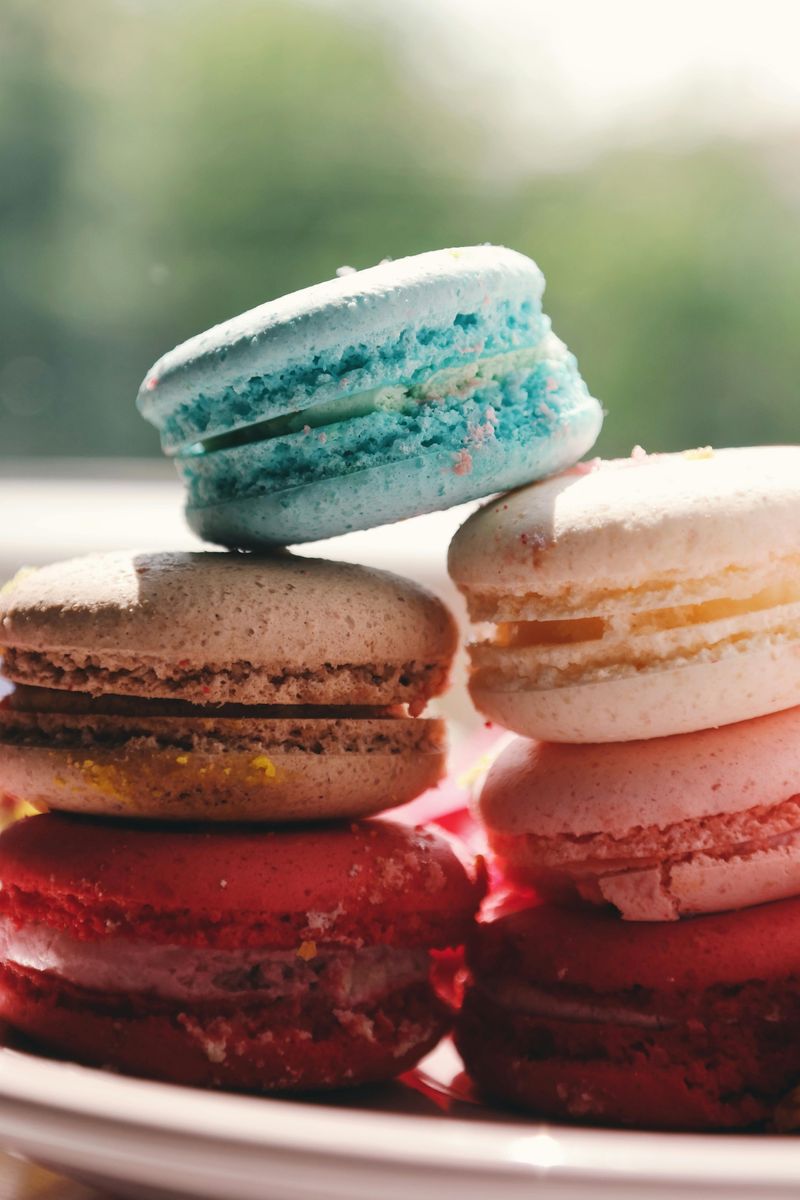
French macarons are undeniably gorgeous.
Those smooth, jewel-toned sandwich cookies fill bakery windows and Instagram feeds with equal enthusiasm.
But beneath that picture-perfect shell often lies a one-note sweetness that overwhelms any subtle flavor they’re supposed to carry.
Almond, lavender, rose — the fillings sound poetic, but they frequently get lost under a wall of sugar.
The texture is also notoriously temperamental; too dry and they crumble, too moist and they stick uncomfortably.
Many people find one or two macarons satisfying enough, not because they’re deeply flavorful, but because the sweetness becomes cloying fast.
They’re more of an experience than a truly delicious treat.
5. Kale Chips
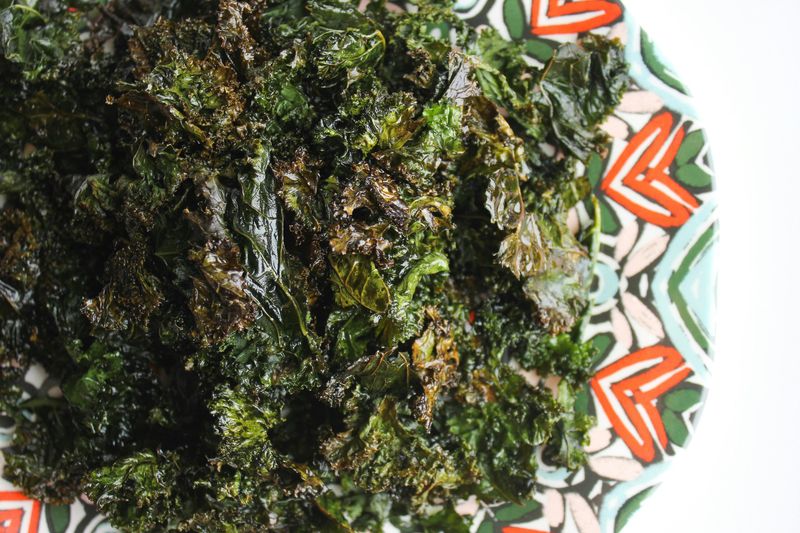
Kale chips were supposed to be the snack that made healthy eating exciting.
Marketers promised a crunchy, satisfying alternative to potato chips — and for a brief moment, everyone believed them.
But reality has a way of showing up, and kale chips arrived at the party tasting like seasoned cardboard.
They shatter into dusty, bitter flakes the moment you bite down, leaving behind little more than a vaguely vegetable-y aftertaste.
The crunch disappears almost instantly.
To be fair, kale itself is nutritious and great in salads or smoothies, but as a chip substitute, it simply doesn’t deliver the satisfying snack experience the packaging so boldly promises.
6. Plain Avocado Toast
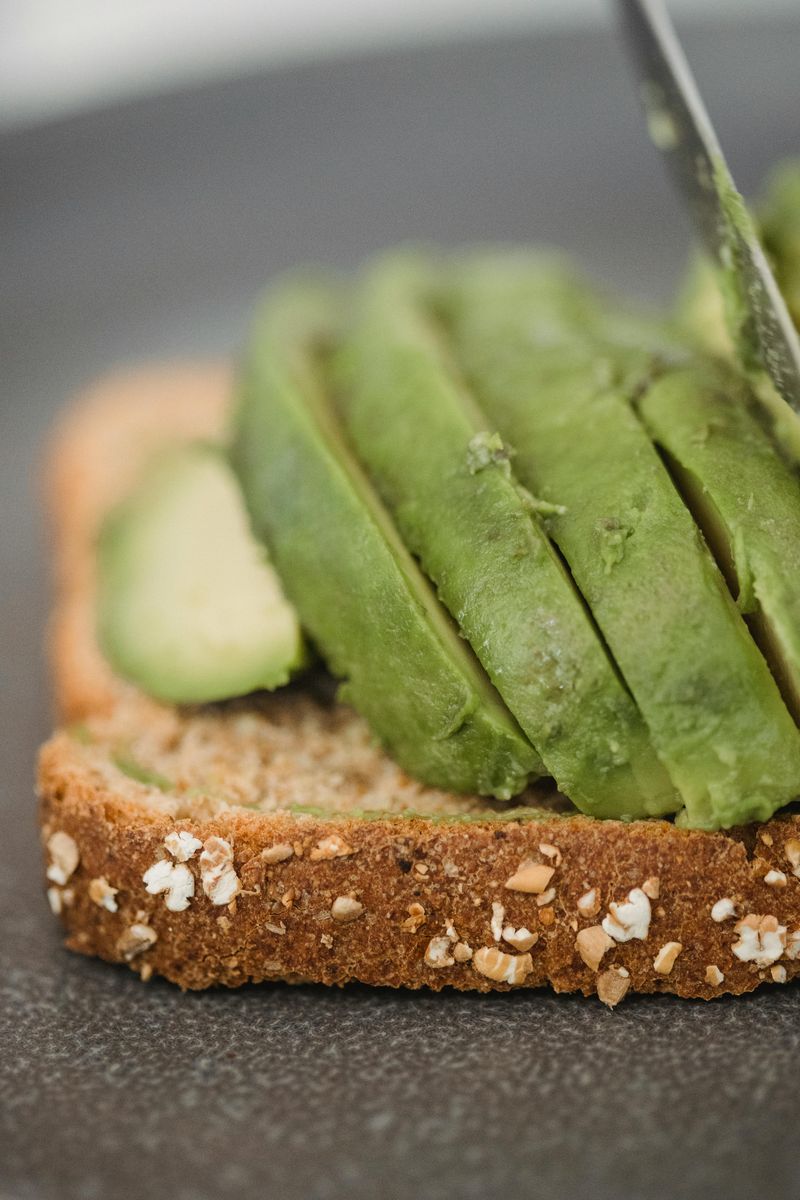
Avocado toast became a cultural phenomenon almost overnight, appearing on cafe menus everywhere at prices that made people do a double take.
In its most basic form — mashed avocado spread on bread — the flavor is mild, buttery, and honestly a little bland without serious seasoning help.
The avocado itself is creamy and pleasant, but it doesn’t exactly sing with bold, exciting taste.
Most versions need lemon, chili flakes, eggs, or a mountain of toppings before they become genuinely satisfying.
The hype was real, but the plain version often tastes like something you’d make at home in two minutes for a fraction of the cafe price.
7. Lobster Without Butter
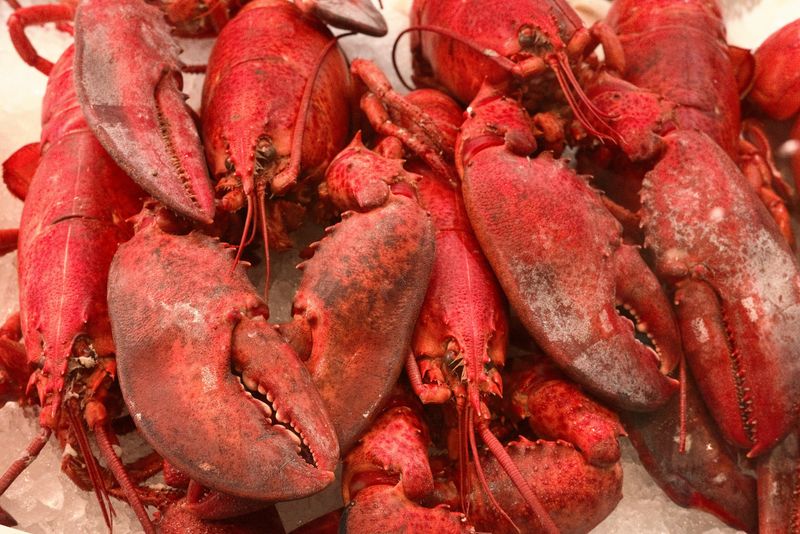
Lobster holds a permanent spot on the “fancy dinner” pedestal, and for good reason — it’s visually dramatic and carries serious prestige.
But strip away the drawn butter, the garlic, the lemon, and the seasoning, and what you’re left with is a mildly sweet, slightly lean protein that many people find surprisingly underwhelming.
The texture is pleasant, but the flavor alone doesn’t justify the high price tag.
Much of what people love about lobster is actually the butter they dip it in.
Without that richness, the experience feels a bit flat.
Lobster is wonderful with the right preparation, but on its own, it needs a lot of help to shine.
8. Deconstructed Fine-Dining Plates
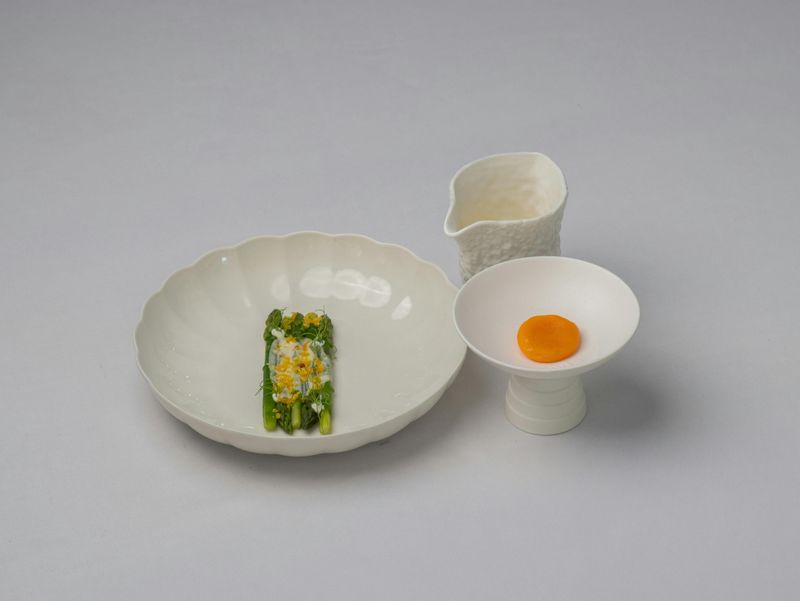
There’s a moment at upscale restaurants when a plate arrives looking more like modern art than a meal.
Deconstructed dishes — where familiar foods are broken apart and reassembled in abstract forms — are a staple of high-end gastronomy.
They look stunning and take obvious skill to plate.
But here’s where things get tricky: separating components often removes the harmony that makes a dish taste great in the first place.
A deconstructed shepherd’s pie doesn’t hit the same as a proper layered one.
You end up admiring the presentation while quietly wishing someone had just cooked it normally.
Style can be delicious, but it’s never a substitute for actual depth of flavor.
9. Matcha Desserts
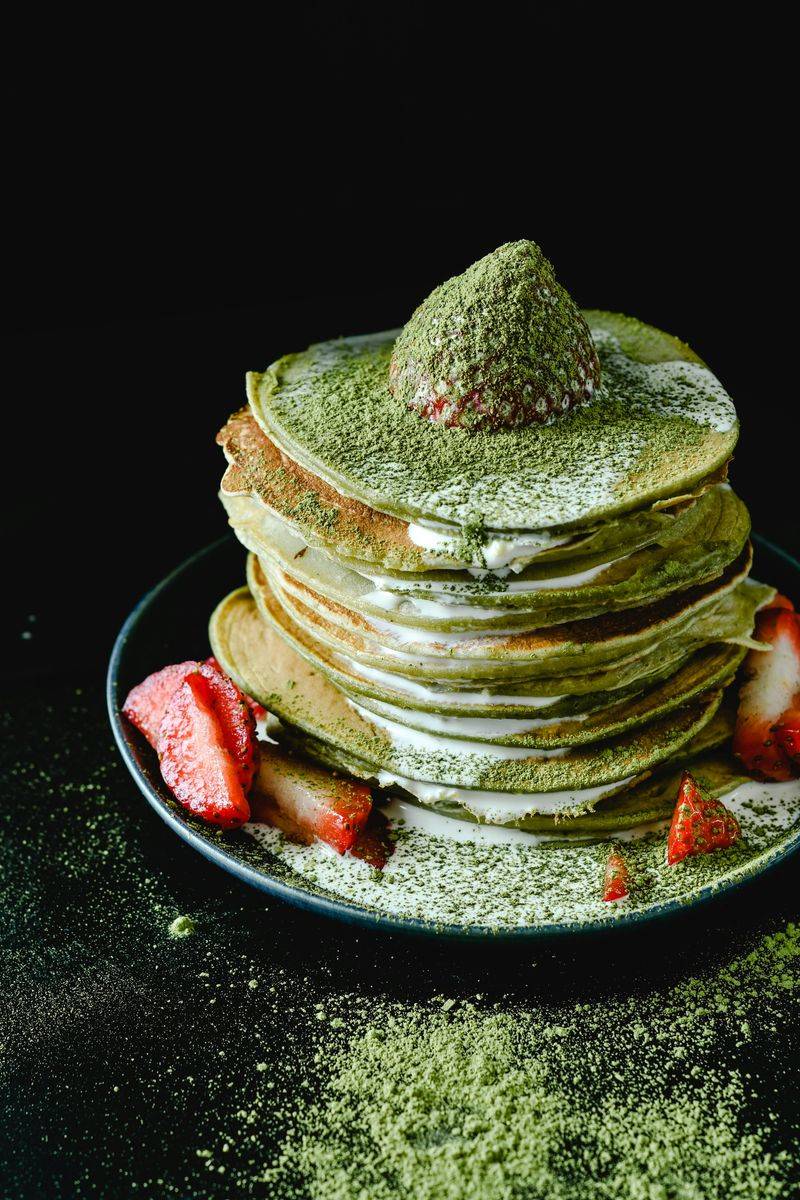
Matcha exploded onto the food scene and never really left.
Green tea lattes, matcha cakes, matcha ice cream — the vivid green color makes everything look fresh and Instagram-worthy.
But the flavor of matcha is intensely grassy, slightly bitter, and earthy in a way that genuinely divides people.
Many who order matcha desserts expecting something sweet and exciting are surprised by that sharp, almost vegetal edge.
When it’s balanced well with sweetness and cream, matcha can be lovely.
But poorly made matcha desserts just taste like sweetened lawn clippings.
The color does most of the heavy lifting, and a lot of fans are actually more in love with the aesthetic than the actual taste.
10. Cupcakes with Excess Frosting
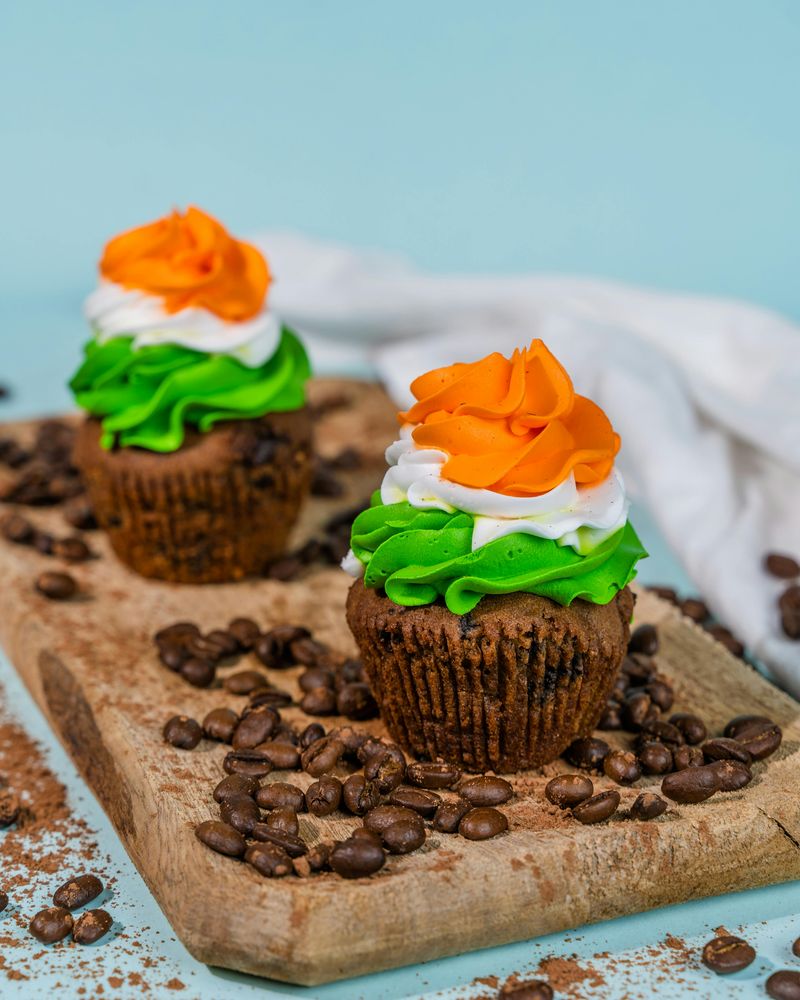
Walk past any trendy bakery and you’ll see cupcakes piled high with towering swirls of frosting that look almost too beautiful to eat.
And that’s sort of the problem — they are almost too much to eat.
Once you get past that mountain of buttercream, the cake underneath is often dry, dense, and forgettable.
The frosting-to-cake ratio gets so extreme that your taste buds go numb from sweetness before you reach the actual base.
A good cupcake should have balance — moist cake and just enough frosting to complement it.
When frosting becomes the entire point, you’re essentially just eating sweetened butter with a little cake chaser at the bottom.
11. Acai Bowls
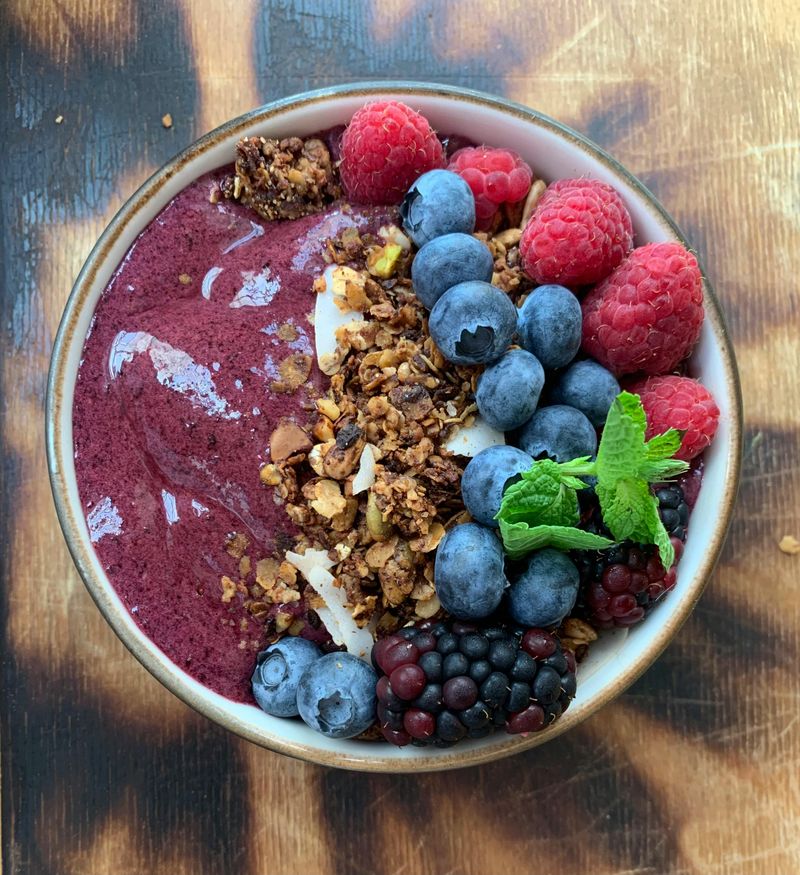
Acai bowls look like edible art — vibrant purple bases crowned with carefully arranged fruit, granola, and coconut flakes.
They photograph beautifully and feel incredibly wholesome.
But beneath all those toppings, the acai itself has a surprisingly subtle, slightly tart flavor that’s closer to unsweetened blueberry than anything intensely exciting.
Most of the taste you enjoy actually comes from the banana blended in, the honey drizzled on top, or the crunchy granola.
Without the toppings, plain acai tastes rather mild and earthy.
There’s nothing wrong with acai bowls — they’re genuinely nutritious — but the flavor experience is largely constructed by everything surrounding the acai, not the star ingredient itself.
12. Bone Broth
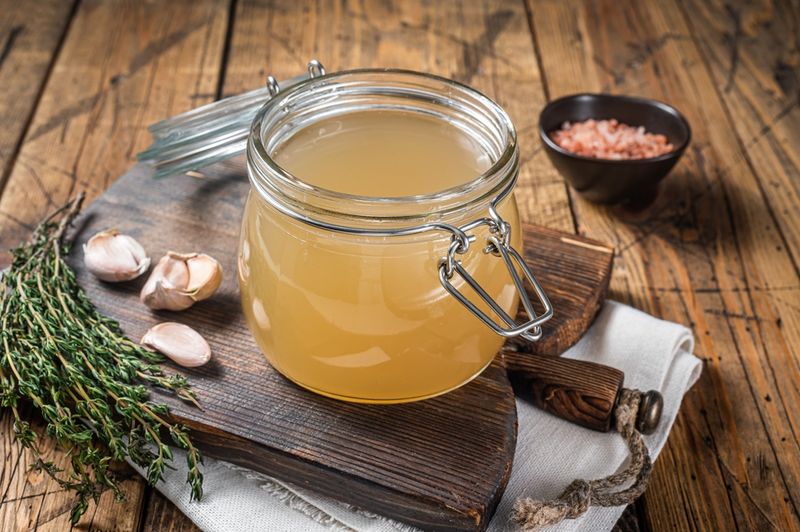
Bone broth became a wellness superstar, sold in fancy jars and marketed as a near-magical health elixir.
Celebrities sipped it, wellness blogs swore by it, and suddenly everyone was paying premium prices for what is essentially a slow-cooked, rich stock.
And that’s not a knock — good bone broth is genuinely nourishing.
But the flavor?
It’s savory, warm, and comforting, sure — but it tastes a lot like the broth your grandma made from Sunday’s leftover roast chicken.
The nutritional benefits are real, but the taste itself is nothing revolutionary.
Paying $10 for a small cup of bone broth when homemade stock does nearly the same job is where the hype gets a little hard to swallow.
13. Gastronomy Foams
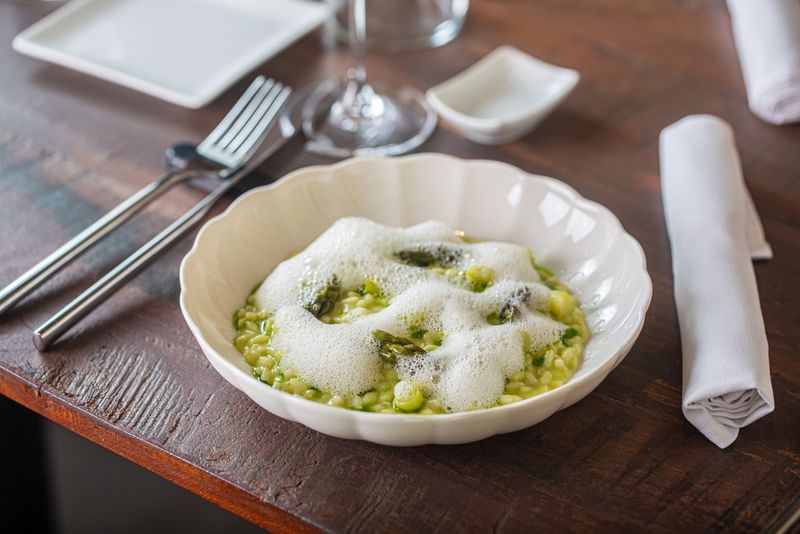
Molecular gastronomy brought us some genuinely mind-bending food experiences, but few of its creations have sparked more debate than culinary foams.
These airy, delicate bubbles appear on everything from soups to proteins in high-end restaurants, looking futuristic and theatrical.
Chefs love them for the visual drama they create.
The problem is that foam is mostly air.
Whatever flavor it’s supposed to carry gets so diluted by the bubbles that you barely taste it before it dissolves into nothing.
You end up with a fleeting whisper of flavor rather than a satisfying bite.
Foams look spectacular in food photography, but on the actual plate, they’re the definition of all show and very little substance.
14. Poorly Prepared Dry-Aged Steak
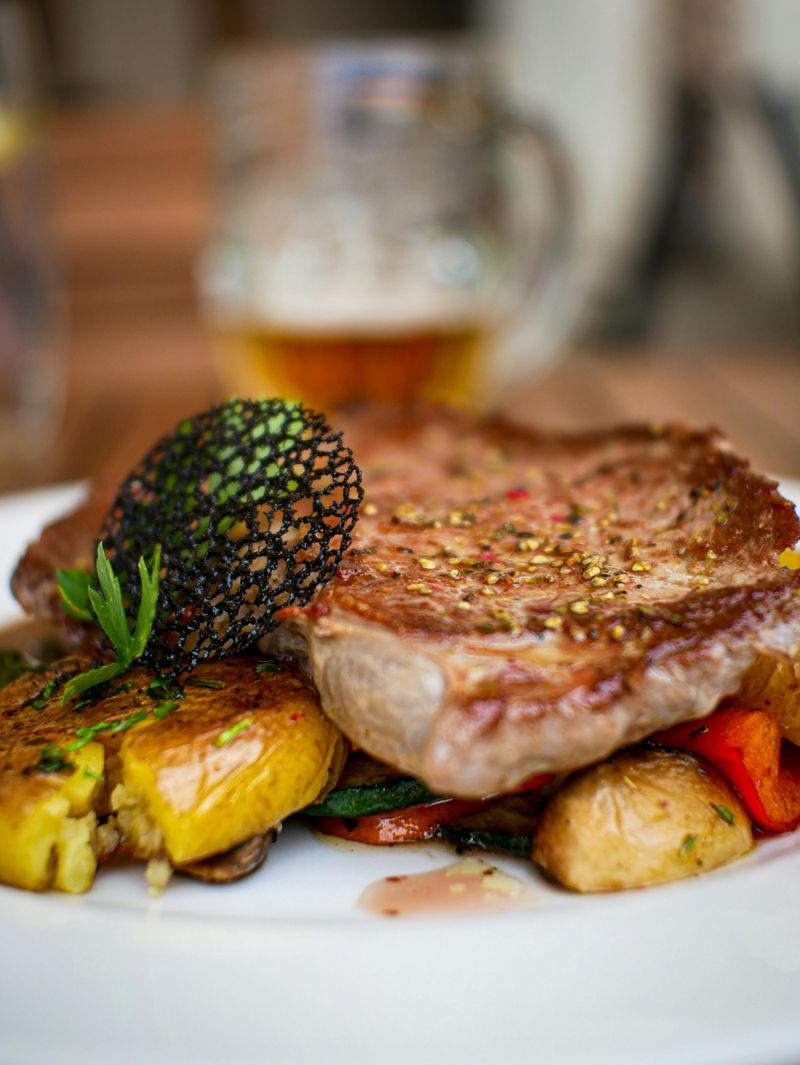
Dry-aged steak has an almost mythical reputation among meat lovers.
The aging process concentrates flavor, develops a complex nutty character, and produces a deeply savory crust when cooked well.
In the right hands, it truly is remarkable.
But “in the right hands” is doing a lot of work in that sentence.
When dry-aged beef is prepared poorly — overcooked, under-rested, or aged too aggressively — the result is an intensely funky, almost cheesy flavor that many diners find off-putting rather than impressive.
Not everyone’s palate is ready for that level of fermented-meat intensity.
Pay premium prices for a steak that tastes like a gym locker, and the hype starts to feel a bit cruel.
15. Activated Charcoal Ice Cream
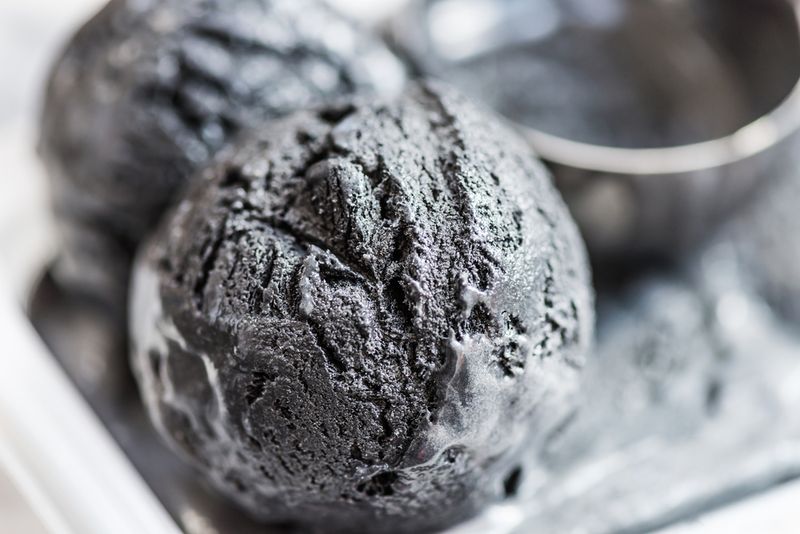
Few food trends have been as visually striking as activated charcoal ice cream.
That inky, jet-black color looks dramatic and edgy in photos, and for a while, charcoal-tinted everything was everywhere — ice cream, lemonade, burger buns, you name it.
The color alone was enough to make people line up around the block.
But once you actually taste it?
Activated charcoal has virtually no flavor of its own.
The ice cream tastes like whatever base was used — vanilla, coconut, or cream — with zero contribution from the charcoal itself.
You’re essentially paying extra for a color filter on your dessert.
It’s the food equivalent of wearing a costume: striking to look at, but nothing underneath changes who you are.