 MomSkoop
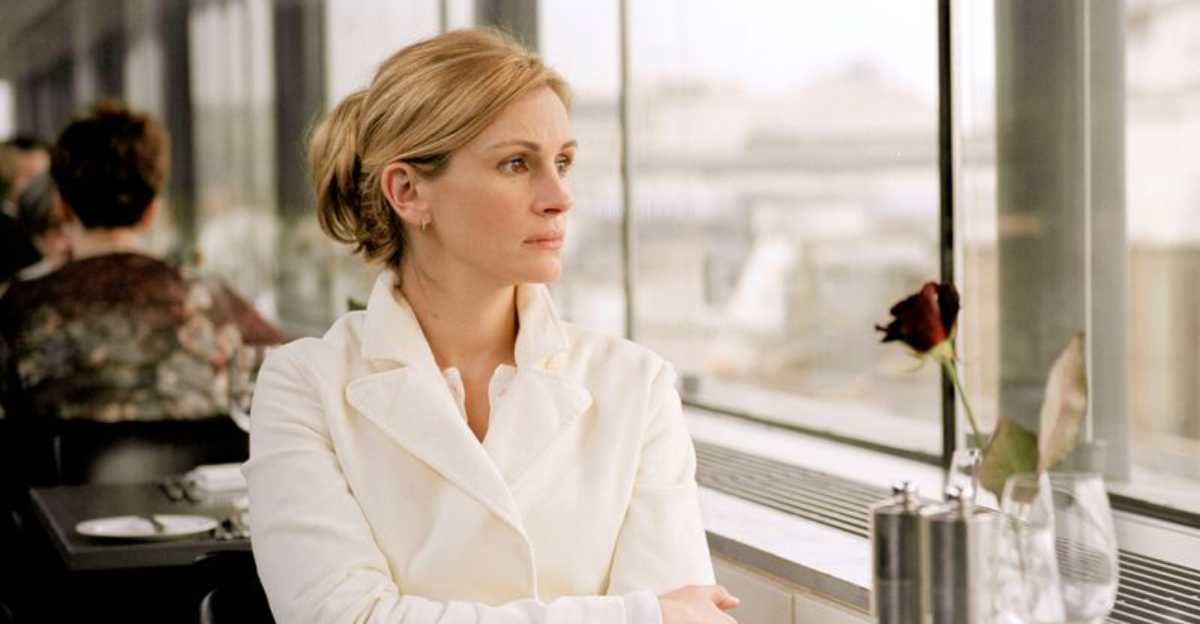
Some of the most beloved romantic movies ever made actually show relationships that would be pretty alarming in real life. From controlling behavior to dishonesty and emotional manipulation, Hollywood has long packaged toxic dynamics as passionate love stories.
Learning to spot these patterns matters because it helps us understand what healthy love actually looks like. Here are 15 popular romantic films that are worth a second, more critical look.
1. The Notebook (2004)
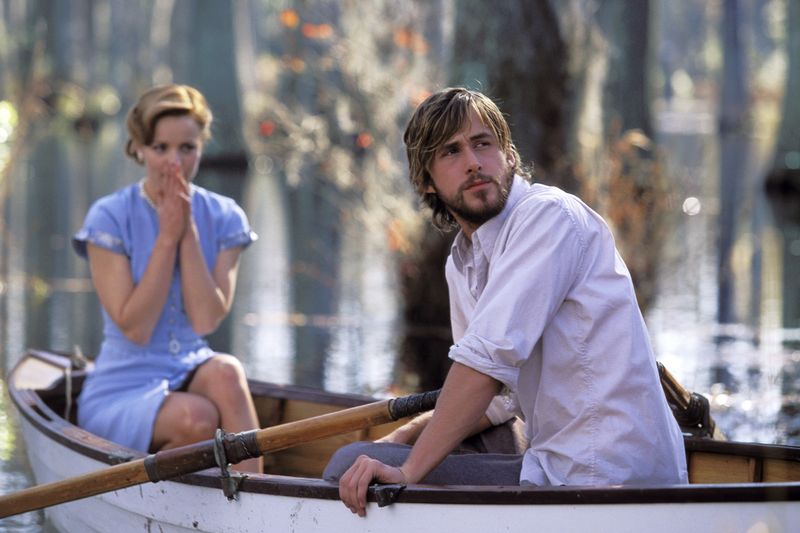
Few films get quoted at weddings as often as The Notebook, but beneath the sweeping romance lies a relationship full of red flags.
Noah famously dangles from a Ferris wheel to pressure Allie into a date, which is more alarming than charming when you think about it.
Throughout the film, the couple’s love is marked by explosive arguments, jealousy, and a pattern of breaking up and getting back together in dramatic cycles.
Allie’s boundaries are repeatedly pushed past the point of comfort.
Real passion is wonderful, but persistence that ignores someone’s “no” is not romantic.
Recognizing the difference between intensity and genuine respect is an important skill this movie quietly challenges viewers to develop.
2. Twilight (2008)

Edward Cullen watches Bella sleep without her knowledge, follows her around town, and sabotages her car to stop her from seeing friends.
Somehow, millions of fans found this deeply romantic when the film released in 2008.
Bella’s entire identity becomes wrapped up in Edward, and she grows increasingly dependent on him emotionally.
The power imbalance between a century-old vampire and a teenage girl adds another uncomfortable layer to the story.
Twilight sparked real cultural conversations about what young audiences are taught to expect from love.
Possessiveness dressed up as protection is still control, and the film offers a valuable opportunity to talk about where admiration ends and surveillance begins.
3. Fifty Shades of Grey (2015)

Christian Grey is wealthy, handsome, and deeply controlling, and the film frames all three qualities as equally attractive.
Anastasia Steele is new to the adult world when she meets Christian, and the gap between their experience and power is enormous from the very start.
He monitors her phone, shows up uninvited, and uses emotional pressure to push past her stated limits.
The film has sparked ongoing debate about whether it romanticizes manipulation and whether consent is handled responsibly within the story.
Healthy relationships, even adventurous ones, are built on mutual respect and clear communication.
Fifty Shades of Grey is most useful as a conversation starter about what boundaries actually mean and why they matter in any relationship.
4. After (2019)
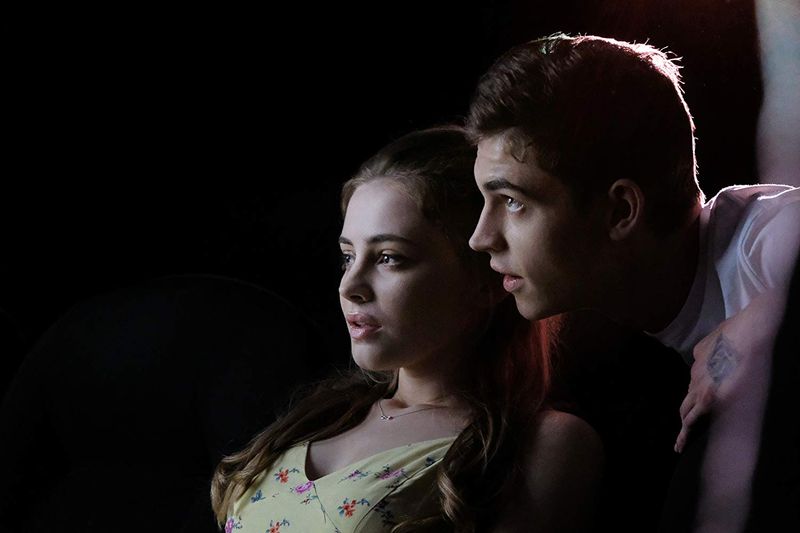
Based on a popular fan fiction story, After follows Tessa as she falls for Hardin, a moody and unpredictable bad boy at her college.
Their romance quickly becomes a cycle of dishonesty, jealousy, and emotional volatility that repeats itself throughout the film.
Hardin lies to Tessa early in their relationship in a way that causes serious emotional damage, yet the story still frames their reunion as inevitable and romantic.
Breakups followed by passionate reconciliations can feel exciting on screen, but in real life that pattern is often exhausting and harmful.
After resonates with many young viewers, which makes it worth discussing honestly.
Turbulence is not the same thing as chemistry, even when it looks that way in the movies.
5. 365 Days (2020)

365 Days is probably the most straightforwardly controversial film on this list.
The central plot involves a Sicilian crime boss who kidnaps a woman and gives her 365 days to fall in love with him.
The film presents this as a steamy and desirable fantasy.
Kidnapping is a crime, and the fact that the story frames coercion as romance drew widespread criticism from viewers and critics alike.
The film became a massive Netflix hit despite, or perhaps because of, its extreme premise.
It is a striking example of how popular media can normalize dangerous behavior by packaging it with luxury settings and attractive actors.
Watching it with a critical eye reveals just how far removed the fantasy is from anything resembling a healthy relationship.
6. Passengers (2016)

Passengers starts with a genuinely chilling premise that the film never fully confronts.
Jim wakes up 90 years too early on a deep space voyage and, after spending a year alone on the ship, makes the decision to wake up Aurora without telling her the truth.
He essentially sentences her to live out her entire life on the ship without her knowledge or agreement.
The film eventually frames their relationship as a love story, but Aurora’s devastating reaction when she learns the truth briefly shows how serious Jim’s choice actually was.
Choosing someone’s fate for them, no matter how lonely you feel, is a fundamental violation of their freedom.
Passengers raises fascinating ethical questions that its romantic ending somewhat glosses over.
7. Grease (1978)
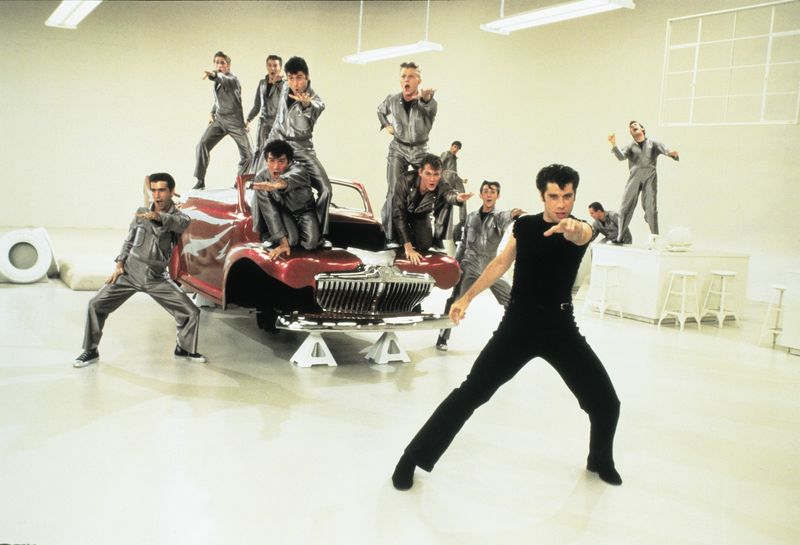
Grease is one of the most beloved movie musicals ever made, full of catchy songs and colorful energy.
But the ending sends a message that has bothered thoughtful viewers for decades.
Sandy completely transforms her appearance and personality to win Danny’s approval, trading her wholesome image for skin-tight clothes and a new attitude.
Danny does make a small gesture by joining a sports team, but the scale of each person’s change is wildly unbalanced.
The pressure to alter yourself entirely for someone else’s acceptance is something many young people relate to, and rarely in a positive way.
Grease is still a fun watch, but Sandy’s final transformation is worth pausing on and asking who the change was really for.
8. Beauty and the Beast (1991)
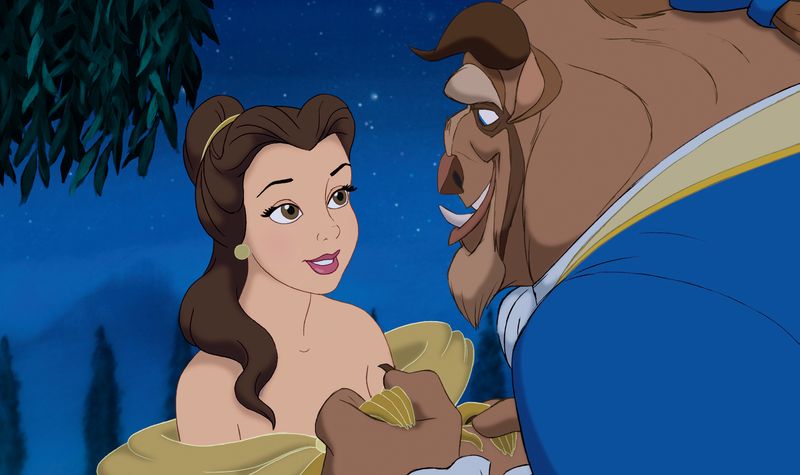
Beauty and the Beast is a cherished Disney classic, and the love story between Belle and the Beast genuinely does develop in touching ways as the film progresses.
Still, the foundation of that relationship is captivity.
Belle is held in the Beast’s castle against her will in exchange for her father’s freedom.
The story has roots in old fairy tale traditions, but modern viewers increasingly notice that Belle falls in love with someone who initially frightened and imprisoned her.
Psychologists sometimes refer to this kind of dynamic as a Stockholm syndrome scenario.
The film has real warmth and beauty, and the characters grow meaningfully.
Even so, it offers a useful starting point for conversations about how relationships begin and what freedom in love should look like.
9. How to Lose a Guy in 10 Days (2003)
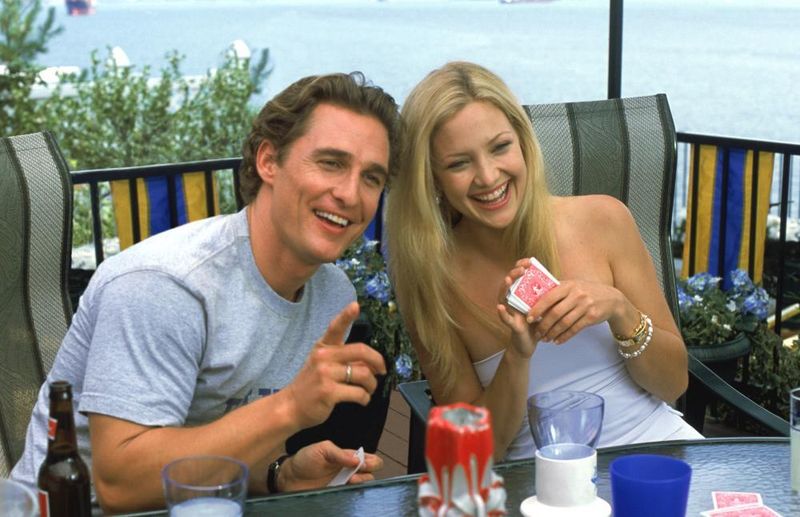
How to Lose a Guy in 10 Days is a genuinely funny romantic comedy, but its central premise is built entirely on mutual manipulation.
Andie is a magazine writer trying to drive a guy away for an article, while Ben has secretly bet his coworkers that he can make any woman fall in love with him.
Neither of them is being honest, and both are using the other person as a means to a professional end.
The film plays this for laughs, and it works, but it also means the couple’s eventual romance is built on a foundation of calculated deception.
When the truth comes out, the movie asks viewers to root for them anyway.
Real relationships need honesty from the start, not just after the schemes are exposed.
10. The Kissing Booth (2018)
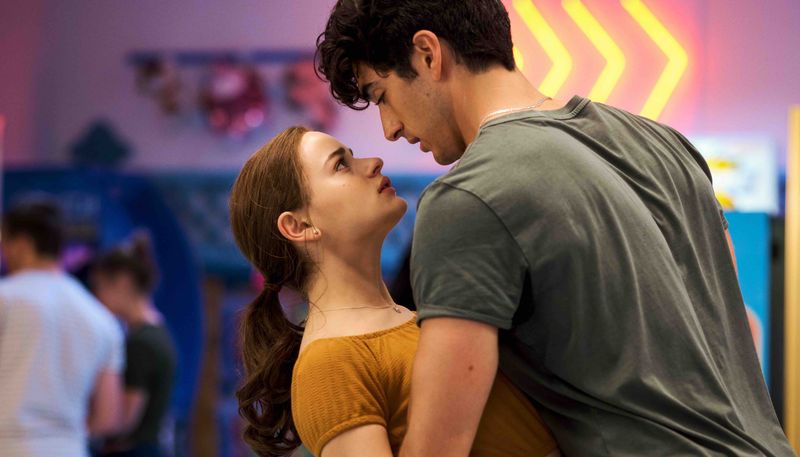
The Kissing Booth became a massive Netflix hit almost immediately after its release, connecting with millions of young viewers who related to Elle’s coming-of-age story.
But Noah, her love interest, displays some seriously controlling behavior throughout the film.
He intimidates boys who show interest in Elle, gets jealous over her friendships, and expects her to keep their relationship secret on his terms.
Elle’s independence and social life become restricted as the story progresses, and the film frames Noah’s possessiveness mostly as evidence of how much he cares.
For younger viewers especially, it is worth pointing out that jealousy is not the same as love.
Caring about someone means supporting their friendships and freedom, not managing them.
11. A Star Is Born (2018)

A Star Is Born is a genuinely moving film with two incredible central performances, and the love between Jackson and Ally feels real and tender in many scenes.
Jackson’s alcoholism and addiction, however, create a relationship environment filled with unpredictability, emotional pain, and growing instability.
Ally pours enormous energy into supporting Jackson while quietly watching her own career and wellbeing suffer.
His jealousy over her rising fame adds tension to an already fragile marriage.
The film handles addiction with more honesty than many Hollywood productions do, which makes it both difficult and valuable to watch.
Loving someone through addiction is genuinely complicated, and A Star Is Born captures that complexity without pretending there are easy answers or simple solutions.
12. Blue Valentine (2010)

Blue Valentine is one of the most honest and uncomfortable films ever made about how relationships fall apart.
Told across two timelines, the movie shows Dean and Cindy at the beginning of their love story and in the painful wreckage of their failing marriage years later.
Resentment has quietly replaced affection, and neither person seems capable of communicating without causing more damage.
Dean drinks heavily and struggles to accept how much things have changed.
Cindy feels trapped and emotionally cut off.
The film does not offer any villains or easy explanations, which makes it feel painfully real.
Blue Valentine is a reminder that neglect, emotional withdrawal, and unresolved tension can erode even the most promising relationships over time.
13. Revolutionary Road (2008)
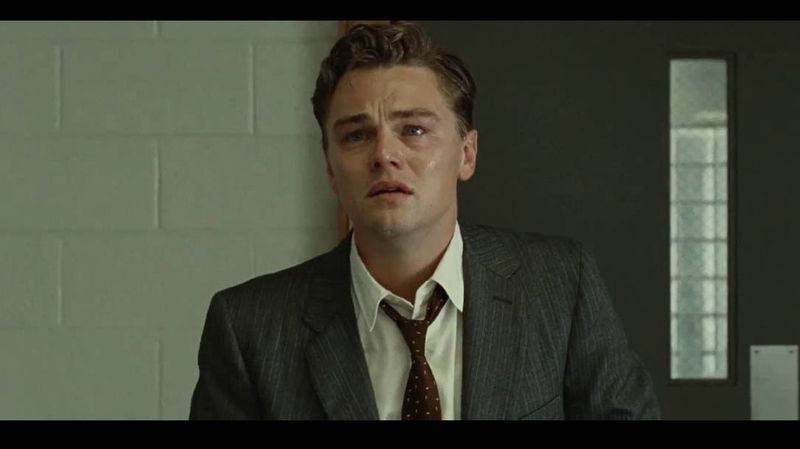
Revolutionary Road reunited Titanic stars Leonardo DiCaprio and Kate Winslet, but this time their love story offered no romantic rescue.
Frank and April Wheeler are a suburban couple in the 1950s whose shared dreams of a different life slowly curdle into resentment, cruelty, and despair.
Their arguments are genuinely brutal, full of words designed to wound rather than communicate.
Infidelity, shattered ambitions, and emotional isolation define their marriage as much as any affection does.
The film is a devastating portrait of what happens when two people stop seeing each other clearly and start treating each other as obstacles.
Revolutionary Road is not an easy watch, but it is a deeply important one for anyone thinking seriously about what long-term commitment actually requires from both people.
14. Closer (2004)
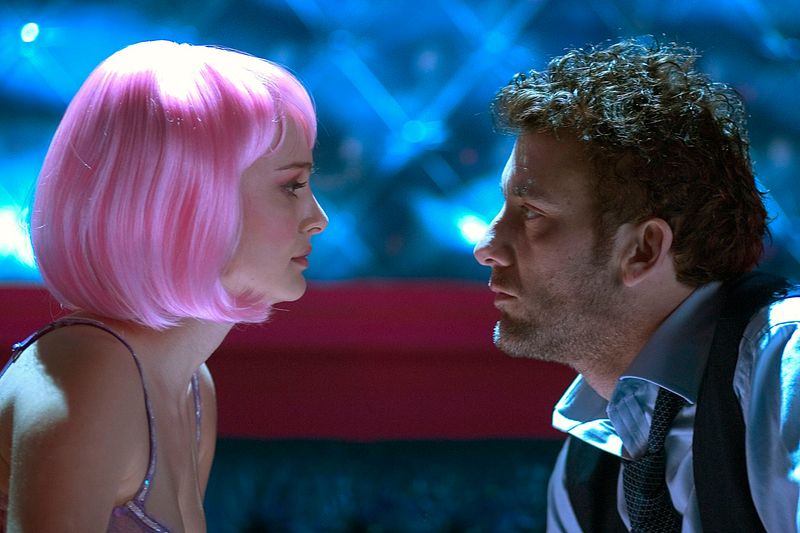
Closer is a film that seems allergic to kindness.
Its four central characters, played by Julia Roberts, Jude Law, Natalie Portman, and Clive Owen, cycle through relationships defined almost entirely by deception, jealousy, and deliberate cruelty.
Nobody in this film is particularly good at loving anyone.
Cheating, manipulation, and emotional warfare are the primary currencies of every relationship shown on screen.
What makes Closer so fascinating is how articulate its characters are about their own destructiveness.
They know exactly what they are doing and keep doing it anyway.
The film is cold, sharp, and brilliantly acted.
It works as a kind of anti-romance, showing what happens when people prioritize winning over connecting.
Watching it leaves you genuinely grateful for honesty.
15. Gone with the Wind (1939)
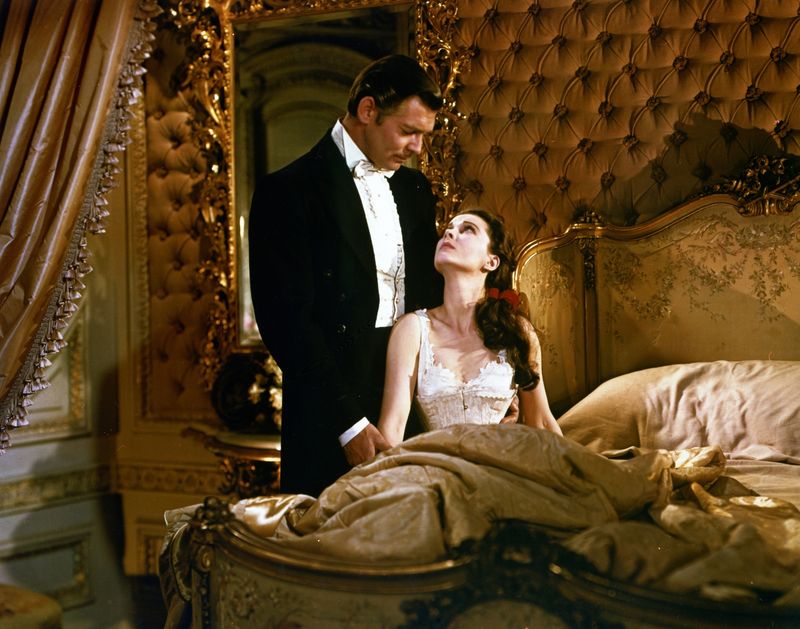
Long before modern romance films existed, Gone with the Wind was already setting a troubling template for what “passionate” love could look like.
Rhett Butler is charming and magnetic, but he is also manipulative, dismissive, and ultimately forces himself on Scarlett in a scene the film treats as romantic.
Scarlett herself is no saint in the relationship, using men for personal gain and treating affection like a bargaining chip.
The two characters bring out some of the worst in each other.
Yet audiences have romanticized their dynamic for decades, which says a lot about how normalized these patterns have become.