 MomSkoop

Dating used to feel like an adventure, but for many men today, it feels more like an obstacle course with no finish line. Something has shifted in how people connect, compete, and communicate in the modern dating world.
More men than ever are stepping back, questioning whether the effort is even worth it. Understanding why this is happening matters for everyone, not just the men walking away.
1. Most Men Feel They Are Judged Based on Their Status

Walk into any social gathering and you can almost feel it — men being sized up by their job title, car, or bank account before they even say hello.
Many men report that their personality, kindness, or humor takes a back seat to what they earn or own.
This creates a deeply exhausting cycle where men feel pressure to “achieve” before they can even pursue romance.
When a person feels valued only for their wallet, an emotional connection becomes nearly impossible to build.
No one wants to feel like a resume being reviewed.
Yet for many men, that is exactly what modern dating feels like every single time they try.
2. Men Face Far More Rejection Than Most Women Realize
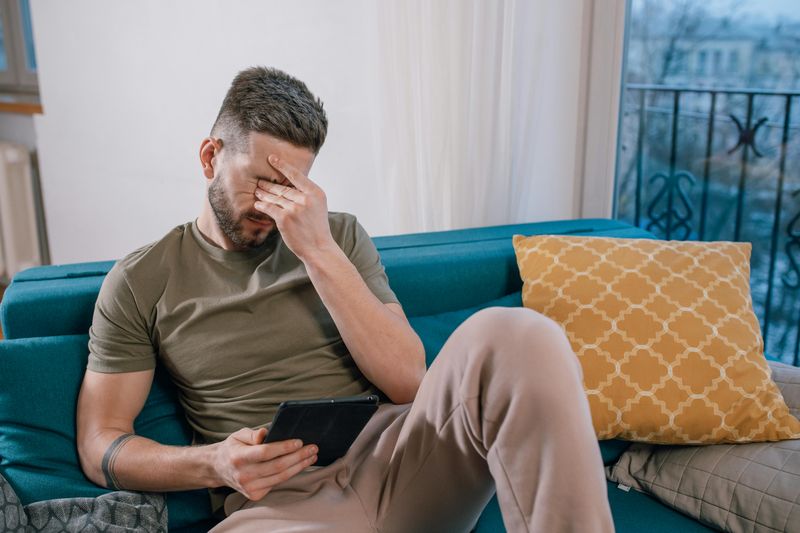
Rejection is part of dating for everyone, but the volume men often face is staggering compared to what most people imagine.
Studies on dating apps consistently show that men send the majority of messages while receiving far fewer responses.
Over time, that silence adds up.
Each unanswered message chips away at confidence in ways that are hard to explain to someone who has never experienced it.
Imagine applying for a hundred jobs and hearing back from almost none of them — that is the emotional landscape many men navigate weekly.
Repeated rejection without explanation can quietly erode a person’s belief that they are worth pursuing at all.
3. Dating Apps Reward Superficial Choices
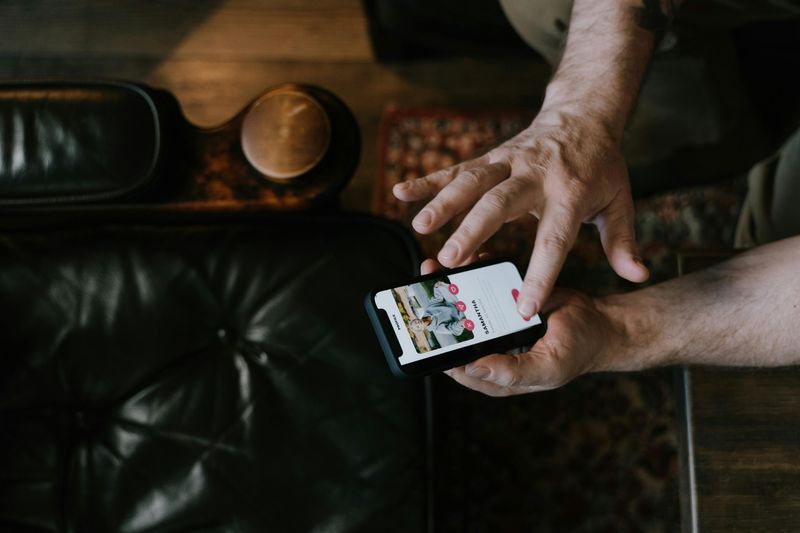
Swipe left.
Swipe right.
The entire system is built around split-second visual judgments, and that changes how people think about attraction.
Dating apps were designed to be fast and fun, but the side effect is a culture where depth rarely gets a chance to shine.
A witty bio, a genuine smile, or a thoughtful conversation starter barely matters if the photo does not pass the two-second test.
Research suggests that a small percentage of men receive the overwhelming majority of matches, leaving most guys feeling invisible before a word is even exchanged.
When personality cannot compete with a filtered selfie, meaningful connection becomes increasingly rare and harder to believe in.
4. Dating Has Become Brutally Competitive for Average Men

Not every man is tall, wealthy, or conventionally handsome — and in modern dating, that reality hits harder than ever before.
Digital platforms have created a marketplace where a small group of highly attractive or successful men dominate attention, leaving the majority competing for what remains.
Average men are not asking for special treatment.
They are simply asking for a fair shot, which increasingly feels out of reach.
When the bar keeps rising and the playing field keeps shrinking, frustration is a natural response.
Many men who are kind, loyal, and genuinely ready for a relationship find themselves consistently overlooked, not because they lack value, but because the system rarely rewards it.
5. Emotional Risk Is Increasingly Asymmetric
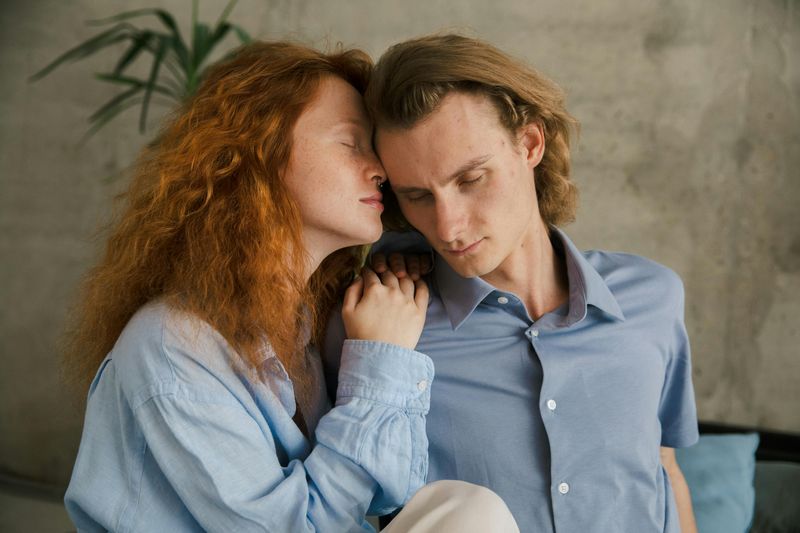
Opening up emotionally takes courage, and for many men, that courage is rarely met with equal vulnerability in return.
Cultural norms still push men to pursue, plan, and invest emotionally first — all before knowing whether the other person is equally committed.
That imbalance leaves men absorbing most of the early emotional risk in a relationship, often without acknowledgment or reciprocation.
When a man shares his feelings and gets silence or dismissal in return, the lesson he learns is to stop sharing.
Over time, this pattern teaches men that emotional openness is a liability, not a strength.
That is a deeply damaging message that affects not just dating, but mental health and long-term wellbeing.
6. Many Men Feel Invisible
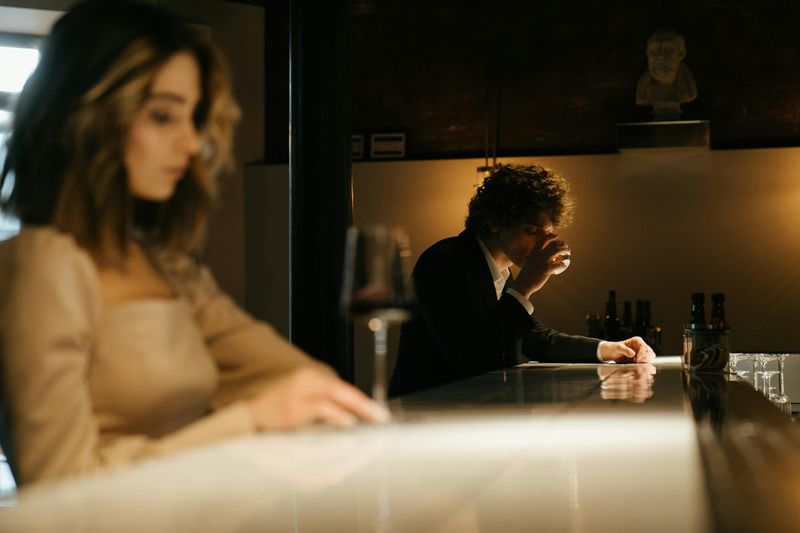
There is a particular kind of loneliness that comes not from being alone, but from being present and still unseen.
Many men describe this exact feeling in modern dating — putting in effort, showing up, and still walking away as if they were never there.
Social media and dating culture tend to amplify certain voices and looks while quietly filtering out everyone else.
For men who do not fit the trending mold, that invisibility can feel permanent.
Over time, feeling unseen stops being frustrating and starts being accepted as a personal truth.
That shift is dangerous, because once a man believes he is invisible, he stops trying — and that is a loss for everyone involved.
7. The Cost of Failure Feels Higher for Men
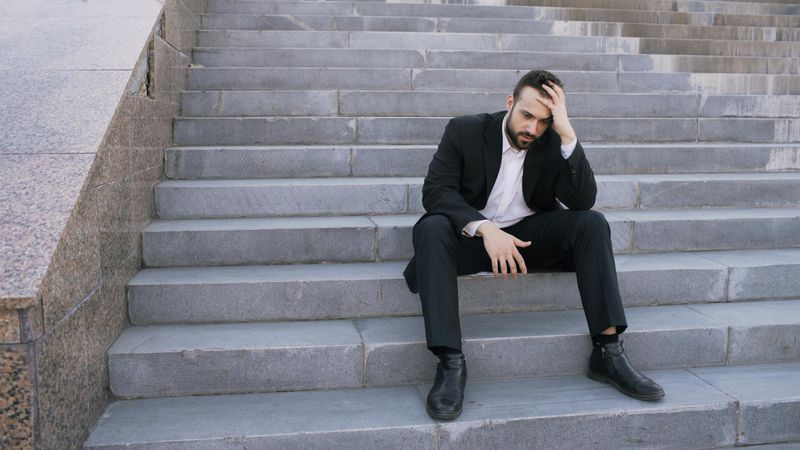
Dating has always carried risk, but the stakes feel uniquely steep for men in today’s culture.
From financial expectations around dates to the social stigma of being single past a certain age, men often feel that failure in dating carries a heavier penalty.
A woman who is single at 35 is increasingly celebrated for her independence.
A man in the same situation is often quietly pitied or questioned.
That double standard creates enormous pressure that quietly discourages men from even trying.
Add in the very real financial cost of dating — dinners, activities, apps — and the risk-to-reward ratio starts to feel deeply unfair to many men who are already stretched thin emotionally and financially.
8. Independence Has Changed Relationship Dynamics

Women’s growing independence is genuinely one of the most positive social shifts of the past century, and most men celebrate it.
But independence has also quietly rewritten the unspoken rules of relationships in ways that many men are still trying to understand.
When both partners are fully self-sufficient, the traditional reasons for partnership — shared resources, stability, companionship — must be renegotiated from scratch.
Some men feel unsure of what role they are expected to play in a relationship where they are neither needed as a provider nor as a protector.
That uncertainty is not resentment — it is confusion.
And confusion, when left unaddressed, often turns into withdrawal rather than conversation.
9. Some Women Underestimate How Discouraged Men Feel

Empathy is a two-way street, but conversations about dating struggles often center on women’s experiences while men’s pain gets dismissed or minimized.
When a man expresses frustration about dating, he is frequently told to “just try harder” or accused of complaining rather than being heard with genuine curiosity.
That dismissal does not make the problem disappear — it makes men less likely to talk about it.
Loneliness and discouragement that go unspoken do not heal; they harden.
Understanding that men can feel genuinely hurt, lost, and exhausted by modern dating is not about assigning blame.
It is about creating space for honest dialogue that benefits everyone trying to build something real and lasting together.
10. The Most Successful Men Have the Most Options
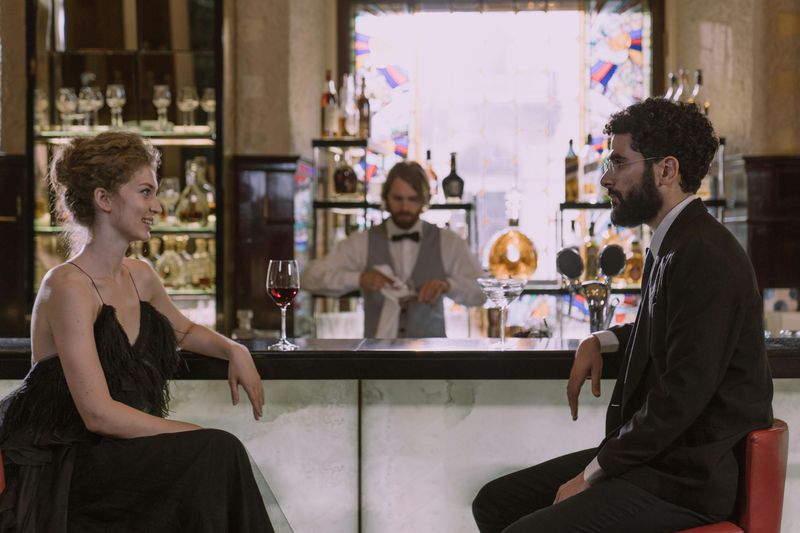
Here is a pattern that shows up clearly in dating app data: a small group of men at the top receive a wildly disproportionate share of attention and matches.
This creates a lopsided ecosystem where average men compete intensely for limited attention while a handful of guys cycle through unlimited options.
For the men at the bottom of that pyramid, the math is deeply demoralizing.
Why invest time and emotional energy into a game that appears rigged from the start?
The result is that many perfectly decent men quietly exit the competition — not out of laziness, but out of a rational response to a system that consistently signals their efforts will go unrewarded no matter how hard they try.
11. Standards Have Risen Faster Than Reality

Social media has done something sneaky to dating expectations — it has made the highlight reel feel like the baseline.
When every influencer appears to be dating someone who is rich, fit, funny, emotionally intelligent, and adventurous all at once, ordinary people start to feel like they fall short.
Men feel this pressure acutely.
The “ideal” male partner in popular culture keeps evolving into someone who barely exists in real life.
Real people have flaws, bad days, and financial stress.
But the curated fantasy of online culture rarely shows that side.
When standards are shaped by fiction rather than reality, genuine connection becomes harder to find and even harder to feel good enough to deserve.
12. Loneliness Among Men Is Rising
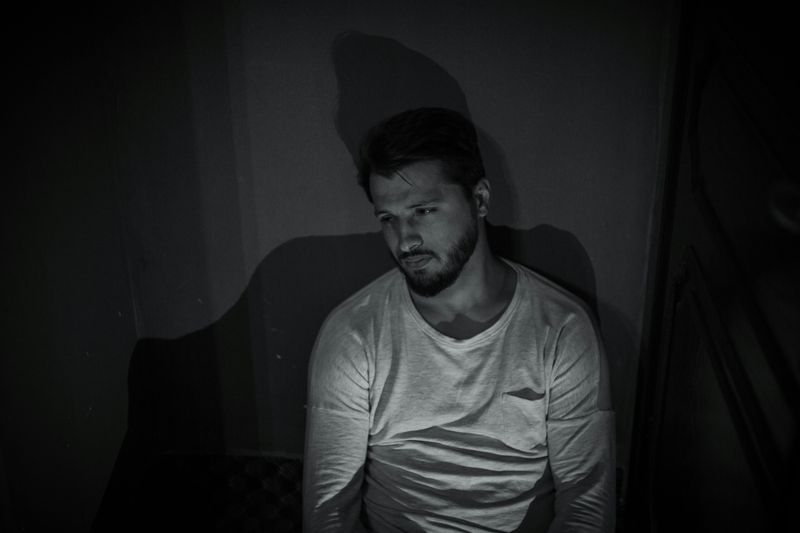
Researchers have been sounding the alarm for years: men are lonelier than ever, and the trend is accelerating.
Male friendships have declined sharply over the past few decades, and romantic relationships — once a primary source of emotional support — are becoming harder to form.
When a man has neither close friends nor a romantic partner, his emotional world can shrink to almost nothing.
That kind of isolation does not just hurt feelings — it has serious consequences for physical health, mental wellbeing, and even life expectancy.
The loneliness epidemic among men is quiet and largely invisible to those not living it.
But it is real, it is growing, and it deserves far more compassionate public attention than it currently receives.
13. Many Men Feel They Are Competing With a Fantasy
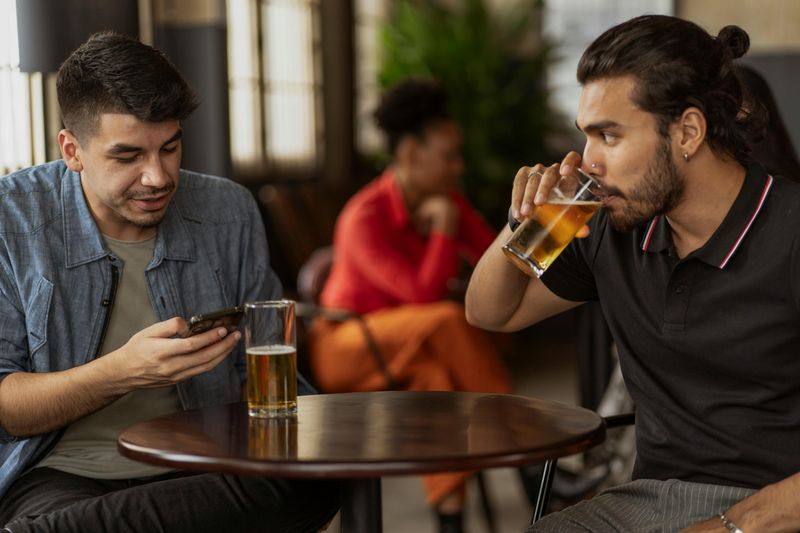
Between social media influencers, reality TV heartthrobs, and algorithmically boosted profiles, many men feel they are not just competing with other real people — they are competing with a carefully constructed illusion.
When a woman’s feed is filled with men who appear to live perfect, exciting lives, the quiet guy with a steady job and a genuine heart can feel completely outclassed.
That feeling is not irrational — it is a predictable response to a media environment designed to maximize envy and aspiration.
Real men cannot airbrush their personalities or edit out their struggles.
Competing with a fantasy is exhausting and ultimately unwinnable, which is exactly why so many men are choosing to stop playing the game altogether.
14. The Dating Crisis Is Not Just a Male Problem

It would be easy to frame this entire conversation as men versus women, but that framing misses the bigger picture entirely.
When men withdraw from dating, women lose access to genuine partners too.
When emotional walls go up on one side, both sides end up alone.
The modern dating crisis is a shared problem built on shared pressures — social media distortion, rising expectations, declining social skills, and a culture that rewards performance over authenticity.
Pointing fingers solves nothing.
What actually helps is honest conversation, mutual empathy, and a willingness to see the person across the table as a human being navigating the same confusing world.
Both men and women deserve better than what modern dating currently offers.
15. Many Men Are Choosing Peace Over Pursuit

Somewhere along the way, a growing number of men made a quiet but powerful decision: the stress of modern dating is simply not worth it anymore.
Rather than chasing connections that feel one-sided, exhausting, or impossible to sustain, they are investing that energy into hobbies, careers, friendships, and personal growth.
This is not bitterness — for many, it is a genuinely healthy response to a system that consistently delivers more pain than joy.
Choosing peace is not giving up on love.
It is refusing to sacrifice self-worth for the sake of a process that feels broken.
Whether this trend reverses depends on whether modern dating culture can evolve into something that actually makes people feel valued, seen, and genuinely worth pursuing.