 MomSkoop

The 1950s were a time when rules for women went far beyond just being polite. Society had very specific expectations for how women should dress, speak, act, and even sit.
These unwritten codes shaped nearly every part of a woman’s daily life, from morning to night. Looking back at these rules gives us a fascinating glimpse into just how different life was for women not so long ago.
1. Dress Neatly and Femininely in Public
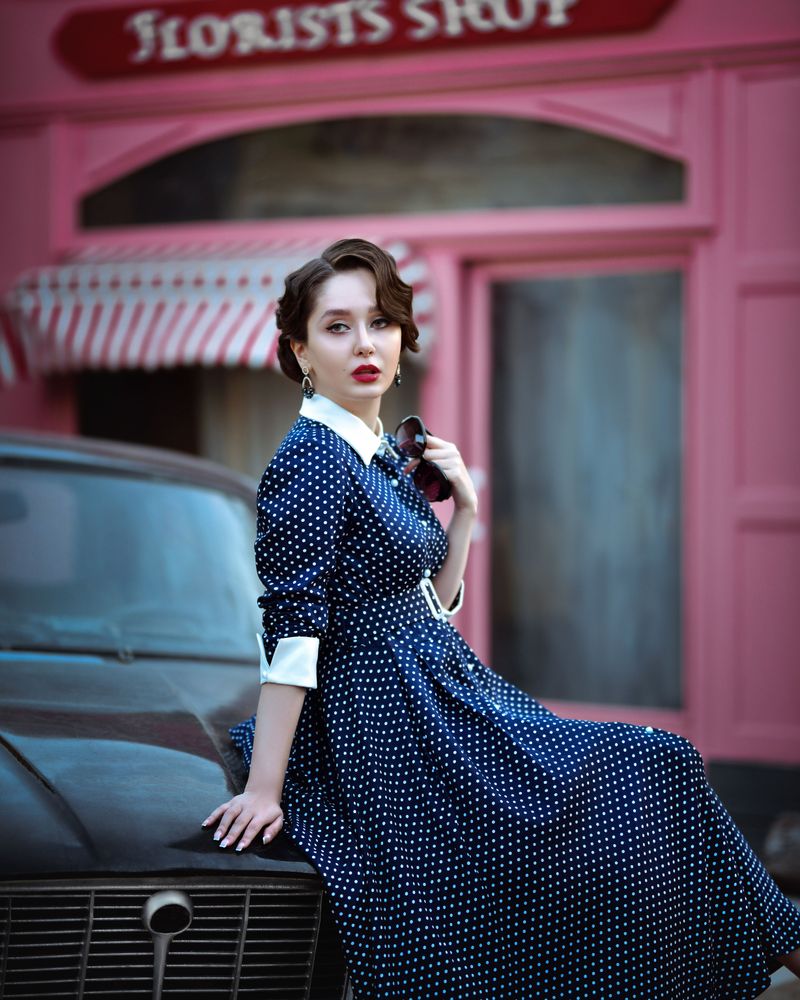
Back in the 1950s, stepping outside without looking polished was considered almost scandalous.
Women were expected to wear dresses, skirts, and blouses that were neat, pressed, and properly fitted at all times in public.
Casual or sloppy clothing was seen as a sign of poor character.
Accessories like gloves, hats, and handbags were not just fashion choices – they were requirements for respectability.
Even a quick trip to the grocery store called for a put-together outfit.
Women who dressed carelessly risked being judged harshly by neighbors and strangers alike.
Femininity was considered a woman’s greatest public asset, and her clothing was expected to reflect that at every moment.
2. Wear Dresses or Skirts for Formal Occasions

Formal occasions in the 1950s came with a very clear dress code for women: skirts and dresses only.
Trousers were considered far too casual and even disrespectful in formal settings.
A woman who showed up to a dinner party or church event in pants would have turned heads for all the wrong reasons.
Full skirts with petticoats were wildly popular, giving women that signature hourglass silhouette of the era.
Fabrics like satin, taffeta, and lace were favored for evening events.
The goal was always to appear graceful and refined.
Choosing the right formal dress was considered a serious responsibility, as it reflected not only personal taste but also social standing and good breeding.
3. Let the Man Take the Lead on Dates

Dating in the 1950s followed a very clear script, and women were expected to follow the man’s lead without question.
He chose the restaurant, paid the bill, and decided the evening’s activities.
A woman who tried to take charge was often seen as pushy or unladylike.
Etiquette guides from the era warned women not to suggest expensive restaurants or order the priciest item on the menu.
Appearing easy to please was considered a major virtue.
Women were encouraged to be agreeable and let their date feel confident and in control.
While this sounds limiting today, many women of the time saw it as a social dance with its own kind of charm and structure.
4. Do Not Appear Too Eager When Pursuing a Man
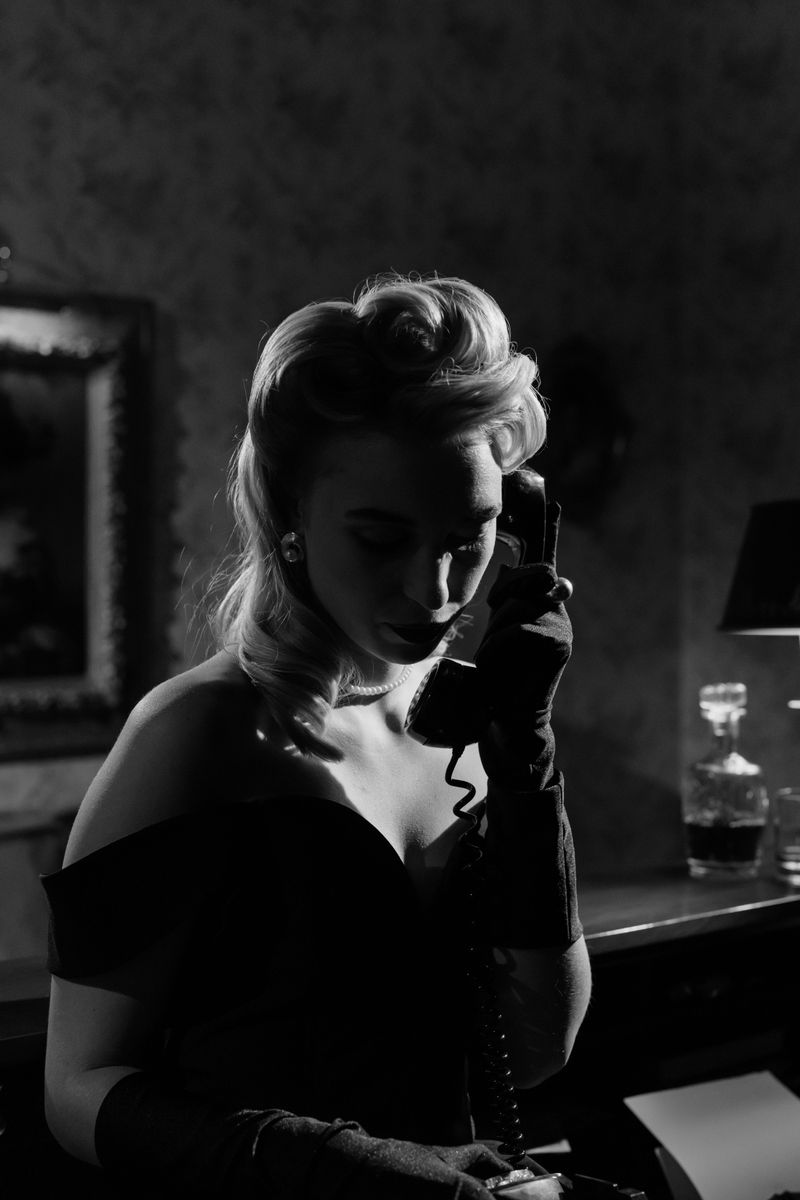
Playing it cool was practically an art form for women in the 1950s.
Showing too much interest in a man too quickly was considered desperate and unbecoming.
Women were advised to wait for men to make the first move, no matter how interested they actually were.
Etiquette books of the time warned against calling a man first, being too available, or expressing feelings too openly.
The idea was that men valued what they had to work for, so a woman who was too eager lost her appeal.
Restraint was seen as sophistication.
This unspoken rule put women in a tricky position, requiring them to manage their emotions carefully just to navigate the world of romance.
5. Protect Your Reputation by Behaving Modestly

A woman’s reputation in the 1950s was treated like her most prized possession – once damaged, it was nearly impossible to repair.
Society judged women harshly for behavior that was considered too bold, too flirtatious, or too independent.
Modesty in dress, speech, and behavior was the armor that kept a woman’s good name intact.
Being seen alone with a man too often, staying out too late, or laughing too loudly in public could all raise eyebrows.
Women were constantly aware of how they appeared to others.
Even harmless actions could be misread.
This pressure to maintain a spotless image meant women had to be thoughtful about every single social interaction, which was exhausting but considered absolutely necessary.
6. Sit with Your Knees Together and Maintain Good Posture
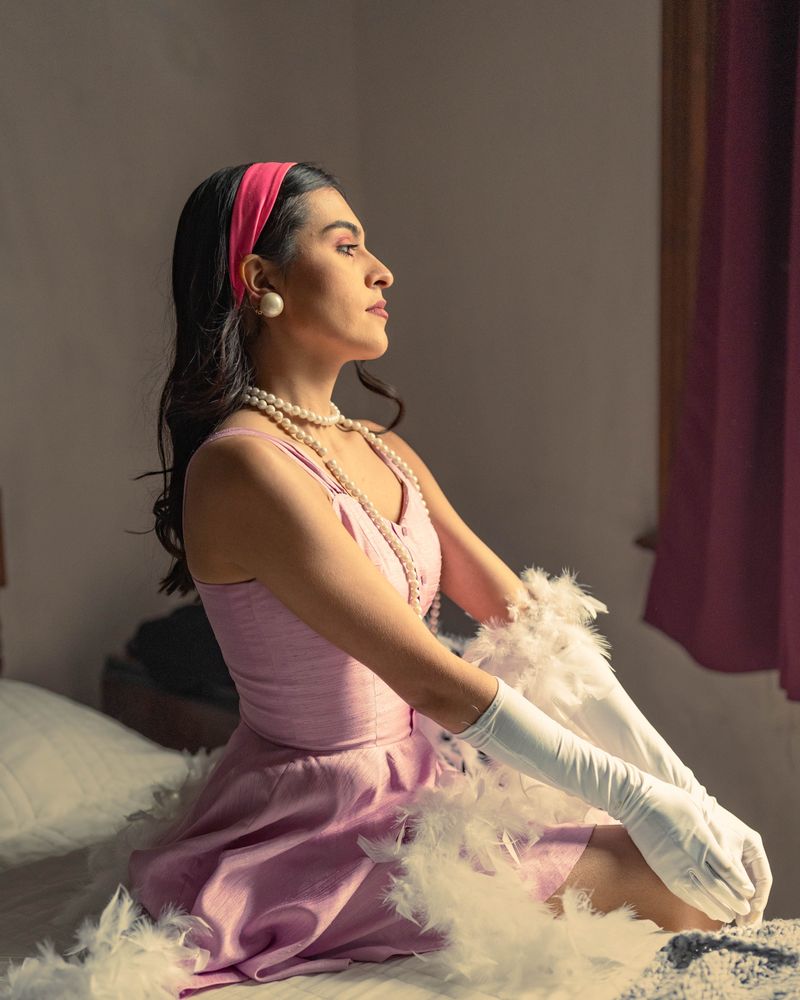
Good posture was practically a moral value in the 1950s.
Women were taught from a young age to sit up straight, keep their knees pressed together, and never slouch.
Slouching was seen as lazy, and crossing your legs too casually was considered unladylike.
Finishing schools and etiquette classes drilled these habits into young women relentlessly.
Some girls even practiced balancing books on their heads to achieve perfect posture.
The way a woman held herself was believed to reflect her upbringing and character.
Sitting properly was not just about looking elegant – it was also about signaling to others that you were a woman of good breeding, discipline, and self-respect.
Every movement was meant to be graceful and controlled.
7. Speak Politely and Avoid Swearing or Being Too Loud
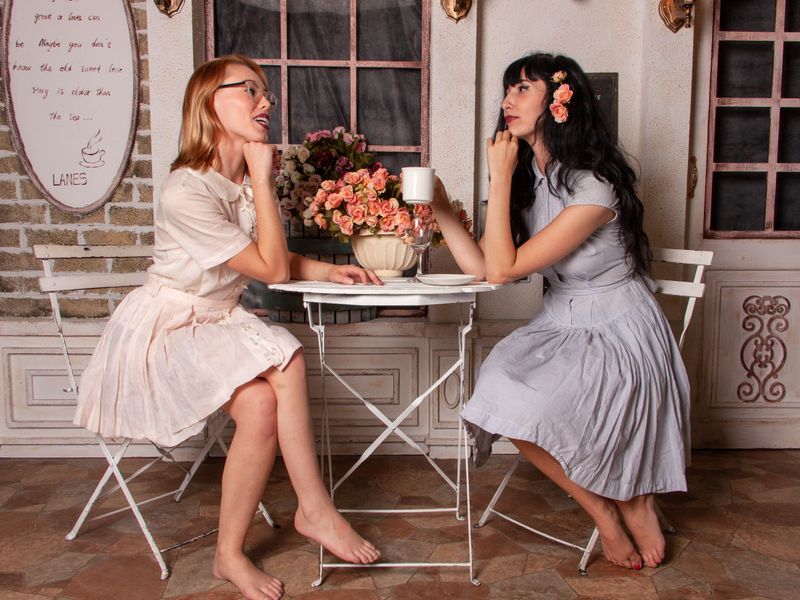
Words carried enormous weight for women in the 1950s, and choosing them carefully was a sign of good character.
Swearing was completely off-limits, even in moments of frustration.
A woman who used rough language was quickly labeled as coarse and undesirable in polite company.
Speaking too loudly was equally frowned upon.
Women were expected to use soft, measured tones that conveyed warmth and calm.
Raising your voice, even in excitement, was considered unrefined.
Proper vocabulary and gentle delivery were the gold standards of feminine speech.
Interestingly, this rule extended to laughing as well.
A loud, boisterous laugh was seen as unbecoming, while a quiet, controlled chuckle was considered far more appropriate and charming for a well-mannered woman.
8. Listen Attentively and Do Not Dominate Conversations

In the 1950s, being a good listener was considered one of the highest compliments a woman could receive.
Women were expected to engage warmly in conversation but never to take over or talk too much.
Dominating a discussion, especially in mixed company, was seen as rude and unfeminine.
Etiquette guides encouraged women to ask thoughtful questions and show genuine interest in what others, particularly men, had to say.
Offering too many opinions or debating too eagerly was discouraged.
The ideal woman listened far more than she spoke.
While today we value confident voices and open debate, back then a woman who held back her thoughts was considered charming and socially skilled.
It was a form of social performance that required real self-discipline.
9. Use Proper Table Manners When Eating
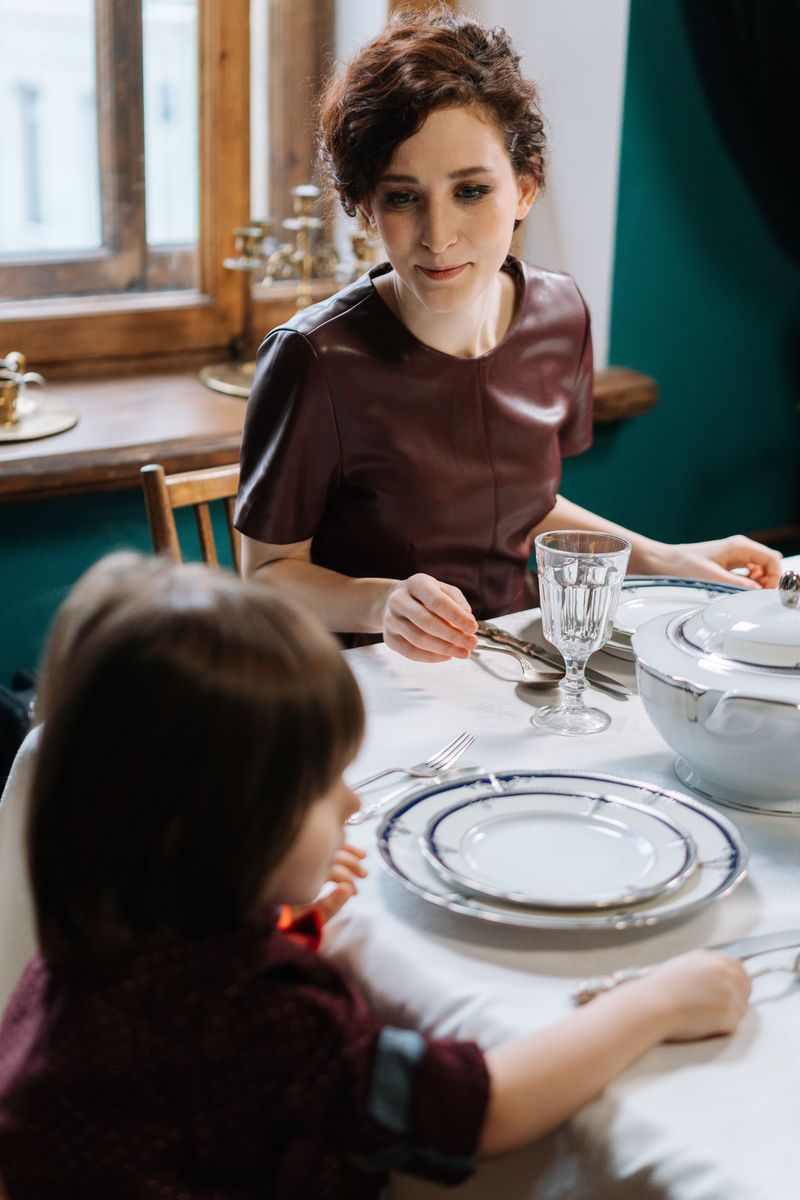
Mealtime in the 1950s was a structured affair, and women were expected to set the standard for proper table manners.
Using the correct fork, keeping elbows off the table, and placing the napkin on the lap were non-negotiable basics.
Eating too quickly or talking with a full mouth was considered deeply embarrassing.
Women were also expected to serve others before themselves and to eat modestly, never appearing greedy or overly hungry.
Taking small bites and chewing quietly were marks of refinement.
These habits were taught early and reinforced constantly.
Proper table manners were seen as a reflection of a woman’s home training and overall class.
A hostess who modeled good etiquette at the table earned the respect and admiration of every guest present.
10. Be a Gracious Hostess When Guests Visit

Hosting guests was considered one of the most important duties a woman could perform in the 1950s.
A gracious hostess made everyone feel welcome, kept the conversation flowing, and ensured that food and drinks were always plentiful.
A poorly hosted event reflected badly on the entire household.
Women spent considerable time preparing for even casual visits – polishing silverware, arranging flowers, and planning menus carefully.
The home was expected to feel warm, organized, and inviting at all times.
Improvising was frowned upon; preparation was everything.
Being a wonderful hostess was actually a point of great pride for many women of the era.
It was one area where they could truly shine and earn genuine social admiration from friends, family, and neighbors in the community.
11. Keep the Home Clean and Presentable

A clean home was considered a direct reflection of a woman’s worth and dedication in the 1950s.
Dust on the furniture, dishes in the sink, or a cluttered living room were signs of failure, not just inconvenience.
Women were expected to maintain spotless households as a matter of pride and duty.
Cleaning schedules were common, with specific chores assigned to specific days of the week.
Monday was laundry, Tuesday was ironing, and so on.
This rigid routine helped women manage large households without modern conveniences like dishwashers or automated washers.
Surprisingly, many women found genuine satisfaction in a well-run home.
The sense of order and accomplishment was real, even if the social pressure behind it was intense and sometimes unfair by today’s standards.
12. Look Neat and Presentable When Your Husband Comes Home
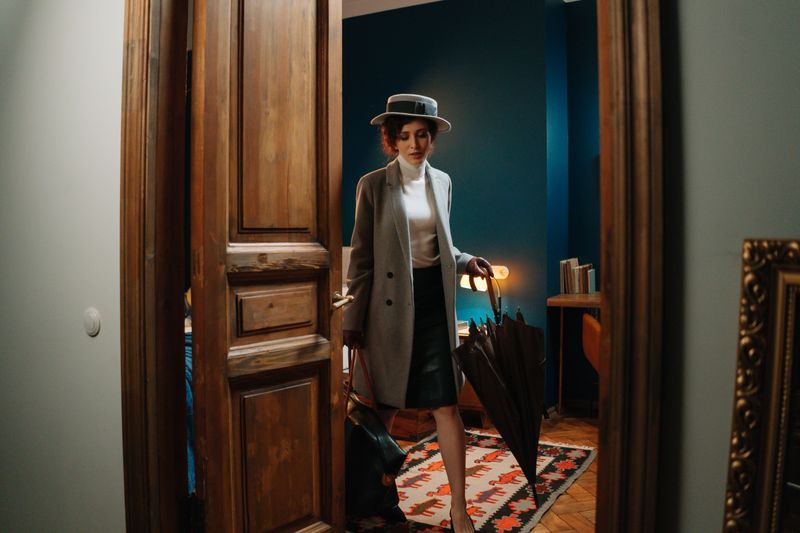
One of the most famous and widely mocked rules of 1950s etiquette was the expectation that a wife should freshen up before her husband came home from work.
Popular housekeeping guides actually recommended reapplying lipstick, tidying hair, and changing into a clean outfit before his arrival.
The idea was that a wife should look her best to welcome her husband and help him transition from the stress of work to the comfort of home.
His needs and comfort were placed above her own long day of labor.
While this rule feels outdated and one-sided today, it was genuinely believed to be an act of love and respect.
Many women embraced it as part of their identity and role within the family structure.
13. Allow Men to Take the Lead in Social Situations
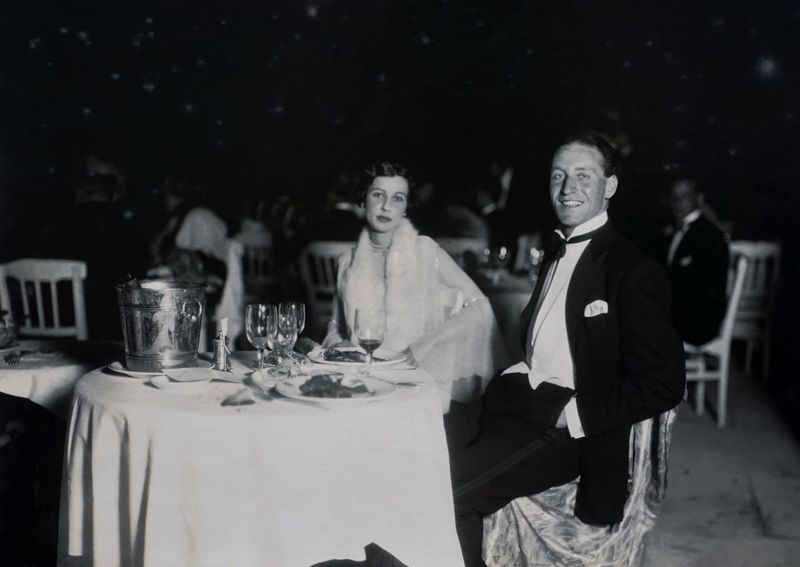
Whether at a party, a business dinner, or a community event, women in the 1950s were expected to follow the man’s social lead.
Men were the ones who greeted hosts first, led conversations, and made decisions about when to arrive and leave.
A woman who stepped ahead socially was seen as overstepping.
This extended to small gestures too, like walking through a door after the man held it open, or allowing him to order for her at a restaurant.
These rituals were framed as chivalry, but they also reinforced a strict social hierarchy.
Many women navigated this gracefully, finding subtle ways to influence decisions while appearing to defer.
Social intelligence was a quiet but powerful skill that women of the era mastered out of necessity.
14. Dress Conservatively and Behave Politely at Work
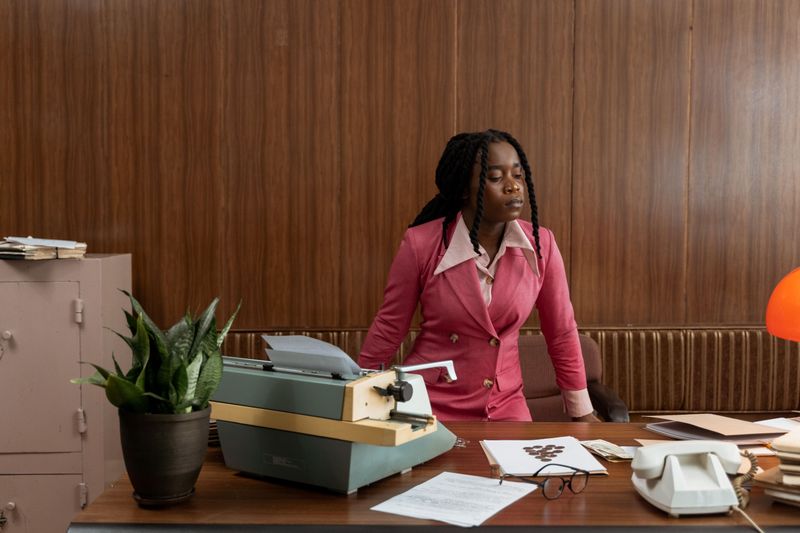
Women who worked outside the home in the 1950s faced an entirely separate set of rules.
Conservative clothing was mandatory – modest skirts, closed-toe shoes, and minimal jewelry were the norm.
Anything too flashy or form-fitting was considered inappropriate and unprofessional in a workplace setting.
Beyond clothing, women were expected to be unfailingly polite, deferential to male colleagues, and never aggressive or too assertive.
Speaking up too boldly in meetings could earn a woman a reputation for being difficult or ambitious in a negative sense.
Despite these restrictions, many working women found creative ways to build careers with skill and determination.
Their resilience in the face of rigid expectations helped pave the way for the workplace equality that came in later decades.
15. Treat Marriage, Homemaking, and Motherhood as Important Goals

Perhaps the most powerful unwritten rule of the 1950s was this: a woman’s highest purpose was to become a wife, a mother, and a homemaker.
Marriage was not just a personal choice – it was a social expectation.
Women who remained single past a certain age were often pitied or viewed with suspicion.
Motherhood was treated as a sacred calling, and homemaking was considered a skilled profession worthy of full-time dedication.
Women who chose careers over family were frequently seen as odd or selfish by mainstream society.
Looking back, it is easy to see how limiting this mindset was.
Yet many women found real joy and meaning in their roles.
The era was complicated, full of both warmth and restriction, and understanding it helps us appreciate how far society has come.