 MomSkoop

The 1980s created a special kind of movie star – instantly recognizable, endlessly quotable, and seemingly impossible to escape. But Hollywood moves fast, and even huge names can drift from the spotlight before most people notice.
Some of these actors chose quieter lives, while others simply stopped getting the big opportunities they once seemed destined for. If you have ever wondered what happened to the faces that defined an era, this list is going to pull you right back in.
1. Phoebe Cates
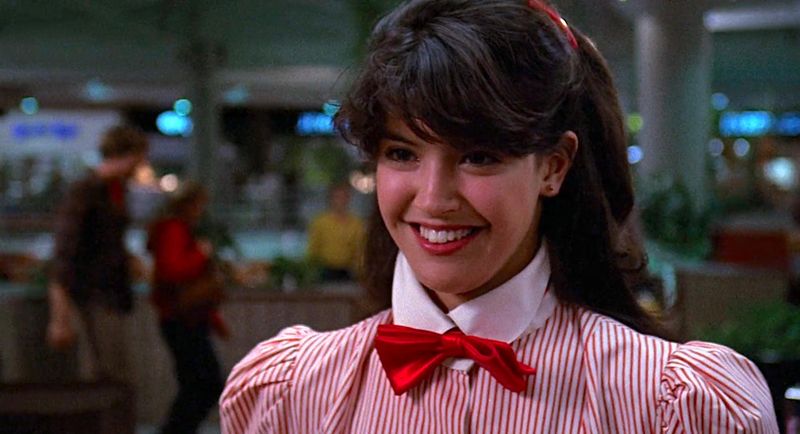
Phoebe Cates felt like one of those rare stars who could define an entire decade with just a few unforgettable roles.
Between Fast Times at Ridgemont High and Gremlins, she had the mix of charm, wit, and screen presence that made you think she would be everywhere forever.
Instead, her acting career slowed dramatically just as many fans expected her to become an even bigger Hollywood fixture.
Part of that disappearance was by choice, which makes her story different from some other faded stars on this list.
She stepped back from acting to focus on family life, and that decision quietly pulled her away from the industry’s constant churn.
Even so, her small body of work remains so iconic that you still instantly remember her whenever the 1980s come up.
2. Judge Reinhold
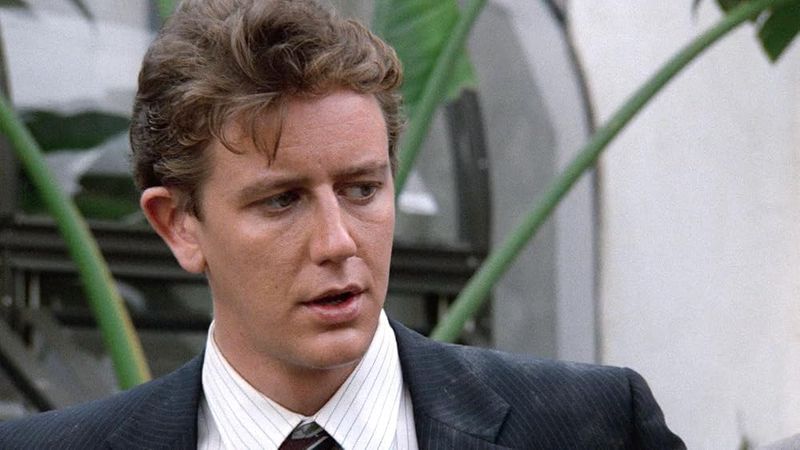
Judge Reinhold was once such a familiar face that it felt like he popped up in every major comedy of the era.
Beverly Hills Cop helped make him a household name, and he had the kind of easygoing, slightly flustered charm that worked perfectly in 1980s mainstream hits.
For a while, he seemed positioned to stay near the center of studio comedy for years.
That momentum did not fully carry into later decades, even though he continued working steadily.
Hollywood shifted, comedy trends changed, and the leading roles that once fit him so naturally became harder to find.
When you revisit his best movies now, it is striking how much he contributed to their appeal and how unexpectedly far he drifted from the top tier.
3. Ally Sheedy
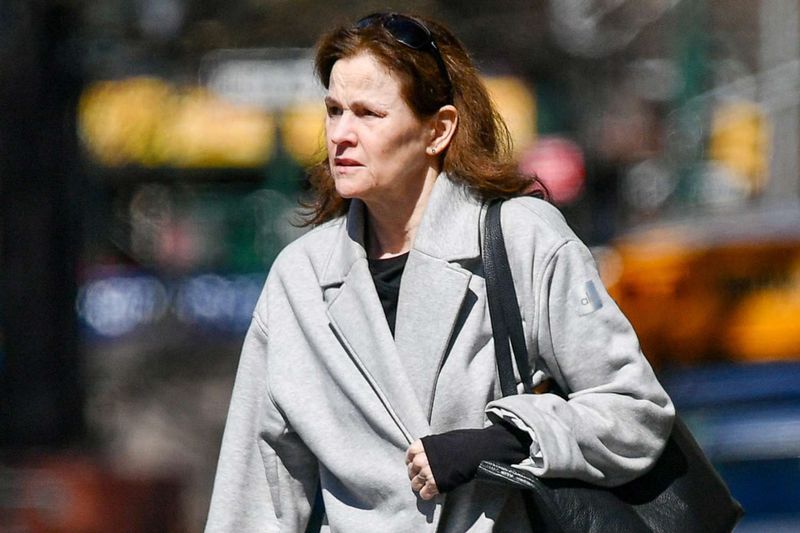
Ally Sheedy had a presence that stood out even in an era packed with magnetic young stars.
In films like The Breakfast Club and St. Elmo’s Fire, she brought vulnerability, intelligence, and a slightly offbeat quality that made her feel more real than polished.
That authenticity helped turn her into one of the most memorable members of the Brat Pack.
Even with that strong foundation, her mainstream Hollywood visibility faded more than many fans expected.
She kept building a respectable career in smaller projects, but the giant studio spotlight moved on to newer faces and different trends.
Looking back, you can see that her appeal never really disappeared – it just stopped being packaged in the same high profile way that defined her 1980s peak.
4. Molly Ringwald
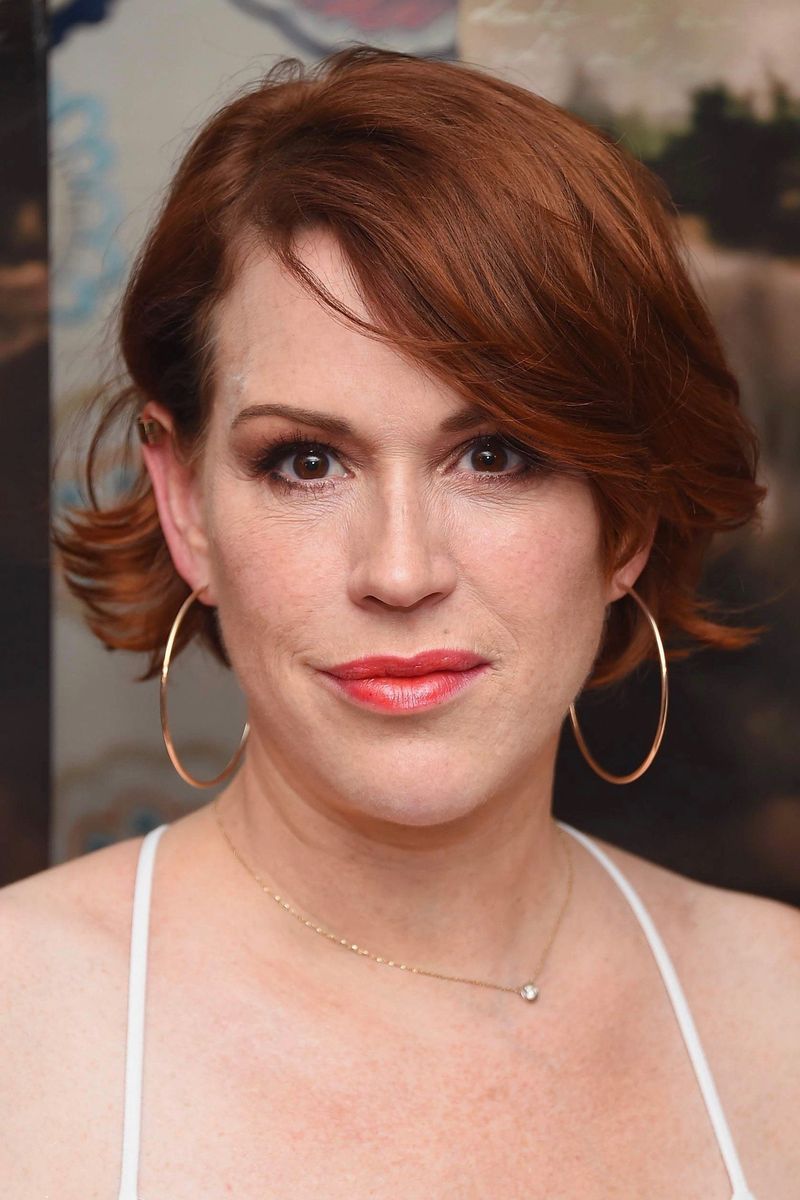
Molly Ringwald was practically the face of 1980s teen cinema, and for good reason.
Sixteen Candles, The Breakfast Club, and Pretty in Pink turned her into a generational icon, someone who captured awkwardness, confidence, and heartbreak in a way that felt instantly personal to audiences.
At her height, she seemed inseparable from the decade itself.
As the years passed, though, Hollywood stopped building major mainstream vehicles around her.
She remained active and respected, but her central place in pop culture softened as the teen movie landscape changed and newer stars took over.
That does not erase what she meant to the era, and if anything, revisiting those films reminds you how rare it is for one actor to so completely define a cinematic moment.
5. Ralph Macchio
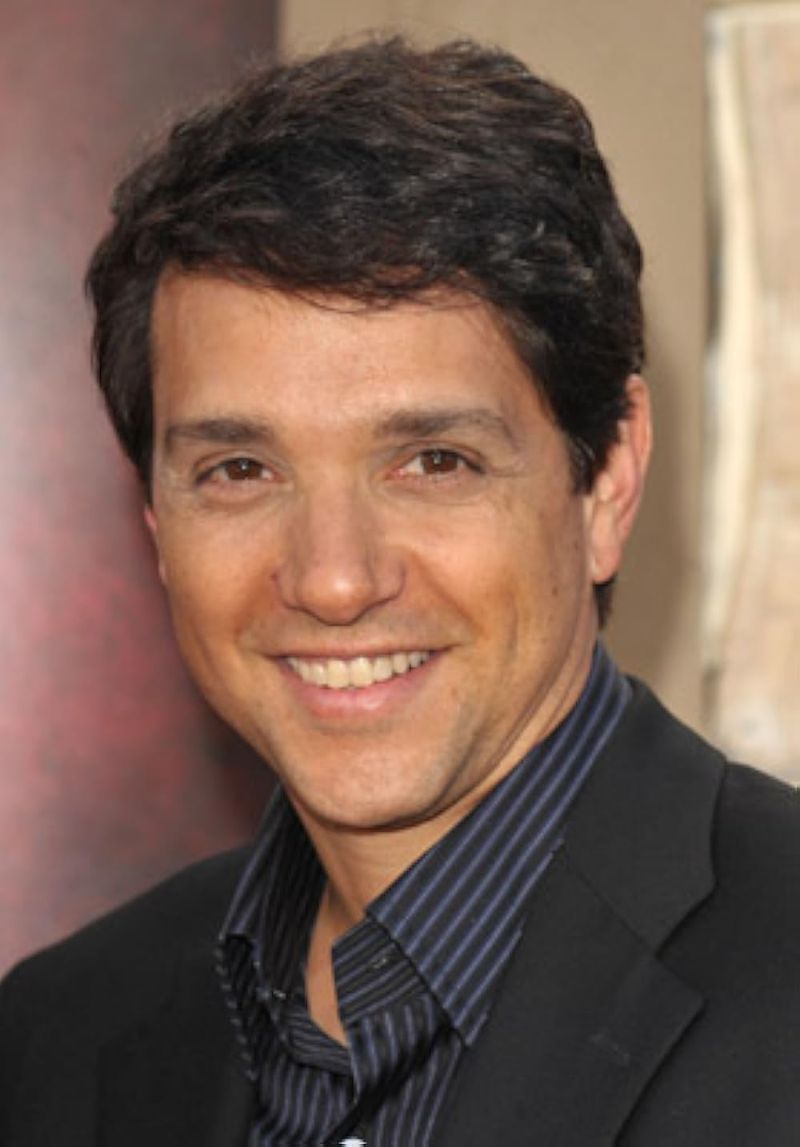
Ralph Macchio became an 1980s phenomenon thanks to The Karate Kid, a movie that made him feel like the underdog hero everyone wanted to root for.
He had a relatable quality that fit the decade perfectly, and his success made it seem inevitable that he would remain a constant A-list presence.
For a long stretch, that next phase never fully arrived.
Instead, Macchio spent years in a quieter part of the industry, working without reclaiming the massive cultural dominance of his early fame.
That made him seem almost forgotten by Hollywood, even though audiences still had deep affection for him.
His resurgence through Cobra Kai proved something important – the connection never disappeared, and all it really needed was the right platform to reignite it.
6. C. Thomas Howell
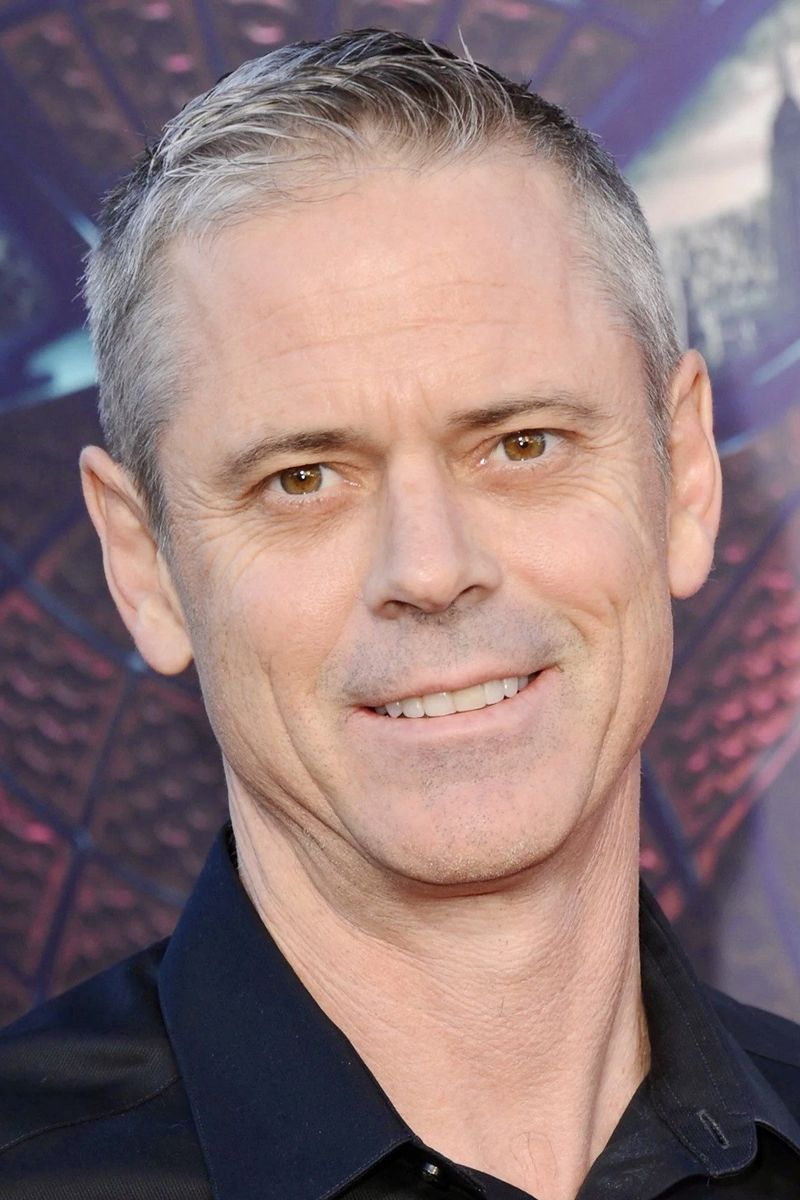
C.
Thomas Howell looked poised for a long run as one of Hollywood’s dependable young leading men.
The Outsiders and Red Dawn gave him credibility with audiences who liked their stars a little rough around the edges, and he fit naturally into the era’s mix of teen drama and action.
There was a grounded quality to him that made his performances easy to connect with.
Even so, his career gradually moved away from the biggest productions and toward smaller, less visible work.
He never completely disappeared, but the kind of mainstream momentum that once surrounded him slowly thinned out.
When you look back at his 1980s filmography, it is hard not to think he deserved a larger place in Hollywood’s long term memory than he ultimately received.
7. Jennifer Grey
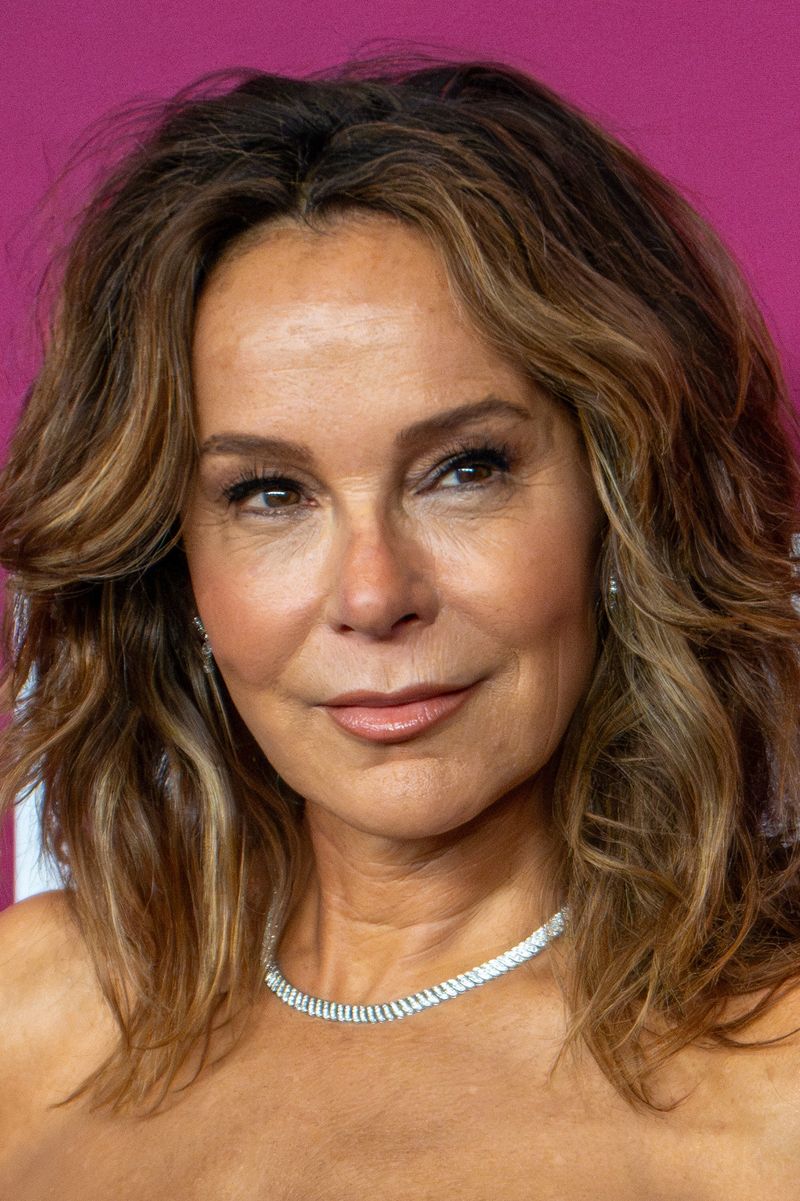
Jennifer Grey reached a level of fame with Dirty Dancing that most actors spend entire careers chasing.
She was charismatic, relatable, and emotionally sharp, turning Baby into one of the most beloved characters of the decade.
For a brief moment, it looked like she had become the kind of star Hollywood would build around for years.
That huge breakthrough, however, proved difficult to repeat in the same way.
A combination of changing opportunities, industry unpredictability, and intense public attention altered the trajectory of her career more than fans expected.
She continued acting and remained recognizable, but the explosive momentum of Dirty Dancing became both her greatest triumph and the benchmark that made everything afterward seem quieter by comparison.
8. Lea Thompson
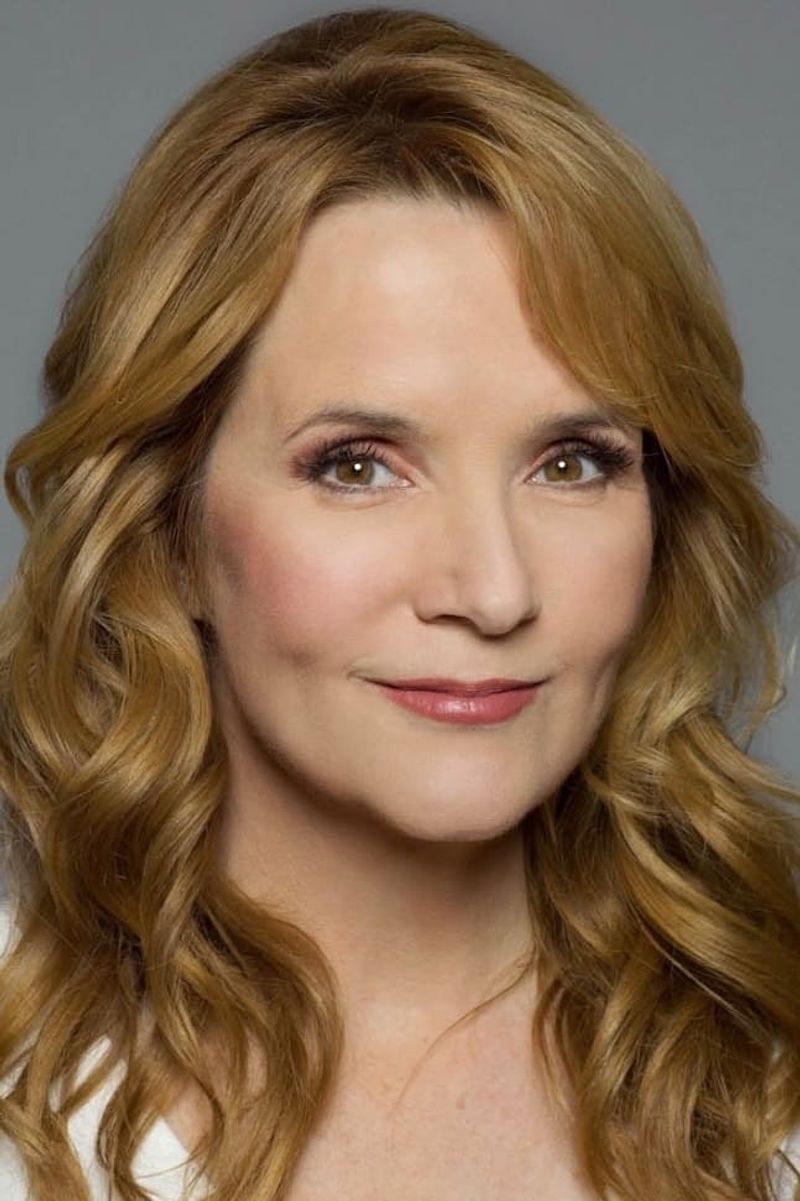
Lea Thompson had the kind of versatile 1980s career that should have guaranteed a much bigger long term Hollywood spotlight.
Back to the Future alone would have been enough to cement her place in movie history, but she also brought warmth and credibility to films like Some Kind of Wonderful.
She could shift between comedy, romance, and drama without ever seeming out of place.
Despite that range, her profile eventually settled into something more modest than her early success suggested.
She kept working, especially in television, yet she never remained in the same blockbuster conversation as some of her peers.
That makes her feel oddly overlooked now, because when you revisit her best performances, you can clearly see a star who delivered far more than she gets credit for.
9. Michael Biehn
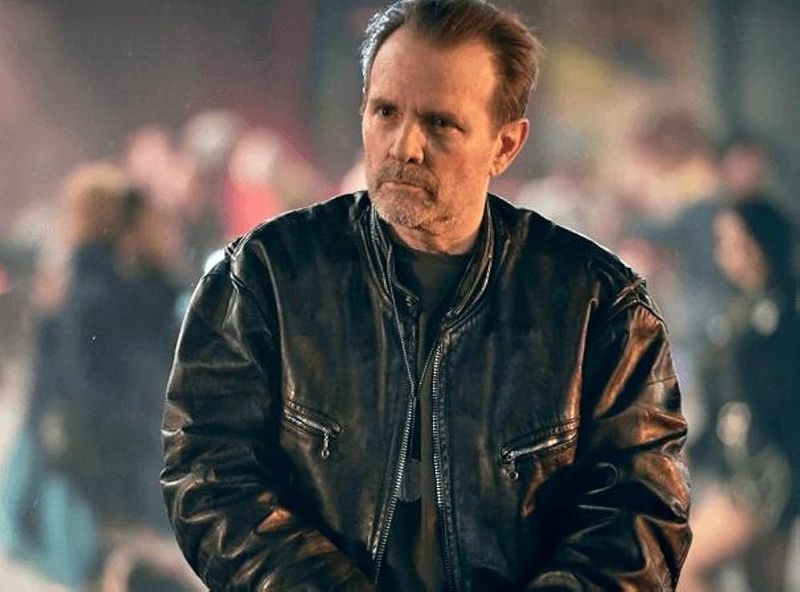
Michael Biehn was one of the great supporting powerhouses of 1980s action and science fiction.
In The Terminator and Aliens, he brought a mix of toughness and humanity that grounded stories filled with chaos, machines, and larger than life danger.
He had leading man intensity, yet Hollywood never fully turned that potential into lasting top billing.
That is what makes his career feel so surprising in retrospect.
He built a passionate fan base and appeared in major genre classics, but the industry often seemed content to use him without elevating him to a bigger star tier.
If you love 1980s movies, you probably remember him instantly, which only makes it stranger that Hollywood never gave him more opportunities to carry major films on his own.
10. Kelly McGillis
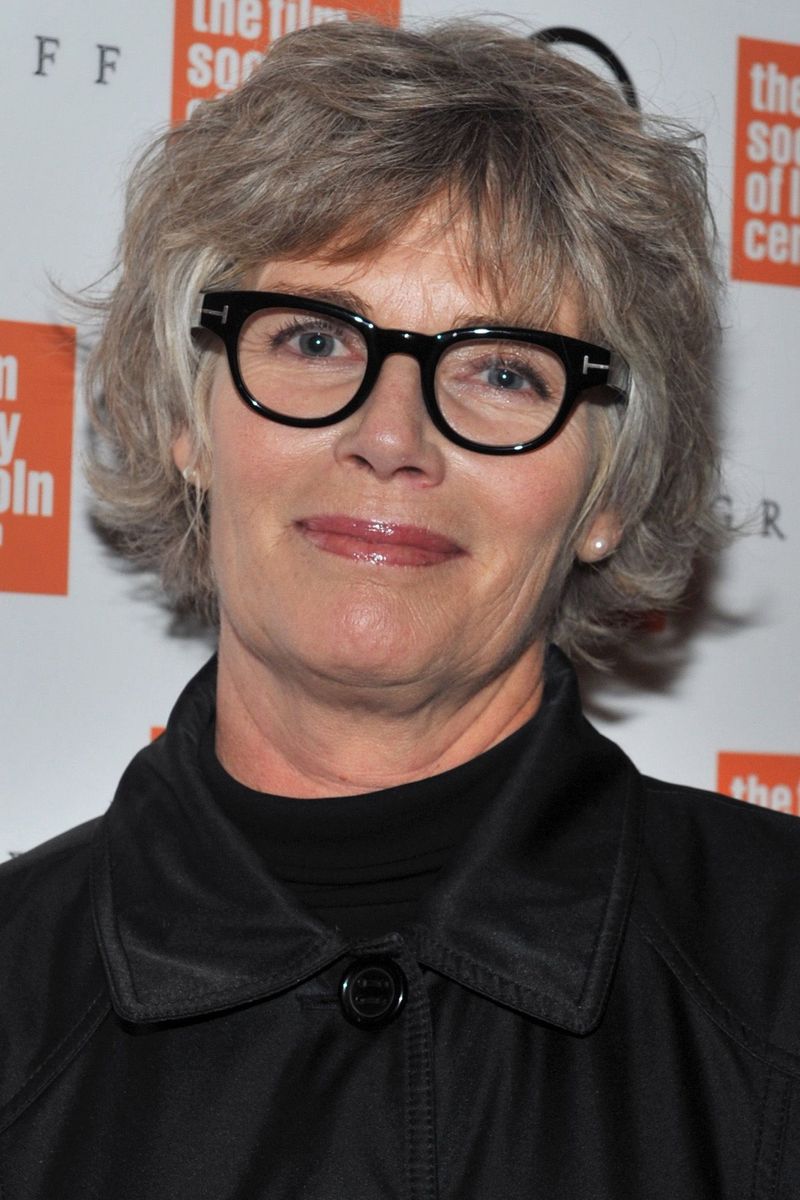
Kelly McGillis was impossible to ignore during her peak years, especially after Witness and Top Gun turned her into a major star.
She had intelligence, poise, and a seriousness that gave even commercial movies extra weight.
At the time, it seemed like she would stay near the top of Hollywood for a very long time.
Instead, her profile gradually declined, and she became far less visible in major studio projects.
Some of that came from personal choices, and some came from an industry that has never treated actresses aging out of a narrow box very fairly.
Looking back, her reduced presence feels less like a reflection of talent and more like an example of how quickly Hollywood can stop making room for someone who once seemed essential.
11. Rick Moranis
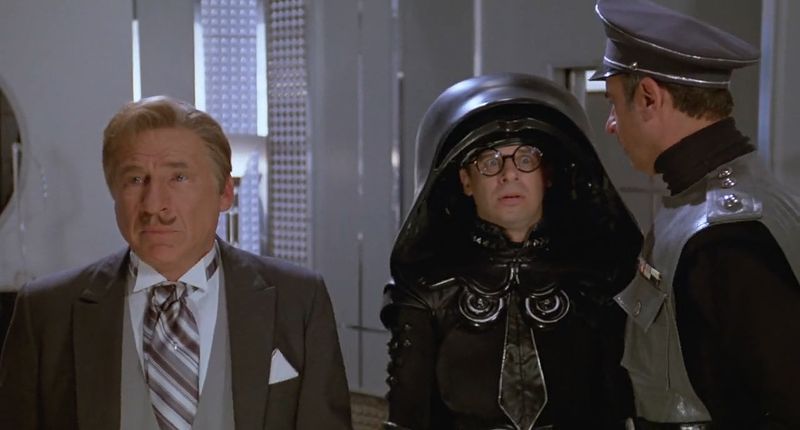
Rick Moranis was one of the most distinctive comedy stars of the 1980s, and his appeal never depended on looking or acting like a traditional leading man.
Ghostbusters, Spaceballs, and Honey, I Shrunk the Kids showed how brilliantly he could play anxious, eccentric characters without ever losing their humanity.
He was funny in a way that felt smart, gentle, and completely original.
What makes his disappearance unusual is that it came largely from a personal decision rather than a dramatic industry rejection.
Moranis stepped away from acting to focus on raising his children, and Hollywood lost one of its most reliable comic presences in the process.
That choice is admirable, but it also means the screen has felt a little emptier without him for decades.
12. Debra Winger
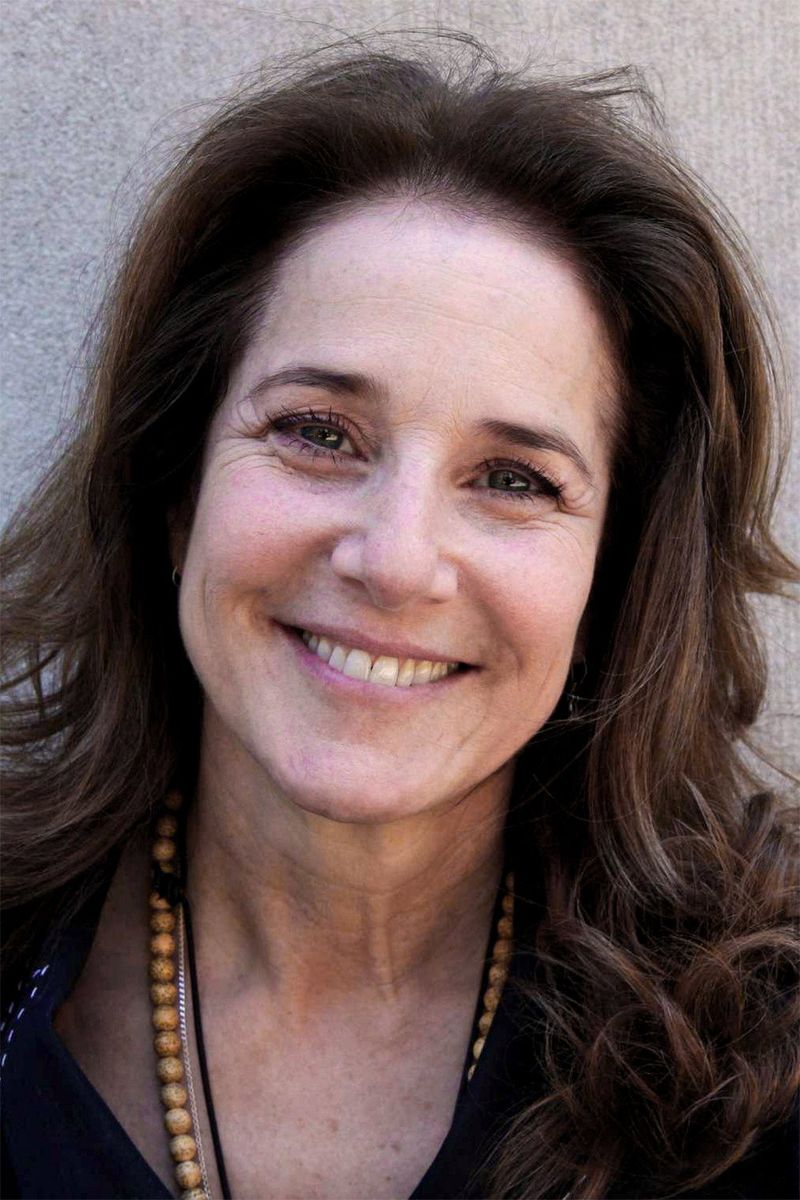
Debra Winger was not just famous in the 1980s – she was one of the most respected actresses working anywhere in Hollywood.
Films like An Officer and a Gentleman and Terms of Endearment proved she could bring intensity, complexity, and emotional force to roles that might have overwhelmed a lesser performer.
She felt like the kind of star whose importance would only grow over time.
Instead, her career became marked by long absences and a more selective presence on screen.
That made her seem less central to the industry, even though her reputation among serious film fans never really disappeared.
In a different system, she might have remained a constant awards season force, but her path turned into something less visible and much more unpredictable.
13. Eric Roberts
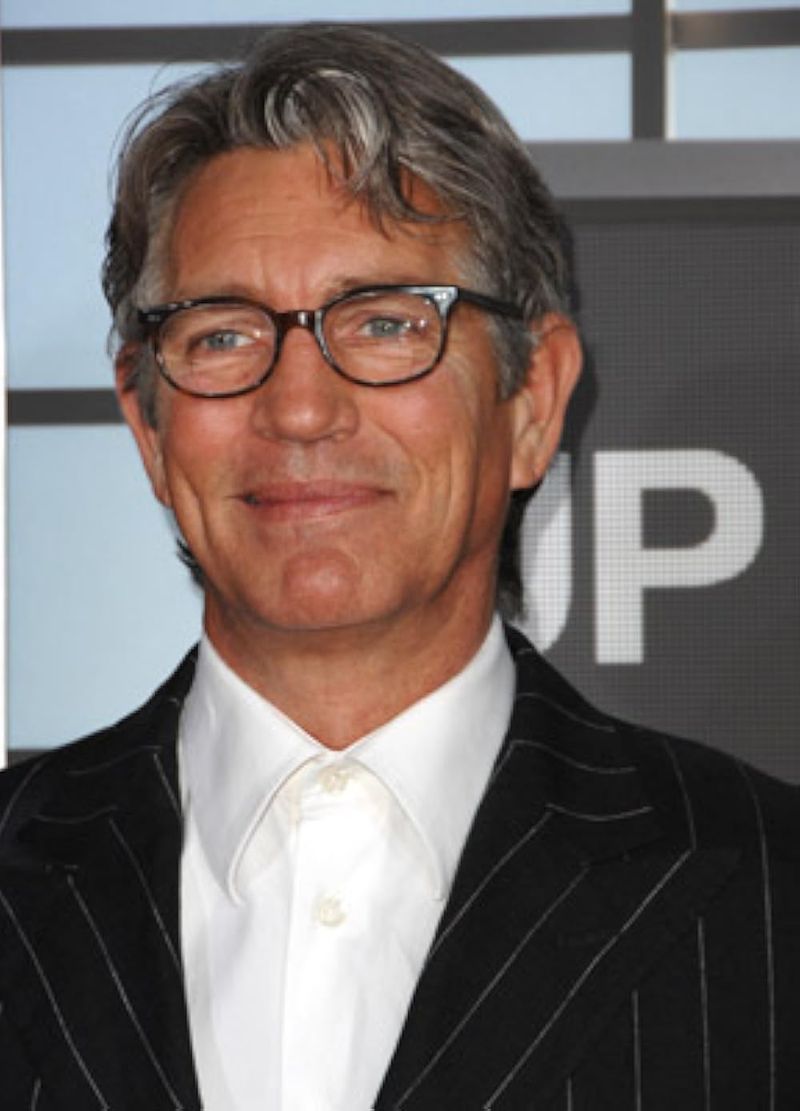
Eric Roberts had the kind of edgy charisma that made him stand out almost immediately.
In the 1980s, he earned serious acclaim and looked like a performer who could keep moving upward into sustained A-list territory.
He had intensity, unpredictability, and the sort of presence that made even flawed movies more interesting when he was in them.
What happened instead was not disappearance so much as diffusion.
Roberts kept working constantly, but often in projects far removed from the prestige and visibility that once seemed within easy reach.
That huge volume of work can make people forget how highly regarded he once was, which is a shame because his early performances still reveal a star talent that Hollywood never fully shaped into the long term status many expected.
14. Steve Guttenberg
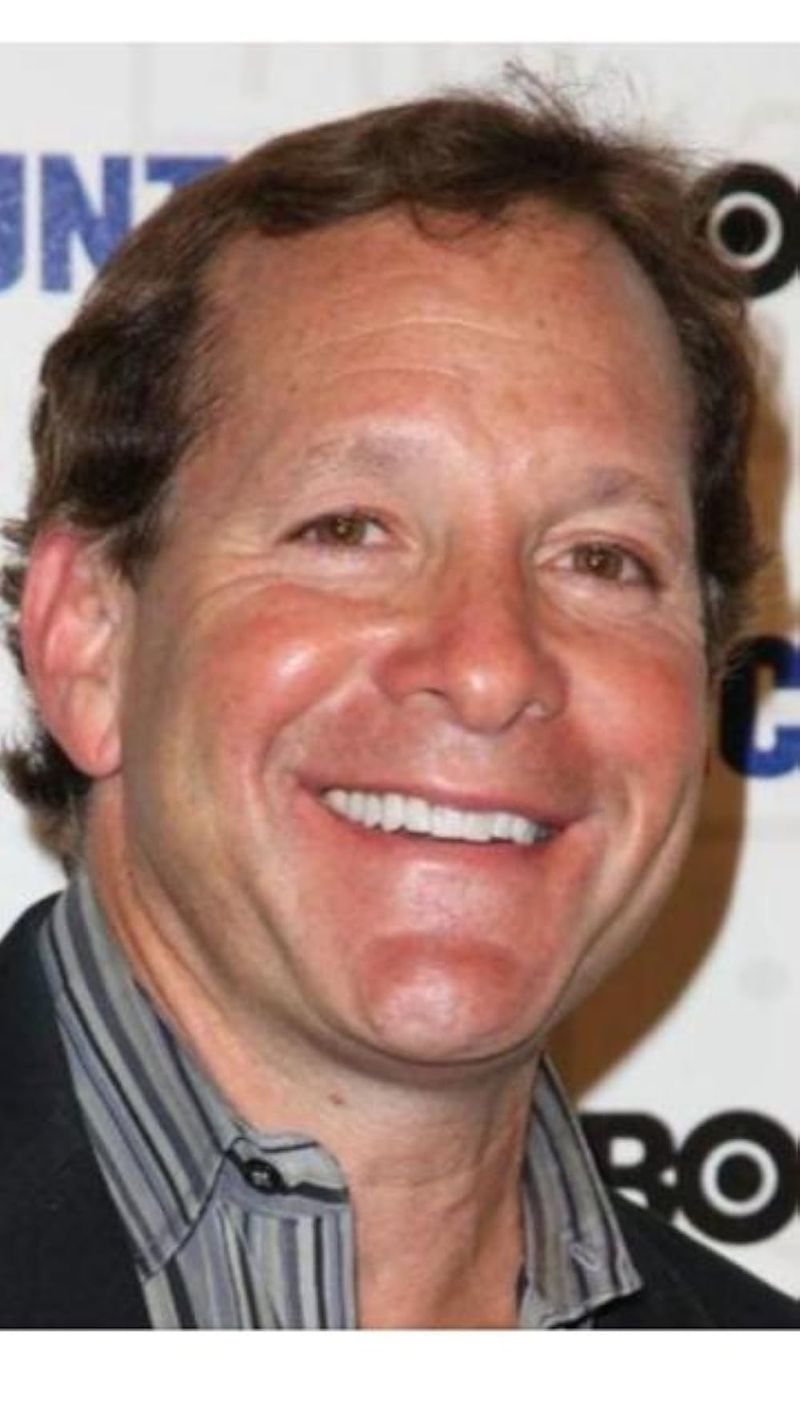
Steve Guttenberg was once such a major box office presence that it is easy to forget how big he really was.
Police Academy, Cocoon, and Three Men and a Baby made him one of the most recognizable stars in mainstream entertainment, and he had a likable, approachable quality that studios knew how to sell.
For a while, he felt absolutely everywhere.
Then the spotlight dimmed faster than many people expected.
He continued acting, but the era when he could anchor major studio comedies and family hits gradually passed as Hollywood tastes changed.
When you go back and count how many giant films he helped define, it becomes clear that his current reputation undersells just how central he once was to the commercial heart of 1980s cinema.
15. Catherine Mary Stewart
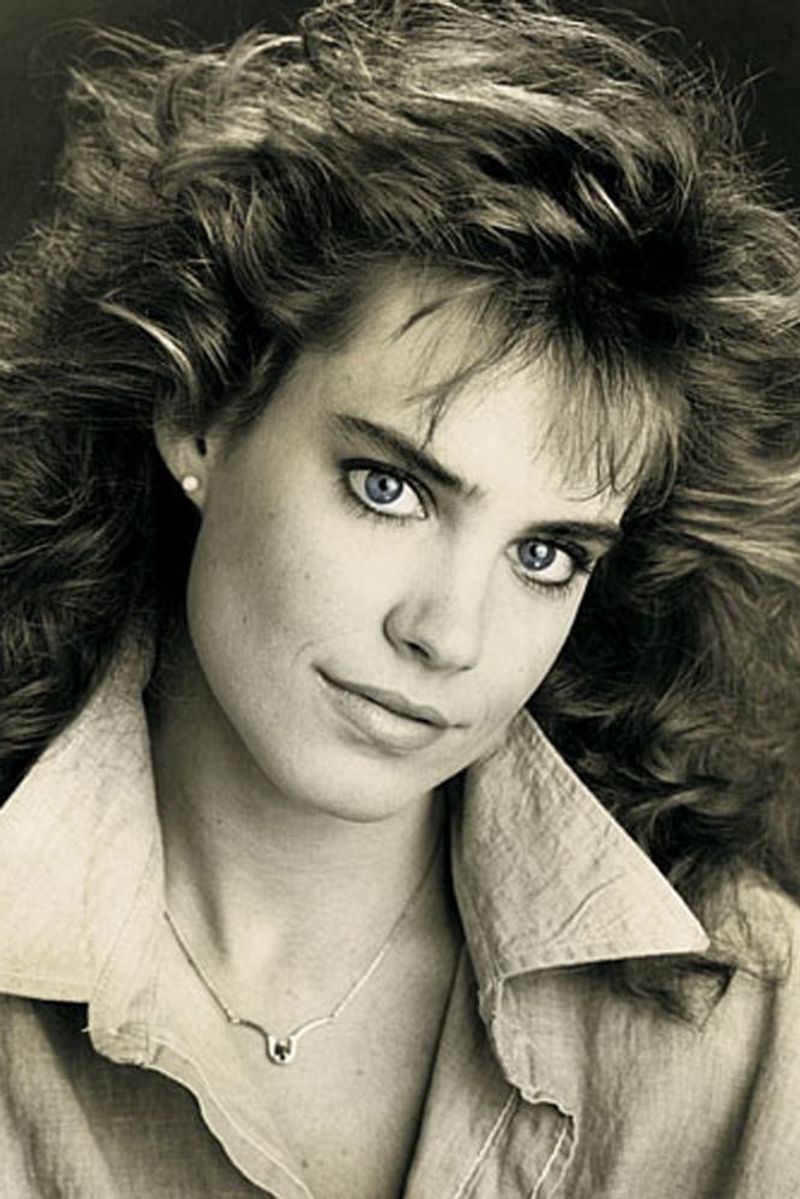
Catherine Mary Stewart may not have reached the same household level as some others on this list, but 1980s cult movie fans know exactly how special she was.
The Last Starfighter and Night of the Comet gave her a lasting place in the decade’s genre landscape, and she brought warmth, confidence, and a grounded quality to stories that could have become pure camp.
She felt like someone who deserved a bigger mainstream breakthrough.
Instead, she became more of a beloved cult figure than a long term studio priority.
That does not mean she vanished completely, but it does mean Hollywood never fully capitalized on what made her so watchable.
If you love revisiting the era’s hidden gems, her filmography feels like a reminder of talent that should have been celebrated much more widely.