 MomSkoop
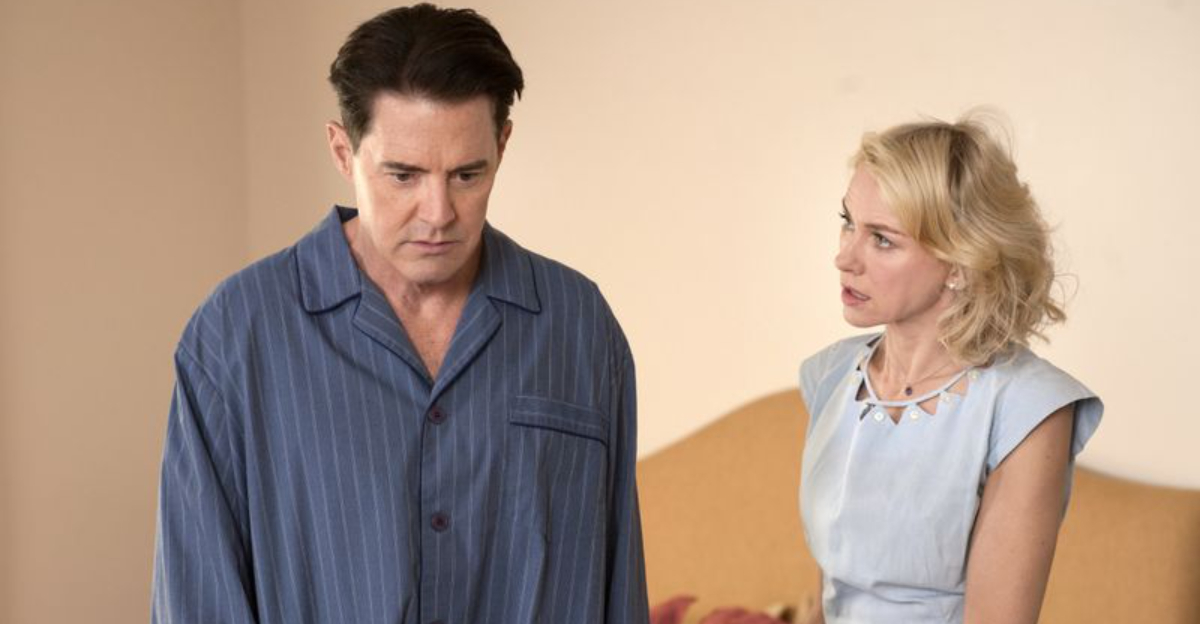
The 1980s gave us plenty of giant movie stars, but it also produced a fascinating group of actors who seemed destined for even bigger fame. Some had breakout roles, some earned critical praise, and some simply had that hard-to-define movie star electricity.
For one reason or another, the industry never fully turned their momentum into lasting A-list status. Looking back now, their careers feel less like disappointments and more like missed opportunities Hollywood should have recognized.
1. Treat Williams
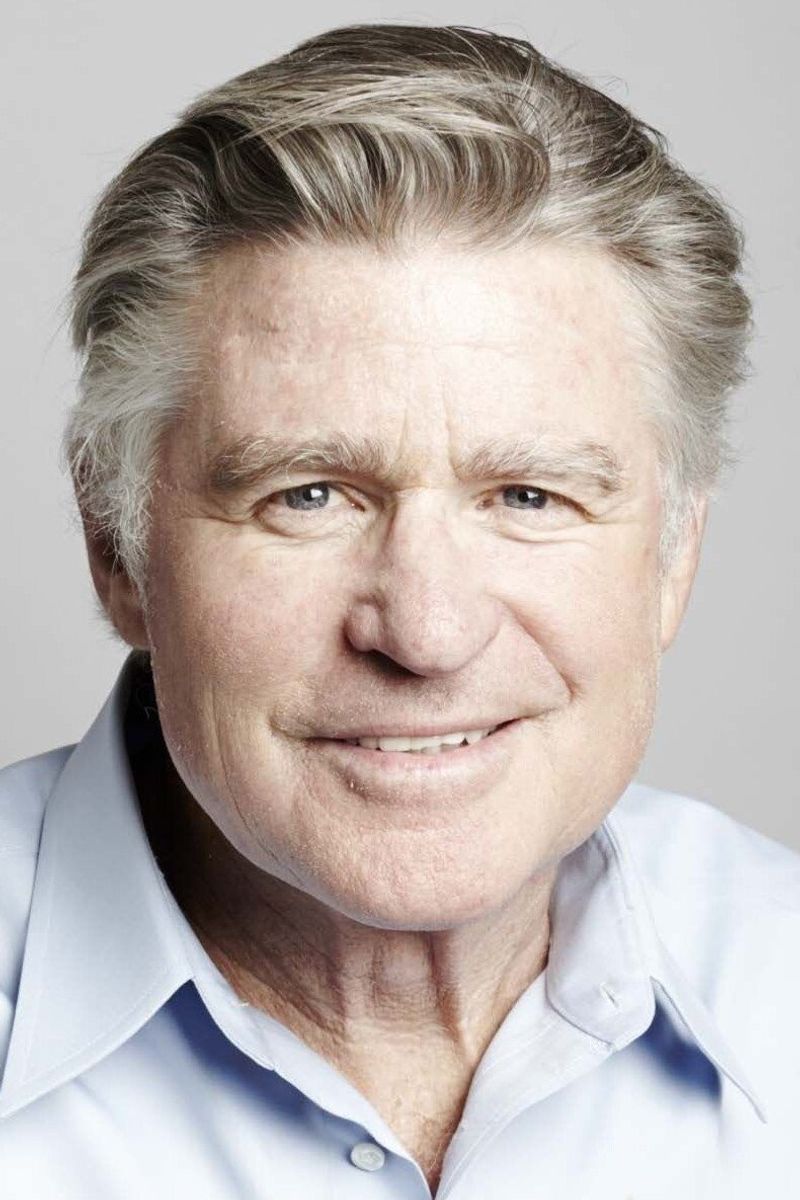
Treat Williams had the kind of presence that instantly made you think Hollywood had found its next enduring leading man.
In Hair, he radiated charm, energy, and a rebellious spark that practically leaped off the screen.
Then Prince of the City proved he could handle morally complex material with the confidence and emotional intelligence of a major dramatic star.
What makes his career so frustrating in retrospect is that the talent was never the issue.
You can watch those performances now and still see someone who should have headlined far more prestige films across the decade.
Instead, Williams remained respected, busy, and consistently watchable without ever quite receiving the sustained top-tier push his best work clearly deserved from studios and audiences alike.
2. Michael Biehn

Michael Biehn was one of the most dependable screen presences in 1980s genre cinema, and his filmography still looks incredibly strong.
The Terminator, Aliens, and The Abyss are not just fan favorites, they are defining movies of the era.
In each one, Biehn brought toughness, vulnerability, and grounded intensity that made extraordinary situations feel believable and urgent.
That is why it is surprising he never crossed fully into long-term mainstream stardom.
He had the credibility action heroes need, but he also had enough emotional depth to avoid feeling one-note or interchangeable.
When you revisit his best performances, you can see an actor who should have led many more studio thrillers and become one of the decade’s most recognizable marquee names.
3. James Remar
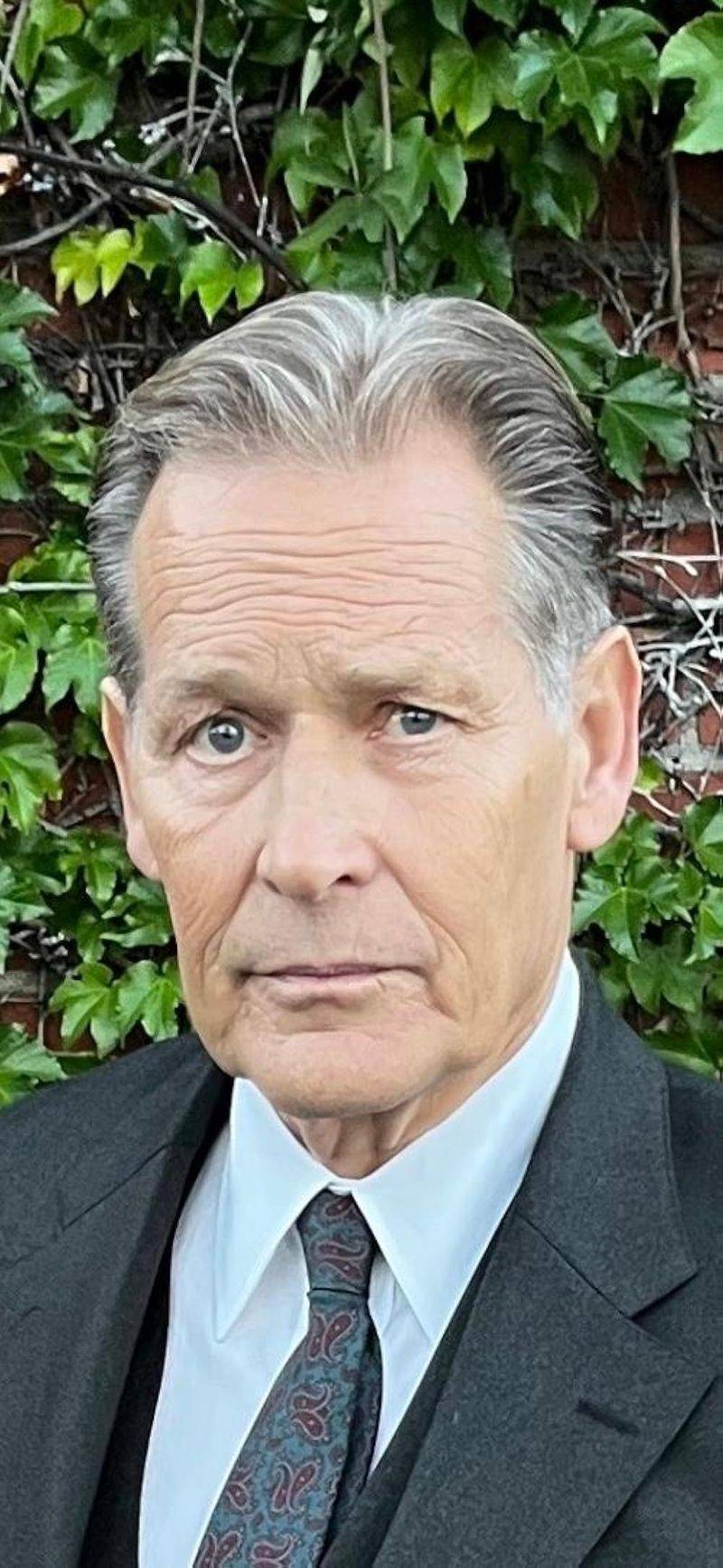
James Remar had a magnetic edge that made him impossible to ignore, even when he was not the central attraction.
In The Warriors, 48 Hrs., and The Cotton Club, he brought a swaggering confidence that suggested he could easily command bigger, more prominent roles.
There was danger in his screen persona, but also enough charm to make that intensity feel layered rather than limiting.
Actors with that kind of charisma usually get a bigger shot at sustained movie stardom.
Instead, Remar often remained the memorable supporting player or scene-stealer you talked about afterward rather than the name above the title.
Looking back, it feels clear that he had the screen power, unpredictability, and toughness to headline more major films than Hollywood ever trusted him with.
4. Peter Weller
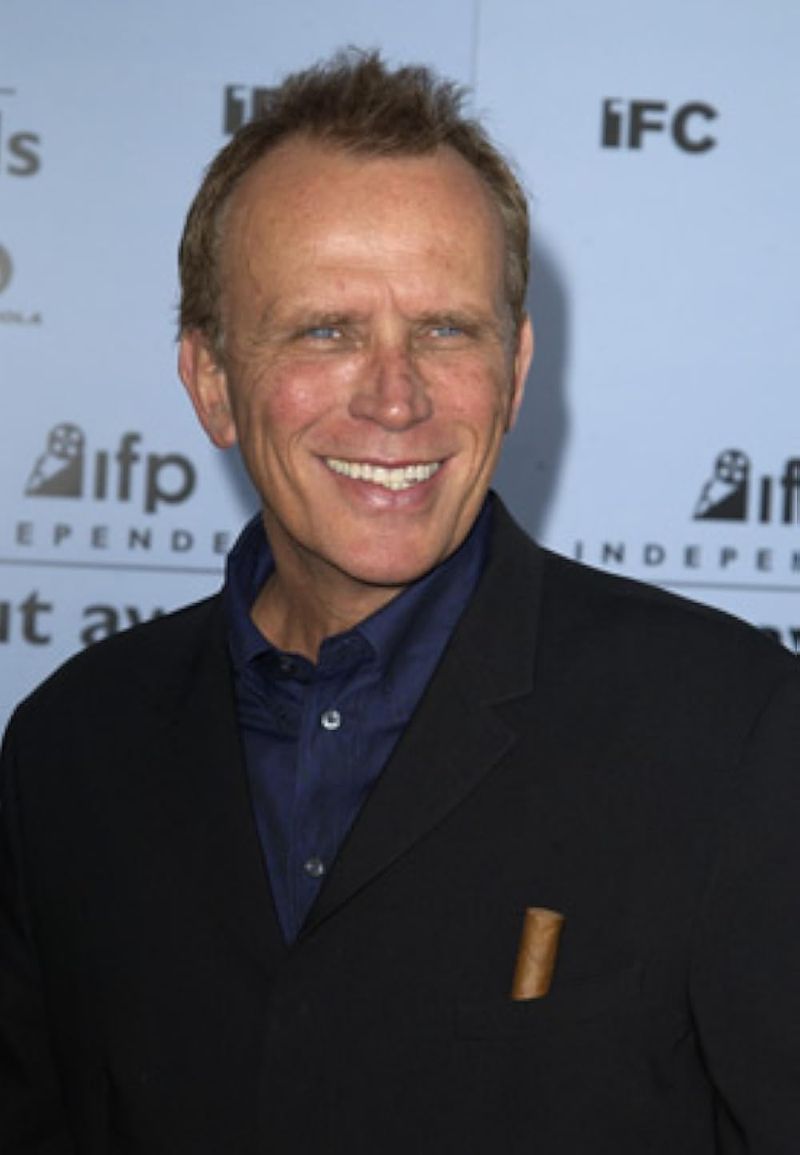
Peter Weller had one of the most distinctive combinations an actor can possess: intelligence, coolness, and genuine movie star presence.
RoboCop made him unforgettable, not just because of the concept, but because Weller gave the character humanity, wit, and surprising emotional weight.
He could be sharp, mysterious, and quietly commanding in a way that felt completely original for the decade.
That uniqueness should have translated into a much larger mainstream career than he ultimately received.
Instead of becoming a constant Hollywood headliner, he remained more of a respected cult and critical favorite.
When you revisit his work, you can see someone with the charisma and precision to anchor thrillers, dramas, and prestige projects far beyond the handful of roles people most commonly remember today.
5. William Petersen
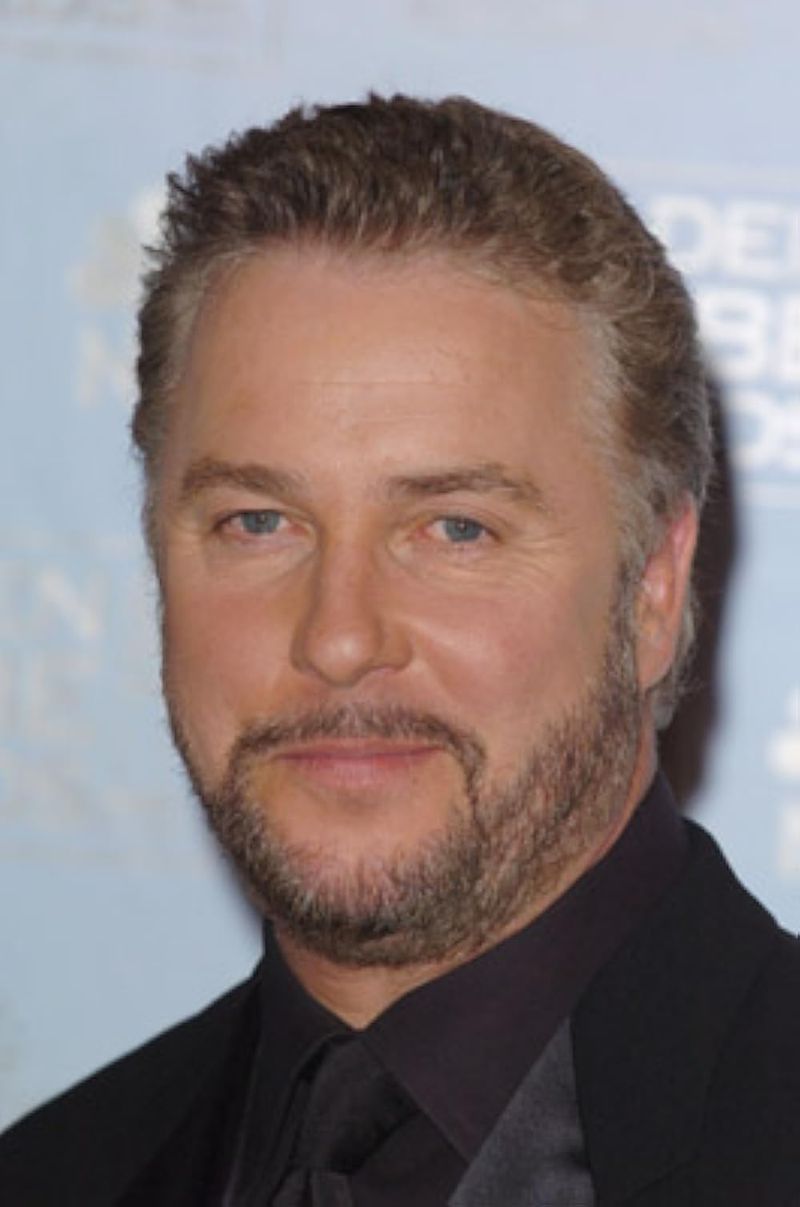
William Petersen delivered one of the great performances of 1980s crime cinema in Manhunter, and that alone should have elevated him into a higher tier of film stardom.
He played obsession, intelligence, and exhaustion with a quiet force that pulled you in without showy theatrics.
It is the kind of work that lingers because it feels precise, controlled, and deeply human.
What makes his path interesting is that mainstream fame eventually arrived through television rather than movies.
That later success almost hides how strong his earlier film potential really was during the decade.
If Hollywood had built more projects around his grounded intensity and thoughtful presence, Petersen could have become one of the era’s defining dramatic leads instead of a great what-if in film history.
6. Judge Reinhold
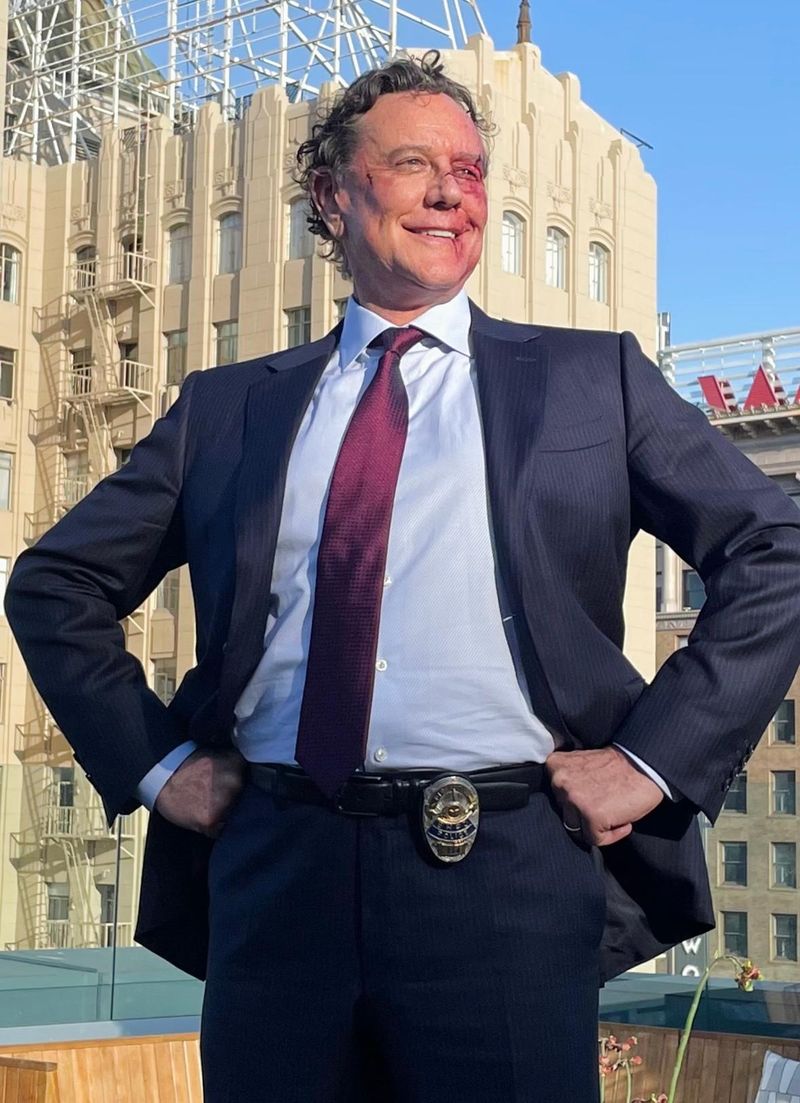
Judge Reinhold looked like the kind of actor who was on the verge of becoming one of the decade’s most bankable comedic leads.
Fast Times at Ridgemont High and Beverly Hills Cop made him broadly recognizable, but they also showed his timing, likability, and knack for playing flustered characters without losing audience sympathy.
He had an approachable quality that fit the mainstream perfectly.
That is why his career feels like such a near miss when you look back on the 1980s.
He seemed positioned for bigger starring vehicles, especially as Hollywood leaned into accessible comedies and crowd-pleasing hits.
Instead, Reinhold remained familiar and successful without making the leap many expected, despite having the easy charm and comic instincts that often carry actors much further.
7. Tom Noonan
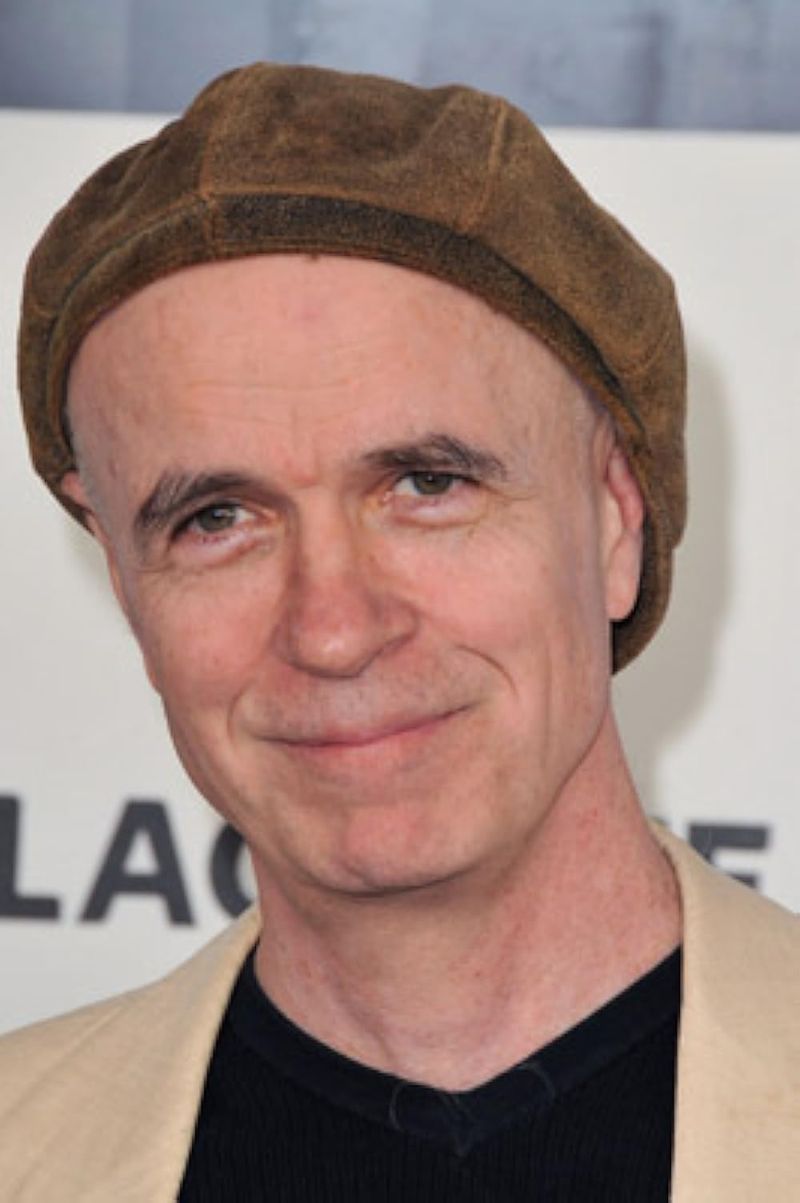
Tom Noonan never looked or felt like a conventional movie star, which may be exactly why his work remains so unforgettable.
In Manhunter and other 1980s roles, he brought a haunting stillness that could make a scene feel unsettling before he even spoke.
Few character actors of the era created such a specific, lasting impression with so little visible effort.
Even so, being distinctive should not have meant being overlooked on a larger scale.
Noonan had the kind of unusual screen power that could have supported more ambitious leading or prestige supporting roles throughout the decade.
When you revisit his performances, you are reminded that Hollywood often struggles to reward originality, even when that originality is exactly what makes an actor impossible to forget.
8. Powers Boothe
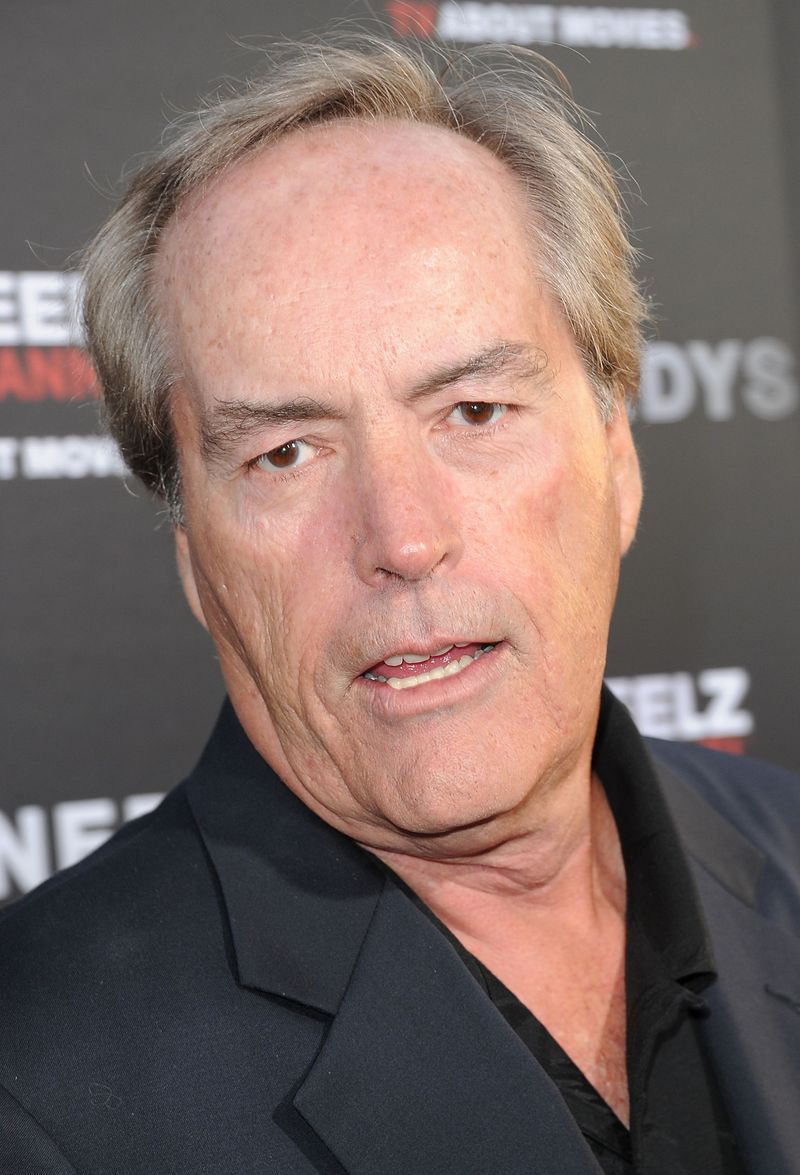
Powers Boothe had one of those voices and faces that immediately gave a movie more authority.
Whether he was playing powerful, dangerous, or morally slippery men, he carried himself with a gravitas that made every scene feel sharper.
He had versatility too, which is why he never seemed trapped by one genre or type despite being so naturally commanding.
That combination should have made him a much more heavily used force in major studio films.
Instead, Boothe often remained the excellent actor people admired without always placing him in the center of the conversation.
Looking back, you can see someone who had the weight, confidence, and sheer screen command to become a much bigger fixture in prestige dramas, thrillers, and high-profile mainstream entertainment.
9. Keith Gordon
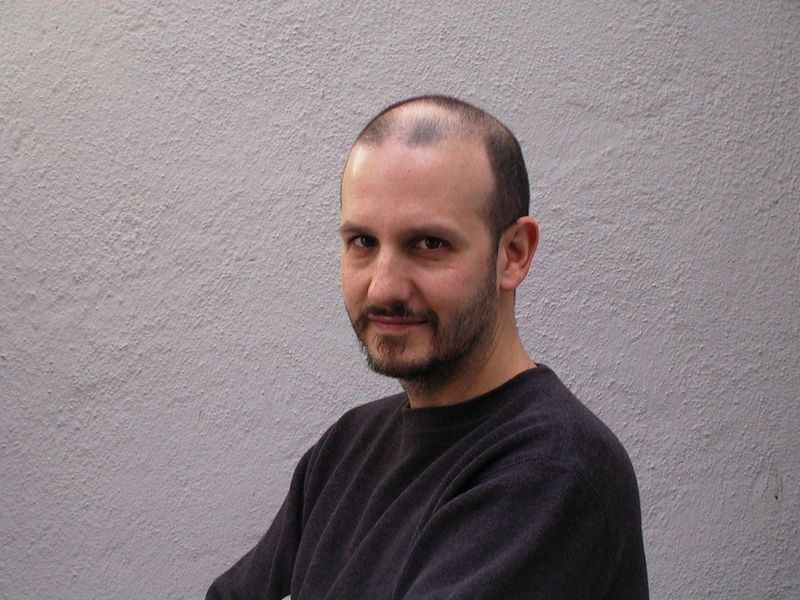
Keith Gordon had the kind of thoughtful, offbeat appeal that made him stand out from more obvious young stars of the 1980s.
In Christine and The Legend of Billie Jean, he showed vulnerability, intelligence, and a low-key charisma that suggested a long runway ahead as a distinctive leading man.
He felt relatable without being bland, which is a harder balance than it looks.
Part of what makes his career intriguing is how strongly he seemed positioned for more.
Hollywood often says it wants performers who can bring nuance to youth-oriented material, and Gordon absolutely did that.
Yet the larger breakthrough never arrived in the way many expected, leaving behind the sense that audiences missed out on watching a potentially singular screen career develop in real time.
10. C. Thomas Howell
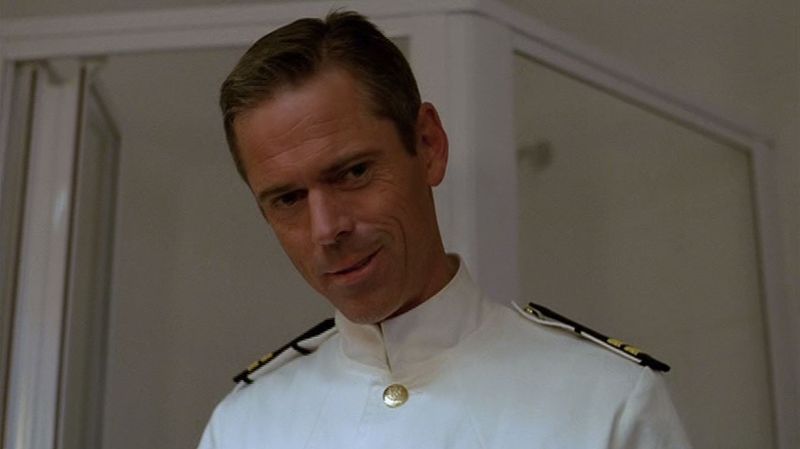
C.
Thomas Howell was right in the middle of that talented young actor wave associated with the Brat Pack era, but he often deserves more credit than he gets.
The Outsiders and Red Dawn showed that he could bring sincerity, intensity, and emotional commitment to stories aimed at young audiences without ever feeling lightweight.
He had a genuine leading quality that came through clearly on screen.
Because of that, it is easy to see why people expected a bigger long-term trajectory.
Howell was not just another recognizable face from ensemble casts, he was someone who could anchor scenes with earnestness and conviction.
Looking back now, his 1980s work suggests an actor who should have remained much closer to the center of mainstream movie culture than he ultimately did.
11. Eric Roberts
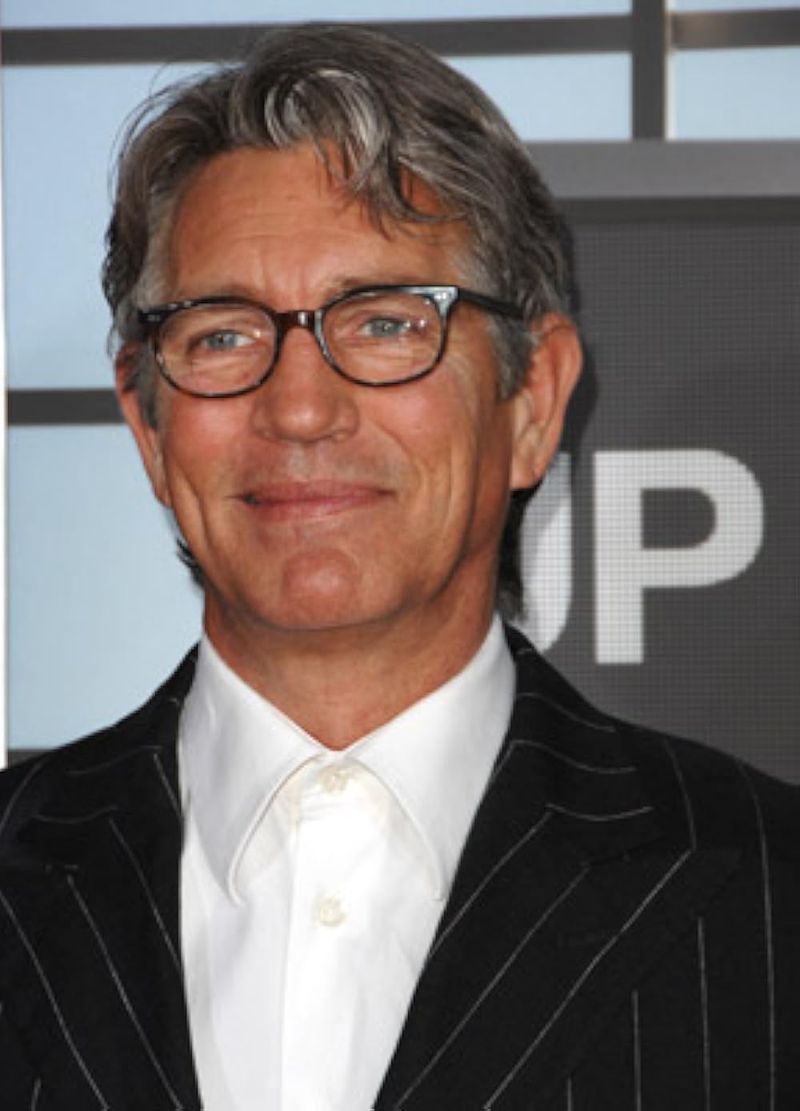
Eric Roberts had early career momentum that felt impossible to ignore, and for good reason.
He was wildly talented, emotionally fearless, and capable of giving performances that felt bigger, riskier, and more alive than many of his contemporaries.
An Oscar nomination only reinforced the idea that he was heading toward a major, lasting place among Hollywood’s elite.
Instead, his career became one of the great examples of promise not fully converting into sustained top-tier stardom.
That does not erase the talent, because the talent remains obvious whenever you revisit his strongest work.
If anything, it makes his story more fascinating, since you can still see the raw magnetism of an actor who seemed built for a much larger and more prestigious movie legacy.
12. Bruce Campbell
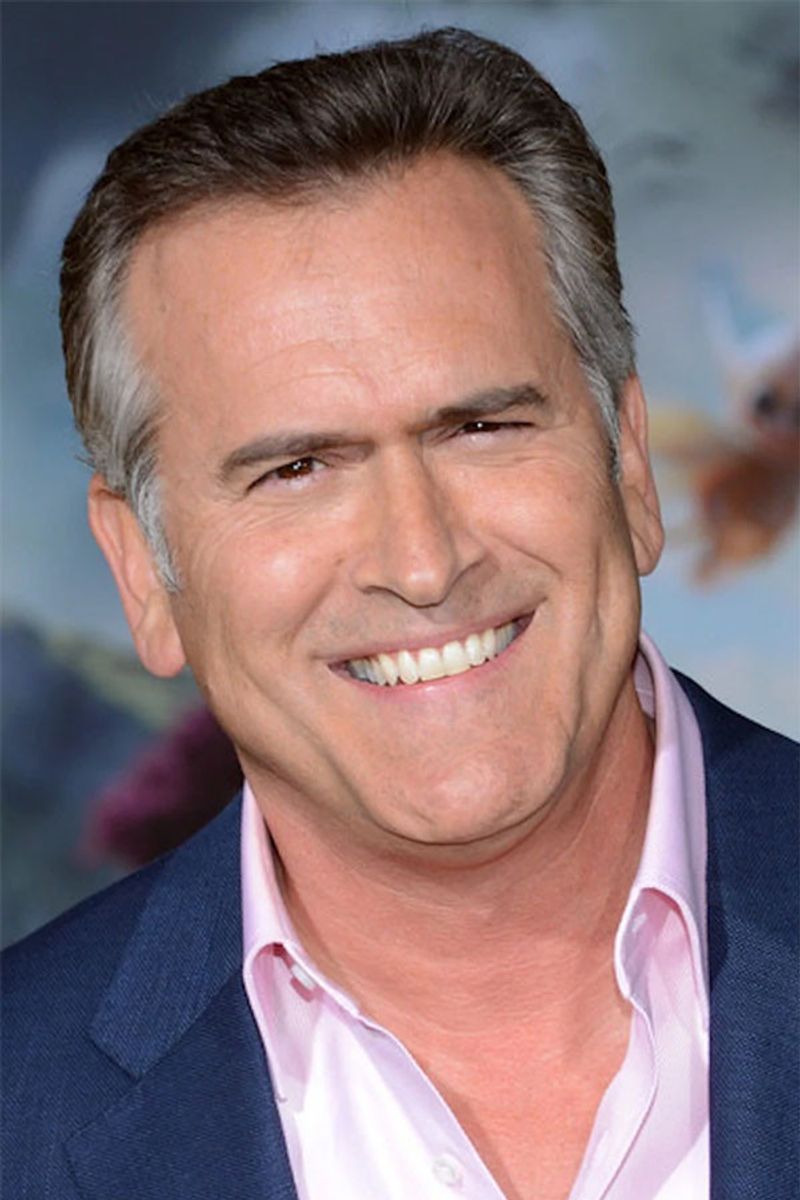
Bruce Campbell became a cult icon for very good reasons, but cult status can sometimes undersell just how gifted he really is.
The Evil Dead series showcased his physical comedy, timing, self-awareness, and natural charm in ways that few actors could have pulled off.
He made absurdity look effortless, which is often a sign of real star power rather than niche appeal.
What stands out now is how easily that wit and charisma could have translated into broader mainstream success.
Campbell had a likable swagger that might have thrived in studio comedies, action adventures, or even television much earlier.
Instead, he remained beloved on the margins of pop culture, leaving you to imagine the bigger career he might have had with wider industry backing.
13. Timothy Hutton
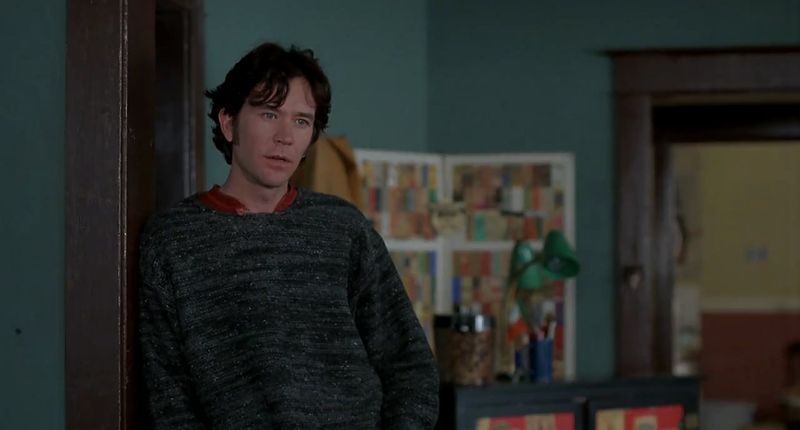
Timothy Hutton seemed destined for a towering career after Ordinary People, especially since becoming the youngest Best Supporting Actor Oscar winner ever should have opened every possible door.
He had the rare ability to play intelligence, pain, and emotional restraint in a way that felt mature beyond his years.
You could easily imagine him growing into one of the decade’s defining dramatic stars.
That larger arc never fully materialized, which remains surprising given how much promise he showed so early.
Hutton continued to do strong work, but the dominant movie-star identity many expected never settled around him.
Looking back, his career feels like a reminder that awards momentum does not always become lasting cultural centrality, even when the performer clearly has the skill to sustain it.
14. Kyle MacLachlan
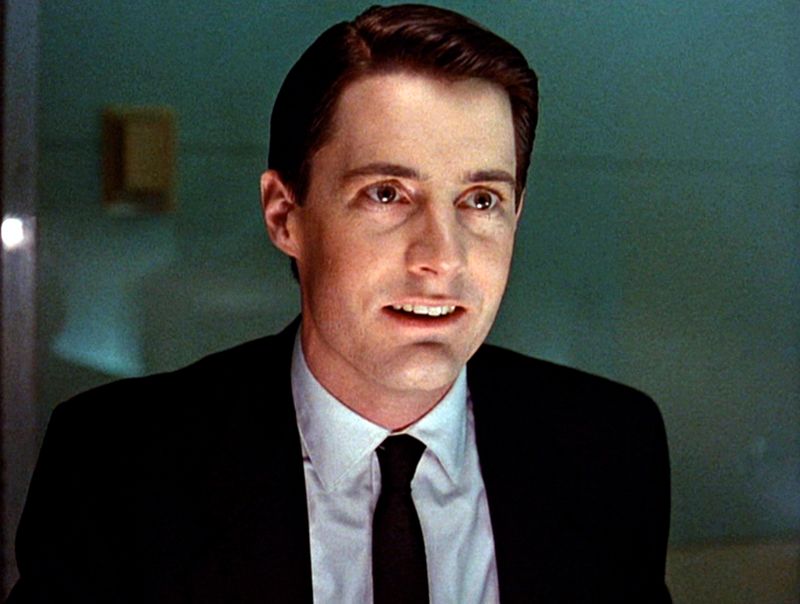
Kyle MacLachlan had a screen presence that felt both classic and strange, which made him uniquely compelling in the 1980s.
Blue Velvet especially revealed how effective he could be as a leading man who brought sincerity, curiosity, and a hint of mystery into unsettling material.
He never seemed generic, and that alone should have made him a more significant movie force.
Of course, being unusual can be a double-edged advantage in Hollywood.
MacLachlan earned admiration and memorable roles, but mainstream movie stardom never fully embraced him in the way his talent suggested it might.
When you revisit his best 1980s work, you can see an actor with intelligence and magnetism who deserved far more chances to lead ambitious films beyond the cult and art-house space.
15. John Lone
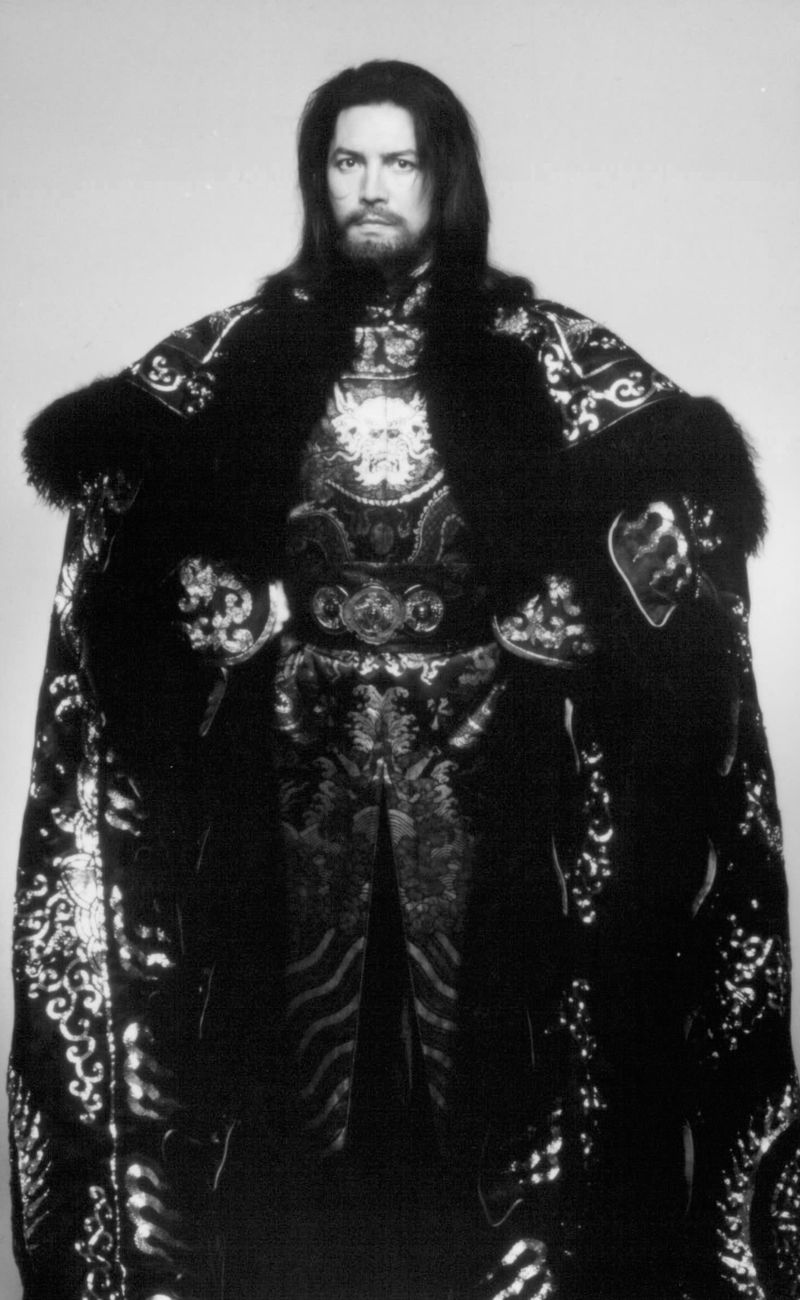
John Lone brought elegance, precision, and emotional depth to his performances in a way that felt truly singular.
In The Last Emperor and Year of the Dragon, he showed remarkable range while maintaining a magnetic stillness that drew your attention without demanding it.
He had the refinement of a prestige actor and the visual presence of someone who should have been far more widely celebrated.
That is what makes his relative lack of broader recognition so frustrating in hindsight.
Hollywood had an actor capable of delivering intelligence, mystery, and vulnerability at an unusually high level, yet it never fully translated that into consistent star treatment.
If you revisit his best work today, you can clearly see one of the most overlooked talents of the era, and one of its biggest missed opportunities.