 MomSkoop

Sometimes the biggest changes in a relationship happen quietly, without a single argument or dramatic moment. A husband pulling away emotionally can be one of the hardest things to notice because it happens slowly, in small, everyday moments.
Recognizing the signs early can help you understand what is going on and decide what steps to take. Knowing what to look for is the first step toward honest, open conversation.
1. His Tone of Voice Becomes Cold or Distant

Words carry weight, but tone carries truth.
When a husband starts speaking in a flat, detached voice, it can feel like talking to a stranger rather than a life partner.
He may answer questions with short, clipped responses, showing little warmth or enthusiasm.
The playful edge in his voice that once made you feel safe and loved seems to have quietly disappeared.
Pay attention to how he speaks, not just what he says.
A consistently cold or robotic tone during everyday conversations is a clear signal that something deeper may be shifting inside the relationship.
2. He Criticizes More Than He Compliments

Criticism, when it becomes the loudest voice in a relationship, slowly chips away at connection.
A husband who once celebrated your strengths but now only highlights your flaws is showing a significant emotional shift.
Small comments like rolling his eyes at your cooking or dismissing your ideas at every turn can add up fast.
Over time, these moments replace the warmth that used to fill everyday life.
Healthy relationships thrive on encouragement.
When compliments become rare and criticism becomes the norm, it often means emotional investment has dropped, and resentment may be quietly building beneath the surface.
3. He Stops Making Small Gestures of Affection

Remember when he used to bring you coffee without being asked, or squeeze your hand during a movie?
Those little moments are the heartbeat of a loving relationship.
When those small gestures start to fade, it is easy to dismiss them as busyness or stress.
But if they disappear entirely and stay gone, it often means emotional warmth is draining away.
Affection does not always need grand gestures.
A quick hug, a kind note, or even a simple smile across the room matters deeply.
When a husband stops offering these, the emotional gap between partners tends to grow wider each day.
4. He No Longer Asks How You Are Feeling or How Your Day Went

Curiosity about your partner is one of the clearest signs of emotional investment.
When a husband stops asking about your day or how you are feeling, it suggests he may no longer feel motivated to stay connected to your inner world.
You might notice dinner conversations becoming one-sided, or that he walks through the door without a single question directed at you.
That absence of interest, while quiet, speaks loudly.
Feeling unseen in your own home is exhausting.
Genuine check-ins are how couples stay emotionally bonded over time, and when they stop, the relationship can start to feel more like a living arrangement than a partnership.
5. He Avoids Spending Time Together

Shared time is the foundation of closeness.
When a husband starts filling his schedule with solo activities, late nights at work, or outings with friends while consistently leaving you out, it is worth taking notice.
He might claim he just needs space, and sometimes that is genuinely true.
But when avoidance becomes a pattern rather than an occasional need, it signals something more emotionally significant.
Couples who stay connected make time for each other, even in small doses.
If your husband seems to actively dodge one-on-one time with you, the emotional distance between you two has likely grown far beyond a simple case of needing breathing room.
6. He No Longer Seeks Physical Closeness

Physical closeness is deeply tied to emotional connection.
When a husband stops reaching for your hand, sitting close to you on the couch, or initiating any kind of physical contact, it often reflects a deeper emotional withdrawal.
This is not just about intimacy in the romantic sense.
Even casual touches like a pat on the shoulder or a goodnight hug carry emotional meaning in a committed relationship.
When those moments disappear without explanation, it can leave a partner feeling invisible and unwanted.
A husband who is emotionally invested naturally gravitates toward physical closeness, so the absence of it is a meaningful and telling signal.
7. He Shows No Interest in Your Achievements or Struggles

Being each other’s biggest cheerleader is one of the most rewarding parts of marriage.
When a husband stops celebrating your wins or showing up emotionally during your tough moments, it creates a painful kind of loneliness.
You might share exciting news and receive nothing more than a shrug.
Or you might be going through a hard time and notice he never once asks if you are okay.
That emotional indifference stings more than most arguments ever could.
A partner who truly cares wants to know about your highs and your lows.
When that curiosity disappears completely, the emotional thread holding the relationship together has clearly begun to unravel.
8. He Stops Making Future Plans Together

Planning a future together is one of the most hopeful things couples do.
Talking about vacations, home projects, or even next weekend shows that you both see yourselves in each other’s lives going forward.
When a husband stops including you in future plans, or starts making solo decisions about things that should involve you both, it can feel like he is mentally checking out of the relationship.
Pay attention to whether he says “I” instead of “we” when talking about the future.
That small shift in language can reveal a lot about where his emotional investment truly stands right now in the marriage.
9. He Stops Sharing His Thoughts and Feelings

Vulnerability is the glue of emotional intimacy.
When a husband stops sharing what is on his mind, what worries him, or what excites him, the relationship starts to lose its depth and meaning.
You might notice he gives vague, surface-level answers when you ask what he is thinking.
Or he processes everything alone without ever looping you in, even on important matters.
That emotional wall is hard to break through once it goes up.
Couples who stay emotionally close share their inner lives openly and regularly.
When one partner goes silent on an emotional level, it creates a gap that grows harder to bridge with every passing week.
10. He Loses Interest in Solving Conflicts

Conflict in a relationship is not the enemy.
Avoiding it completely is.
When a husband stops caring enough to work through disagreements, it often means he has emotionally stepped back from the relationship itself.
He might shut down mid-argument, refuse to revisit issues, or simply say “whatever” to end conversations rather than find real solutions.
That kind of checked-out response is more alarming than heated arguing.
Caring enough to fight for a resolution shows investment.
A husband who shrugs off every conflict, no matter how important the topic, is sending a quiet but powerful message that the outcome of the relationship no longer feels worth his emotional energy.
11. He Becomes Defensive or Irritated Easily
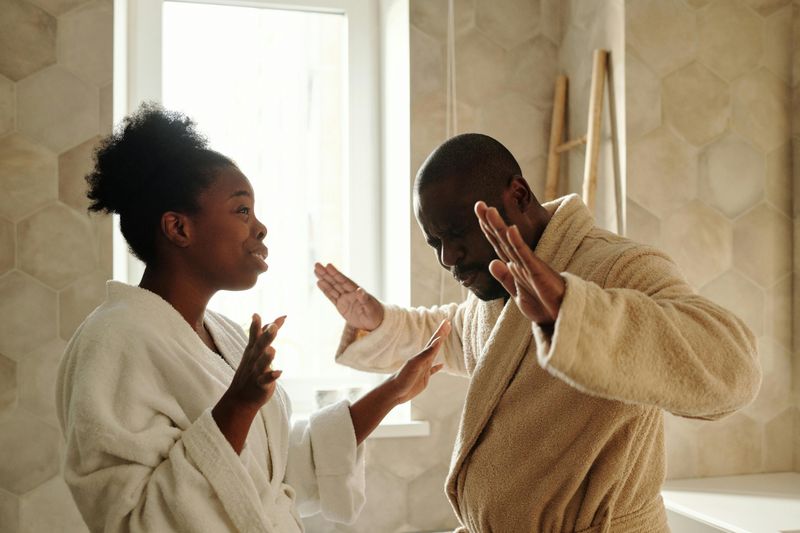
Everyone has bad days, but when irritability becomes a husband’s default setting around you specifically, it is worth paying attention to.
Constant defensiveness is often a sign of unaddressed emotional tension.
He might snap at small things, read neutral comments as attacks, or act as if every conversation is an interrogation.
That hair-trigger reaction is rarely just about stress at work.
When a person is emotionally checked out, they often feel guilt or frustration they cannot name, and that energy comes out as irritability.
If your husband seems perpetually annoyed in your presence but relaxed everywhere else, the emotional roots of that pattern deserve an honest, calm conversation.
12. He Prioritizes Everything Else Over You

Priorities reveal values.
When a husband consistently places work, hobbies, friends, and screen time above time with you, it is not just a scheduling issue.
It reflects where his emotional energy is actually going.
You might find yourself competing for his attention and losing every single time.
Plans get canceled, promises get broken, and somehow everything else always seems more urgent than you.
Feeling like an afterthought in your own marriage is deeply painful.
A husband who is emotionally invested makes sure his partner feels chosen and valued, even during busy seasons.
Consistent emotional absence wrapped in excuses is one of the clearest signs of disconnection.
13. He Stops Showing Gratitude
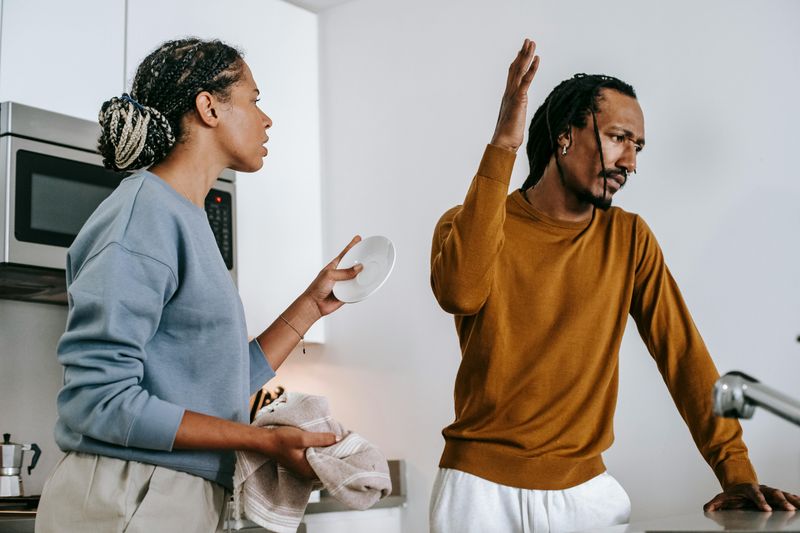
Gratitude is one of the simplest and most powerful ways to show a partner they are seen.
When a husband stops saying thank you, stops acknowledging your effort, or takes everything you do for granted, it signals a shift in how he values the relationship.
You might cook, clean, support his goals, and manage the household, only to receive silence in return.
Over time, that lack of recognition becomes demoralizing.
Appreciation keeps love alive.
Research on relationships consistently shows that couples who express gratitude regularly feel more satisfied and connected.
When gratitude disappears from a marriage, emotional distance tends to quietly take its place without warning.
14. He Compares You to Others

Comparison is one of the most quietly damaging things a partner can do.
When a husband starts measuring you against other women, whether friends, coworkers, or even celebrities, it chips away at your sense of worth in the relationship.
Comments like “she always has dinner ready” or “her husband never complains” might seem offhand, but they carry a sharp emotional sting.
Repeated comparisons signal dissatisfaction and a lack of appreciation for who you actually are.
A truly invested partner sees you as your own person, not a project to be improved.
If comparisons are becoming a regular part of how he communicates, it points to a serious breakdown in emotional respect and connection.
15. He Acts as If Your Presence Is Optional

There is a particular kind of hurt that comes from feeling like a roommate rather than a spouse.
When a husband acts as though your presence adds nothing special to his day, the emotional disconnection has reached a significant level.
He might make plans without telling you, come and go without checking in, or seem unbothered whether you are in the room or not.
That indifference speaks volumes without a single word.
Feeling like an optional part of someone’s life, especially a person you married, is one of the loneliest experiences imaginable.
Recognizing this pattern clearly is the first step toward deciding how to address it with honesty and courage.