 MomSkoop
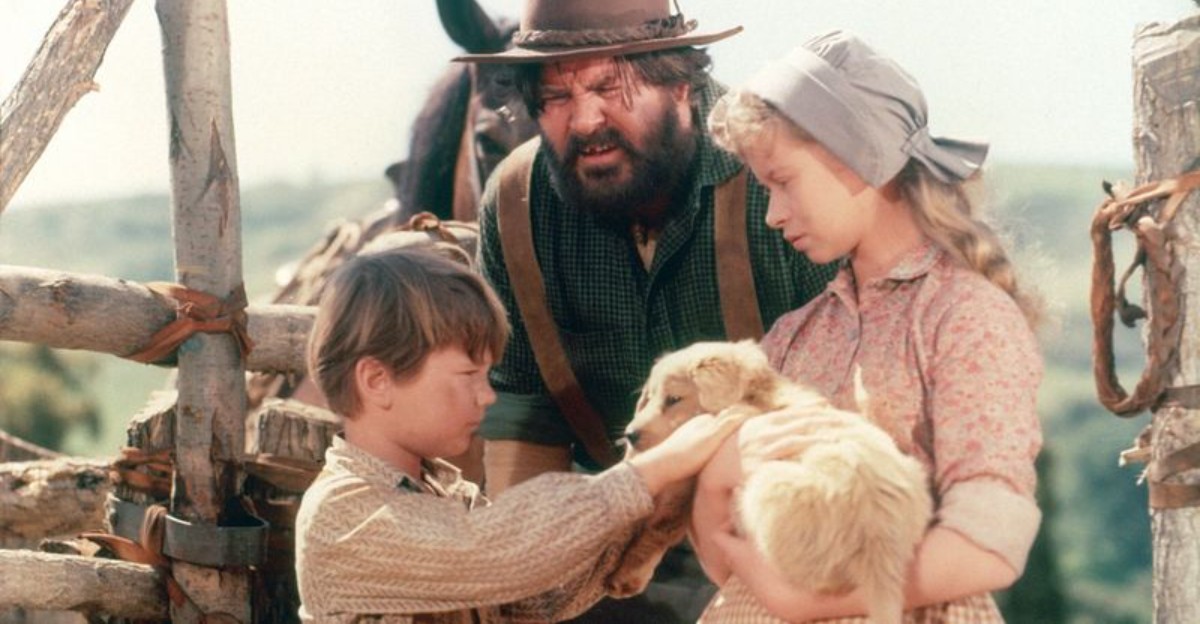
Many beloved classic movies are remembered as feel-good favorites, but a closer look reveals some surprisingly heavy and unsettling themes hiding beneath the surface. From animated fairy tales to cheerful musicals, these films tackled topics like death, abuse, addiction, and despair in ways that might shock modern audiences.
Understanding these deeper layers makes watching these movies a richer, more meaningful experience. Get ready to see some old favorites in a brand-new light.
1. It’s a Wonderful Life (1946)
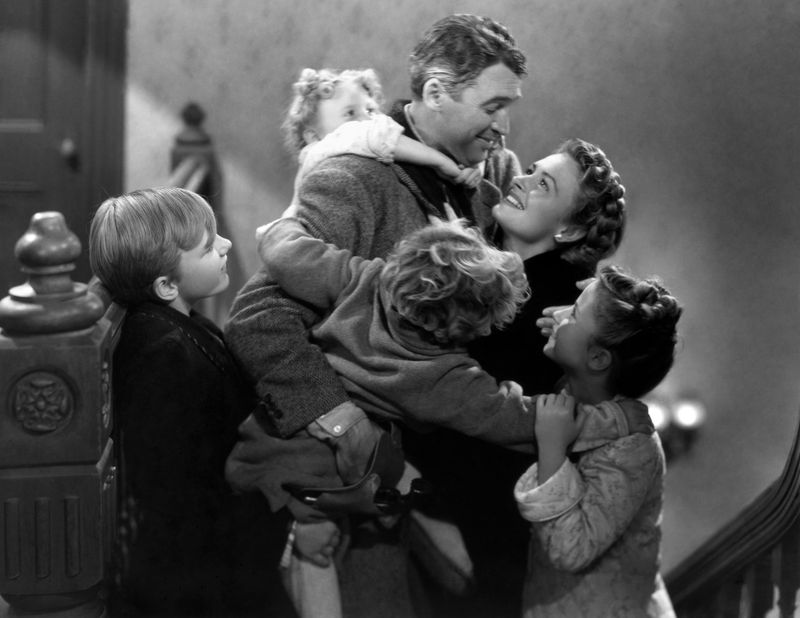
Most people think of this holiday classic as a warm, uplifting story about community and gratitude.
But the truth is, George Bailey spends most of the film crushed under financial stress, unfulfilled dreams, and a growing sense of hopelessness.
He reaches such a low point that he seriously considers suicide, which is a heavy topic for any movie, let alone one shown every Christmas season.
The film does not shy away from showing real depression and existential despair.
George feels trapped, invisible, and desperate.
The angel Clarence arrives not for a celebration but to stop a man from ending his life.
Underneath the joyful ending is a story about mental health struggles that remain deeply relevant today.
2. The Wizard of Oz (1939)
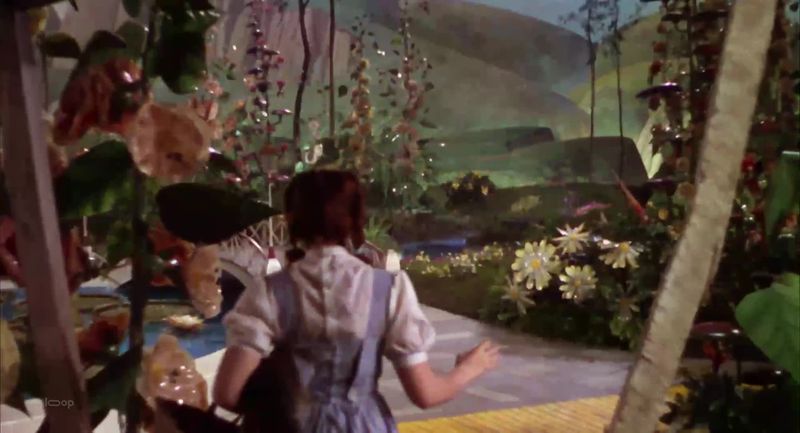
Remembered mostly for its rainbow, singing, and dancing, this beloved film is actually packed with genuine terror.
Dorothy is violently swept from her home by a tornado, dropped into a strange world, and immediately threatened with death by a powerful witch.
The Wicked Witch of the West does not just dislike Dorothy, she actively plots to kill her throughout the entire story.
Flying monkeys, a field of poisoned poppies, and a crumbling castle full of soldiers paint a picture that is far more frightening than most people recall.
Dorothy also wrestles with abandonment, longing, and the fear that she may never find her way home.
For a children’s movie, the darkness runs surprisingly deep from start to finish.
3. Mary Poppins (1964)
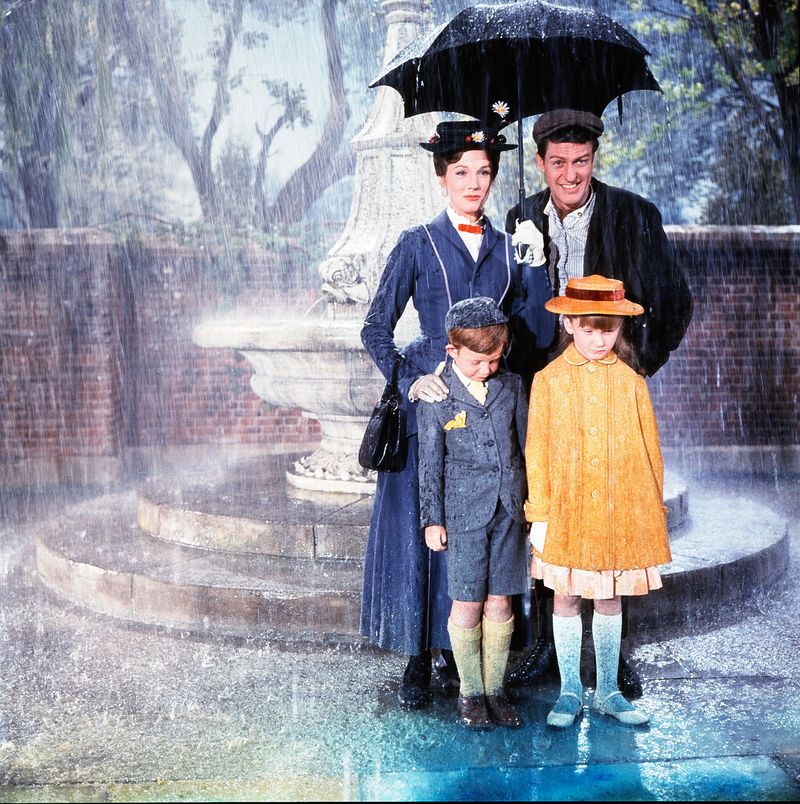
Mary Poppins floats in on a cheerful breeze, but the family she arrives to help is quietly falling apart.
Mr. Banks is emotionally unavailable, consumed by work and rigid schedules, while his children are essentially raising themselves.
The Banks household looks picture-perfect on the outside but is filled with loneliness and emotional neglect on the inside.
Class inequality also runs through the film.
Bert and other working-class characters live in a completely different world from the wealthy Banks family.
Mary Poppins herself is a mysterious figure who appears, fixes the emotional damage adults have caused, and then disappears without explanation.
The magic is fun, but the reason it is needed in the first place is genuinely sad and worth noticing.
4. Willy Wonka and the Chocolate Factory (1971)
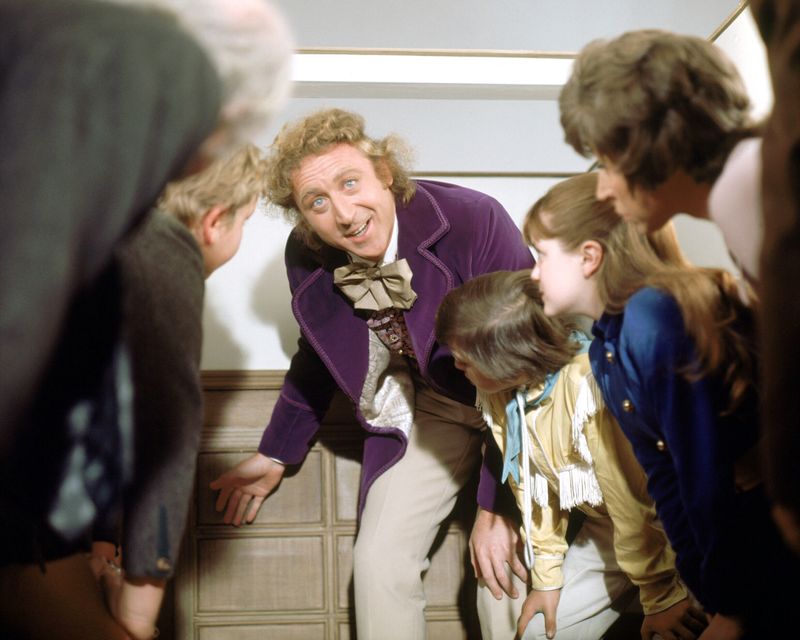
On the surface, this film looks like a sugary dream about a lucky kid winning a golden ticket.
Look a little closer, though, and Willy Wonka’s factory is basically a trap designed to test children and punish those who fail.
Each child who misbehaves meets a disturbing fate, and Wonka watches with cold detachment, even amusement, rather than concern.
Charlie’s family lives in genuine poverty, barely scraping together enough food to survive.
The contrast between their desperate circumstances and the grotesque excess of the factory is hard to miss.
Wonka himself is morally unsettling, running experiments on children without their parents’ informed consent.
The film raises real questions about greed, class, and what adults owe to children in their care.
5. Pinocchio (1940)
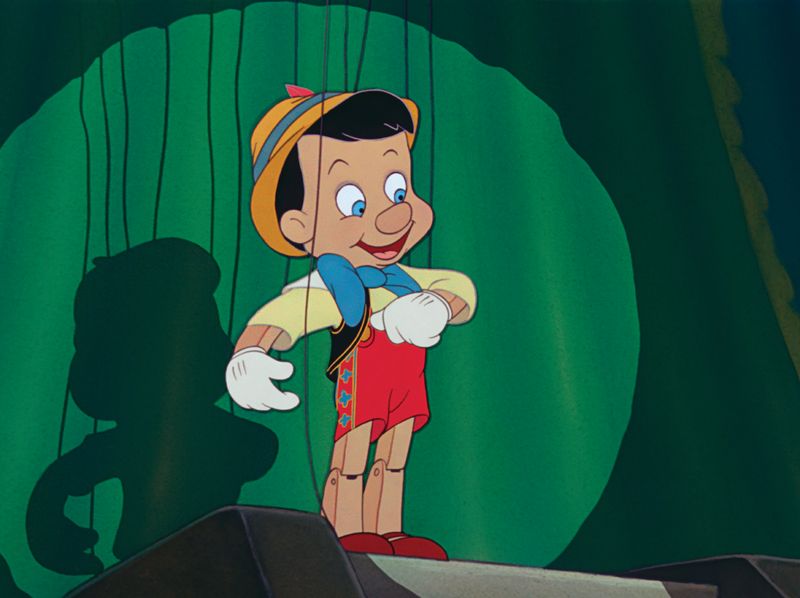
Pinocchio is often remembered as a charming story about a puppet who wants to become a real boy.
But the journey he takes to get there is genuinely harrowing.
He is lured away from home by manipulative strangers, exploited as a performer, nearly sold into permanent captivity, and almost transformed into a donkey to be worked to death in a salt mine.
The Pleasure Island sequence alone is a disturbing allegory about child trafficking and exploitation.
Boys who seek only fun are stripped of their identities and turned into animals.
Pinocchio loses himself multiple times along the way, and the film does not soften the consequences.
It is a surprisingly brutal story dressed up in colorful animation and catchy songs.
6. Bambi (1942)
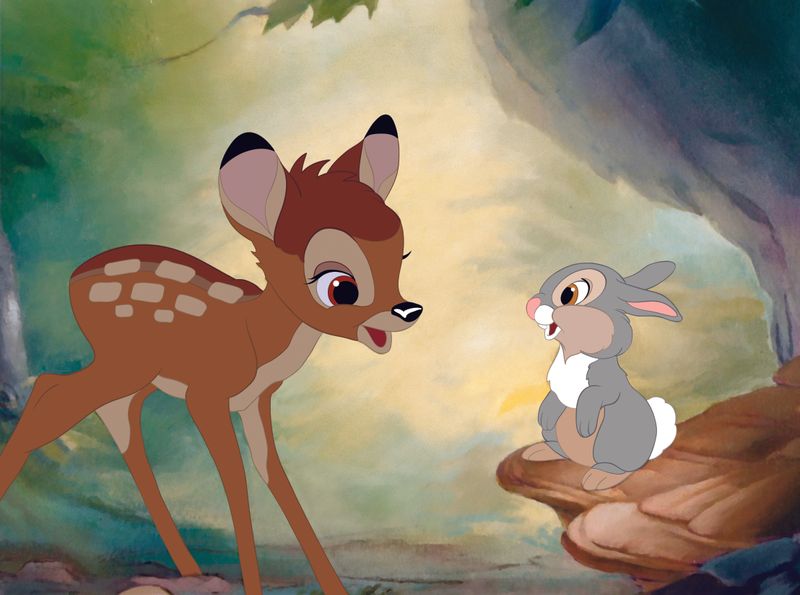
Few movie moments have traumatized as many children as the death of Bambi’s mother.
What makes it so powerful is how real and sudden it feels.
One moment she is there, the next she is gone, and Bambi is left calling out for her in a snowy, silent forest.
The film does not cushion the blow or offer easy comfort.
Beyond that single devastating scene, Bambi is a film about survival, predation, and the brutality of nature.
Hunters are portrayed as an almost elemental force of destruction.
Fire sweeps through the forest, threatening everything.
Growing up in Bambi’s world means accepting loss, fear, and danger as permanent facts of life.
For an animated film aimed at children, it carries a weight that is genuinely difficult to shake.
7. Dumbo (1941)
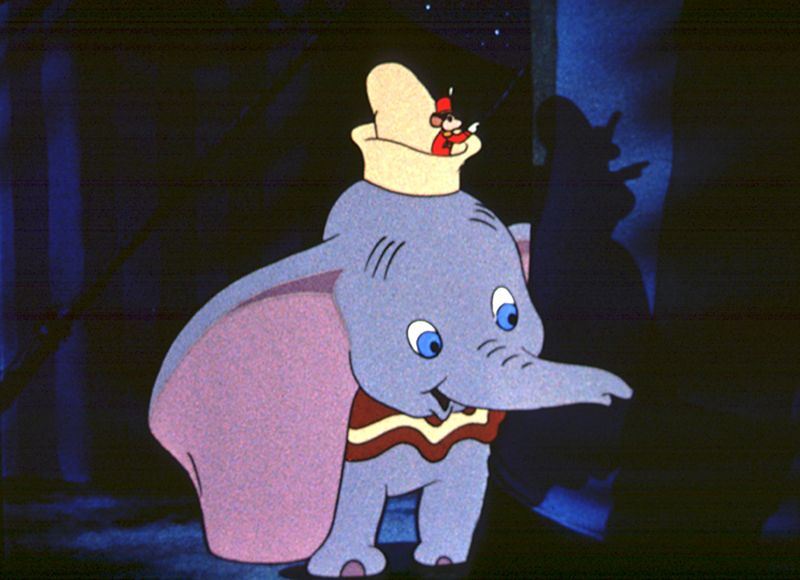
Dumbo is sold as a sweet circus story about a flying elephant, but it is really a film about cruelty, isolation, and the pain of being different.
Dumbo is mocked relentlessly by other elephants, tormented by cruel clowns, and separated from his mother, who is locked up after trying to protect him.
Their reunion is one of the most heartbreaking sequences in animation history.
The film also touches on themes of discrimination and exploitation.
Dumbo is used for entertainment without any consideration for his well-being or dignity.
The crows, while memorable, reflect racial stereotypes that are uncomfortable to watch today.
Beneath the big top and the pink elephant hallucinations is a story about a child enduring abuse with no one to protect him.
8. Peter Pan (1953)
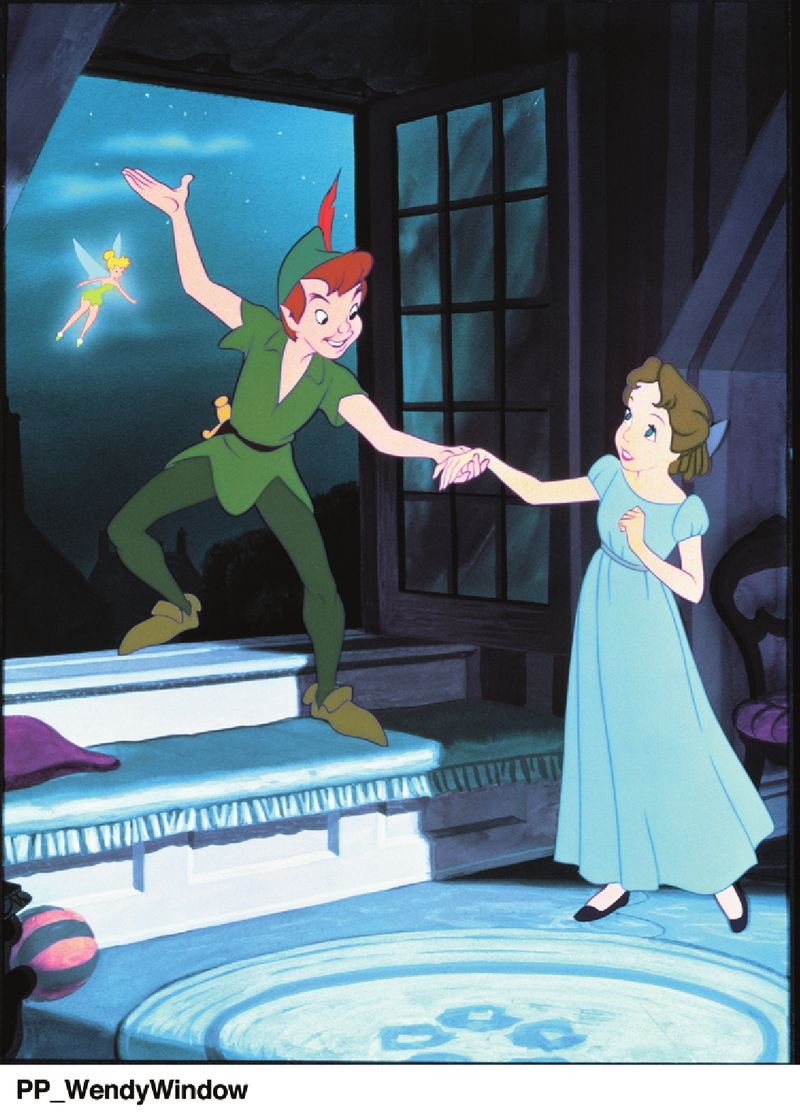
Peter Pan is usually remembered as a joyful adventure about flying to a magical island where children never have to grow up.
But sit with that premise for a moment and it becomes quietly unsettling.
Peter refuses to age, refuses to remember, and shows little emotional attachment to anyone.
He is charming and fun, but also cold in ways that feel deeply strange.
The film also features real violence, piracy, and the threat of death.
Tiger Lily is nearly drowned.
Children are kidnapped.
Captain Hook is terrifying.
Tinker Bell tries to have Wendy killed out of jealousy.
Wendy’s role raises questions about abandonment and the cost of never maturing.
Neverland looks like paradise but functions more like a place where children are kept from ever truly living.
9. The Sound of Music (1965)
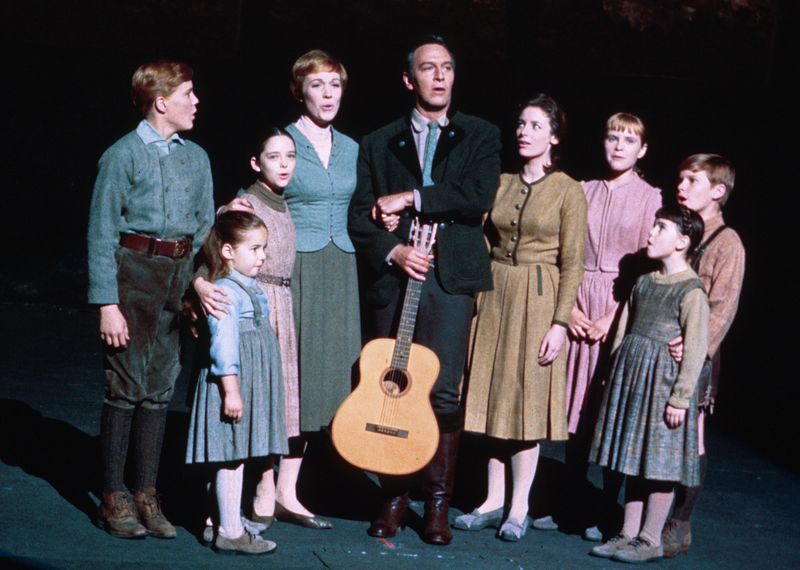
The Sound of Music is famous for its gorgeous Alpine scenery, catchy songs, and the warmth of the Von Trapp family.
But the backdrop of the story is the Nazi annexation of Austria, a historical event with devastating consequences for millions of people.
Captain Von Trapp is pressured to serve in the Nazi military, and the family must flee their home country to survive.
The stakes are genuinely life-and-death.
The film shows how quickly a government can strip citizens of their freedom and force impossible choices.
Children in the Von Trapp family grow up overnight, understanding that safety is no longer guaranteed.
The cheerful songs exist in direct tension with the political terror surrounding them, which gives the film a powerful and sobering emotional undercurrent.
10. Chitty Chitty Bang Bang (1968)
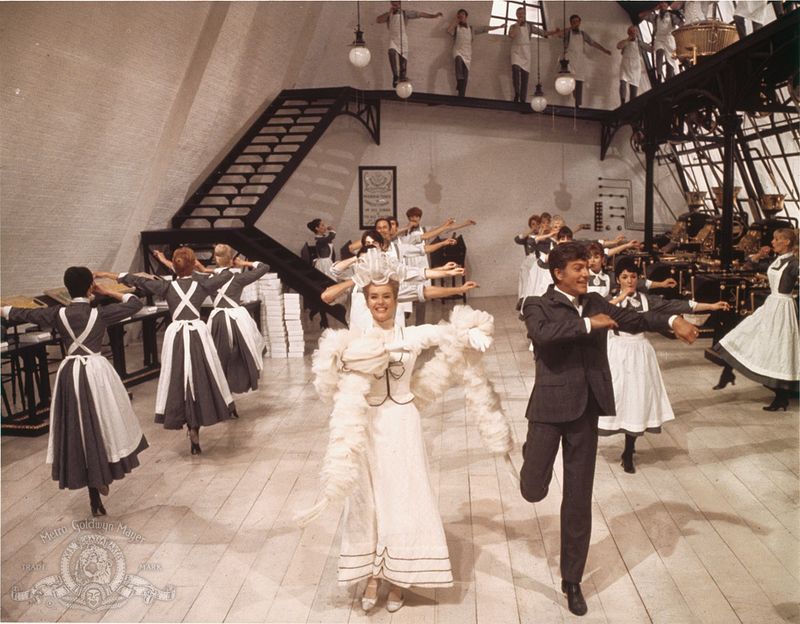
Most people remember Chitty Chitty Bang Bang as a fun family musical with a flying car and silly songs.
What they tend to forget is the Child Catcher, one of cinema’s most genuinely terrifying villains.
He stalks children through the streets, lures them with candy, and imprisons them in a dungeon beneath a castle.
He is not played for laughs.
He is played for nightmares.
The entire Vulgarian subplot involves a kingdom where children are illegal and hunted by the state.
That is a deeply disturbing premise for a film marketed to families.
The kidnapping and imprisonment of children is treated as adventure, but the underlying ideas about authority, predation, and the vulnerability of the young are far darker than the cheerful musical numbers suggest.
11. Old Yeller (1957)
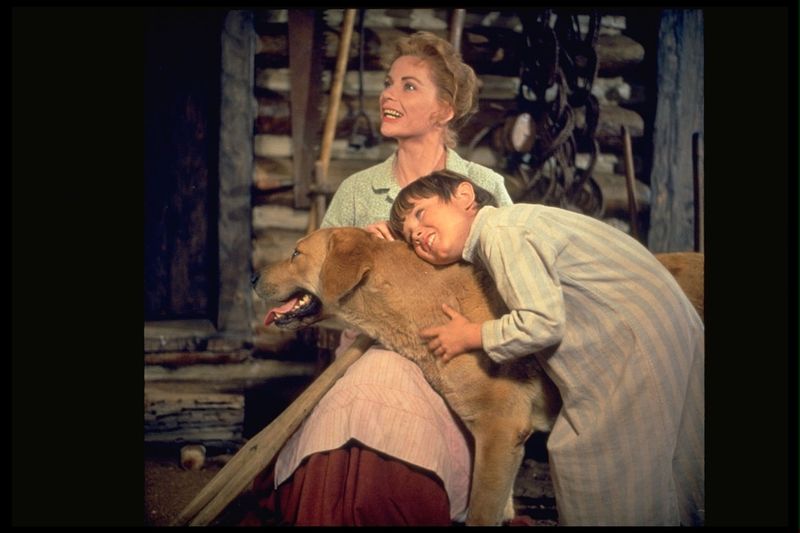
Old Yeller is remembered as a classic boy-and-his-dog story, the kind that defines childhood viewing for generations.
But it ends with one of the most emotionally brutal scenes ever put in a family film.
Travis, still just a teenager, is forced to shoot his beloved dog after Old Yeller contracts rabies protecting the family.
There is no soft fade, no rescue, no alternative offered.
The film is really about growing up fast in a harsh world.
Travis’s father is away for months, leaving a young boy responsible for the safety of his entire family.
Disease, wild animal attacks, and the weight of impossible decisions are all part of daily life.
Old Yeller does not just make children cry.
It confronts them with grief, responsibility, and the permanence of loss in a way few films dare to try.
12. The Red Shoes (1948)
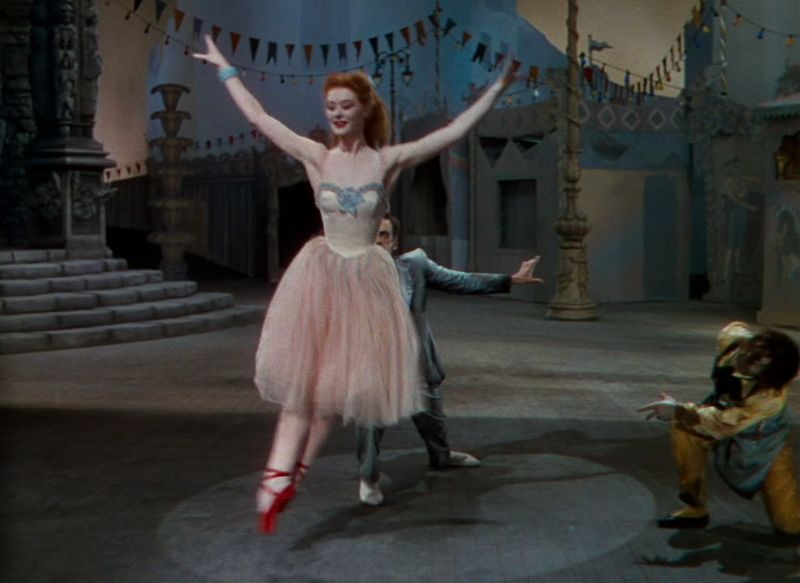
The Red Shoes is widely praised as one of the most beautiful films ever made about art and ambition.
What gets discussed less often is how deeply disturbing its core story really is.
Victoria Page is a gifted dancer controlled by a domineering impresario who demands total devotion to her art, leaving no room for love, independence, or personal happiness.
The psychological manipulation Lermontov exercises over Victoria is a form of emotional abuse.
She is caught between two men who each want to possess her, and the pressure eventually becomes unbearable.
The film ends in suicide, framed as a tragic inevitability rather than a choice.
The red shoes themselves become a symbol of obsession so consuming it destroys the person wearing them.
Beauty and darkness are completely inseparable here.
13. Meet Me in St. Louis (1944)
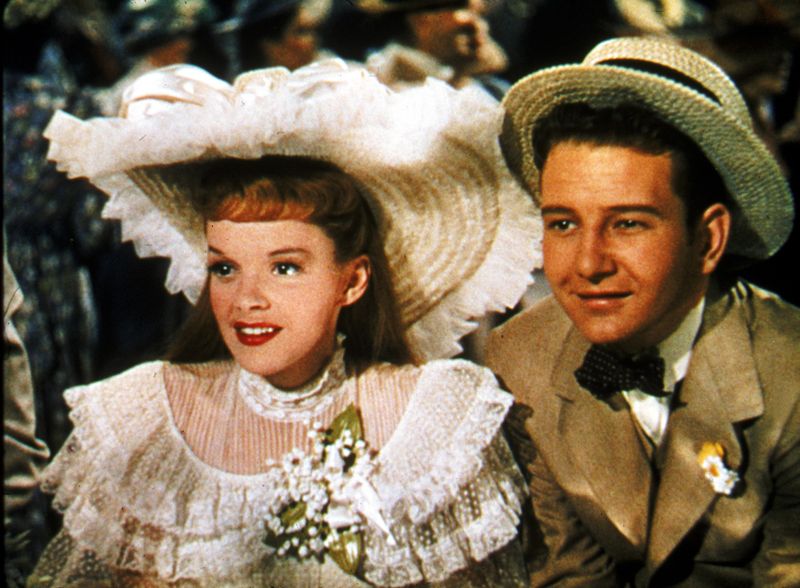
Meet Me in St. Louis has a reputation as one of Hollywood’s most cheerful musicals, full of warm family moments and gorgeous Technicolor imagery.
But anxiety runs quietly through every scene.
The Smith family faces the very real possibility of being uprooted from their beloved home in St. Louis, and the emotional toll of that uncertainty shapes every relationship in the film.
Most striking is the Halloween sequence, where young Tootie commits acts of neighborhood vandalism with startling intensity, and the famous scene where she destroys the family’s snowmen in a grief-fueled rage.
For a musical, the film contains a surprising amount of real psychological weight.
Judy Garland’s torch song “Have Yourself a Merry Little Christmas” was originally so bleak that the lyrics had to be rewritten before filming.
14. Harvey (1950)
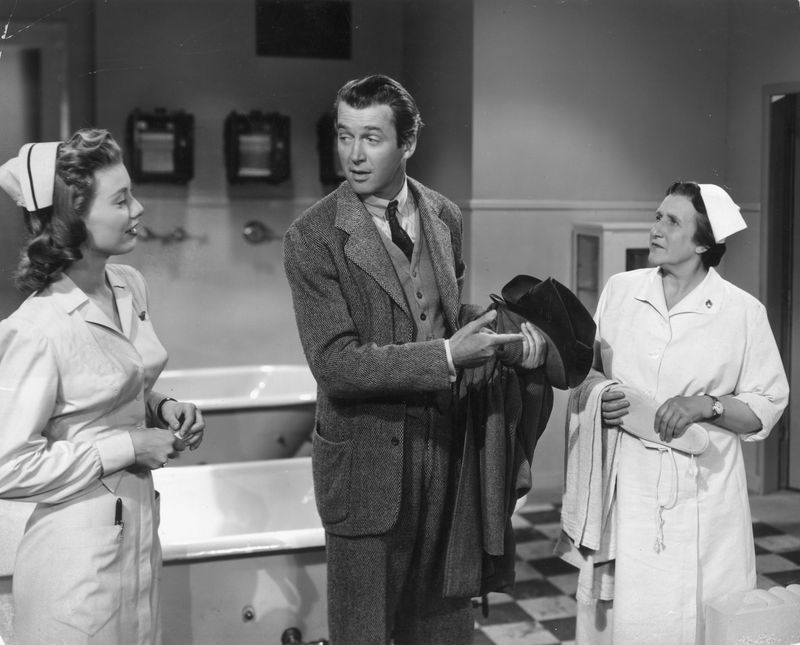
Harvey is often described as a gentle, funny comedy about a lovable eccentric and his imaginary six-foot rabbit.
But spend a little more time with it and the film raises some genuinely troubling questions.
Elwood P.
Dowd drinks heavily, socializes almost exclusively with his invisible companion, and has largely withdrawn from ordinary life.
His family is embarrassed and desperate to have him committed.
The film’s real tension comes from the question of what sanity actually means.
Is Elwood mentally ill, or is he simply more content than the supposedly normal people around him?
The psychiatric institution looms as a real threat throughout.
Harvey also quietly critiques social conformity, suggesting that the pressure to appear normal can be just as damaging as any condition a doctor might diagnose.
15. Arsenic and Old Lace (1944)
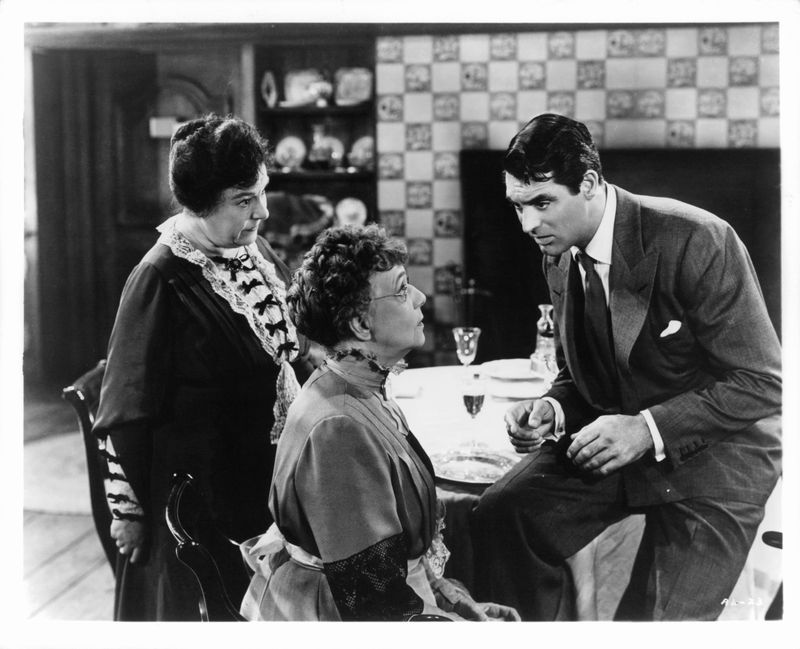
Arsenic and Old Lace presents itself as a screwball comedy, and Cary Grant’s frantic performance keeps the laughs coming fast.
But strip away the slapstick and you have a story about two cheerful old ladies who have murdered twelve men and buried them in the basement.
They see themselves as performing acts of mercy, which somehow makes the whole thing more disturbing, not less.
The film also features a brother who believes he is Teddy Roosevelt and another who has had plastic surgery to look like Boris Karloff and kills without remorse.
Multiple murders, attempted murders, and a houseful of corpses are played entirely for comedy.
It is a genuinely wild tonal balancing act that works brilliantly, but the subject matter underneath the jokes is as dark as it gets for a mainstream Hollywood release.
16. The Night of the Hunter (1955)
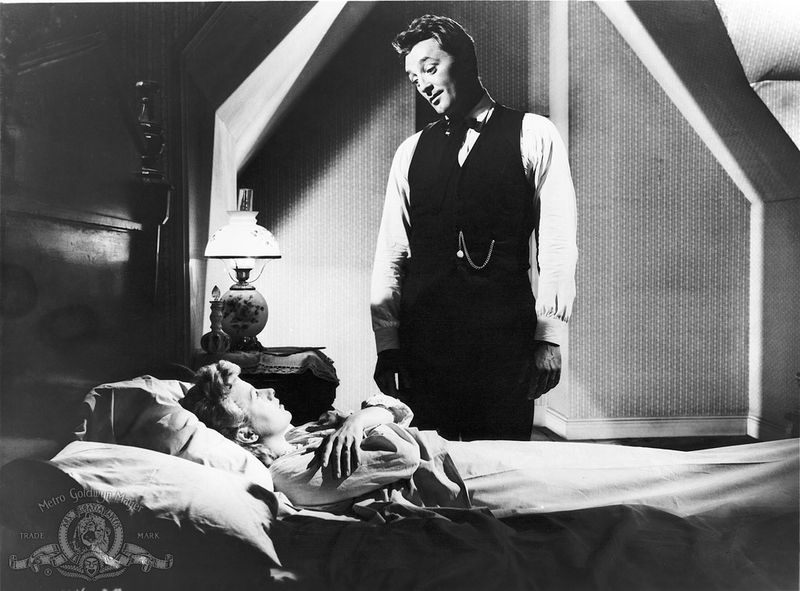
The Night of the Hunter is not widely remembered by casual moviegoers, but among film scholars it is considered one of the most disturbing American films ever made.
Robert Mitchum plays a self-styled preacher who marries a widow, murders her, and then hunts her two young children across a dark, fairy-tale version of rural America.
He is one of cinema’s most genuinely frightening villains.
The film deals with religious manipulation, misogyny, and child abuse in ways that feel shockingly modern.
Director Charles Laughton wraps the story in expressionist imagery that makes it feel like a nightmare, but the threats to the children are completely real.
Two kids running from a predator disguised as a man of God is a premise as dark as anything Hollywood produced during the entire studio era.