 MomSkoop
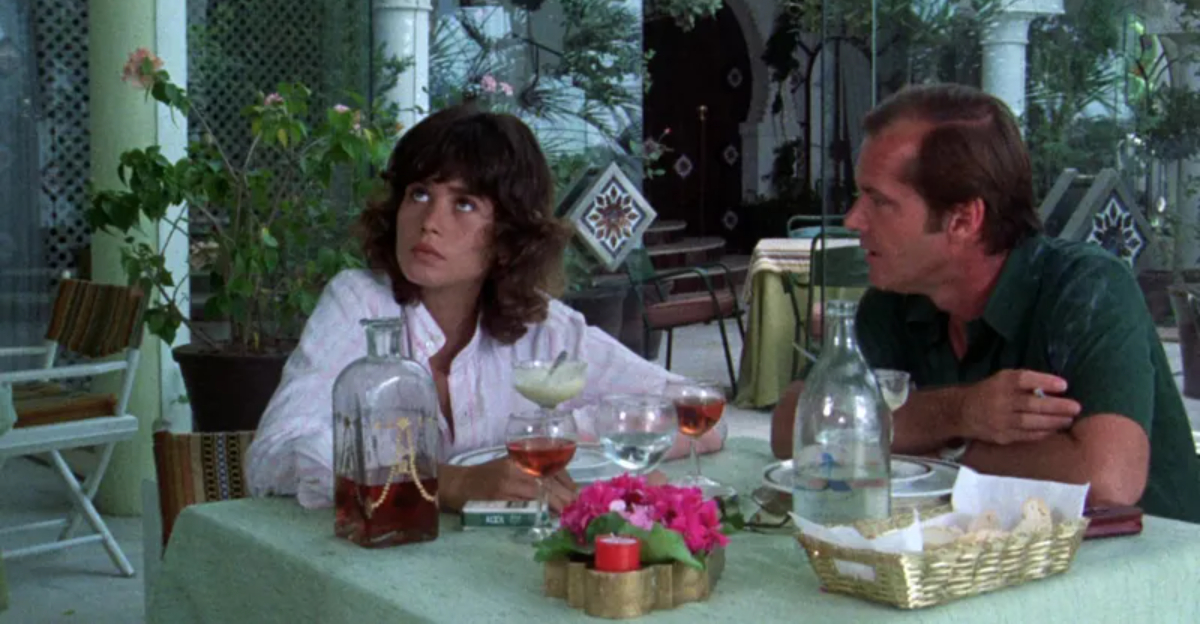
The 1970s gave us plenty of famous classics, but some of the decade’s richest films now sit strangely underseen. If you love cinema that feels bold, personal, and quietly unforgettable, this list is for you.
These movies still surprise with their beauty, sadness, humor, and nerve. Once you start revisiting them, you may wonder how they ever slipped from everyday conversation.
1. The Last Picture Show (1971)
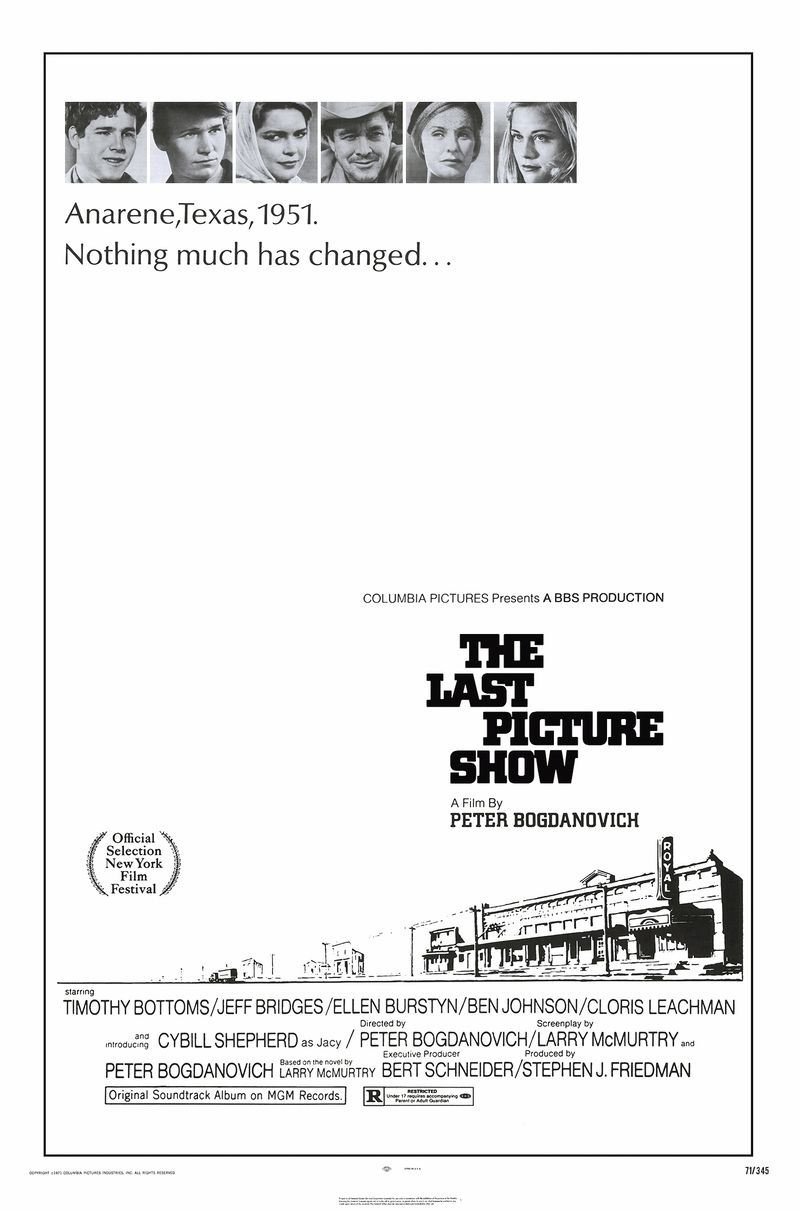
The Last Picture Show captures the ache of growing up in a town that seems to be fading in real time.
You can feel the dust, boredom, longing, and quiet heartbreak in every frame, which makes its emotional honesty hit even harder.
Peter Bogdanovich directs with unusual tenderness, letting ordinary moments reveal lives shaped by disappointment, desire, and change.
What stays with you is how unsentimental it feels while still breaking your heart.
The performances are wonderfully lived in, especially as friendships, affairs, and dreams drift toward painful reality.
If you want a portrait of small-town America that feels intimate, humane, and deeply observant, this is one of the great rediscoveries of the decade.
2. The Long Goodbye (1973)
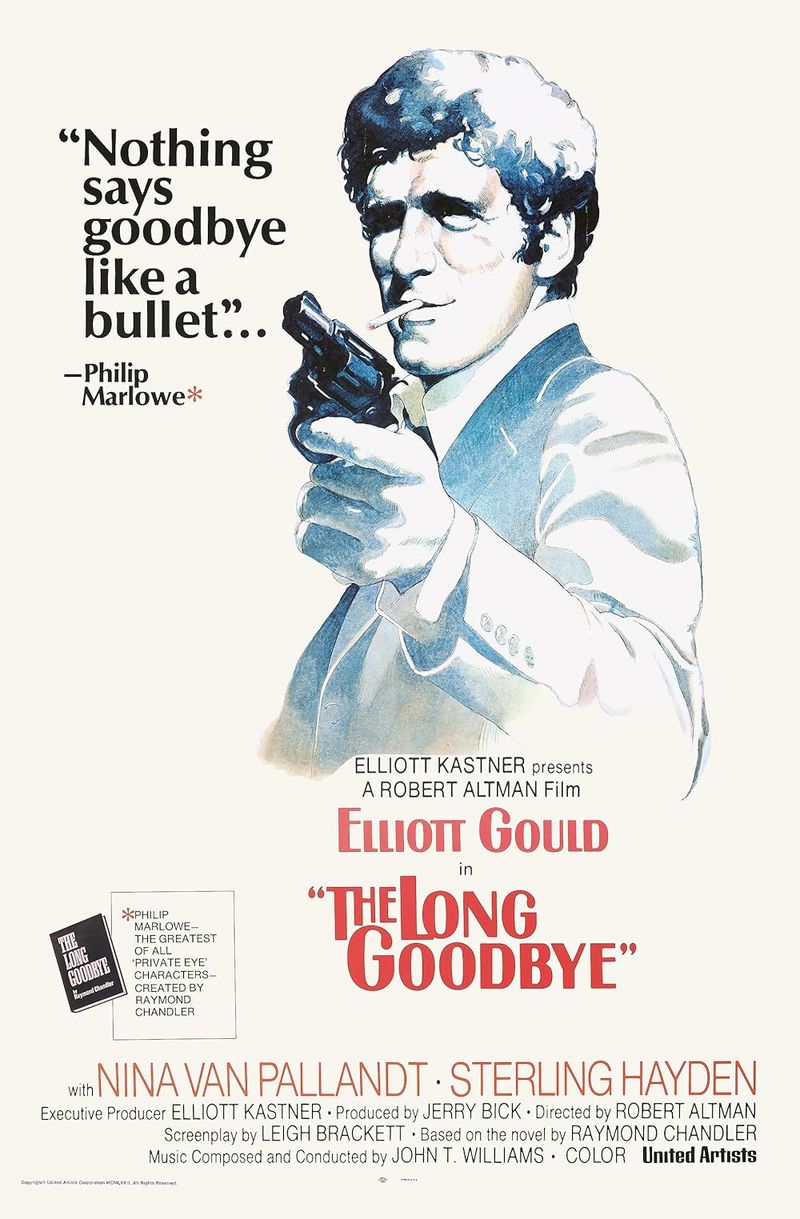
The Long Goodbye takes Raymond Chandler’s detective world and filters it through a drifting, disoriented 1970s Los Angeles.
Elliott Gould’s Philip Marlowe feels out of step with everything around him, and that strange looseness gives the movie its seductive personality.
Robert Altman turns a familiar mystery into something shaggier, sadder, and far more influential than its reputation suggests.
I love how the film keeps you slightly off balance without ever losing its cool.
Beneath the casual humor and wandering rhythm, there is real bitterness about loyalty, corruption, and people who have stopped pretending to be decent.
If you enjoy neo-noir with personality and atmosphere to spare, this one deserves a fresh look today.
3. Scarecrow (1973)
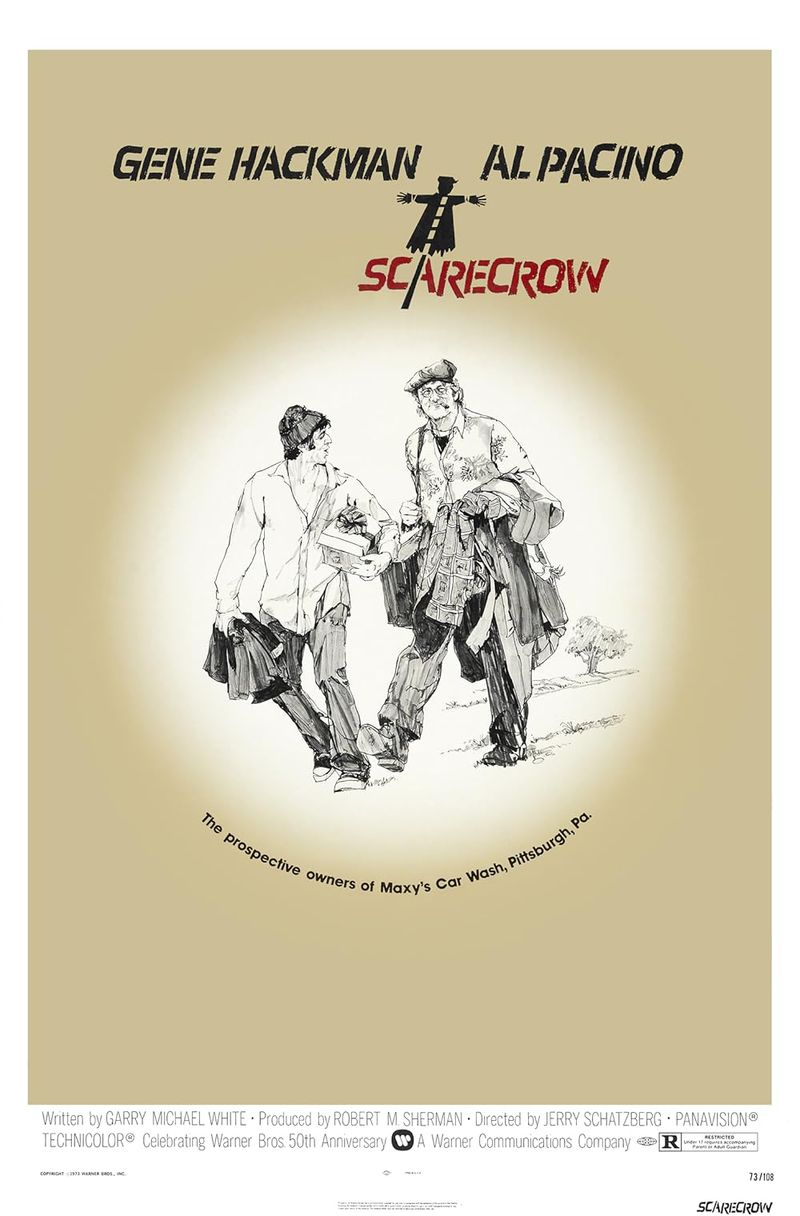
Scarecrow is the kind of road movie that sneaks up on you with its warmth and sadness.
Al Pacino and Gene Hackman play drifting outsiders whose unlikely friendship gives the film a bruised, deeply human center.
What could have been a simple journey picture becomes a compassionate study of loneliness, hope, and the need to be seen.
The movie never pushes too hard, which is exactly why it feels so affecting.
You watch these men joke, dream, and stumble forward, knowing life rarely rewards gentleness the way it should.
If you are drawn to character-driven cinema that values feeling over spectacle, Scarecrow is one of the decade’s most moving hidden treasures.
4. The Friends of Eddie Coyle (1973)
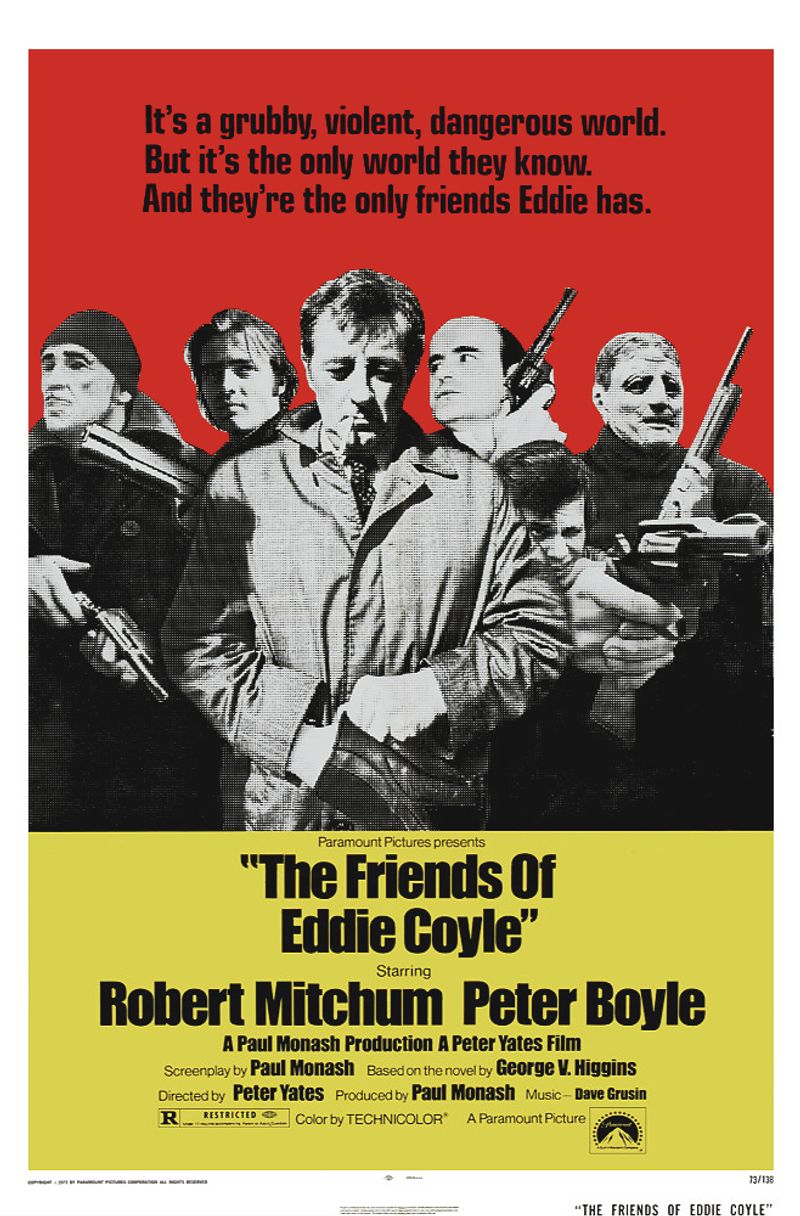
The Friends of Eddie Coyle strips the crime genre down to something tired, cold, and frighteningly believable.
Robert Mitchum gives a masterclass in worn-out desperation, playing a small-time gunrunner who knows every bad option still leads somewhere worse.
Instead of glamorizing criminal life, the film shows a world built on routine betrayal, fading luck, and quiet dread.
That realism is what makes it so powerful.
The dialogue sounds lived in, the violence lands without flourish, and every face looks like it has spent years making compromises.
If you want a crime film that feels genuinely adult, grounded, and unsparing, this Boston-set gem remains one of the sharpest and most authentic movies of its era.
5. The Conversation (1974)
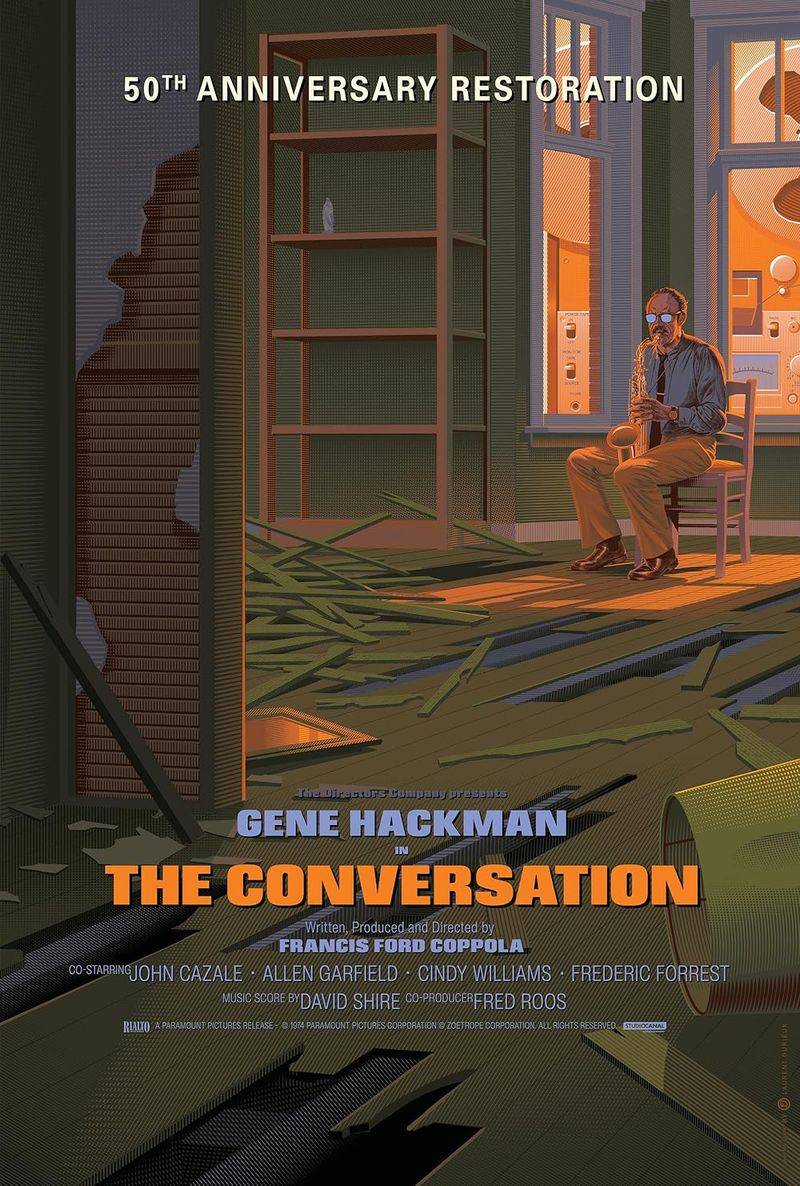
The Conversation turns surveillance into something terrifyingly intimate.
Gene Hackman plays a wiretapping expert whose technical precision cannot protect him from guilt, obsession, or the fear that he has misunderstood everything.
Francis Ford Coppola builds tension through sound, silence, and repetition, creating a thriller that feels less like action and more like a moral panic unfolding inside one man’s head.
What makes it unforgettable is how modern it still feels.
Long before digital privacy became a daily anxiety, this film understood the psychological cost of watching other people too closely.
If you like thrillers that creep under your skin through atmosphere, character, and paranoia instead of noise, The Conversation is essential viewing.
6. Night Moves (1975)
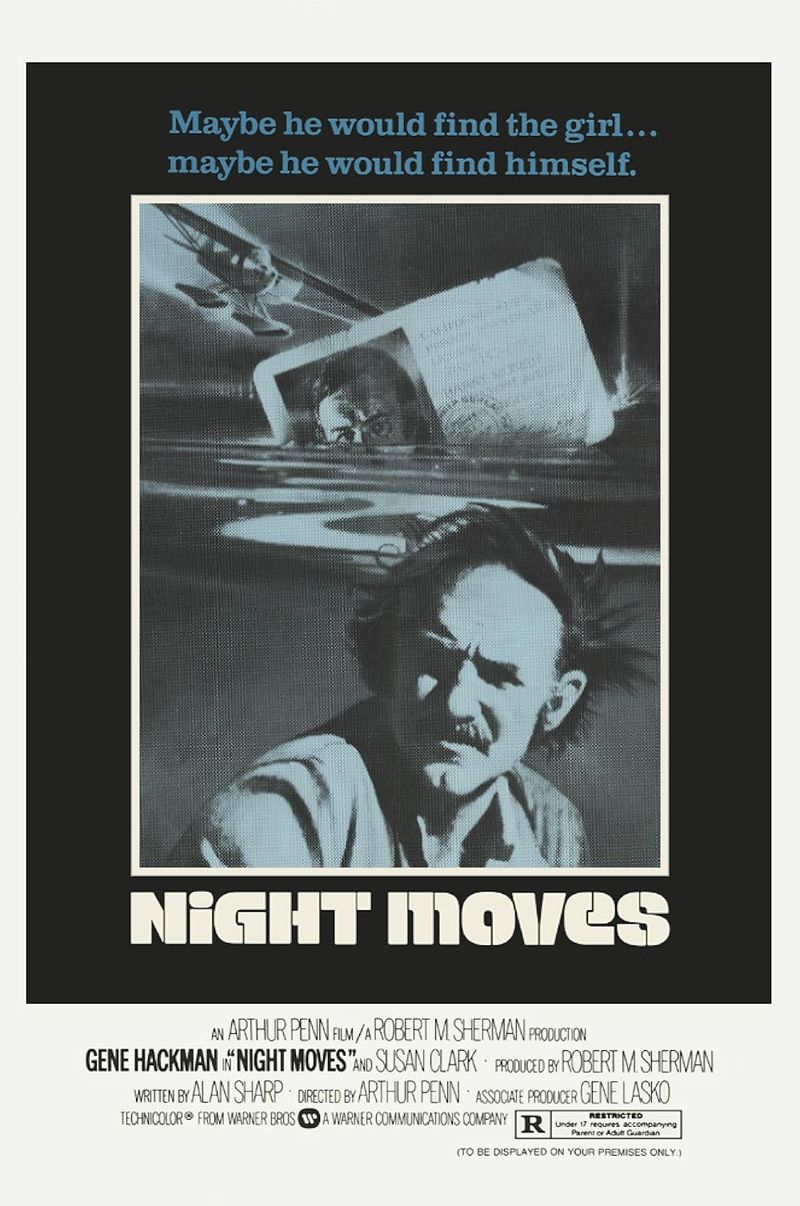
Night Moves begins like a detective story and slowly reveals itself as something sadder and more elusive.
Gene Hackman gives a wonderfully restrained performance as a private investigator whose confidence keeps colliding with emotional confusion and moral fog.
Arthur Penn uses the mystery framework to explore damaged relationships, self-deception, and the unsettling feeling that answers do not necessarily help.
I find its melancholy especially haunting because the film refuses easy payoff.
Scenes drift with a sleepy, dangerous pull, and by the end you are left with a sense of loss that feels bigger than the plot itself.
If you want a neo-noir that rewards patience and lingers afterward, Night Moves is a superb rediscovery.
7. Picnic at Hanging Rock (1975)
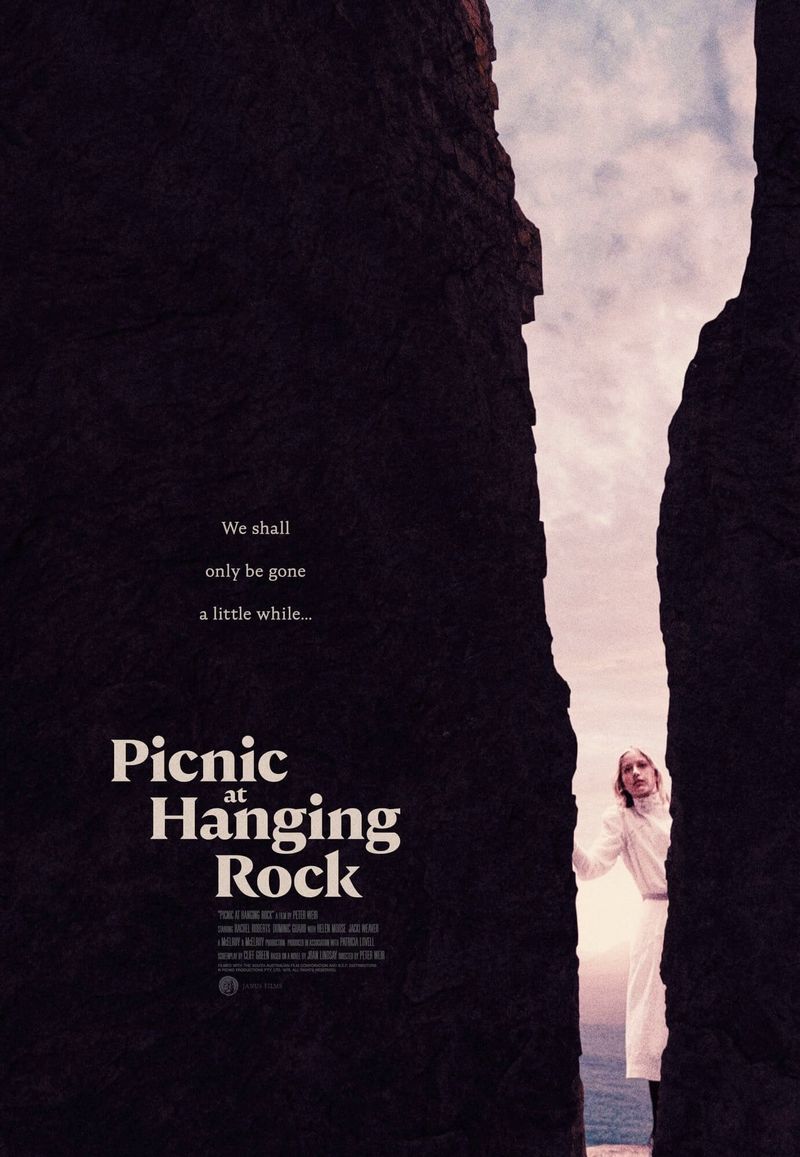
Picnic at Hanging Rock feels like a dream you cannot fully explain after waking up.
Peter Weir transforms a simple disappearance into a hypnotic mystery filled with heat, silence, and the uncanny power of the landscape.
The film’s beauty is undeniable, but what really unsettles you is how calmly it invites uncertainty instead of solving it.
That refusal to explain becomes the source of its lasting spell.
The schoolgirls, the rigid social order around them, and the vast Australian setting all seem suspended between innocence and something unknowable.
If you are drawn to films that create mood through suggestion, image, and atmosphere rather than answers, this haunting classic absolutely deserves rediscovery.
8. Seven Beauties (1975)
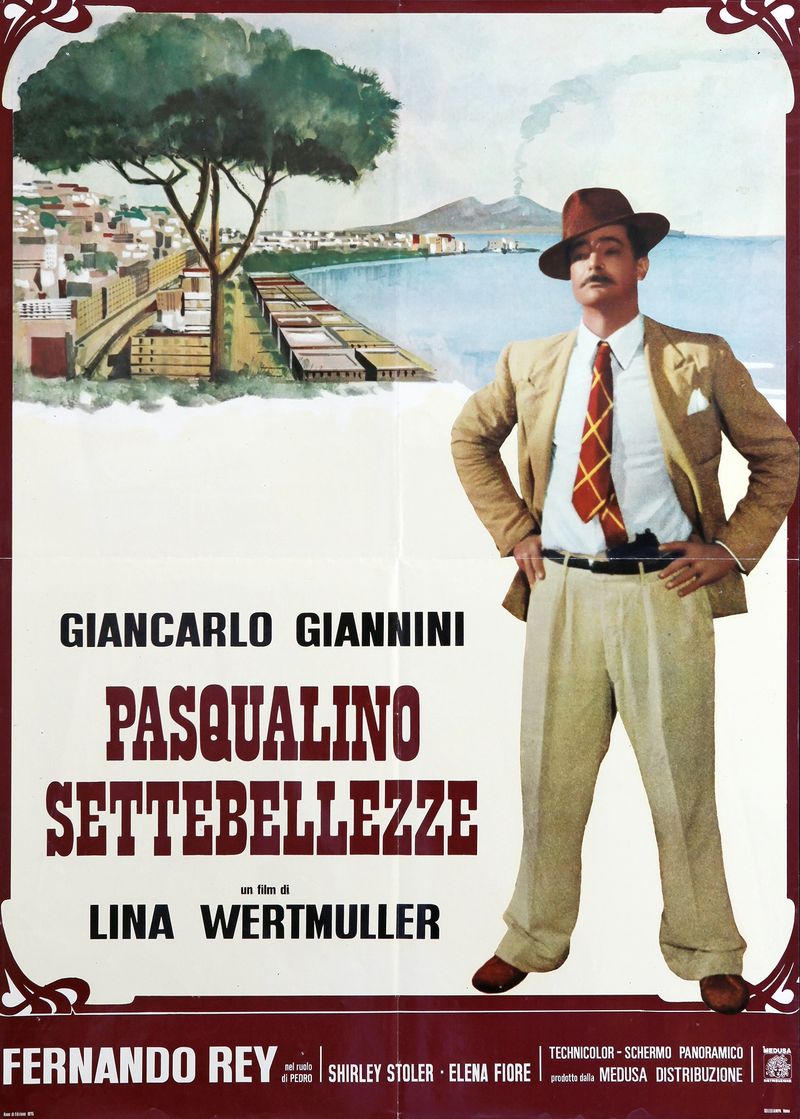
Seven Beauties is wild, provocative, and impossible to reduce to a comfortable message.
Lina Wertmuller blends dark comedy, wartime horror, and social satire into a film that keeps challenging your sympathies at every turn.
The central character is desperate, selfish, absurd, and painfully human, which makes his survival tactics both fascinating and deeply disturbing to watch.
The film’s tonal daring is exactly why it still feels so alive.
It moves from grotesque humor to moral horror without softening either one, forcing you to confront how people adapt under unbearable pressure.
If you want a war film that refuses heroism and easy reassurance, Seven Beauties remains one of the decade’s boldest and most unforgettable achievements.
9. The Passenger (1975)
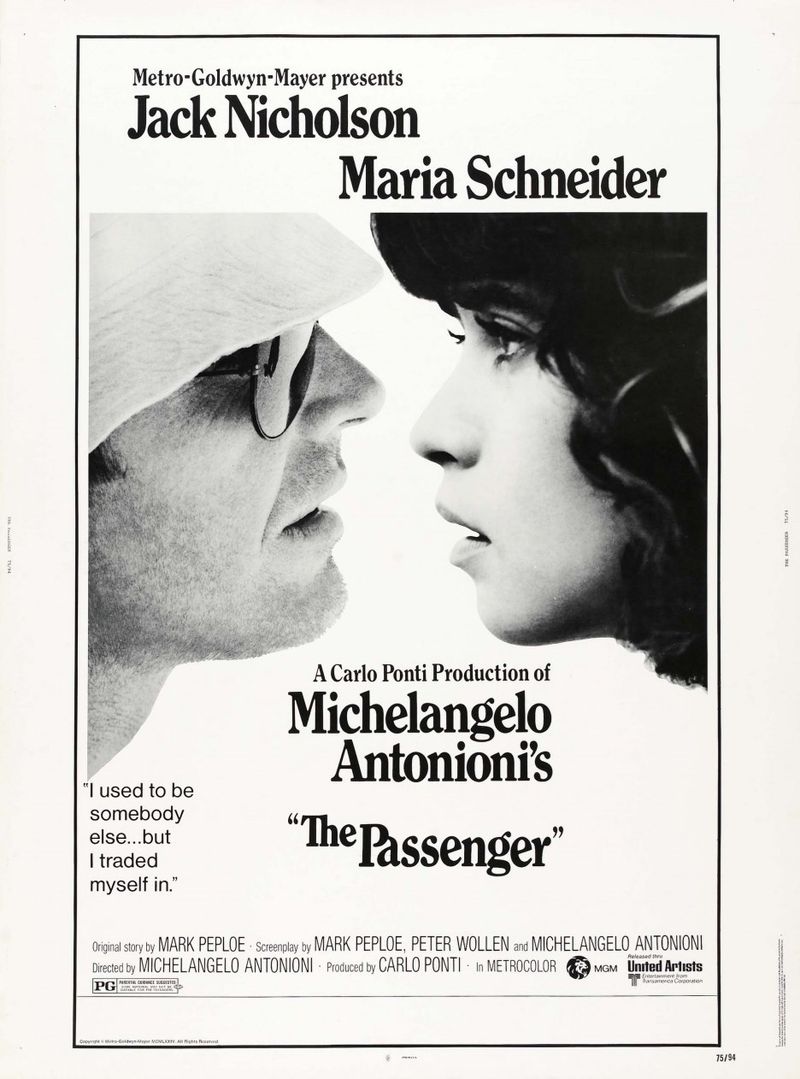
The Passenger is the sort of film that asks you to surrender to mood, image, and spiritual drift.
Jack Nicholson plays a journalist who slips into another man’s identity, only to find that escape offers no simple liberation.
Michelangelo Antonioni turns this premise into a meditative exploration of emptiness, reinvention, and the uneasy distance between movement and meaning.
What stays with me most is its hypnotic patience.
Landscapes, hotel rooms, and faces all seem charged with the same quiet question about whether a person can ever truly leave themselves behind.
If you appreciate cinema that unfolds through atmosphere and implication instead of explanation, The Passenger is a mesmerizing rediscovery that rewards attentive viewing.
10. 3 Women (1977)
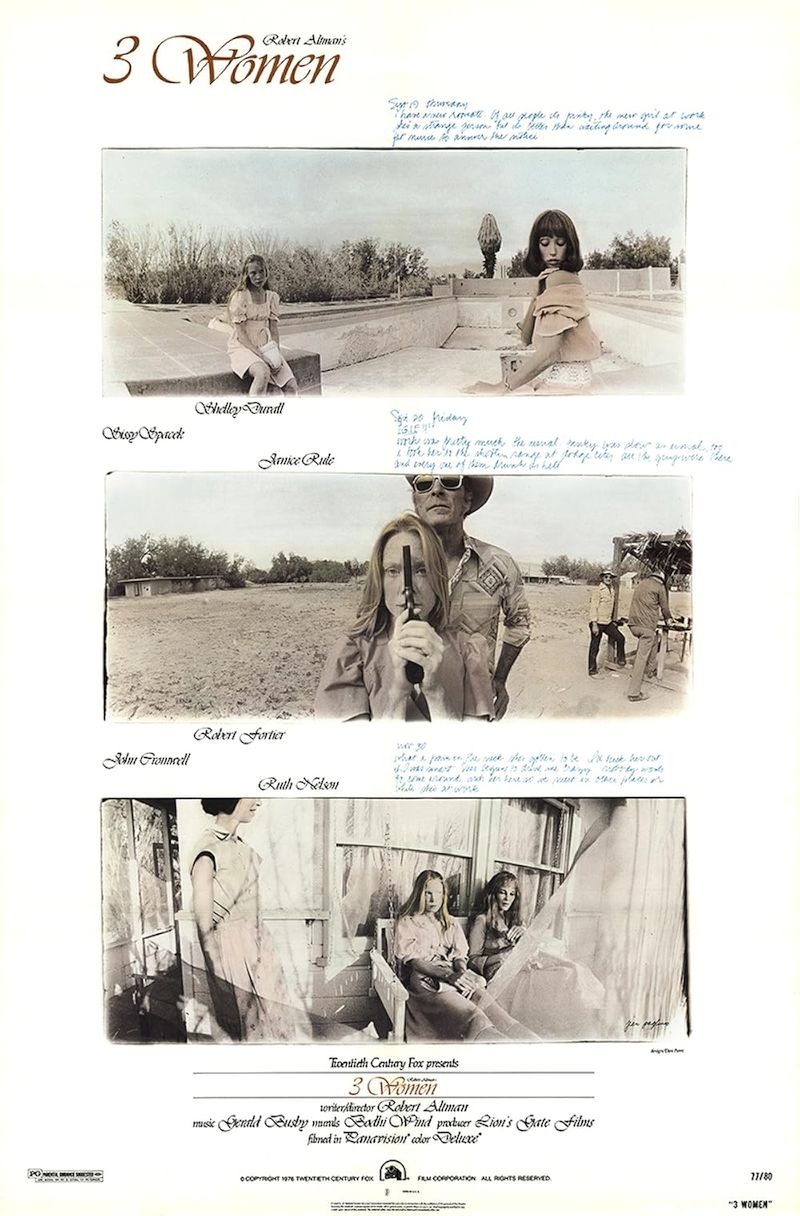
3 Women feels like it emerged from somewhere between a dream, a mirage, and a half-buried anxiety.
Robert Altman crafts a shifting psychological landscape where identity seems fluid, relationships feel unstable, and meaning slips just when you think you have it.
Shelley Duvall and Sissy Spacek are extraordinary, giving performances that are precise enough to ground the film and strange enough to deepen its mystery.
I love how the movie never behaves like a puzzle begging to be solved.
Instead, it invites you to sit inside its atmosphere of imitation, desire, and quiet menace.
If you respond to films that work emotionally and intuitively rather than literally, 3 Women is one of the most singular treasures of 1970s American cinema.
11. Killer of Sheep (1978)
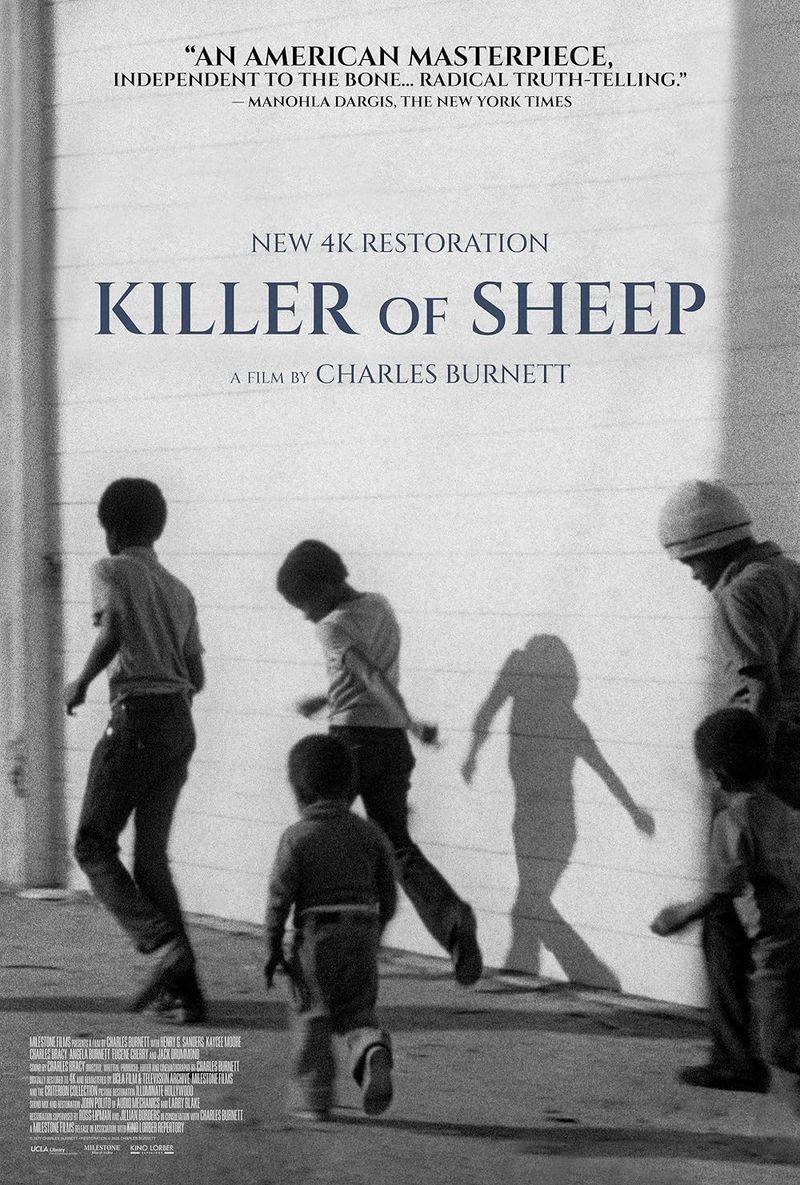
Killer of Sheep finds poetry in exhaustion, routine, and the fragile tenderness of everyday life.
Charles Burnett observes a Black working-class neighborhood in Watts with such patience and compassion that even the smallest moments feel monumental.
The film is loosely structured, but its emotional clarity is astonishing, especially in the way it captures labor, family strain, and the search for small scraps of grace.
Nothing here feels manufactured for effect, and that honesty is exactly what makes it so powerful.
Children play, adults carry burdens, music drifts through scenes, and life continues with both beauty and weariness intact.
If you care about independent cinema that sees ordinary people deeply and truthfully, this landmark absolutely deserves your attention.
12. Days of Heaven (1978)
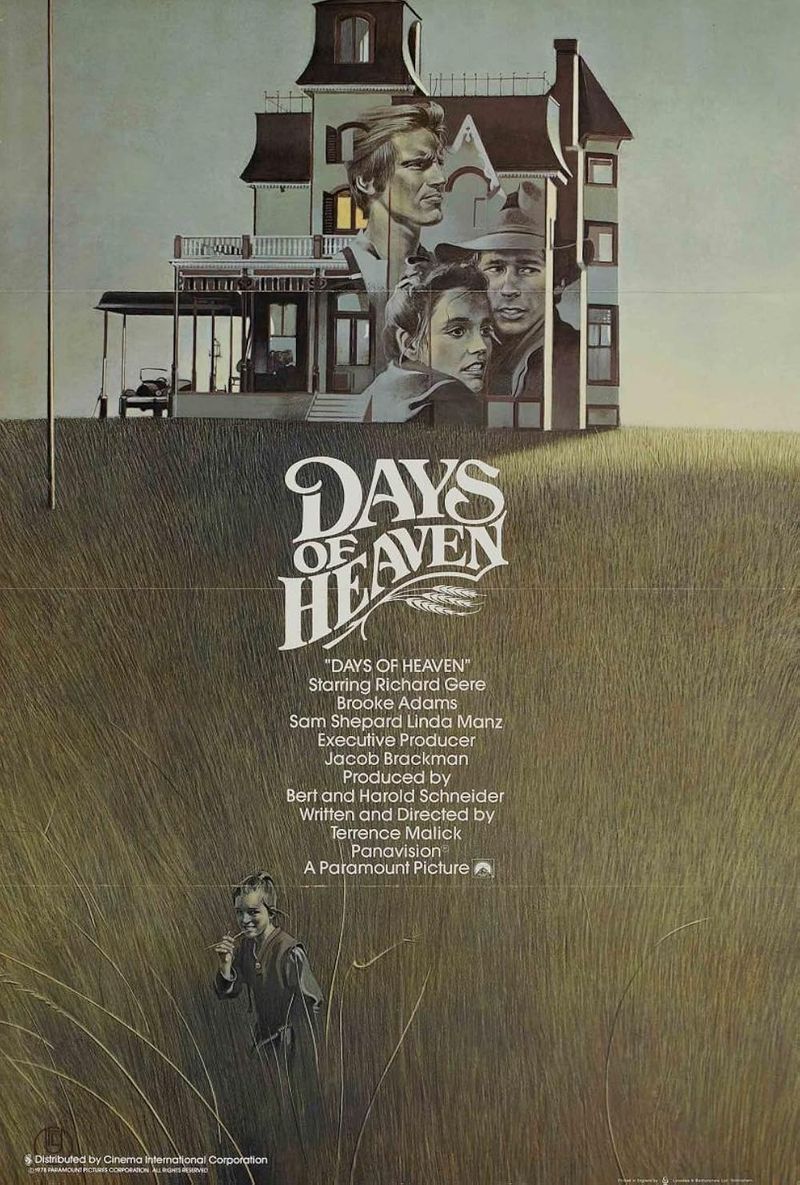
Days of Heaven is one of those films that seems lit from another world.
Terrence Malick tells a simple story of love, deception, and class, yet every image carries such wonder that the movie feels almost mythic.
The famous cinematography earns its praise, but the film’s real power comes from how beauty and tragedy quietly keep touching each other.
You do not watch this movie for plot mechanics alone.
You watch for the wind through wheat, the lonely spaces between people, and the sense that nature is observing everything with indifferent grace.
If you want a period drama that feels lyrical without losing emotional sharpness, Days of Heaven remains one of the 1970s’ most breathtaking achievements.
13. Straight Time (1978)
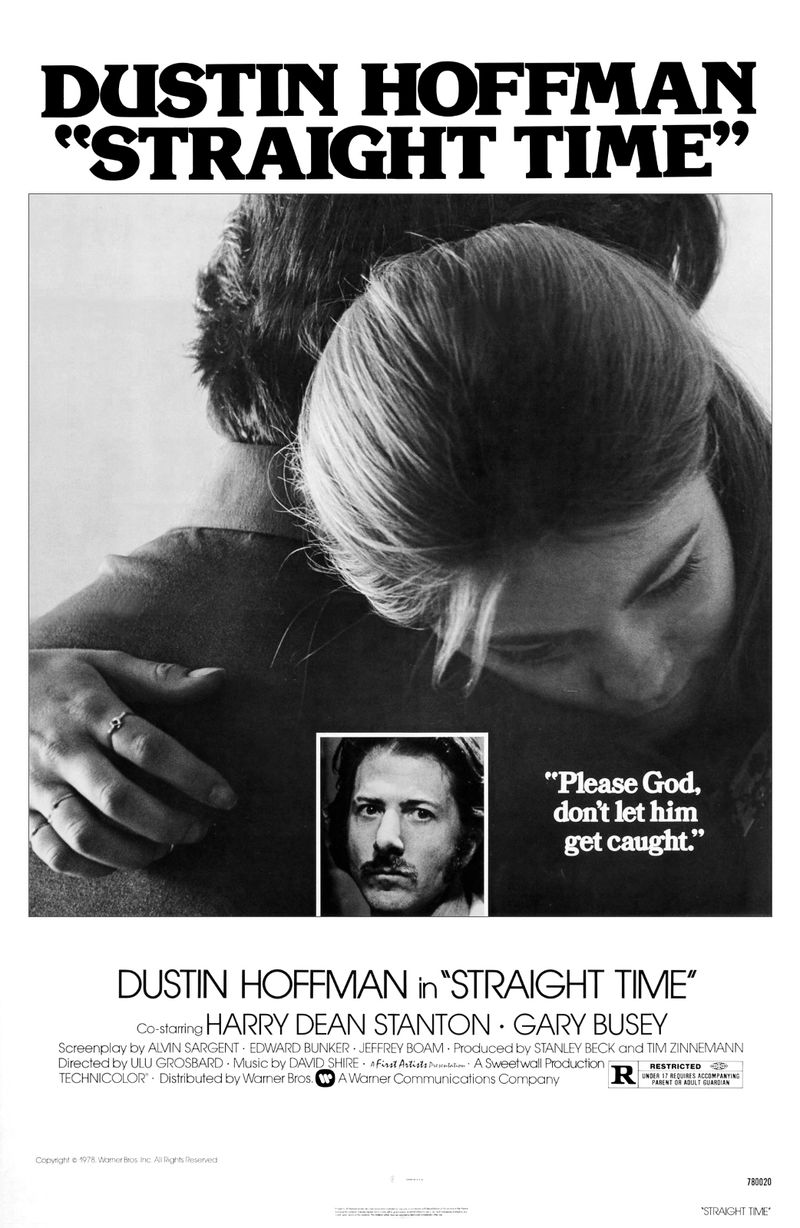
Straight Time is a crime film with no interest in glamour, which makes it feel unusually tough and honest.
Dustin Hoffman plays an ex-con trying to stay clean while a hostile system, bad luck, and his own impulses keep pushing him toward trouble.
The movie understands how difficult ordinary stability can be when every door seems half closed.
That grounded perspective gives the film its lasting force.
Small humiliations matter, relationships feel vulnerable, and crime appears less thrilling than wearyingly inevitable.
If you are tired of criminal stories that romanticize outlaw behavior, Straight Time offers something sharper and more adult: a gritty character study about survival, frustration, and the traps waiting inside a world that rarely forgives.
14. The Deer Hunter (1978)
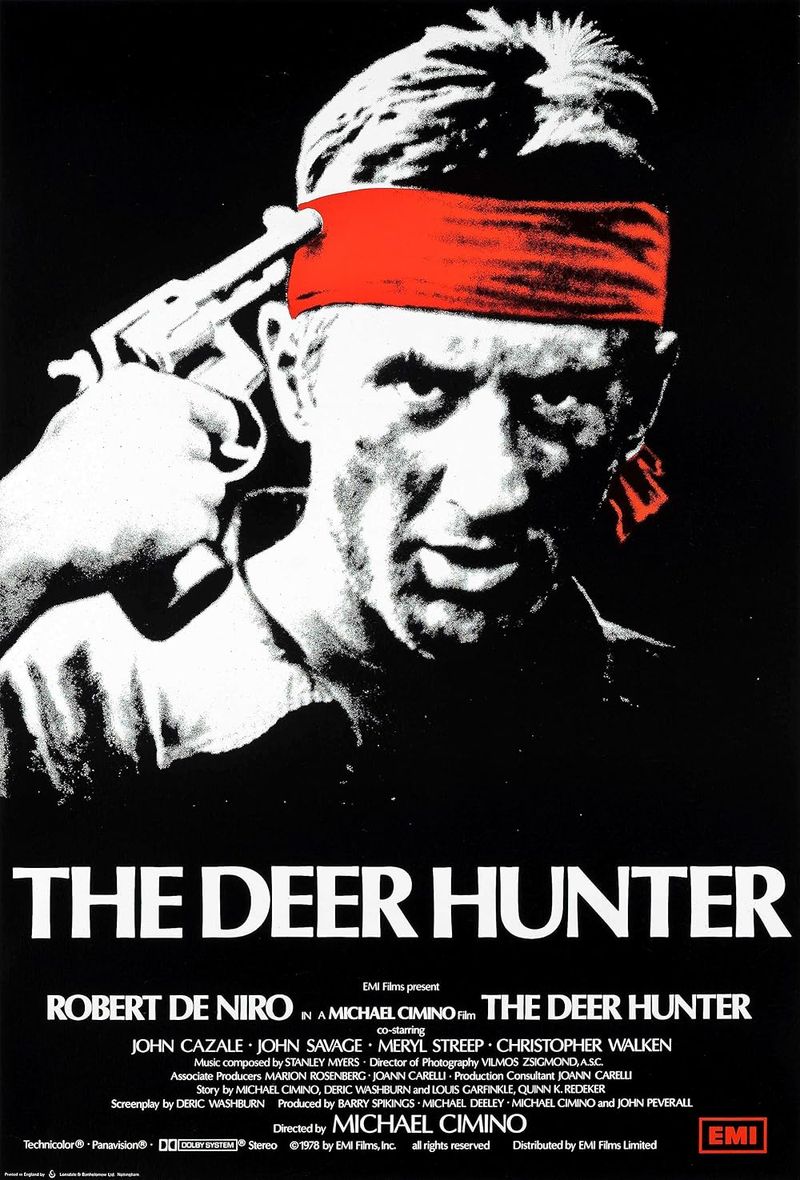
The Deer Hunter is often remembered for a few overwhelming scenes, but its full emotional architecture deserves renewed attention.
Michael Cimino spends real time with friendship, ritual, work, and community, so the devastation that follows feels personal rather than abstract.
Whatever debates surround it, the film’s ambition and emotional intensity remain impossible to dismiss.
What strikes me most now is how deeply it cares about the lives altered by war before, during, and after violence.
The performances are raw and committed, especially in the way they show toughness cracking under grief and dislocation.
If you have only known this film by reputation, revisiting it as a human drama reveals why it once felt monumental.
15. Breaking Away (1979)
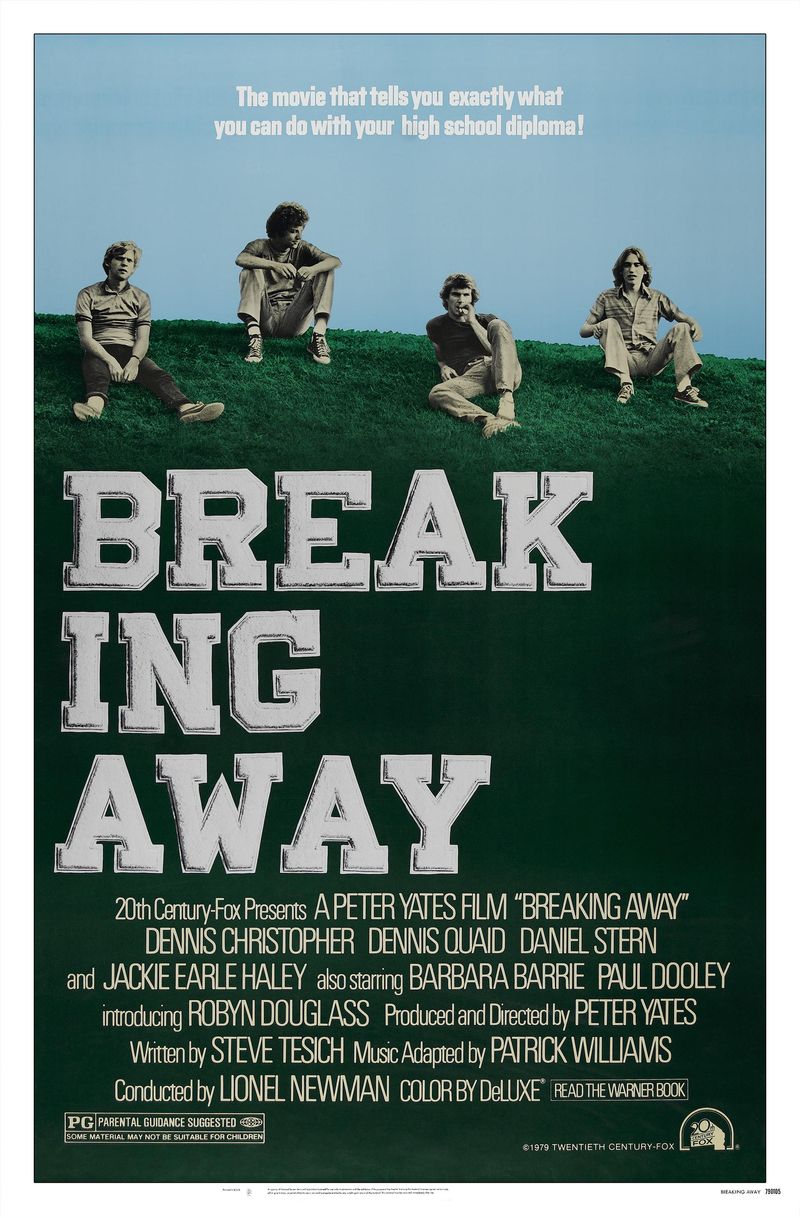
Breaking Away has an easy charm that can make you underestimate how skillfully it is put together.
Beneath the humor and youthful energy, it offers a wonderfully observant look at class, ambition, friendship, and the awkward stretch between adolescence and adulthood.
The cycling backdrop gives it momentum, but the real pleasure comes from spending time with characters who feel funny, flawed, and recognizably alive.
This is the kind of coming-of-age movie that earns your affection honestly.
It is warm without being soft, nostalgic without feeling fake, and smart about the ways young people invent themselves.
If you want a crowd-pleasing 1970s classic that still feels fresh, sincere, and deeply likable, Breaking Away is absolutely worth rediscovering.
16. All That Jazz (1979)
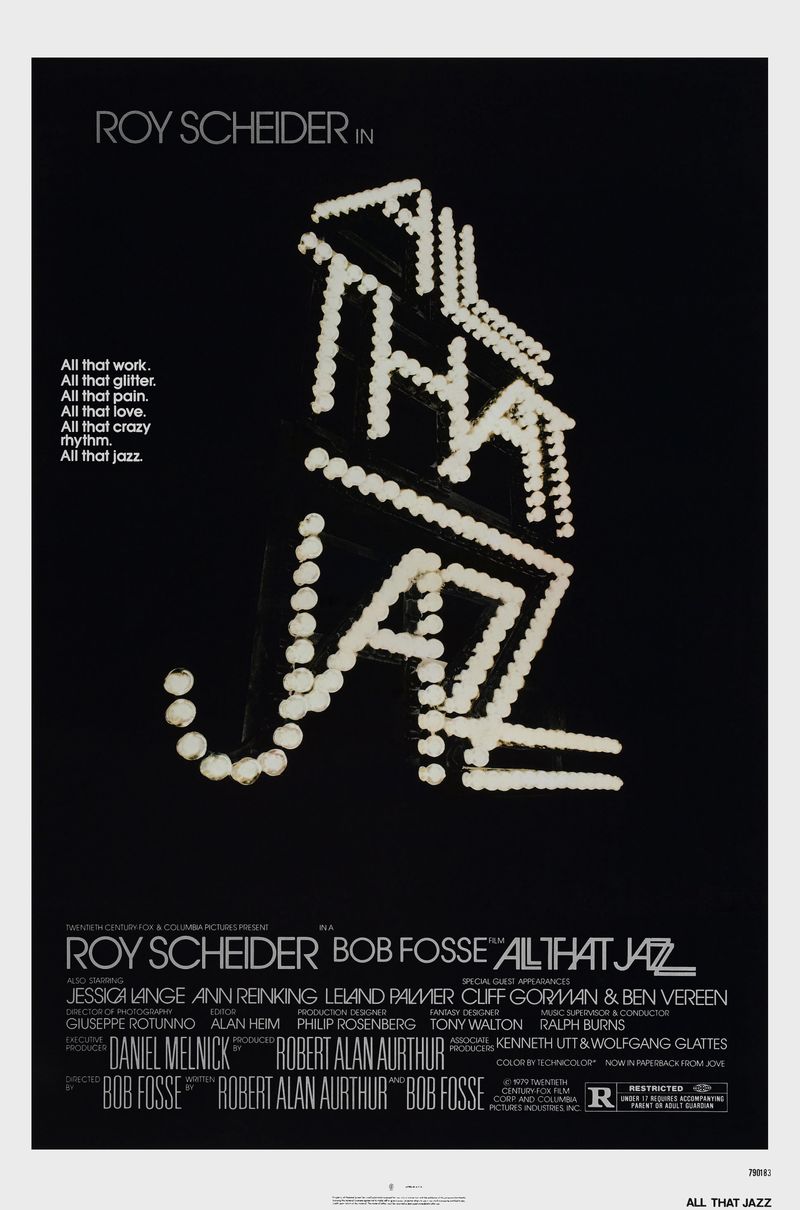
All That Jazz is dazzling, self-lacerating, and more emotionally naked than many prestige dramas twice as solemn.
Bob Fosse turns artistic ambition, physical collapse, sexual appetite, and professional ego into a feverish spectacle that somehow feels both extravagant and brutally honest.
Roy Scheider anchors the chaos beautifully, making the central figure magnetic even when he is clearly spiraling.
The movie’s brilliance lies in how it stages self-destruction as entertainment without ever hiding the cost.
Musical numbers explode with wit and style, yet the film keeps circling mortality, exhaustion, and the lies talented people tell themselves.
If you want a movie that fuses showbiz dazzle with existential reckoning, All That Jazz is a thrilling and unforgettable rediscovery.