 MomSkoop
Some horror movies never became blockbusters when they first hit theaters, but they found something even better: devoted fans who kept watching them for decades. These films scared, shocked, and sometimes made people laugh, but they always left a mark.
Whether they were too weird, too wild, or just ahead of their time, cult horror movies have a special kind of magic that mainstream hits often miss. Get ready to explore 16 films that built loyal audiences one frightened viewer at a time.
1. The Rocky Horror Picture Show
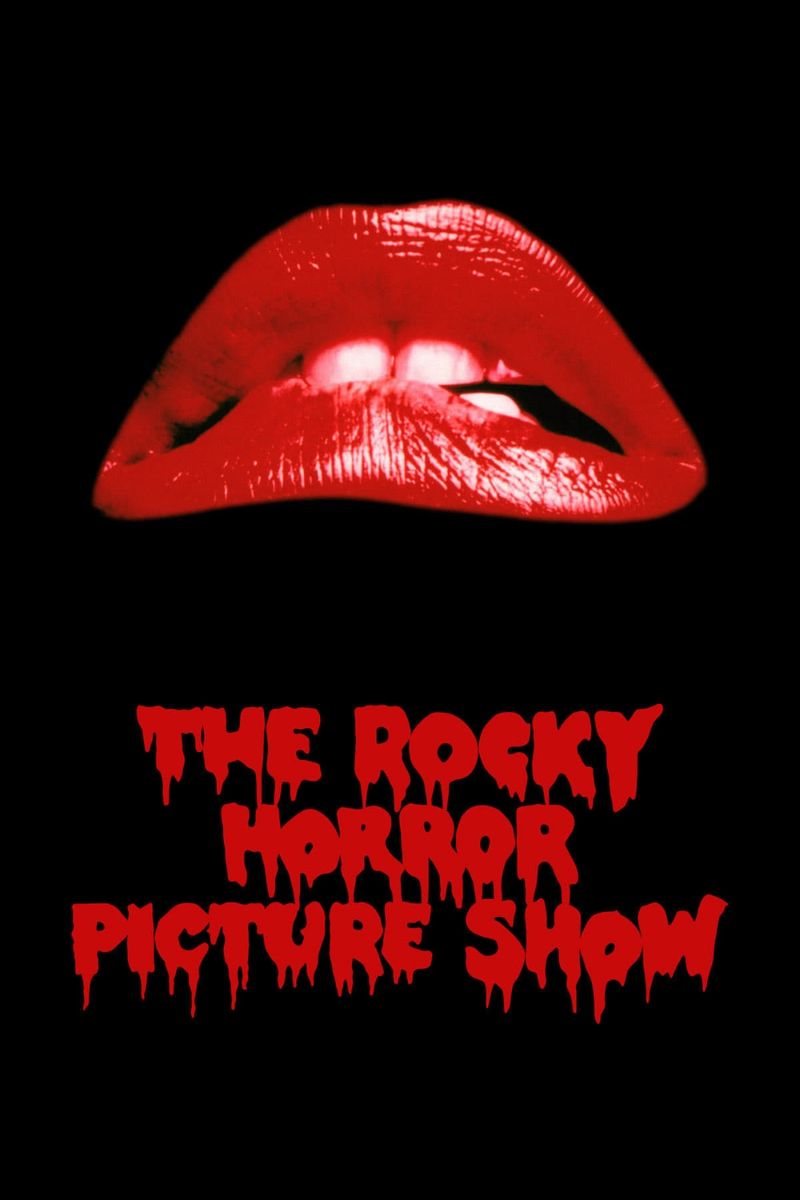
Midnight screenings, audience participation, and fishnet stockings became the signature of this 1975 musical horror comedy.
When it first opened, the film flopped hard at the box office.
But something strange happened when theaters started showing it at midnight on weekends.
Crowds showed up in costume, shouting lines at the screen and throwing toast during the dinner scene.
Over time, The Rocky Horror Picture Show became the longest-running theatrical release in history.
Fans call themselves “virgins” on their first viewing and get welcomed with cheerful mockery from the crowd.
The film blends science fiction, horror, and glam rock in a way that no other movie has matched.
It turned outsiders into a community.
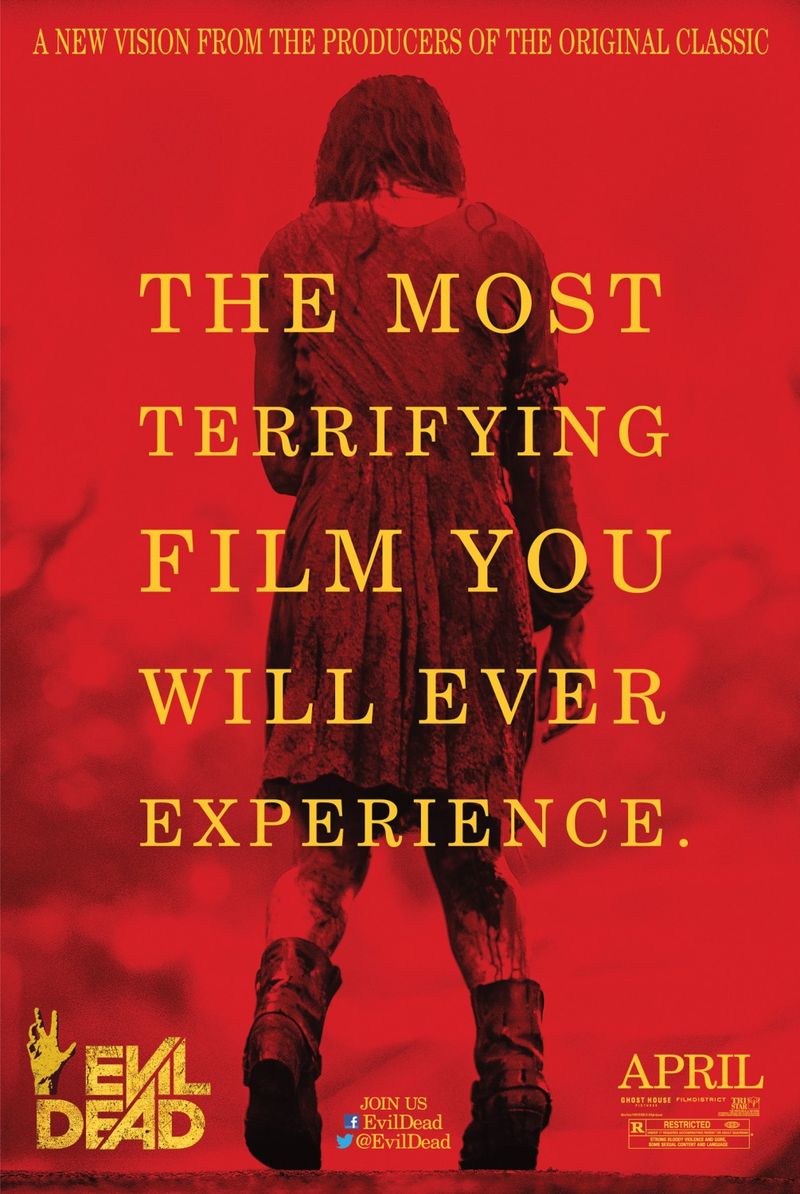
2. The Evil Dead
Sam Raimi was just 21 years old when he set out to make the scariest movie possible on a shoestring budget.
The result was The Evil Dead, a 1981 film that introduced audiences to Ash Williams and a relentless wave of demonic terror.
Shot in a rundown Tennessee cabin with a crew of friends, the film used creative camera tricks to make up for its tiny budget.
Those tricks paid off.
The Evil Dead became a horror landmark, celebrated for its raw energy and unstoppable intensity.
Fans loved how fearless it felt.
Raimi and star Bruce Campbell went on to build a franchise that fans still celebrate today with sequels, a remake, and a TV series.
3. The Wicker Man
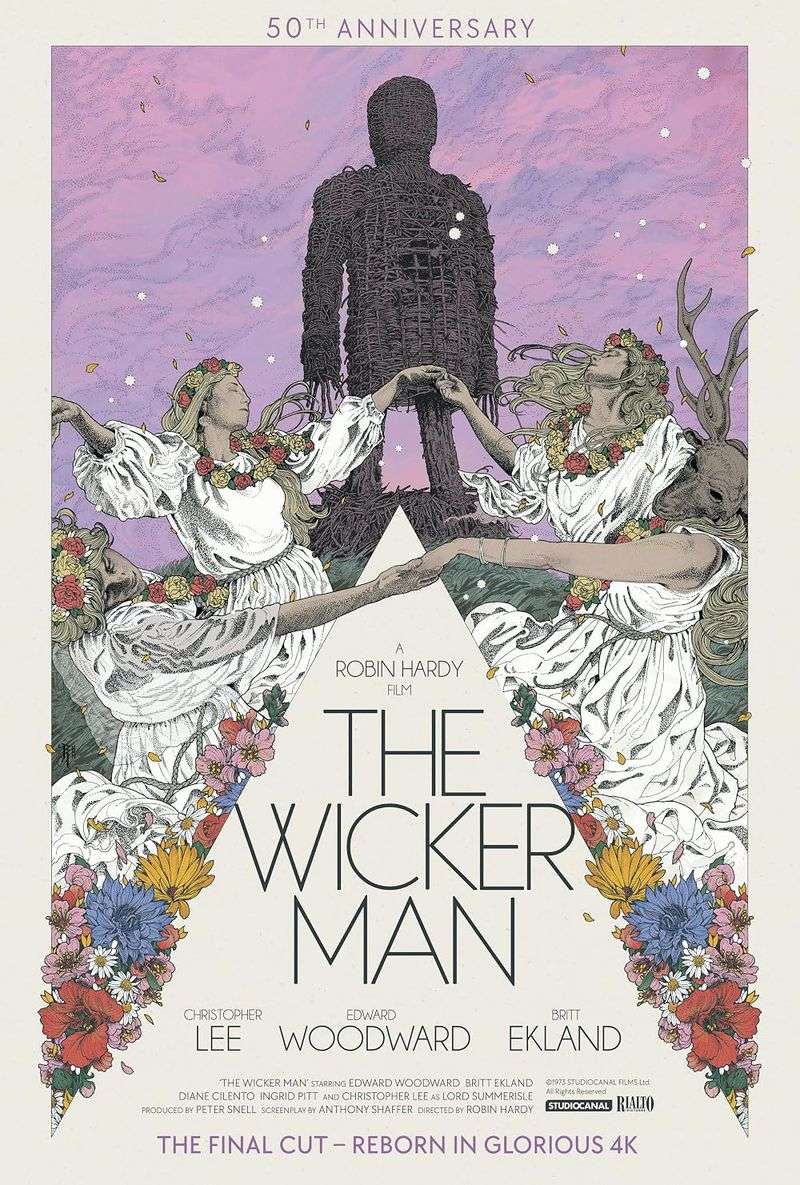
Few horror films have endings as jaw-dropping as The Wicker Man from 1973.
A Scottish police sergeant travels to a remote island to investigate a missing girl and discovers a community practicing ancient pagan rituals.
The tension builds slowly, almost like a folk song turning sinister.
When the film was first released, it was cut and buried by its studio.
Fans and critics eventually rescued its reputation, recognizing it as one of the smartest horror films ever made.
Christopher Lee, who starred in it for free because he believed in the project, called it his best film.
The Wicker Man rewards patient viewers with a story that lingers long after the credits roll.
Its shocking finale is unforgettable.
4. Suspiria
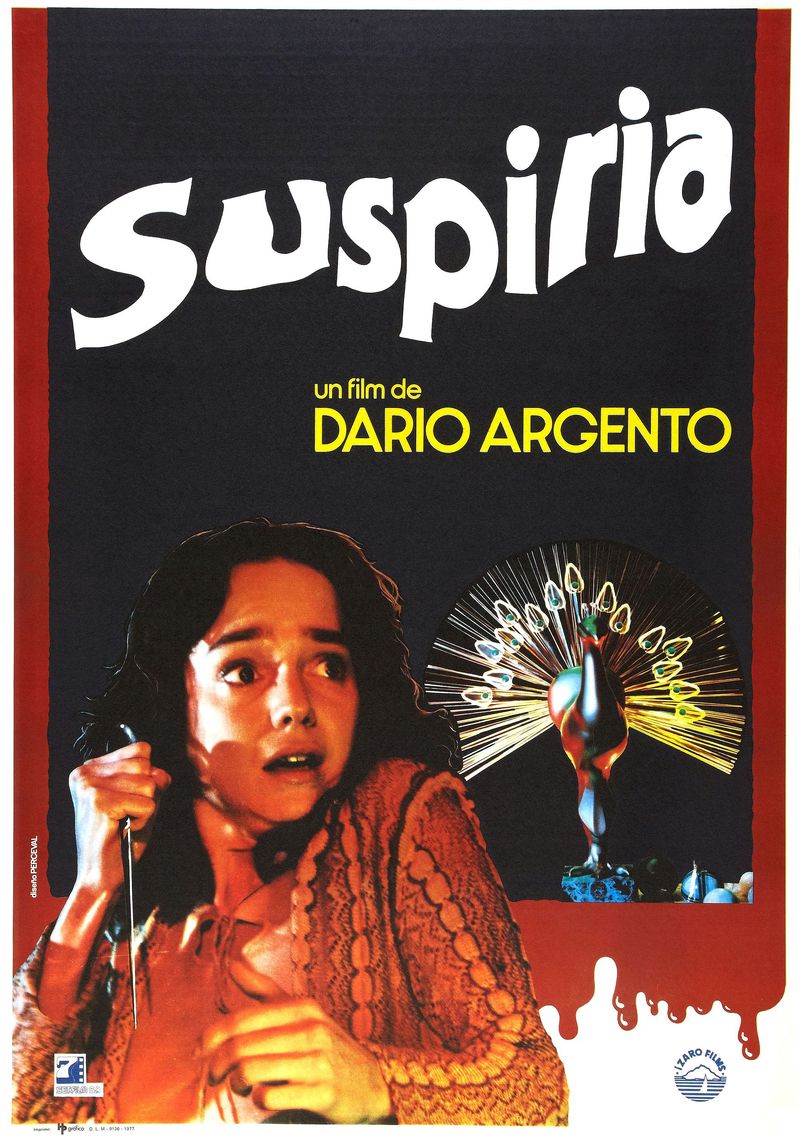
Dario Argento turned horror into something that looks like a fever dream with Suspiria in 1977.
An American ballet student arrives at a prestigious European dance academy and quickly realizes something deeply sinister is hiding behind its beautiful walls.
What makes Suspiria unforgettable is its visual style.
Argento painted each frame with electric reds, blues, and greens that look like no other horror movie before or since.
The soundtrack by the band Goblin adds to the nightmare with pounding, hypnotic music.
Critics initially dismissed it as style over substance, but fans saw something different.
They recognized a film that used color and sound as weapons of pure dread.
Suspiria is now considered one of the greatest horror films ever made.
5. Re-Animator
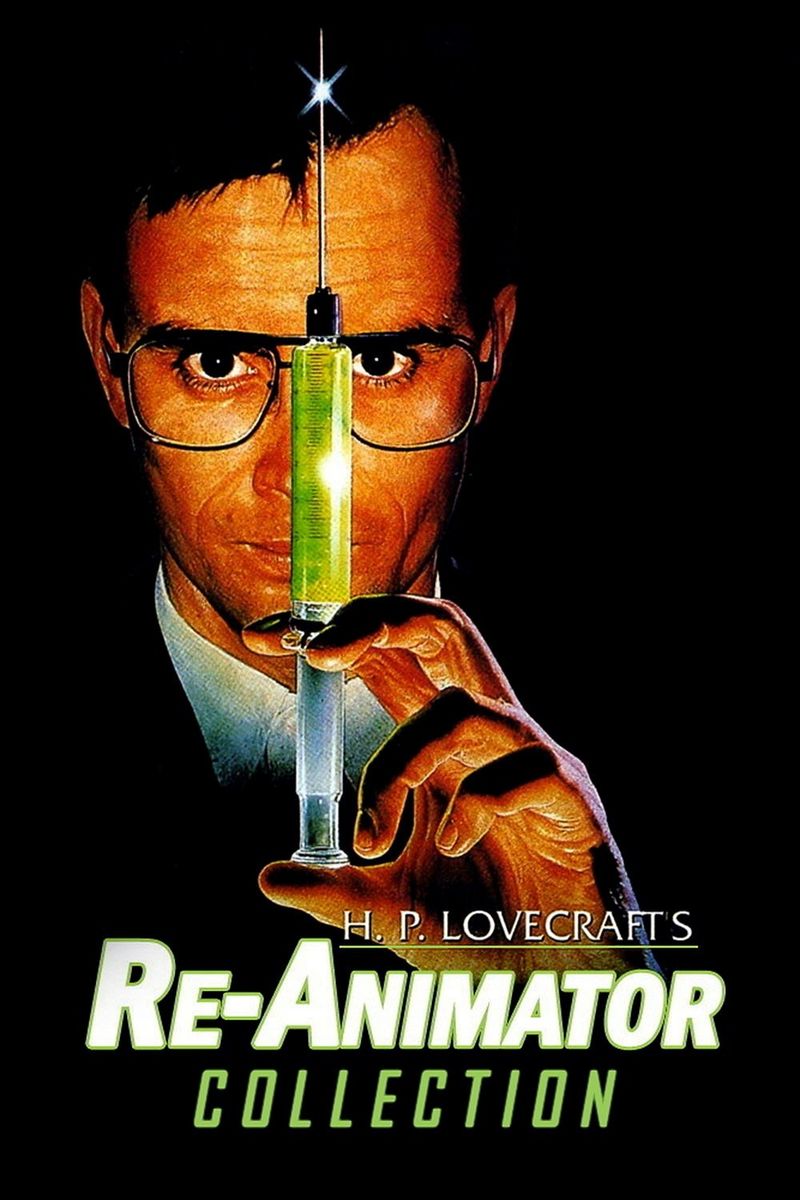
What happens when a medical student discovers a serum that brings the dead back to life?
Nothing good, according to Re-Animator from 1985.
Based loosely on an H.P.
Lovecraft story, the film stars Jeffrey Combs as Herbert West, one of horror’s most brilliantly obsessed characters.
The movie is equal parts terrifying and darkly funny, a combination that confused critics but delighted cult horror fans.
Its practical effects are outrageously over the top, and the film never apologizes for going too far.
That shameless attitude is exactly what audiences loved.
Re-Animator launched a small franchise and made Jeffrey Combs a cult icon.
Horror fans still quote the film and celebrate Herbert West as one of the genre’s most entertainingly unhinged scientists.
6. Phantasm
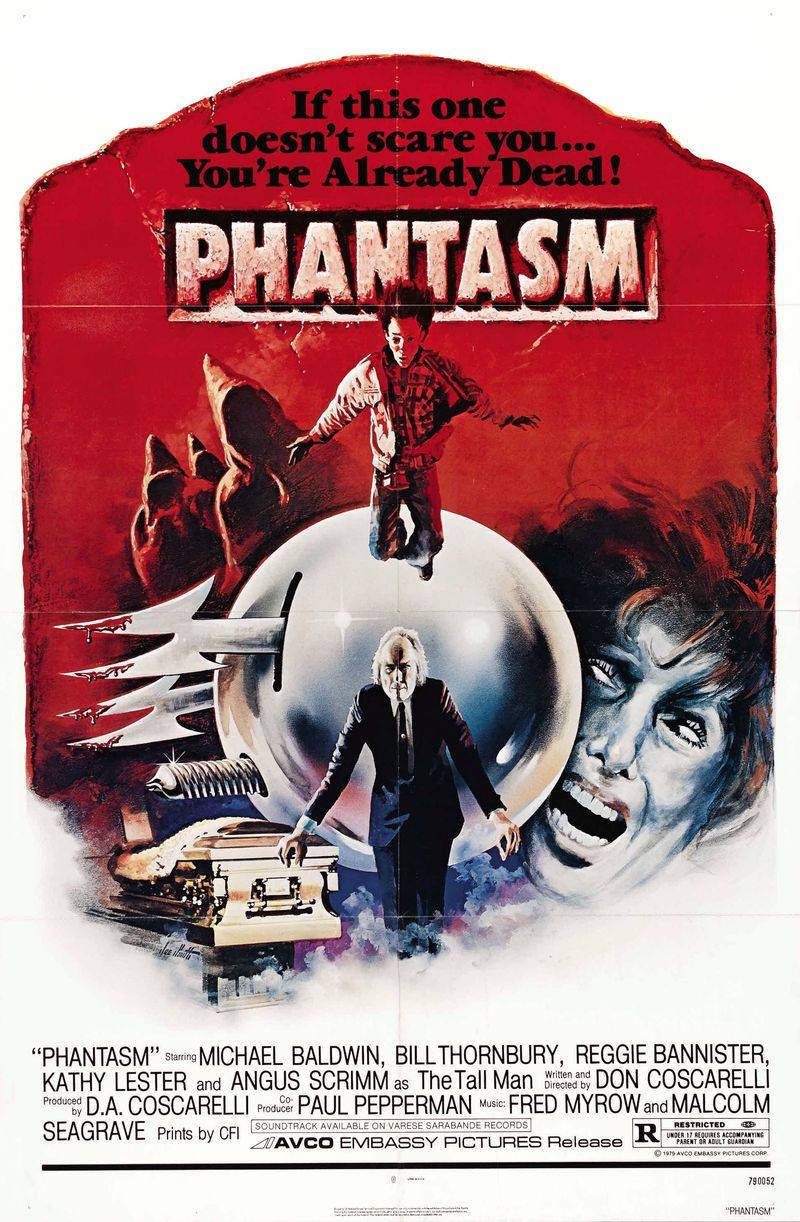
Made for less than $300,000 by a 26-year-old director named Don Coscarelli, Phantasm from 1979 is one of the most imaginative horror films ever produced on a small budget.
The story follows a teenage boy who suspects a mysterious mortician called the Tall Man is up to something truly horrifying.
The film has a dreamlike quality that makes it hard to pin down.
Logic does not always apply, and that is part of its charm.
Fans describe watching Phantasm as stepping into someone else’s nightmare.
The Tall Man, played by Angus Scrimm, became one of horror’s most iconic villains.
The silver flying sphere he uses as a weapon is instantly recognizable.
Phantasm spawned four sequels and a devoted fanbase that never gave up on it.
7. The Texas Chain Saw Massacre
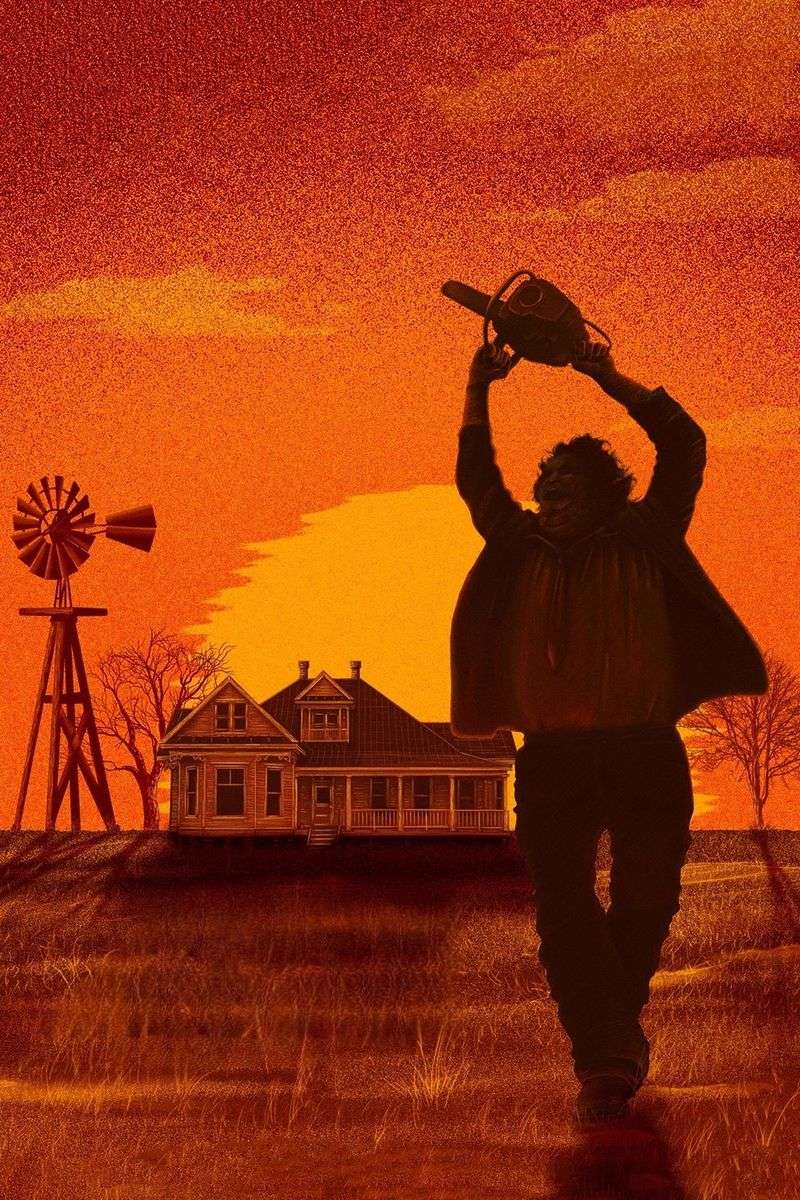
Tobe Hooper made one of the most disturbing films in cinema history in 1974 with a budget of around $83,000.
The Texas Chain Saw Massacre follows a group of young friends who stumble upon a family of cannibals in rural Texas.
Leatherface, the chainsaw-wielding killer, became an instant horror legend.
The film was banned in several countries and caused controversy everywhere it played.
That controversy only fueled its reputation.
People who were told they could not see it found a way to see it anyway.
Beneath its brutal surface, the film works as a commentary on violence, family, and the dark side of rural America.
Scholars and fans still analyze it decades later.
Its raw, documentary-style filming makes it feel uncomfortably real.
8. Hellraiser
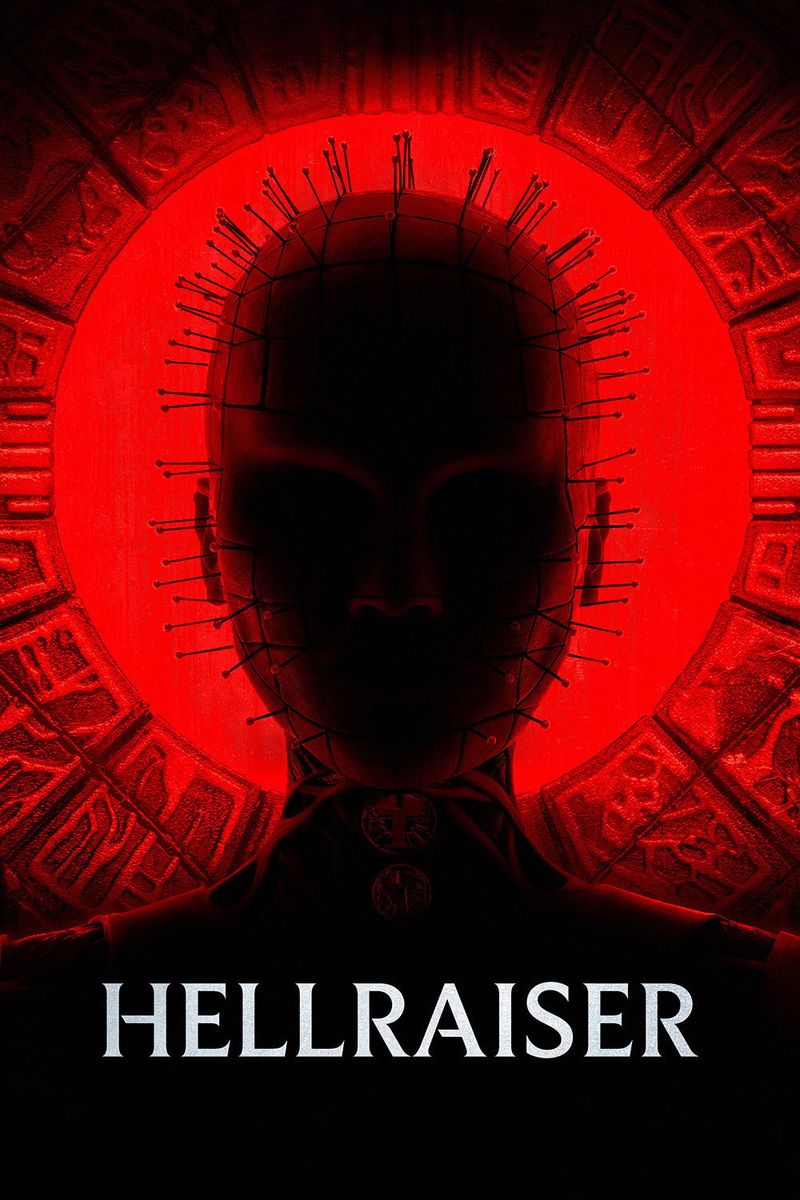
Clive Barker adapted his own novella to create Hellraiser in 1987, and the result was unlike anything horror fans had seen before.
A mysterious puzzle box opens a doorway to a dimension of extreme sensation ruled by beings called Cenobites, led by the iconic Pinhead.
Barker described his film as appealing to people who wanted something more adult and philosophical from horror.
He delivered exactly that.
Hellraiser explored themes of desire, pain, and obsession in ways that felt genuinely transgressive.
Pinhead became one of horror’s most recognizable figures, appearing on countless posters and merchandise.
The film launched a long franchise, but the original remains the most respected entry.
Fans who discovered it through video rental stores in the late 1980s never forgot their first encounter with the Cenobites.
9. The Return of the Living Dead
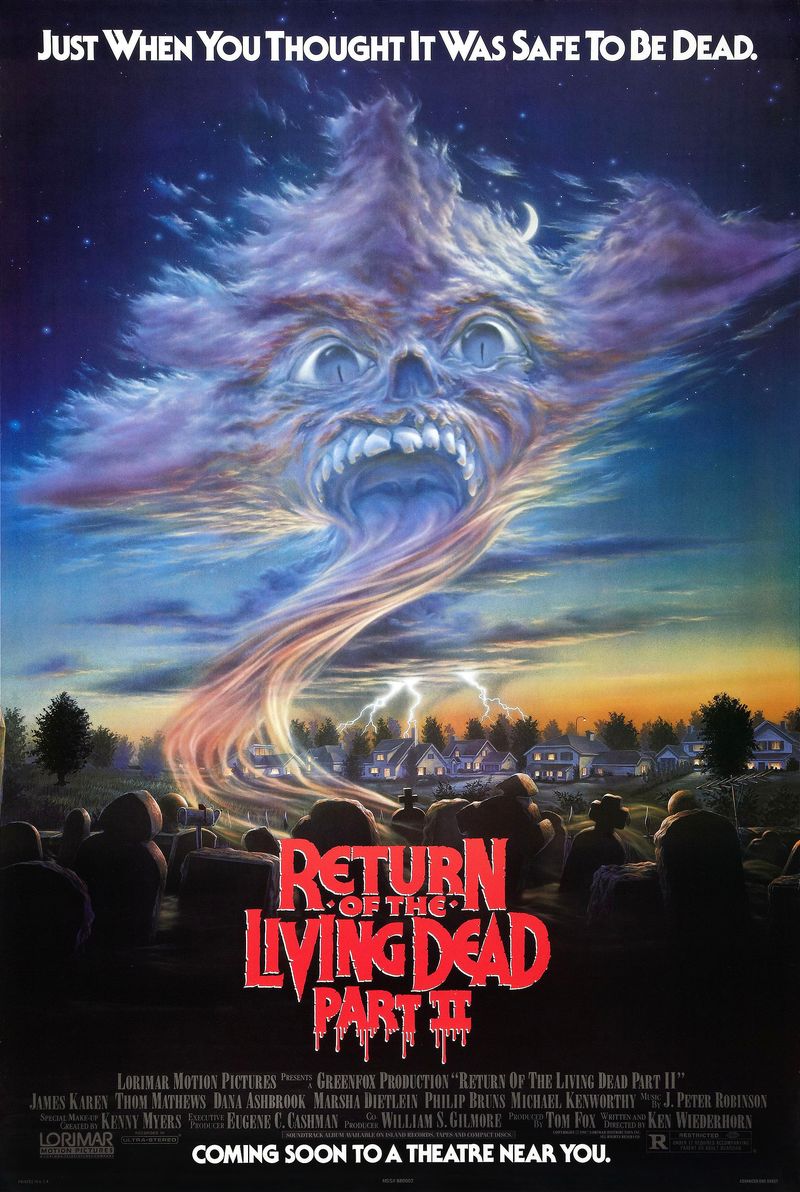
Forget slow, shambling zombies.
The Return of the Living Dead from 1985 gave audiences fast, talking zombies who specifically craved brains, and it did so with a wicked sense of humor.
The film is set in Louisville, Kentucky, where a military accident releases a toxic gas that reanimates the dead.
Punk rock teenagers, bumbling workers, and overwhelmed morticians all collide in a story that manages to be scary and hilarious at the same time.
The zombie Tarman, who rises from a drum of toxic waste, became one of horror’s most beloved creatures.
The film also popularized the idea that zombies want to eat brains specifically, a concept that spread through pop culture.
Its soundtrack of punk and new wave music perfectly captures the rebellious spirit that made it a cult favorite.
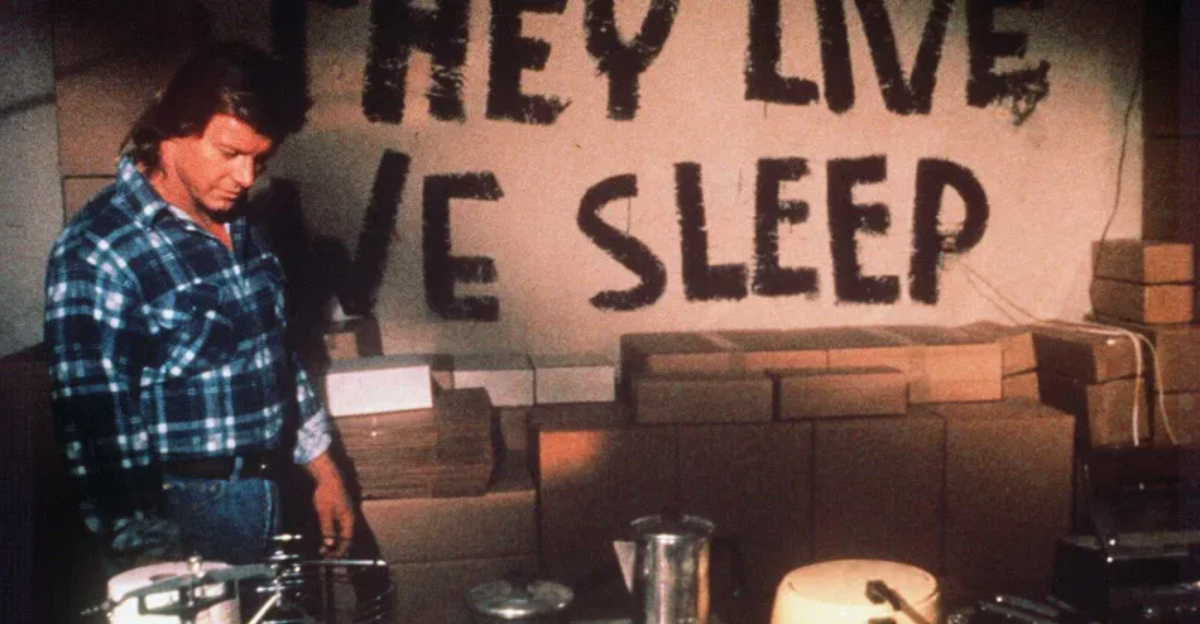
10. They Live
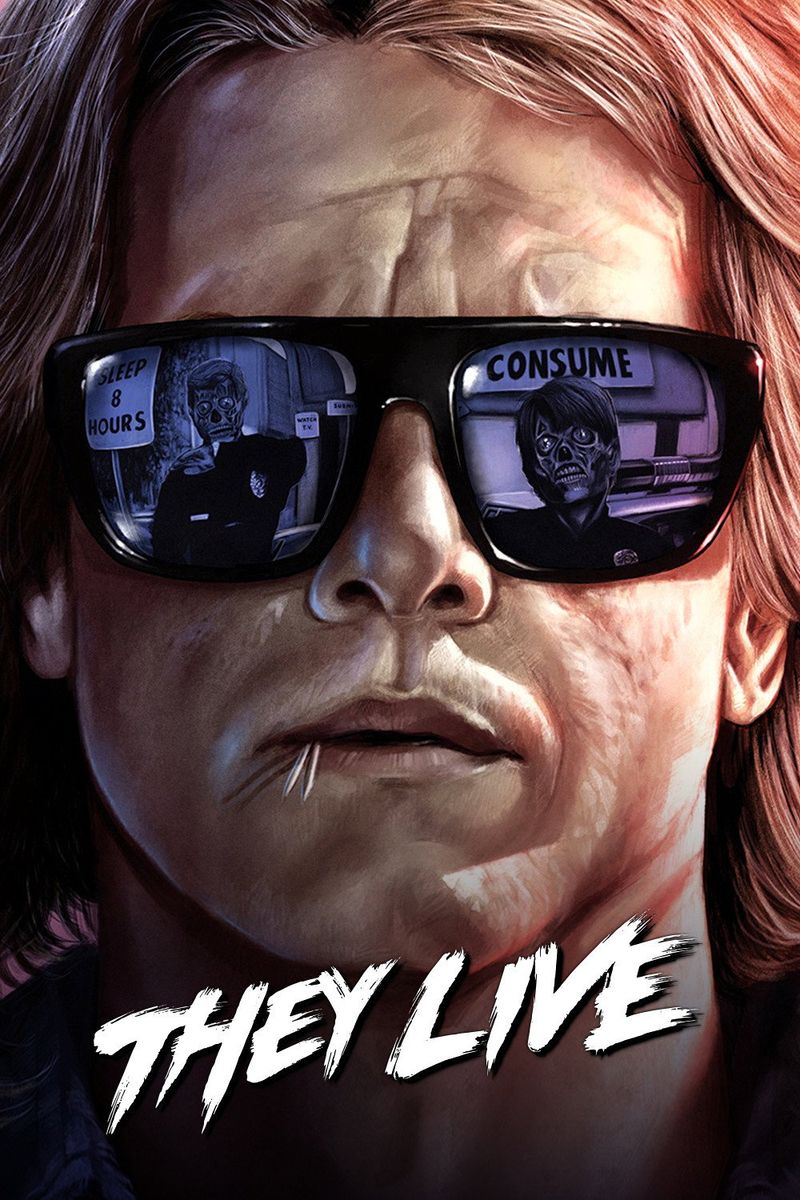
John Carpenter made a film about aliens secretly running society and disguised it as a wrestling movie.
They Live from 1988 stars Roddy Piper as a drifter who discovers a pair of sunglasses that reveal the world as it truly is: full of alien overlords and subliminal messages telling humans to obey, consume, and conform.
The film contains one of cinema’s most famous fistfights, a nearly six-minute brawl between Piper and Keith David that fans still celebrate.
Carpenter meant the film as a critique of 1980s consumerism and media manipulation, and its message has only grown more relevant over time.
Fans rediscovered They Live in the internet age and embraced its imagery as a symbol of media skepticism.
The sunglasses became an iconic image recognized worldwide.
11. Killer Klowns from Outer Space
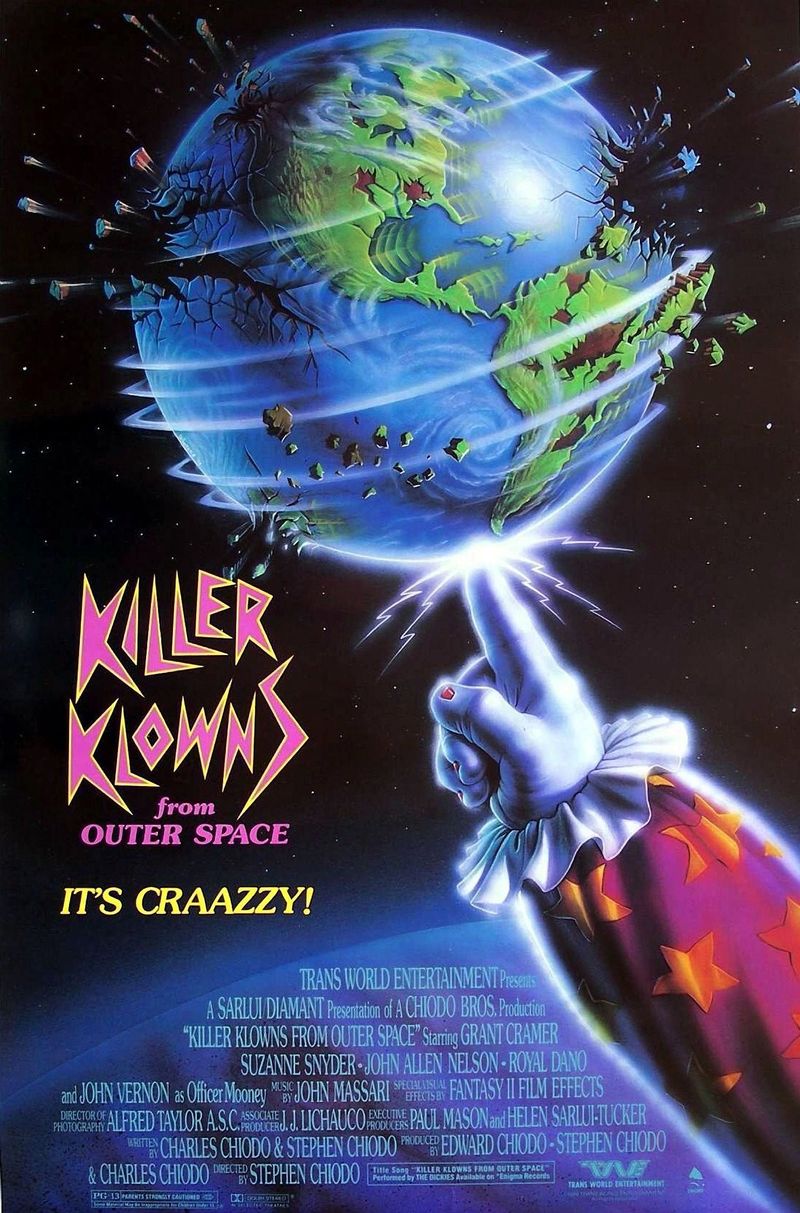
The title alone tells you exactly what kind of movie this is.
Killer Klowns from Outer Space from 1988 commits fully to its ridiculous premise and delivers something genuinely creative and fun.
Alien creatures that look like clowns land near a small town and start capturing humans in cotton candy cocoons.
The Chiodo Brothers designed the alien clowns with real craft and imagination.
Each Klown has a distinct personality, and their weapons, including popcorn guns and shadow puppets that eat people, are inventively bizarre.
The film bombed at the box office but found enormous love on home video.
Kids who rented it in the late 1980s grew up to become passionate fans who still wear Killer Klowns merchandise today.
It is pure, gleeful, B-movie fun.
12. The Lost Boys
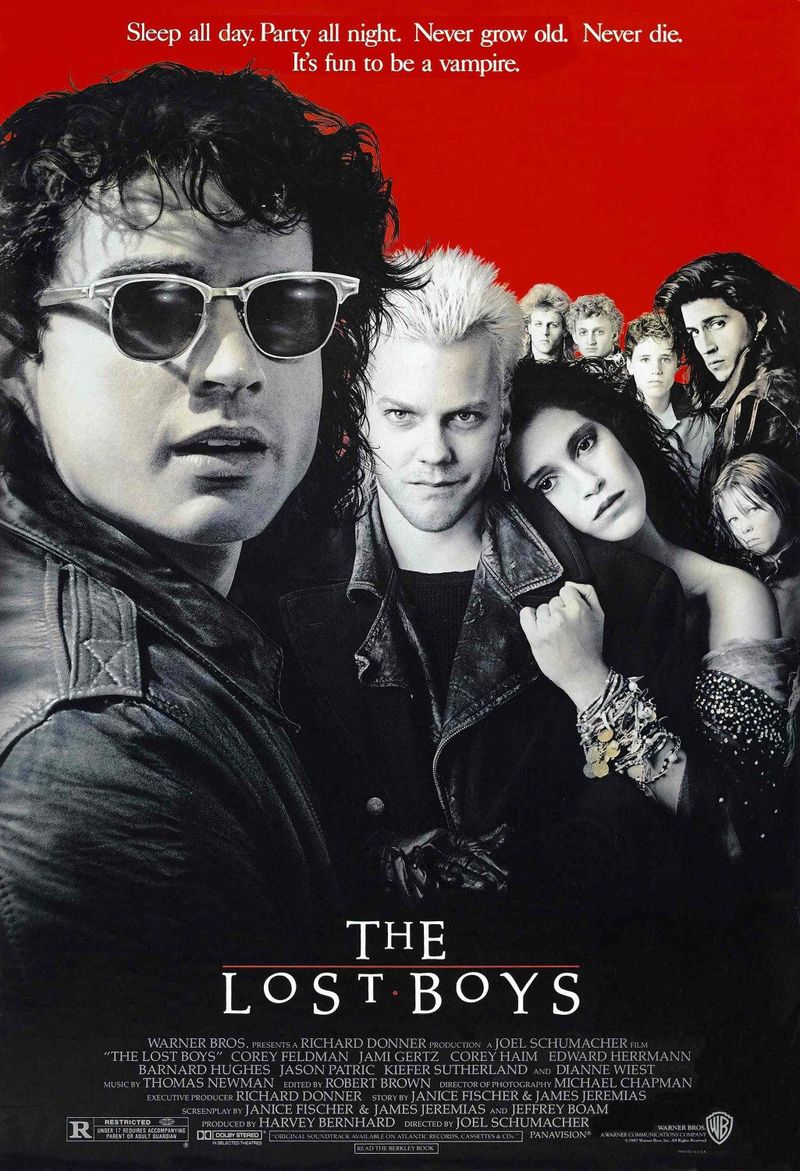
Santa Carla looks like the perfect California beach town until you notice the missing persons posters plastered everywhere.
The Lost Boys from 1987 made vampires cool for a whole new generation by mixing horror with MTV-style style and a cast of young, charismatic actors.
Kiefer Sutherland leads a gang of vampire punks who recruit teenagers to join their eternal party.
Two brothers, played by Jason Patric and Corey Haim, find themselves caught in the middle.
The film moves fast and looks fantastic.
The chemistry between the cast, the killer soundtrack, and Joel Schumacher’s sleek direction made The Lost Boys an immediate hit that never lost its appeal.
Fans who grew up with it still revisit it regularly and introduce it to younger audiences with genuine enthusiasm.
13. Candyman
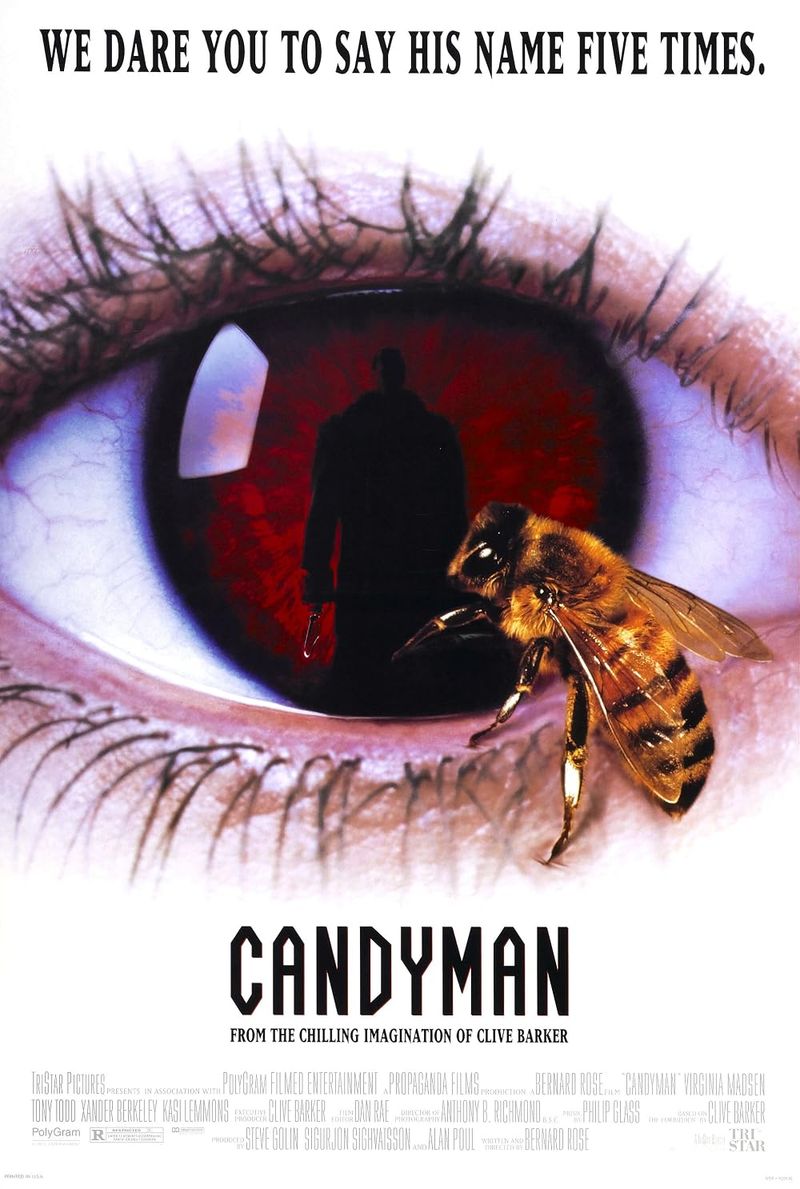
Say his name five times in a mirror.
That simple dare launched one of horror’s most powerful and thought-provoking films.
Candyman from 1992, based on a Clive Barker story, follows a graduate student researching urban legends in Chicago’s Cabrini-Green housing project and awakening a terrifying supernatural force.
What separates Candyman from other slasher films is its depth.
The film uses horror to explore race, class, and the way society treats marginalized communities.
Tony Todd’s performance as the Candyman is magnetic and genuinely frightening.
Philip Glass composed a haunting, choral score that makes every scene feel weighted with dread.
The film was both a critical and commercial success on release, but its cult following deepened over the years as fans recognized its layers of meaning and emotional power.
14. Event Horizon
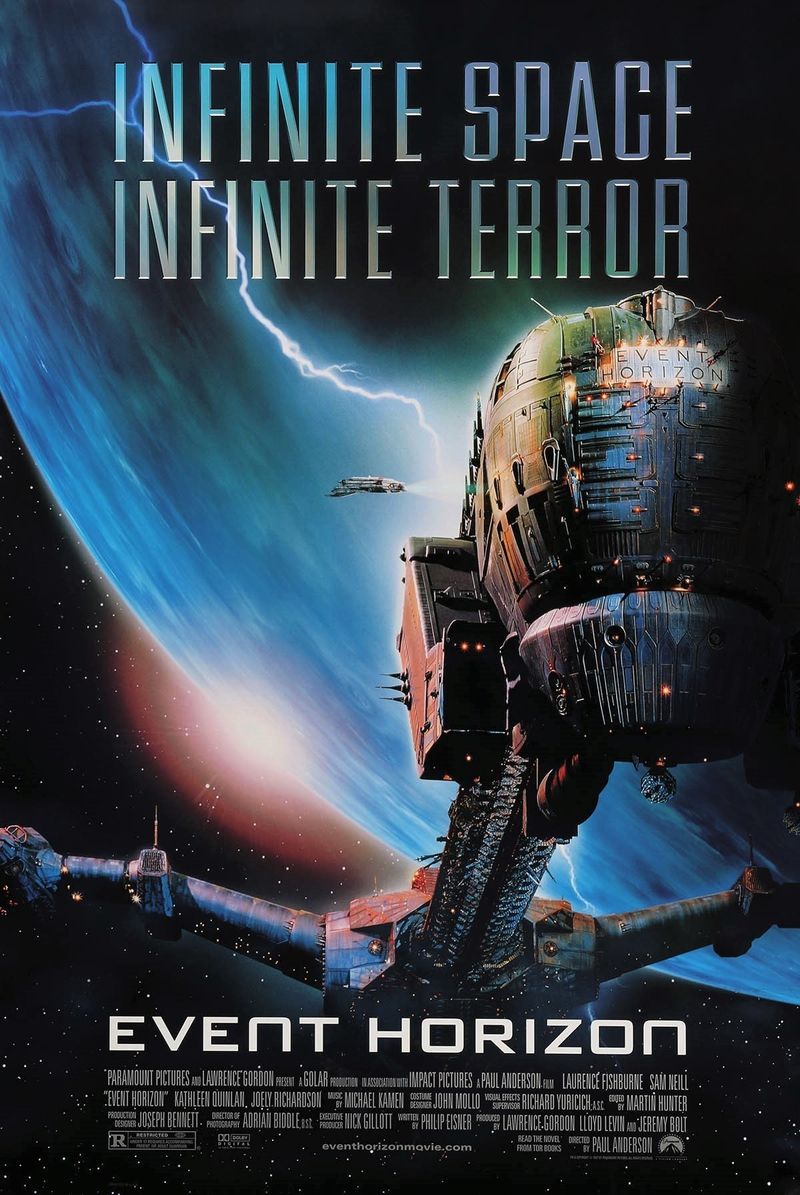
Paul W.S. Anderson’s Event Horizon from 1997 asked a terrifying question: what if a spaceship went somewhere so awful that the ship itself became evil?
A rescue crew travels to the far reaches of the solar system to recover a missing vessel called the Event Horizon, only to discover it has returned from a dimension of pure suffering.
Critics were harsh when the film came out, calling it confusing and too gruesome.
The studio had cut nearly 30 minutes of footage, leaving the theatrical release feeling incomplete.
But something about Event Horizon’s dark vision of space and damnation connected deeply with audiences.
Fans rebuilt its reputation through word of mouth over many years.
Today it is considered one of the best science fiction horror films ever made, and fans still hope the lost footage will someday be restored.
15. Ginger Snaps
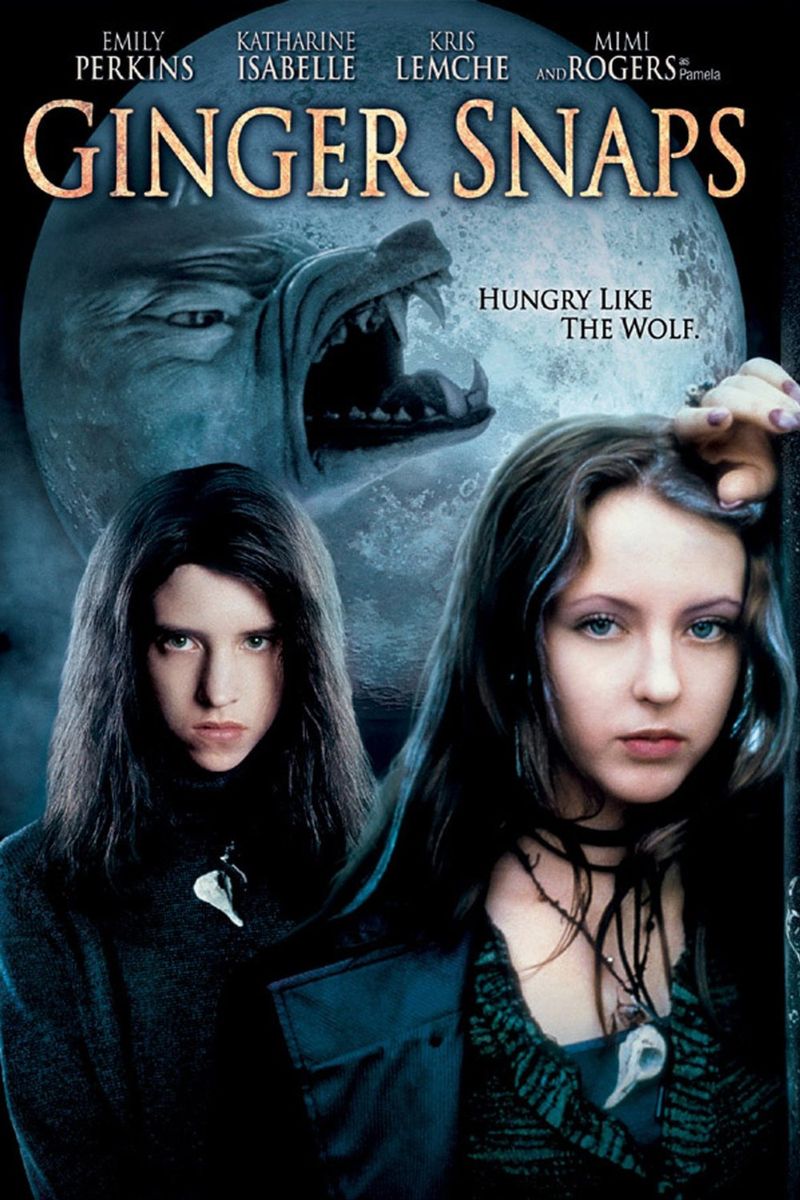
Ginger Snaps from 2000 is a Canadian werewolf film that uses its monster story as a smart metaphor for puberty, female identity, and the terrifying ways bodies can change without permission.
Two death-obsessed sisters see their lives fall apart when one of them is bitten by a werewolf.
Emily Perkins and Katharine Isabelle give performances that feel completely real, grounding the supernatural story in genuine emotion.
The film is funny, scary, and surprisingly moving, all at once.
Its low budget is barely noticeable because the characters feel so authentic.
Ginger Snaps was largely ignored on its initial release but found a passionate audience through film festivals and home video.
Feminist horror fans especially champion it as a film that uses genre conventions to say something meaningful and personal about growing up female.
16. Trick ‘r Treat
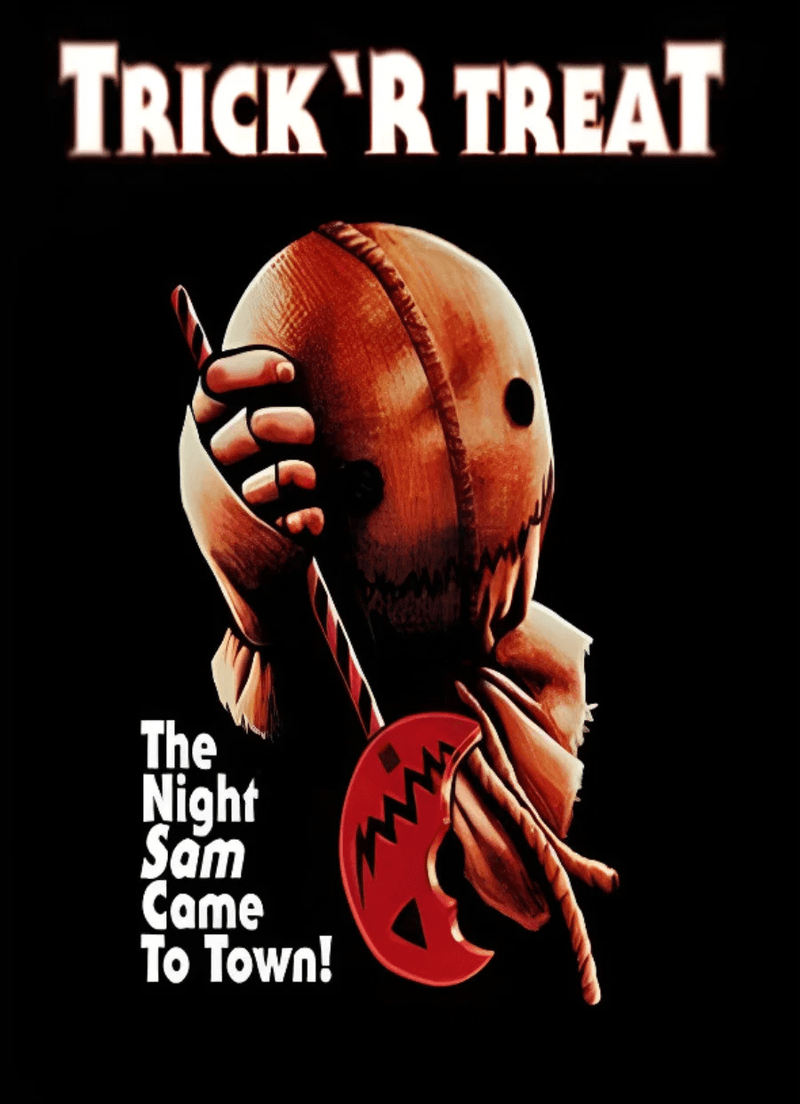
Sam is not the kind of trick-or-treater you want to disappoint.
The small, burlap-masked figure at the center of Trick ‘r Treat from 2007 enforces Halloween rules with deadly results.
Michael Dougherty’s anthology film weaves together several Halloween night stories in a single town, all connected in clever ways.
Warner Bros. shelved the film for two years before releasing it directly to video, which seemed like a death sentence.
Instead, it became one of the best-loved Halloween films of the modern era.
Fans discovered it and spread the word with missionary enthusiasm.
Sam became an instantly iconic horror character, appearing on merchandise, costumes, and fan art everywhere.
Trick ‘r Treat captures the spirit of Halloween better than almost any other film, balancing scares with genuine warmth for the holiday.