 MomSkoop
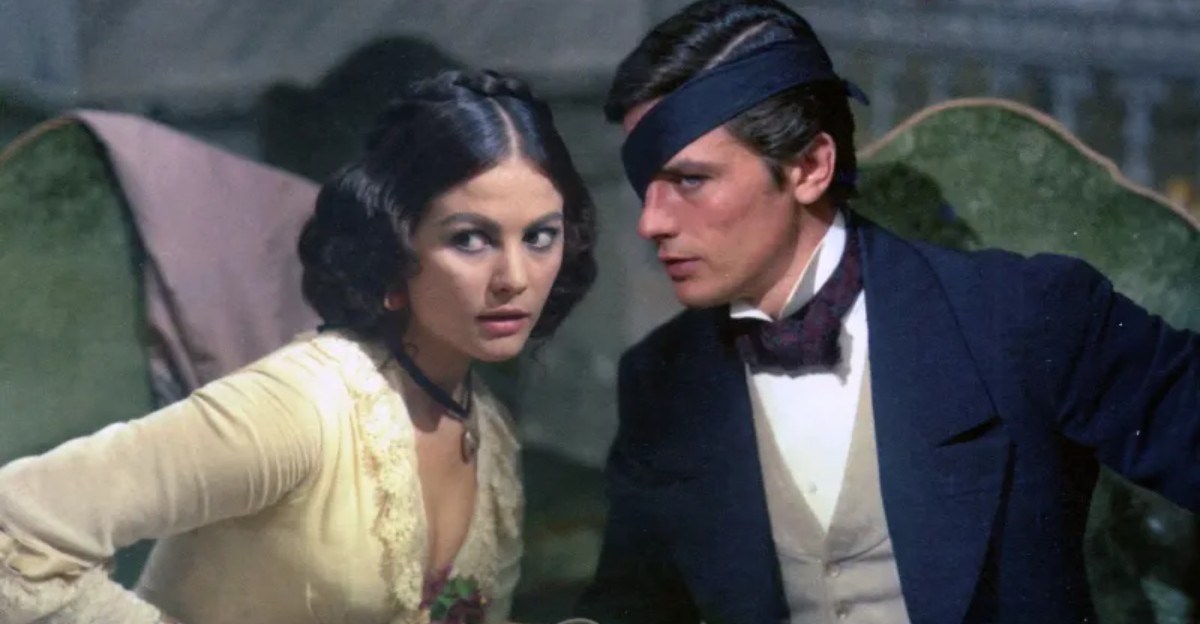
Italy has given movie lovers some of the most moving, funny, and daring films ever made. From war-torn streets to sunny seaside towns, these stories changed how directors around the world tell tales.
Each title on this list inspired filmmakers, won hearts, or started a whole new style. Ready to add a few new favorites to your watch list?
1. Rome, Open City (1945)
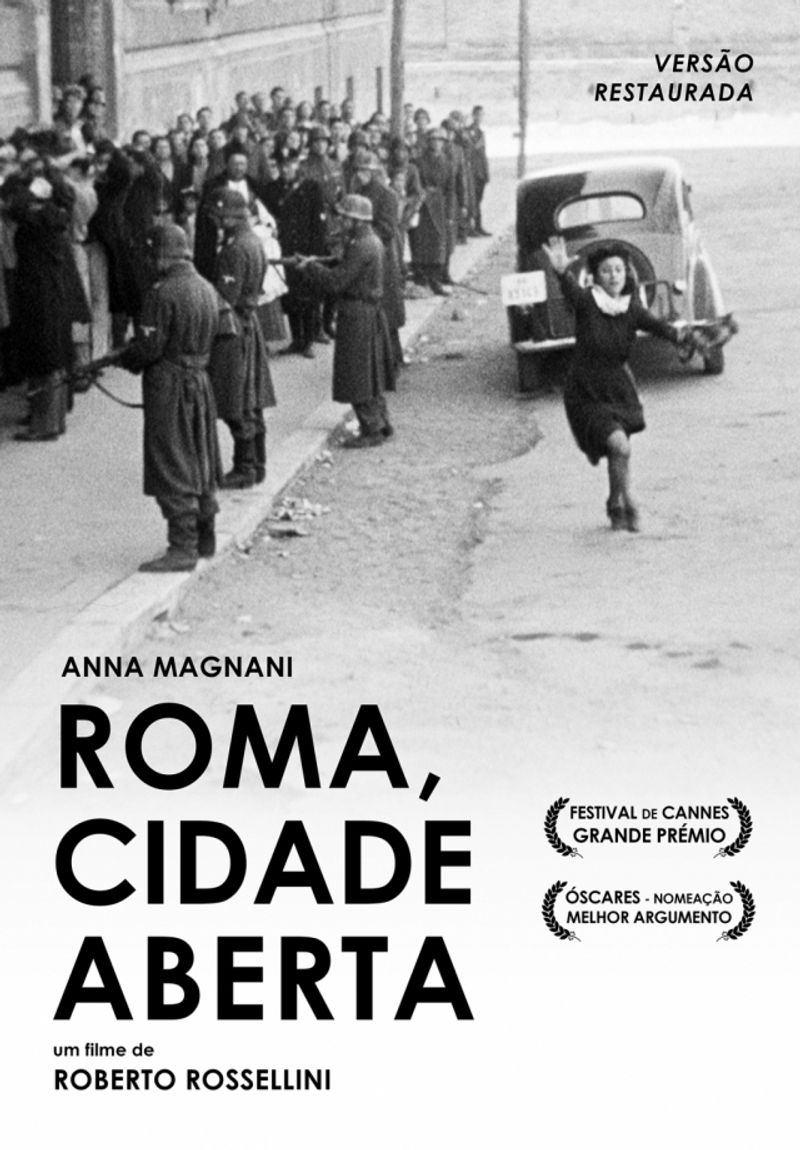
Picture a film shot among real ruins, with borrowed film stock and almost no money.
Roberto Rossellini made Rome, Open City just after the war ended, and the damage you see on screen is real.
The story follows a priest and a resistance fighter hiding from occupying forces.
The scene where Anna Magnani runs down the street is one of the most famous moments in movie history.
Rossellini helped launch Italian neorealism, a style that used real places and everyday people instead of glossy studio sets.
Many directors later copied that raw, honest look.
If you want to see where modern realistic filmmaking began, start right here.
2. Bicycle Thieves (1948)
Losing your bike is annoying.
Losing the bike that gives you your only job is a disaster.
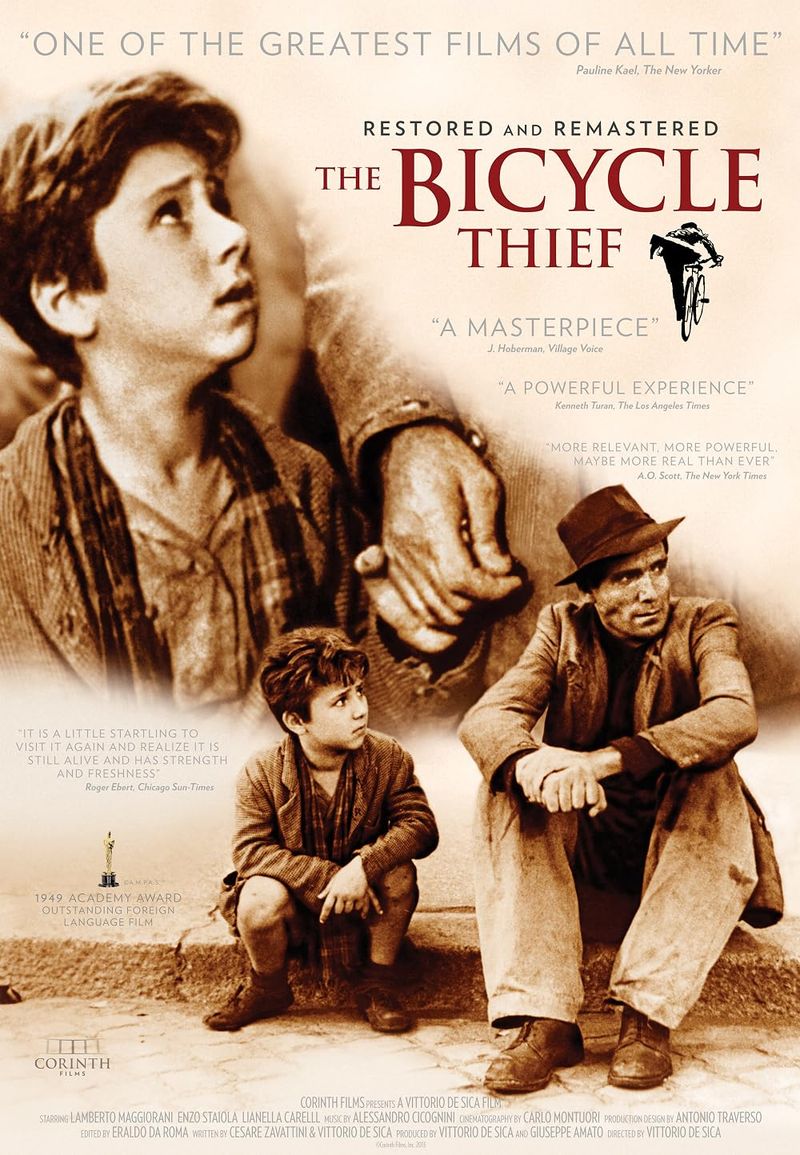
That is the heart of Vittorio De Sica’s quiet masterpiece.
Antonio needs his bicycle to hang posters, so when it is stolen, he and his young son search all over Rome.
Nearly every actor was a regular person, not a trained star.
Fun fact: the film won a special Academy Award before the foreign language category even existed.
Its simple plot hits hard because it feels true.
You may find yourself thinking about the father and son long after the final scene fades to black.
3. La Strada (1954)
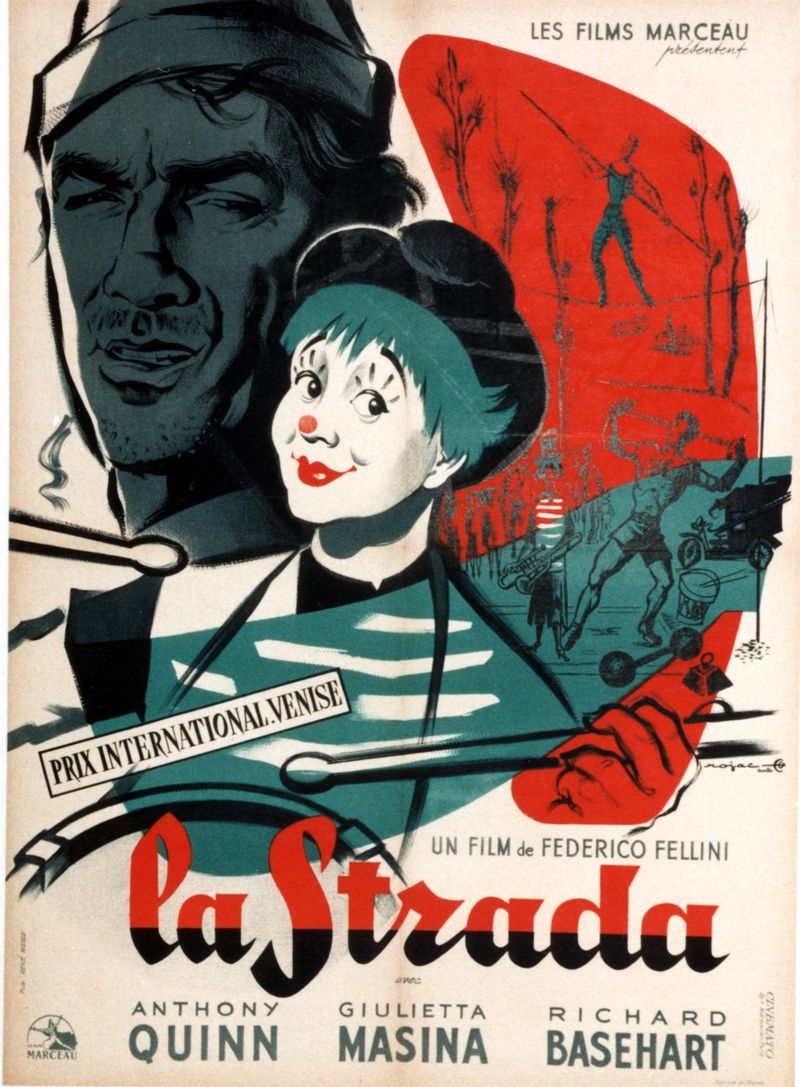
“I don’t know what this is good for, but everything in the world is good for something.” That line from La Strada shows the gentle soul of Federico Fellini’s early hit.
Gelsomina, a sweet and odd young woman, is sold to Zampano, a rough traveling strongman.
They tour the countryside doing street shows, and their bond is painful and tender at once.
Giulietta Masina, who played Gelsomina, earned comparisons to Charlie Chaplin for her expressive face.
The film won the first Oscar for Best Foreign Language Film given to an Italian movie.
Keep tissues nearby for the ending.
4. Nights of Cabiria (1957)
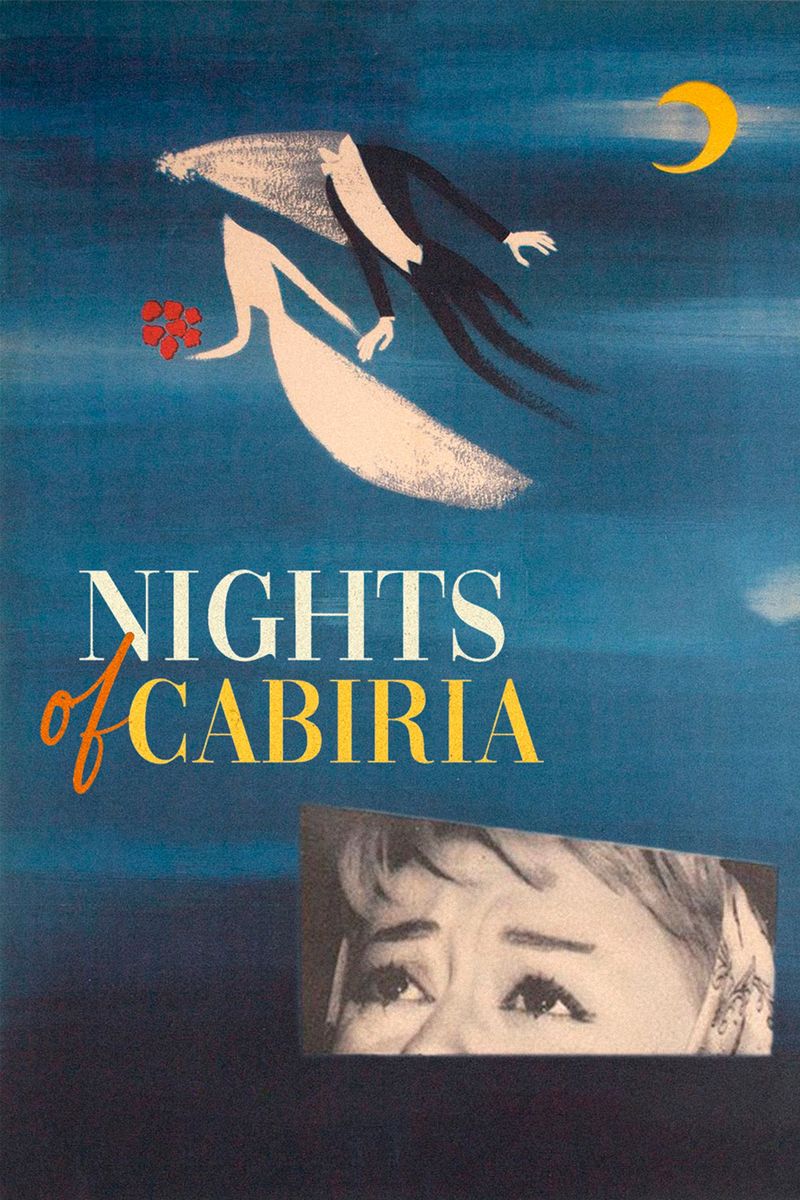
Some heroes get knocked down again and again, yet they still stand up smiling.
Cabiria is one of them.
She is a kind woman in Rome who keeps hoping for true love, even when life keeps tricking her.
Giulietta Masina gives a performance full of humor and heartbreak.
You laugh with her one minute and ache for her the next.
Fellini won another Oscar for this film, and its story later inspired a Broadway musical called Sweet Charity.
The final scene is famous for its warm, teary smile.
It proves that hope can shine even on the toughest nights.
5. La Dolce Vita (1960)
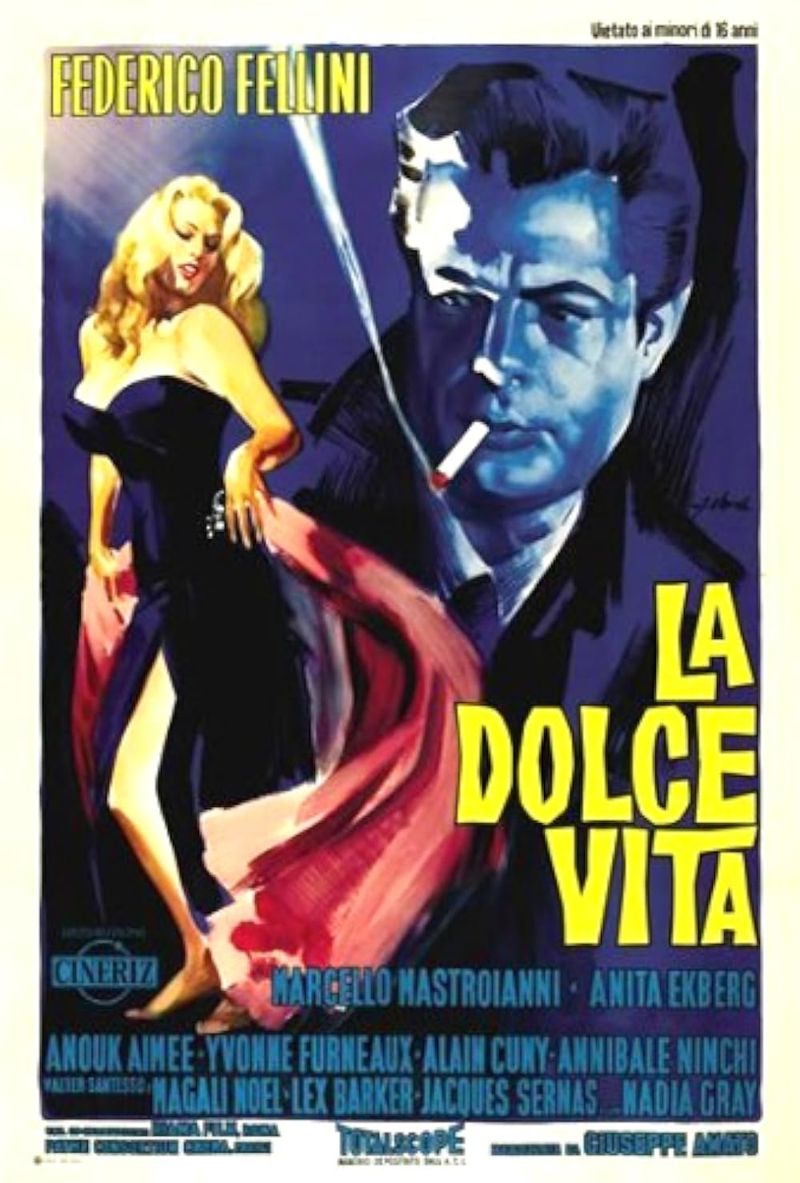
Ever heard the word paparazzi?
It comes from this movie.
A photographer character named Paparazzo chases celebrities, and the name stuck around the world.
La Dolce Vita follows a journalist drifting through a week of parties, fame, and empty fun in Rome.
The scene with Anita Ekberg splashing in the Trevi Fountain is one of the most copied images in film.
At nearly three hours long, it feels like a wild, dreamy tour of modern life.
Critics first argued about it, but it won the top prize at Cannes.
Today it is seen as a true landmark.
6. L’Avventura (1960)
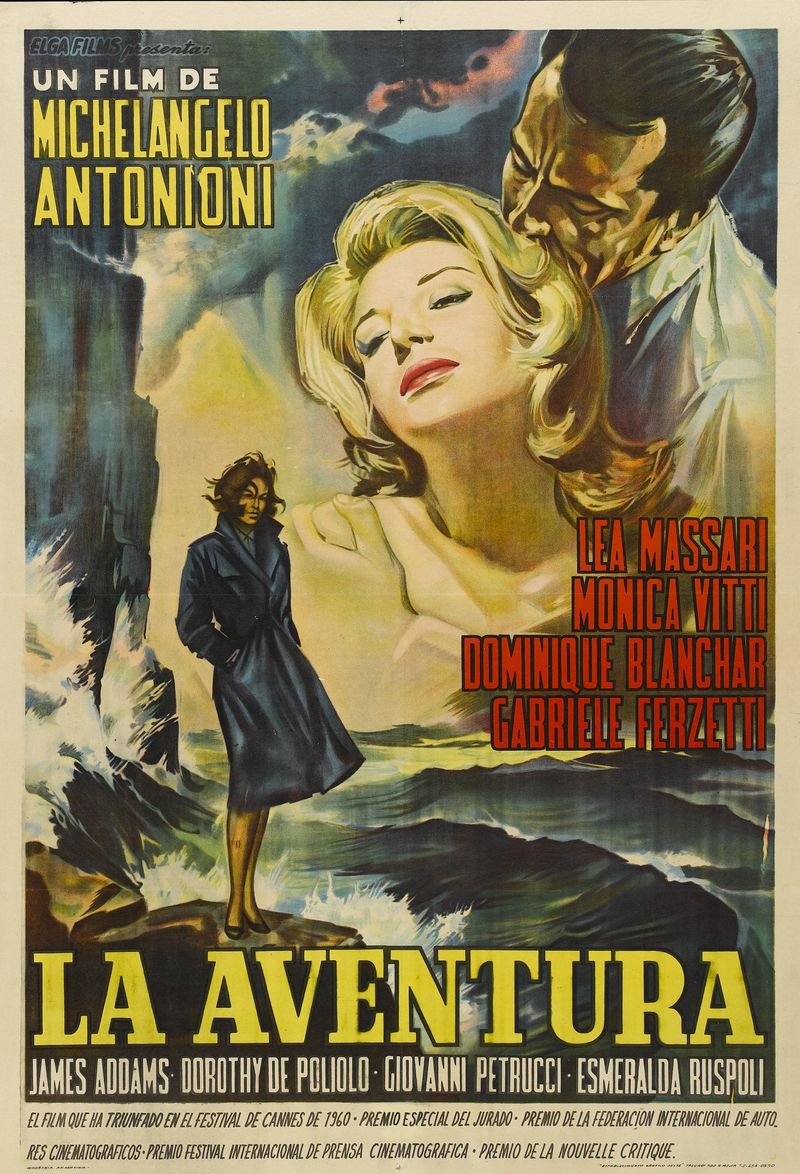
Here is a mystery that never gets solved.
During a yacht trip, a young woman vanishes on a rocky island, and her friends search for her.
Then something surprising happens: the search slowly fades away.
Michelangelo Antonioni cared less about the answer and more about how people feel lost inside.
Long quiet shots of empty landscapes make you feel that loneliness too.
When it first played at Cannes, the audience booed.
Later, critics hailed it as a breakthrough.
Its slow, thoughtful style influenced countless directors.
Watch it patiently, and you will notice how much a silent shot can say.
7. 8½ (1963)
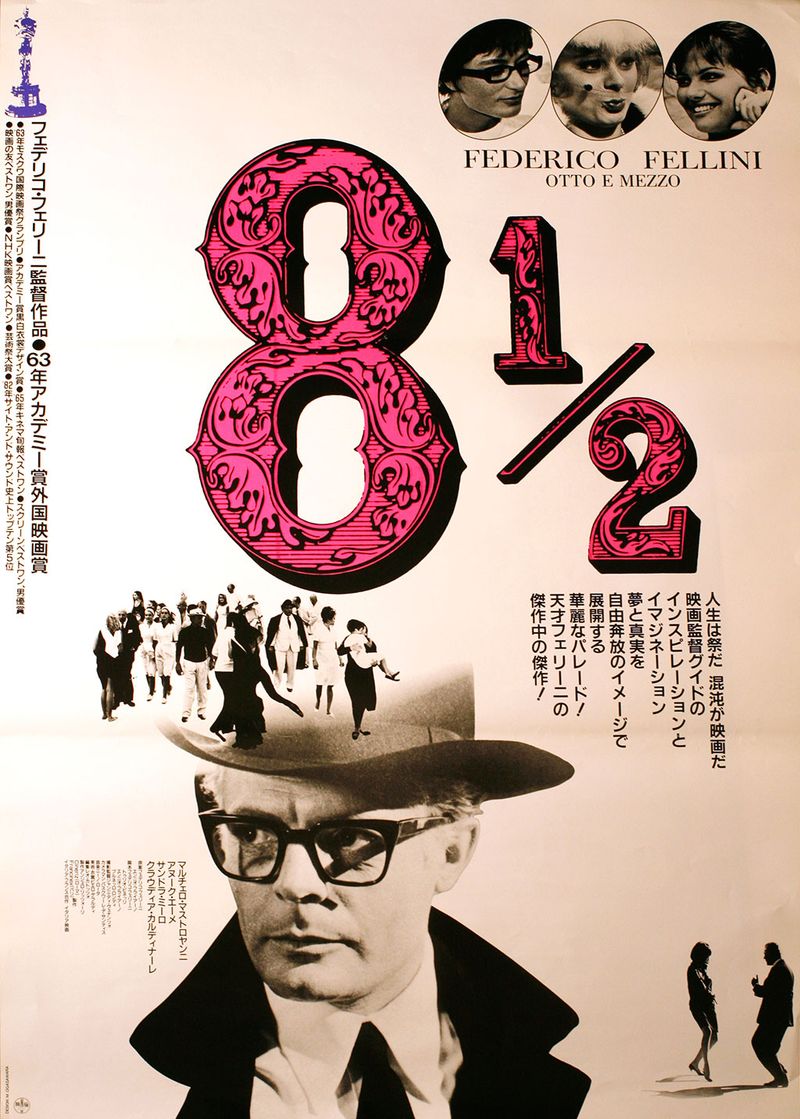
What do you do when you have to make a movie but have zero ideas?
Fellini turned that exact problem into a masterpiece.
The hero, a famous director, is stuck, stressed, and haunted by dreams and memories.
The film jumps between real life, daydreams, and childhood flashbacks without warning.
It feels like wandering inside someone’s imagination.
The title counts Fellini’s earlier works, with shared projects counting as halves.
Many later films, from musicals to comedies, borrowed its ideas.
If you love creative stories about creative people, this one is a cornerstone.
8. The Leopard (1963)
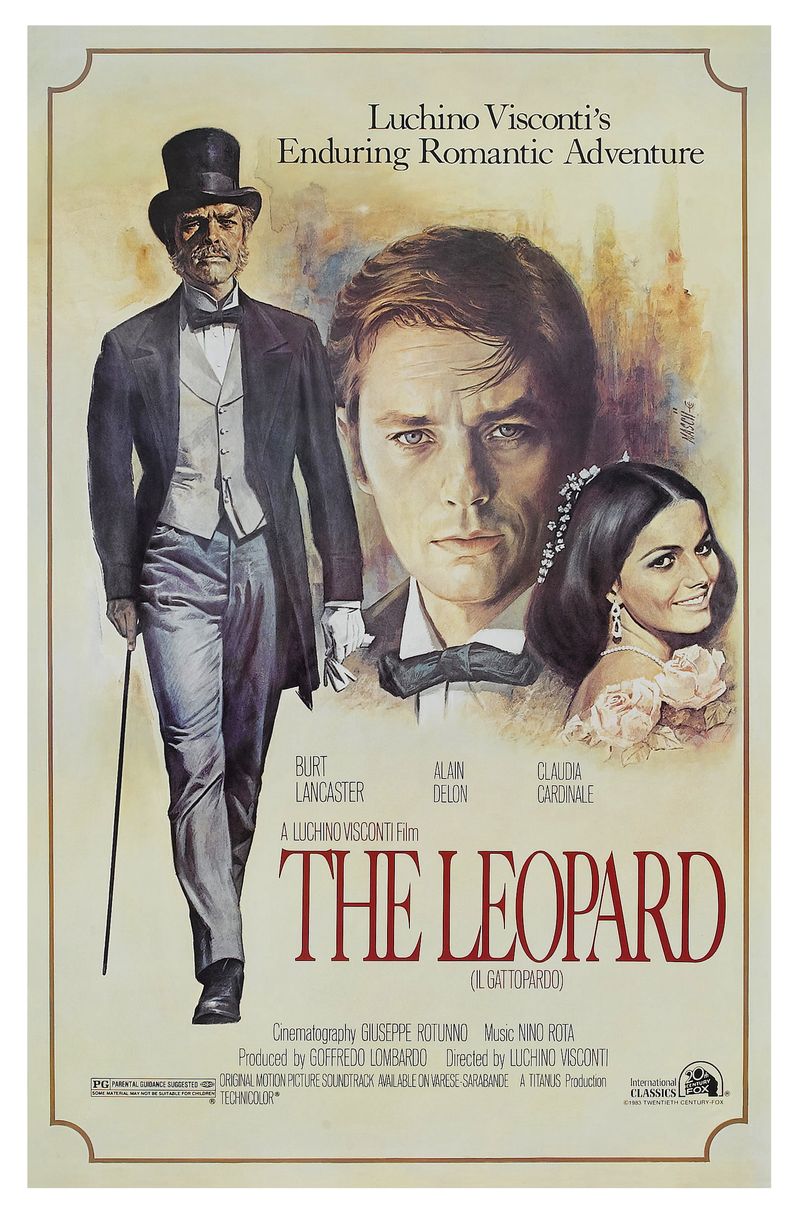
A glittering ballroom can feel like the end of an era.
That is the feeling of The Leopard, Luchino Visconti’s grand tale of a Sicilian prince watching his old world fade.
Set during Italy’s unification, the story shows nobles trying to hold onto power while new ideas sweep in.
Burt Lancaster plays the prince with quiet dignity.
The final ballroom sequence lasts around forty-five minutes and uses real palaces, rich costumes, and countless candles.
It won the Palme d’Or at Cannes.
Even if history class felt boring, this film makes the past look gorgeous and deeply human.
9. The Battle of Algiers (1966)
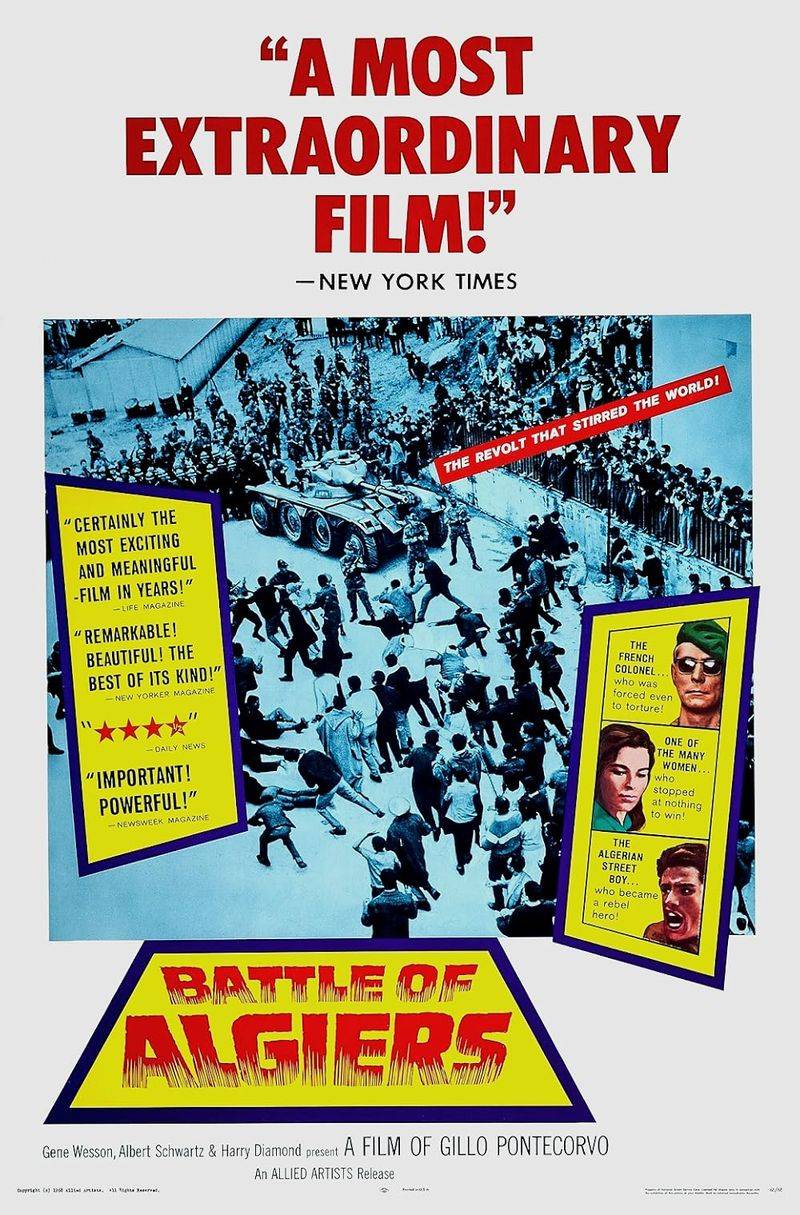
It looks like a news report, but every frame was carefully planned.
Gillo Pontecorvo filmed The Battle of Algiers in black and white, using real streets and non-actors, so it feels like documentary footage.
The story covers Algeria’s fight for independence from France, showing both sides with tense honesty.
The music and crowd scenes pull you right into the action.
Fun fact: the film carried a note saying no real newsreel footage was used.
Military leaders and students have studied it for decades to understand conflict and politics.
It is a powerful lesson in how cinema can make history feel urgent.
10. The Good, the Bad and the Ugly (1966)
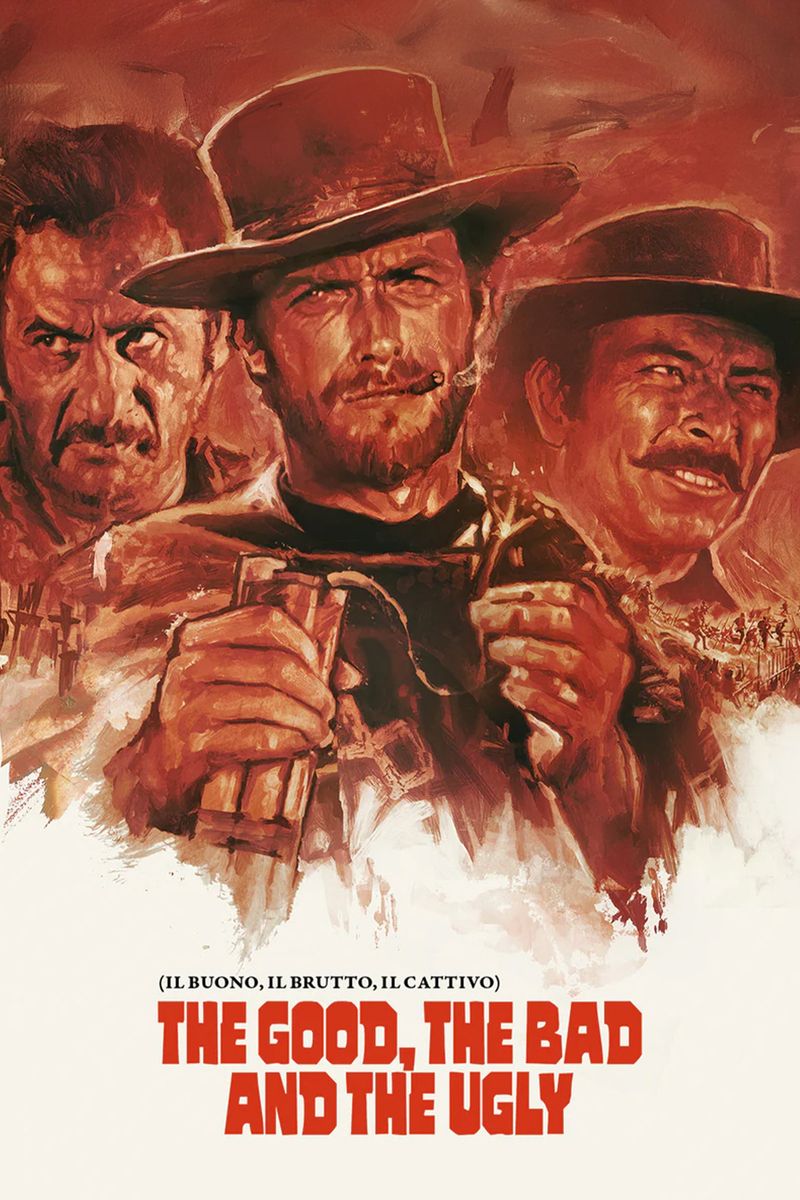
Whistle, squint, and wait for the showdown.
Sergio Leone turned the Western into something bigger and bolder with this epic about three men hunting buried gold during the American Civil War.
Clint Eastwood, Lee Van Cleef, and Eli Wallach play the trio with style.
Ennio Morricone’s unforgettable music, with its wailing tune and sharp twangs, makes every scene crackle.
The final three-way duel in a circular graveyard stretches out with extreme close-ups of eyes and hands.
Filmmakers still borrow that tension today.
Shot in Spain, it proved that Italian directors could reinvent a classic American genre.
11. The Conformist (1970)
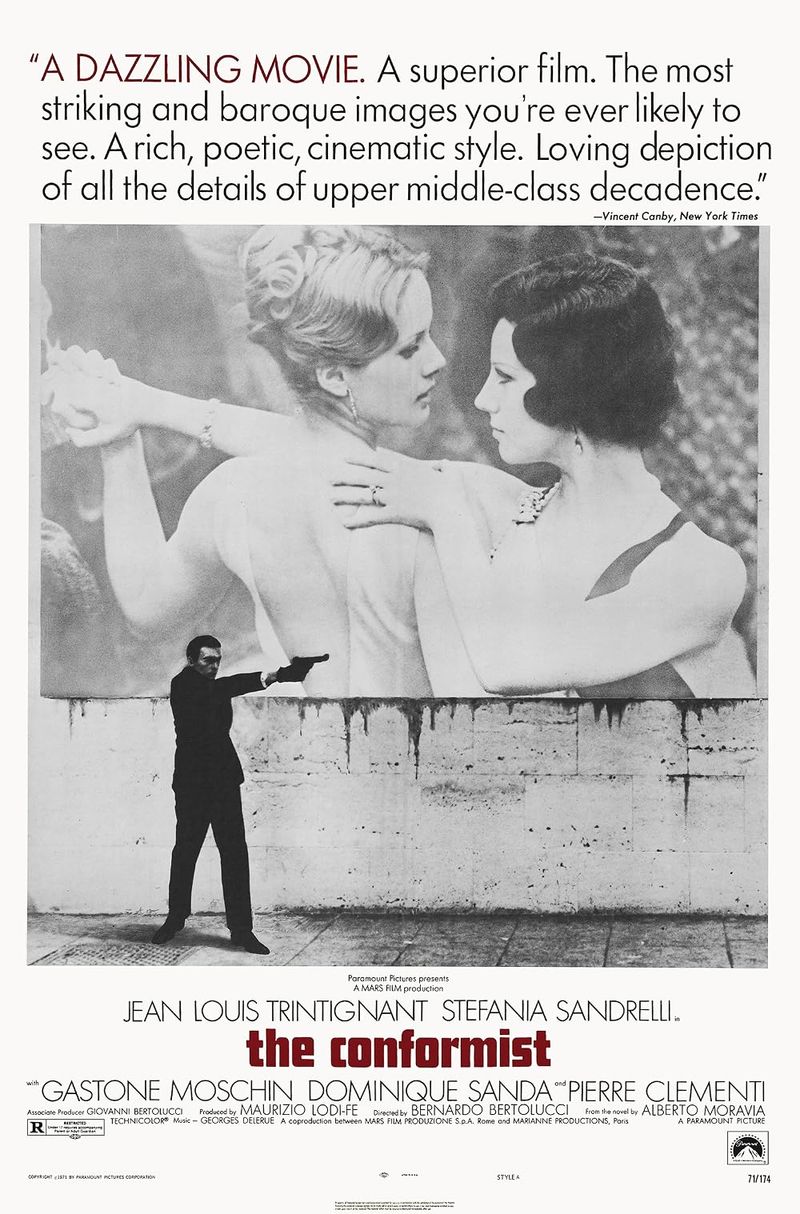
Shadows slice across walls like blades in Bernardo Bertolucci’s stunning drama.
The Conformist follows Marcello, a man who wants so badly to fit in that he joins the fascist government of 1930s Italy.
Sent on a dangerous mission to Paris, he faces the choices he has tried to bury since childhood.
Every scene is painted with bold colors, sharp angles, and dramatic light.
Cinematographer Vittorio Storaro’s work became a model for later filmmakers.
Directors like Francis Ford Coppola and Martin Scorsese have praised the film.
Its main message still rings true: hiding who you are can cost you everything.
12. Suspiria (1977)
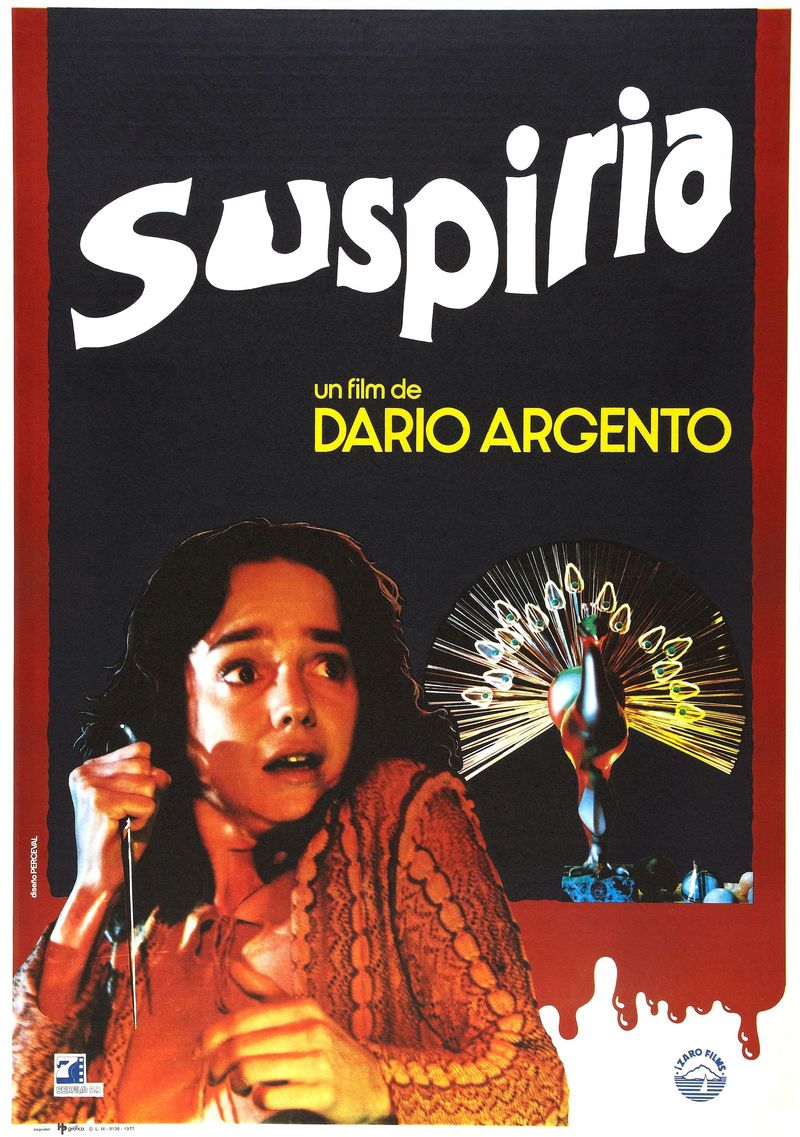
Turn the lights down, because this one glows in neon red and blue.
Dario Argento’s Suspiria sends a young American dancer to a German ballet school, where strange things start happening after dark.
The story is simple, but the style is anything but.
Bright colors, wild camera moves, and a pounding score by the band Goblin make it feel like a nightmare painted on a canvas.
Argento used a rare color printing process to get those deep, rich hues.
The film became a cornerstone of horror, and it inspired a 2018 remake.
If you like scares that feel like art, this is your pick.
13. Cinema Paradiso (1988)
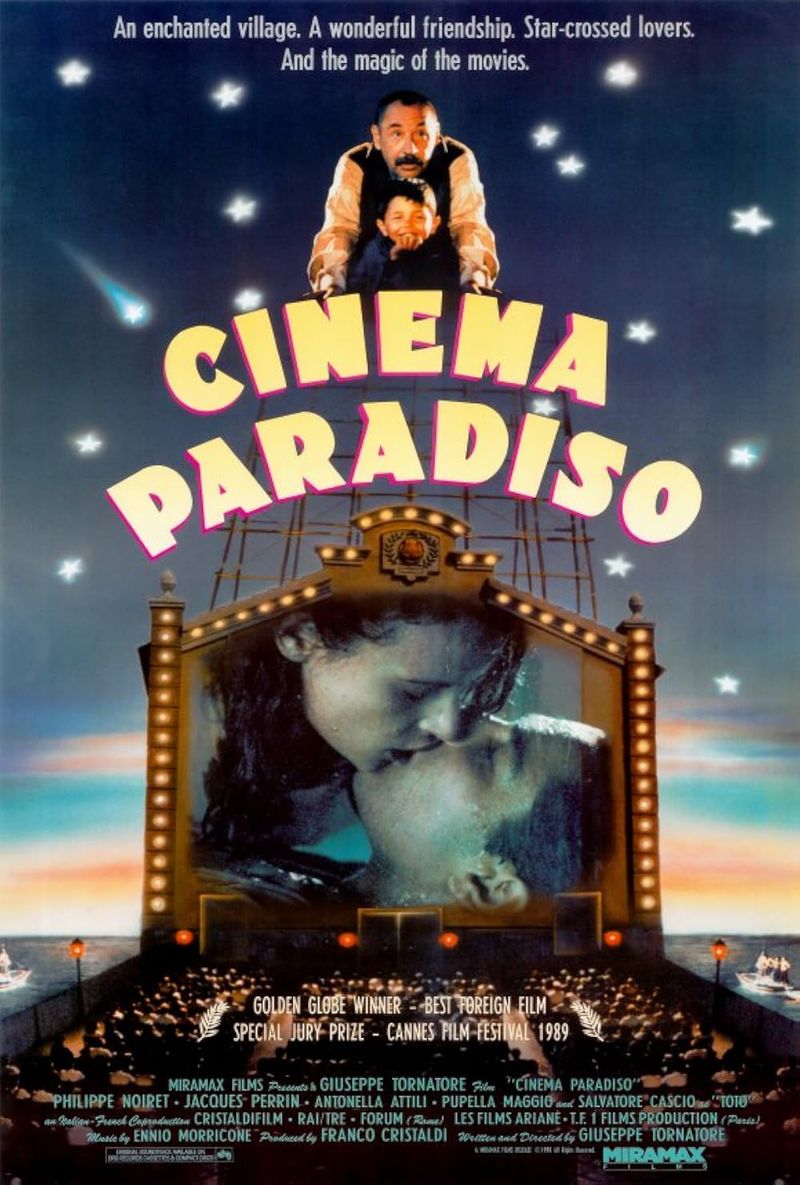
Is there anything cozier than a small-town movie theater?
In Cinema Paradiso, a little boy named Toto befriends the projectionist and falls in love with movies.
Years later, he becomes a famous director and returns home for a funeral.
Memories flood back, and with them comes a bittersweet look at friendship, first love, and growing up.
Giuseppe Tornatore’s film won an Oscar and is loved for its heartfelt music by Ennio Morricone.
The famous kissing montage near the end makes viewers cry happy and sad tears together.
It is a love letter to the magic of watching films with others.
14. Life Is Beautiful (1997)
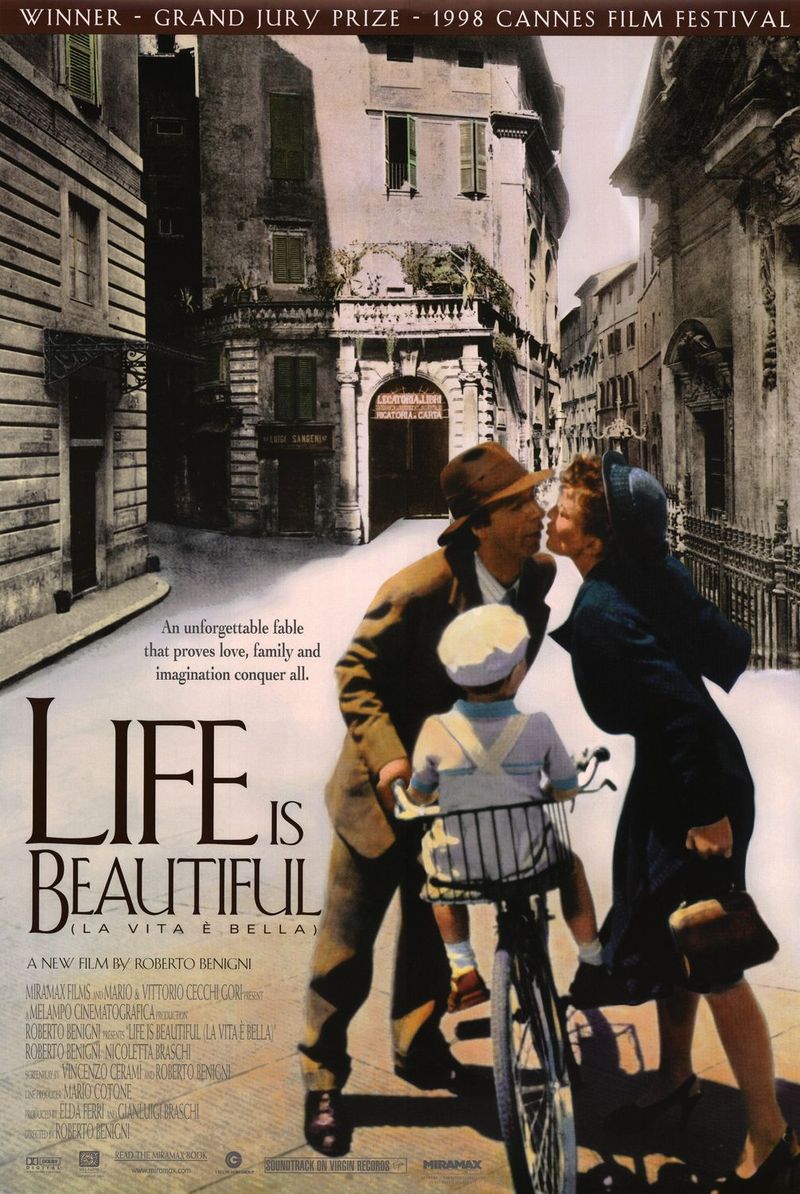
Could a father turn a terrible place into a game?
Roberto Benigni’s Life Is Beautiful says yes.
Guido, a cheerful Italian man, is sent with his son to a camp during World War II.
To protect the boy, he pretends everything is a giant contest with a tank as the grand prize.
The humor is sweet, yet the setting never loses its seriousness.
Benigni directed, wrote, and starred, winning the Oscar for Best Actor.
The film also took home Best Foreign Language Film.
It shows how love and imagination can shield a child, making it both funny and deeply moving.
15. The Great Beauty (2013)
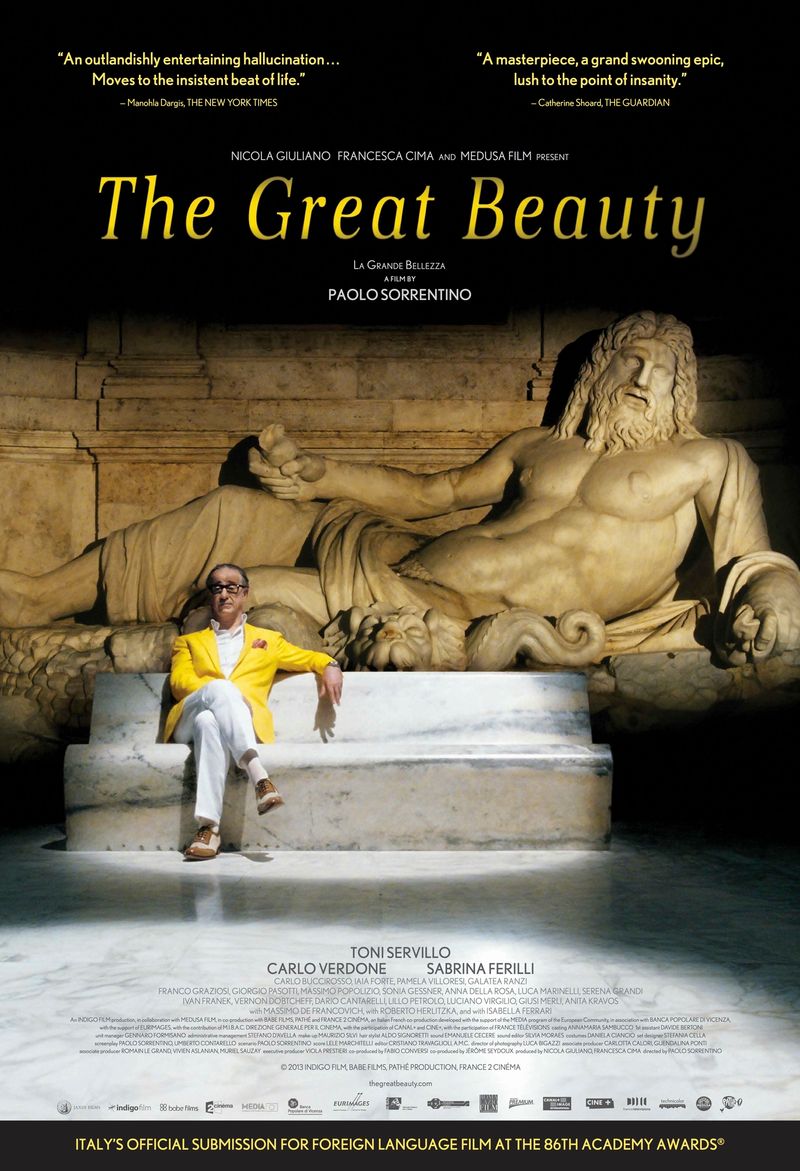
Rome has never looked more dazzling than in Paolo Sorrentino’s sweeping drama.
Jep Gambardella, a charming writer in his mid-sixties, drifts from wild parties to quiet dawn walks, wondering what all the glitter is worth.
The camera glides past fountains, palaces, and ancient stones, mixing splendor with sadness.
Some scenes feel like paintings come to life.
The film won the Oscar for Best Foreign Language Film and is often compared to La Dolce Vita.
Think of it as a modern cousin, asking the same big question: where do we find real meaning?
Watch it for the view alone.
16. Perfect Strangers (2016)
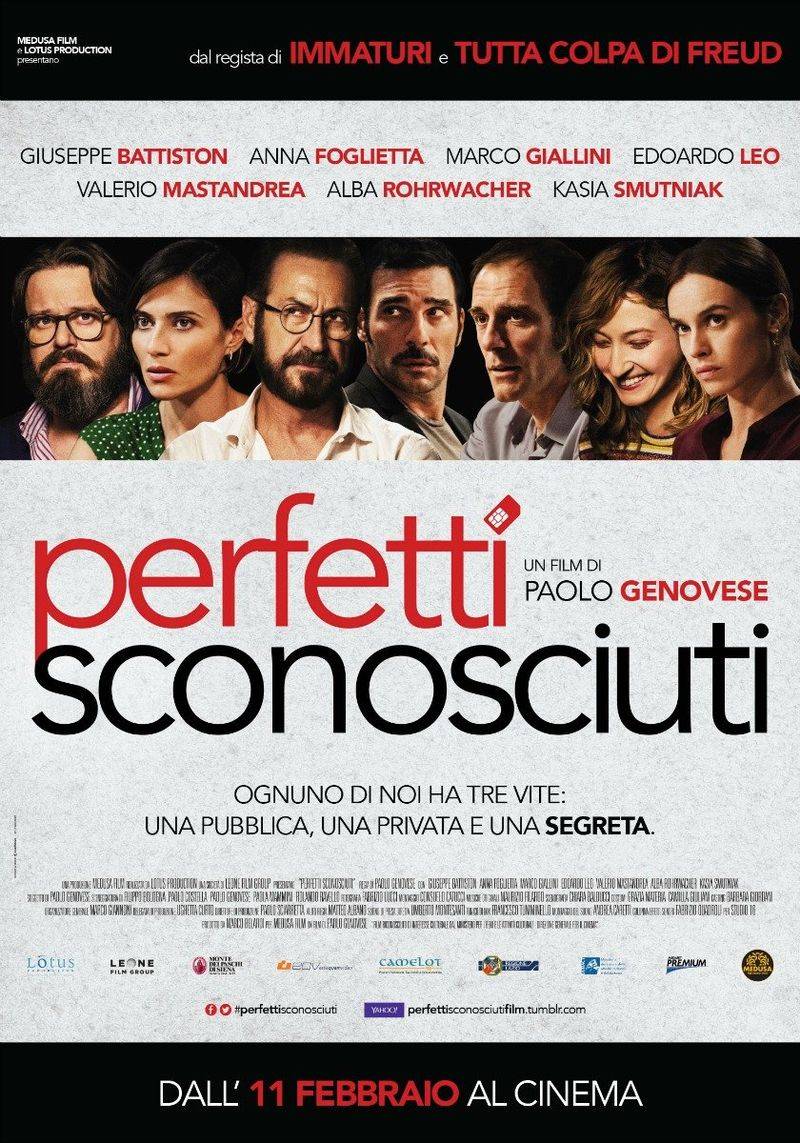
Would you let your friends read every message on your phone?
That is the game at the center of Perfect Strangers, and things go wrong fast.
Seven friends share dinner during a lunar eclipse and agree to place their phones on the table.
Every call, text, and notification must be shared aloud.
Secrets tumble out one after another.
Paolo Genovese keeps the action in a single apartment, yet the tension never drops.
The film holds the record as the most remade movie in history, with versions made in dozens of countries.
It proves that one simple idea can travel anywhere.