 MomSkoop
Marriage has looked the same way for hundreds of years, but a new generation is quietly rewriting the rules. Millennials are growing up, getting married later, and rethinking traditions that no longer feel right for their lives.
From skipping the white dress to combining finances on their own terms, many couples are making choices that feel more personal and honest. These shifts are not about disrespect for the past; they are about building marriages that truly fit who they are.
1. Taking the Husband’s Last Name

Changing your last name after marriage used to be a given, but many millennial women are saying no thanks.
For some, keeping their birth name feels like holding onto their identity, their career history, and a piece of who they have always been.
Others choose a hyphenated name or even create a brand-new shared name together.
There is no single right answer here.
The decision is deeply personal, and more couples today are treating it that way.
Some women have spent years building a professional reputation under their birth name and do not want to start over.
Whatever a couple decides, the key is that both partners feel respected and heard in the process.
2. Asking the Father for Permission to Propose
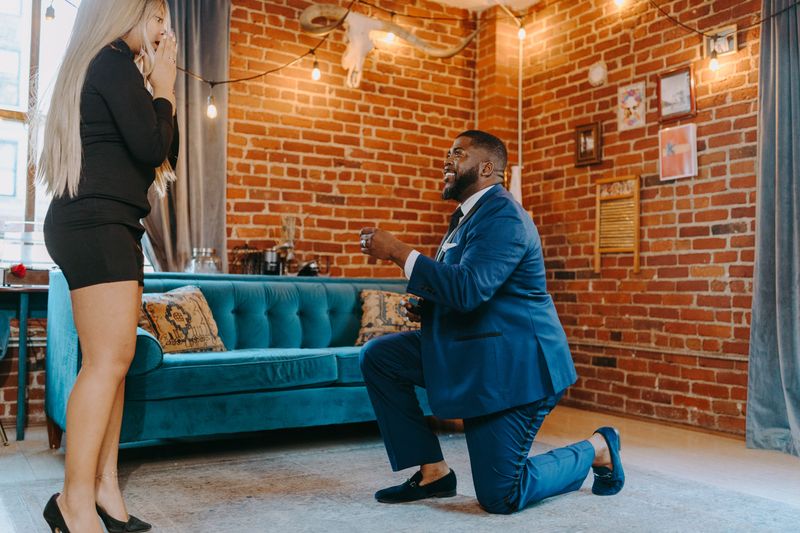
Once upon a time, asking a woman’s father for permission to propose was simply what you did.
Today, many millennials see that tradition as outdated because it treats the woman as property rather than an equal partner in the relationship.
Instead, couples are having honest conversations with each other before any proposal happens.
Talking openly about marriage, timing, and expectations feels far more respectful and practical than asking a parent for the green light.
Some couples do still choose to inform or involve parents out of love and respect, which is a sweet gesture.
The difference is that the woman herself is now the one who gets to say yes, and that matters a lot.
3. Spending Several Months’ Salary on an Engagement Ring
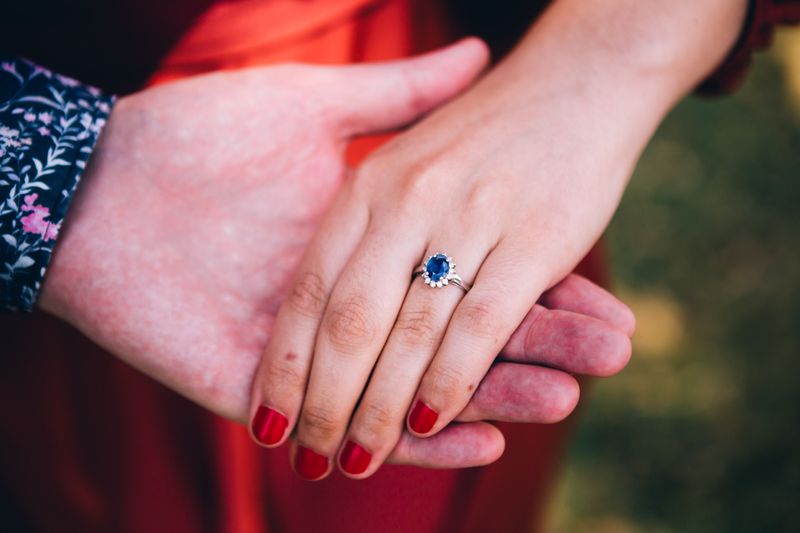
The idea that an engagement ring should cost two or three months of salary was actually invented by a diamond company in the 1930s as a marketing strategy.
Knowing that, it makes sense that many millennials are pushing back on this expectation.
Student loan debt, rising housing costs, and financial stress have made younger couples more practical about money.
Spending thousands on a ring when you have bills to pay just does not add up for a lot of people.
Many couples are choosing simpler rings, lab-grown diamonds, or alternative stones like sapphires and moissanite.
Others skip the ring altogether and put that money toward a home or a honeymoon instead.
Love does not have a price tag.
4. Having a Large Traditional Wedding
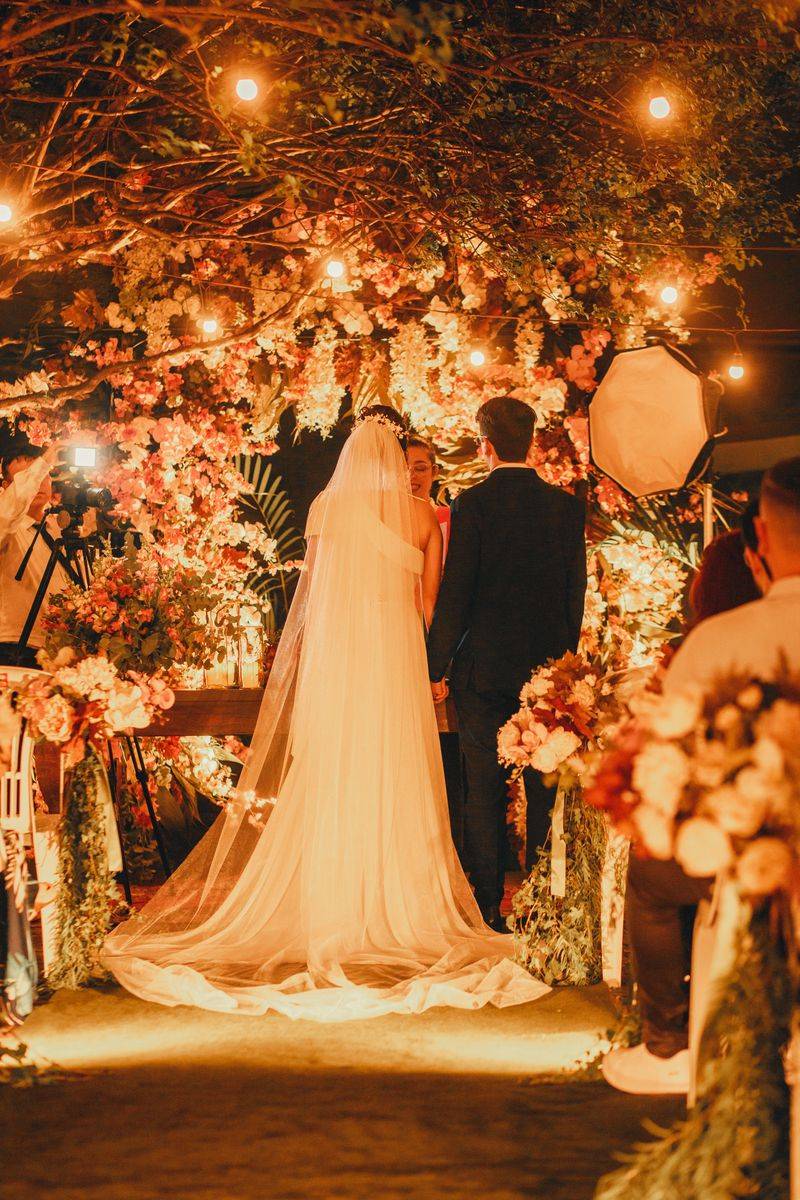
Big weddings with hundreds of guests, elaborate centerpieces, and a massive price tag used to be the dream.
For many millennials, that dream has been replaced by something smaller, more personal, and a whole lot less stressful.
The average wedding in the U.S. now costs over $30,000, which is a number that makes many couples pause.
When you factor in student debt and the cost of living, a huge wedding can feel more like a financial burden than a celebration.
Micro-weddings, elopements, and backyard ceremonies have become increasingly popular.
Couples are focusing on what actually matters, which is the commitment they are making, not the size of the floral arrangements or the number of people watching them say their vows.
5. Following Traditional Gender Roles in Marriage
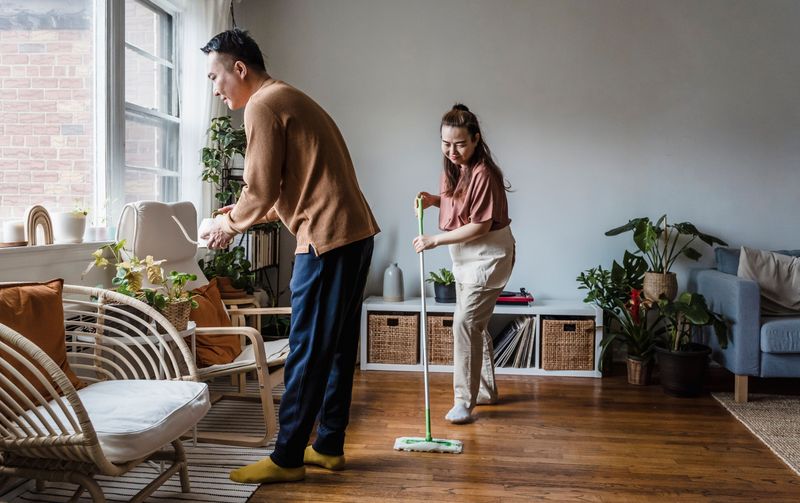
For generations, marriage came with a clear script: the husband worked and the wife managed the home.
That script is being rewritten by millennial couples who believe both partners deserve equal opportunity and shared responsibility.
More women are building careers they love, and more men are taking an active role in childcare and household management.
The idea of a rigid division based on gender just does not reflect how many young families actually live.
Research shows that couples who share responsibilities more equally tend to report higher satisfaction in their relationships.
When both partners feel valued and supported in all areas of life, the partnership becomes stronger.
Flexibility and teamwork are the new foundation many millennials are building their marriages on.
6. Combining All Finances After Marriage

Merging every dollar into one joint account the moment you say “I do” has long been the traditional approach to married finances.
But millennials are increasingly opting for a more flexible setup that gives each partner some financial independence.
Many couples use a hybrid system where they maintain individual accounts for personal spending while also contributing to a shared account for rent, bills, and groceries.
This approach can reduce money-related arguments and help each person feel financially secure.
Financial therapists often point out that money is one of the top causes of conflict in marriages.
Having separate accounts does not mean you are not committed; it means you are being thoughtful about how you manage your life together.
Communication is still the most important tool.
7. Having Separate Bachelor and Bachelorette Parties
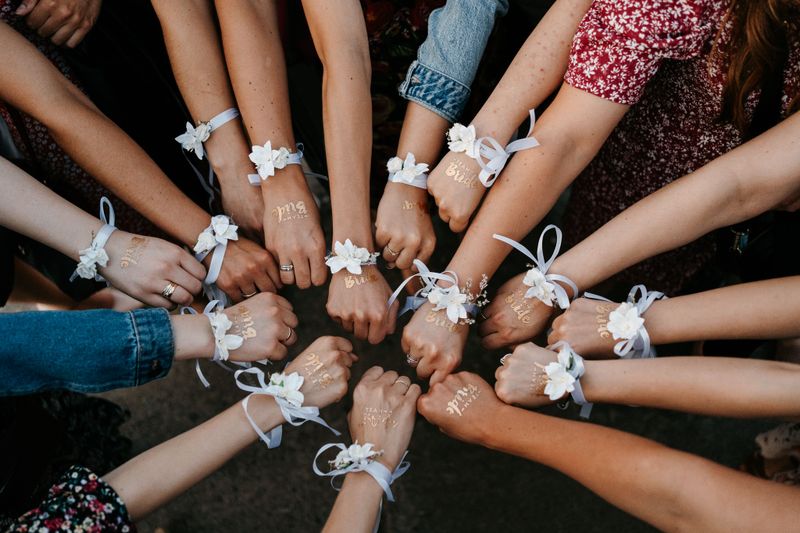
The classic bachelor party and bachelorette party have always been held separately, with each group heading off for a wild night of gender-specific fun.
Millennials are flipping that tradition by hosting combined pre-wedding celebrations instead.
Joint parties, sometimes called “bachelor-ette” parties or wedding weekends, let both partners celebrate together with all of their closest friends in one place.
It feels more inclusive and less like a last hurrah before the fun ends.
Some couples also skip the big party entirely and opt for a quiet trip or a cozy dinner with their closest circle.
The point is to celebrate in a way that actually feels like them.
Pre-wedding fun should reflect the couple, not a script written decades ago by someone else.
8. Waiting Until Marriage to Live Together

Living together before marriage was once considered scandalous, but for most millennials, it is simply a practical step.
Moving in together lets couples learn each other’s habits, test compatibility, and figure out how they handle shared responsibilities before making a legal commitment.
Around 70 percent of couples in the U.S. now live together before getting married, according to recent surveys.
That number has grown steadily over the past few decades as attitudes about cohabitation have shifted.
For many young people, it just makes financial sense too.
Splitting rent in expensive cities helps both partners save money.
Rather than seeing it as a shortcut or a moral failing, millennials tend to view cohabitation as a smart and honest way to build a future together.
9. Getting Married Before Buying a Home Together

Buying a home together before marriage used to be nearly unheard of, but millennials are doing it all the time.
With housing markets being unpredictable and competitive, many couples jump at the right opportunity when it comes, regardless of their relationship status on paper.
Waiting for a wedding before purchasing a home can mean missing out on favorable interest rates or the perfect neighborhood.
Practical decisions often take priority over tradition when real money and real estate are on the line.
Legal protections like cohabitation agreements and co-ownership contracts help unmarried couples navigate homeownership together safely.
More real estate attorneys are helping young couples set up these agreements.
Owning a home together can actually strengthen a relationship by building shared goals and financial teamwork.
10. Having Children Soon After Marriage

Not long ago, having a baby within a year or two of getting married was simply expected.
Today, many millennial couples are choosing to wait, sometimes for years, or deciding not to have children at all.
Career goals, financial stability, travel dreams, and personal readiness all factor into this very personal decision.
Some couples want to spend time together as a pair before adding a child to the mix, and that is a completely valid choice.
The rate of childless millennials is rising, and surveys show that many young adults cite financial pressure as a key reason for waiting or opting out of parenthood entirely.
Choosing when or whether to have children is one of the most important decisions a couple can make together.
11. Holding a Formal Church or Religious Ceremony
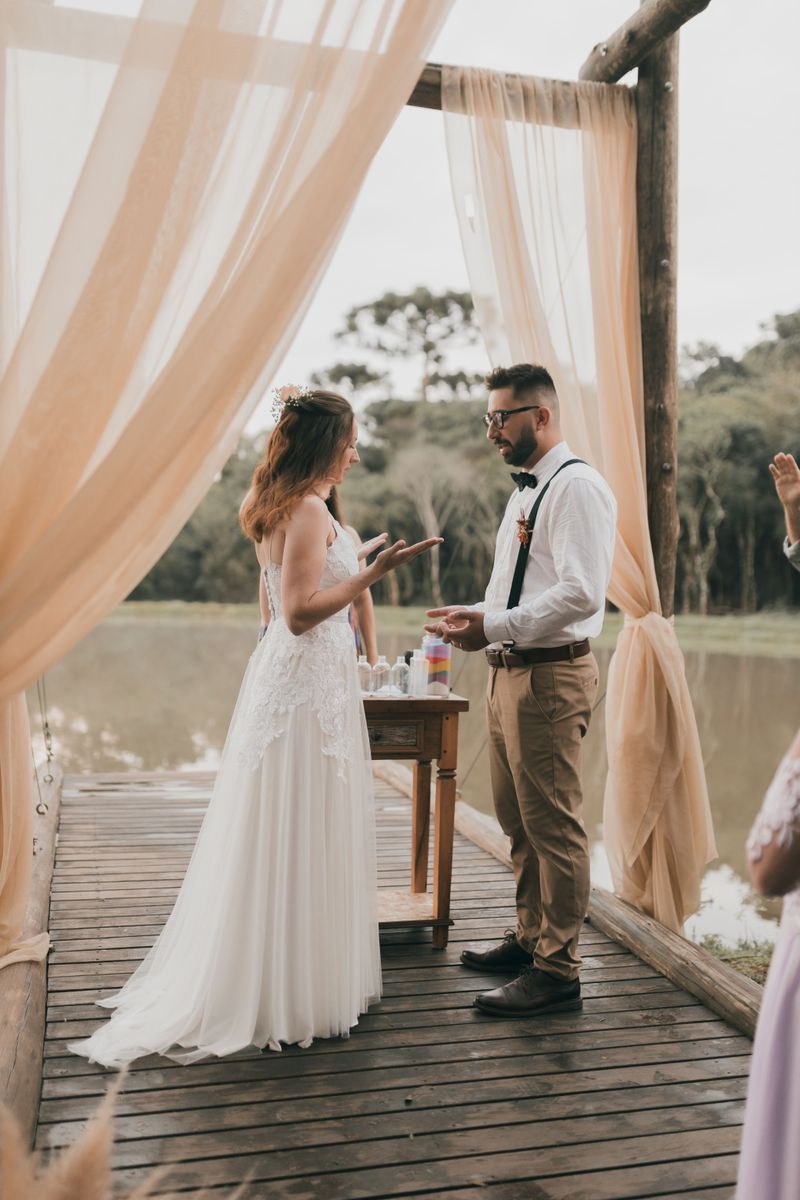
Church weddings have been the cornerstone of marriage ceremonies for centuries in many cultures.
But as millennials identify less with organized religion, non-religious and secular ceremonies are becoming the new normal for a growing number of couples.
According to Pew Research, about 26 percent of Americans now identify as religiously unaffiliated, a number that is especially high among younger adults.
When faith is not a central part of your life, a church ceremony can feel hollow or even dishonest.
Many couples choose outdoor venues, courthouses, or unique locations that feel meaningful to them personally.
A friend or family member often steps in as an officiant, making the ceremony feel warm and deeply personal.
The focus shifts from ritual to genuine connection, which many find far more meaningful.
12. Wearing a Traditional White Wedding Dress
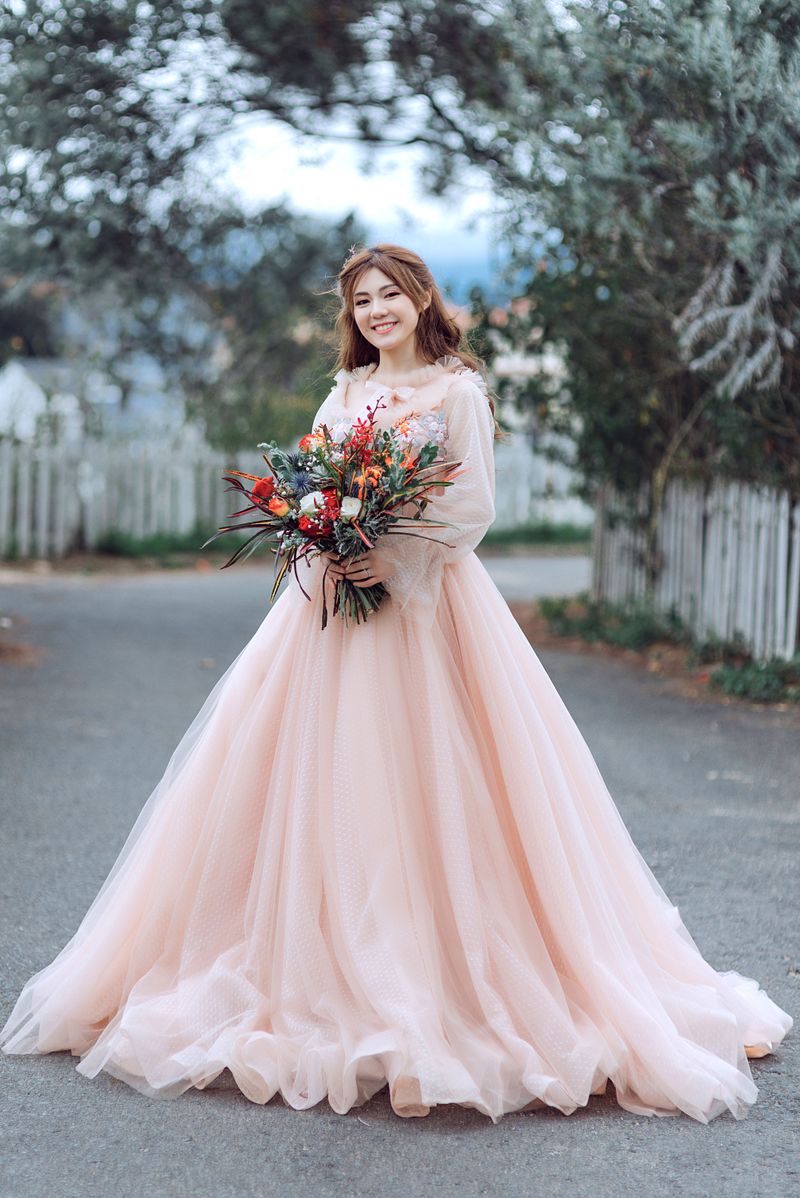
White wedding dresses became popular largely because of Queen Victoria, who wore white at her 1840 wedding and started a trend that lasted nearly 200 years.
Millennials, however, are starting to question whether white is really the only option.
Brides today are showing up in blush pink, dusty blue, champagne, sage green, and even bold red.
Some opt for sleek jumpsuits or vintage-inspired gowns that reflect their personal style rather than a historical expectation.
Fashion designers have taken notice, and bridal collections now include a much wider range of colors and silhouettes than ever before.
Wearing something that feels authentically you on your wedding day is becoming the new standard.
The dress, after all, should be a reflection of the person wearing it.
13. Following the Traditional Wedding Party Format

Bridesmaids on one side, groomsmen on the other, everyone in matching outfits, following a very specific set of roles.
That is the traditional wedding party format, and plenty of millennials are tossing it out the window.
Today, couples are choosing wedding parties based on friendship, not gender.
A bride might have her brother as a bridesmen, and a groom might have his best female friend standing beside him.
What matters is who means the most to you, not what they are wearing or which side of the aisle they stand on.
Some couples skip the formal wedding party altogether and simply ask a few close friends to help out on the day.
Removing rigid roles makes the whole event feel more relaxed, joyful, and true to the couple’s actual relationships.
14. Inviting Extended Family Out of Obligation
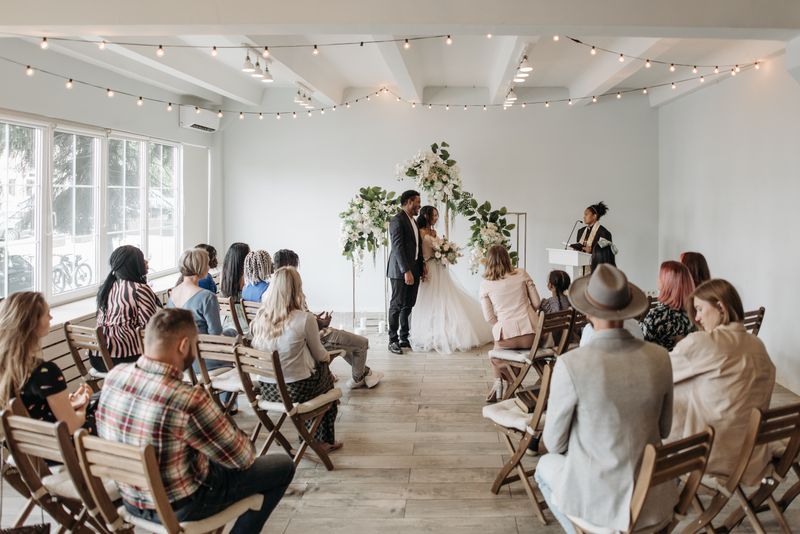
Family obligation has filled many wedding guest lists with people the couple barely knows.
Distant cousins, old family friends, and coworkers your parents feel they owe an invitation to can turn your intimate celebration into a crowded, expensive event.
Millennials are pushing back on this by keeping their guest lists tight and intentional.
If you have not spoken to someone in five years, maybe they do not need to witness your vows.
That logic is resonating with a lot of young couples planning their weddings today.
Smaller guest lists also mean lower catering costs, more personal conversations, and a room full of people who genuinely love and support the couple.
Choosing quality over quantity when it comes to wedding guests is a shift that benefits everyone involved, especially the newlyweds.
15. Expecting One Partner to Handle Most Household Duties
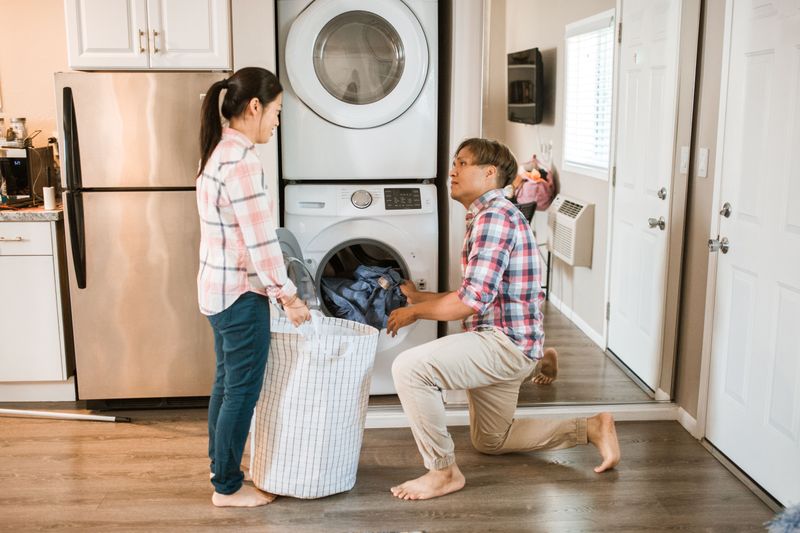
For a long time, the expectation was clear: one partner, usually the wife, handled the cooking, cleaning, and laundry while the other focused on earning income.
Millennials are actively rejecting this imbalance in large numbers.
Shared household duties are now seen as a basic sign of respect and partnership.
When one person carries the entire domestic load, it leads to burnout, resentment, and inequality that can quietly erode even a loving relationship over time.
Chore charts, divided responsibilities, and open conversations about what is fair are common tools millennial couples use to keep things balanced.
Some even hire cleaning services or use meal delivery apps to lighten the load for both partners.
A healthy home is one where neither person feels invisible or taken for granted.
16. Staying Married Mainly Because Divorce Is Stigmatized
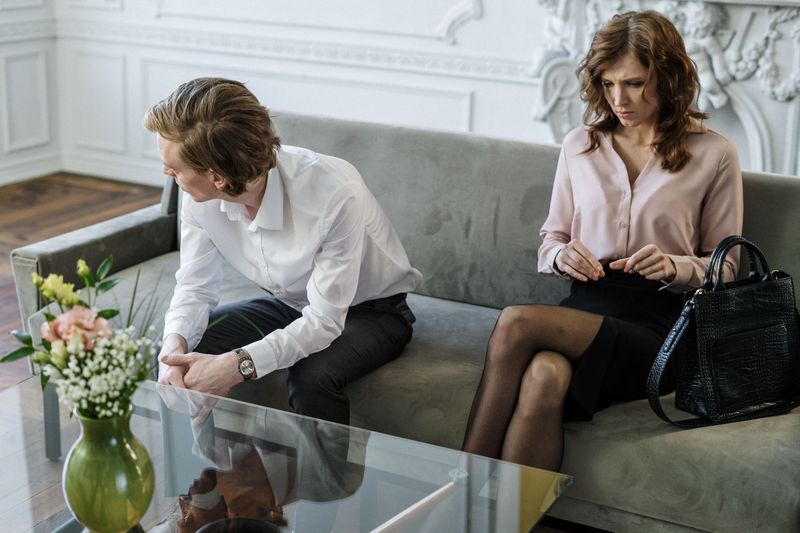
Staying in a marriage that is no longer working, simply because leaving feels shameful, is a pattern many millennials refuse to accept.
The social stigma around divorce has faded significantly compared to previous generations, and that shift is changing how people approach unhappy marriages.
Rather than sticking it out for appearances, many millennials prioritize their mental health and personal happiness.
Therapy, honest communication, and a willingness to reassess the relationship are all tools this generation reaches for before, during, and sometimes after marriage.
Divorce is never an easy choice, but staying in a broken marriage out of fear of judgment is not healthy for anyone, including any children involved.
Millennials tend to believe that a peaceful, honest life matters more than maintaining an image.
That kind of self-awareness is reshaping what commitment really means.