 MomSkoop
Some movies keep you guessing right up until the final scene, and then suddenly everything makes sense. A small detail you barely noticed, a strange conversation, or a character’s unusual behavior can turn out to be much more important than you realized. The best movie endings don’t just surprise you. They make you think back to everything you’ve watched and wonder how you missed the clues that were right in front of you.
That’s what makes these films so much fun to watch again. Once you know how the story ends, you start noticing little hints and hidden details that completely change the way you see certain scenes. Sometimes the clues are obvious in hindsight, while others are so cleverly hidden that even a second viewing might not be enough to catch them all. These movies are perfect examples of how a great ending can change your understanding of an entire story, and we’ll keep the biggest surprises under wraps along the way.
1. The Sixth Sense
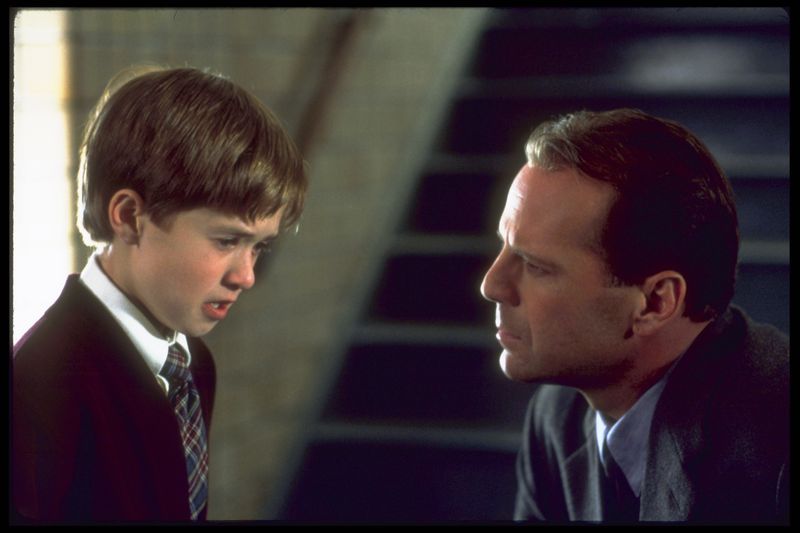
Red doorknobs, red balloons, and a red sweater all carry extra meaning in M.
Night Shyamalan’s 1999 thriller.
Shyamalan has said he used the color to mark moments connected to the spirit world, and you’ll likely miss most of them on a first watch.
Bruce Willis plays child psychologist Malcolm Crowe, who tries to help a troubled boy named Cole.
Haley Joel Osment plays Cole, the kid who quietly admits he sees ghosts.
The story feels like a slow, sad mystery about two lonely people learning to trust each other.
Toni Collette and Olivia Williams round out the cast with performances that seem simple until the final scenes reframe them.
Once the ending lands, small things start to glow with new meaning.
Conversations that felt awkward suddenly look carefully staged, and certain characters who never respond to Malcolm make a lot more sense.
The film earned six Academy Award nominations, including Best Picture and nods for both Osment and Collette.
That’s a big haul for a ghost story released in August.
For a fun rewatch, keep a tally of red objects and pay close attention to who actually talks back to whom.
You’ll feel like a detective by the second act.
2. Fight Club
Blink and you’ll miss the single-frame flashes of Brad Pitt that David Fincher slipped into the early scenes.
Those quick cuts look like glitches the first time, but they’re deliberate breadcrumbs.
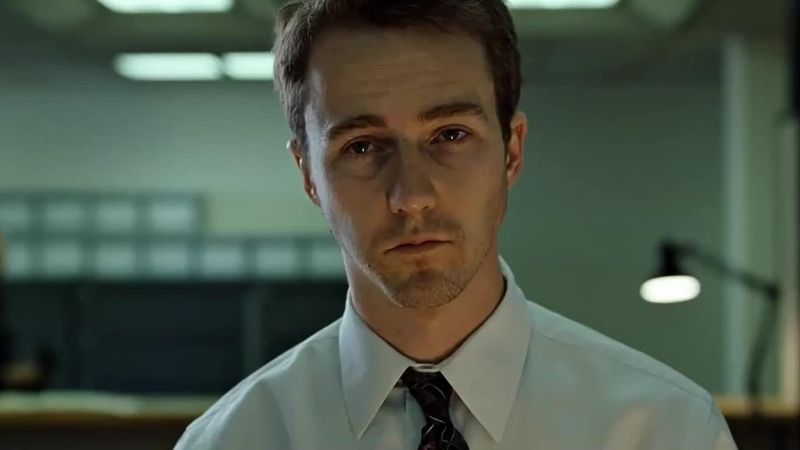
Edward Norton plays an unnamed narrator stuck in a dull office job and a worse case of insomnia.
His life takes a sharp turn when he meets Tyler Durden, a soap salesman played by Pitt with loads of swagger.
Based on Chuck Palahniuk’s 1996 novel, the 1999 film starts as a dark comedy about shopping catalogs and support groups.
Helena Bonham Carter adds chaos as Marla, a woman who keeps showing up at the worst possible moments.
The final act changes how you read the narrator’s entire story.
Earlier scenes involving hotel rooms, phone calls, and who pays for what suddenly feel like a carefully built puzzle.
Jim Uhls wrote the screenplay, and the movie earned an Oscar nomination for sound effects editing.
Its box office start was modest, but home video gave it a much bigger second life.
On a rewatch, notice how other characters react to Tyler.
Some interactions look completely different once you know where the story is heading.
3. The Usual Suspects
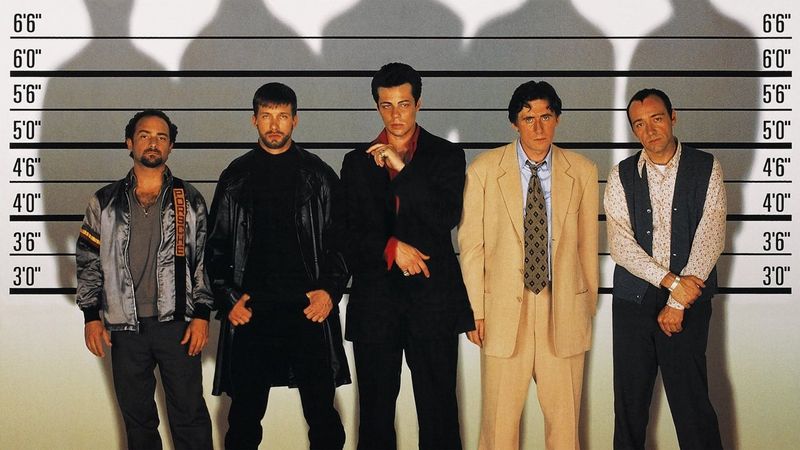
Few movie lineups are as famous as the one where five crooks crack each other up while reading the same line.
That loose, funny scene hides a story much sharper than it first appears.
Bryan Singer directed this 1995 crime puzzle, and Christopher McQuarrie wrote the twisty screenplay.
Most of the plot unfolds as a small-time con man named Verbal Kint describes past events to a customs agent.
The tale centers on a boat fire at a harbor and a shadowy criminal named Keyser Söze.
Nobody seems sure he even exists, which makes every mention of him feel like a ghost story.
Gabriel Byrne, Benicio del Toro, Stephen Baldwin, Kevin Pollak, and Chazz Palminteri fill out the cast.
Pete Postlethwaite shows up as a lawyer with an oddly memorable accent.
McQuarrie won the Academy Award for Best Original Screenplay, and Kevin Spacey won Best Supporting Actor.
Both awards make extra sense after the final scene.
Here’s a tip for your second viewing: look at the bulletin board in the office.
Then ask yourself how much of Verbal’s story you can actually trust.
4. Memento
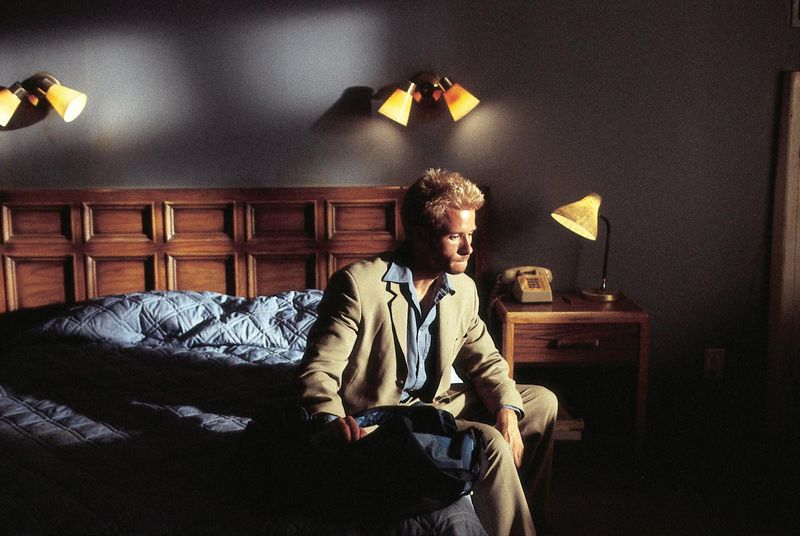
Most mysteries move forward, but Christopher Nolan built this one to run backward.
The color scenes play in reverse order, while black-and-white scenes move forward until both threads meet.
Guy Pearce plays Leonard Shelby, a man who can’t form new memories after a violent attack.
He tracks clues using Polaroid photos, scribbled notes, and tattoos written across his own body.
Because you see each scene’s result before its cause, you share Leonard’s confusion.
You never know who to trust, which turns Carrie-Anne Moss and Joe Pantoliano into constant question marks.
The story came from “Memento Mori,” a short story by Nolan’s brother Jonathan.
The film reached U.S. theaters in March 2001 and earned two Oscar nominations, including Best Original Screenplay.
Once the timelines connect, Leonard’s mission looks very different.
Choices that seemed random suddenly appear deliberate, and some of his notes take on an uneasy new meaning.
Want an extra challenge?
Some home video releases have offered a way to watch the scenes in chronological order, and the story feels like a different movie that way.
5. Shutter Island
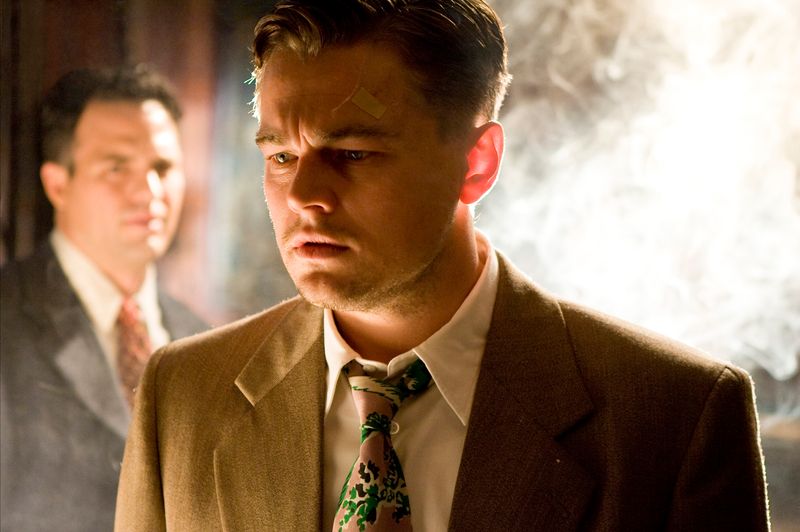
A storm, a missing patient, and a locked-down island hospital make for one tense work trip.
Martin Scorsese’s 2010 thriller pours on the dread from the first ferry ride.
Leonardo DiCaprio plays U.S.
Marshal Teddy Daniels, who arrives in 1954 with his partner Chuck, played by Mark Ruffalo.
Their task is to find a woman who vanished from a locked room.
Ben Kingsley plays the calm head doctor, and Max von Sydow adds extra chill as a colleague.
Michelle Williams appears in haunting dream scenes tied to Teddy’s past.
Laeta Kalogridis adapted the screenplay from Dennis Lehane’s 2003 novel.
The book’s author also wrote Mystic River, so moody puzzles are clearly his specialty.
The final stretch changes how you view the staff, the patients, and Teddy himself.
Odd reactions from guards and strange details in the interviews start lining up like dominoes.
Pay attention to a glass of water during one interview scene.
Little continuity quirks like that look like mistakes at first, yet many viewers treat them as clues after the ending.
The last line of dialogue might give you the biggest chill of all.
6. The Prestige
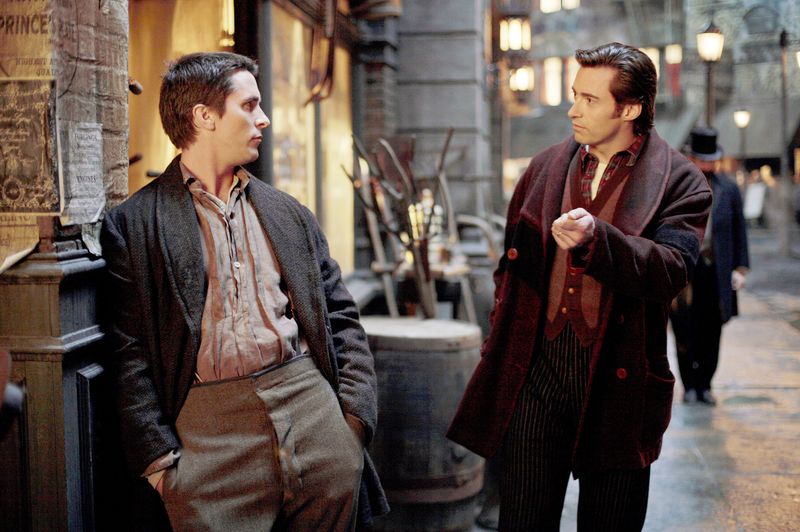
“Are you watching closely?” The question opens Christopher Nolan’s 2006 magic thriller, and it’s honestly the best advice you’ll get.
Hugh Jackman and Christian Bale play Robert Angier and Alfred Borden, two stage magicians in Victorian London.
A tragedy turns their friendly rivalry into a bitter feud that spans years.
Each man wants the other’s signature trick, and they’ll go to wild lengths to steal it.
Michael Caine plays the wise engineer who builds their illusions, while Scarlett Johansson and Rebecca Hall get caught in the crossfire.
David Bowie also appears as inventor Nikola Tesla, which is a delightful bit of casting.
Nolan wrote the screenplay with his brother Jonathan, based on Christopher Priest’s 1995 novel.
The film itself is structured like a magic act, with a setup, a turn, and a reveal.
The ending explains both men’s secrets and makes earlier moments, like Borden’s mood swings, look completely different.
For your rewatch, keep an eye on birdcages and diaries.
The movie hides its answers in plain sight, just as a good magician would.
You may also notice how often the script quietly tells you the truth.
7. Arrival
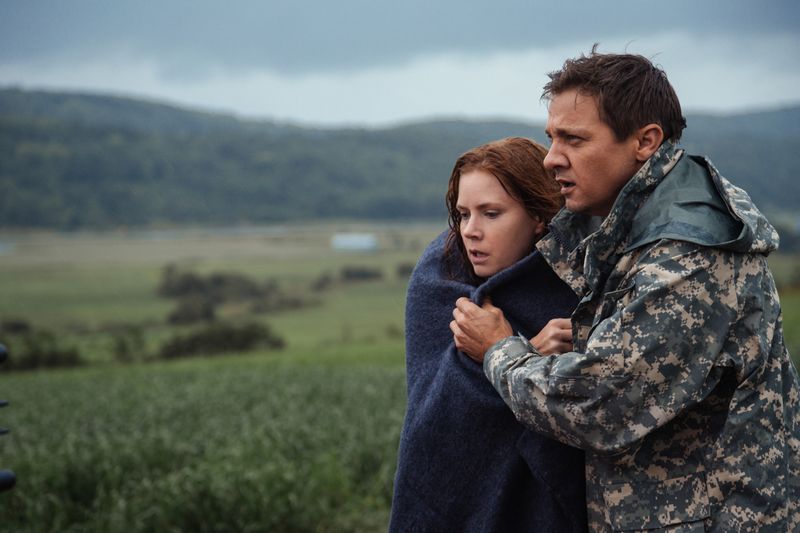
Alien movies usually reach for lasers, but this one reaches for a dictionary.
Denis Villeneuve’s 2016 drama turns language lessons into the most suspenseful scenes of the year.
Amy Adams plays Louise Banks, a linguist recruited by the U.S.
Army after twelve strange spacecraft hover above locations worldwide.
Jeremy Renner plays physicist Ian Donnelly, and Forest Whitaker plays the colonel in charge.
The aliens communicate with circular ink symbols that look like coffee rings drawn by a poet.
Louise has to figure out what they mean while nations around the globe grow nervous.
Eric Heisserer wrote the screenplay, adapting Ted Chiang’s novella “Story of Your Life.” The film earned eight Oscar nominations, including Best Picture, and won for Best Sound Editing.
Throughout the film, Louise sees flashes of moments with her daughter.
The ending changes how you understand those scenes, and the opening montage hits much harder the second time.
Keep tissues nearby for the rewatch, since the emotional payoff grows once you know the full picture.
The phrase “non-zero-sum game” will also stick in your head for days afterward.
8. Oldboy
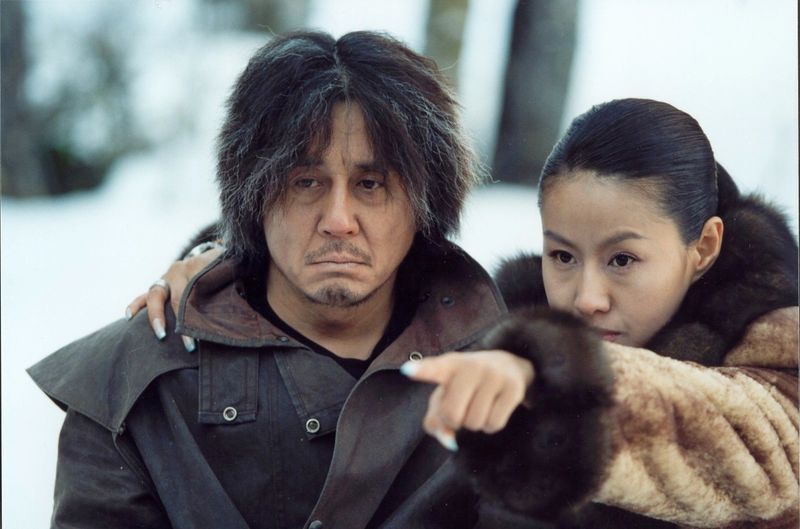
Fifteen years locked in a hotel-style room, with only a TV for company and no explanation.
That’s the bizarre setup of Park Chan-wook’s 2003 South Korean thriller.
Choi Min-sik plays Oh Dae-su, who is suddenly released and given a few days to discover who imprisoned him and why.
Yoo Ji-tae plays the mysterious man pulling the strings, while Kang Hye-jung plays a young chef who helps him.
The film is loosely based on a Japanese manga by Garon Tsuchiya and Nobuaki Minegishi.
Park co-wrote the screenplay and filled it with bold style and dark humor.
Its hallway fight, filmed as one continuous sideways shot, gets talked about constantly by action fans.
The movie also won the Grand Prix at the 2004 Cannes Film Festival.
A fair warning: the ending is intense and deeply upsetting, so it’s best for mature viewers.
Once the truth comes out, the villain’s careful planning and riddles finally make sense.
On a second watch, pay attention to the questions Oh Dae-su keeps asking.
The film suggests he’s been asking the wrong ones all along, and that idea lands like a punch.
9. Parasite
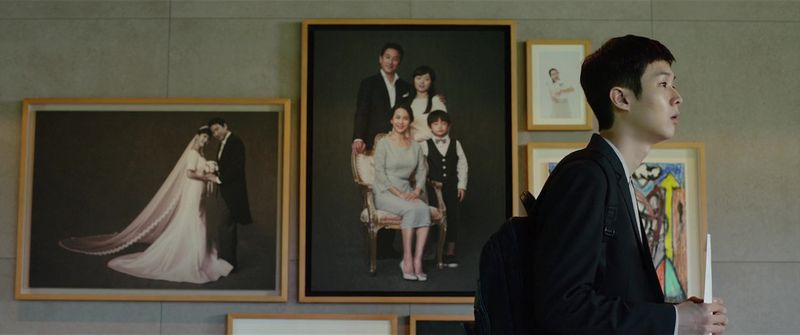
Stairs do a lot of storytelling in Bong Joon Ho’s 2019 hit.
Characters keep climbing up toward wealth or stepping down toward hardship, and the pattern starts to feel like a message.
The Kim family lives in a cramped semi-basement apartment and scrapes by folding pizza boxes.
One by one, they talk their way into jobs with the wealthy Park family.
Song Kang-ho leads the cast as the Kim father, with Choi Woo-shik and Park So-dam as his clever kids.
Lee Sun-kyun and Cho Yeo-jeong play the polished Park parents.
The first half plays like a slick comedy caper, full of tricks and near misses.
Then a rainy night shifts the tone, and the ending throws a darker light on earlier laughs.
Bong co-wrote the screenplay with Han Jin-won, and the film made history.
It won Cannes’ Palme d’Or and became the first non-English-language film to win the Academy Award for Best Picture.
On a rewatch, notice how often smell comes up in conversation.
Small comments that seem harmless at first become the emotional fuse for the finale.
10. Saw
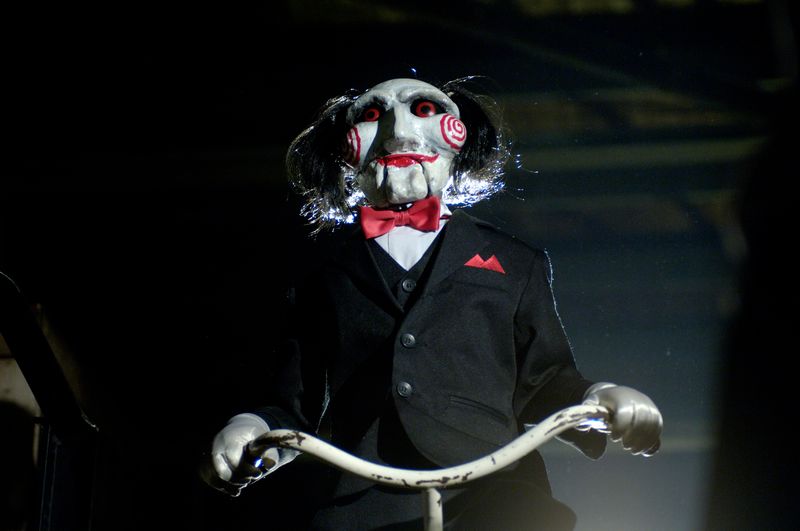
Shot in about 18 days on a tight budget, this 2004 horror film launched one of the longest-running franchises in the genre.
It all started with two men and one very grimy bathroom.
Cary Elwes plays Dr. Lawrence Gordon, and Leigh Whannell plays Adam.
They wake up chained to pipes on opposite sides of the room, with a body lying between them.
Cassette tapes reveal they’re part of a cruel game run by someone called Jigsaw.
As flashbacks unfold, the two try to figure out why they were chosen.
James Wan directed, and Whannell wrote the screenplay from a story he created with Wan.
Danny Glover plays a detective hunting Jigsaw, and Tobin Bell also appears in the cast.
Fair warning, the movie is gory and best for viewers who like strong horror.
Still, the final minutes are what fans remember most, because they flip the whole room on its head.
Watching again, focus on what’s been in plain sight since the first scene.
The film plays fair with its clues, which makes the reveal feel clever instead of cheap.
11. Primal Fear
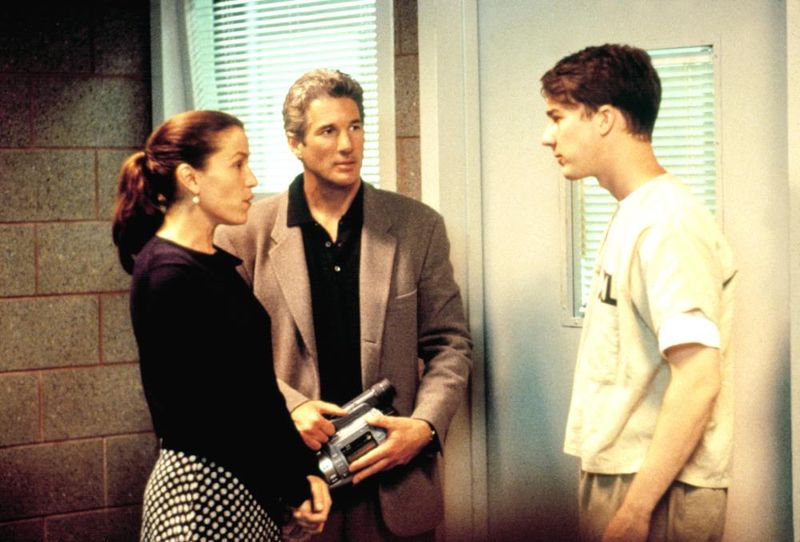
Edward Norton was a newcomer when he landed this role, and the 1996 courtroom thriller was his first feature film.
He walked away with a Golden Globe and an Oscar nomination for it.
Richard Gere plays Martin Vail, a flashy Chicago defense attorney who loves headlines.
He takes the case of Aaron Stampler, a shy altar boy accused of a shocking crime against an archbishop.
Laura Linney plays the sharp prosecutor, who also happens to be Vail’s former girlfriend.
Their courtroom sparring adds plenty of tension to an already tricky case.
Gregory Hoblit directed, with a screenplay by Steve Shagan and Ann Biderman, based on William Diehl’s novel.
Frances McDormand plays a psychiatrist who examines Aaron and uncovers surprising details.
Through most of the film, you’ll probably root for Aaron and his stuttering, nervous charm.
The final scene changes how you view his performance in the courtroom and in private interviews.
A second viewing becomes a master class in watching faces.
Norton’s small shifts in expression look very different once you know where the story lands.
Gere’s last walk out of the building says a lot without a single word.
12. Identity
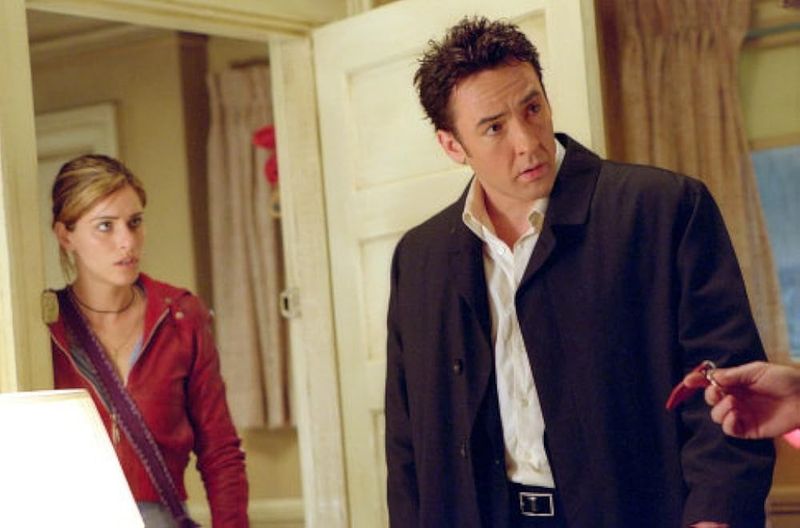
A flooded desert highway leaves ten strangers stuck at a rundown Nevada motel.
Then guests start vanishing, and the room keys keep showing up in a creepy countdown.
James Mangold directed this 2003 thriller from a screenplay by Michael Cooney.
It plays like a classic locked-house mystery, borrowing from the setup of Agatha Christie’s And Then There Were None.
John Cusack plays a limo driver, Ray Liotta plays a cop moving a prisoner, and Amanda Peet plays a woman with big plans.
Alfred Molina, Clea DuVall, and Rebecca De Mornay also get trapped by the storm.
Meanwhile, a separate story follows a late-night hearing about a convicted man.
At first, the two plots seem unrelated, which is exactly what makes you curious.
The ending connects both threads and reframes the whole motel ordeal.
Odd coincidences, like shared birthdays and names, suddenly have an explanation.
Watching again is fun because the clues hide in casual conversation.
Pay attention to the names of the guests, since they matter more than you’d expect.
The rain also never seems to stop, and that detail feels a lot more intentional the second time around.
13. The Others
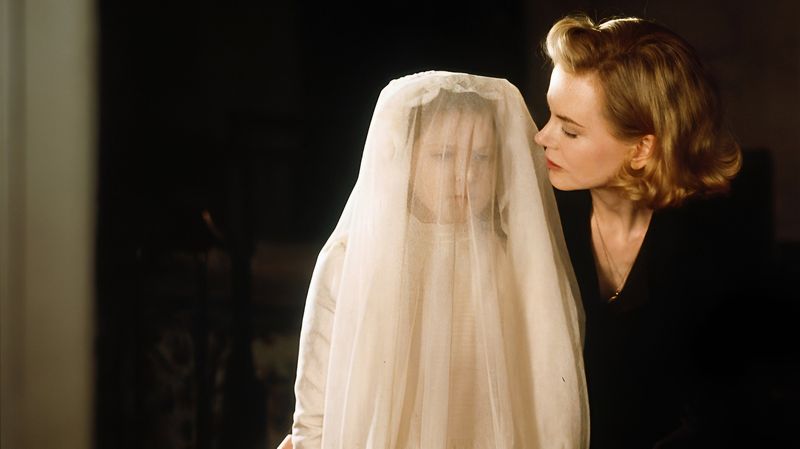
Curtains stay shut, doors stay locked, and candles do most of the lighting in this 2001 chiller.
The children’s rare sensitivity to light means the house stays wrapped in gloom.
Nicole Kidman plays Grace, a strict mother living on the island of Jersey in 1945.
She waits for her husband to return from the war while caring for her two kids.
Three new servants arrive, led by a calm housekeeper played by Fionnula Flanagan.
Soon after, strange sounds and unexplained voices start creeping through the halls.
Alejandro Amenábar wrote and directed the film, and he composed its music too.
That’s a rare triple role, and it helps the movie feel tightly controlled from start to finish.
The story feels like a traditional haunted house tale until the ending shifts your point of view.
Certain rules about the house, and the servants’ knowing looks, suddenly carry heavy meaning.
For a rewatch, listen closely to what the housekeeper tells Grace.
Several of her lines sound like friendly advice at first and turn out to be gentle hints.
The title also reads differently once the credits roll.
14. Planet of the Apes
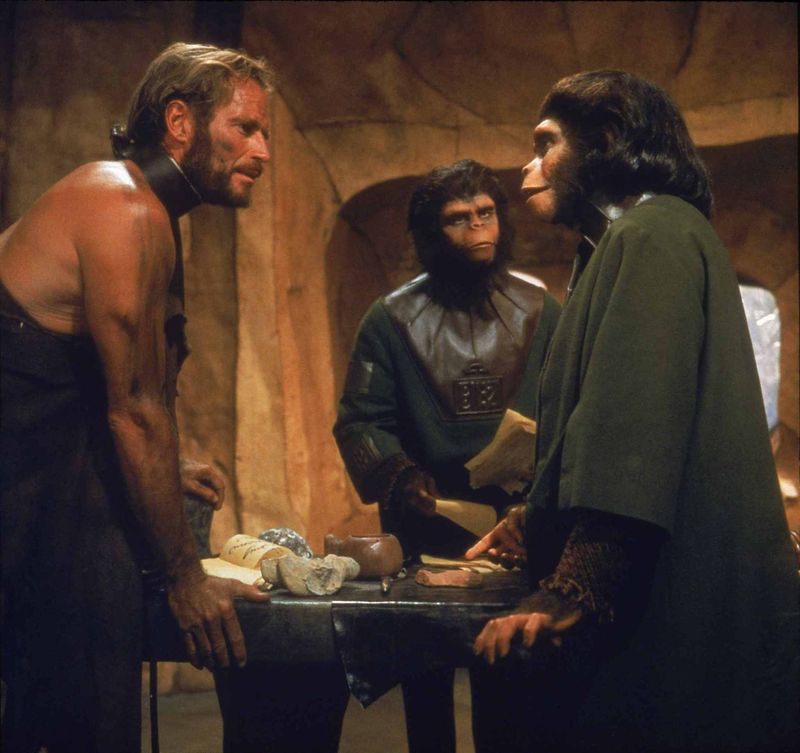
Rod Serling, the creator of The Twilight Zone, co-wrote this 1968 science fiction film.
Knowing that, a big ending surprise probably shouldn’t shock anyone, but it still does.
Charlton Heston plays George Taylor, an astronaut whose ship crashes on a distant planet after a long space voyage.
There, intelligent apes run society, and humans can’t speak.
Franklin J.
Schaffner directed, with a screenplay by Serling and Michael Wilson.
It’s loosely based on Pierre Boulle’s novel, which had a different setting and ending.
Roddy McDowall and Kim Hunter play Cornelius and Zira, two chimpanzee scientists who grow curious about Taylor.
The makeup work earned an honorary Academy Award, which was a big deal at the time.
Taylor spends most of the film cynical about humanity and desperate to escape.
The closing shot gives his attitude, and several clues along the way, a whole new weight.
On a rewatch, notice how the apes talk about a forbidden zone.
Their fear of that region looks much more reasonable once you know what it holds.
The film went on to launch a series that is still running today.
15. Atonement
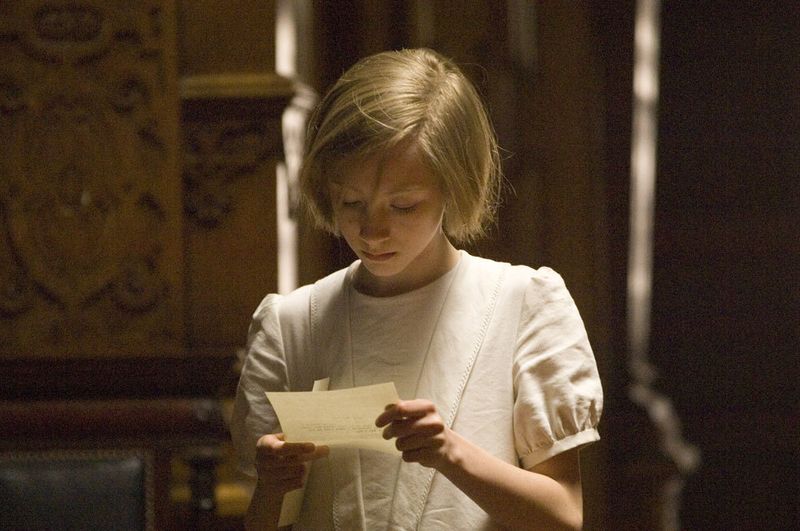
A clacking typewriter shapes the soundtrack of this 2007 drama, and the choice is no accident.
Composer Dario Marianelli won an Oscar for the score, which treats typing almost like an instrument.
The story begins on a hot summer day in 1935 at an English country house.
Thirteen-year-old Briony, played by Saoirse Ronan, sees something she doesn’t understand and makes a serious accusation.
Keira Knightley plays her older sister Cecilia, and James McAvoy plays Robbie, the man Cecilia loves.
Briony’s choice sends their lives in painful directions that stretch into World War II.
Joe Wright directed, with a screenplay by Christopher Hampton based on Ian McEwan’s 2001 novel.
One standout sequence is a long tracking shot on the beach at Dunkirk, filmed in a single take.
Vanessa Redgrave appears late in the film as an older Briony, and her scenes change how you see the story.
Moments that felt hopeful earlier take on a bittersweet new layer.
Watching it a second time, think about who’s telling the story.
Ronan earned an Oscar nomination for her role, and her young Briony becomes even more fascinating once the ending clicks.
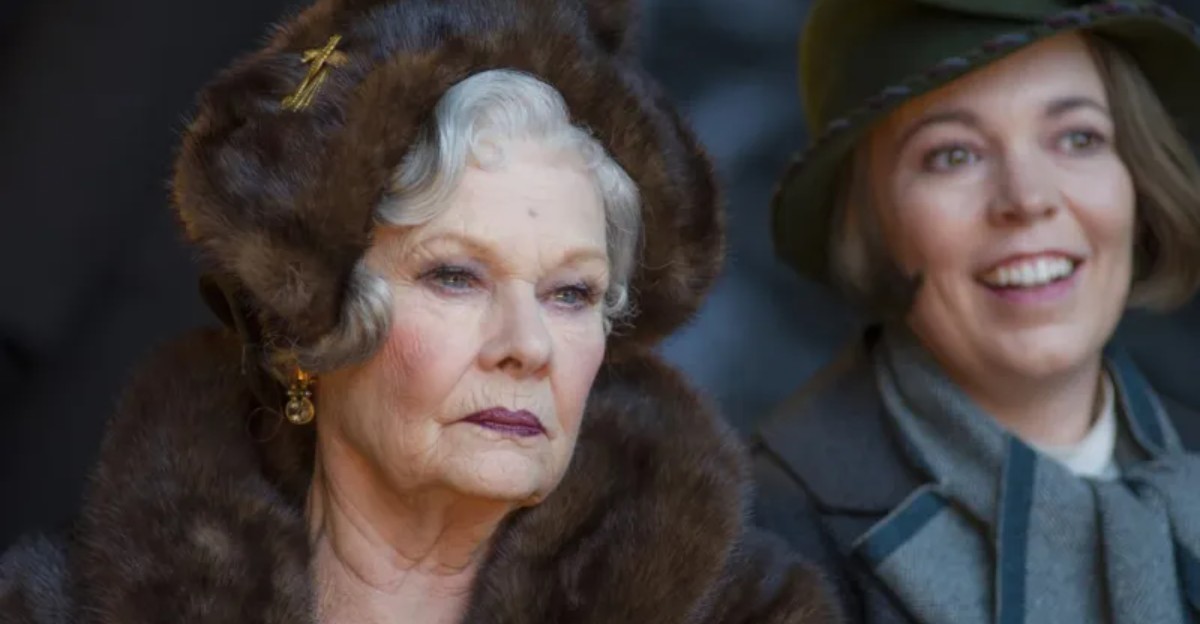
16. Murder on the Orient Express
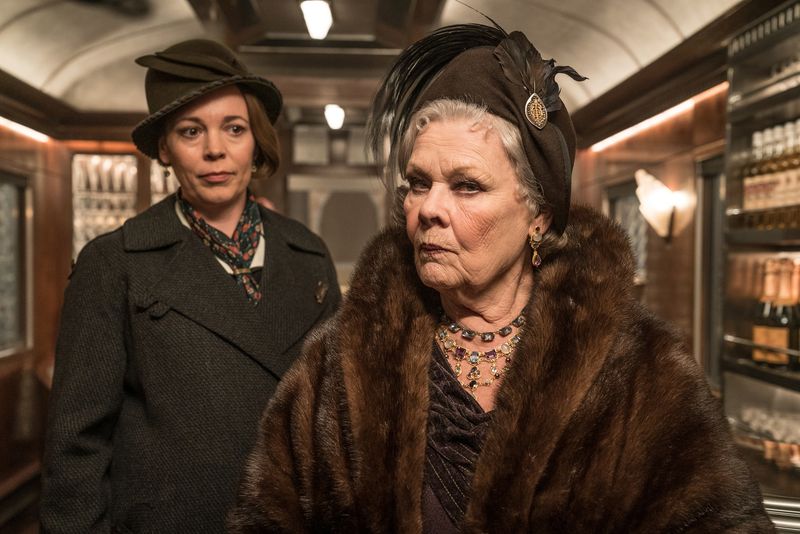
Ingrid Bergman won an Academy Award for this 1974 mystery, despite a fairly small role.
She was one of many big stars squeezed onto a single snowbound train.
Albert Finney plays Hercule Poirot, Agatha Christie’s famously fussy Belgian detective.
When a wealthy American passenger turns up stabbed in his compartment, Poirot starts interviewing everyone aboard.
Sidney Lumet directed, with a screenplay by Paul Dehn based on Christie’s 1934 novel.
The cast includes Lauren Bacall, Sean Connery, Anthony Perkins, Vanessa Redgrave, John Gielgud, and Michael York.
Each suspect has an alibi, a secret, and a polished story ready to go.
Clues pile up so fast that the case seems almost impossible to solve.
Poirot’s final explanation ties the scattered hints together in a satisfying way.
A haunting opening sequence about a past crime finally shows its full importance, and the suspects’ reactions start making perfect sense.
For a fun rewatch, track how many passengers have connections they first try to hide.
The movie’s charm comes from watching a detective calmly untangle a knot of lies over a cup of tea.
It’s the classic whodunit with a final choice that still sparks debate.