 MomSkoop
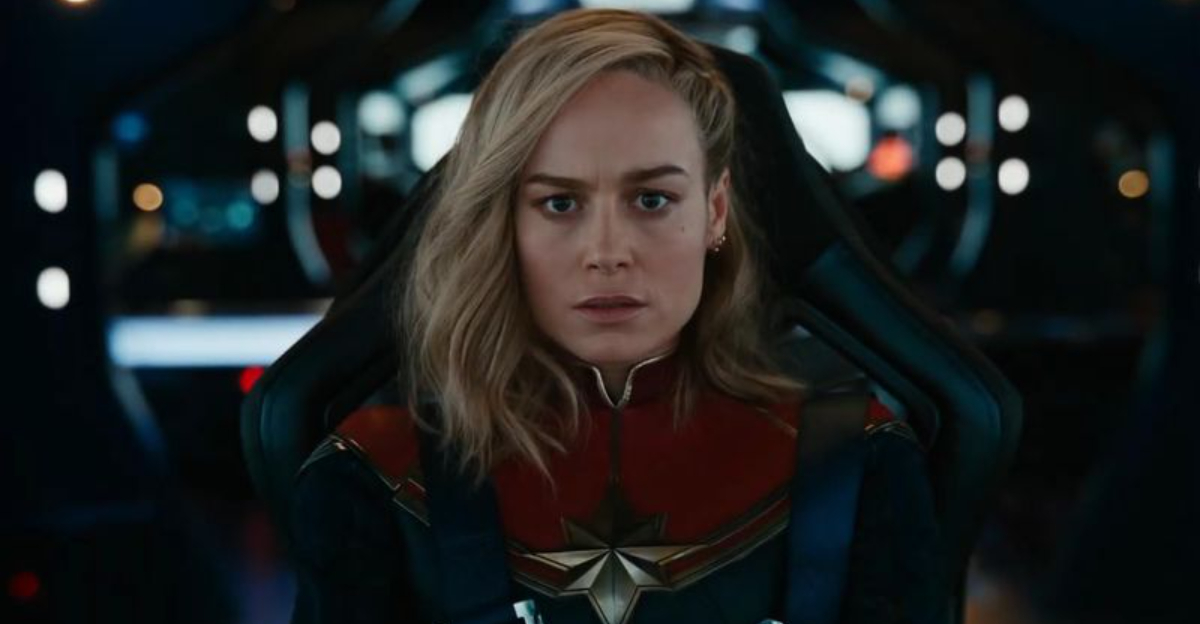
Some movies do more than entertain — they spark massive debates that spread far beyond the theater. Over the past several years, a growing number of Hollywood films have been labeled “woke” by critics who feel they push social or political messages too hard.
Whether it’s casting choices, character changes, or storyline updates, these films stirred up strong opinions on all sides. Here’s a look at the movies that found themselves right in the middle of the culture war.
1. Snow White (2025)
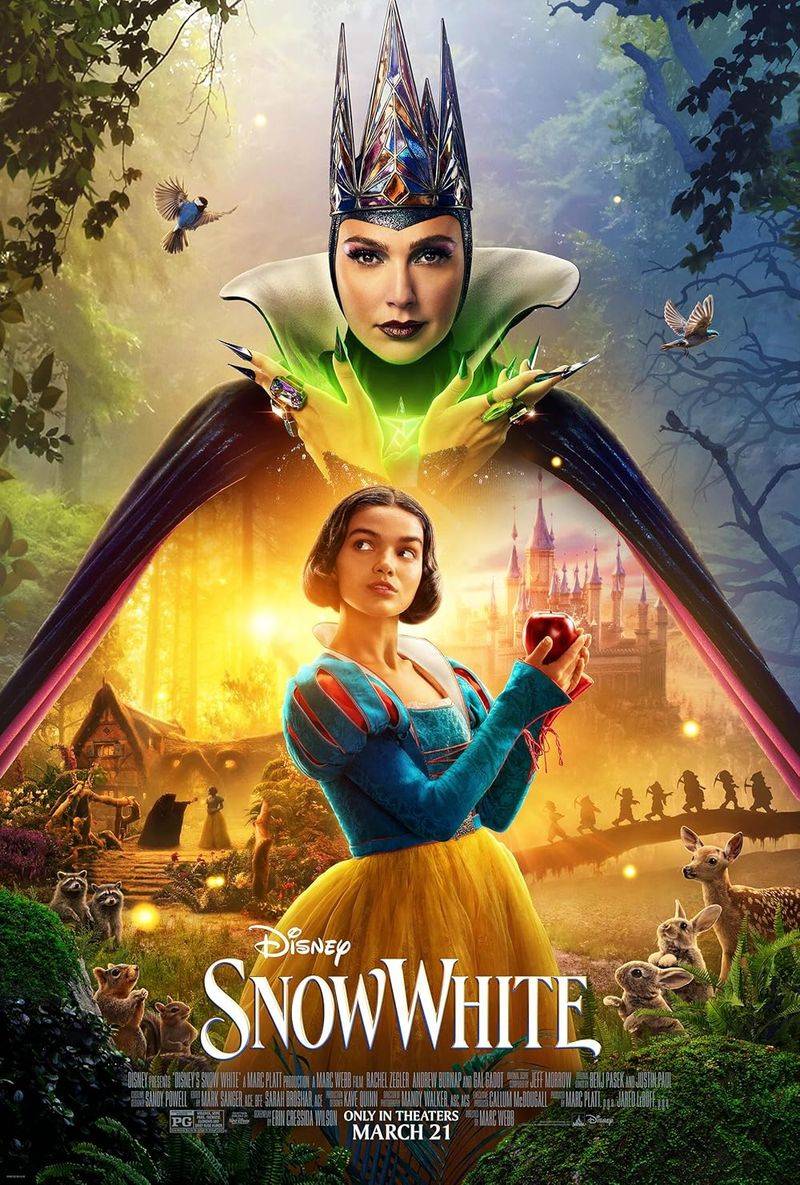
Few live-action fairy tale remakes have stirred up as much noise as this one did before it even hit theaters.
Actress Rachel Zegler, cast as the iconic princess, made headlines when she publicly criticized elements of the beloved 1937 animated film.
That alone got people talking — loudly.
Beyond the casting, the studio made major changes to the story.
The traditional romance with a prince was toned down, and the Seven Dwarfs were reimagined entirely.
Supporters felt the updates were refreshing and long overdue.
Critics, on the other hand, felt the changes disrespected a classic.
The film became a symbol of the ongoing battle between honoring tradition and updating stories for modern audiences.
2. The Little Mermaid (2023)
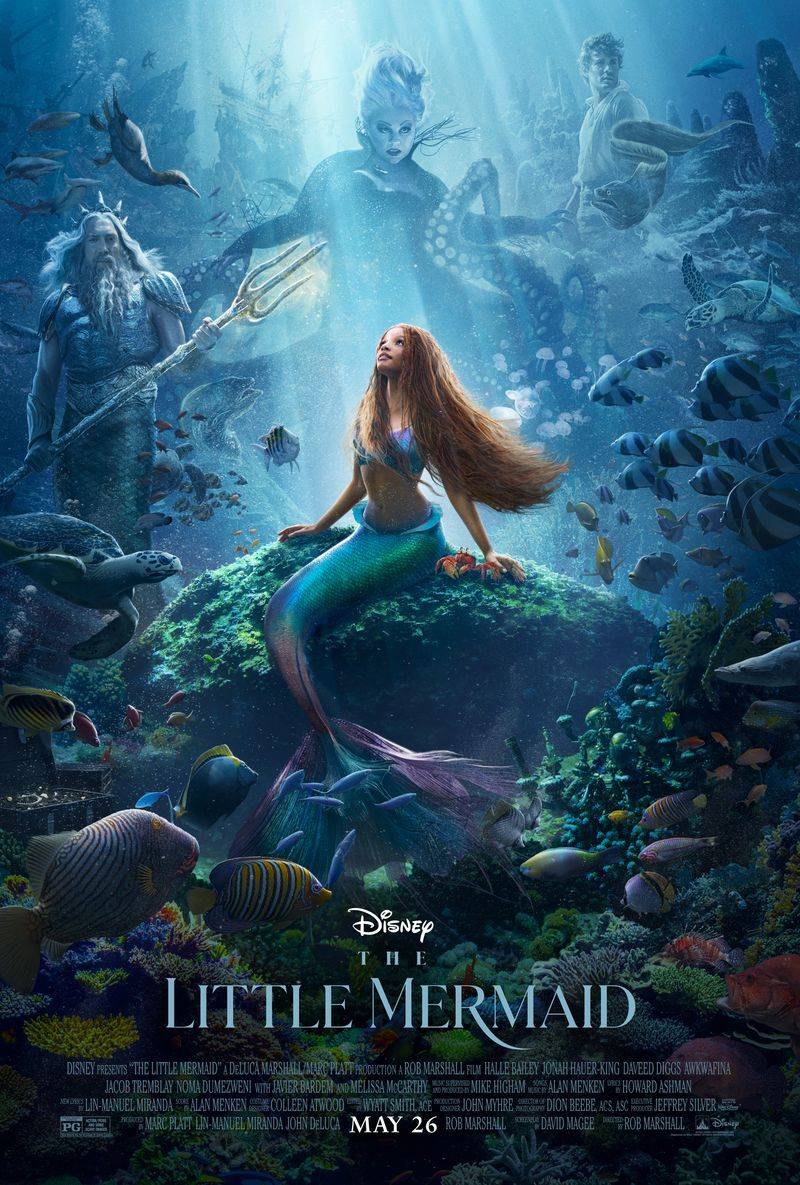
When Disney announced that Halle Bailey, a talented Black actress and singer, would play Ariel, the internet split almost immediately.
Reaction videos of young Black girls seeing themselves reflected in the beloved character went viral and melted hearts everywhere.
The representation clearly meant a great deal to many families.
At the same time, a vocal group of critics argued that the casting strayed too far from the animated original.
Debates about race-swapped characters in Hollywood remakes dominated social media for months.
The film itself received mostly positive reviews, with Bailey earning widespread praise for her performance.
Still, the controversy never fully faded, making this underwater adventure one of the most talked-about films of its year.
3. Ghostbusters (2016)
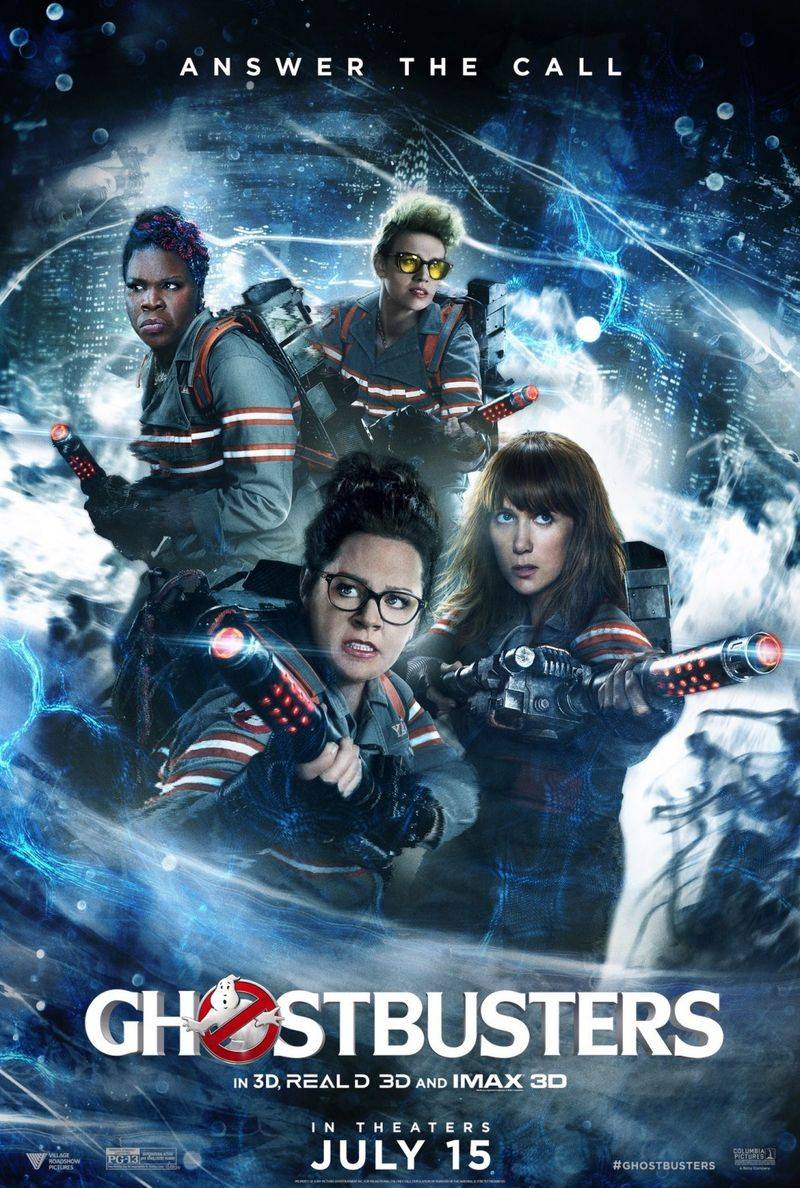
Rebooting a beloved franchise is always risky.
Rebooting it with an all-female lead cast?
That turned out to be a cultural lightning rod.
When Sony announced the 2016 Ghostbusters remake starring Melissa McCarthy, Kristen Wiig, Kate McKinnon, and Leslie Jones, the backlash online was fierce and immediate.
Critics accused the studio of using gender-swapping as a marketing gimmick rather than focusing on quality storytelling.
Supporters pushed back just as hard, arguing the film deserved a fair shot and that the negative reaction was rooted in bias.
The movie became a battleground in a much larger cultural argument about gender in Hollywood.
Regardless of which side people took, Ghostbusters 2016 permanently changed how studios think about reboots.
4. Lightyear (2022)
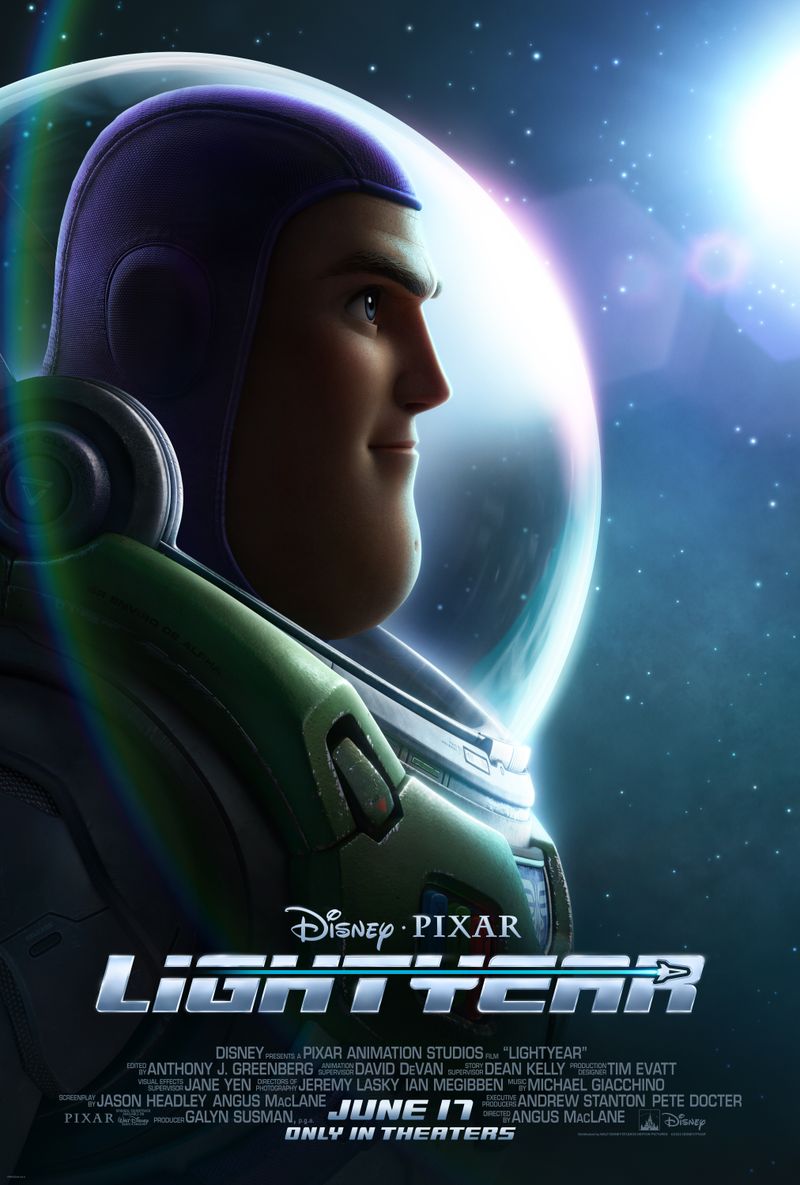
Pixar’s Lightyear was meant to be the in-universe movie that inspired the beloved Buzz Lightyear toy from the Toy Story franchise.
Instead, it became better known for a brief same-sex kiss between two female characters — a moment that was actually cut from earlier versions before being restored after internal pressure.
Some countries banned the film entirely because of that scene.
In the United States, reactions were split down familiar lines.
Supporters celebrated it as a meaningful step toward LGBTQ representation in family films.
Others felt it was inappropriate for young children.
Pixar found itself caught in a no-win situation, pleasing some audiences while frustrating others.
The box office results were disappointing, adding fuel to ongoing debates about content choices in animated films.
5. The Marvels (2023)
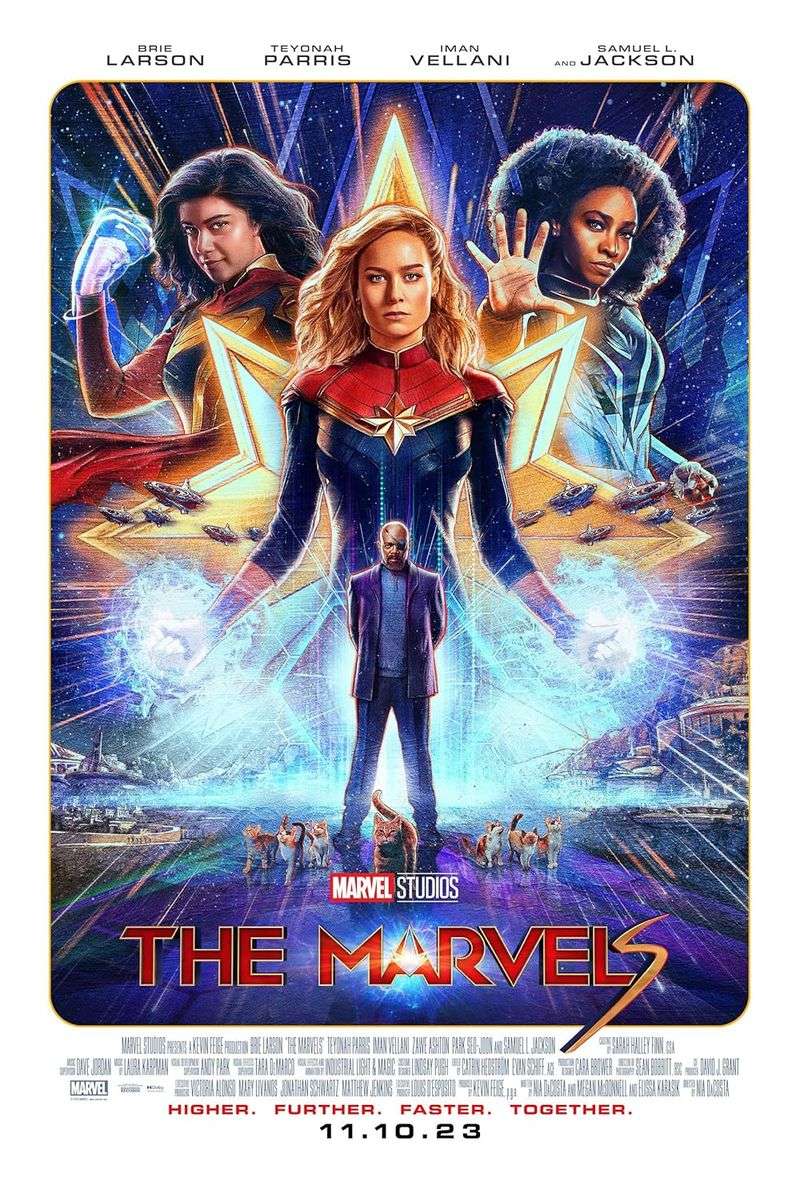
Three female heroes.
One movie.
Endless debate.
The Marvels brought together Carol Danvers, Kamala Khan, and Monica Rambeau in a cosmic adventure that had some critics questioning whether Marvel was prioritizing diversity checkboxes over compelling storytelling.
The film became the lowest-grossing Marvel Cinematic Universe movie in years, and culture commentators wasted no time pointing to its female-led lineup as a supposed reason for the underperformance.
Supporters pushed back, noting that poor marketing and superhero fatigue were bigger factors.
Regardless of the real cause, The Marvels got swept up in the woke debate almost immediately.
It’s a film that deserved to be judged on its own merits but rarely got that chance because of the noise surrounding it.
6. Black Panther: Wakanda Forever (2022)
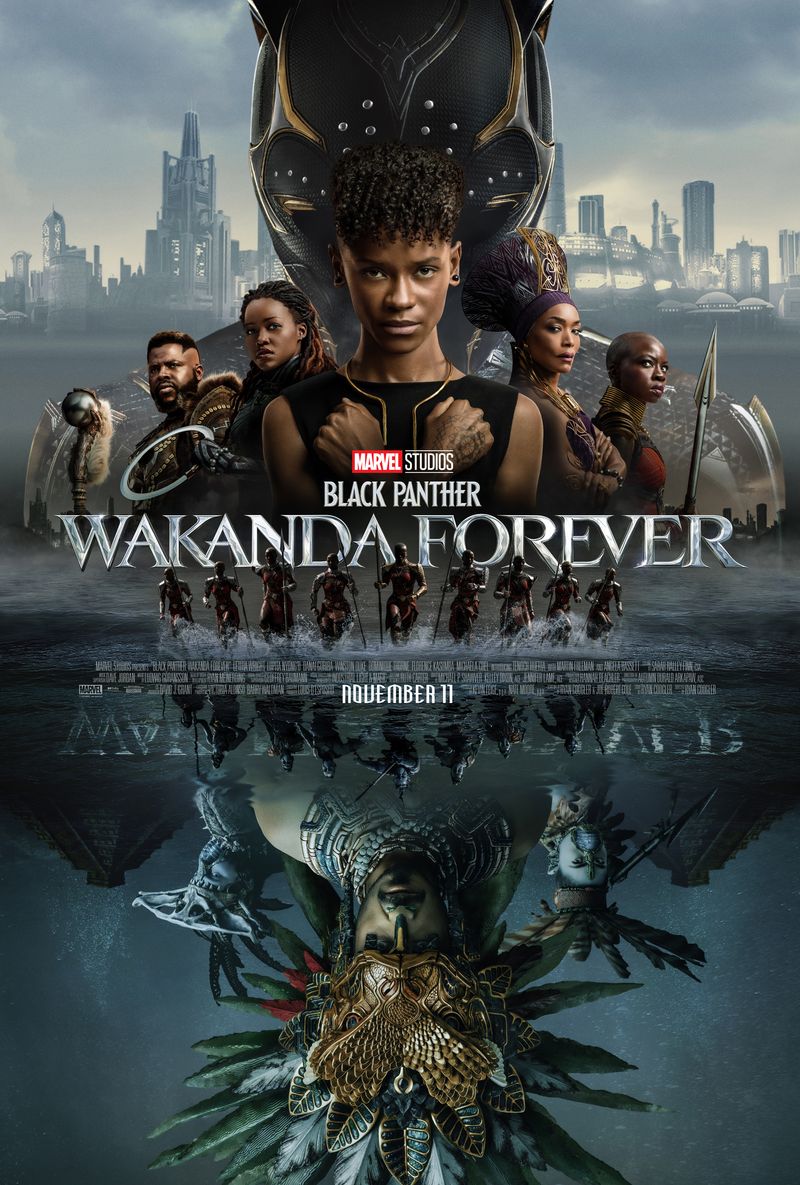
After the heartbreaking passing of Chadwick Boseman, Marvel faced an enormous challenge: how do you continue Black Panther without its iconic star?
Their answer was to pass the mantle to Shuri, T’Challa’s brilliant younger sister, played by Letitia Wright.
The film leaned heavily into themes of grief, legacy, and female leadership.
Several powerful women drove the story forward, and some online critics called it an example of forced female empowerment and identity politics.
Others argued it was simply a natural and emotionally honest continuation of the story.
Most mainstream reviewers praised the film for handling an impossible situation with grace and creativity.
Wakanda Forever proved that a movie can be both emotionally powerful and politically polarizing at the same time.
7. Captain Marvel (2019)
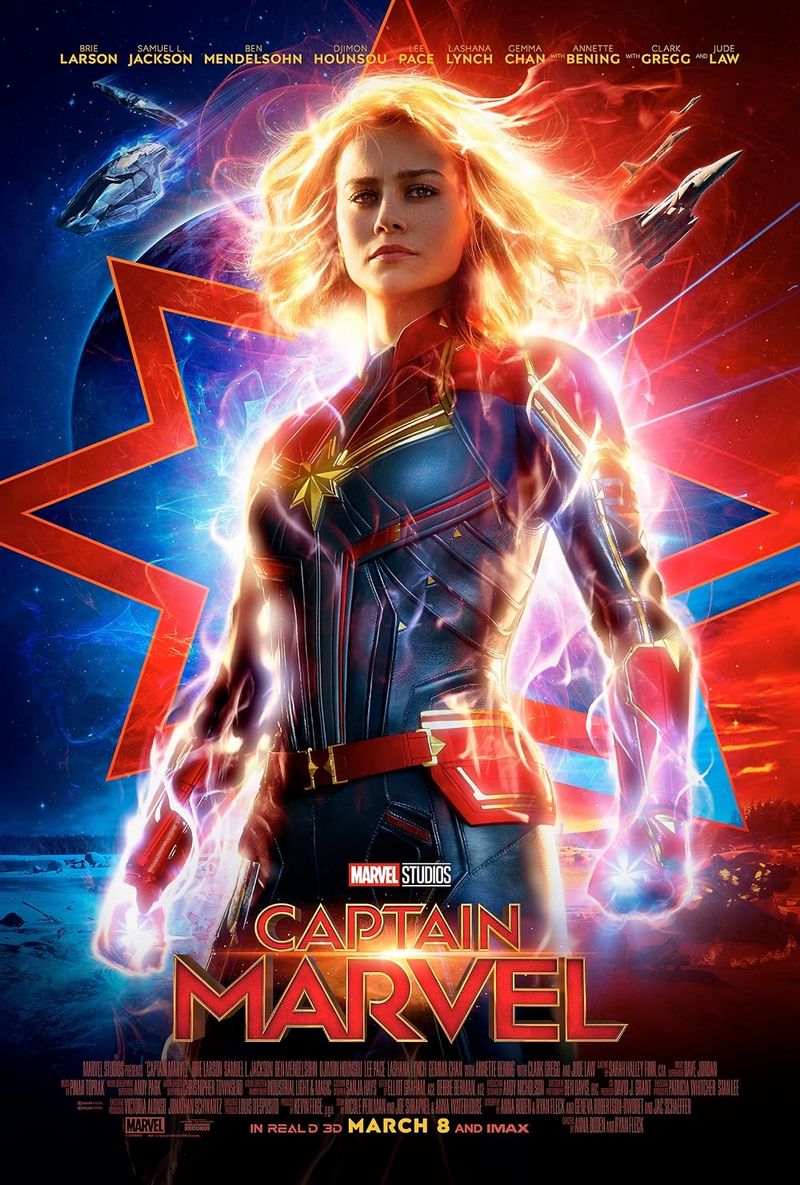
Before a single scene was shown in theaters, Captain Marvel had already become a flashpoint in the culture wars.
Actress Brie Larson made public comments calling for more diversity among film critics, suggesting that certain voices were overrepresented in the reviewing space.
Those comments did not go over well with everyone.
Online campaigns attempted to tank the film’s Rotten Tomatoes score before its release.
Marvel had to adjust its audience review system in response.
The movie itself focused on female empowerment and a hero who didn’t need saving — themes that energized some viewers and annoyed others.
Despite the controversy, Captain Marvel earned over one billion dollars worldwide.
That box office number is hard to argue with, no matter which side of the debate you’re on.
8. Barbie (2023)
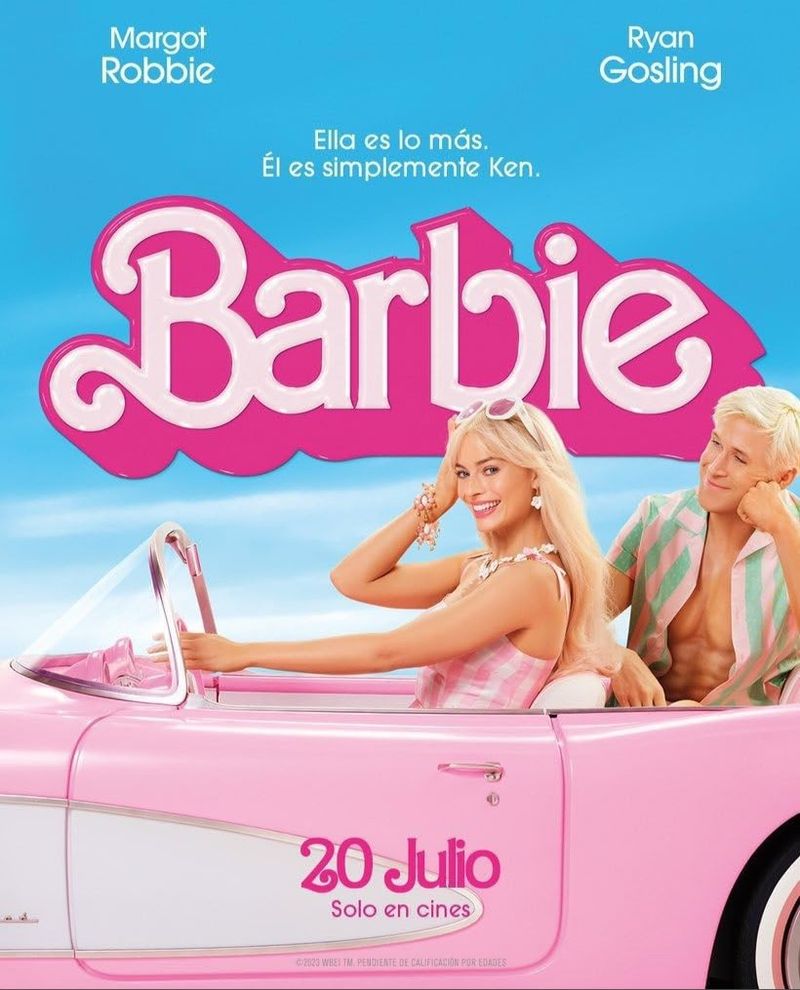
Barbie was one of the biggest surprises of 2023 — a massive blockbuster that also doubled as a sharp feminist satire.
Director Greta Gerwig crafted a film that playfully mocked gender expectations, patriarchy, and the unrealistic pressures placed on women.
Audiences packed theaters and wore pink to show their enthusiasm.
But not everyone was laughing.
Some viewers felt the film was preachy, one-sided, or unfair in its portrayal of men.
The word “anti-male” showed up in more than a few reviews and social media posts.
Political commentators on the right used Barbie as a prime example of Hollywood pushing a progressive agenda.
Meanwhile, it raked in over 1.4 billion dollars globally — proving that controversy and commercial success can absolutely coexist in modern Hollywood.
9. Indiana Jones and the Dial of Destiny (2023)
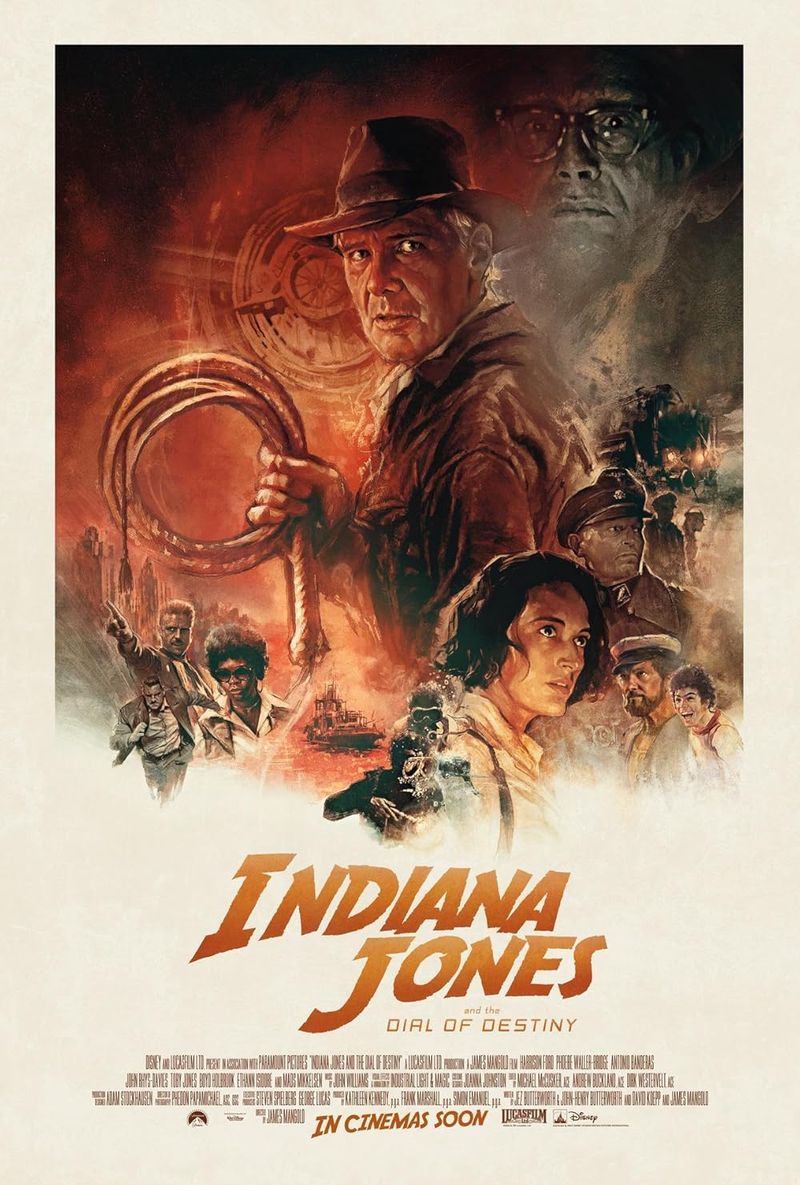
Harrison Ford returned to one of cinema’s most beloved roles at age 80, and many fans were thrilled.
But the introduction of Helena Shaw, played by Phoebe Waller-Bridge, rubbed some viewers the wrong way.
Critics argued she was too quick, too clever, and too central — practically overshadowing the legendary Indiana Jones himself.
For some, Helena represented a familiar Hollywood pattern: sidelining an older male hero to make room for a younger female character.
Others genuinely enjoyed her energy and felt she added fresh life to an aging franchise.
The film performed below expectations at the box office, and the cultural debate around Helena’s role didn’t help its reputation.
Indiana Jones deserved a better send-off, and most people agreed on that much, at least.
10. Wish (2023)
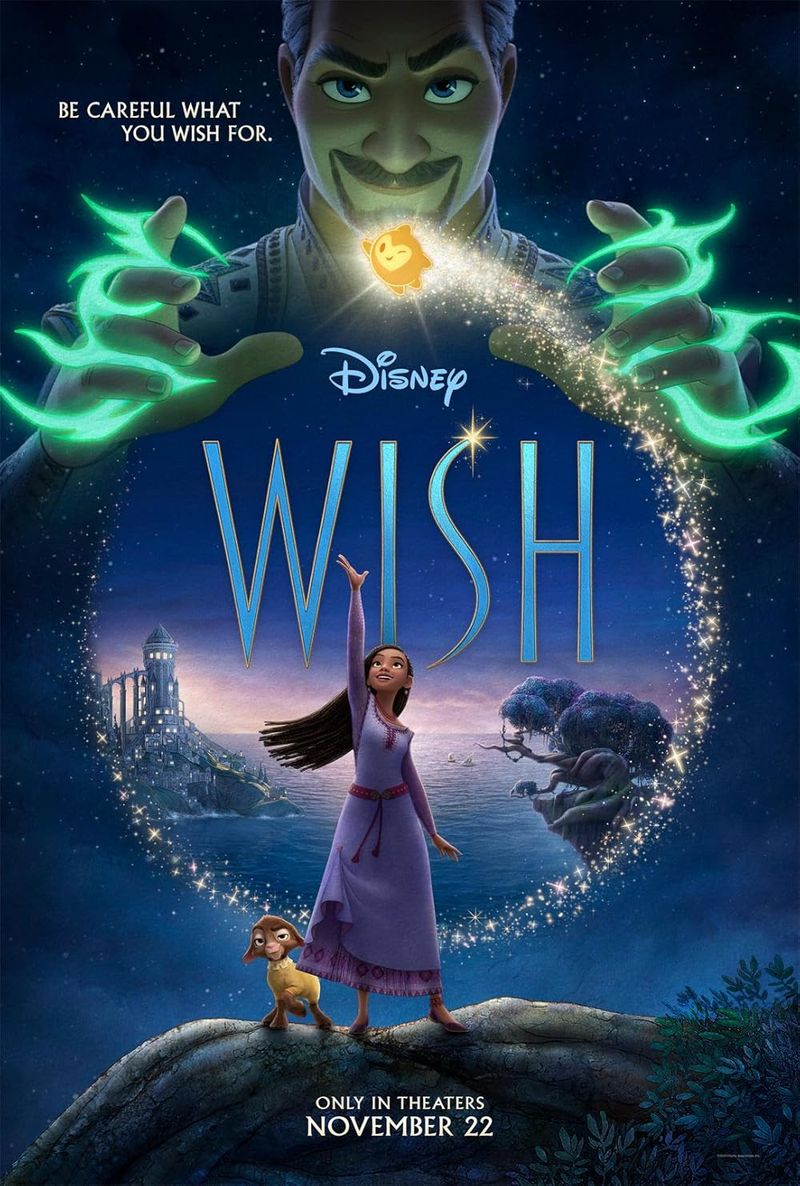
Disney’s Wish was supposed to be a grand celebration of the studio’s 100th anniversary.
Instead, it became another entry on the list of films accused of pushing progressive values.
Some viewers took issue with the film’s diverse cast and its main character’s journey toward independence, which didn’t center on finding romantic love.
For critics on the right, Asha’s self-reliant story felt like Disney deliberately steering away from the princess-meets-prince formula.
Supporters saw it as a natural evolution of storytelling — one that reflects how modern audiences actually think and feel.
The film received mixed reviews overall, with many critics pointing to weak writing rather than political content as its biggest problem.
Still, the woke label followed it closely from the moment of its release.
11. Strange World (2022)
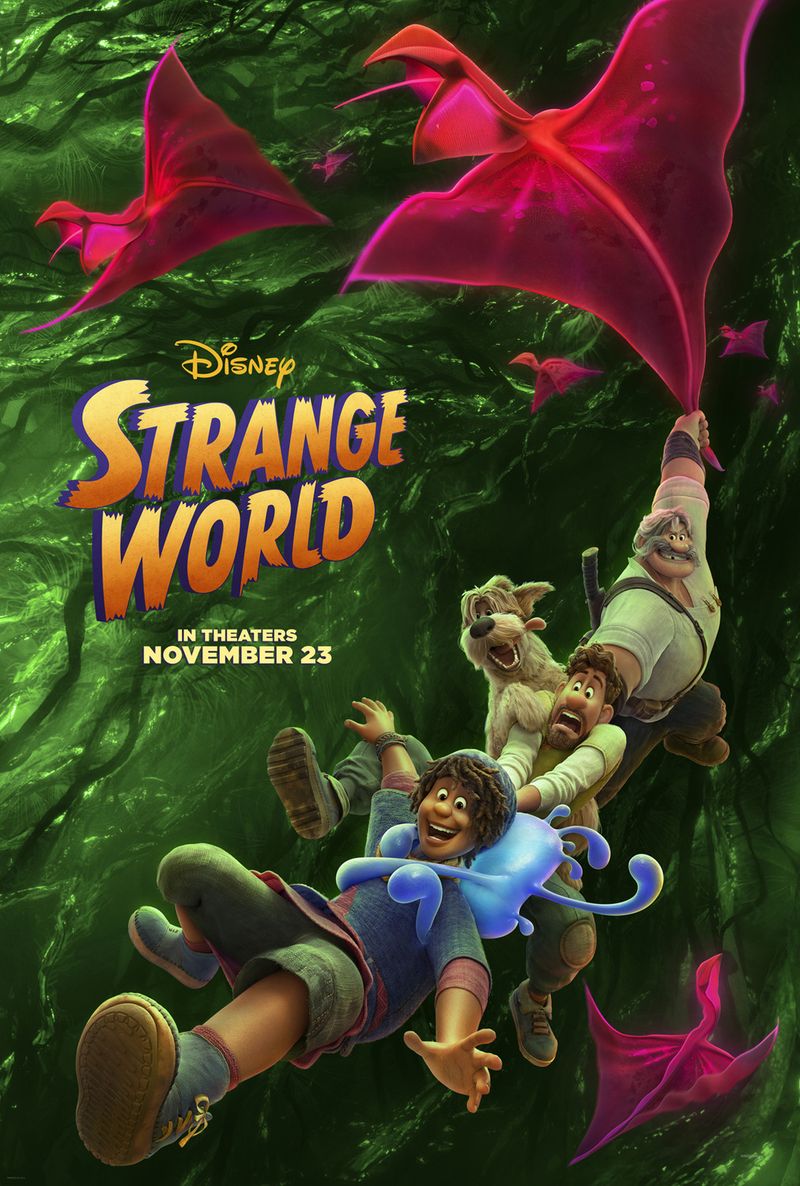
Strange World quietly made history as Disney’s first animated film to feature an openly gay teenage lead character.
Ethan Clade’s same-sex crush was woven naturally into the story without being treated as a dramatic plot point — which was kind of the point.
Representation without spectacle.
Reactions were predictably divided.
Families who welcomed seeing LGBTQ characters in mainstream children’s media praised the inclusion.
Others felt Disney was pushing an agenda into content made for young kids.
The film underperformed significantly at the box office, becoming one of Disney’s biggest financial disappointments in years.
Whether that was due to the controversy, poor marketing, or simply a story that didn’t connect widely is still debated.
Strange World remains a fascinating case study in how representation can become a double-edged conversation.
12. Elemental (2023)
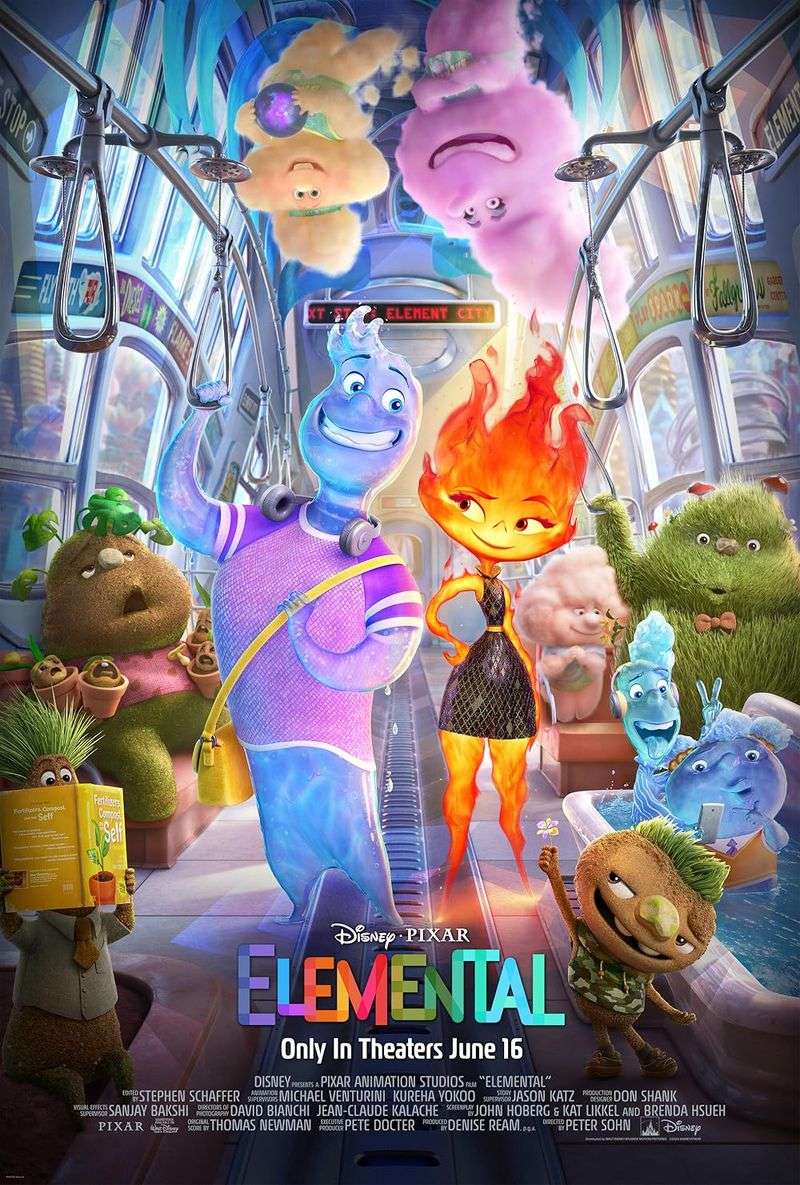
On the surface, Elemental is a Pixar love story between a fire character and a water character who shouldn’t mix.
But many viewers and critics saw a deeper layer: an immigration story about first-generation families trying to find belonging in a society that doesn’t always welcome them.
The multicultural city of Element City, filled with fire, water, earth, and air inhabitants who don’t always get along, felt unmistakably like a metaphor for real-world cultural tensions.
Some commentators praised Pixar for embedding meaningful social themes into an accessible story.
Others felt it was heavy-handed political messaging dressed up in colorful animation.
The film opened weakly before gaining momentum through streaming.
Elemental ended up being more profitable than its rocky theatrical launch suggested, and the conversation around its themes never really stopped.
13. Doctor Strange in the Multiverse of Madness (2022)
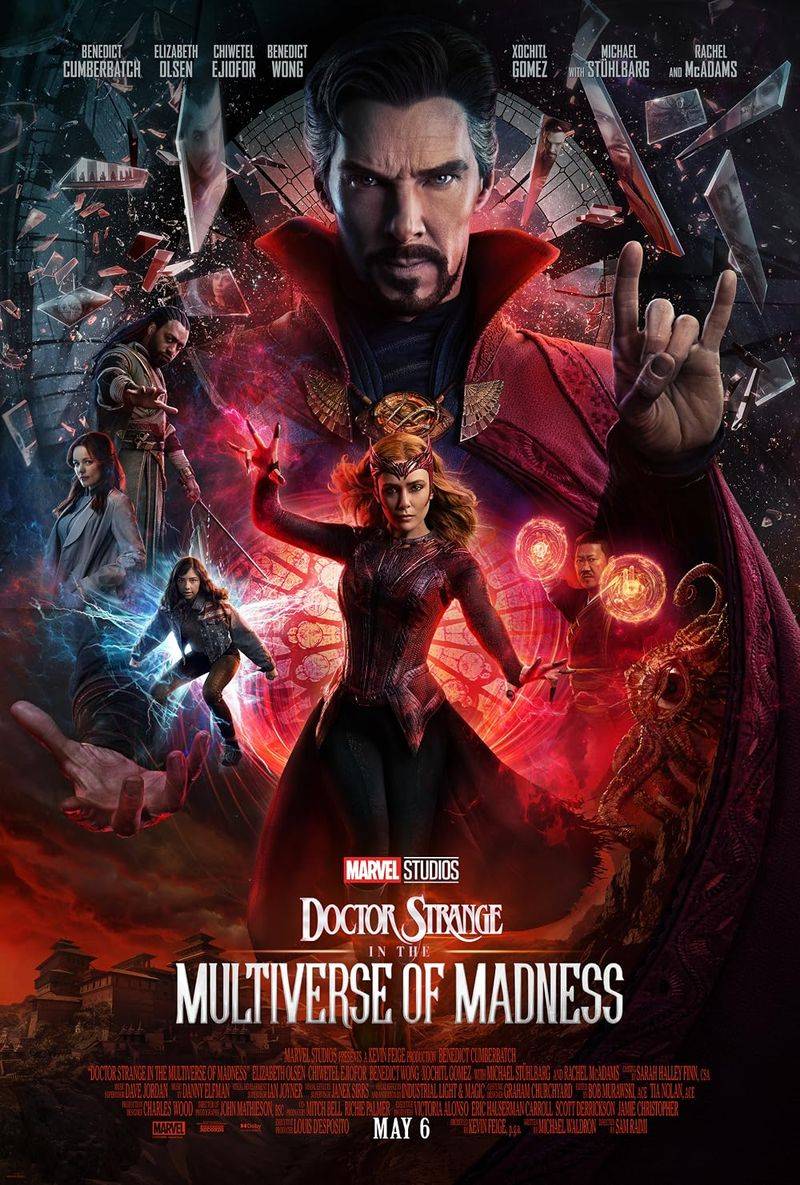
America Chavez made her MCU debut in this multiverse-hopping adventure, and her arrival came with a wave of commentary.
As a Latina LGBTQ character straight from the Marvel Comics pages, she was praised by fans who had waited years to see her on screen.
Critics who push back against what they call “woke” storytelling zeroed in on her background and identity, arguing that Marvel was prioritizing diversity over character depth.
Some felt America’s powers and personality weren’t developed enough to justify the spotlight she received.
Others countered that every new MCU character starts somewhere and deserves room to grow.
The film itself was a massive success financially, which made it harder for critics to claim the approach wasn’t working.
America Chavez is likely to return, controversy and all.
14. Eternals (2021)
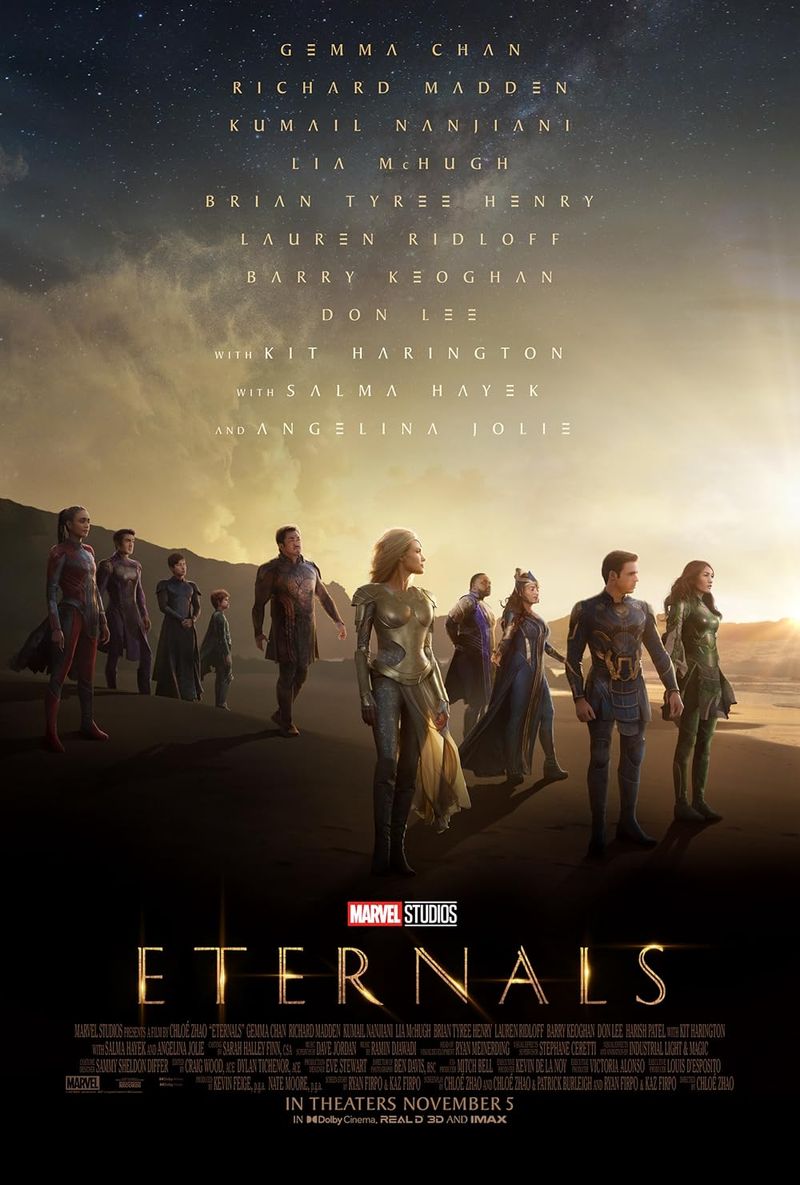
Director Chloe Zhao brought a sweeping, art-house sensibility to the Marvel Cinematic Universe with Eternals — and also delivered its most diverse cast to date.
The film introduced Marvel’s first openly gay superhero couple, a deaf superhero in Makkari, and heroes from a wide range of cultural backgrounds.
For audiences who had long wanted to see themselves in superhero stories, Eternals felt like a breakthrough.
For critics who felt Marvel was overcorrecting on representation, it became a prime example of what they called box-ticking.
The film earned mixed reviews and underperformed somewhat at the box office, which critics on both sides used to support their arguments.
Whatever your take, Eternals pushed boundaries that no Marvel film had dared touch before — and that alone makes it worth discussing.
15. Mulan (2020)
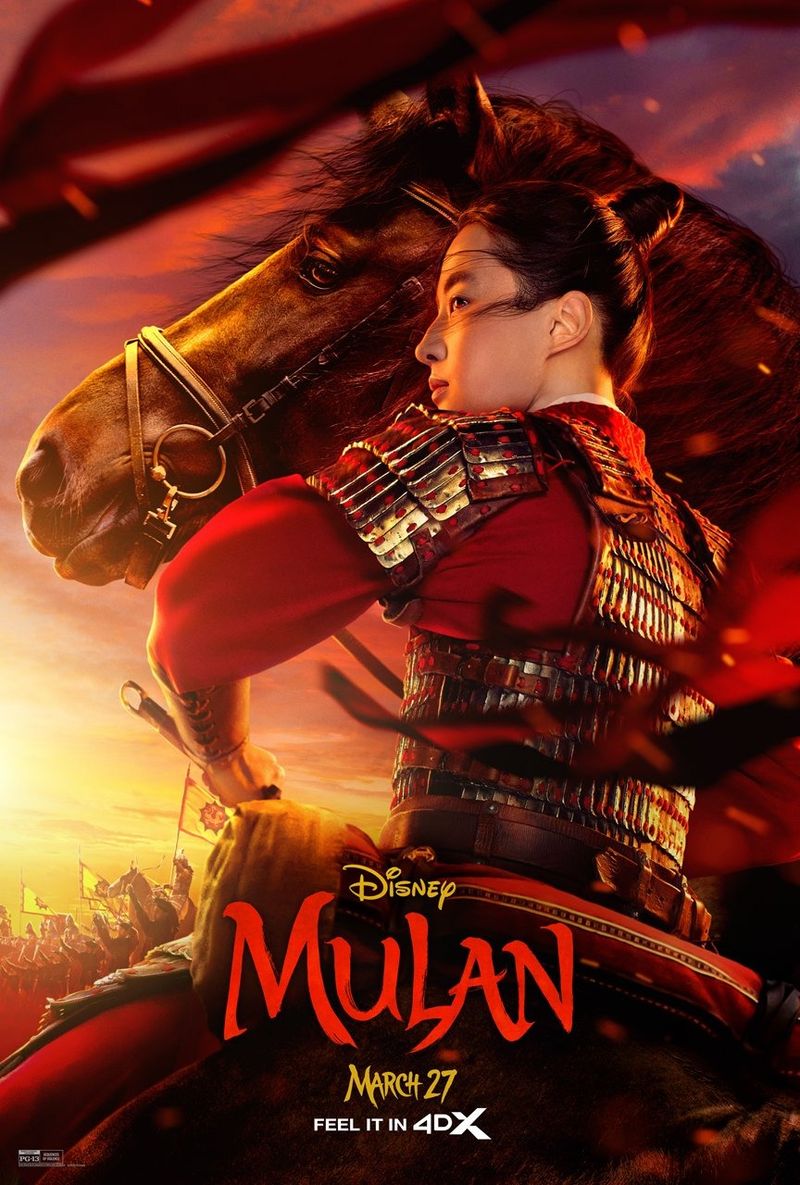
The live-action Mulan arrived during one of the most turbulent years in recent memory, and its controversies had little to do with progressive storytelling.
Lead actress Liu Yifei had publicly expressed support for the Hong Kong police during the 2019 protests, sparking calls to boycott the film before it even released.
Then came the closing credits, which acknowledged filming support from government agencies in China’s Xinjiang region — an area associated with serious human rights concerns.
The backlash was swift and international.
Some critics also noted the film leaned harder into themes of female empowerment than the animated original.
Mulan ended up carrying more political weight than any Disney remake before it, for reasons that had almost nothing to do with the story itself.
16. Turning Red (2022)
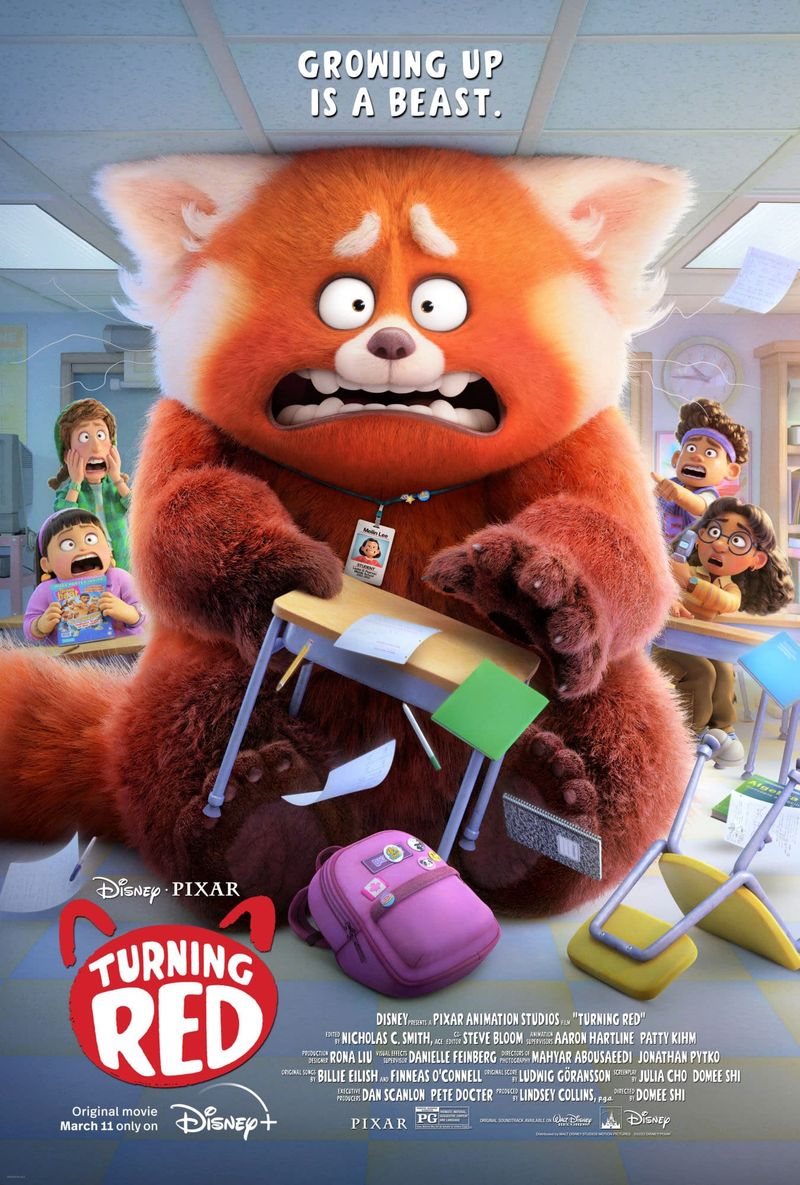
Turning Red is the kind of movie that feels personal in the best possible way.
Director Domee Shi drew from her own childhood experiences growing up as a Chinese-Canadian girl to tell a story about change, family pressure, and the sometimes overwhelming nature of growing up.
The film’s honest approach to puberty and the mother-daughter relationship hit home for many viewers.
But some parents felt the subject matter was too mature for young children, while others thought the cultural specificity made it harder to connect with.
A few critics argued it was too niche to carry the Pixar brand.
Most audiences and reviewers disagreed, giving it strong marks for originality and heart.
Turning Red proved that personal, specific stories can be universal — even when they make some people uncomfortable.