 MomSkoop
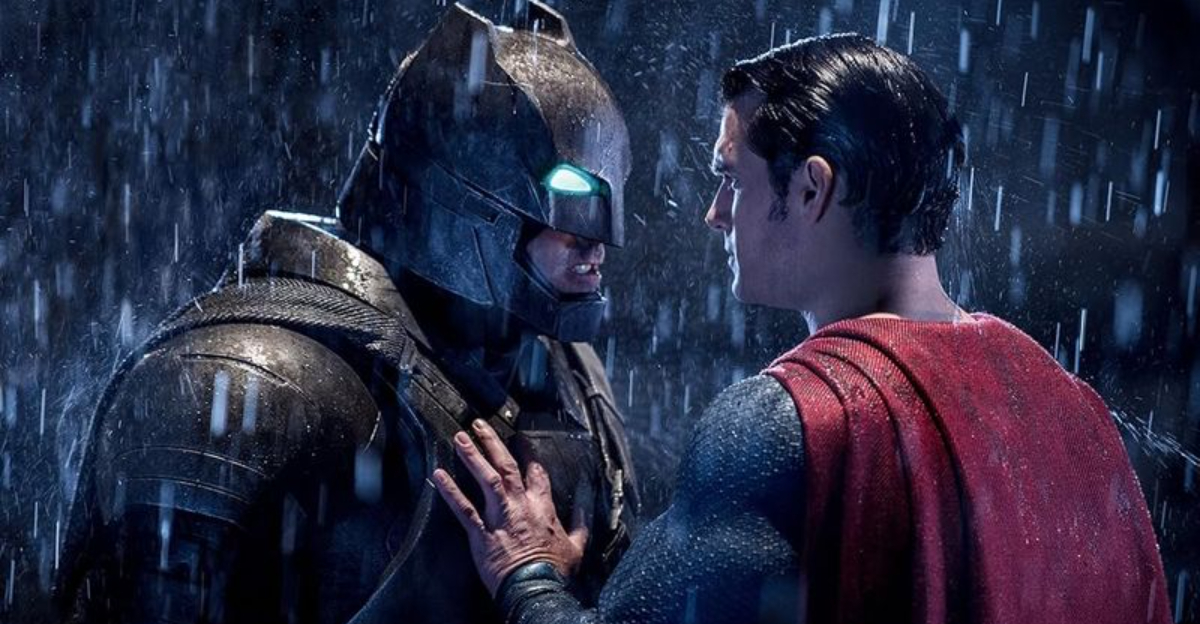
Some movies looked like sure things before they even hit theaters. Big budgets, beloved characters, famous directors, and massive marketing campaigns all pointed to one thing: blockbuster gold.
But sometimes, even the most promising films crash and burn at the box office. Here are 16 movies that had everything going for them — and still couldn’t win over audiences.
1. John Carter (2012)
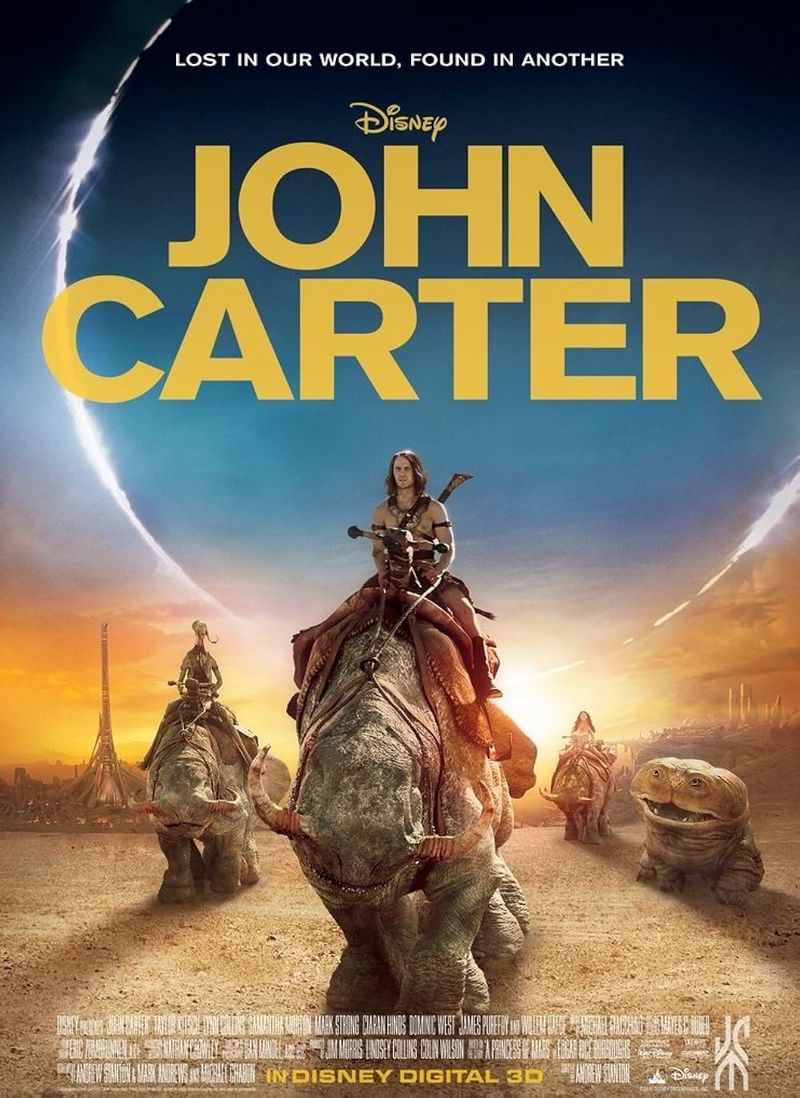
Disney spent around $250 million making John Carter, a film based on one of sci-fi’s oldest and most beloved stories.
Edgar Rice Burroughs wrote the original novels over 100 years ago, inspiring everything from Star Wars to Avatar.
So why did nobody show up?
The marketing was a disaster.
Trailers gave audiences almost no idea what the movie was actually about.
The title itself — stripped of its original name “John Carter of Mars” — left people confused and uninterested.
The film lost an estimated $200 million, making it one of Hollywood’s most expensive failures ever.
Ironically, those who actually watched it often found it pretty entertaining.
Sometimes the packaging matters more than the product.
2. The Lone Ranger (2013)
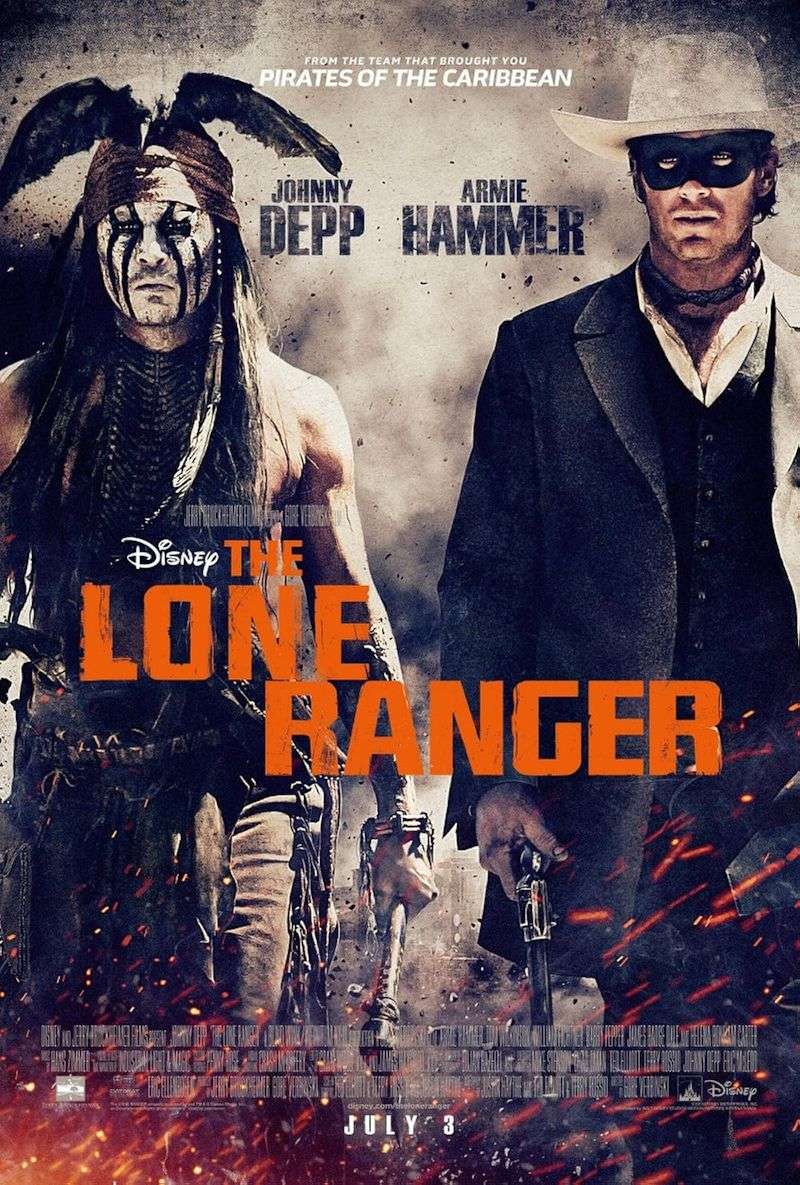
On paper, The Lone Ranger seemed bulletproof.
You had Johnny Depp fresh off the Pirates of the Caribbean juggernaut, director Gore Verbinski at the helm, and Disney’s deep pockets funding the whole adventure.
What could go wrong?
Plenty, as it turned out.
Critics were brutal, calling the film bloated and tonally confused.
At nearly two and a half hours, audiences felt the length.
Depp’s quirky take on Tonto also sparked cultural controversy that didn’t help ticket sales.
The film needed around $800 million worldwide just to break even — it made less than half that.
Disney quietly shelved any sequel plans.
Sometimes star power alone simply cannot rescue a sinking ship, no matter how flashy the costume.
3. Batman v Superman: Dawn of Justice (2016)
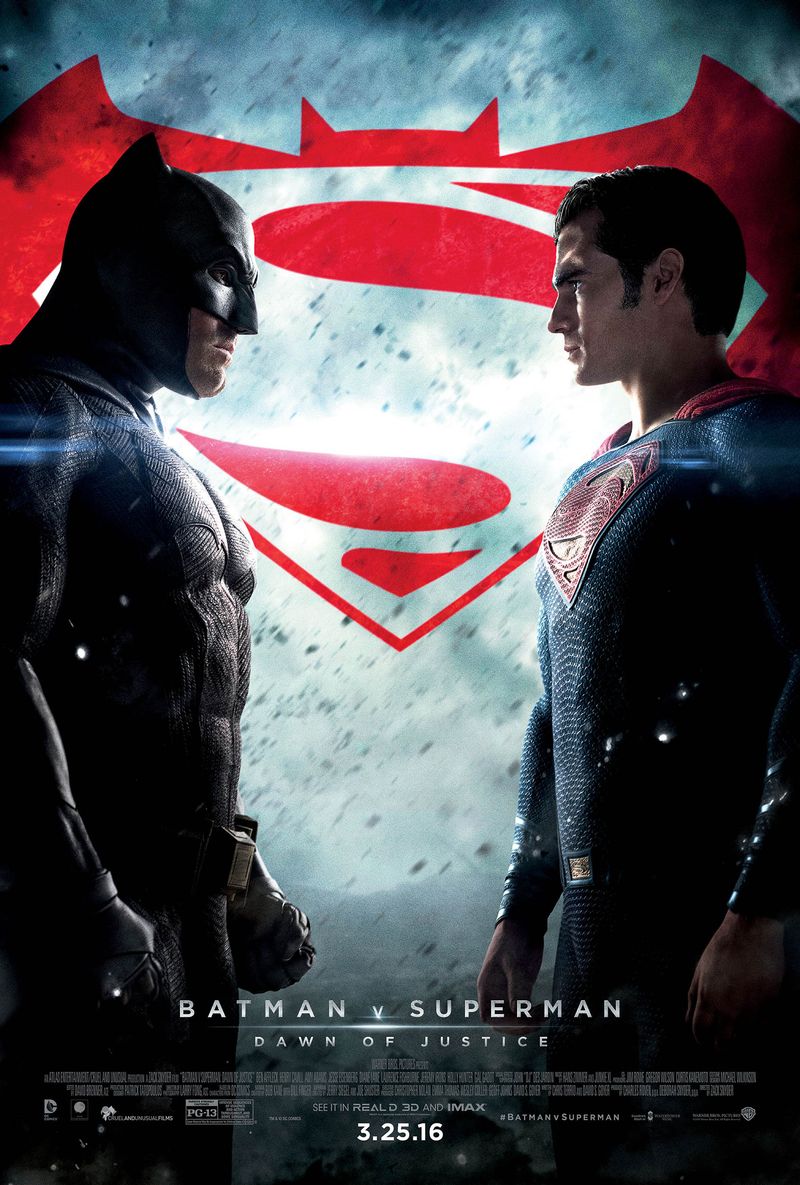
Two of the most recognizable superheroes in history, sharing the big screen for the very first time.
Warner Bros. had every reason to expect a cultural earthquake.
Pre-release hype was enormous, and opening weekend delivered — the film pulled in $166 million domestically right out of the gate.
Then word of mouth hit like a truck.
Critics and fans alike complained about the gloomy tone, confusing plot, and a dream sequence that left everyone scratching their heads.
The theatrical cut especially took a beating online.
Ultimately, the film underperformed against its enormous expectations and budget.
It damaged audience trust in DC’s cinematic universe at a critical moment.
The dream of a Justice League phenomenon suddenly felt much shakier than anyone expected.
4. Justice League (2017)
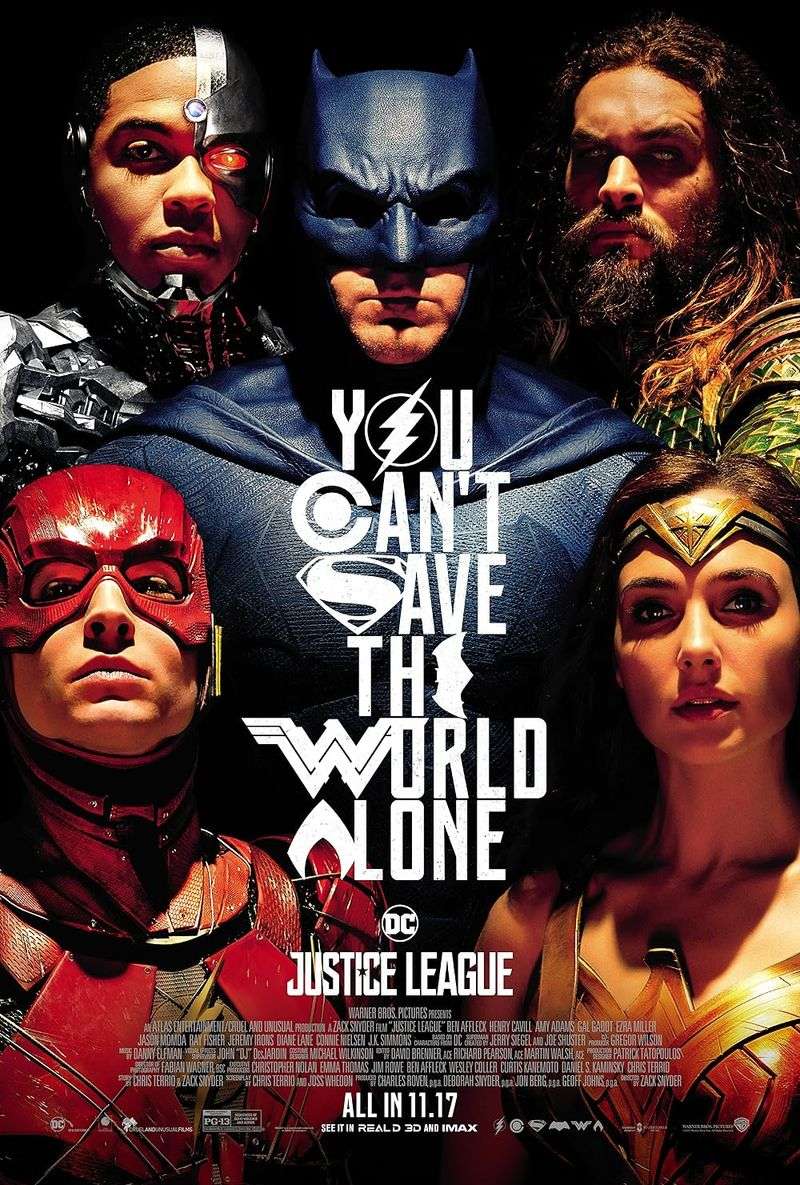
Marvel had already proven the superhero team-up formula worked brilliantly with The Avengers.
DC fans spent years waiting for their own version, and Justice League was supposed to be that triumphant moment.
Sadly, the production was anything but smooth.
Director Zack Snyder stepped away following a family tragedy, and Joss Whedon stepped in to complete the film.
Reshoots changed the tone dramatically, and the rushed five-hero story felt thin compared to what Marvel had built over ten carefully crafted films.
The movie earned around $657 million worldwide — impressive in most cases, but a genuine disappointment for a Justice League film.
Fans eventually demanded Snyder’s original cut, which HBO Max released years later to far warmer reception.
5. The Mummy (2017)
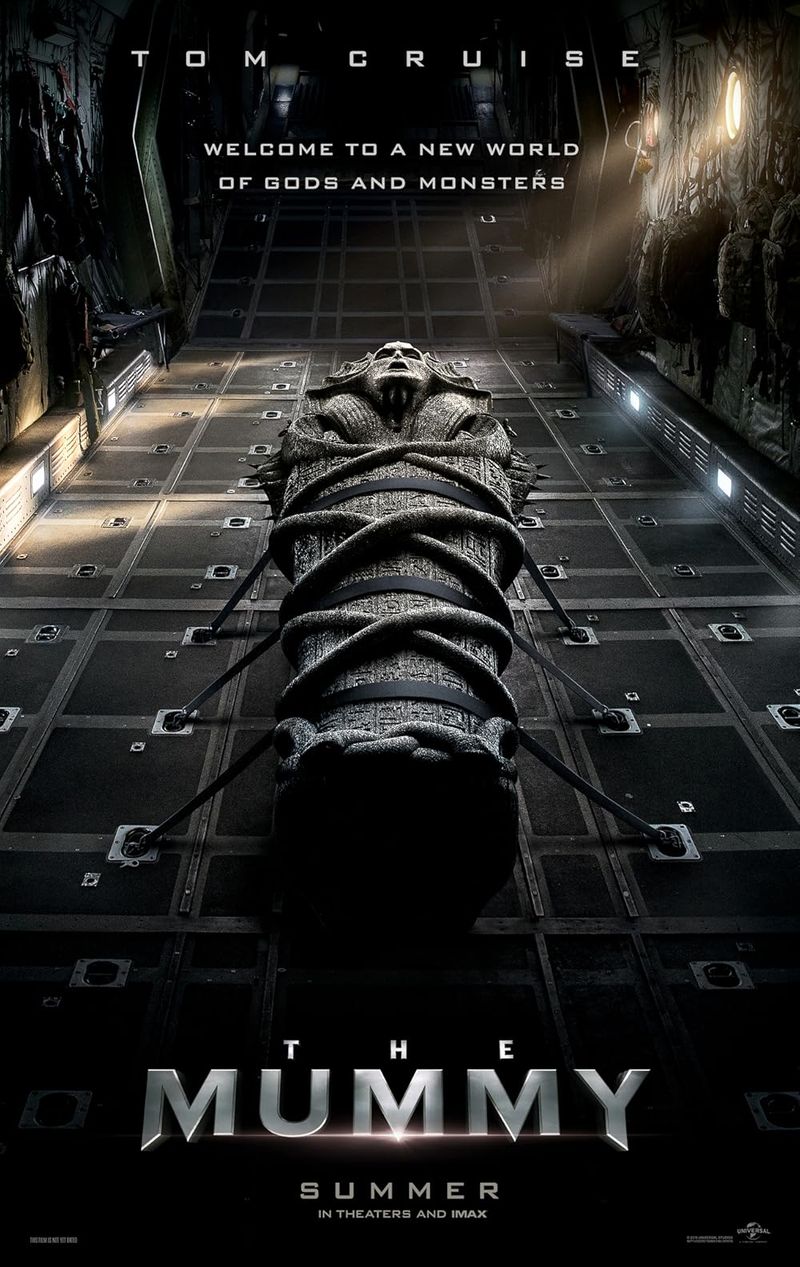
Universal Pictures had big dreams.
They wanted to build their own cinematic universe around classic monsters — Dracula, Frankenstein, the Invisible Man — with The Mummy starring Tom Cruise as the exciting launch point.
It sounded ambitious and clever.
Audiences, however, were not on board.
The film tried so hard to set up future “Dark Universe” movies that it forgot to tell a satisfying story on its own.
Tom Cruise, usually a reliable box office draw, couldn’t save a script that felt more like a franchise commercial than an actual movie.
Universal quietly cancelled the Dark Universe after the film’s disappointing run.
It stands as a cautionary tale about prioritizing franchise-building over storytelling.
Audiences notice when a movie is more interested in sequels than in entertaining them right now.
6. Cats (2019)
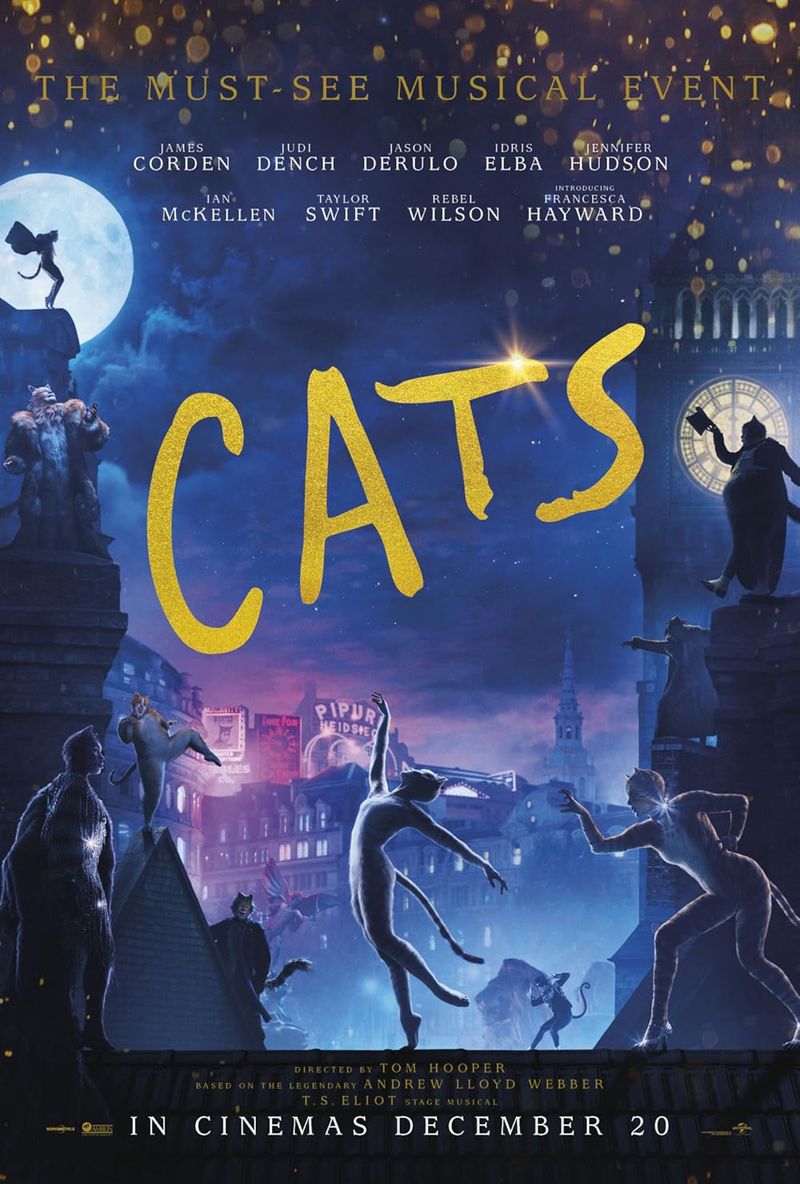
Few movie misfires have become quite as legendary as Cats.
Based on one of the longest-running musicals in Broadway history, with a cast including Jennifer Hudson, Judi Dench, Ian McKellen, and Taylor Swift, expectations were genuinely high going in.
Then audiences saw the trailer.
The “digital fur technology” used to transform the actors into cat-human hybrids horrified viewers across the internet.
Memes exploded overnight.
People were simultaneously repulsed and fascinated — mostly repulsed.
The film cost around $95 million and earned just $73 million worldwide.
Universal actually sent theaters a patch to fix visual effects after release — almost unheard of in Hollywood history.
Cats became a cultural punchline, but also a weirdly unforgettable piece of cinematic history nobody asked for.
7. Indiana Jones and the Dial of Destiny (2023)
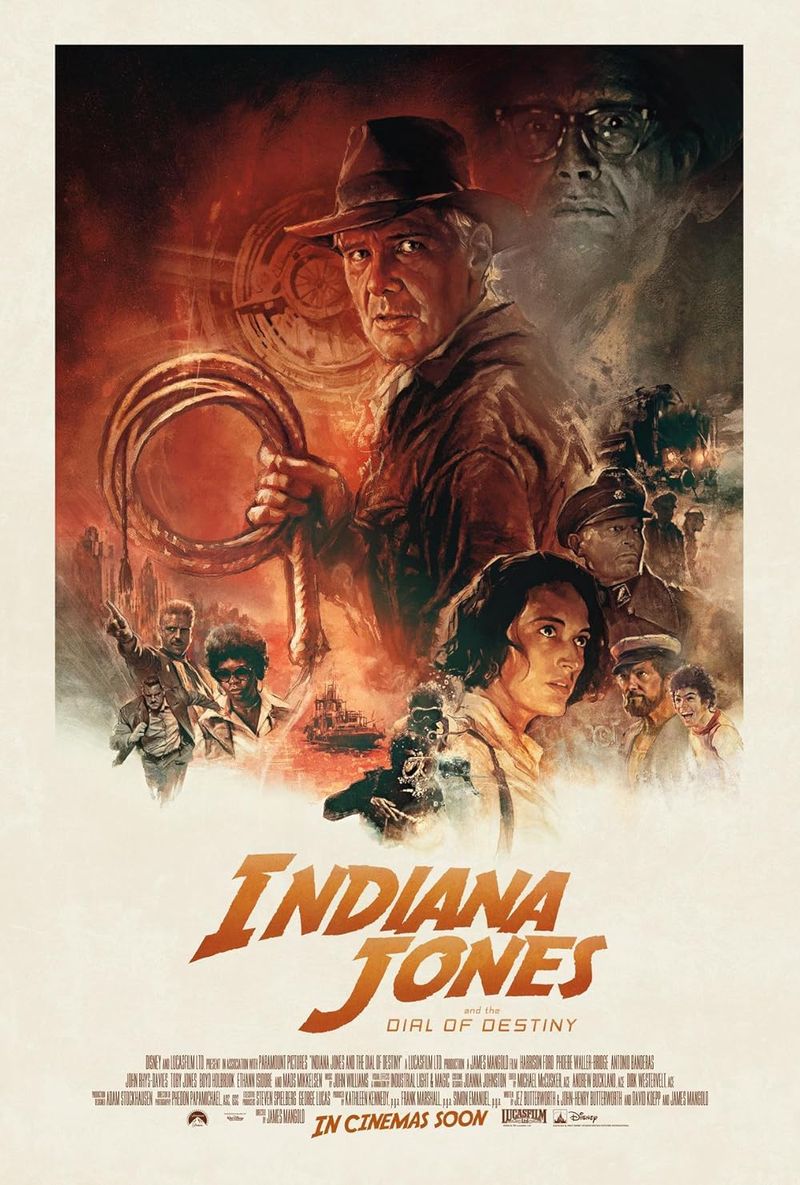
Harrison Ford returning as Indiana Jones one last time, with a massive Disney budget and decades of fan goodwill behind him — what’s not to love?
The nostalgia factor alone seemed like a guaranteed crowd-pleaser heading into the summer of 2023.
Reality was more complicated.
The film cost a staggering $295 million to produce and market.
While critics gave it a reasonable reception and fans appreciated the send-off, the box office numbers told a different story.
Domestic audiences especially stayed away in surprising numbers.
The film ultimately lost Disney an estimated $130 million.
Audiences seemed to love Indiana Jones as a memory more than as a new theatrical event.
Sometimes franchises age out of the cultural conversation, no matter how beloved the hero remains.
8. Solo: A Star Wars Story (2018)
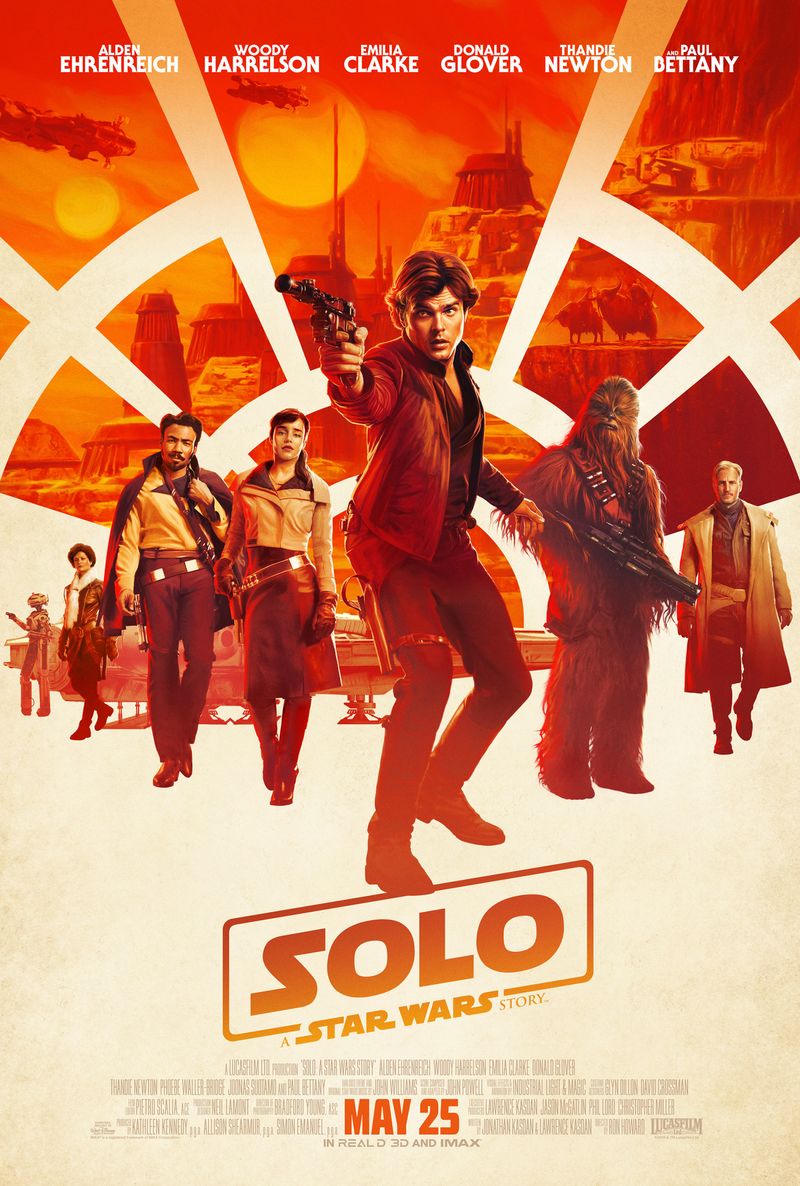
Star Wars was practically a license to print money after The Force Awakens shattered records in 2015.
So a movie dedicated entirely to the origin story of Han Solo — one of cinema’s most beloved characters — seemed like the safest bet imaginable.
Disney was understandably confident.
Behind the scenes, chaos reigned.
Original directors Phil Lord and Chris Miller were fired mid-production and replaced by Ron Howard.
Reshoots were extensive.
The troubled production somehow made it to screens, but audiences sensed the strain.
Solo earned around $393 million worldwide — solid for most films, but a genuine loss for a Star Wars movie.
Franchise fatigue had set in faster than anyone predicted.
Disney pulled back on standalone Star Wars films almost immediately after Solo’s disappointing run.
9. Fantastic Four (2015)
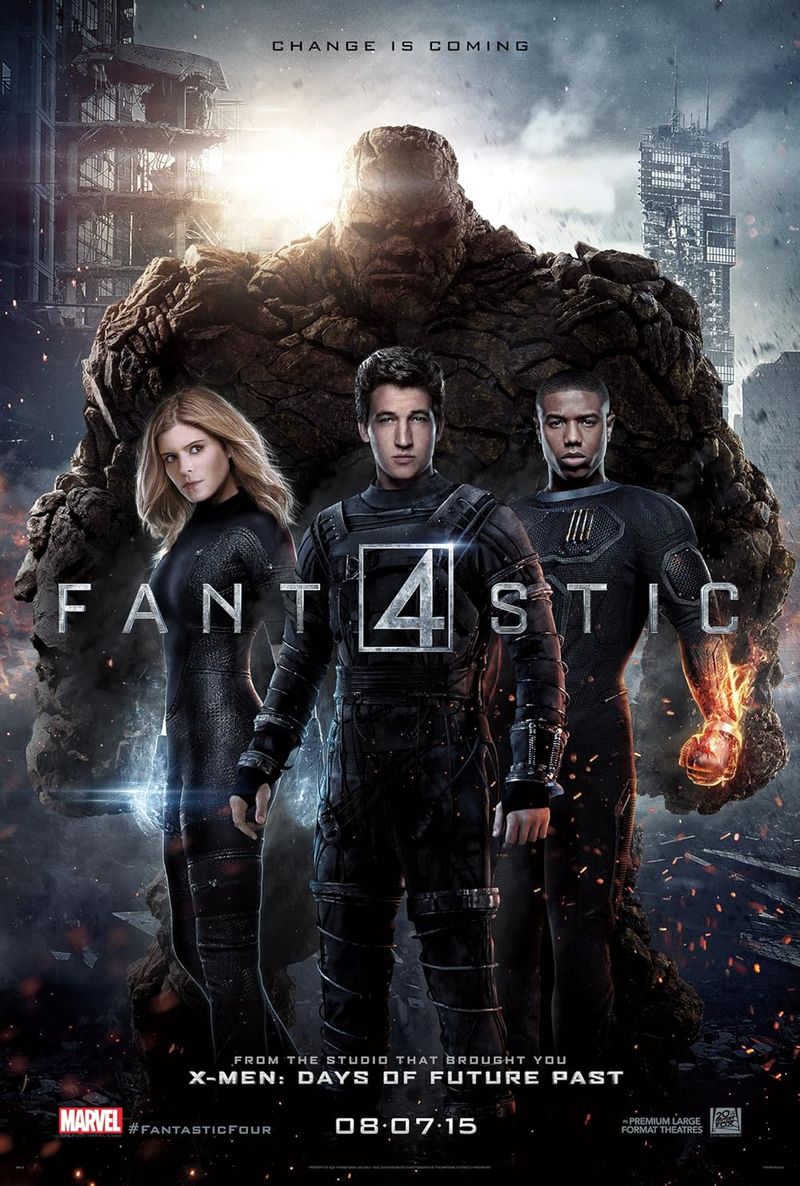
Marvel’s first family deserved a great movie.
After two earlier attempts that ranged from mediocre to forgettable, Fox decided a gritty, grounded reboot was exactly what the Fantastic Four needed.
Director Josh Trank was fresh off the acclaimed Chronicle, and excitement was cautiously building.
What arrived in theaters was a creative catastrophe.
Trank and the studio famously clashed over the film’s direction.
The finished product felt incomplete, tonally inconsistent, and surprisingly joyless for a story about a team with a stretchy guy and a giant rock monster.
Critics demolished it with a 9% Rotten Tomatoes score.
Audiences avoided it in droves.
Fox’s Fantastic Four rights eventually returned to Marvel, and fans celebrated more than mourned the franchise’s end.
Some reboots just cannot overcome a broken production.
10. The Flash (2023)
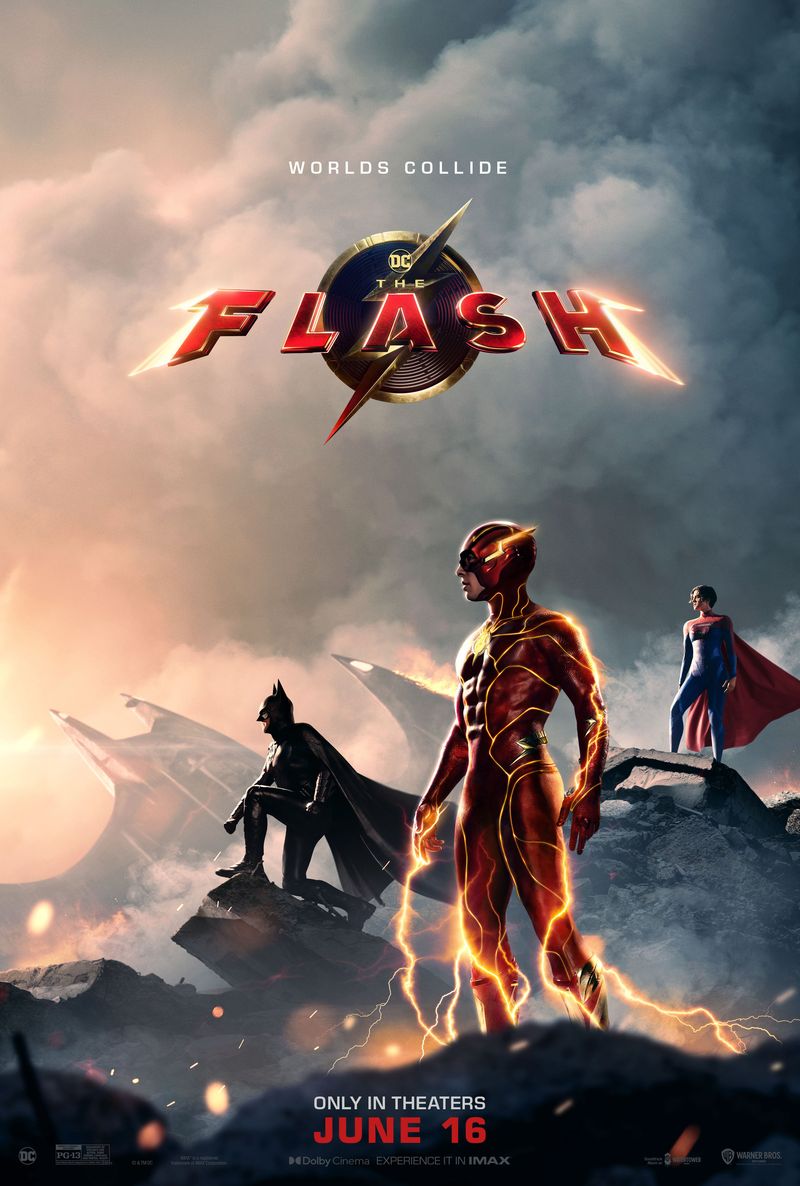
Multiverse storytelling was everywhere in 2023, and The Flash arrived promising one of the most exciting versions of it.
Michael Keaton returning as Batman after 30 years?
Ezra Miller running through alternate timelines?
The concept had fanboys buzzing for months before release.
Off-screen controversies surrounding Ezra Miller had already created a cloud over the film’s reception.
Despite strong early critic screenings — even James Gunn called it one of the greatest superhero movies ever — general audiences simply did not connect with it at the box office.
The film earned around $268 million worldwide against a $200 million-plus budget, making it a significant financial disappointment.
The multiverse magic that worked for Marvel felt harder to sell under DC’s troubled brand at that particular moment in time.
11. Tomorrowland (2015)
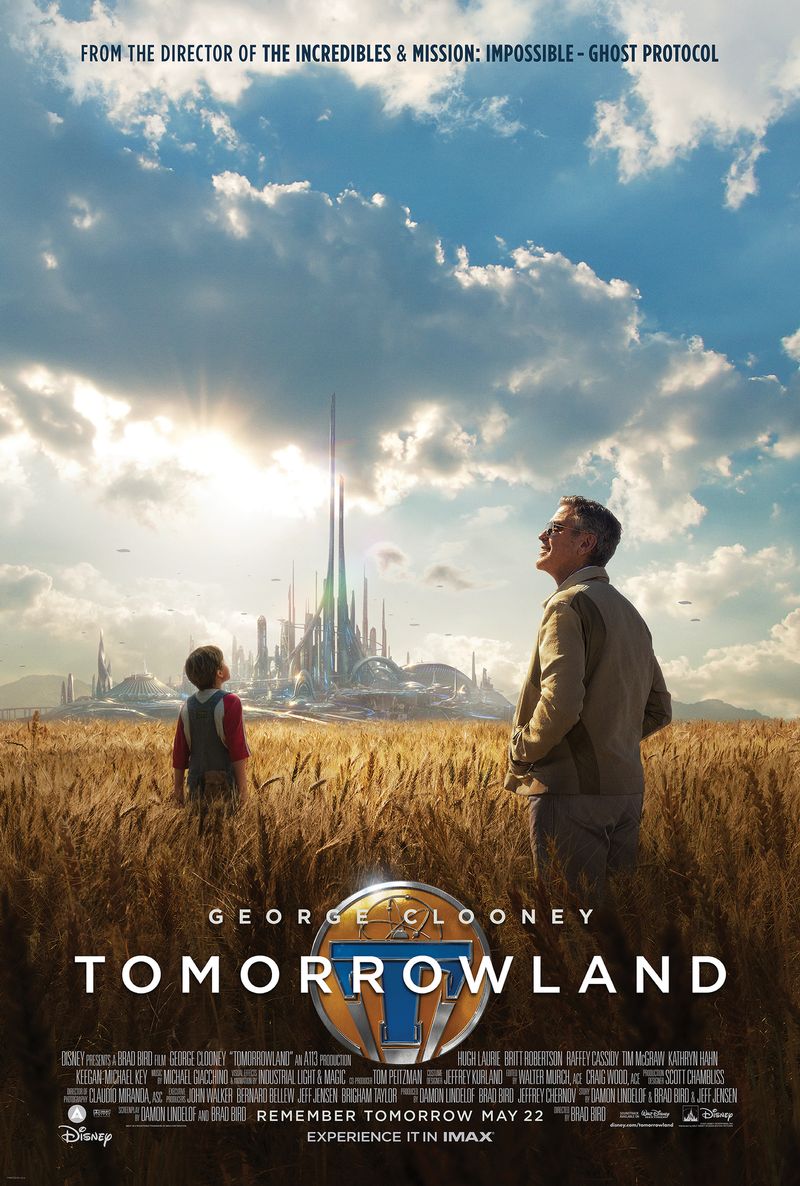
George Clooney, Disney’s full creative support, a $190 million budget, and a wildly original vision of the future — Tomorrowland had all the ingredients of a modern classic.
Director Brad Bird had previously delivered The Incredibles and Mission: Impossible — Ghost Protocol, so trust in his vision was high.
The film opened to a disappointing $33 million domestically, far below projections.
Audiences struggled to connect with its optimistic, idea-driven story in an era when darker, grittier blockbusters dominated multiplexes.
The marketing also had trouble explaining what the movie was actually about.
Disney ultimately lost around $120 million on the project.
Tomorrowland remains a fascinating case of a genuinely ambitious film that simply arrived at the wrong cultural moment.
Original ideas in blockbuster filmmaking carry enormous financial risk.
12. Green Lantern (2011)
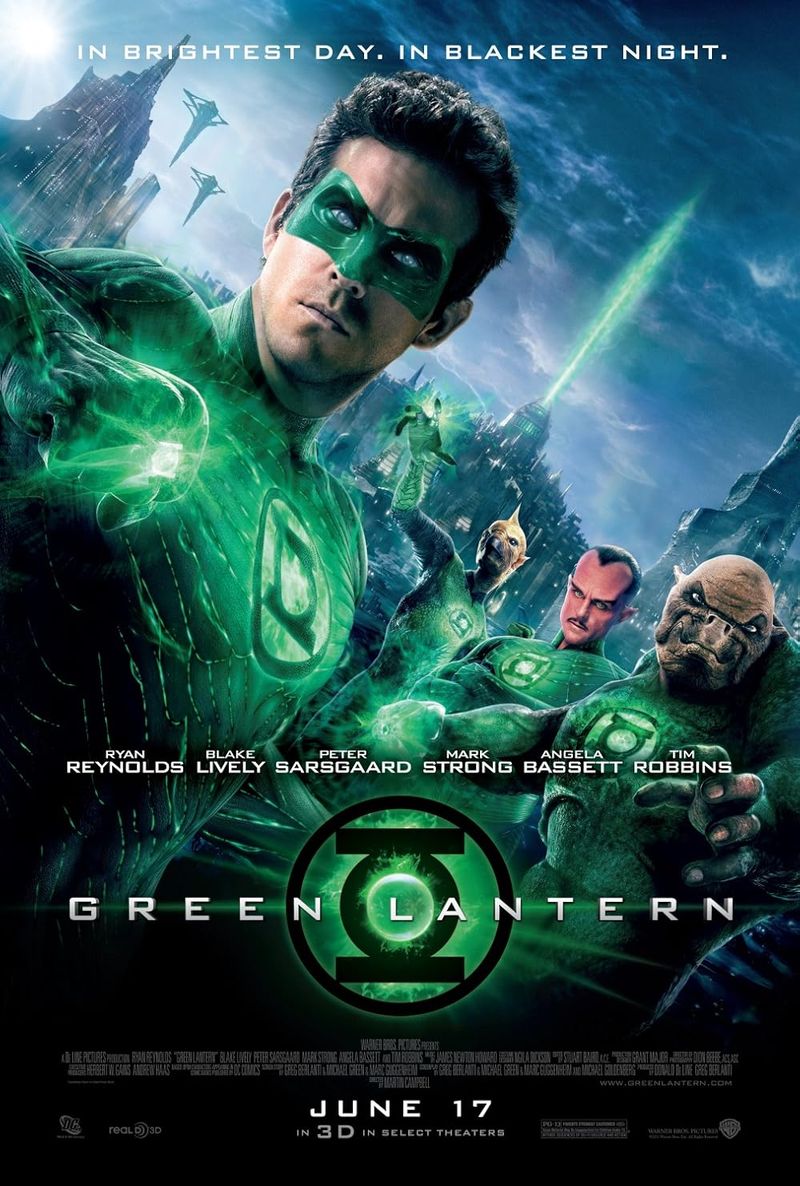
Ryan Reynolds was charming, superhero movies were exploding in popularity, and DC had a colorful cosmic hero with decades of comic history to draw from.
Warner Bros. clearly believed they had a franchise-starter on their hands with Green Lantern.
The CGI-heavy suit, widely mocked from the very first trailer, set the tone for what was coming.
The film arrived feeling overstuffed with exposition and undercooked in actual excitement.
Critics were unkind, and audiences followed their lead, making the opening weekend look respectable but the legs terrible.
The film earned $219 million worldwide against a $200 million budget — a clear loss once marketing costs were included.
Reynolds himself has since roasted the film repeatedly and publicly.
Even the star knows when a movie deserves the jokes aimed at it.
13. Prince of Persia: The Sands of Time (2010)
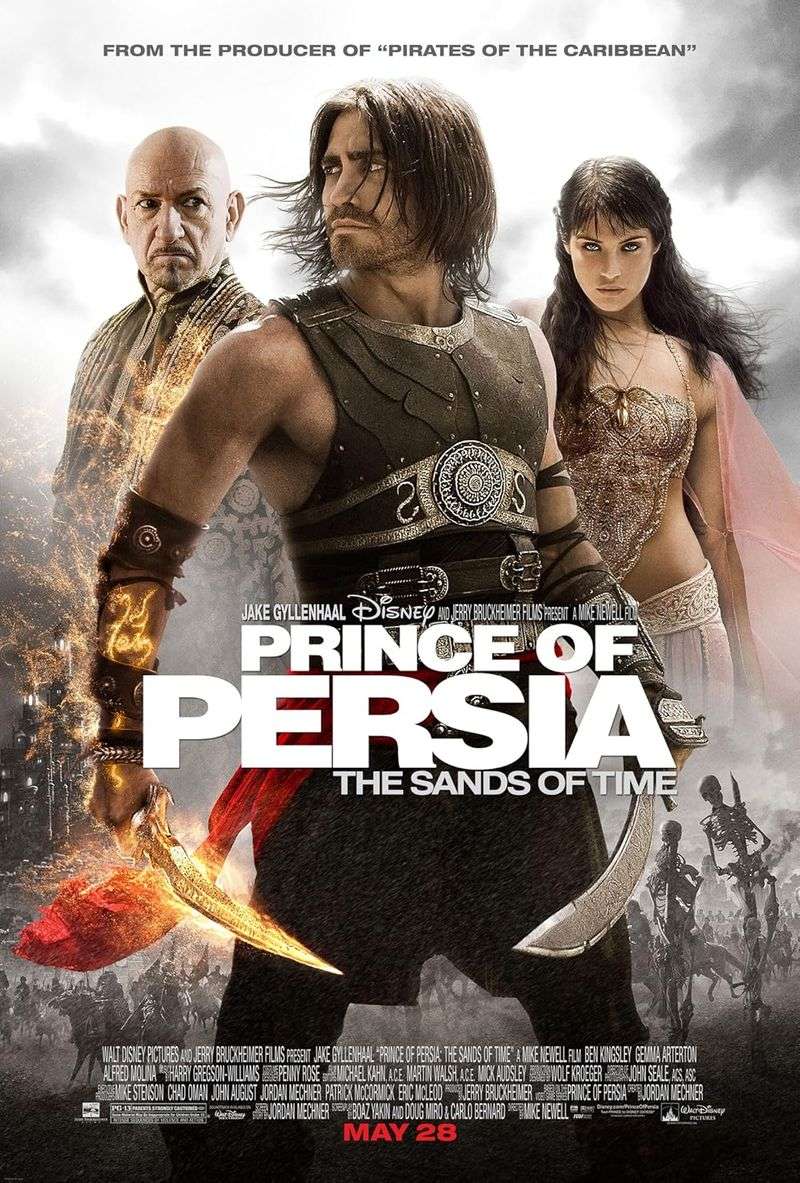
Video game movies had a notoriously rough track record, but Prince of Persia seemed built to break the curse.
Jerry Bruckheimer produced it, Disney distributed it, and Jake Gyllenhaal starred as the acrobatic prince.
The source material was genuinely beloved by millions of gamers worldwide.
The film performed adequately but never sparked the franchise Disney clearly hoped for.
Gyllenhaal’s casting drew criticism from audiences who felt the role should have gone to an actor of Middle Eastern heritage, a conversation that gained momentum after release.
Worldwide earnings of $336 million sound decent until you factor in the massive production and marketing budget.
No sequel was ever greenlit.
Prince of Persia became another example of Hollywood assuming game fans would automatically show up — they didn’t, not in the numbers needed.
14. The Golden Compass (2007)
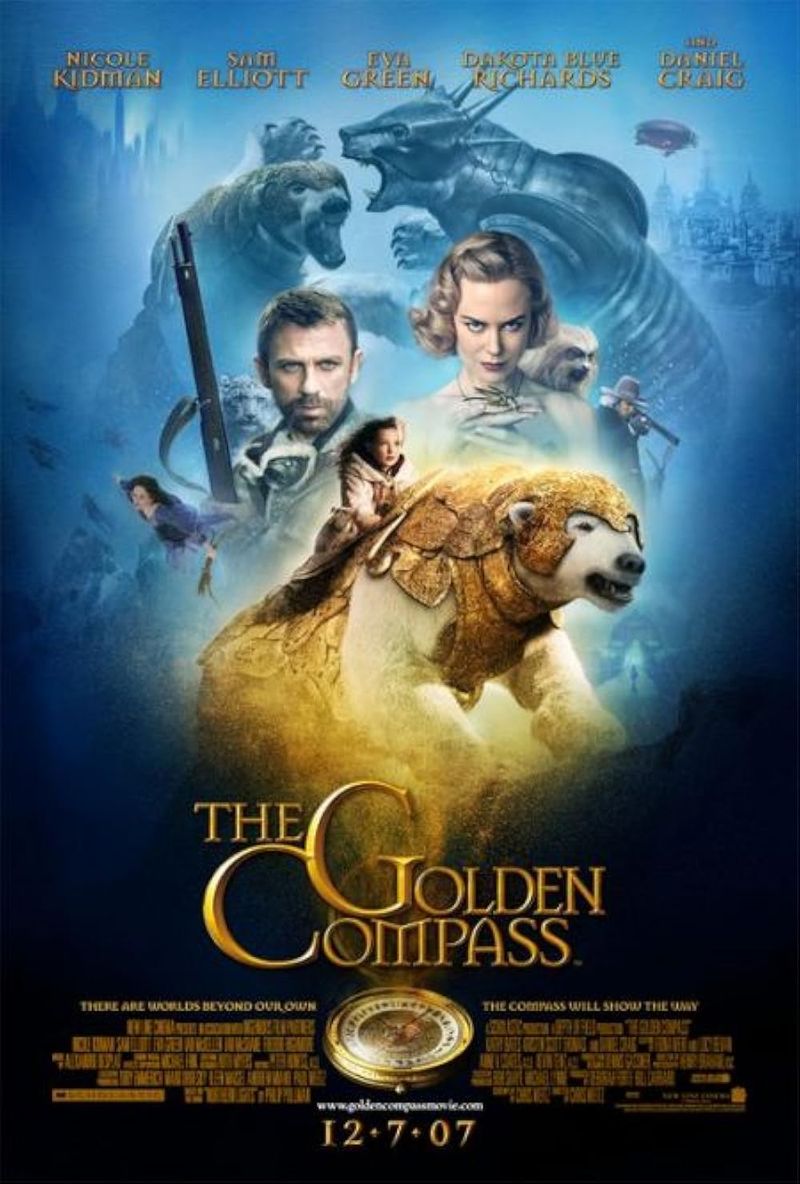
Philip Pullman’s His Dark Materials trilogy was considered the next big fantasy franchise after the Lord of the Rings films rewrote the rules of epic storytelling.
New Line Cinema invested heavily, assembled a prestigious cast including Nicole Kidman and Daniel Craig, and aimed squarely at Harry Potter’s audience.
Religious groups organized boycotts in the United States, significantly dampening domestic enthusiasm.
The film performed better internationally, but the American numbers were too soft to justify the sequels that had already been planned.
Studio interference also reportedly softened the story’s more provocative themes.
New Line Cinema, fresh off the Lord of the Rings triumph, was hoping for another golden franchise.
Instead, The Golden Compass became an expensive lesson in how controversy and cautious storytelling can quietly strangle a promising series before it truly begins.
15. Warcraft (2016)
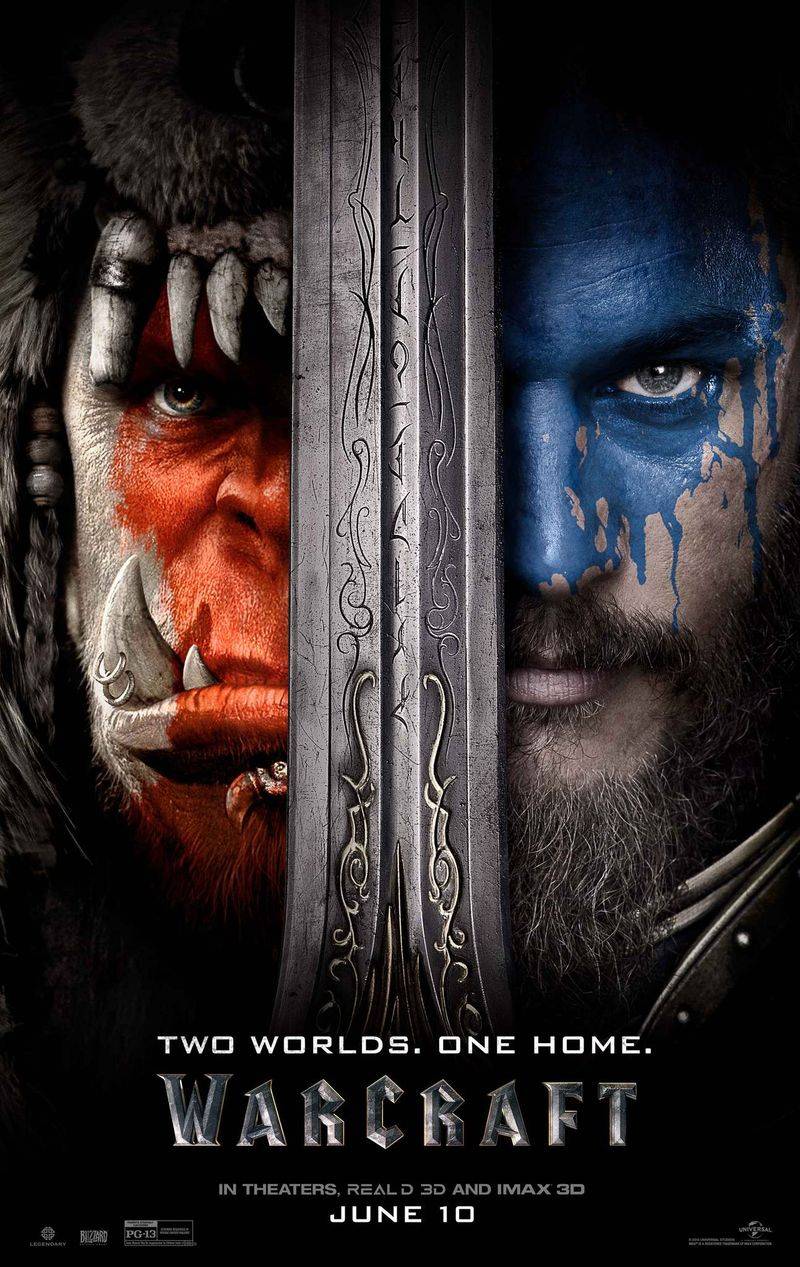
World of Warcraft had over 100 million registered accounts at its peak.
The fanbase was enormous, passionate, and had been waiting years for a proper big-screen adaptation.
Director Duncan Jones brought genuine craft and love for the source material to the project.
The film actually performed remarkably well in China — almost unbelievably so, earning $220 million there alone.
But North American audiences, including many who had never played the game, found the story dense and hard to follow without existing knowledge of the lore.
Total worldwide earnings reached $433 million, which sounds impressive until the $160 million production budget and massive marketing spend are considered.
A sequel never materialized.
Warcraft proved that even the most devoted gaming community cannot carry a film that struggles to welcome newcomers.
16. King Arthur: Legend of the Sword (2017)
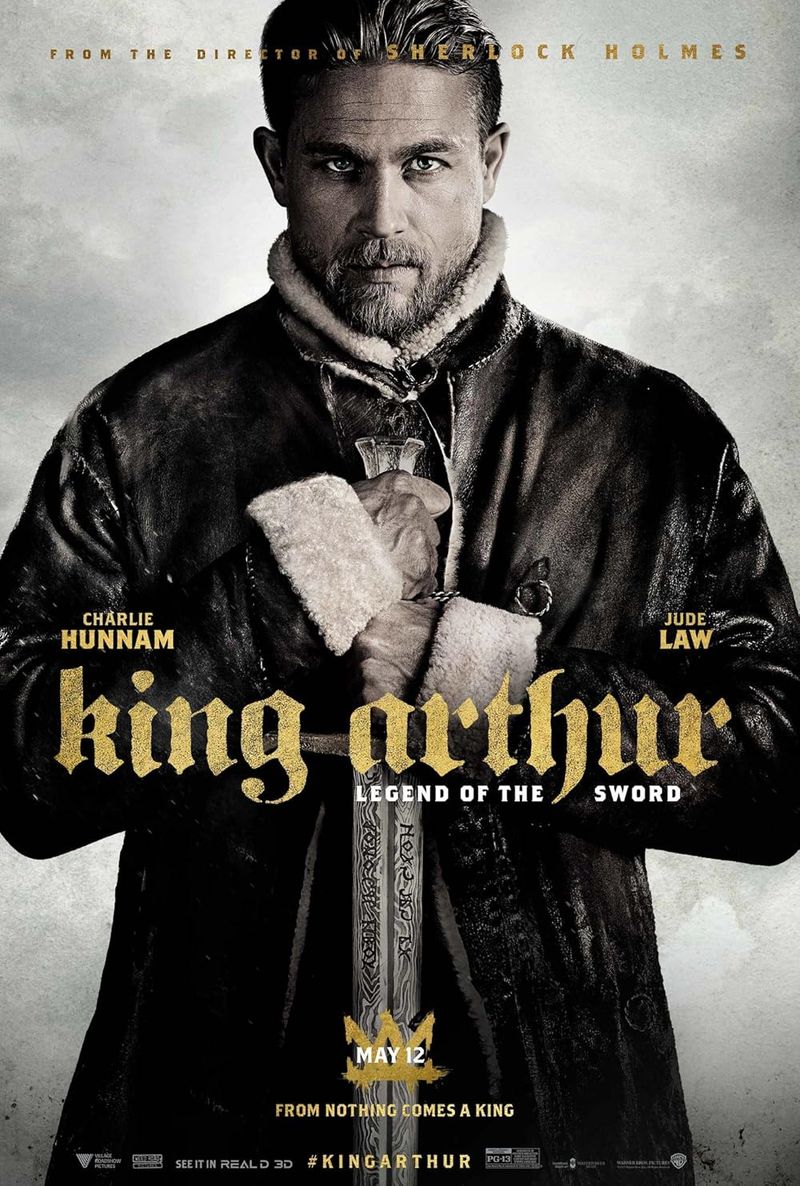
Guy Ritchie directing a King Arthur movie sounds genuinely exciting on paper.
His kinetic, stylish filmmaking approach promised to drag the classic legend into something fresh and modern.
Charlie Hunnam led the cast with swagger, and the trailers were flashy and energetic enough to generate real buzz.
Audiences just weren’t hungry for it.
Warner Bros. had planned an entire six-film franchise around the concept, which in hindsight seems wildly optimistic for an untested property.
The film opened to just $15 million domestically — catastrophically below projections.
Worldwide earnings barely crossed $148 million against a $175 million budget.
Every planned sequel was immediately cancelled.
King Arthur stands as one of the most ambitious franchise launches that never got past its first chapter, a reminder that style cannot substitute for genuine audience demand.