 MomSkoop

Consumer Reports has long advised shoppers to skip extended warranties on most electronics, appliances, and cars. Plenty of other purchases work the same way, using convenience, fear, or a shiny upgrade to nudge your wallet open.
A few dollars here and a monthly fee there can quietly shape a whole year of spending. None of this means you should never treat yourself or buy something nice. It just helps to know which costs tend to deliver less than they promise.
1. Extended Warranties

The cashier smiles, scans your new TV, and asks if you want protection.
That question is where a lot of extra money slips away.
Extended warranties are optional service contracts that kick in after the manufacturer’s warranty ends.
Consumer Reports generally advises against them for most electronics, appliances, and cars, noting they often fail to deliver the value buyers expect.
Surveys show more than half of buyers never use their extended warranty.
Many who do use one end up paying more for the plan than the repair would have cost.
The fine print matters too.
These contracts often exclude accidental damage and normal wear and tear, and some charge service fees or deductibles.
Your product already comes with a manufacturer warranty, and some credit cards add extra coverage on purchases.
Check your card benefits before saying yes at the register.
There are exceptions worth considering.
A less reliable or luxury vehicle with costly engine or transmission parts might justify coverage for some drivers.
A smart alternative is building an emergency fund.
Money you set aside stays yours if nothing breaks, and you can spend it on any repair you choose.
2. Bottled Water

Paying for water feels a little strange once you realize your kitchen faucet offers it on demand.
Yet cases of bottled water fill grocery carts every single week.
In the United States, public tap water is regulated by the Environmental Protection Agency.
Bottled water falls under the Food and Drug Administration, and some brands actually start with municipal tap water.
The math adds up fast.
Buying a case or two every week can cost far more over a year than a decent filter pitcher and a reusable bottle.
Taste is often the real complaint about tap water.
A simple carbon filter pitcher can reduce chlorine flavor and odor, which many people find makes a big difference.
A reusable bottle also cuts down on plastic waste.
Pick one that fits your car cup holder and backpack, or you’ll leave it at home.
There are fair reasons to keep some bottled water around.
Emergency kits, travel, and homes with water quality notices are good examples.
Your local water utility publishes an annual quality report, often called a Consumer Confidence Report.
Reading it takes a few minutes and might save you hundreds of dollars.
3. Designer Clothing

A logo can double the price of a plain white T-shirt.
Whether the shirt lasts twice as long is a separate question.
High prices in fashion often pay for branding, advertising, and store rent.
Fabric and stitching quality can be excellent, but price alone doesn’t guarantee it.
Many luxury and mass-market items come from similar manufacturing regions.
What matters more is the fabric, the construction, and how you care for the piece.
Before buying, check the label for fiber content.
Look at the seams, too, since even, tight stitching usually holds up better than loose threads.
Cost per wear is a handy way to think about clothes.
A pricey coat worn every winter for years may beat a cheap trendy top worn twice.
Secondhand shopping offers another route.
Consignment shops and resale sites let you find well-made pieces without paying full retail.
If designer clothing brings you real joy, that’s a valid choice.
Just make sure you’re paying for something you love wearing, not only for the name stitched on the tag.
Your closet should work for your life, not a billboard.
4. Latest Smartphone Models

Every fall, a new phone arrives with a slightly better camera and a slightly bigger price.
Your current phone, meanwhile, still sends texts just fine.
Yearly upgrades often bring small changes.
Many reviewers point out that year-over-year differences are minor for most everyday tasks like messaging, browsing, and photos.
Phones today also get software support for years.
Apple and Samsung, for example, now promise multiple years of updates on many of their recent models.
Upgrading every two or three years usually gives you a bigger leap in features.
You’ll also skip the steep early pricing that comes with launch day.
A fresh battery can make an older phone feel new again.
Official battery replacements cost far less than buying a whole new device.
Watch out for monthly payment plans that hide the full cost.
Adding up all the payments can be eye-opening.
Trading in or selling your old phone helps, too.
Still, the cheapest phone is often the one already in your pocket.
If your device works, holds a charge, and gets security updates, you may be in great shape.
A new model can wait.
5. Expensive Gym Memberships

January brings a rush of new gym sign-ups.
By spring, plenty of those key cards sit untouched in wallets.
A membership only pays off if you actually go.
A pricey plan with a sauna, juice bar, and fancy classes costs a lot per visit when you show up twice a month.
Try a simple test.
Divide your monthly fee by the number of visits to see what each workout really costs you.
Many gyms offer day passes or free trial weeks.
Use them to learn if a place fits your schedule before signing a long contract.
Read the cancellation terms closely, too.
Some gyms require in-person visits, written notice, or annual fees that surprise members.
Plenty of exercise costs little or nothing.
Walking, running, bodyweight workouts, park trails, and free online videos all count.
Community centers and local recreation programs often charge less than private clubs.
Some health insurance plans and employers also offer gym discounts.
If you love your gym and go often, that membership may be money well spent.
The goal is to pay for workouts you’ll truly do, not for the person you hope to become someday.
6. Premium Cable TV Packages

Hundreds of channels sound impressive until you notice you watch about six.
That gap between offered and watched is where premium cable gets expensive.
Cable bundles often pack in channels you never asked for.
Add equipment rental fees, regional sports fees, and broadcast fees, and the final bill can climb well past the advertised price.
Start by checking which channels you actually watch in a typical week.
Then compare that list to cheaper cable tiers or live TV streaming services.
Many local channels are free with a digital antenna.
Depending on where you live, that can cover news, network shows, and some big sports games.
Calling your provider can help too.
Asking about lower packages or promotional rates sometimes leads to a smaller bill.
Promotional prices usually expire, often after a year.
Set a reminder so the jump doesn’t sneak up on you.
Some households have good reasons to keep cable, like specific sports or reliable service in areas with weak internet.
If that’s you, keep it with confidence.
For others, trimming the package frees up money without losing the shows that matter most at home.
7. Brand-Name Medications

Two boxes of pain reliever sit side by side on the pharmacy shelf.
The active ingredient is identical, yet one costs noticeably more.
According to the U.S.
Food and Drug Administration, generic drugs must contain the same active ingredient as the brand-name version.
They also need the same strength, dosage form, and route of administration.
Store-brand allergy pills, pain relievers, and antacids are easy places to save.
Compare the active ingredients listed on the back of the box.
For prescriptions, ask your doctor or pharmacist whether a generic option exists.
Many insurance plans charge lower copays for generics too.
Some people do need a specific brand.
A rare allergy to an inactive ingredient or a doctor’s specific instruction are good reasons to stick with it.
Never switch a prescription on your own without talking to a health professional.
Pharmacists are a great free resource for questions like this.
In many cases, the cheaper box does the same job.
8. Luxury Skincare Products
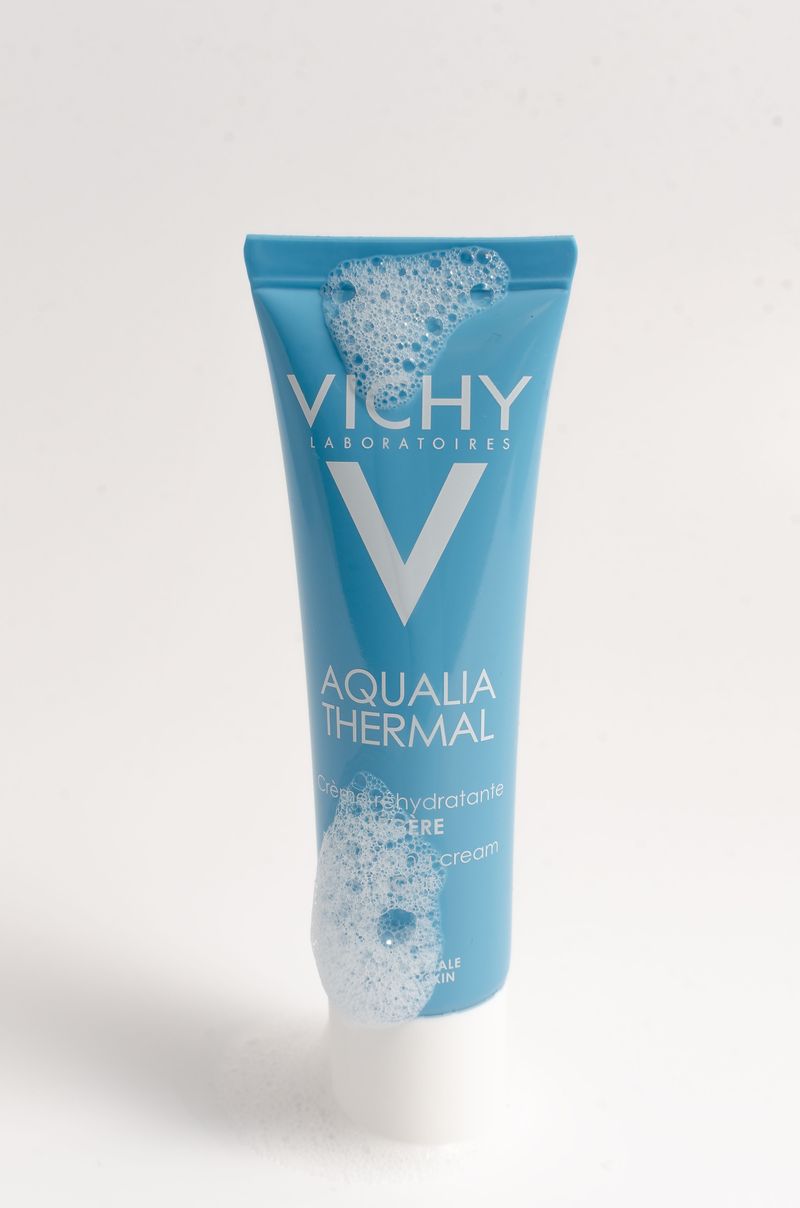
A tiny jar of face cream can cost more than a week of groceries.
Heavy glass and gold lids look lovely, but your skin doesn’t feel the packaging.
Dermatologists often say ingredients matter more than price.
Many affordable products contain well-studied ingredients like ceramides, hyaluronic acid, niacinamide, and sunscreen filters.
The American Academy of Dermatology recommends daily broad-spectrum sunscreen with SPF 30 or higher.
That simple step costs far less than many luxury serums.
Fragrance can add to the price and may irritate sensitive skin.
Reading the ingredient list helps you spot what you’re really paying for.
A basic routine often covers the essentials.
Cleanser, moisturizer, and sunscreen make a solid starting point for many people.
Patch test new products on a small area first.
Skin reacts differently from person to person, no matter the price.
If you have ongoing skin concerns, a dermatologist can offer advice suited to you.
That visit may save money compared with buying product after product.
Love the feel of a fancy cream?
Enjoy it, but know that a modest drugstore tube might handle the main job just as well.
9. Single-Use Kitchen Gadgets
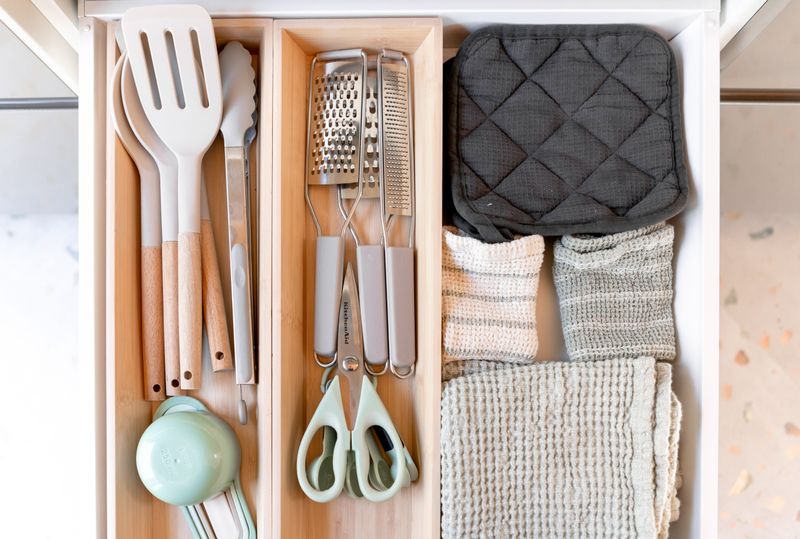
Somewhere in a kitchen drawer, an avocado slicer waits for its big moment.
A regular knife and spoon already handle that job.
Single-use gadgets are tempting because they look clever in videos.
Once home, many end up buried behind spatulas or stored in a cabinet for years.
Bulky appliances raise the same issue.
Bread makers, quesadilla makers, and specialty fryers take up counter space you may need for daily cooking.
Before buying, ask how often you’ll truly use it.
Weekly use might justify the space, while yearly use probably doesn’t.
Multi-purpose tools often win.
A sharp chef’s knife, a sturdy cutting board, a sheet pan, and a good skillet cover a huge range of recipes.
Borrowing works well for rare tasks.
A neighbor’s stand mixer or a friend’s pasta roller can cover a holiday baking project.
Some gadgets earn their place for certain cooks.
If you make waffles every weekend, that waffle iron is pulling its weight.
Give your kitchen a quick checkup.
Donate the tools you haven’t touched in a year, and enjoy all that recovered drawer space.
10. Lottery Tickets
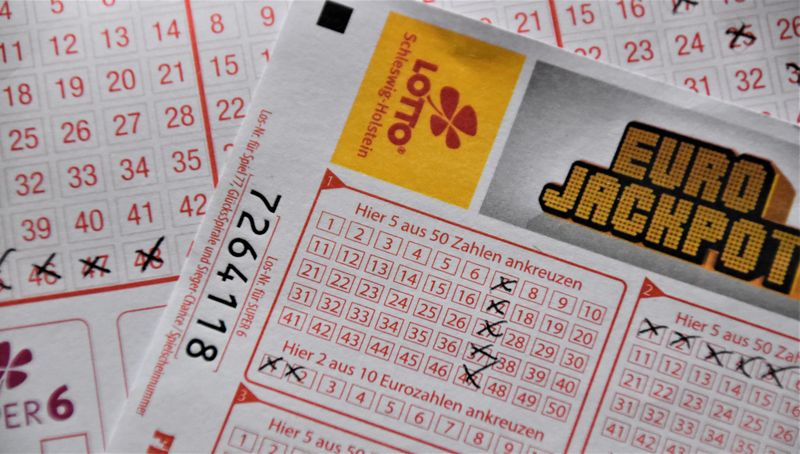
Your chances of hitting the Powerball jackpot are about 1 in 292.2 million, according to Powerball’s official odds.
Those numbers are hard to picture.
You are far more likely to never see a big prize than to win one.
A ticket here and there may feel like cheap fun.
The trouble comes when weekly purchases become a habit that adds up over months and years.
Try tracking what you spend on tickets for one month.
Multiply that by twelve, and the yearly total may surprise you.
Lotteries are designed so the state collects more than it pays out.
That’s how they fund programs, which means players as a group lose money over time.
If buying a ticket is pure entertainment, set a small budget and stick to it.
Treat the money like a movie ticket, not an investment.
Moving that same amount into a savings account gives you a guaranteed result.
It won’t buy a yacht, but it will steadily grow your cushion.
If gambling ever feels hard to control, free help lines are available.
11. Trendy Home Decor

Last year’s must-buy vase can look dated by the next season.
Home trends move quickly, and chasing them can drain a decorating budget.
Social media speeds up the cycle.
A look that fills feeds in one season may feel tired the next, leaving a cart full of items you no longer want.
Big purchases deserve extra caution.
Sofas, rugs, and dining tables cost a lot, so choosing styles you truly like usually beats choosing what’s popular.
Small accents are an easier place to play.
Throw pillow covers, candles, and prints let you try a trend without a big commitment.
Shopping your own home is free.
Moving lamps, art, and plants to new rooms can make a space feel fresh.
Thrift stores, estate sales, and online marketplaces often have solid furniture at lower prices.
Paint and new hardware can update older pieces nicely.
Wait a few weeks before buying something trendy.
If you still want it after the hype fades, it’s probably a real match for your taste.
Your home should reflect your life and the things you love, not a short-lived catalog.
12. Expensive Coffee Shop Drinks

A daily latte habit rarely feels expensive in the moment.
Add it up over a year, and the total can reach hundreds or even thousands of dollars.
Specialty drinks with syrups, extra shots, and cold foam often cost more than basic coffee.
Tips and app fees can push the price higher still.
Here’s a quick way to check.
Multiply your usual order by how many times you buy it each week, then by 52.
Brewing at home costs far less per cup.
A simple drip machine, French press, or pour-over setup can make good coffee without much effort.
Cold brew is especially easy at home.
Coarse grounds steeped in cold water overnight make a smooth batch for several days.
You don’t have to give up the coffee shop entirely.
Many people keep one favorite visit a week as a planned treat.
Loyalty apps and rewards programs can trim costs if you go often.
Just watch that the points don’t nudge you into extra visits.
The best coffee plan is the one that fits your budget and still makes your mornings feel good.
Small swaps can make a noticeable difference.
13. Subscription Boxes

A surprise box on your doorstep every month sounds delightful.
Then you open it and find a fourth lip balm you didn’t need.
Subscription boxes cover snacks, beauty products, clothing, books, pet treats, and more.
Their appeal comes from surprise and convenience.
The catch is that you don’t always choose what arrives.
Some items may go unused, which lowers the real value of each box.
Many boxes advertise a retail value higher than the price.
That number doesn’t help much if you wouldn’t have bought those products anyway.
Look at your recent boxes honestly.
Count what you used and what’s still sitting in a drawer or closet.
Some services let you skip months or pick your items.
Those options can make a subscription far more useful.
Auto-renewal is the other trap.
The Federal Trade Commission has taken action against companies that make canceling difficult, so keep track of your sign-up dates and cancellation steps.
Meal kits and pet food deliveries can genuinely save time for busy households.
Keep the boxes that solve real problems, and cancel the ones that mainly add clutter.
14. Premium Gasoline
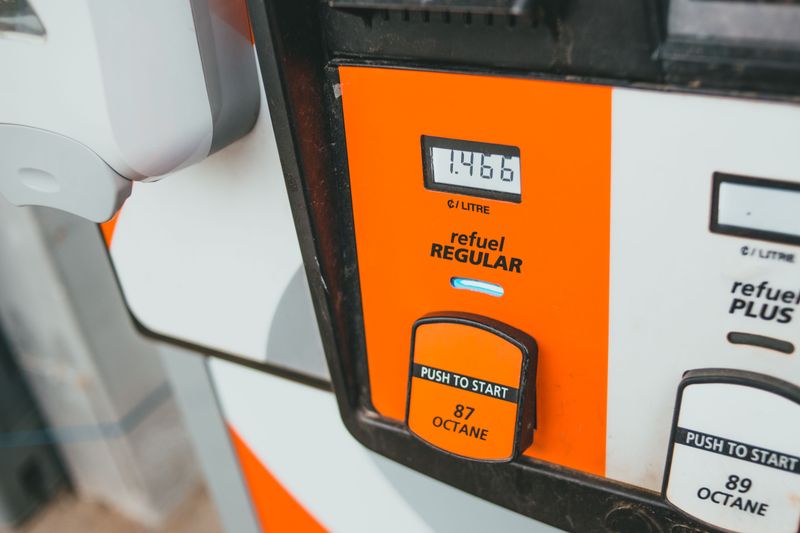
That premium button at the pump costs more for a reason, but not always a reason your car cares about.
Octane ratings measure resistance to engine knock, not extra power for every engine.
The Federal Trade Commission advises drivers to use the octane level listed in their owner’s manual.
For most cars that call for regular, premium offers no real benefit.
AAA research found that drivers in the United States spent billions of dollars on premium fuel their vehicles didn’t need.
That’s a lot of money spent on peace of mind alone.
Some vehicles do require premium.
High-performance and many luxury engines are designed for higher octane, and skipping it could affect performance.
There’s also a difference between required and recommended.
If your manual only recommends premium, regular may be acceptable, though performance might change slightly.
Check the manual or the label inside the fuel door.
That small step answers the question for your specific car.
Regular maintenance, proper tire pressure, and smooth driving usually help fuel economy more than a pricier grade.
Save the difference and put it toward your next oil change.
15. Overpriced Phone Accessories
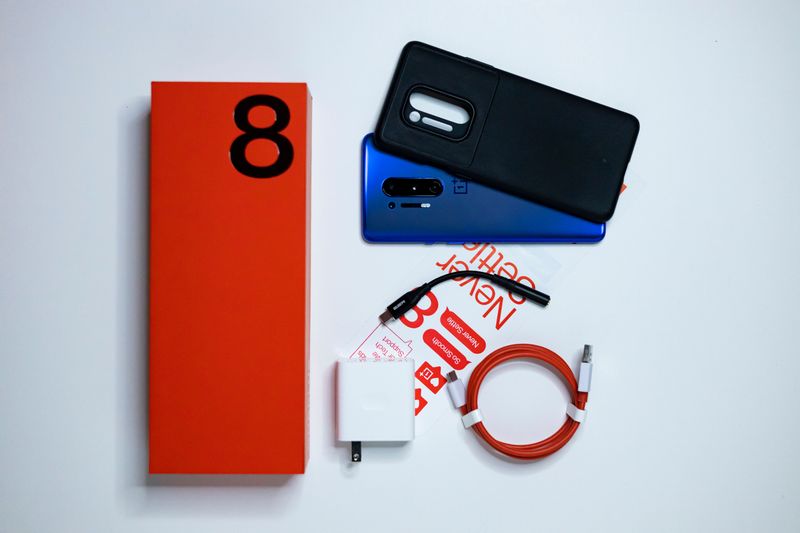
Stores love to place pricey cables right next to the phones.
A charging cord can cost a surprising amount for a few feet of wire.
Affordable chargers, cases, and cables can work just as well, as long as they meet proper safety and compatibility standards.
Look for certifications such as UL listing on chargers.
Apple runs a program called MFi, short for Made for iPhone, for licensed accessories.
Choosing certified options helps avoid compatibility problems.
USB-C has made shopping simpler for many phones.
Still, cable quality and power ratings vary, so check the specs for the charging speed you want.
Very cheap, uncertified chargers carry real risks.
Poorly made products can overheat or damage your device.
The sweet spot is usually a reputable mid-priced brand.
Reading reviews from trusted tech sites can help you find it.
Cases follow a similar rule.
A sturdy, well-reviewed case doesn’t need a designer price to protect your phone from everyday drops.
Before buying, check what’s already in your junk drawer.
You might already own a working cable that just needed rescuing from that tangle.
16. Unused Streaming Subscriptions
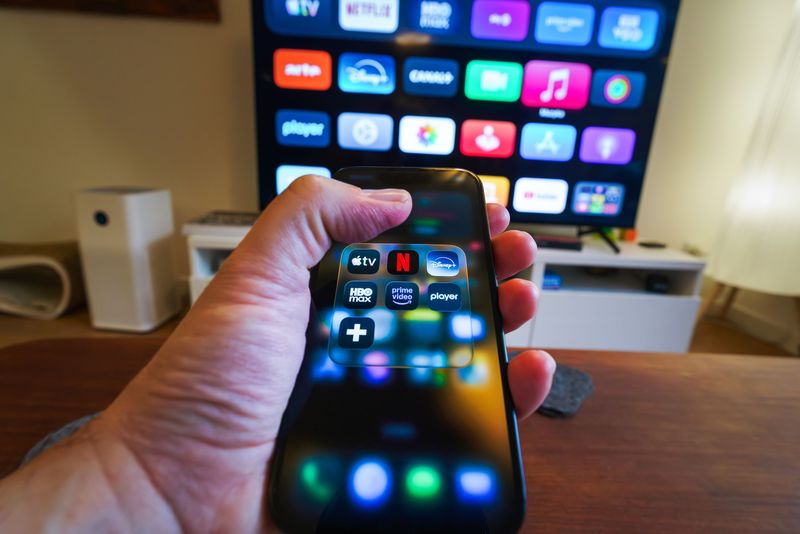
Streaming once promised cheaper TV than cable.
Stack enough services together, and the monthly total can start looking familiar.
Many services have raised prices in recent years.
Ad-free tiers often cost noticeably more than plans with commercials.
Small monthly charges are easy to overlook.
A service you signed up for to watch one show can keep billing you long after the finale.
Look through your bank or credit card statements for recurring charges.
App store subscription settings can also show what you’re paying for.
Rotating services works well for many viewers.
Subscribe for a month or two, binge what you want, then cancel and switch to another.
Bundles can lower costs if you’d use every service in them.
Some phone and internet plans also include streaming perks you may already have.
Free options exist too.
Many public libraries offer free streaming through apps like Kanopy or Hoopla, depending on your library.
Ad-supported free services also carry plenty of movies and shows.
Keeping only the subscriptions you actually watch means your entertainment budget finally matches your watch history.