 MomSkoop

Ever notice how some people just have it together? Their homes are tidy, their schedules run smoothly, and they never seem frazzled or overwhelmed.
The secret isn’t magic or endless free time—it’s a handful of small, consistent habits that keep chaos at bay. These subtle routines help them stay organized, focused, and calm, no matter what life throws their way.
1. They Reset Their Space Daily

A quick five-minute tidy at the end of each day works wonders.
Instead of letting dishes pile up or mail scatter across counters, put-together people take a few moments to restore order.
This isn’t about deep cleaning or perfection.
It’s simply returning items to their homes and clearing surfaces so tomorrow starts fresh.
When you wake up to a clean kitchen or an organized desk, you feel more in control.
Small resets prevent the overwhelming mess that requires hours to tackle later.
Think of it as hitting refresh on your environment—simple, fast, and incredibly effective for maintaining peace of mind throughout the week.
2. They Plan Tomorrow the Night Before

Mornings run smoother when decisions are already made.
Choosing your outfit, packing your bag, and listing your top priorities the evening before eliminates rushed, stressful moments when you’re half-awake.
This habit saves mental energy for more important tasks.
Instead of standing in front of your closet wondering what to wear, you’re already dressed and ready to go.
Planning ahead also helps you spot potential problems early.
Forgot to charge your laptop?
Need to print something?
Evening prep gives you time to handle it calmly instead of scrambling at the last minute, making your entire day feel more intentional and organized.
3. They Keep Fewer, Better Things

Quality beats quantity every time.
People who seem effortlessly organized don’t own tons of stuff—they keep what they truly use and love, letting go of the rest.
Fewer possessions mean less to clean, store, and manage.
When every item has a purpose, maintaining order becomes surprisingly easy.
This minimalist mindset also reduces decision fatigue.
With a streamlined wardrobe or kitchen, you spend less time sorting through clutter and more time enjoying what you have.
It’s not about deprivation; it’s about intentional choices that make daily life simpler, lighter, and far more manageable without constant upkeep or overwhelming storage challenges.
4. They Put Things Back Immediately

The “I’ll do it later” approach creates piles that grow into chaos.
Instead, organized people return items to their designated spots right after using them.
Scissors go back in the drawer.
Shoes return to the closet.
Keys land on the hook by the door, not tossed randomly on the counter.
This one small action prevents the accumulation of clutter that eventually demands a major cleanup session.
It takes only seconds but saves hours of frustration down the road.
When everything has a home and returns there consistently, your space stays functional and peaceful without requiring constant marathon organizing efforts that drain your energy and time.
5. They Use Simple Systems, Not Complicated Ones
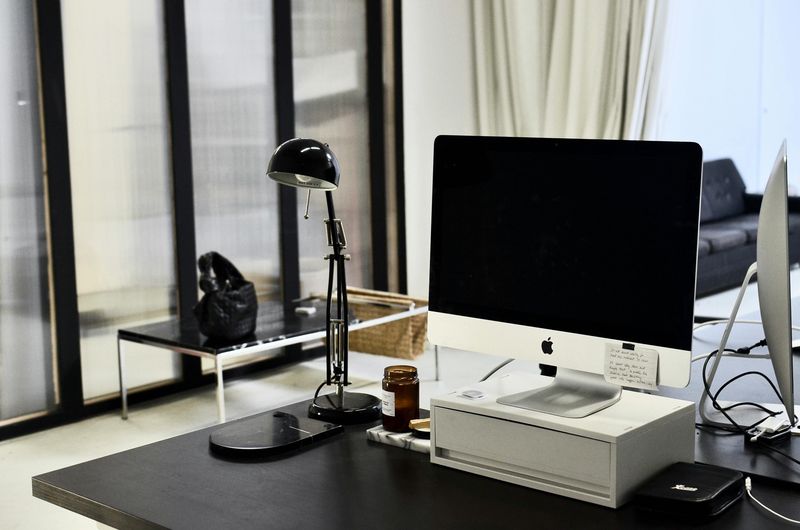
Fancy organizing products and elaborate color-coded systems sound great in theory.
In reality, they often fail because they’re too complicated to maintain consistently.
Put-together people choose practical solutions that actually fit their lifestyle.
A single inbox for mail.
One calendar for all appointments.
Basic bins instead of intricate filing systems.
Simplicity wins because it’s sustainable.
When your organizational method is easy to follow, you’ll actually use it every day instead of abandoning it after a week.
The goal isn’t perfection or Pinterest-worthy aesthetics—it’s creating routines that genuinely work for you without requiring excessive effort or constant adjustments to keep running smoothly.
6. They Calendar Everything Important

Appointments, deadlines, social plans, even self-care time—it all goes in one central calendar.
This prevents double-booking, forgotten commitments, and that panicked feeling when you suddenly remember something crucial.
Whether digital or paper, having a single source of truth keeps life manageable.
You can see what’s coming and prepare accordingly instead of being constantly surprised.
Calendaring also helps with saying no. When you visually see how full your week already is, it’s easier to protect your time and energy by declining additional commitments that would push you into overwhelm.
Everything important deserves a spot on your schedule, including rest.
7. They Write Things Down

Trying to remember everything mentally creates unnecessary stress.
Your brain wasn’t designed to be a filing cabinet—it’s meant for thinking, creating, and problem-solving.
Writing things down frees up mental space.
Grocery lists, project ideas, random thoughts that pop up at midnight—capture them externally instead of cluttering your mind.
This habit reduces anxiety because you’re not constantly worried about forgetting something important.
Whether you prefer notebooks, apps, or sticky notes doesn’t matter.
What counts is having a reliable system outside your head where information lives safely until you need it, allowing your mind to focus on what truly requires your attention right now.
8. They Batch Similar Tasks

Switching between different types of activities drains energy and wastes time.
Smart people group similar tasks together—answering all emails at once, running multiple errands in one trip, or doing all phone calls back-to-back.
Batching creates efficiency because you’re already in the right mindset.
You’re not constantly shifting gears, which preserves mental energy for other priorities.
This approach also reveals how much time certain activities actually take.
When you batch emails, you might discover you only need thirty minutes instead of checking constantly throughout the day.
Grouping tasks helps you work smarter, not harder, giving you more free time without sacrificing productivity or quality.
9. They Maintain a Consistent Routine

Predictable daily rhythms eliminate decision fatigue.
When you wake up, exercise, eat, and sleep around the same times, your body and mind know what to expect.
Routines create structure without requiring conscious effort.
You don’t waste energy deciding when to do basic tasks—they happen automatically at designated times.
This doesn’t mean rigidity or boring repetition.
It means building a foundation that supports your goals and well-being.
Morning routines set a positive tone.
Evening routines promote better sleep.
Consistent patterns make life feel calmer and more manageable, even when unexpected challenges arise, because your core structure remains stable and reliable throughout changing circumstances.
10. They Do Small Cleanups Instead of Big Ones

Marathon cleaning sessions are exhausting and easy to procrastinate.
Put-together people prevent that need entirely by doing quick maintenance throughout the week.
Wipe the counter after cooking.
Put away laundry immediately after folding.
Spend two minutes tidying the bathroom after your shower.
These tiny actions take almost no time individually but collectively keep your home consistently pleasant.
You never face that overwhelming disaster that requires an entire Saturday to fix.
Maintenance beats marathon every time because it’s sustainable, manageable, and keeps your environment functional without the stress of massive cleanup projects that feel impossible to start or finish completely.
11. They Know Where Essentials Live

How much time do you waste searching for your keys, phone charger, or wallet?
People who seem put together never hunt for these items because they always return to the same designated spot.
This habit eliminates frustrating searches and the panic of running late because you can’t find something crucial.
Create permanent homes for your most-used items.
Keys on a hook by the door.
Chargers in a specific drawer.
Wallet in the same pocket of your bag.
When every essential has a consistent location, you save countless minutes daily and reduce stress significantly.
This simple practice transforms chaotic mornings into smooth departures without frantic scrambling.
12. They Edit Commitments Regularly

Saying yes to everything leads to burnout and scattered energy.
Organized people protect their time by regularly evaluating their commitments and cutting what no longer serves them.
That committee you joined two years ago?
The subscription you never use?
The obligation that drains rather than energizes you?
It’s okay to let these go.
Editing your life isn’t selfish—it’s essential.
When you focus on what truly matters, you have the bandwidth to do those things well.
Quality beats quantity in commitments just like possessions.
Learning to say no creates space for what deserves your precious time and attention, keeping your schedule manageable and meaningful.
13. They Dress with Intention

A capsule wardrobe of versatile basics eliminates the daily stress of figuring out what to wear.
When everything coordinates and fits well, getting dressed takes minutes instead of creating morning chaos.
This isn’t about fashion rules or trends.
It’s about knowing your style and keeping pieces that genuinely work for your lifestyle.
Fewer choices actually increase satisfaction because you’re not overwhelmed by options.
Every item in your closet should fit, flatter, and serve multiple purposes.
This intentional approach to clothing reduces decision fatigue, saves money on impulse purchases, and ensures you always look polished without the exhausting effort of complicated outfit planning each morning.
14. They Close Open Loops Quickly

Unfinished tasks create mental clutter.
That email you need to send, the form requiring your signature, the call you’ve been putting off—these open loops drain energy even when you’re not actively thinking about them.
Put-together people handle small tasks immediately instead of letting them accumulate into overwhelming to-do lists.
If something takes less than five minutes, do it now.
Respond to that text.
File that document.
Make that quick phone call.
Closing loops promptly prevents them from becoming stressors that weigh on your mind.
You’ll feel lighter and more in control when loose ends are handled efficiently instead of lingering indefinitely in the background.
15. They Review Their Week Regularly

A brief weekly check-in prevents small issues from becoming major problems.
Spending fifteen minutes reviewing your calendar, priorities, and progress helps you adjust course before things spiral out of control.
This reflection time lets you spot potential conflicts, prepare for busy periods, and celebrate wins from the past week.
Many people do this Sunday evening or Friday afternoon.
The specific timing matters less than the consistency.
Regular reviews create awareness and intentionality instead of just reacting to whatever comes your way.
You’re driving your life rather than being driven by it, making adjustments proactively instead of scrambling to fix preventable problems after they’ve already created unnecessary stress.
16. They Prioritize Clarity Over Busyness

Being put together isn’t about cramming more into your schedule.
It’s about clarity—knowing what matters and focusing your energy there while letting go of the rest.
Busy people rush from task to task feeling overwhelmed.
Organized people move through their days with purpose because they’ve identified their true priorities.
This means sometimes doing less, not more.
It means choosing quality over quantity in every area of life.
When you’re clear on your goals and values, decisions become easier and life feels more manageable.
The most put-together people aren’t the busiest—they’re the ones who know exactly what deserves their attention and confidently ignore everything else without guilt or second-guessing.