 MomSkoop

Embarrassment can make a small moment feel much bigger than it really is. Many experiences people try to hide are shared by millions of others.
Understanding what is normal can quiet shame, build confidence, and help us treat ourselves with more kindness.
1. Making a Mistake in Public

Few moments feel longer than saying the wrong thing in a quiet room.
Yet everyone mixes up names, forgets facts, or trips over words sometimes.
Most people notice far less than you imagine.
Take a breath, correct yourself simply, and keep going.
Avoid replaying the scene all day.
If an apology is needed, offer one without insulting yourself.
A small mistake shows you are human, not careless, foolish, or unworthy of respect from anyone else.
2. Crying in Front of Others

Tears can arrive during an argument, a movie, or even a stressful school meeting.
Crying is one way the body releases pressure, and it does not prove weakness.
People of every age and personality cry.
If tears come, pause somewhere safe and breathe slowly.
You can explain that you need a minute without sharing every detail.
Drinking water and naming your feeling may help.
Seek support when sadness lasts or begins affecting daily life deeply.
3. Asking Someone for Help

Needing help can bruise your pride, especially when others seem confident.
Behind the scenes, however, capable people ask questions, borrow tools, and lean on friends.
Support is how humans learn and solve hard problems.
Start with a clear request, such as asking for one explanation or practical favor.
Choose someone trustworthy, and thank them plainly.
Offering help later can create balance, but you do not owe perfection.
Reaching out is often brave, efficient, and wise.
4. Unexpected Body Noises

A stomach growl can sound like thunder when the room goes silent.
Burps, hiccups, sneezes, and bathroom sounds happen because bodies move air, food, and muscles.
Nobody controls every noise perfectly.
A quick excuse is enough if someone notices.
Eating slowly, staying hydrated, and learning which foods upset your stomach may reduce surprises.
Persistent pain or unusual changes deserve medical advice.
Otherwise, laugh lightly and move on, because the awkward sound will soon be forgotten.
5. Blushing or Sweating

Your face suddenly turns red, and now you think everyone is watching.
Blushing and sweating are automatic body responses to heat, nerves, exercise, or attention.
They often feel more obvious to you than to others.
Wear breathable clothes, sip water, and cool your wrists when possible.
Slow breathing can settle a racing stress response.
Never shame someone for visible nerves.
If heavy sweating interferes with normal activities, a doctor can suggest safe and useful treatments.
6. Forgetting a Person’s Name

Names sometimes vanish seconds after an introduction, as if your brain misplaced a note.
Distraction, nerves, and limited attention often cause the slip; it does not mean you are rude or uncaring.
Try repeating the name aloud and linking it to one detail.
If you forget, say so politely and ask again.
Most people prefer honest interest over clever guessing.
Write names down after events when appropriate.
Memory grows through practice, not through silent self criticism.
7. Feeling Lonely Around People

A crowded lunchroom can still feel lonely when no conversation feels real.
Loneliness is a common signal that you want connection, not proof that nobody likes you.
Even popular people experience it.
Make one small move, like texting a friend or joining a shared activity.
Regular contact often works better than waiting for a perfect bond.
Be patient while relationships grow.
If isolation brings lasting hopelessness, tell a trusted adult, counselor, or health professional soon.
8. Struggling With Money

An empty wallet can carry a surprising amount of shame.
Job changes, rising costs, family needs, and simple mistakes can leave anyone short on money.
Financial struggle is a situation, not a measure of character.
Look at your numbers without insults, then list urgent bills first.
Ask providers about payment plans and seek trusted free advice.
Avoid comparing your life with polished posts online.
Small steps, including saving a little, can rebuild control over time.
9. Not Knowing the Answer

Blank stares happen when a topic flies over your head.
Nobody knows every word, skill, place, or fact, although some people act as if they do.
Admitting confusion makes learning possible.
Say, I have not learned that yet, or ask for a simple example.
Listen closely and take notes instead of pretending.
Curiosity usually leaves a stronger impression than fake confidence.
When someone mocks a fair question, their behavior reveals more about them than you.
10. Getting Mental Health Support

Therapy is not only for a person in crisis.
Stress, grief, worry, anger, and confusing changes are all valid reasons to seek support.
A counselor offers tools and a private place to talk.
Finding the right helper may take more than one try.
Ask about cost, privacy, and what sessions involve.
If family or friends judge you, remember that caring for your mind is ordinary health care.
Immediate danger requires urgent local emergency help now.
11. Living With Your Parents as an Adult

Home may still be your childhood bedroom while friends post apartment keys online.
High rent, school, caregiving, cultural traditions, or job changes lead many adults to live with family.
Respect grows from clear agreements.
Discuss chores, costs, guests, privacy, and future plans before tension builds.
Contribute in ways you can, while saving or working toward your goals.
Independence has many forms, and an address alone does not define maturity, effort, or personal success in life.
12. Being Single

Another wedding invitation may make single life feel like a waiting room.
It is not.
People stay single by choice, circumstance, healing, or simple timing, and each reason is ordinary.
Build routines, friendships, and plans that matter now instead of postponing joy.
Set a calm boundary when relatives push for answers.
A relationship can add happiness, but it cannot supply your full worth.
Being unpartnered says nothing bad about your looks, kindness, or future chances.
13. Enjoying Childlike Hobbies
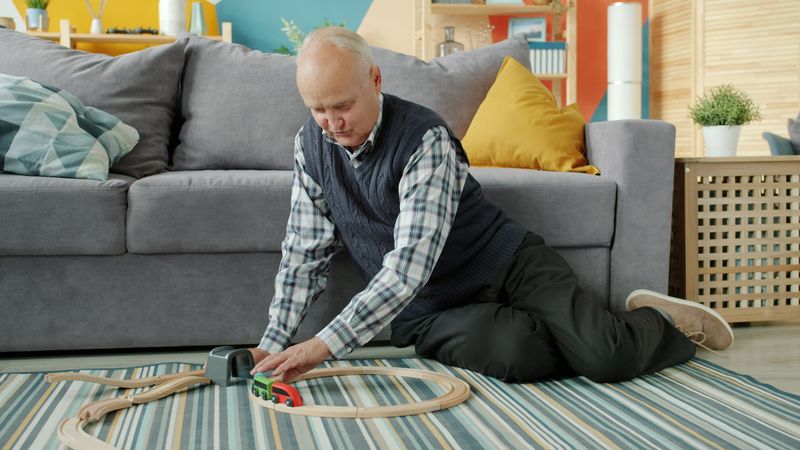
Joy can look like toy trains, cartoons, stickers, costumes, or building tiny fantasy worlds.
Harmless interests do not expire when adulthood begins.
Play supports creativity, rest, and connection across every age.
Enjoy your hobby without turning it into a joke against yourself.
Find welcoming groups that share your excitement, while keeping spending and responsibilities balanced.
Anyone who sneers is offering an opinion, not a rule.
Growing older can mean choosing fun freely and without shame.
14. Changes in Your Appearance

Bodies collect stories through scars, stretch marks, wrinkles, weight shifts, acne, and hair loss.
Photos and ads often hide those normal details, which can twist expectations.
Real skin and real shapes change over time.
Wear clothes that fit your present body comfortably.
Unfollow accounts that fuel harsh comparisons, and speak to yourself like a friend.
Health habits should support you, not punish you.
Sudden or worrying changes can be checked by a medical professional calmly.
15. Saying No and Setting Boundaries

No can feel like a rude word when you are used to pleasing everyone.
Yet limits protect time, energy, safety, and relationships.
Constant agreement often creates hidden anger instead of true kindness.
Keep your answer short: I cannot do that today.
You may offer another option, but long excuses are unnecessary.
Someone feeling disappointed does not automatically mean you acted badly.
Practice on small requests first.
Healthy people can respect a boundary without demanding guilt.
16. Needing More Rest

A nap or quiet evening can trigger guilt in a culture that praises nonstop work.
Rest is a body need, much like food and water.
Tired people are not lazy by default.
Schedule breaks before exhaustion forces them.
Put away screens, dim lights, and protect a steady bedtime when possible.
Some seasons demand extra recovery, especially illness or grief.
If sleepiness stays severe despite enough rest, ask a doctor about possible causes and useful care.