 MomSkoop

Being a good dad isn’t just about providing for your daughter or making sure she has everything she needs. It’s also about the little everyday moments that help her feel loved, heard, and understood. Sometimes, fathers develop habits that seem harmless but can slowly create emotional distance between them and their daughters. Things like being distracted during conversations, dismissing her feelings, or always trying to solve her problems instead of simply listening can have a bigger impact than they realize.
The tricky part is that most dads aren’t doing these things on purpose. They may genuinely believe they’re doing what’s best for their daughters without noticing how certain behaviors affect their relationship. Over time, those small moments can shape how comfortable a daughter feels opening up to her father. The good news is that recognizing these patterns is often the first step toward changing them. Here are some common habits that can quietly weaken the bond between fathers and daughters, even when the love is there.
1. Being Present but Emotionally Checked Out

Sharing a couch is not the same as sharing a moment.
A dad can be home every evening and still leave his daughter feeling alone in the room.
Emotional distance often shows up quietly.
He rarely shows affection, brushes off her feelings, or seems distracted when something big happens in her life.
Over time, a daughter may start to believe the problem is her.
That belief can stick around for years.
Some girls grow up craving attention, while others become afraid that people they love will eventually drift away.
Trust in friendships and romance can feel harder than it should.
The good news is that emotional presence is a skill, not a personality trait you either have or lack.
Small habits make a real difference.
Put the phone face down when she starts talking.
Ask one follow-up question about her day instead of a quick nod.
Try naming what you notice, like saying she seems excited or a little down.
Hugs, a pat on the shoulder, or a goofy inside joke can all count as affection.
You do not need to become a poet or a talk-show host.
Showing up with your attention, not just your body, is the whole assignment.
2. Missing From Her Daily Life
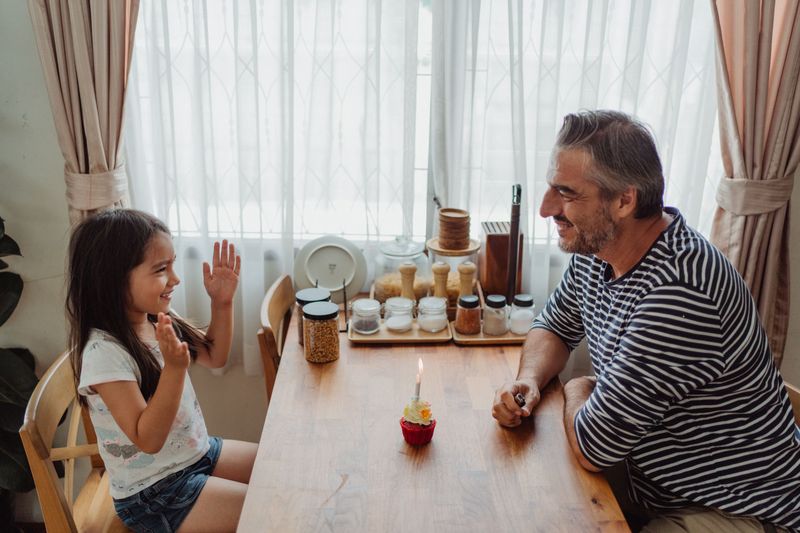
An empty seat at a school play can say more than any speech.
When a father is physically missing from his daughter’s life, she feels that gap in a big way.
Absence happens for many reasons.
Long work hours, travel, divorce, disinterest, or loss can all keep a dad away.
Whatever the cause, a daughter may wrestle with questions about her own worth and whether she is safe to depend on someone.
That uncertainty can shape her future relationships.
Some daughters struggle with attachment or have trouble choosing partners who treat them well.
The empty space a dad leaves rarely stays empty for long, and not everything that fills it is healthy.
Of course, some absence is unavoidable.
Jobs, custody schedules, and military service are real limits.
What matters is finding ways to stay connected inside those limits.
A short video call before bed counts.
So does a voice message after a test, a card in her backpack, or a standing breakfast date every other Saturday.
Ask her which events matter most and protect those dates on your calendar.
Consistency beats grand gestures, because a daughter learns more from a reliable small effort than a rare big one.
3. Criticizing Far More Than Praising

A report card with five A’s and one B can turn into a lecture about the B.
For a daughter, that pattern adds up fast.
Constant criticism takes many forms.
It might be regular fault-finding, harsh judgments, sky-high expectations, or quietly shrinking her wins.
Even if a dad means to push her toward success, the message she hears may be that she is never enough.
Girls who grow up under steady criticism often feel unworthy or unloved.
Many turn into perfectionists, terrified of making mistakes.
Anxiety and a fear of failure can follow them into school, sports, and eventually work.
Feedback still has a place, of course.
Kids need guidance, and nobody wants a dad who only hands out gold stars.
The trick is balance and timing.
Lead with what she did well before mentioning what could improve.
Praise effort, not just results, so she learns that trying hard matters.
Keep critiques specific and about the task, not her character.
Saying a paragraph needs more detail lands much better than calling her lazy.
And sometimes, honestly, the best move is to celebrate the win and save the notes for another day.
4. Brushing Off Her Feelings

Few phrases shut a kid down faster than “You’re overreacting.” Right behind it are “Just get over it” and “That’s not a big deal.”
Dads often say these things to help a daughter feel better quickly.
Unfortunately, it usually backfires.
She learns that her emotions are wrong or silly, which plants seeds of self-doubt.
When feelings keep getting dismissed, a girl may stop sharing them altogether.
That silence can lead to low self-esteem, anxiety, and a lonely sense that nobody gets her.
A dad who wanted to fix things ends up hearing about her problems last.
Validating a feeling does not mean agreeing with every reaction.
You can think a friend drama is small while still respecting that it hurts her right now.
Those two ideas can live side by side.
Try phrases like “That sounds frustrating” or “I’d be upset too.” Then pause before offering advice, or ask whether she wants help or just someone to listen.
Many kids simply want to feel understood first.
Once she feels heard, she will likely be more open to your suggestions, and you might learn a lot about her world.
5. Trading Time for a Paycheck

Plenty of dads work long hours because they love their families.
Paying bills, saving for college, and keeping the fridge stocked are real acts of care.
Trouble starts when providing becomes the only way a father shows up.
Many daughters value focused attention and shared experiences more than new gadgets or bigger birthday gifts.
A busy dad can slowly turn into someone who funds her life without being part of it.
The connection rarely breaks in one dramatic moment.
Instead, it fades quietly, like a phone battery you forgot to charge.
One day she just stops telling him things.
Not every family has the option to cut hours, and that reality deserves respect.
Even so, quality time can fit into tight schedules.
Short, regular rituals work well.
Drive her to practice and leave the radio off so you can talk.
Cook pancakes together on Sunday mornings.
Take a ten-minute walk after dinner.
Let her teach you a game she loves, even if you lose badly.
The activity matters less than the focus.
She will probably forget the price of last year’s present, but she may remember those walks for decades.
6. Hovering Instead of Trusting

Bubble wrap works great for shipping dishes, but it makes a terrible parenting strategy.
An overprotective father may think he is keeping his daughter safe, yet she might read it as a lack of trust.
When a dad handles every problem and blocks every risk, she misses chances to build courage.
Mistakes are how kids learn to solve things on their own.
Without that practice, confidence stays small.
Overprotection can also backfire in two directions.
Some daughters rebel hard against tight control.
Others grow fearful and avoid healthy challenges like trying out for a team, applying for a job, or traveling with friends.
Safety rules still matter, especially for younger kids.
The goal is to loosen the grip gradually as she shows she can handle more.
Think of it as a dimmer switch, not an on-off button.
Let her order her own food, call to make her own appointments, or plan a family outing.
When she messes up, ask what she might do differently next time rather than rushing to rescue her.
Celebrate the moments she figures something out alone.
Each small win tells her you believe she can handle the world.
7. Hearing Without Really Listening

“Uh-huh” might be the most overused word in the dad dictionary.
Nodding along while watching the game is not the same as listening, and daughters can tell the difference instantly.
When a girl shares her thoughts, needs, or boundaries and gets ignored, trust takes a hit.
She may feel unheard and undervalued.
Over time, she might stop speaking up, both at home and with other people.
That matters more than it seems.
A daughter who learns her voice does not count may struggle to assert herself later.
She may also find it harder to trust men in her life if the first one rarely paid attention.
Active listening takes practice, but it is not complicated.
Make eye contact.
Turn off the screen or pause the show.
Repeat back what you heard in your own words so she knows it landed.
Pay extra attention when she says no or sets a limit, like not wanting to be tickled or teased about a crush.
Respecting those small boundaries shows her that her words have power.
You might be surprised how much more she tells you once she realizes you are truly tuned in.
8. Pulling Back Affection as She Grows

Bear hugs and piggyback rides often fade once a girl hits her preteen years.
Some dads pull away simply because they feel unsure about what is appropriate as she grows up.
The awkwardness is understandable, but the timing is tough.
Adolescence brings body changes, social pressure, and plenty of insecurity.
Right when she may need reassurance most, the affection she counted on starts disappearing.
Without an explanation, she might decide something about her has become unlovable.
That is a heavy conclusion for a thirteen-year-old to carry around.
A father’s appropriate affection can be a steady source of comfort during those wobbly years.
Affection can change shape without vanishing.
Side hugs, a hand on the shoulder, a high five after a game, or a fist bump on the way out the door all still say “I’m here.” Ask her what feels comfortable, and respect her answer if she wants more space.
Words count too.
Tell her you are proud of her, leave a note on her mirror, or text something kind on a hard day.
The point is to keep the message of love flowing, even if the delivery looks different now.
9. Keeping Her Stuck in Childhood

To a lot of dads, a daughter will always be the toddler in pigtails.
That feeling is sweet, but treating a teenager like a small kid can hold her back.
Some fathers resist a daughter’s growth without even noticing.
They make choices she could easily handle, ignore her opinions, or tease her about growing up.
Others actively try to keep her in a childhood role because change feels scary.
Either way, she loses chances to build her own identity.
Teens need room to figure out what they like, believe, and want.
Making age-appropriate decisions is part of becoming a capable adult.
Watching a daughter grow up can feel bittersweet, and that emotion deserves some grace.
Still, it helps to update the playbook as she matures.
Her bedtime, curfew, and responsibilities should shift over time.
Ask for her input on family plans and take her ideas seriously.
Let her pick her clothes, her music, and her hobbies, even if you find them baffling.
Talk to her the way you would talk to a thoughtful young adult.
She will likely rise to meet that respect, and you might enjoy getting to know the person she is becoming.
10. Disrespecting Women in Front of Her

Kids are basically tiny video cameras with excellent memory.
A daughter watches how her father treats women, especially her mother, and quietly takes notes.
Those observations shape what she expects from men.
Mocking jokes about women, rude comments, or disrespect toward her mom can teach her that this behavior is normal.
She might later accept similar treatment in her own relationships, or struggle to trust partners at all.
The flip side is encouraging.
A dad who treats women with kindness and respect sets a strong standard.
She learns what good treatment looks like before she ever starts dating.
This applies whether parents are married, divorced, or never together.
Speaking respectfully about her mother, even during disagreements, protects your daughter from feeling caught in the middle.
Venting belongs with friends, not with her.
Pay attention to everyday moments too.
How you talk about female coworkers, athletes, or politicians sends a message.
So does how you split chores at home.
Fixing the sink and folding laundry both count as dad jobs.
Small, steady examples teach her that she deserves respect, and they show her exactly what that respect should look like.
11. Abuse of Any Kind

This item is the most serious one on the list, and it deserves plain words.
Abuse from a father, whether physical, verbal, emotional, or sexual, causes deep and lasting harm.
A father is supposed to be a source of safety.
When he becomes the source of fear, a daughter’s sense of security breaks.
The effects can follow her well into adulthood.
Many daughters of abusive fathers struggle with trust, closeness, and self-worth.
Some may find themselves drawn to partners who mistreat them, often without realizing why.
Healing is possible, but it usually takes time and support.
If you are a father who recognizes harmful behavior in yourself, getting professional help is a responsible step.
Anger management programs and counseling exist for exactly this reason.
Taking action protects your child and gives you a chance to change course.
If you are a daughter living with abuse, it is not your fault.
Reach out to a trusted adult, a school counselor, or a local helpline.
Talking to a licensed therapist can also help adults who are still sorting through childhood pain.
12. Being Pushed Out by Parental Alienation

Not every broken bond starts with the father.
Sometimes another person, often the other parent, works deliberately to damage or cut off a dad’s relationship with his daughter.
This is called parental alienation.
It can include badmouthing, blocking visits, or filling a child’s head with negative stories.
The goal is to limit or destroy the connection.
Warning signs can be striking.
A young daughter might suddenly criticize her dad using adult-sounding phrases she likely did not invent.
She may also act fearful of him in ways that do not match anything he actually did.
For fathers in this situation, staying calm is hard but valuable.
Lashing out can confirm the negative story she has been told.
Keep showing up when allowed, send kind messages, and avoid trashing the other parent in return.
Documenting missed visits and communication can help if legal steps become necessary.
A family law attorney or a family therapist who works with high-conflict divorces may offer guidance.
Many alienated kids eventually start asking their own questions as they grow older.
When that day comes, a record of patience and steady love speaks louder than any argument.
13. Turning Her Into His Therapist

Late-night talks about his breakup, his money stress, or his loneliness might feel like closeness to a dad.
To his daughter, they can feel like a weight she never signed up for.
This blurring of roles is often called enmeshment.
The father leans on his daughter for emotional support or companionship, flipping the normal parent-child setup.
Suddenly she is the one doing the comforting.
A daughter in this position may feel responsible for her father’s happiness.
That pressure makes it harder to build her own independent life.
She might also develop emotional dependency or shaky self-esteem.
Sharing some feelings with kids is healthy.
Saying you had a rough day or feel sad about a loss shows that emotions are normal.
The line gets crossed when she becomes your main support system or confidante for adult problems.
Build a network of grown-up support instead.
Friends, siblings, support groups, and therapists can handle the heavy stuff.
Keep conversations with her age-appropriate, and reassure her that you will be okay.
Kids deserve to be kids.
Letting her focus on homework and friendships, rather than your worries, is a quiet gift she might only appreciate years later.
14. Breaking Promises Again and Again

“I’ll be there Saturday” sounds great on Monday.
By the third canceled Saturday, those words lose their shine completely.
A father who keeps letting his daughter down chips away at her trust.
Each broken promise might seem small to him, but she is keeping score.
Eventually she may decide she is not worth showing up for.
Some daughters respond by acting out.
Rebellious behavior can be a way to express pain she cannot put into words.
Others go quiet and stop expecting anything at all, which can be even harder to undo.
Life throws curveballs, and sometimes plans really do fall apart.
The fix starts with promising less and delivering more.
If you are not sure you can make the recital, say “I’ll try” instead of “I’ll be there.”
When you do have to cancel, tell her yourself, explain honestly, and set a new date right away.
Then keep that one no matter what.
Over time, a track record of kept promises rebuilds her confidence in you.
Being the dad whose word means something is a pretty great reputation to earn at home.
15. Spoiling Her Without Limits
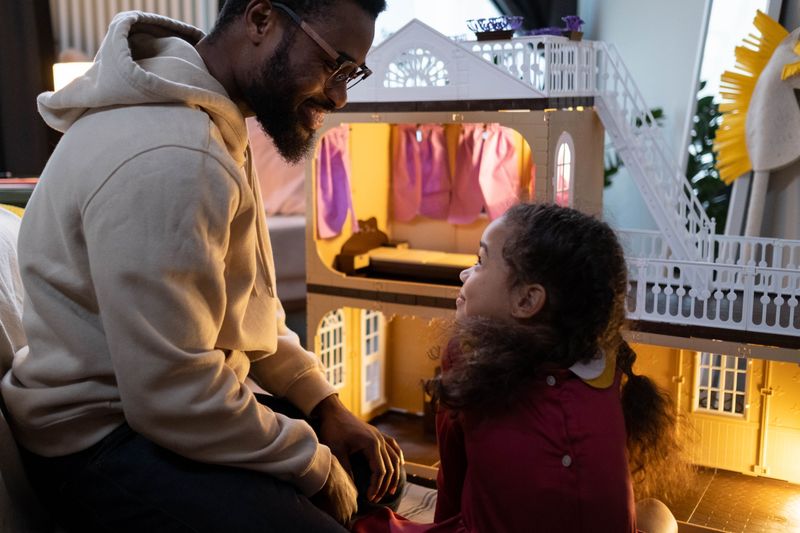
Calling her “princess” can be adorable.
Treating her like actual royalty, with no rules and no hearing the word no, is a different story.
Some dads struggle to set limits because they love seeing their daughter happy.
Every request gets a yes, and every tantrum gets a reward.
It feels harmless in the moment.
Over time, a lack of boundaries can encourage selfishness or manipulative habits.
She may learn that pouting or pressure always works.
Later, adult relationships might feel frustrating when partners and friends expect give-and-take rather than constant service.
Saying no is not cruel.
It teaches patience, gratitude, and how to handle disappointment, which are skills she will need forever.
A clear boundary can actually make kids feel more secure.
Try giving her chores and connecting privileges to responsibilities.
Let her save up for something she wants rather than buying it right away.
When she pushes back on a limit, stay calm and consistent.
Generosity is wonderful, so keep the surprise treats and special outings.
Just make sure she also learns to share, wait, and help others, because those habits will serve her far better than an overflowing closet.
16. Leaning on Her to Rescue Him

Some daughters become parents to their own fathers long before they are ready.
It often happens when a dad is battling addiction, long-term unemployment, or other serious struggles.
He may rely on her for money, rides, or basic survival.
Guilt trips often come along for the ride, with comments that make her feel selfish for saying no. She ends up stuck in a caretaker role.
That kind of dependency can breed bitterness and anger.
She might love him deeply while resenting the burden at the same time.
Learning to set boundaries in future relationships can also become much harder.
For fathers facing these challenges, seeking help outside the family is key.
Treatment programs, job services, and support groups can carry weight that a daughter should not.
Accepting that help is a way of protecting her.
For daughters in this spot, setting limits is not betrayal.
You can care about your dad and still say no to requests that hurt you.
Groups like Al-Anon support relatives of people with addiction, and counseling can help untangle guilt.
Your life matters too, and building it fully might be the healthiest example you could give him.