 MomSkoop

Most people never set out to seem rude or disrespectful, but certain habits can send the wrong message without them even realizing it. From small things like checking your phone mid-conversation to bigger patterns like gossiping or bragging, these behaviors quietly shape how others see you.
The good news is that once you spot them, they are easy to fix. Here are 16 common ways people come across as classless without knowing it.
1. Interrupting Others Constantly

Picture this: you are in the middle of sharing something important, and someone just talks right over you.
It stings, right?
Constantly cutting people off sends a loud message that your thoughts matter more than anyone else’s.
Even when you are excited or eager to contribute, jumping in before someone finishes their point comes across as dismissive.
People start to dread conversations with chronic interrupters because they never feel truly heard.
Breaking this habit starts with slowing down and reminding yourself that listening is just as valuable as speaking.
Let people finish their full thought before you respond.
That small pause shows more respect than you might realize, and people will genuinely enjoy talking with you more.
2. Being Rude to Service Workers

How you treat people who are serving you says everything about your character.
Snapping at a waiter, speaking down to a cashier, or ignoring a hotel housekeeper reveals a troubling belief that respect is only owed to people with impressive job titles.
Here is a truth worth remembering: every person doing a job deserves basic human dignity, no exceptions.
Some of the most hardworking, intelligent people in the world are wearing name tags and aprons right now.
Treating service workers with warmth and appreciation is one of the easiest and most telling ways to show class.
A simple smile, a genuine thank you, and a little patience go a long way toward making someone’s shift a little brighter.
3. Bragging About Money or Possessions

Dropping your salary into every conversation or constantly mentioning your newest gadget might feel like confidence, but it often lands as insecurity wearing a designer coat.
Genuine self-assurance never needs a price tag to back it up.
People who constantly broadcast their wealth or possessions tend to push others away rather than impress them.
Most people can sense when someone is seeking validation through material things, and it feels hollow.
Real class comes from being interesting, kind, and engaged, not from flashing what you own.
If something you have genuinely comes up naturally in conversation, that is fine.
But making it a habit to announce your financial wins makes rooms go quiet for all the wrong reasons.
4. Gossiping About Everyone

Gossip feels exciting in the moment, like a little burst of social energy.
But anyone listening to you tear someone else apart is quietly filing away a mental note: if you talk about others like this, you will eventually talk about me the same way.
Chronic gossipers often do not realize how much trust they erode over time.
People start sharing less around them, keeping conversations surface-level because they do not feel safe being open.
Breaking the gossip habit does not mean never discussing other people.
It means choosing to focus on ideas, experiences, and genuine connection instead of tearing others down.
When you stop feeding the rumor mill, you will notice your relationships becoming noticeably deeper and more authentic.
5. Forgetting Basic Manners

“Please” and “thank you” are two of the most powerful phrases in any language, yet plenty of adults let them fade from their daily vocabulary.
Forgetting basic manners is one of those quiet habits that people around you notice far more than you do.
Manners are not just about politeness for its own sake.
They signal that you are aware of others and that you value the people around you.
Skipping them, even unintentionally, can make you come across as cold or entitled.
The fix is almost embarrassingly simple.
Saying please when you ask for something, thank you when someone helps you, and excuse me when you need to pass someone costs absolutely nothing.
These small habits carry enormous weight in how others perceive your character.
6. Showing Up Late Without Consideration

Running a few minutes behind now and then happens to everyone.
But making a habit of showing up late without so much as a heads-up sends a clear message to the people waiting: their time is simply not a priority to you.
Chronic lateness is one of those behaviors that people rarely call out directly, but they absolutely notice.
Over time, it chips away at trust and makes others less likely to include you in plans or rely on you for important things.
Respecting someone else’s schedule is one of the most underrated forms of consideration.
Setting reminders, leaving earlier than you think you need to, and communicating when you are running behind are small steps that show others you genuinely value them.
7. Making Every Conversation About Yourself

Someone shares exciting news, and within seconds, the topic has somehow shifted to your own story.
Sound familiar?
Most people do this occasionally without thinking, but when it becomes a pattern, others start to feel invisible around you.
Great conversations are built on a back-and-forth rhythm where both people feel seen and heard.
When one person constantly steers things back to themselves, the exchange stops feeling like a connection and starts feeling like an audience situation.
Making a conscious effort to ask follow-up questions and genuinely sit with someone else’s experience before sharing your own is a game-changer.
People remember how you made them feel, and the ones who make others feel truly listened to are always the most memorable in the room.
8. Using Your Phone While Someone Is Speaking to You

Few things feel quite as dismissive as watching someone’s eyes drift to their phone screen while you are mid-sentence.
It signals, without a single word, that whatever is on that screen matters more than what you are saying.
Phones have made this particular habit incredibly easy to fall into without realizing it.
A buzz, a notification, a reflex glance, and suddenly the person in front of you feels like background noise.
Most people are too polite to say anything, but they absolutely feel it.
Putting your phone face-down or out of reach during conversations is one of the most respectful things you can do.
Full attention, even for just a few minutes, tells someone that they genuinely matter to you.
That feeling is priceless.
9. Putting Others Down to Feel Superior

Backhanded compliments, subtle jabs, and snarky remarks might get a laugh in the moment, but they leave a mark.
Using humor or criticism to make others feel small is a classic sign of someone who is not as confident as they appear.
True confidence does not need to borrow from someone else’s embarrassment.
People who are secure in themselves have no reason to highlight others’ flaws or mistakes because their own sense of worth does not depend on comparison.
Choosing to encourage rather than undercut takes real character.
When you lift someone up with a genuine compliment or a word of support, you build a reputation as someone people actually want around.
That kind of social capital is worth far more than any cheap laugh at someone else’s expense.
10. Creating Scenes in Public
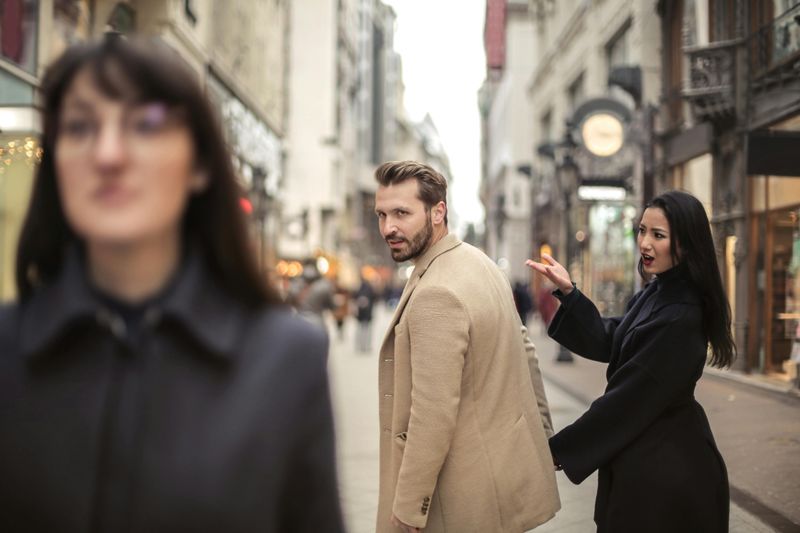
Losing your cool in public over a wrong order, a slow line, or a minor inconvenience might feel justified in the heat of the moment, but the scene it creates lingers long after you have walked away.
Bystanders form lasting impressions from those brief outbursts.
Public scenes rarely solve the problem at hand.
More often, they escalate the situation and put everyone around you on edge, including the very people you may need help from.
Handling frustration with composure, even when you have every right to be annoyed, is a powerful display of emotional maturity.
Taking a breath, speaking calmly, and addressing the issue without theatrics shows that you can manage difficult situations with grace.
That kind of restraint is genuinely impressive to witness.
11. Refusing to Admit When You Are Wrong

Nobody gets everything right all the time, and most people know that.
What separates mature individuals from the rest is not being perfect but being willing to say, openly and honestly, when they have made a mistake.
Doubling down on a wrong position just to avoid looking bad is a habit that quietly destroys trust.
When people see that you cannot admit fault, they stop expecting honesty from you, and that changes how much weight they give your words.
Saying “I was wrong” or “I made a mistake” is not weakness.
It is one of the most respected things a person can do.
Accountability signals emotional intelligence and strength of character, qualities that make people genuinely want to be in your corner.
12. Being Nice Only When It Benefits You

Selective kindness is one of the most transparent habits out there.
When someone is warm and attentive only to people who can do something for them, and cold or dismissive to everyone else, people pick up on that pattern faster than you might expect.
Transactional niceness feels hollow because it is.
It lacks the authenticity that makes kindness actually meaningful.
Over time, people stop trusting someone whose warmth seems to have an agenda behind it.
Consistent kindness, regardless of what someone can offer you, is a rare and genuinely attractive quality.
Smiling at the intern the same way you smile at the executive, helping someone even when no one is watching, these are the moments that define real character and lasting reputation.
13. Oversharing in Inappropriate Situations

There is a time and place for vulnerability, and reading that room correctly is a genuine social skill.
Unloading deeply personal struggles, graphic details, or emotionally heavy content in a professional meeting or a casual first encounter tends to make others feel trapped and uncomfortable.
Oversharing often comes from a genuine desire to connect, which is understandable.
But when the setting does not match the depth of the disclosure, it can feel overwhelming to the people on the receiving end.
Building trust takes time, and sharing personal details in layers as relationships develop is a much more effective approach.
Save the heavier conversations for people who have earned that level of closeness.
Knowing the difference between appropriate and overly personal sharing is a quiet but powerful social skill.
14. Complaining About Everything

Everyone needs to vent sometimes, and that is completely normal.
But when every conversation becomes a running list of grievances, the weather, the traffic, the food, the people, it starts to drain the energy right out of the room.
Constant complainers often do not realize how exhausting they have become to be around.
Friends and coworkers begin to dread interactions because they know what is coming, and over time, people quietly start keeping their distance.
Shifting toward a more solution-focused mindset, or simply choosing not to voice every frustration, makes a noticeable difference in how people respond to you.
Nobody expects relentless positivity, but finding even one good thing to acknowledge in a tough situation makes you far more enjoyable company.
15. Judging Others Based on Appearance or Income

Snap judgments based on how someone looks or how much money they appear to have are some of the oldest and most limiting habits around.
Writing someone off because of their clothes, their car, or their zip code means missing out on some genuinely remarkable people.
Worth and character have nothing to do with outward success.
History is full of extraordinary individuals who lived simply, dressed modestly, and changed the world.
Judging the package before reading the story is a shortcut that almost always leads you in the wrong direction.
Approaching people with curiosity rather than assumption opens doors that prejudice keeps firmly closed.
Everyone carries a story worth hearing, and the willingness to look beyond surface-level details is one of the clearest signs of true class and genuine wisdom.
16. Ignoring Personal Boundaries

Boundaries exist for a reason, and steamrolling past them, whether physical, emotional, or conversational, tells people that their comfort is not something you take seriously.
That message, even when unintended, is hard to shake once it has been sent.
Boundary violations do not always look dramatic.
They can be as subtle as pushing for personal details someone clearly does not want to share, standing too close when someone keeps stepping back, or continuing a joke after someone has asked you to stop.
Paying attention to how people respond, not just what they say but how their body language shifts, is a skill worth developing.
When someone signals discomfort, adjusting your behavior immediately shows a level of awareness and respect that people remember.
That attentiveness is the quiet foundation of real class.