 MomSkoop
A famous horror villain’s face started life as a cheap Captain Kirk mask that a crew spray-painted white and stretched at the eyeholes. That bargain-bin buy became one of the most recognizable faces in movie history, and it cost less than a fast-food lunch. Stories like that pop up constantly when you look at films made with almost no money. One director paid for his debut partly by checking into a medical study, while another shot a full feature on three smartphones.
Big budgets buy explosions and fancy sets, but small budgets force people to solve problems with wit, friends, and whatever gear they can borrow. The movies ahead range from scrappy horror to a tender street musical and brainy science fiction. Which one pulled off the cleverest trick with the least cash?
1. The Blair Witch Project
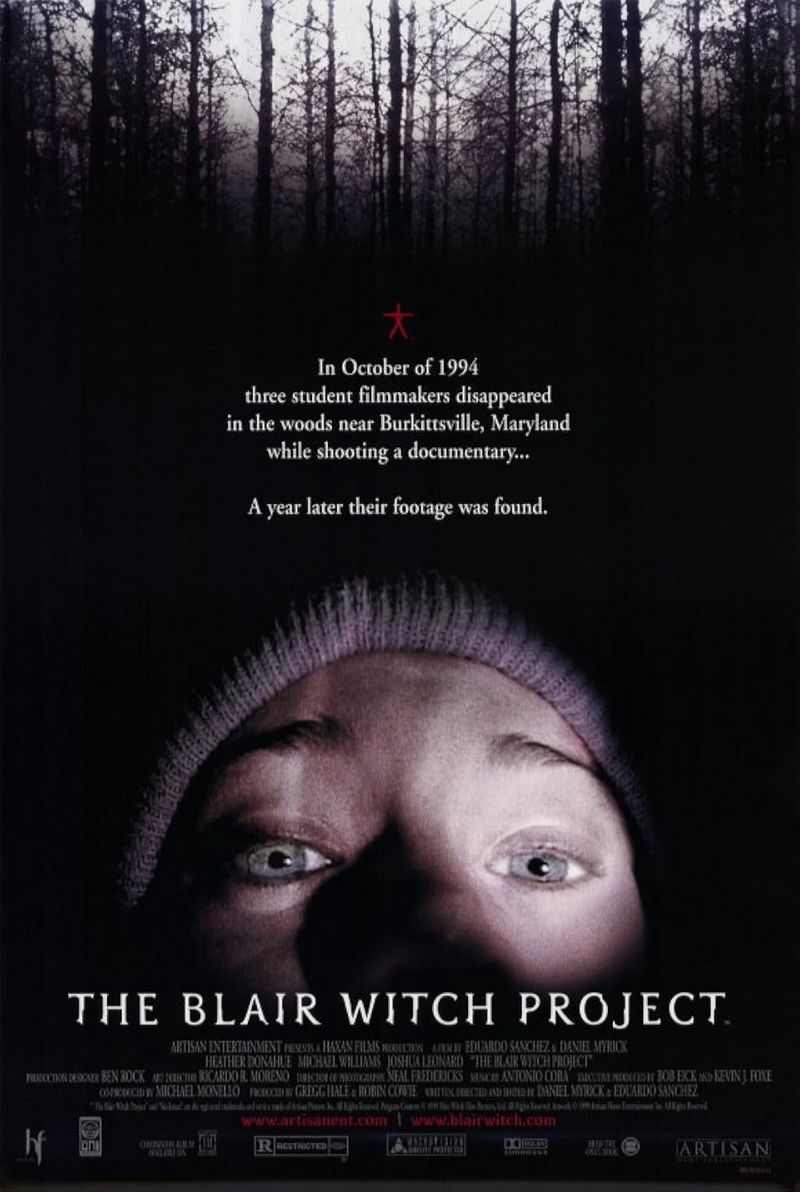
Three actors, a few cameras, and a patch of Maryland woods turned into one of the most talked-about horror films of 1999.
Directors Daniel Myrick and Eduardo Sánchez made the movie for roughly $60,000 before later costs, and it went on to earn about $248 million worldwide.
The secret was the found-footage format.
Instead of paying for monsters or effects, the film shows almost nothing and lets your imagination do the scary work.
The cast actually operated the cameras themselves during the shoot.
That shaky, amateur look was not a flaw to hide, because it made the footage feel like something real people had captured.
Marketing played a huge role too.
An early website treated the story like an actual missing-persons case, and plenty of viewers walked into theaters unsure what was real.
Here is the takeaway for anyone making creative projects at home.
A limit can become a style if you lean into it on purpose, and a camcorder can feel scarier than a costly creature suit.
Next time you watch it, pay attention to how little the film actually shows you.
The sounds outside the tent carry most of the fear, and they cost almost nothing to create.
2. Paranormal Activity
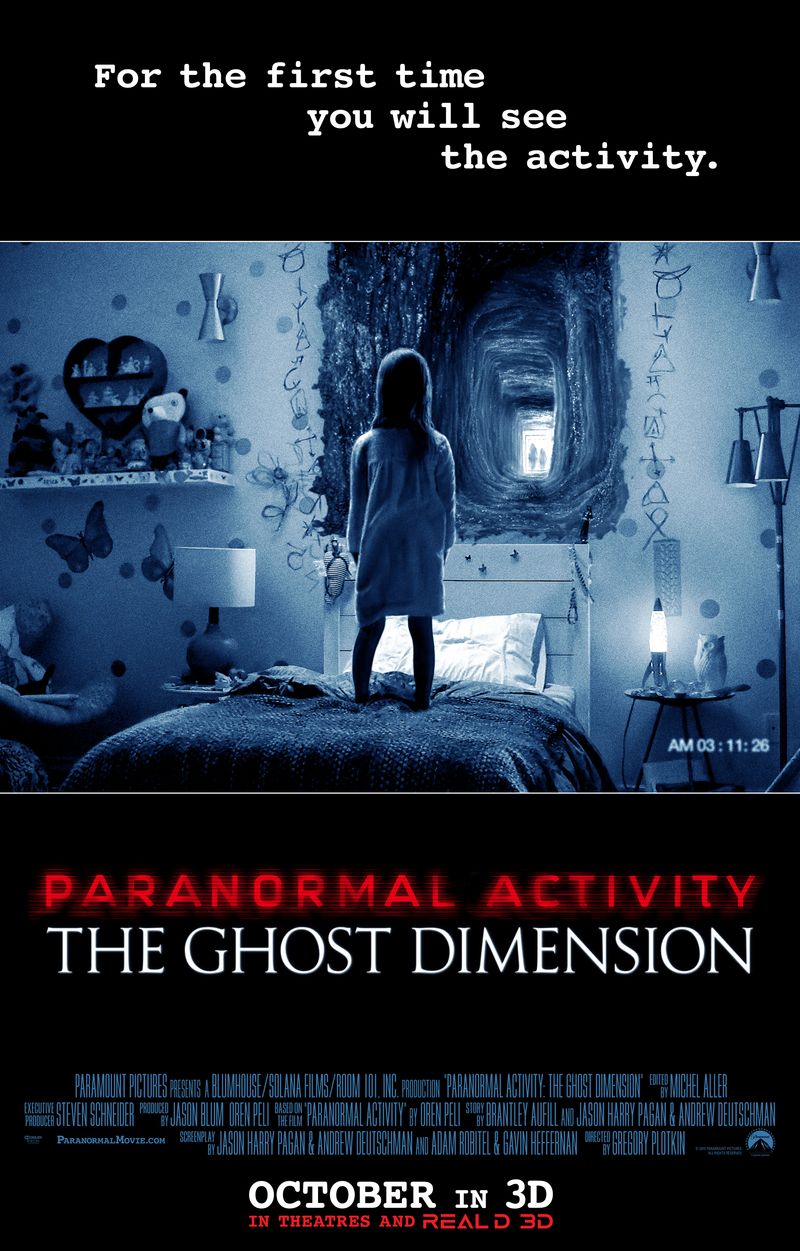
Oren Peli did not rent a spooky mansion for his first feature.
He used his own house in San Diego, and the whole production cost around $15,000.
That tiny investment turned into roughly $193 million at the worldwide box office after Paramount picked up the film.
Few movies in history can match that kind of return.
The style is about as simple as filmmaking gets.
A camera sits on a tripod in a bedroom, and you spend long stretches staring at a quiet room waiting for something to move.
Doors creak, footsteps thump, and sheets shift slightly.
Those small moments work because the film trains you to scan the corners of the frame like a nervous detective.
The cast was tiny, led by Katie Featherston and Micah Sloat, whose characters share their real first names.
Their casual, unpolished conversations make the couple feel like neighbors you might actually know.
Paramount’s famous campaign asked fans to demand screenings in their towns, which helped the release expand.
For aspiring filmmakers, the lesson is clear and encouraging.
A single location you already have, plus patience and good timing, can carry an entire story.
3. Clerks
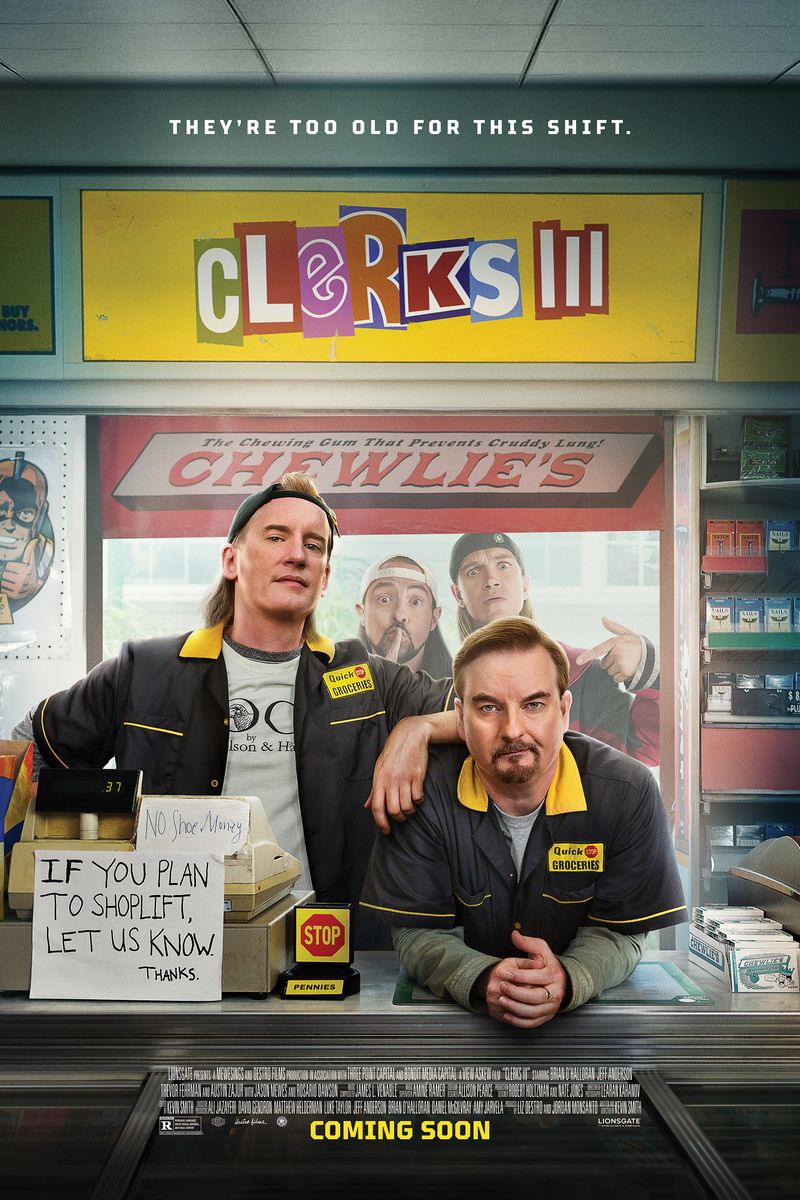
Kevin Smith worked at the Quick Stop convenience store in Leonardo, New Jersey, so he simply filmed his movie there.
The catch was that the store was open during the day, which meant the crew shot at night.
The budget came to about $27,575.
Smith covered it partly with credit cards and by selling part of his comic book collection, which is a sacrifice plenty of fans will understand.
The movie’s black-and-white look helped keep costs down.
It also gave the film a scrappy, indie feel that suits two clerks complaining about customers, movies, and life.
Instead of action, the film runs on dialogue.
Characters argue about Star Wars and annoying shoppers, and those rapid conversations became Smith’s trademark.
The gamble paid off when the film played at Sundance and Cannes in 1994.
Miramax released it, and Smith’s career took off from behind that cash register.
If you have ever thought your job was too boring for a story, this movie offers a fun counterpoint.
Sharp writing and a familiar setting can be more entertaining than any car chase, especially when the characters sound like your funniest friends.
4. El Mariachi
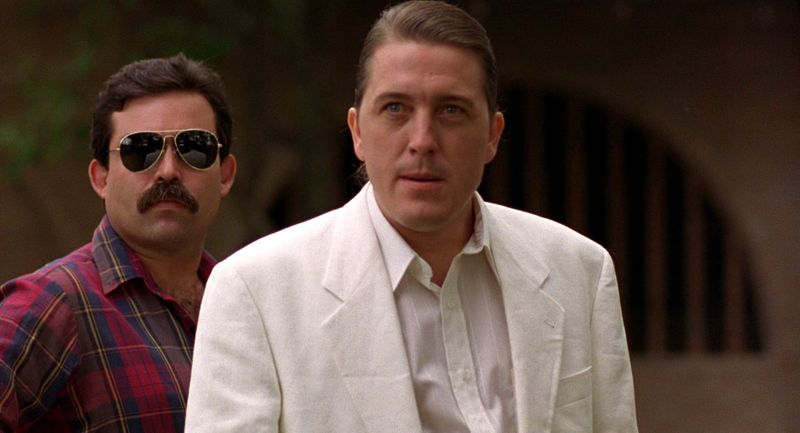
Most directors raise money by pitching investors.
Robert Rodriguez checked into a medical research study and used part of the payment to help fund his first feature.
El Mariachi cost about $7,000 to shoot in Ciudad Acuña, Mexico.
Rodriguez acted as director, writer, cameraman, editor, and more, which kept the payroll impressively short.
He built the story around what he could borrow.
If a local had a bus, a turtle, or a bar location available, it could end up in the movie.
Rodriguez also skipped expensive equipment.
He has described using a wheelchair as a camera dolly, and he edited quickly with fast cuts that gave the action a punchy rhythm.
The plan was originally to sell the film to the Spanish-language home video market.
Columbia Pictures saw it, bought it, and spent much more on finishing it for theaters than the original shoot cost.
Rodriguez later wrote about the experience in his book Rebel Without a Crew, which many young filmmakers still recommend.
The big idea is practical.
Make a list of the things you can get for free, then write your story around them.
5. Primer
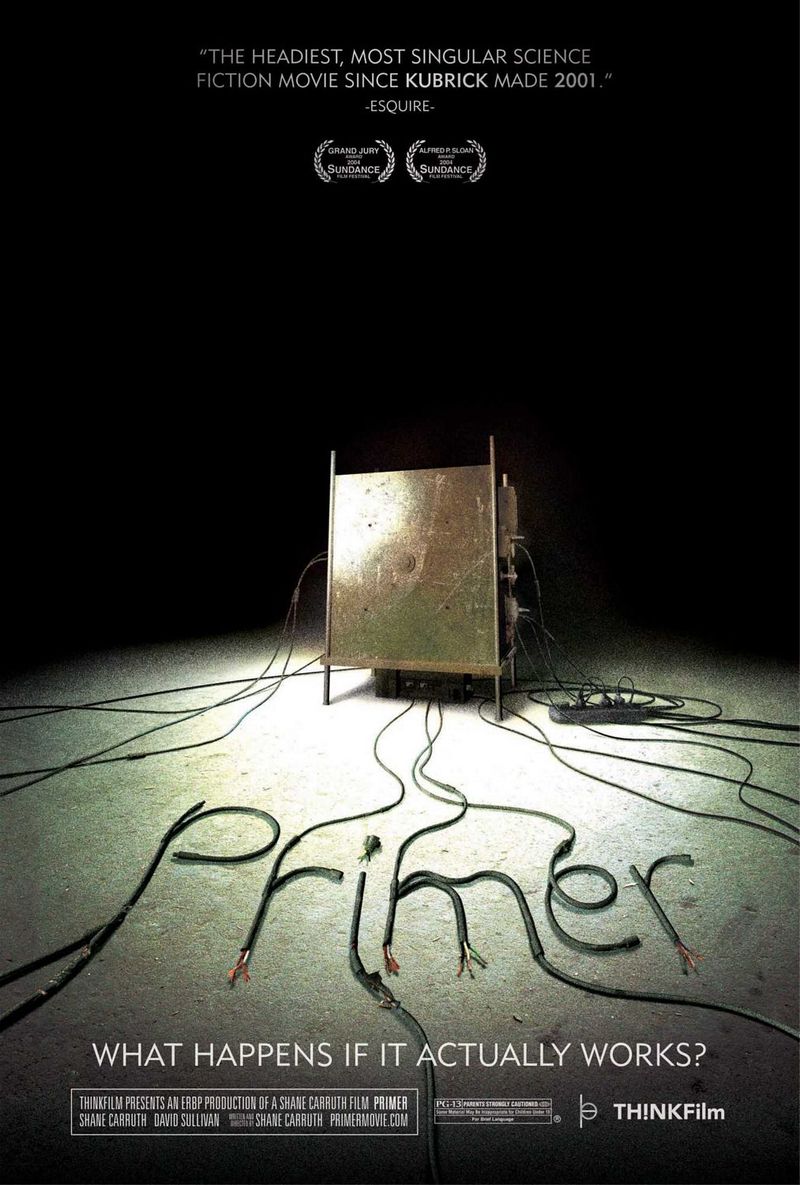
A time machine built in a garage sounds like a joke, yet Shane Carruth turned that idea into one of the most puzzling science fiction films around.
He made Primer for about $7,000.
Carruth had worked as an engineer, and it shows.
The characters talk like real tech workers, using jargon that the film never stops to explain.
He handled writing, directing, producing, editing, music, and one of the lead roles.
Doing so many jobs kept costs down, though it surely made for some very long days.
The visuals stay plain on purpose.
There are no glowing portals or flashy effects, just a humble box and two friends who slowly lose track of which version of themselves is which.
Primer won the Grand Jury Prize at the 2004 Sundance Film Festival.
That’s a big honor for a movie with a smaller budget than many used cars.
Fair warning, you may need a second viewing.
Fans have made detailed charts to track its timelines, and that rewatch habit is part of the fun.
Clever ideas can stand in for spectacle when the story trusts you to keep up.
6. Eraserhead
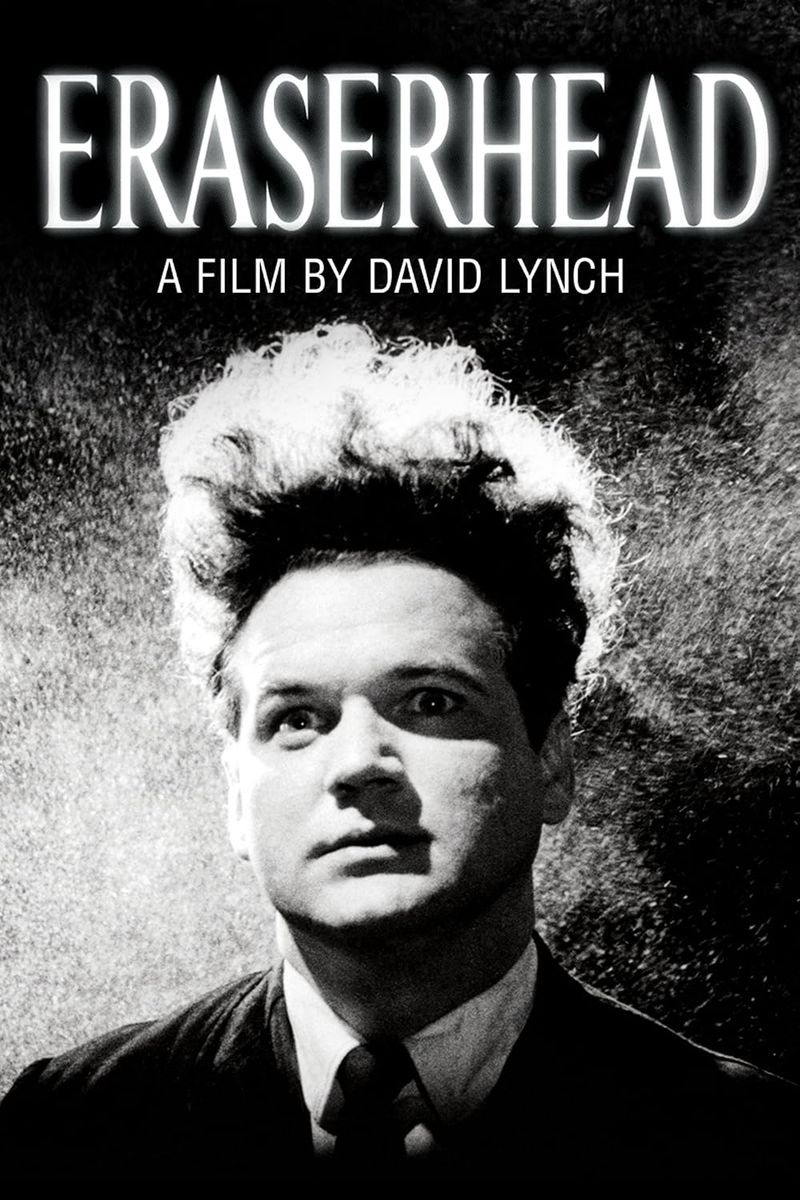
Patience might be the real star of Eraserhead.
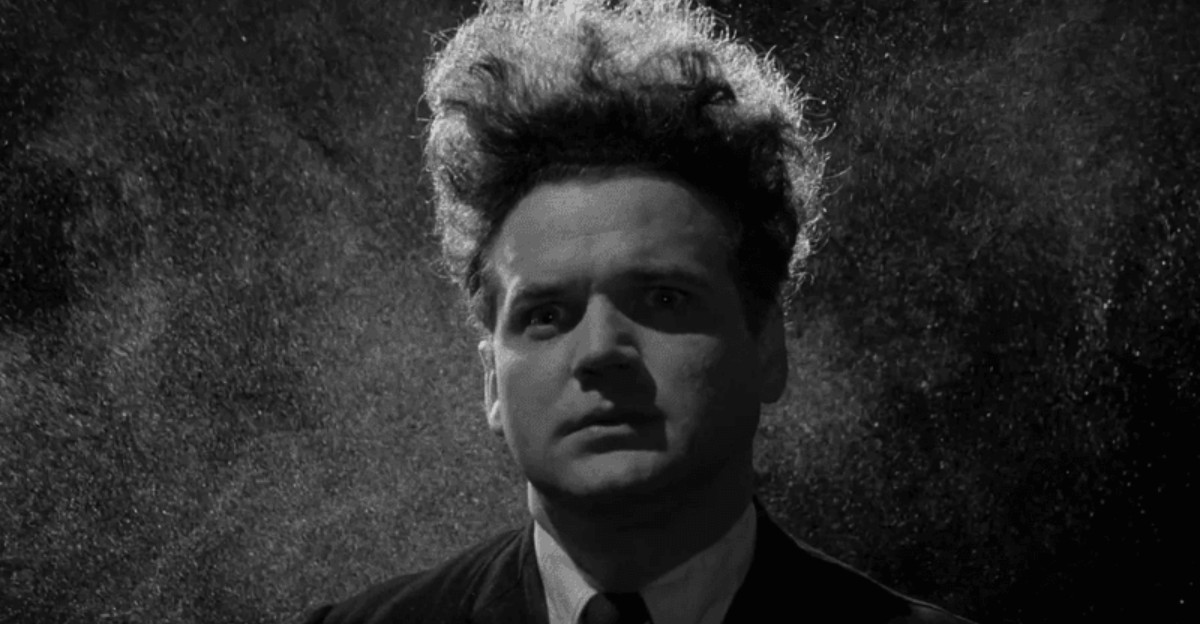
David Lynch worked on his debut feature for about five years, starting while he studied at the American Film Institute.
Money ran out more than once during production.
Lynch kept going partly by delivering The Wall Street Journal on a paper route, which is not the usual path to cult film fame.
Much of the filming happened in old stables on the AFI grounds.
The crew stayed small, and lead actor Jack Nance kept his famous tall hairstyle for years as the shoot stretched on.
The black-and-white images feel strange and dreamlike.
Even more striking is the sound design by Lynch and Alan Splet, packed with hissing pipes and industrial hums.
The film found its audience as a midnight movie, playing for long runs in theaters that loved odd cinema.
That slow-burning success helped launch Lynch’s long career.
A useful lesson hides in all that weirdness.
Sound is one of the cheapest ways to create mood, and you can make a simple room feel unsettling with the right noises.
Anyone filming at home can test that trick with a phone and some creaky doors.
7. Night of the Living Dead
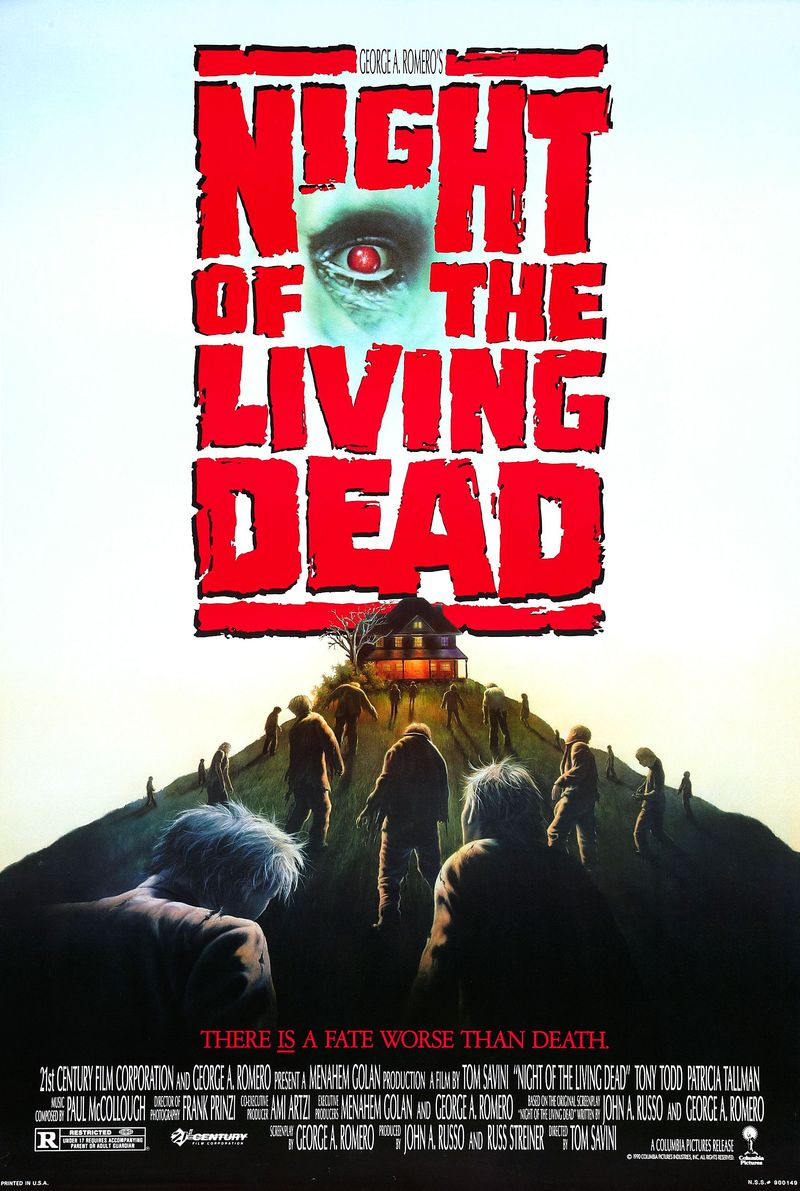
Chocolate syrup did a lot of heavy lifting in 1968.
George A. Romero and his crew used Bosco syrup for blood, which looked convincing in black and white and cost very little.
The film was made independently for around $114,000 near Evans City, Pennsylvania.
Romero and his friends ran a Pittsburgh company that made commercials, so they brought practical, scrappy skills to the job.
Many people involved were local actors and investors.
Some even played the shuffling ghouls, which kept costs low and gave the movie a homegrown energy.
The black-and-white footage feels almost like a news report.
That plain look makes the farmhouse siege seem more believable than glossy studio horror of the same era.
Duane Jones led the cast as Ben, a casting choice that drew attention in 1960s America.
The film shaped the modern zombie genre that later fueled countless movies and shows.
For your next movie night, notice how much tension comes from people arguing inside one house.
A strong setup and simple tricks can outlast fancier effects by decades.
Bosco syrup, it turns out, has quite the acting résumé.
8. Halloween
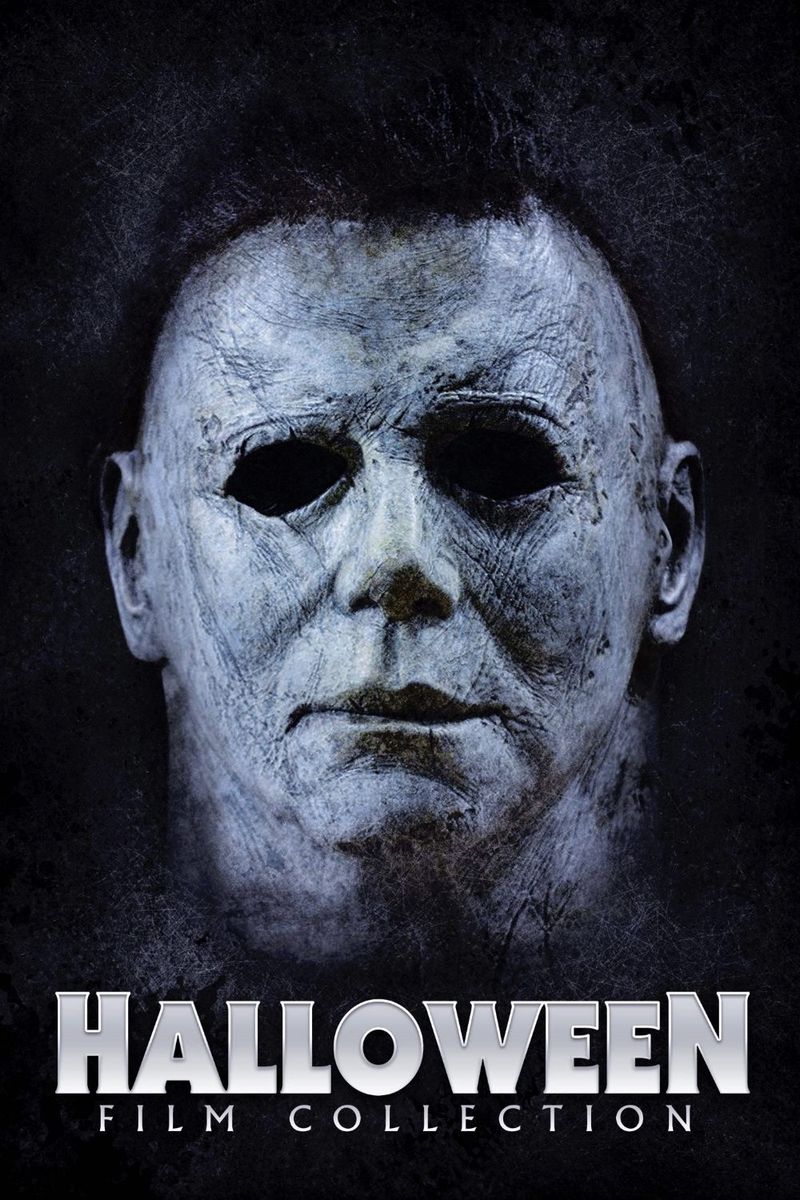
A white mask with almost no expression became the face of a horror classic.
The Halloween crew made it from a cheap Captain Kirk mask, painting it white and adjusting the eyes and hair.
John Carpenter’s film was made for roughly $300,000 to $325,000.
It went on to earn around $47 million in the United States, an enormous success for an independent movie.
Carpenter composed the simple piano theme himself.
That repeating pattern is easy to hum and very hard to forget once it gets stuck in your head.
The movie was shot in spring in Southern California, even though the story takes place in Illinois in October.
The crew reportedly painted and reused fake leaves to suggest autumn, gathering them up between shots.
Jamie Lee Curtis made her feature film debut as Laurie Strode.
Her grounded performance helps the scares land, because she reads like a regular teenager rather than a movie hero.
The big takeaway is about restraint.
Carpenter often keeps the villain at the edge of the frame, and that empty space makes you nervous.
Sometimes the scariest thing on screen is a quiet backyard.
9. The Evil Dead
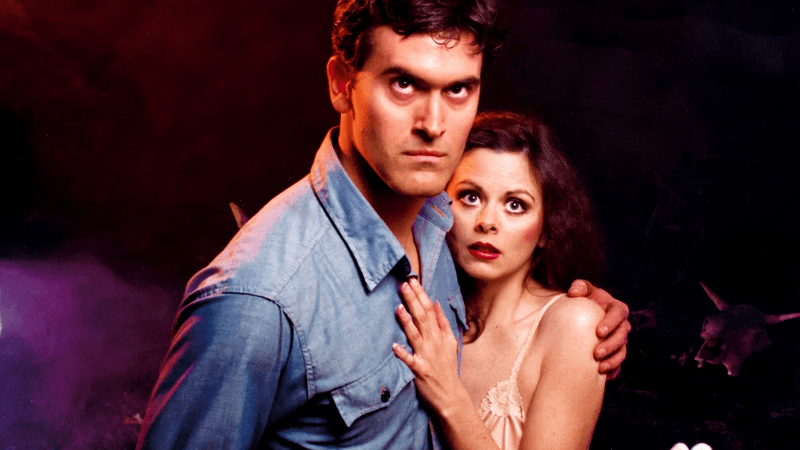
Sam Raimi could not afford a Steadicam, so he got creative with a board.
The crew mounted the camera on a plank, and operators ran it through the woods to create the speeding point of view of an unseen force.
That rough trick became one of the most copied camera moves in horror.
It is fast, wobbly, and a lot of fun to watch.
Raimi, producer Robert Tapert, and star Bruce Campbell raised money from local investors in Michigan.
The team then shot in a remote cabin in Tennessee under tough, chilly conditions.
The budget grew over time, eventually landing somewhere in the hundreds of thousands.
That is still small for a feature, especially one packed with this much gooey practical makeup.
The effects lean wild and theatrical instead of realistic.
That choice gives the movie a strange, almost cartoonish energy that later sequels pushed into full slapstick comedy.
Stephen King praised the film, which helped it reach audiences.
If you ever make videos with friends, try a homemade camera rig of your own.
A skateboard or a sturdy board can produce motion that looks surprisingly polished on screen.
10. Rocky
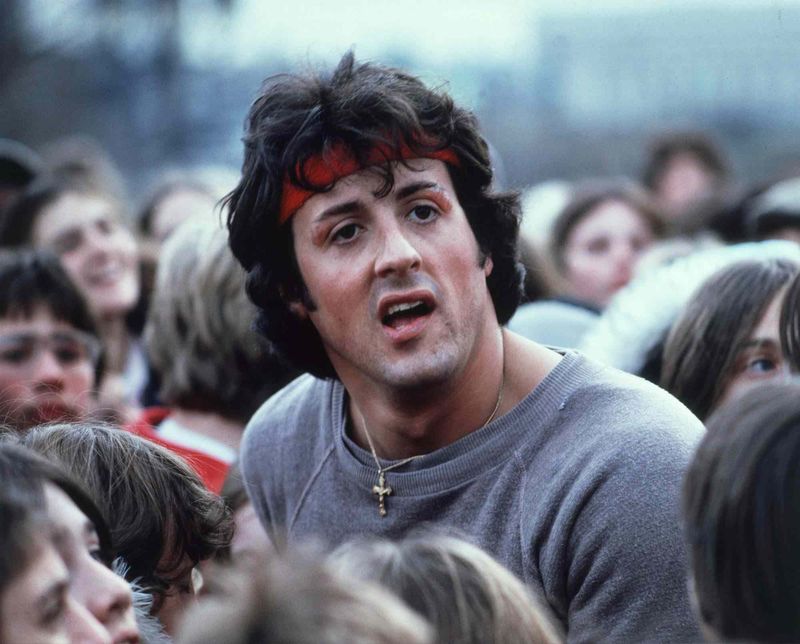
Sylvester Stallone was a struggling actor when he wrote Rocky, and he insisted on playing the lead himself.
The studio agreed only with a modest budget of about $1 million.
The shoot moved fast, lasting around 28 days.
Crews filmed on real Philadelphia streets, and some passersby ended up in scenes as natural background players.
One of the sweetest moments came from a money problem.
The ice skating date between Rocky and Adrian was planned with a crowd, but the empty rink ended up making the scene feel more intimate.
Another detail shows quick thinking.
A fight poster showed Rocky in the wrong colored shorts, and the script worked that mistake into a scene rather than reprinting it.
The results were enormous.
Rocky became the top-grossing film of 1976 and won the Academy Award for Best Picture.
Plenty of people still run the steps outside the Philadelphia Museum of Art in tribute.
The film is proof that heart and a clear underdog story can carry a movie further than glamour.
Small budget, huge cheering section.
11. Mad Max
A young doctor with a love of car action ended up making one of Australia’s biggest film exports.
George Miller had worked in medicine before directing Mad Max with producer Byron Kennedy.
The budget was roughly A$350,000 to A$400,000.
The film earned around $100 million worldwide and held a Guinness record for years as one of the most profitable movies ever made.
A young Mel Gibson took the lead role before he was famous.
The casting choice cost little at the time and helped launch a major career.
Many of the stunts were real and dangerous-looking, staged on roads around Melbourne.
The speeding cars and crunching metal feel raw because the camera often sits so close to the action.
The story stays lean too.
A cop, a gang, and an open highway give the film a simple shape that leaves room for chases instead of complicated sets.
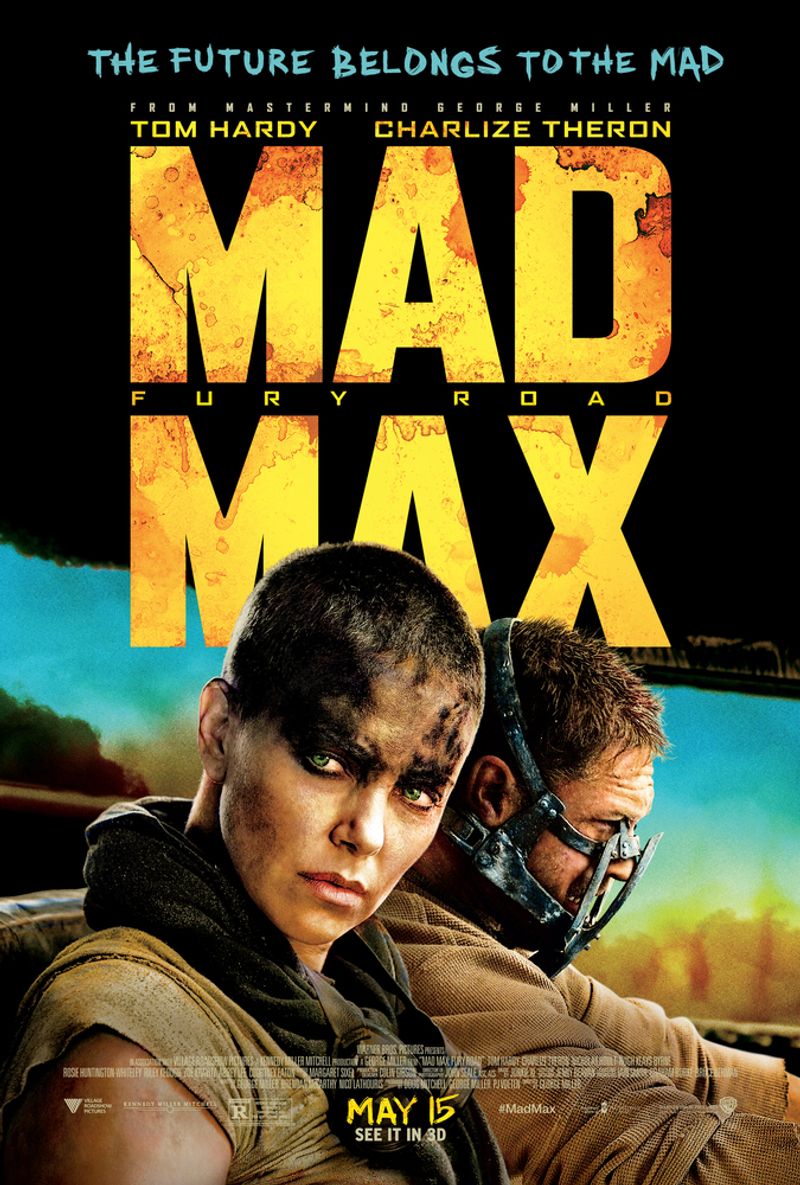
The franchise later grew into the much larger Mad Max: Fury Road.
It is fun to see where it started, with a small crew, borrowed roads, and a whole lot of nerve behind the wheel.
12. Napoleon Dynamite
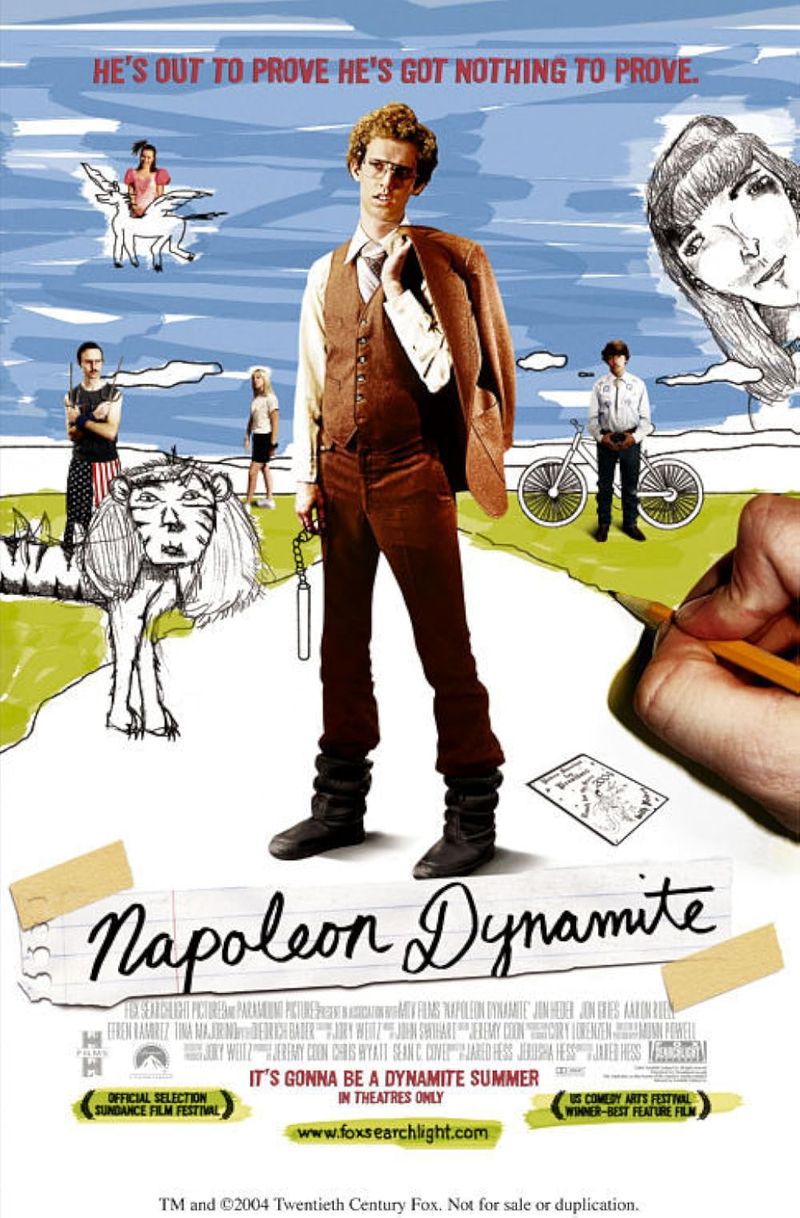
Moon boots, tater tots, and a dance routine set to Jamiroquai made an unlikely hit.
Napoleon Dynamite was made for about $400,000 and earned around $46 million worldwide.
Director Jared Hess co-wrote it with Jerusha Hess, and the film grew out of his earlier short called Peluca.
Jon Heder starred in both, playing the awkward, deadpan title character.
The team shot in and around Preston, Idaho, where Hess grew up.
Using real small-town locations saved money and gave the film its oddly specific look, from wood paneling to dusty country roads.
The comedy is quiet and strange.
Characters speak flatly, pause awkwardly, and care deeply about things like llamas and time machines bought online.
After premiering at Sundance in 2004, the film was picked up by Fox Searchlight.
Fans quoted lines everywhere, and Vote for Pedro shirts became a common sight that year.
The lesson here is all about voice.
You do not need a giant concept if you have a world you know well.
Your hometown quirks might be funnier to strangers than you think.
13. Once
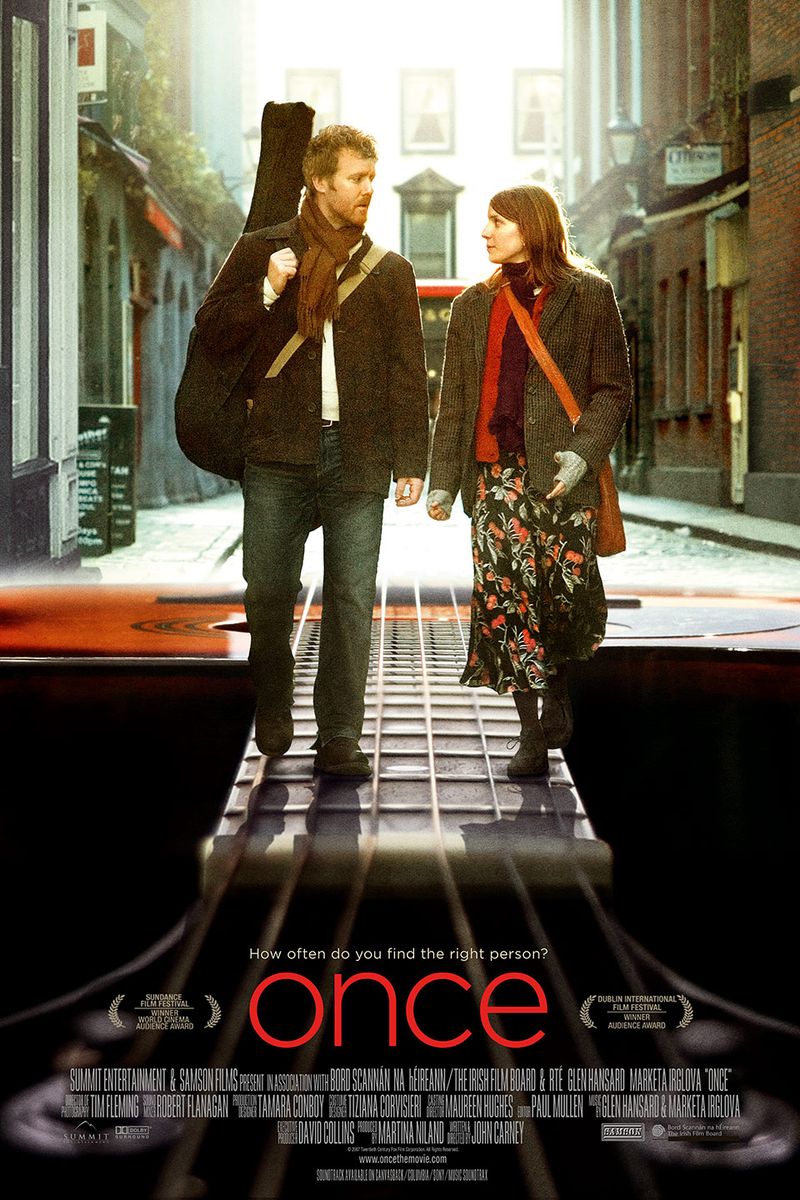
Few love stories feel as low-key as Once, and that is exactly the point.
John Carney’s Dublin musical was made for around $150,000 and shot in about 17 days.
Glen Hansard and Markéta Irglová play two musicians who meet on the street.
Both are real musicians, and they wrote and performed songs for the film themselves.
The crew kept things small and often shot in real public places.
Long lenses let passersby walk by without always noticing a movie was being made.
The songs are not big Broadway numbers.
They happen in music shops, apartments, and recording studios, which makes them feel like natural parts of the characters’ lives.
The film made about $20 million worldwide and charmed audiences far beyond Ireland.
Falling Slowly won the Academy Award for Best Original Song in 2008.
Once was later adapted into a Broadway musical that won the Tony for Best Musical.
Not bad for a film with handheld cameras and borrowed spaces.
If you play an instrument, it might nudge you to share a song with someone, because small moments can carry big feelings.
14. Pi
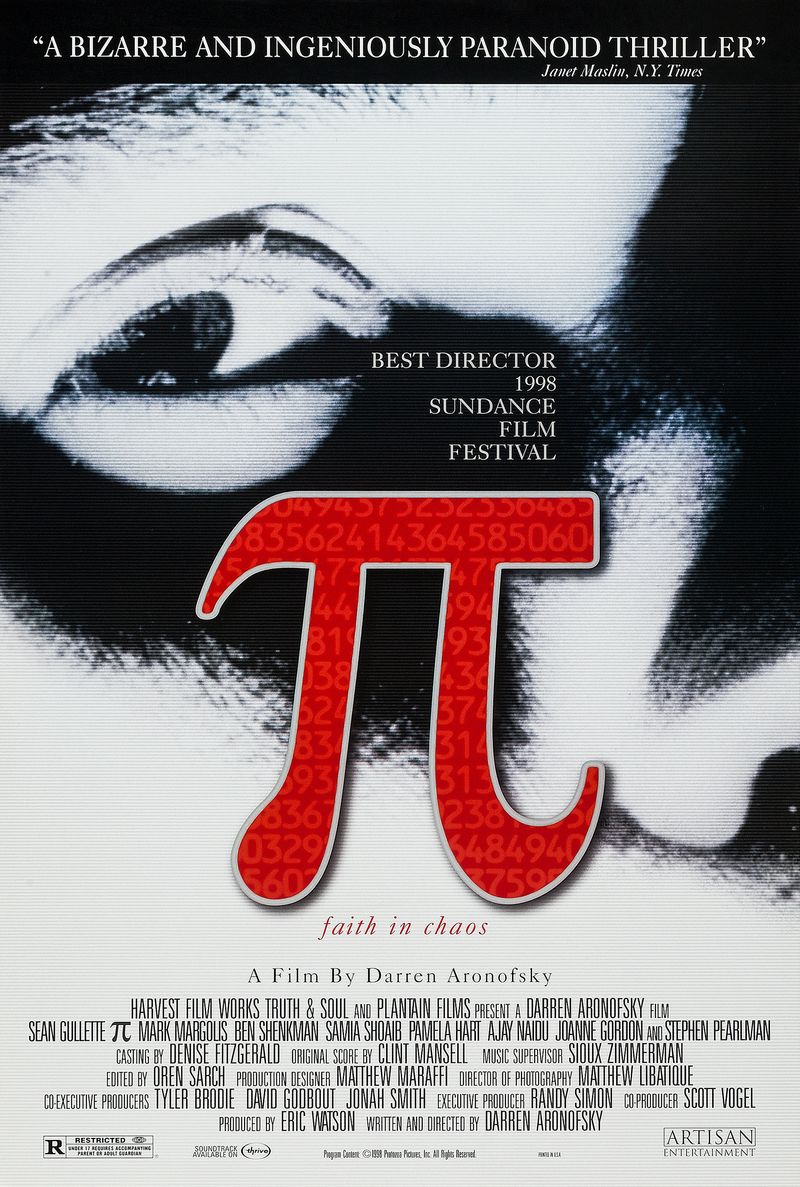
Darren Aronofsky raised money for his first feature in a memorable way.
He asked friends and family to chip in small amounts, promising them credit and a return if the film succeeded.
Pi was made for about $60,000.
The movie follows a math genius who becomes fixated on finding a hidden pattern in numbers and the stock market.
The black-and-white film stock creates a harsh, grainy look.
That grittiness fits the main character’s spiraling stress in his cramped New York apartment.
Quick cuts and repeated visual sequences add to the tension.
Clint Mansell’s pulsing electronic score pushes the mood even further, and it marked the start of a long partnership with Aronofsky.
The film won the Directing Award for a dramatic film at the 1998 Sundance Film Festival.
Aronofsky later went on to make Requiem for a Dream and Black Swan.
Pi shows how editing and music can create pressure without costly sets.
If you edit videos, try faster cuts during tense moments and see how your audience reacts.
Rhythm can make a quiet scene feel like a racing heartbeat.
15. Tangerine
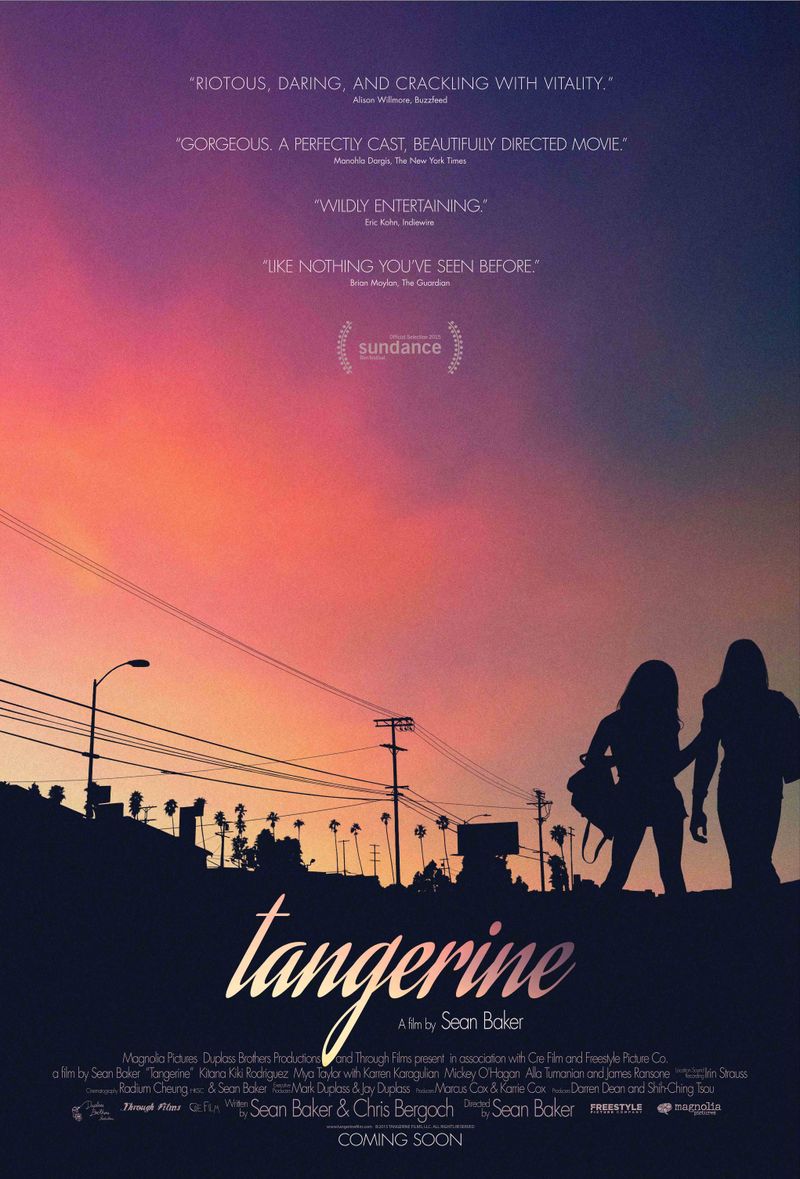
That phone in your pocket can shoot a feature film, and Sean Baker proved it in 2015.
Tangerine was filmed on three iPhone 5s phones.
Baker used the FiLMiC Pro app and adapter lenses from Moondog Labs to get a wide, cinematic image.
He also used stabilizing gear so the camera could follow characters smoothly down busy streets.
The story takes place on Christmas Eve in Los Angeles.
Kitana Kiki Rodriguez and Mya Taylor star as friends racing across the city, and their energy powers the film.
The colors are bright and bold, with plenty of orange and gold.
The phones also let the crew film more quietly on public streets than a big camera would allow.
The budget was reported at around $100,000.
The film premiered at Sundance and earned strong praise, especially for its lead performances.
Baker later won several Academy Awards for Anora in 2025, which makes his phone-shot breakthrough even more fun to revisit.
For anyone curious about filmmaking, this is the friendliest lesson on the list.
Start with the device you already own.
16. Cube
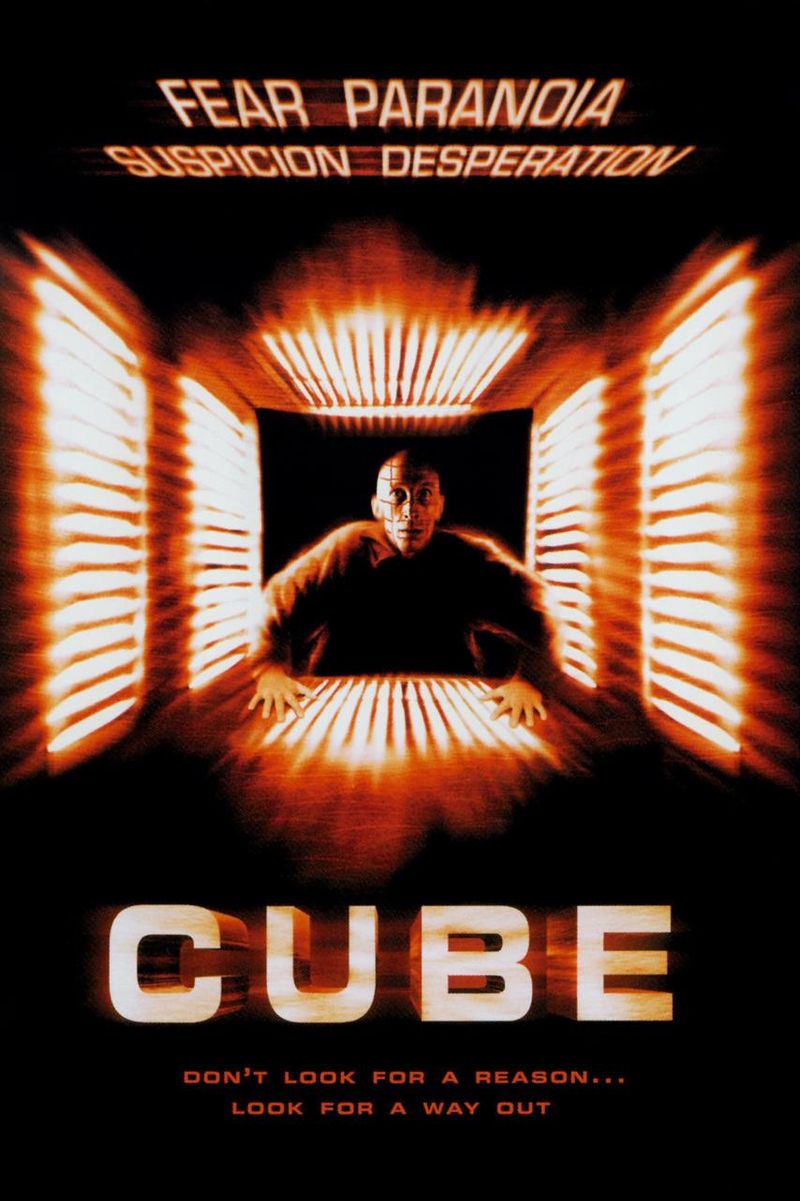
One room pretended to be hundreds in Vincenzo Natali’s Cube.
The crew built a single cube-shaped set and changed the colored panels and lighting to suggest different rooms.
The Canadian film was made for a small budget, often reported at around C$365,000.
It was shot in Toronto with a cast of mostly lesser-known actors.
The premise is simple and unsettling.
Strangers wake up inside a maze of identical rooms, and some rooms contain deadly traps they must avoid.
Because the walls look the same, the characters’ personalities do most of the work.
Arguments, alliances, and math puzzles keep the story moving while the setting barely changes.
The film gained a strong following internationally and inspired sequels.
Its look, with glowing square panels and hatches, is easy to recognize even years later.
Cube offers a smart idea for any creative project.
Reusing one space in clever ways can make a tiny setup feel huge.
Change the lighting in your own room, and you might notice how different it feels.
A lamp swap is the cheapest set design trick around.
17. Searching
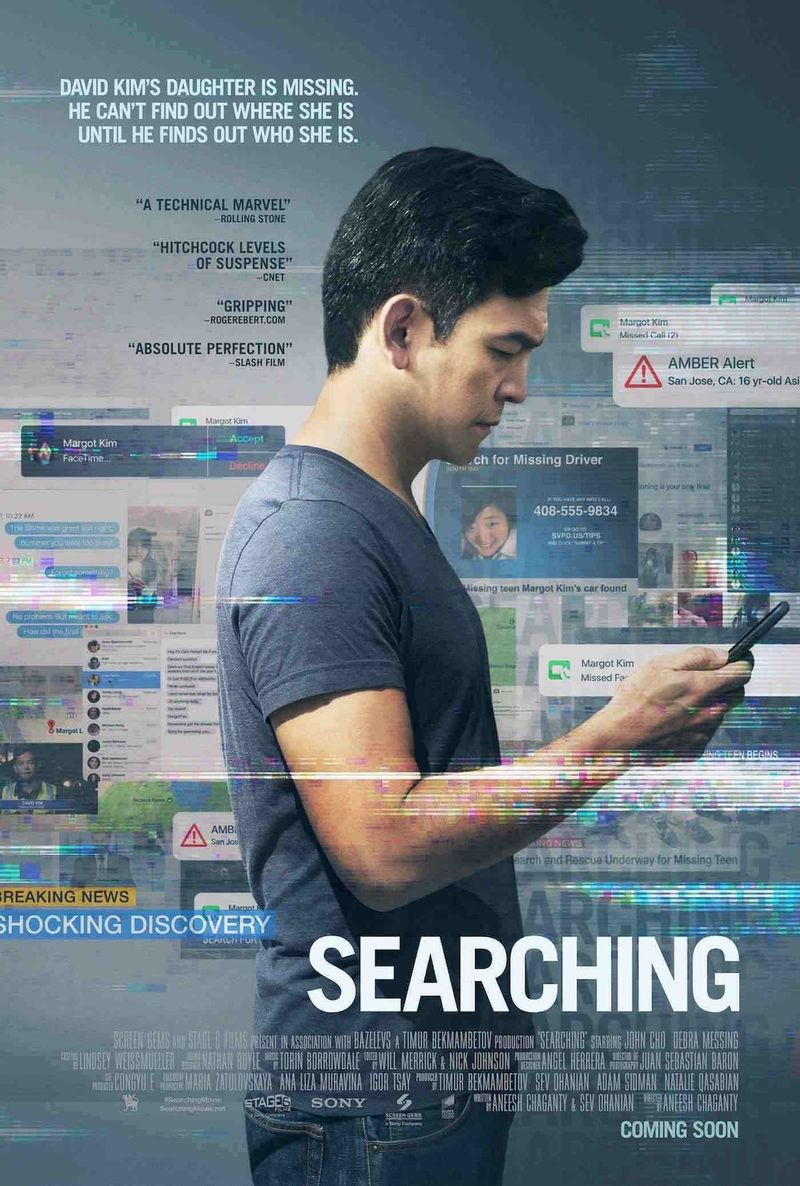
Laptop screens, video calls, and search bars tell the whole story in Searching.
John Cho plays a father looking for his missing teenage daughter, and you watch the mystery unfold through devices.
Director Aneesh Chaganty co-wrote the film with Sev Ohanian.
The production cost under $1 million and earned about $75 million worldwide.
The screen-based format kept the shoot simple.
The editing, though, took a long time, because the team had to build the computer screens, messages, and clicks carefully.
It sounds like a gimmick, but the film uses small details well.
A typed message that gets deleted can say more about a character than a long speech.
Searching won the Audience Award in the NEXT section at Sundance in 2018.
It also stood out for featuring a Korean American family at the center of a mainstream thriller.
The movie might make you think twice about your own browser tabs.
It also shows that creativity can come from tools you use every day.
Small films often find their strongest ideas in familiar places, and this one found its stage inside a laptop.