 MomSkoop

Once upon a time, romantic comedies were the perfect feel-good movies for date nights and lazy weekends.
But as society has grown more aware of healthy relationships and respectful behavior, many beloved rom-coms now make us cringe. What once seemed charming or funny often reveals problematic themes like manipulation, boundary violations, and outdated stereotypes that don’t hold up today.
1. Sixteen Candles (1984)
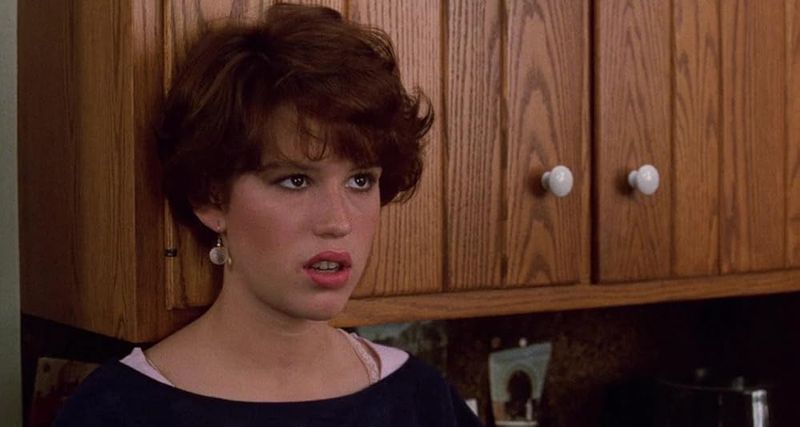
High school can be rough, especially when your entire family forgets your sixteenth birthday.
Samantha Baker experiences this nightmare while dealing with awkward crushes and teenage drama.
However, beneath the coming-of-age humor lies content that feels deeply uncomfortable today.
The film includes racial stereotypes presented as comedy, particularly through the character Long Duk Dong, whose portrayal relies on offensive caricatures.
Even more troubling are scenes involving consent issues that the movie treats casually.
Characters engage in behavior that would be considered serious violations today, yet the film frames these moments as harmless teenage hijinks.
What once passed as edgy humor now reveals how much our understanding of respect and boundaries has evolved over the past four decades.
2. Revenge of the Nerds (1984)

College misfits banding together to defeat bullies sounds like the perfect underdog story.
This film follows a group of socially awkward students who refuse to let jocks push them around anymore.
The problem emerges in how these heroes achieve their victories.
Several scenes cross serious ethical lines, including moments where characters violate others’ privacy and consent in ways that are played purely for laughs.
One particularly infamous scene involves deception that would be classified as a serious crime today, yet the movie treats it as clever revenge.
The film asks audiences to root for these underdogs while ignoring their deeply problematic actions.
Modern viewers recognize that being bullied doesn’t justify becoming a different kind of villain, making this supposed triumph feel hollow and disturbing.
3. Love Actually (2003)

Christmas lights twinkle across London as multiple love stories unfold simultaneously during the holiday season.
The film weaves together tales of romance, heartbreak, and connection that initially charmed audiences worldwide.
Looking closer, many storylines rely on questionable tactics to achieve their happy endings.
One plot involves a man confessing feelings to his best friend’s wife through handwritten signs, creating an awkward situation built on emotional pressure.
Another follows a boss pursuing his employee, ignoring the workplace power dynamic entirely.
Several characters engage in infidelity or near-infidelity, yet the film treats these choices lightly.
The airport security breach played for romantic effect would cause serious consequences in reality.
What seemed whimsical and romantic two decades ago now appears problematic, showing how our expectations for healthy relationships have matured considerably.
4. The Proposal (2009)
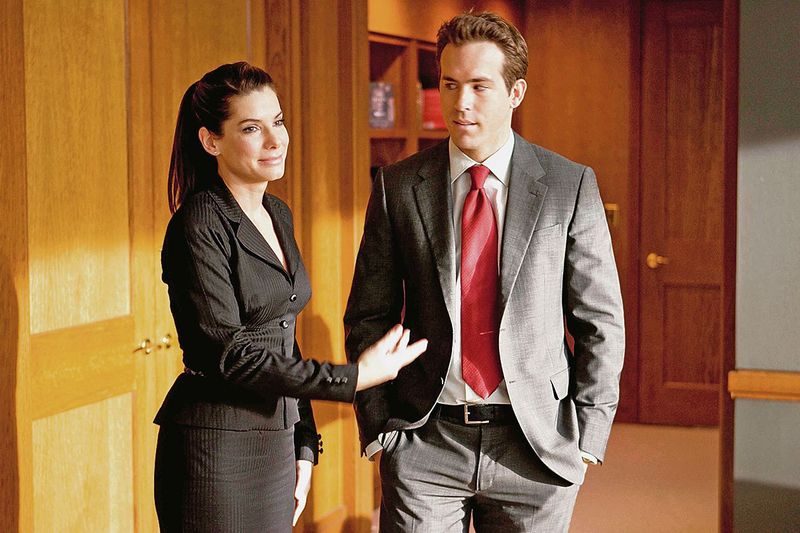
Margaret Tate faces deportation and losing her high-powered executive position, so she devises a desperate solution.
She announces her engagement to Andrew, her assistant, giving him no real choice in the matter.
The entire premise rests on workplace coercion and abuse of authority.
Andrew agrees only because refusing could destroy his career prospects, making his consent questionable at best.
Their journey to Alaska and eventual romance asks audiences to forget how their relationship began through blackmail and manipulation.
The film treats immigration fraud lightly while glossing over the serious ethical violations of a boss forcing an employee into a fake relationship.
Though they eventually develop genuine feelings, the foundation remains deeply problematic.
Modern viewers recognize that power imbalances in professional settings create situations where true consent becomes impossible, no matter how charming the leads might be.
5. There’s Something About Mary (1998)

The comedy revolves around competitive pursuit and willingness to deceive for a chance at romance.
Mary Jensen seems to have multiple men completely obsessed with her, each pursuing her through increasingly questionable means.
Ted hires a private investigator who then falls for Mary himself and lies about his identity.
Other suitors fake injuries, careers, and personalities to gain her attention and trust.
The film treats stalking, deception, and boundary violations as acceptable when motivated by attraction.
Characters spy on Mary, manipulate her emotions, and invade her privacy repeatedly, all played for laughs.
What the movie frames as persistent romantic interest would be recognized as harassment today.
The broad comedy style can’t disguise behavior that crosses serious lines, making this supposed romantic quest feel creepy rather than charming to contemporary audiences.
6. How to Lose a Guy in 10 Days (2003)

Andie Anderson needs a story for her magazine column, while Ben Barry needs to win an advertising campaign.
They both see dating each other as a professional opportunity, leading to an elaborate game of manipulation.
Andie deliberately acts in ways designed to drive Ben away, while he tolerates her behavior only to win a bet.
Neither approaches the relationship with honesty or genuine interest initially.
Their entire courtship is built on lies, hidden agendas, and using each other for career advancement.
The film eventually reframes this mutual deception as the foundation for true love, suggesting that dishonesty doesn’t matter if feelings develop later.
Modern audiences recognize that relationships built on manipulation and professional exploitation aren’t romantic, regardless of how attractive the leads might be.
Trust and honesty should come first, not as afterthoughts.
7. Pretty Woman (1990)
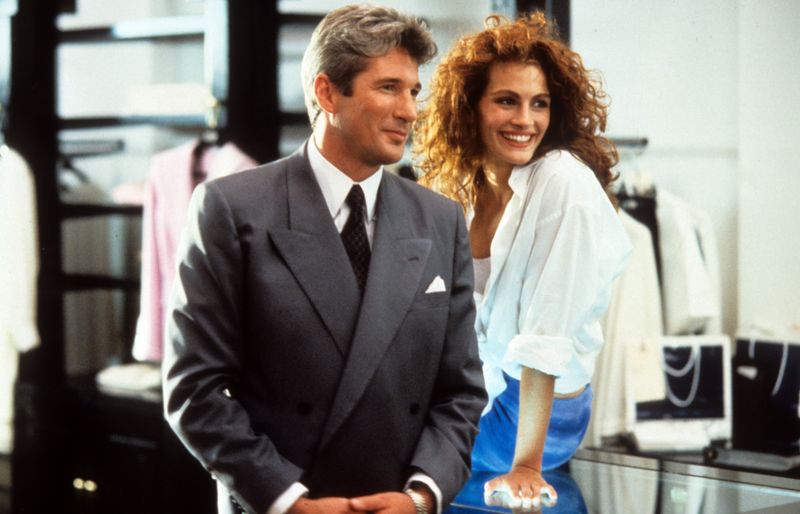
A wealthy businessman and a woman working on Hollywood Boulevard meet by chance, leading to an arrangement that transforms into romance.
The fairy-tale transformation montage and glamorous shopping scenes became iconic moments in cinema history.
Yet the foundation of their relationship rests on a significant power imbalance.
Edward essentially purchases Vivian’s time and company, controlling where she goes, what she wears, and how she presents herself to his world.
The film romanticizes a transactional relationship where money solves every problem and erases all complications.
While the movie presents their connection as genuine love conquering class differences, it actually reinforces troubling ideas about wealth, control, and what women should accept in relationships.
The Cinderella story loses its charm when examined through a modern lens.
8. 10 Things I Hate About You (1999)

Bianca Stratford can’t date until her older sister Kat does, thanks to an overprotective father’s unusual rule.
Cameron, interested in Bianca, pays Patrick to pursue the fiercely independent Kat so he can date her younger sister.
Despite its clever Shakespeare adaptation and memorable performances, the plot centers on paying someone to manipulate a teenage girl’s emotions.
Patrick accepts money to pursue Kat romantically, turning her feelings into a business transaction.
The scheme treats Kat as an obstacle to overcome rather than a person deserving respect and honesty.
Though Patrick eventually develops genuine feelings, the foundation remains a paid deception designed to control who Kat’s sister can date.
The film’s charm and humor can’t completely erase the uncomfortable reality that the central romance began as emotional manipulation for hire.
9. Overboard (1987)

Joanna Stayton, a wealthy and demanding woman, falls off her yacht and loses all her memories.
Dean Proffitt, a carpenter she previously mistreated, sees an opportunity for revenge by claiming she’s his wife.
He essentially kidnaps an amnesiac woman and forces her into domestic servitude, caring for his children and cleaning his home.
The film treats this situation as comedic justice rather than the disturbing crime it actually represents.
Joanna has no ability to consent or escape because she genuinely believes Dean’s lies about their supposed marriage.
The movie asks audiences to laugh at her confusion and exhaustion while ignoring that Dean is exploiting a vulnerable person’s medical condition.
Even when they develop feelings for each other, the relationship began through kidnapping, deception, and forced labor that would result in serious criminal charges today.
10. You’ve Got Mail (1998)

Kathleen Kelly and Joe Fox share a charming online connection through anonymous email exchanges, discussing books and life while falling for each other digitally.
Meanwhile, their real-world relationship is adversarial as his corporate bookstore chain threatens her small independent shop.
Joe discovers Kathleen’s identity but continues the deception for months while actively working to destroy her business.
He uses information from their private conversations to manipulate situations in person.
The massive power imbalance between a corporate executive and a small business owner he’s deliberately bankrupting makes their eventual romance deeply uncomfortable.
Joe’s prolonged deception and willingness to ruin Kathleen’s livelihood while pretending to be her confidant online reveals manipulative behavior the film treats as romantic persistence.
The charming emails can’t disguise that he knowingly broke her heart twice while lying about who he was.
11. The Wedding Planner (2001)

Mary Fiore has built her career on creating perfect weddings for other couples, maintaining strict professionalism until she meets Steve Edison.
Their instant connection seems destined until she discovers he’s the groom for her biggest client’s upcoming wedding.
Rather than stepping away from the professional conflict, Mary continues planning the wedding while pursuing romantic feelings for her client’s fiancé.
The film minimizes the serious ethical violations this represents for her career and reputation.
Her actions could destroy another woman’s wedding, betray a client’s trust, and ruin her professional standing, yet the movie frames these consequences as minor obstacles to true love.
The emotional impact on Steve’s fiancée receives little consideration.
Modern audiences recognize that professional ethics and respecting other relationships matter, regardless of romantic attraction.
Some boundaries exist for important reasons beyond just inconvenience.
12. Shallow Hal (2001)

Hal Larson only dates women who meet conventional beauty standards until a self-help guru hypnotizes him to see inner beauty instead of physical appearance.
This magical intervention leads him to Rosemary, whom he perceives differently than others do.
The film’s humor relies heavily on body-shaming jokes and showing the contrast between how Hal sees Rosemary versus her actual appearance.
Other characters mock her size repeatedly while the audience is meant to find the situation comedic.
Though the movie claims to promote looking beyond physical appearance, its execution completely undermines that message.
The joke remains centered on body size throughout, treating Rosemary’s appearance as inherently funny.
The premise suggests people need magical intervention to find certain individuals attractive, which actually reinforces harmful beauty standards rather than challenging them.
The attempted message about inner beauty gets lost in mean-spirited comedy.
13. What Women Want (2000)

Nick Marshall gains the ability to hear women’s thoughts after an electrical accident, suddenly accessing the private mental conversations of every woman around him.
He initially uses this invasive power to advance his advertising career by stealing ideas from his female colleague.
The film treats this complete violation of privacy and consent as a comedic gift rather than the disturbing invasion it represents.
Nick listens to women’s most private thoughts without their knowledge or permission, using that information to manipulate situations.
He improves his relationships and career by exploiting access to information he has no right to hear.
The workplace violations alone would result in serious consequences, yet the movie frames his behavior as harmless and eventually beneficial.
The romantic subplot asks audiences to ignore that Nick built connections through deception and boundary violations.
Modern viewers recognize that respecting privacy and consent matters more than intentions.
14. License to Wed (2007)

Sadie and Ben want to marry in her family’s church, but Reverend Frank requires them to complete his intense marriage preparation course first.
What sounds like standard premarital counseling quickly becomes invasive surveillance and psychological manipulation.
The reverend bugs their home, spies on their private conversations, and creates situations designed to humiliate and test them without consent.
He treats their relationship as his personal social experiment.
The film frames these serious violations of privacy and trust as necessary steps toward a strong marriage, suggesting that manipulation and humiliation build healthy foundations.
Ben and Sadie endure emotional abuse from an authority figure who faces no consequences for his actions.
Modern audiences recognize that healthy relationships require respect, privacy, and trust rather than surveillance and manufactured crises.
No religious authority should engage in behavior this controlling and invasive.
15. Failure to Launch (2006)

Tripp is a thirty-something man still living comfortably in his parents’ home, showing no interest in independence.
His frustrated parents hire Paula, a professional interventionist, to make him fall in love so he’ll finally move out.
The entire premise involves paying someone to emotionally manipulate their adult son through fake romance and manufactured feelings.
Paula has done this before, treating men’s emotions as something to exploit for money.
Tripp has no idea their relationship is a business transaction designed to shame him into changing his lifestyle.
The film combines deception, emotional manipulation, and mockery of men who don’t meet traditional independence standards.
Though Paula eventually develops real feelings, she built their entire relationship on lies and exploitation.
The movie treats using fake romance as legitimate personal growth strategy rather than recognizing it as cruel deception that destroys trust and dignity.
16. The Ugly Truth (2009)

Abby Richter, a morning show producer, clashes with her new co-host Mike Chadway, who shares cynical and degrading dating advice on air.
Their professional relationship is contentious from the start, built on completely opposite views about relationships and respect.
Mike agrees to help Abby attract her neighbor using his controversial methods, which involve changing her personality and appearance to match stereotypical male preferences.
His advice reinforces harmful gender stereotypes and adversarial relationship dynamics.
The film presents their eventual romance as proof that his cynical, degrading approach to dating was correct all along.
It suggests that women should tolerate disrespectful behavior and that relationships are fundamentally about manipulation and game-playing.
The movie frames sexist attitudes as honest truth-telling rather than recognizing them as harmful perspectives.
Modern audiences understand that healthy relationships require mutual respect, not cynical strategies and gender-based assumptions.
17. While You Were Sleeping (1995)

A misunderstanding leads Peter Callaghan’s family to believe Lucy Eleanor is his fiancée, and lonely Lucy doesn’t correct the mistake.
She allows Peter’s entire family to believe a complete fabrication about their relationship, attending family gatherings and accepting their love under false pretenses.
Meanwhile, she develops genuine feelings for Peter’s brother Jack while maintaining the deception.
The prolonged lie affects everyone in the family, who welcome her based on false information about who she is and her connection to Peter.
When he wakes up, the situation becomes even more complicated.
Though the film treats Lucy’s loneliness sympathetically, her actions involve significant deception that today raises serious ethical concerns.
Building relationships on lies, regardless of initial circumstances, creates foundations that can’t support genuine trust and connection.