 MomSkoop
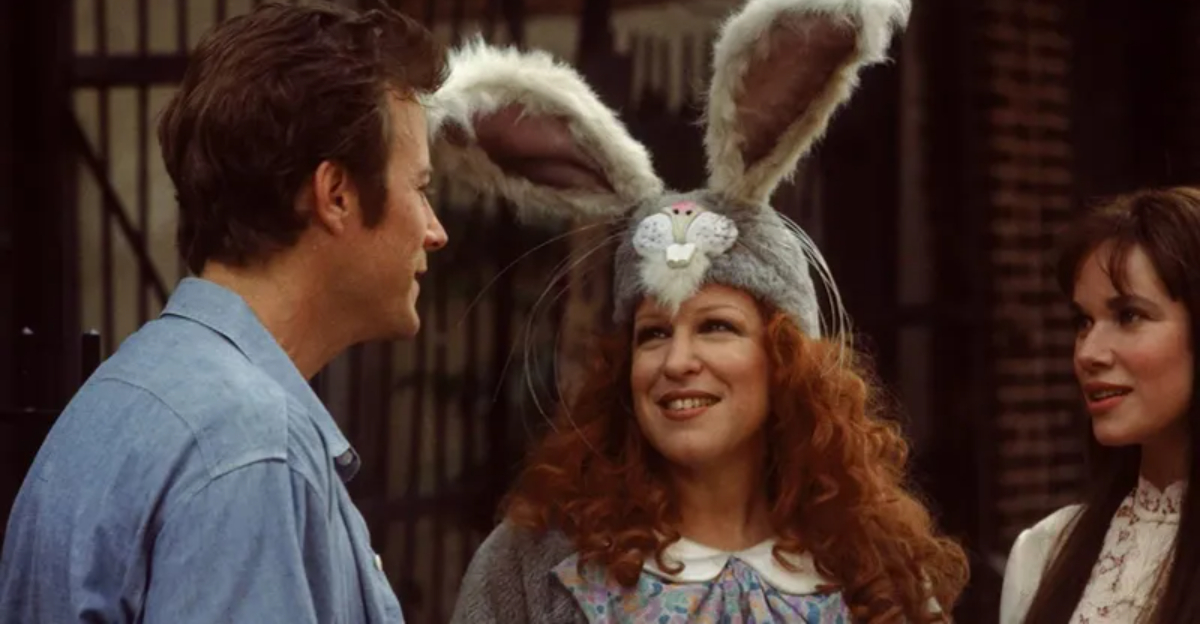
Some movies from the 1980s hit so hard emotionally that people still cry watching them decades later. Whether they deal with war, illness, loss, or broken families, these films capture feelings that never go out of style.
The stories feel real, the performances are unforgettable, and the heartbreak stays with you long after the credits roll. Here are 17 sad movies from that era that remain just as powerful today as when they first appeared on screen.
1. Grave of the Fireflies (1988)
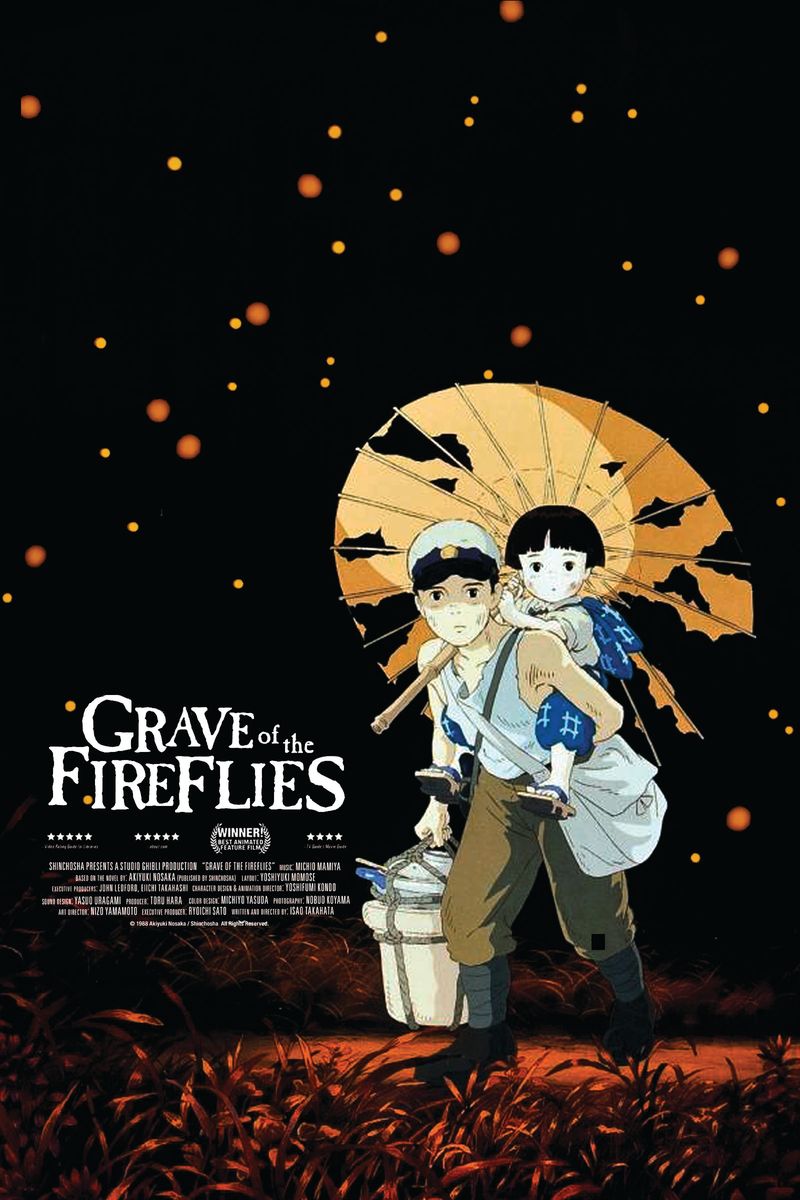
Few animated films have ever come close to matching the raw emotional weight of Grave of the Fireflies.
Released by Studio Ghibli in 1988, it follows two young siblings, Seita and Setsuko, as they try to survive in Japan near the end of World War II.
The film never lets the audience look away from hunger, exhaustion, and slow despair.
What makes this movie so unforgettable is how quietly it builds its heartbreak.
There are no villains, just a broken world that fails two children who deserved better.
Watching Seita try to protect his little sister with so few resources is almost unbearable.
Even seasoned moviegoers find this one impossible to watch without tears.
2. Terms of Endearment (1983)
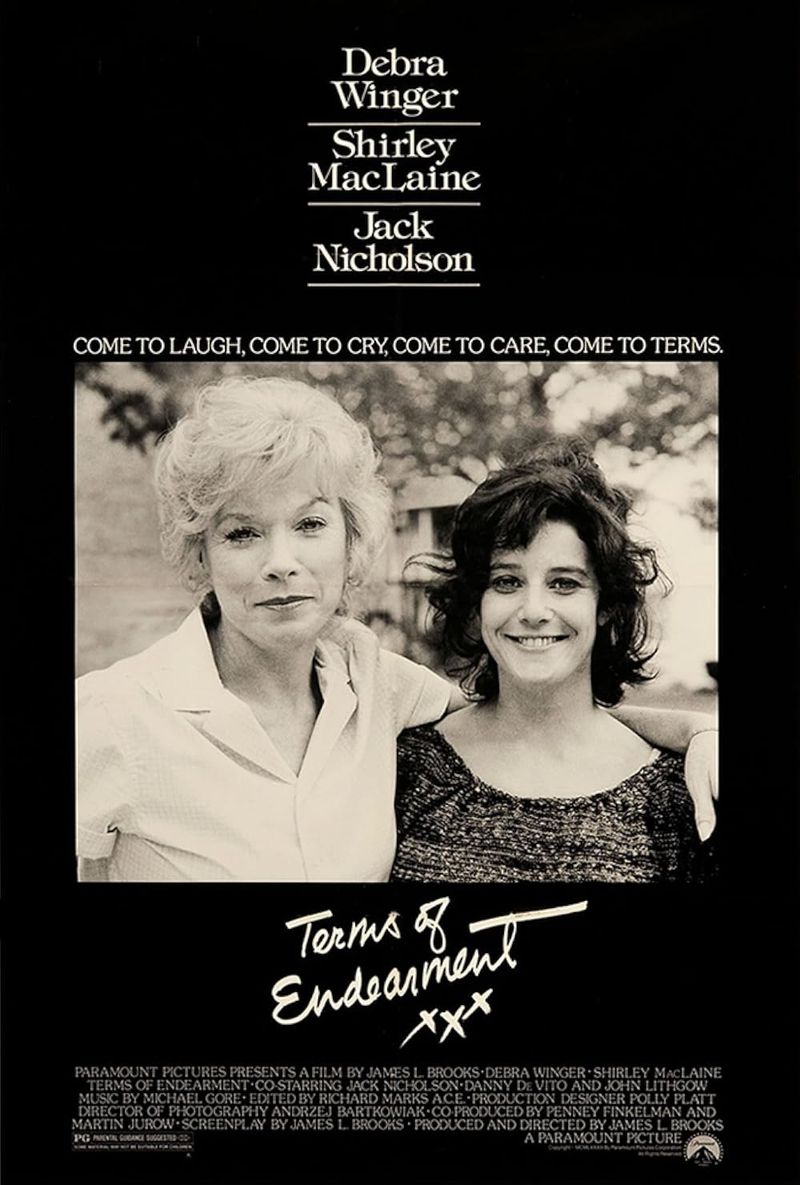
Shirley MacLaine and Debra Winger were practically born to play this mother and daughter.
Terms of Endearment follows Aurora and Emma through years of arguments, laughter, and the kind of stubborn love that holds families together even when everything else falls apart.
Their chemistry feels completely genuine from the very first scene.
The film shifts tone so skillfully that audiences barely notice when the comedy fades and something much sadder takes over.
When illness enters Emma’s life, the story transforms into one of the most emotionally honest portrayals of family grief ever committed to film.
It won five Academy Awards, including Best Picture, and the hospital scenes remain some of the most affecting moments in 1980s cinema.
3. The Elephant Man (1980)
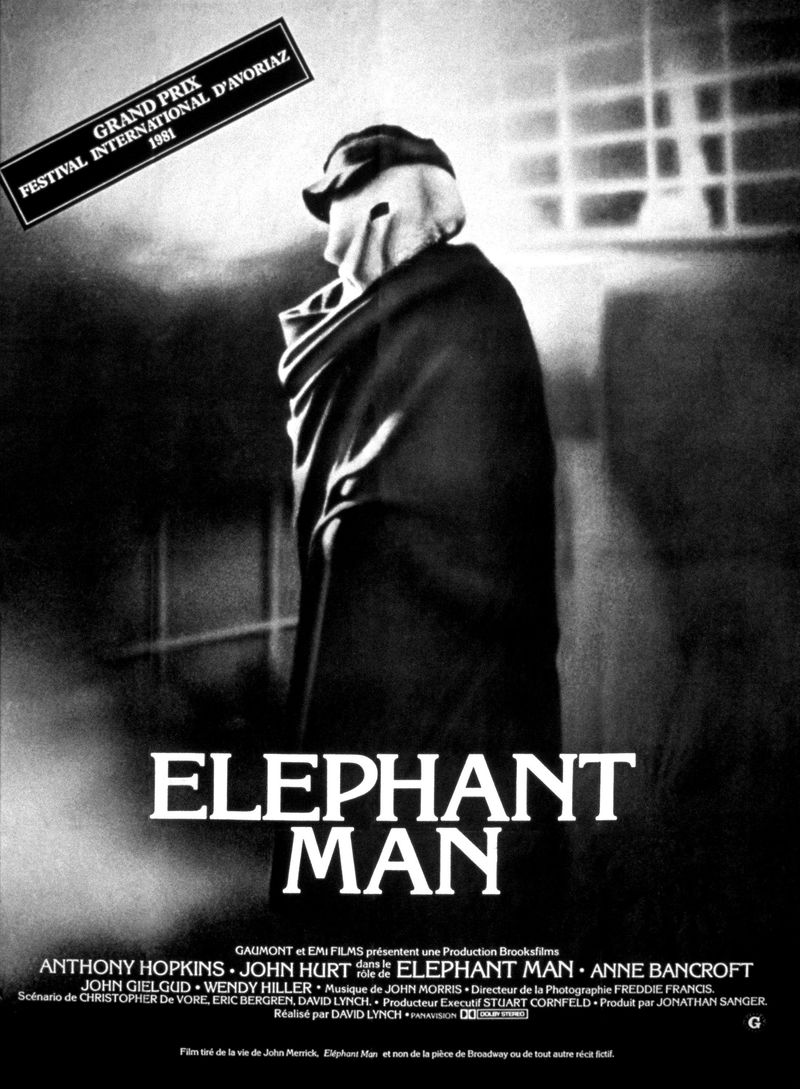
David Lynch brought the true story of Joseph Merrick to the screen in 1980, and the result is one of the most compassionate films ever made.
John Hurt disappears beneath layers of prosthetic makeup to play a man whose severe physical differences made him a target for cruelty throughout his life.
Yet the character he creates is full of warmth, intelligence, and quiet dignity.
Shot in stunning black and white, the film refuses to treat Merrick as a spectacle, which makes it so much more powerful than it could have been.
The contrast between how the world sees him and who he actually is creates a sadness that lingers.
His simple wish to be recognized as a human being is heartbreaking in its sincerity.
4. The Color Purple (1985)
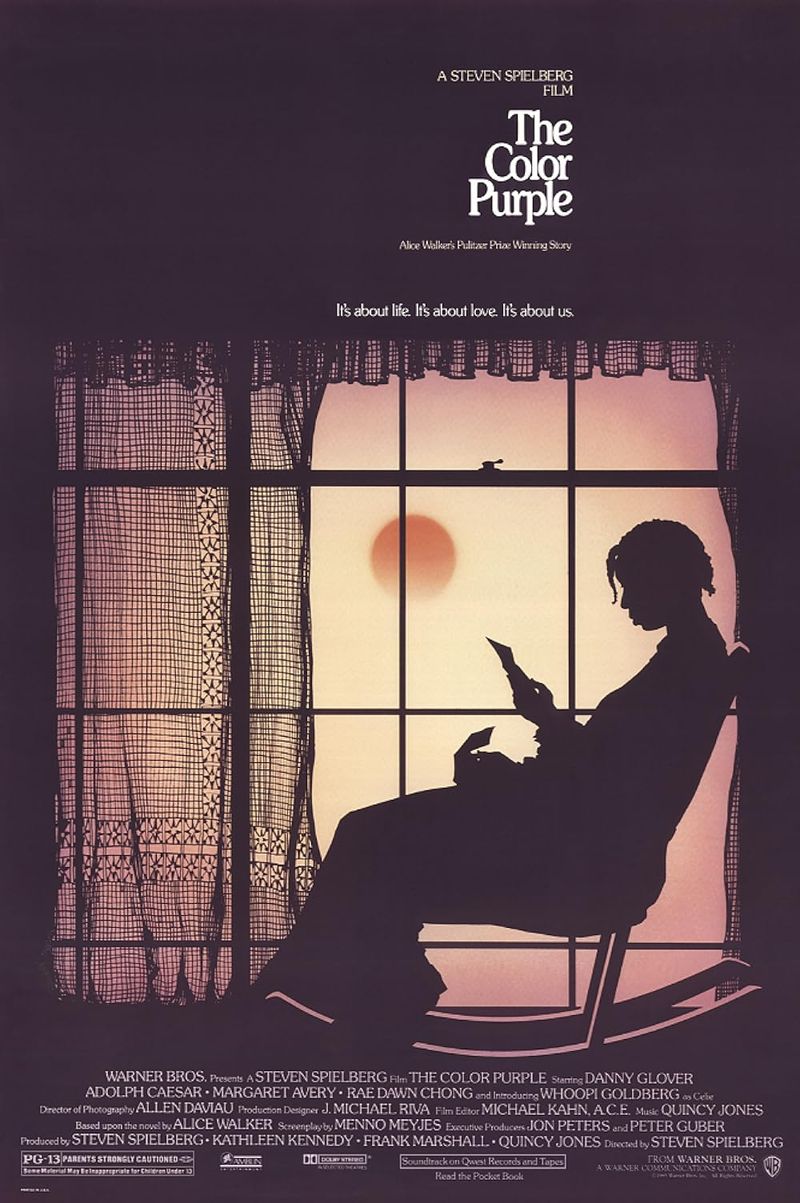
Steven Spielberg brought Alice Walker’s Pulitzer Prize-winning novel to the screen with a cast that gave everything they had.
Whoopi Goldberg plays Celie, a woman who endures abuse, separation from her children, and years of being made to feel worthless.
Her journey toward self-discovery and strength is one of the most emotionally rewarding arcs in 1980s film.
What keeps this movie so powerful today is how honestly it portrays suffering without making the character a passive victim.
Celie fights to hold onto herself even when the world around her seems designed to erase her.
The supporting performances from Oprah Winfrey and Margaret Avery add even more emotional texture.
By the final scene, most viewers are completely overwhelmed.
5. Ordinary People (1980)
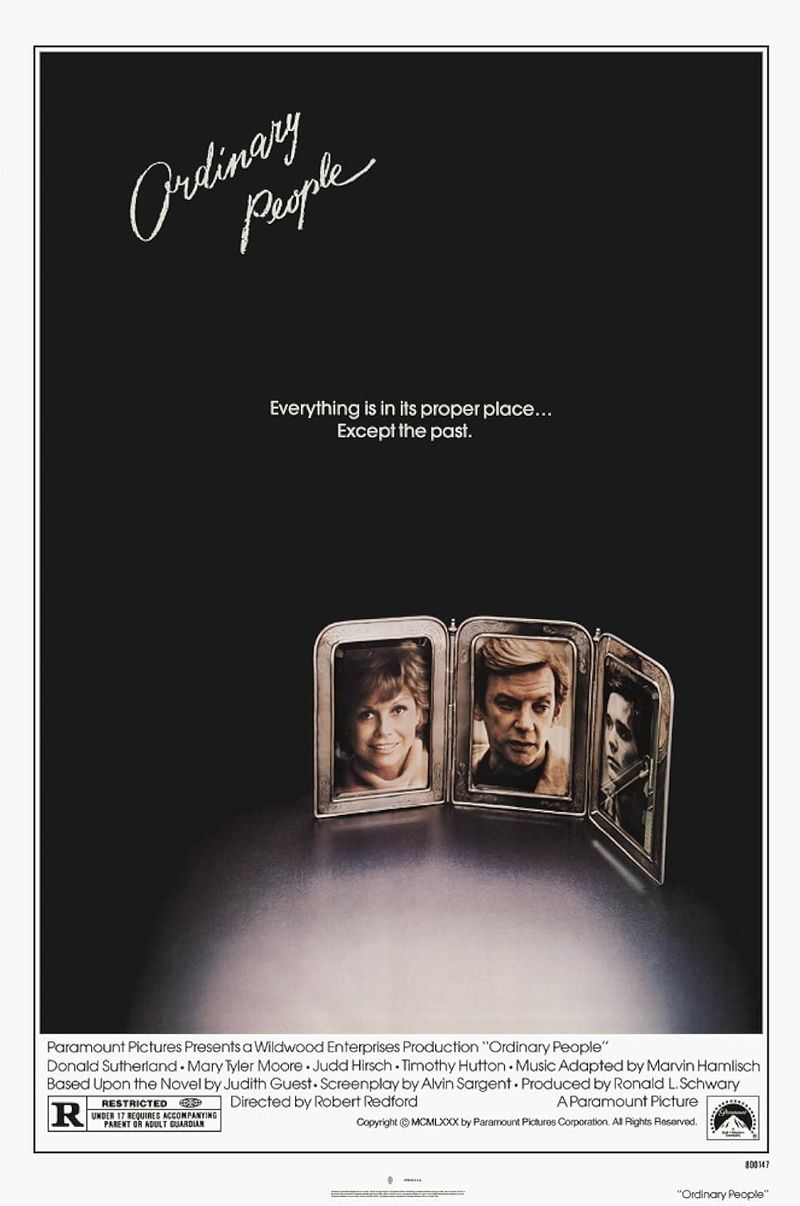
Robert Redford won the Academy Award for Best Director with this quiet, devastating look at a family coming apart at the seams.
After the accidental death of one son and a suicide attempt by the other, the Jarrett family tries to pretend that everything is fine.
Timothy Hutton plays Conrad, the surviving son, with a fragility that feels completely real.
Mary Tyler Moore is remarkable as the mother who cannot bring herself to process grief openly, creating a cold distance that hurts everyone around her.
The film won Best Picture and remains one of the most honest portrayals of depression and survivor guilt ever made.
Ordinary People is proof that quiet stories about real pain can hit harder than any dramatic spectacle.
6. Sophie’s Choice (1982)
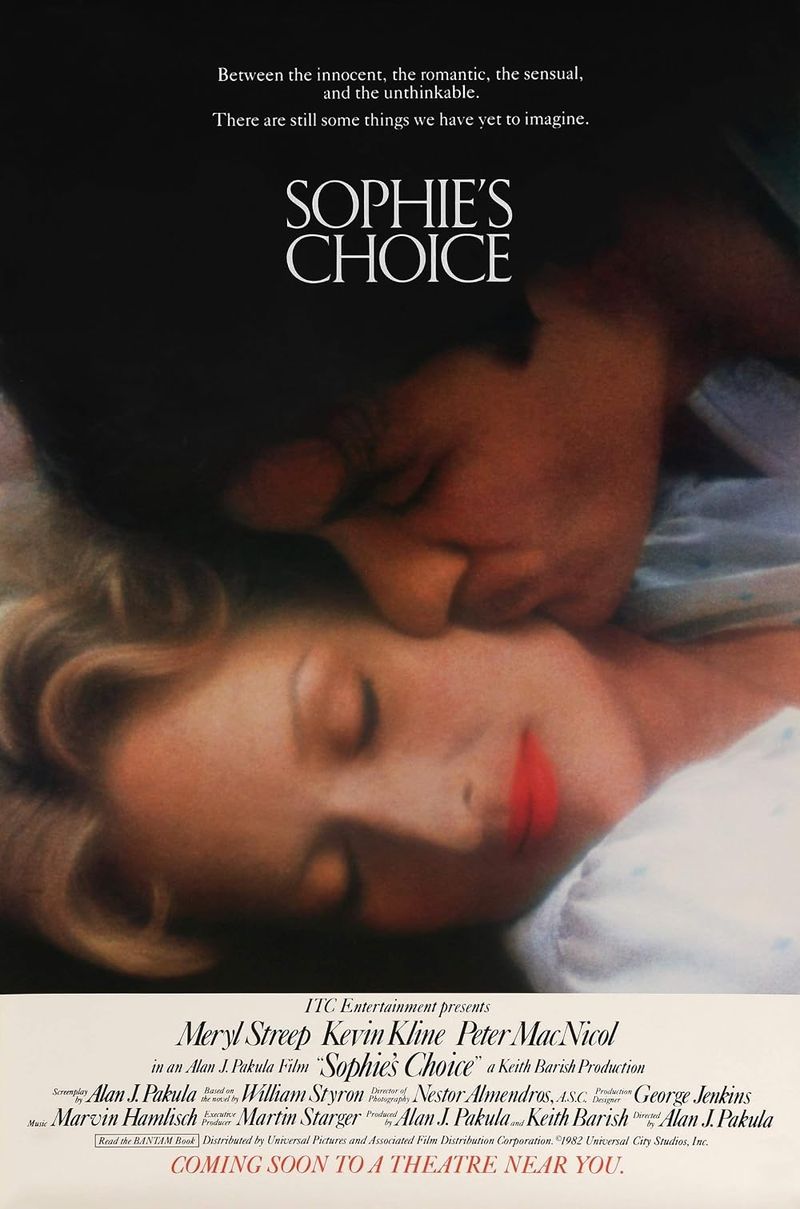
Meryl Streep won her second Academy Award for playing Sophie, a Polish Holocaust survivor living in Brooklyn with secrets that slowly destroy her from the inside out.
Her performance is widely considered one of the greatest in the history of cinema, and watching the film today makes it easy to understand why.
Every glance and hesitation carries the weight of unspoken trauma.
The film builds carefully toward a revelation so painful that audiences often need a moment to recover.
Sophie’s choice refers to an impossible decision forced upon her during the war, and when the truth finally surfaces, it reframes everything that came before.
This is not an easy film to watch, but it is an absolutely essential one for anyone who takes cinema seriously.
7. The Killing Fields (1984)
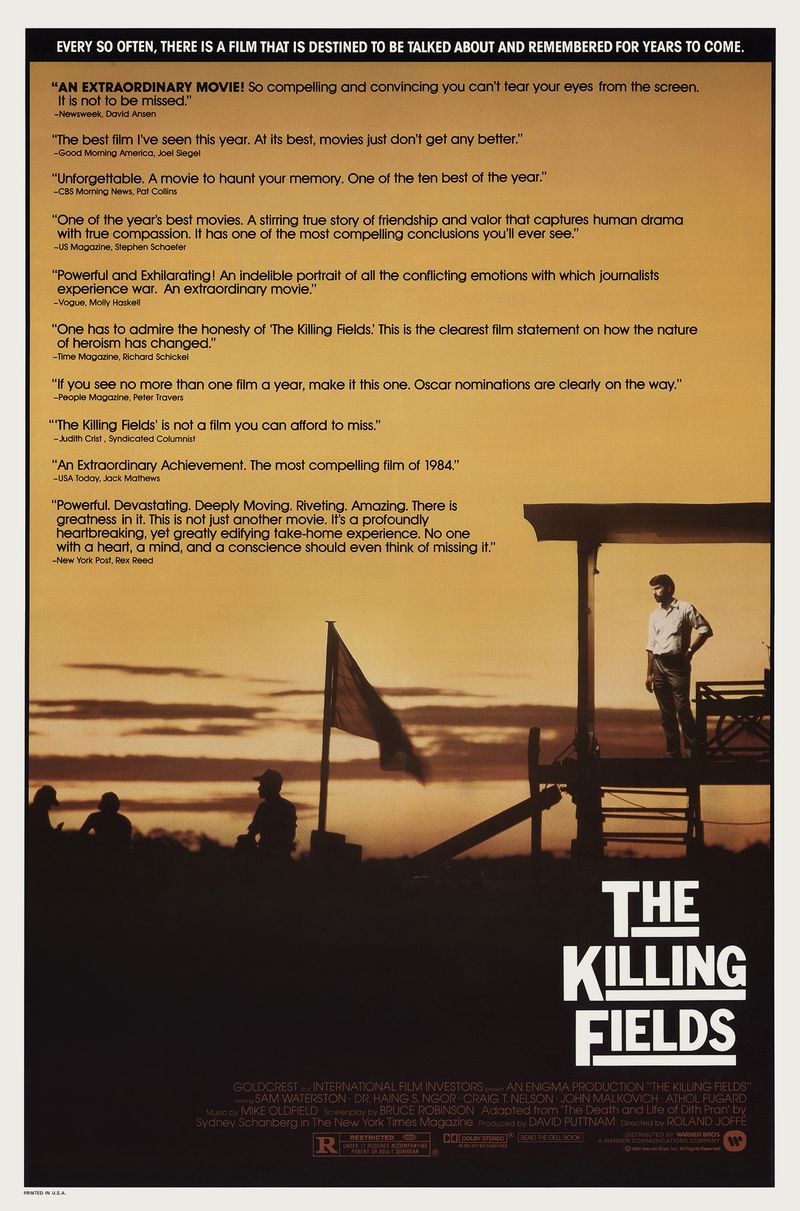
Based on a true story, The Killing Fields follows the friendship between American journalist Sydney Schanberg and his Cambodian colleague Dith Pran as the Khmer Rouge seizes control of Cambodia.
When Schanberg is evacuated and Pran is left behind, the film splits into two separate survival stories that are equally harrowing.
Haing S.
Ngor, himself a survivor of the regime, won an Oscar for his portrayal of Pran.
The scenes depicting the Khmer Rouge’s brutal rule are among the most disturbing ever captured in a mainstream film.
What makes the movie so emotionally devastating is the friendship at its center, the trust, the guilt, and the desperate hope that reunion is still possible.
History gives this story extra weight that fiction alone could never provide.
8. Dead Poets Society (1989)
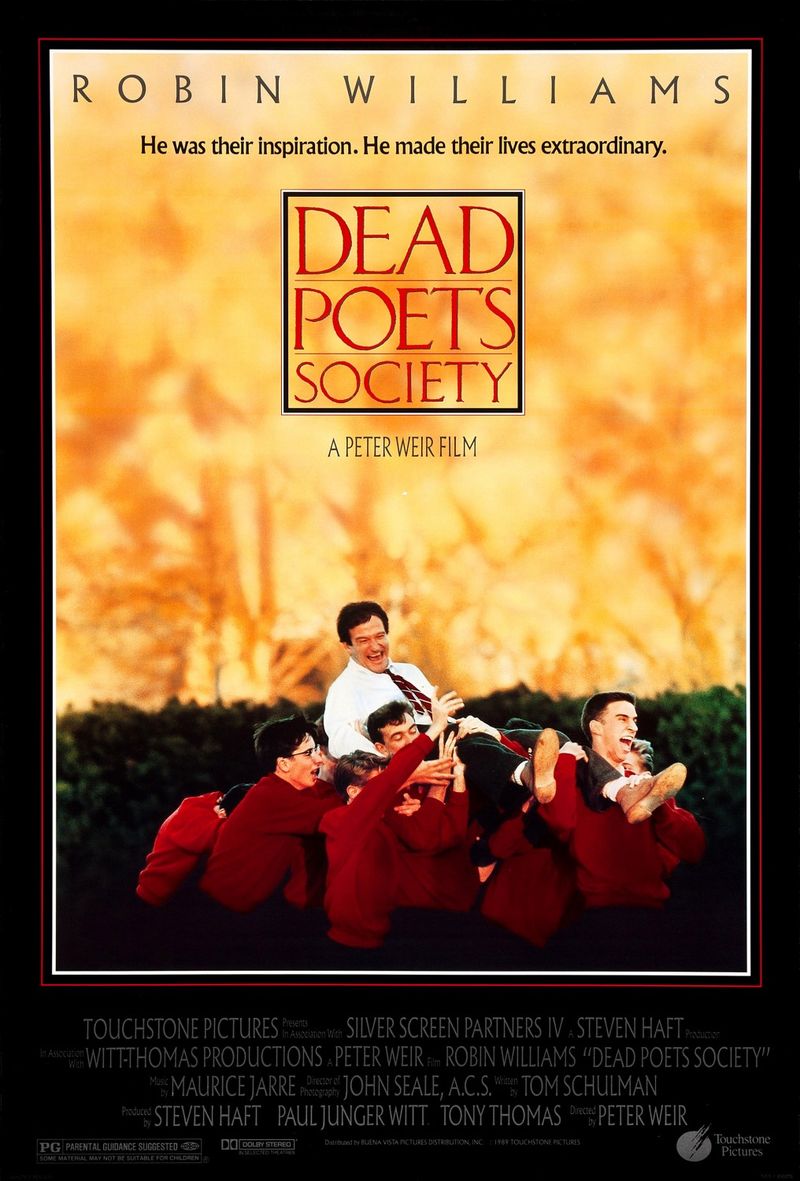
Robin Williams plays John Keating, an English teacher who arrives at an elite boarding school and immediately starts shaking up the rigid, tradition-bound atmosphere.
His encouragement to seize the day and think for yourself feels electric, and the students around him come alive in response.
For much of its runtime, Dead Poets Society feels like a celebration of creativity and courage.
Then the film pivots, and what follows is one of the most emotionally crushing third acts of the entire decade.
Parental pressure, lost dreams, and a tragic decision by one student reframe everything Keating tried to build.
The final scene, where students stand on their desks one by one, is both triumphant and completely heartbreaking at the same time.
Williams has never been better.
9. Beaches (1988)
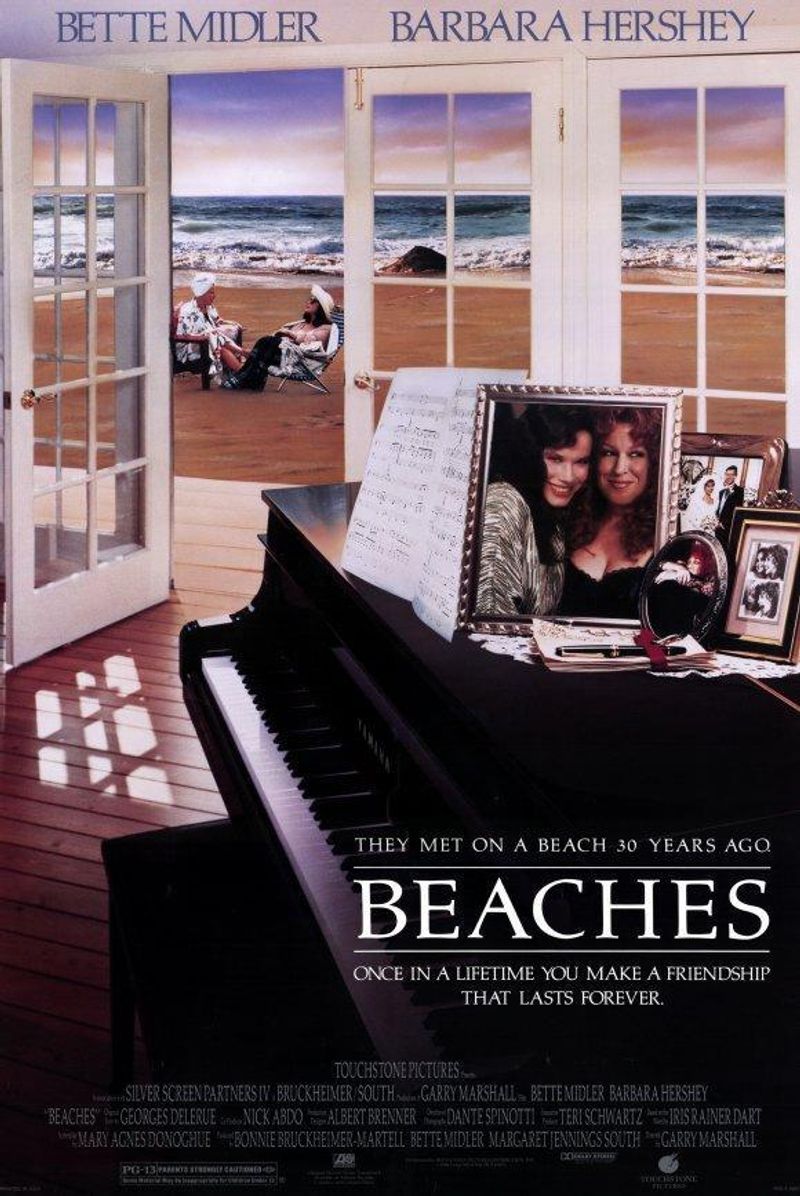
Bette Midler and Barbara Hershey play CC and Hillary, two women who meet as children and maintain a friendship across decades of jealousy, distance, arguments, and unconditional love.
Their relationship feels messy and real in a way that most movie friendships do not.
Midler’s performance is loud and funny and achingly vulnerable all at once.
The film takes its time building the friendship before introducing the illness that will define its final act.
By the time tragedy arrives, audiences are so invested in these two women that the emotional payoff is genuinely overwhelming.
The soundtrack, featuring Midler’s iconic Wind Beneath My Wings, became permanently associated with friendship and loss.
Beaches understands that the saddest goodbyes happen between people who truly knew each other.
10. The Last Emperor (1987)
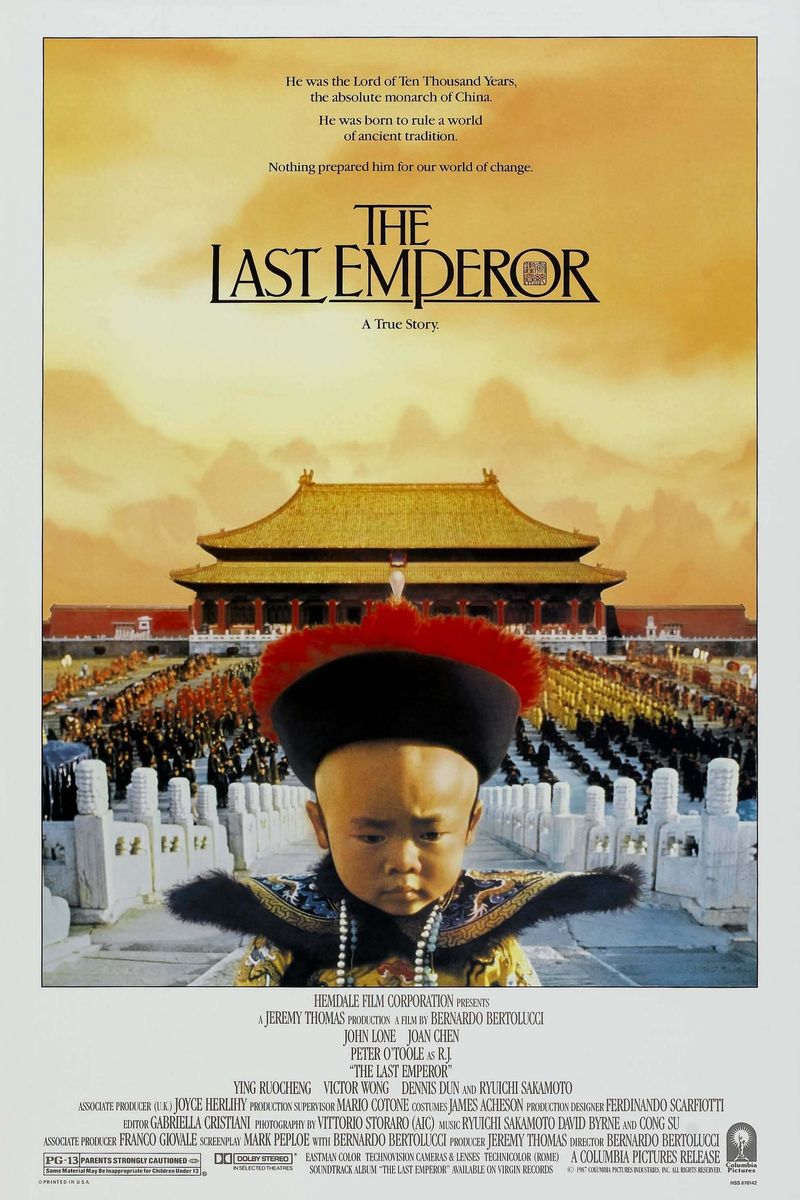
Bernardo Bertolucci’s sweeping historical epic won nine Academy Awards, including Best Picture, and tells the life story of Puyi, the last emperor of China.
Crowned as a toddler and stripped of real power almost immediately, Puyi spends his entire life losing things: his throne, his country, his identity, and eventually his freedom.
The film is visually breathtaking, but the sadness underneath never disappears.
What makes The Last Emperor so affecting is how small Puyi feels inside the grandeur that surrounds him.
The Forbidden City looks magnificent, yet it functions as a gilded cage.
As history sweeps past him, Puyi becomes a man perpetually out of place in his own story.
His final years, spent as an ordinary gardener, carry a bittersweet resignation that is genuinely moving.
11. My Life as a Dog (1985)
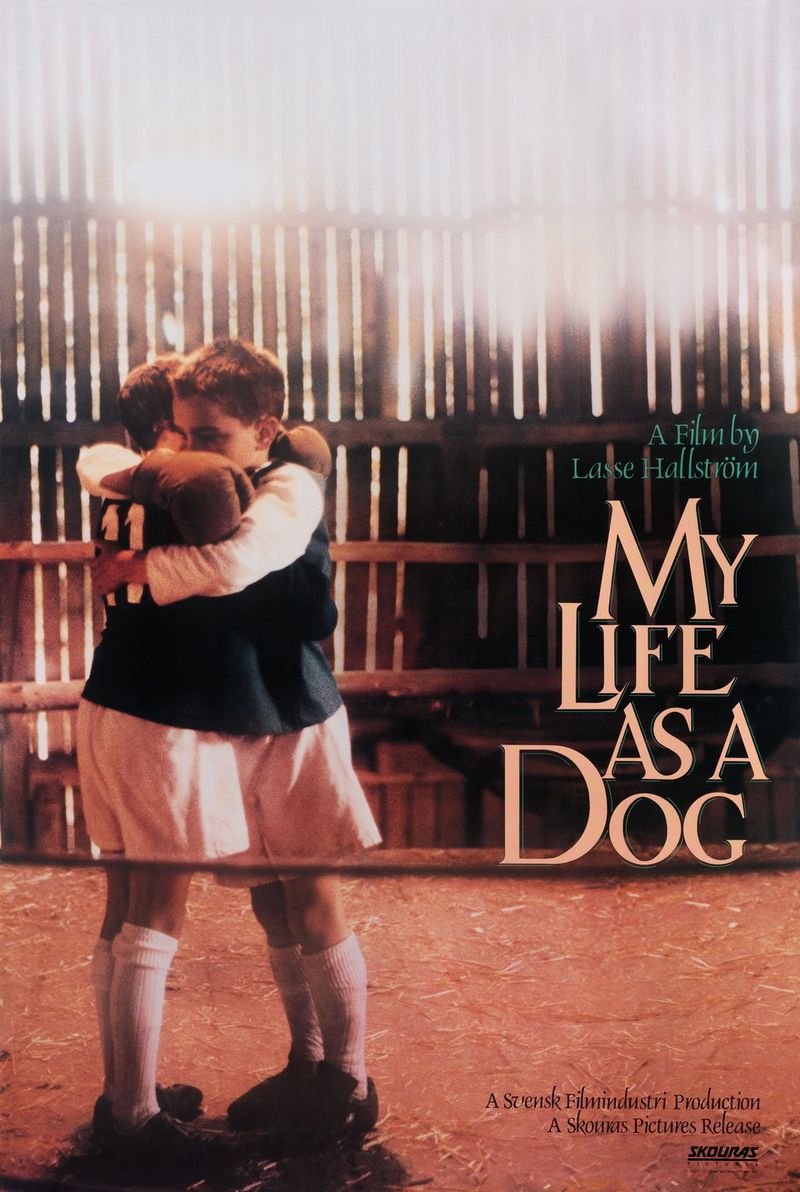
Lasse Hallstrom’s Swedish coming-of-age film introduces Ingemar, a cheerful and imaginative boy who copes with difficult circumstances by comparing his situation to worse ones.
When his mother becomes seriously ill, he is sent to live with relatives in the countryside.
The film balances genuine warmth and humor with an undercurrent of loneliness that never fully goes away.
Ingemar’s habit of reminding himself that things could be worse, like the dog Laika sent into space with no hope of return, is both funny and deeply sad.
He is a child trying to make sense of loss without the emotional vocabulary to name what he is feeling.
My Life as a Dog treats childhood grief with rare honesty and tenderness, making it one of the decade’s most underrated tearjerkers.
12. Au Revoir les Enfants (1987)
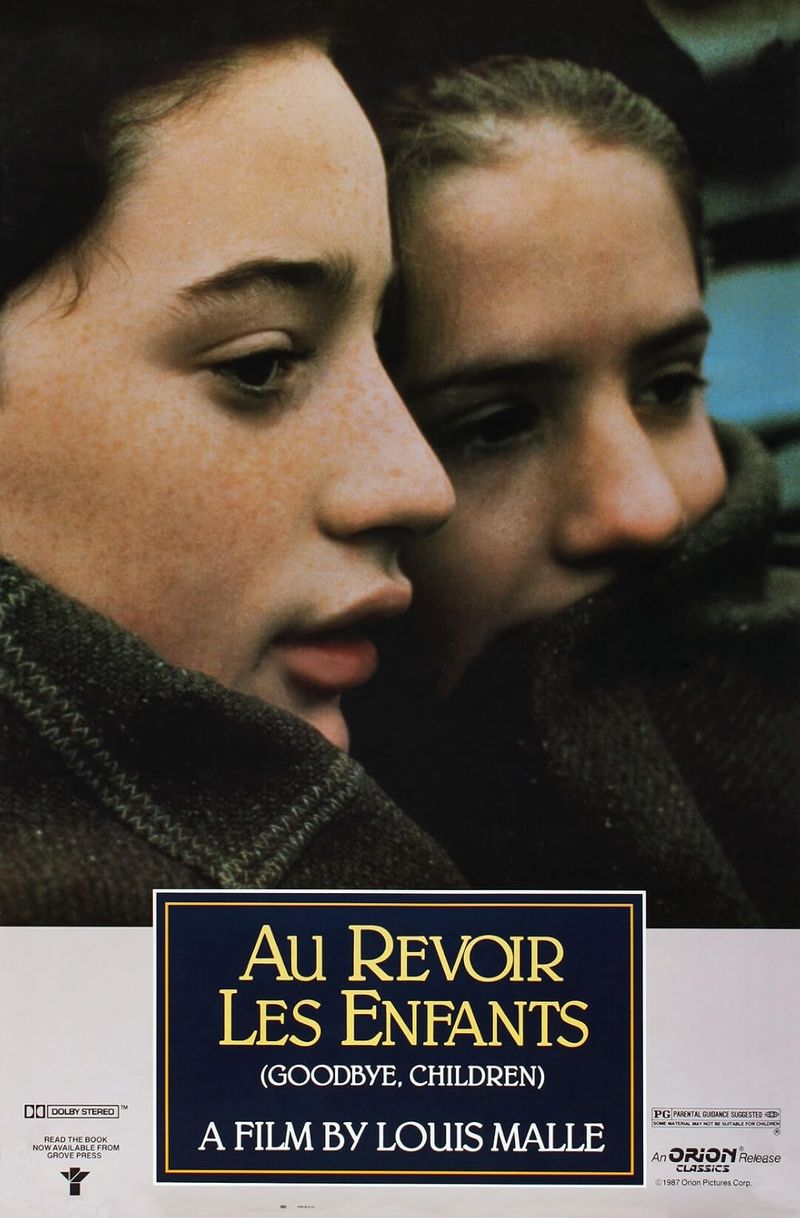
Louis Malle based this film directly on one of his most painful childhood memories, and that personal honesty gives every scene an authenticity that is hard to shake.
Set in a French boarding school during the Nazi occupation, it follows a friendship between Julien, a privileged French boy, and Jean, a Jewish student hiding under a false identity.
Their bond develops slowly and naturally.
The film never announces that tragedy is coming, which makes the ending even more shocking when it arrives.
A moment of accidental betrayal sets off a chain of consequences that destroys everything.
Malle has said he carried guilt from this experience for decades, and that weight is visible in every frame.
Au Revoir les Enfants is quiet, restrained, and absolutely devastating.
13. The Mission (1986)
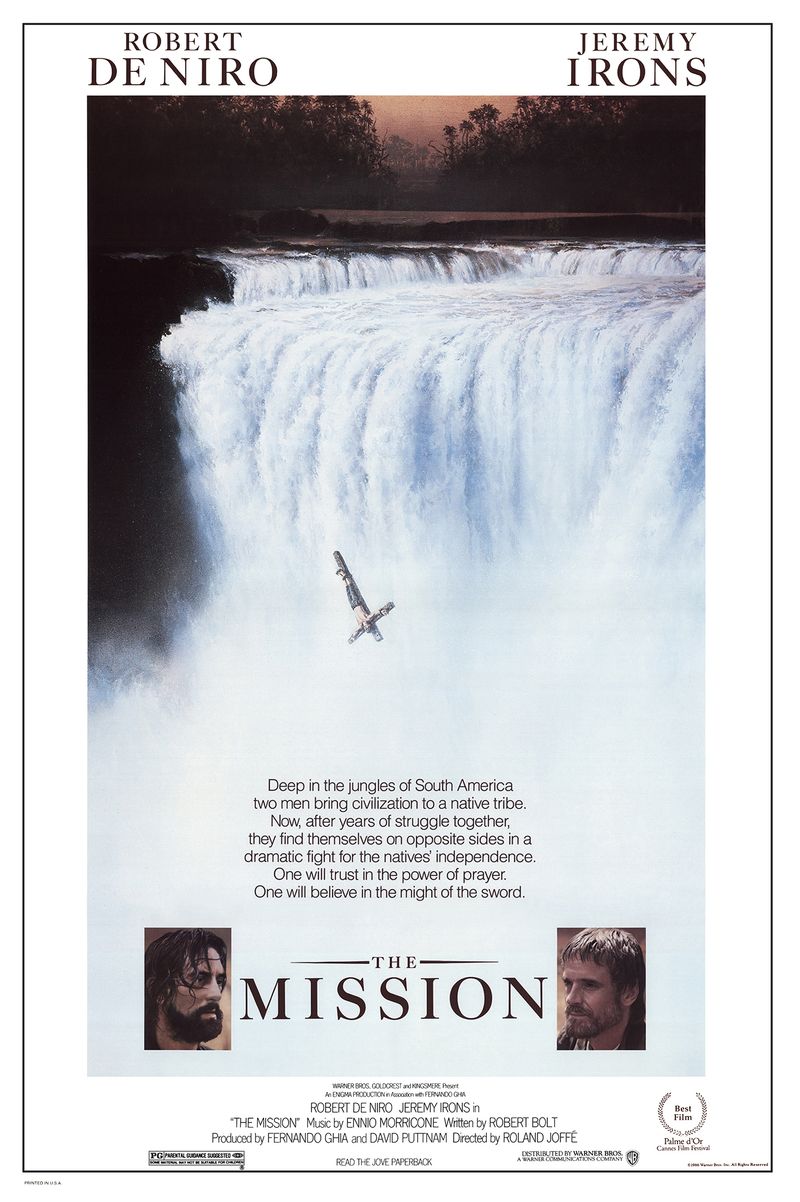
Robert De Niro and Jeremy Irons lead this stunning historical drama set in 18th-century South America, where Jesuit missionaries have built a peaceful community with the Guarani people.
When colonial powers decide the mission must be destroyed, both men choose very different responses.
Their contrasting paths toward the same tragic end give the film a philosophical depth that rewards repeated viewing.
Ennio Morricone’s score is one of the most beautiful ever composed for a film, and it makes the final sequences almost unbearably moving.
The Mission asks hard questions about faith, violence, justice, and the limits of peaceful resistance.
Its conclusion offers no comfort, only the image of a world that chose power over humanity.
That bleak honesty is exactly why it still resonates so strongly today.
14. Running on Empty (1988)
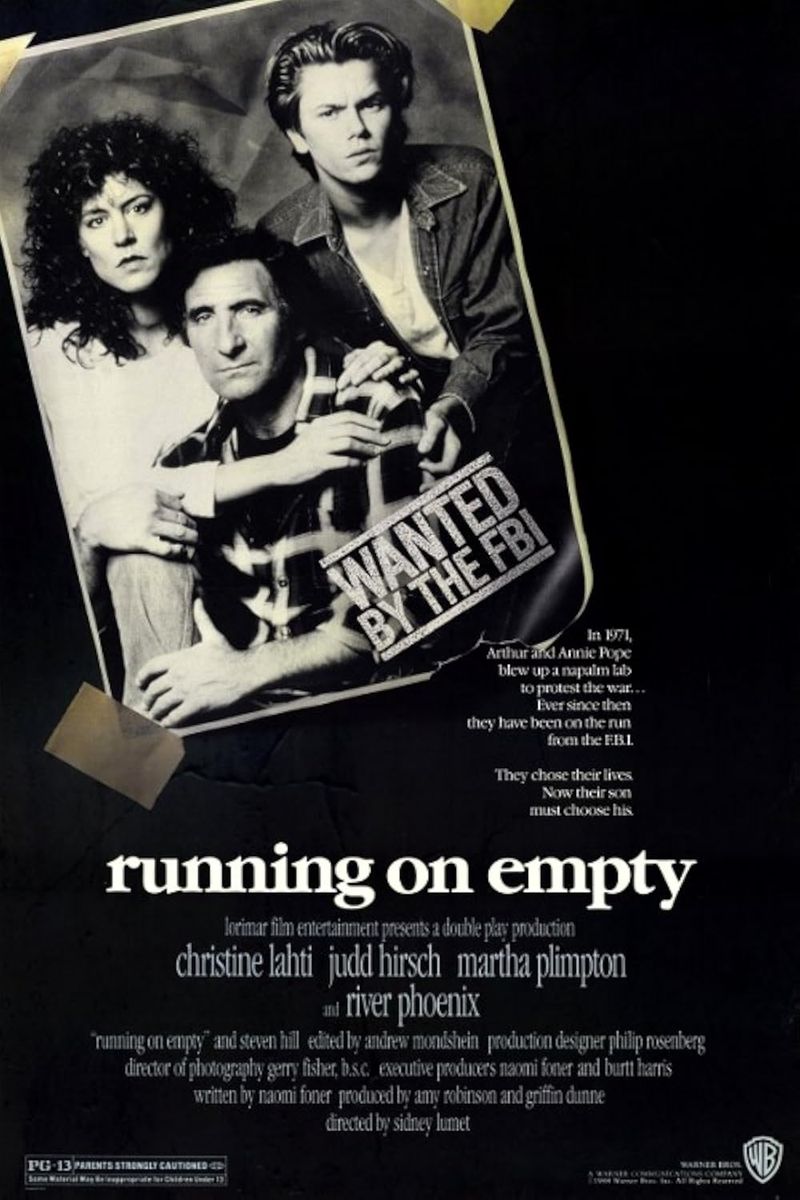
River Phoenix received an Academy Award nomination for playing Danny Pope, a teenager who has grown up constantly moving because his parents are fugitives from the law.
His mother and father committed an antiwar bombing years ago and have been running ever since.
Danny has never known a normal life, and the film captures his quiet ache for one with remarkable sensitivity.
What makes Running on Empty so emotionally precise is how it refuses to judge any of its characters.
Danny’s parents love him deeply, but their choices have cost him everything ordinary teenagers take for granted.
The scene where Danny plays piano for a music teacher who recognizes his talent is one of the most tender moments in Phoenix’s tragically short career.
The film understands that love and harm can coexist.
15. Testament (1983)
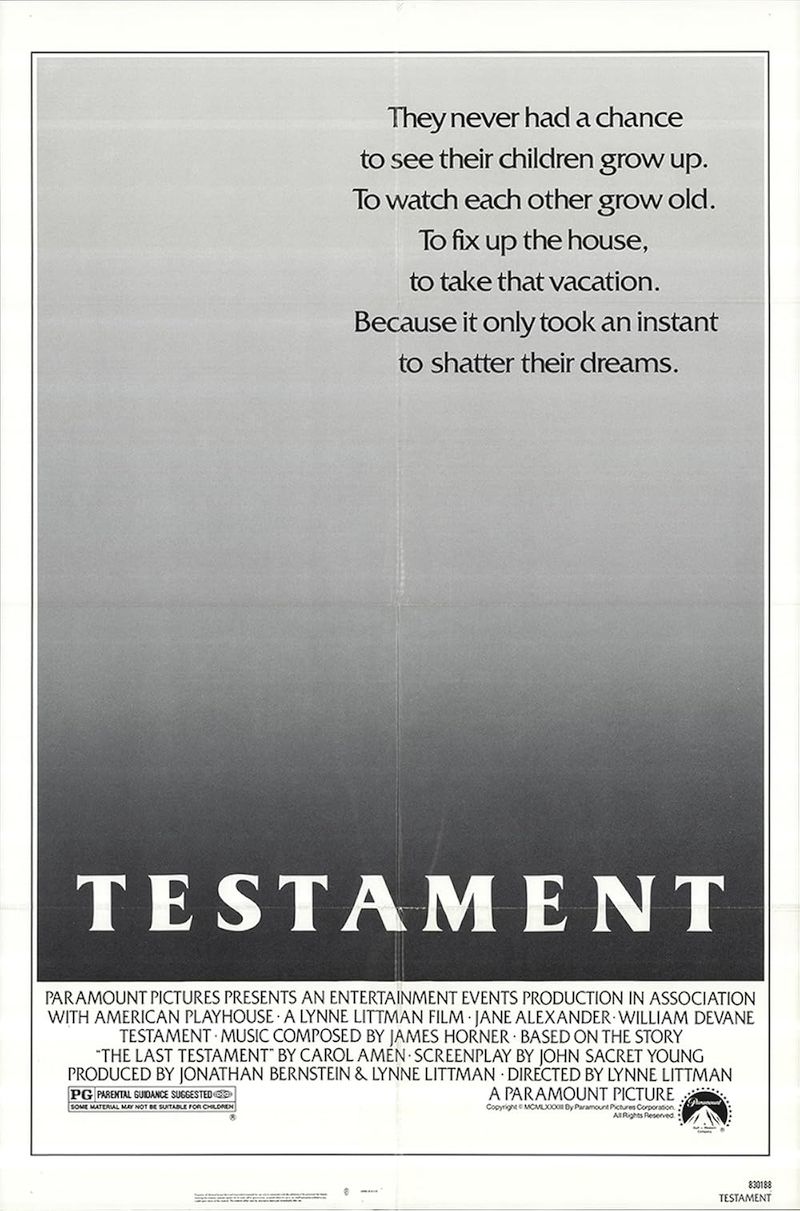
Testament takes a completely different approach to nuclear war than most films of its era.
Rather than showing explosions or military drama, it stays in one small California suburb and follows Carol Wetherly as she tries to care for her children after a catastrophic attack.
Jane Alexander was nominated for an Academy Award for her performance, which is almost unbearably real.
The horror here is not spectacle but erosion.
Radiation sickness moves slowly through the community, and neighbors disappear one by one.
The film captures how ordinary love becomes an act of defiance in the face of extinction.
Testament is one of the quietest and most emotionally suffocating films ever made about the end of the world, and it has lost none of its power to disturb.
16. The Accidental Tourist (1988)
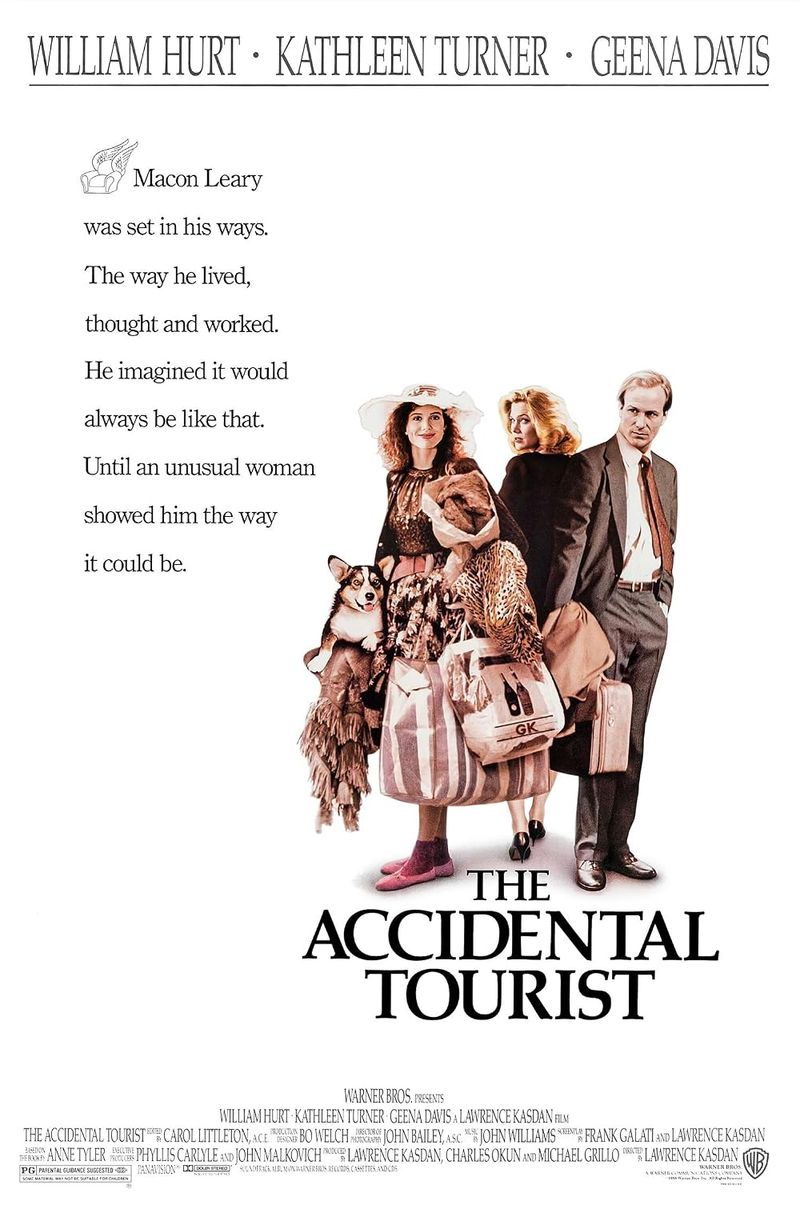
William Hurt plays Macon Leary, a travel writer who specializes in helping business travelers avoid any genuine experience of the places they visit.
After the murder of his young son and the collapse of his marriage, Macon retreats so far into routine that he barely seems present in his own life.
His detachment is not coldness but a kind of grief armor that has calcified over time.
Geena Davis won an Oscar for playing Muriel, an eccentric dog trainer who slowly pulls Macon back toward the living.
The film’s sadness is understated and mature, the kind that settles into your chest rather than demanding tears.
It understands how loss can make familiar things feel foreign and how healing rarely announces itself.
The Accidental Tourist is a gentle, melancholy masterpiece that rewards patient viewers.
17. Cinema Paradiso (1988)
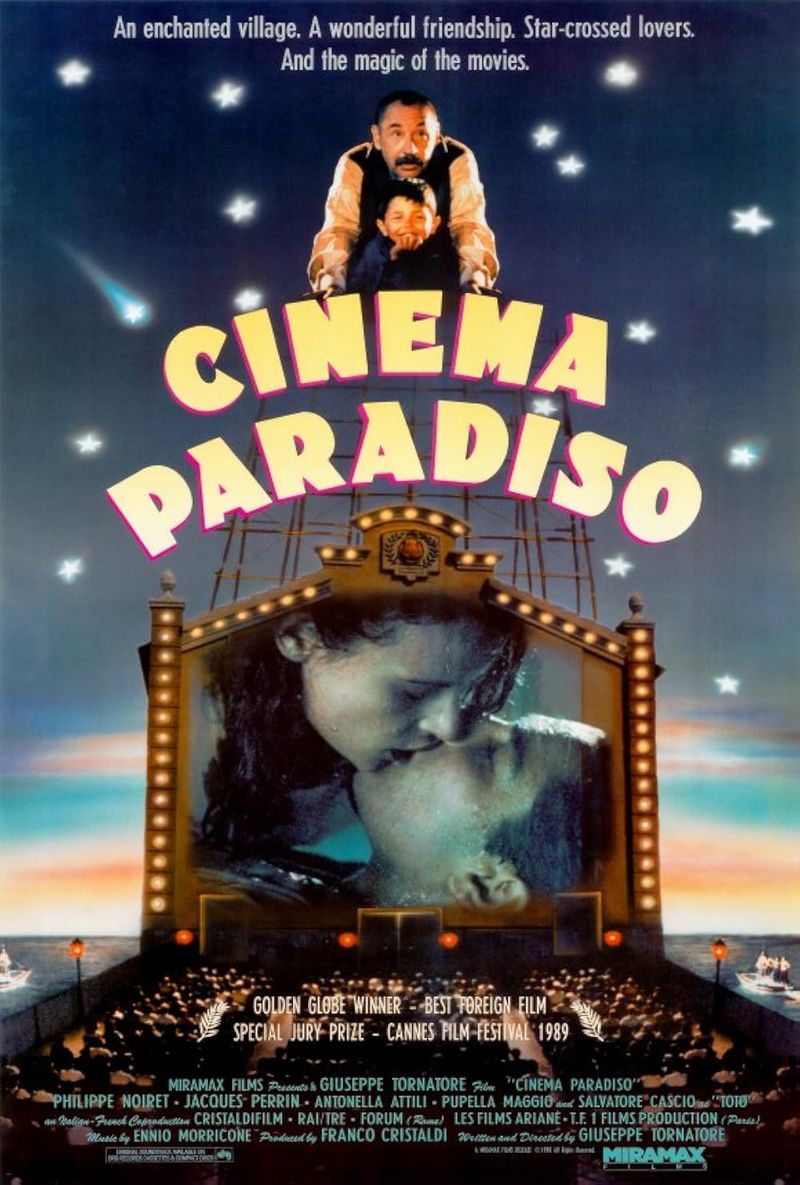
Giuseppe Tornatore’s Cinema Paradiso is one of those rare films that wraps you in warmth before breaking your heart completely.
It follows Salvatore, a successful filmmaker who returns to his small Sicilian hometown after learning of the death of Alfredo, the old projectionist who shaped his love of movies.
The story unfolds through memories of childhood, friendship, and first love.
Much of the film is genuinely joyful, filled with laughter and the magic of early cinema.
But underneath all that warmth runs a current of irreversible loss.
Alfredo sent Salvatore away to protect his future, and the cost of that sacrifice was decades of separation.
The final scene, involving a reel of film Alfredo left behind, is one of the most emotionally overwhelming endings in the history of cinema.