 MomSkoop
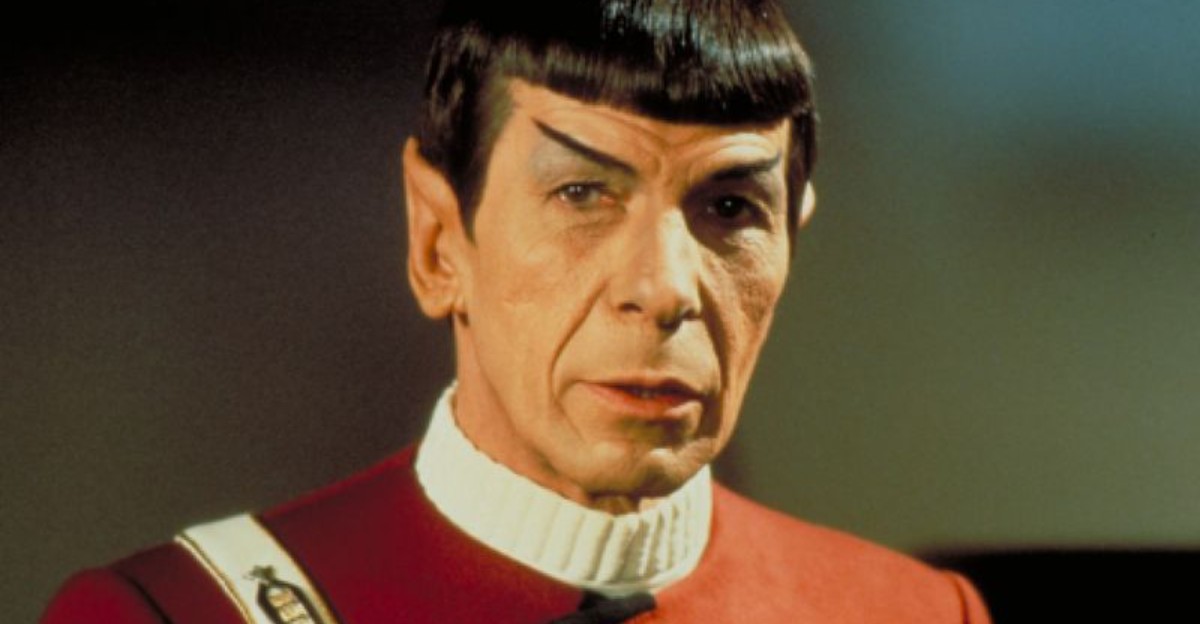
Some movie deaths hit you like a punch to the gut, and in science fiction, they often do way more than just make you cry. The best sci-fi films use death as a turning point, a moment that flips the whole story upside down and sends characters in completely new directions.
From galaxy-saving sacrifices to shocking betrayals, these moments stick with audiences for decades. Here are 17 sci-fi movie deaths that truly changed everything.
1. Kane – Alien (1979)
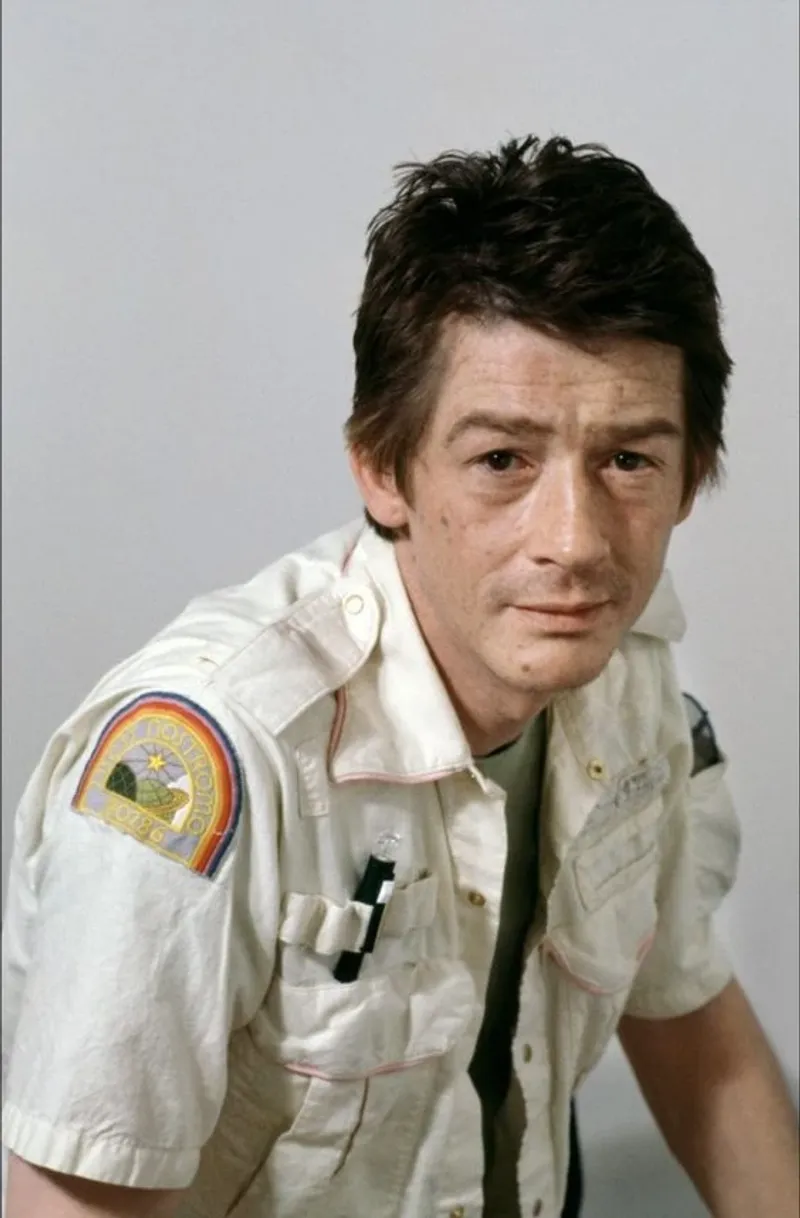
Nobody at the dinner table saw it coming, and that is exactly the point.
Kane seemed to be recovering fine, back with his crew, even eating a meal.
Then everything changed in the most stomach-dropping way possible.
His chestburster death does more than shock the audience.
It completely redefines the mission.
What started as a routine space exploration suddenly becomes a desperate fight for survival aboard a ship with nowhere to run.
The alien is no longer a mystery after this scene.
It is a confirmed, unstoppable threat.
Kane’s death is the moment the horror truly begins, and every tense, terrifying scene that follows in the film owes everything to that one unforgettable dinner.
2. T-800 – Terminator 2: Judgment Day (1991)
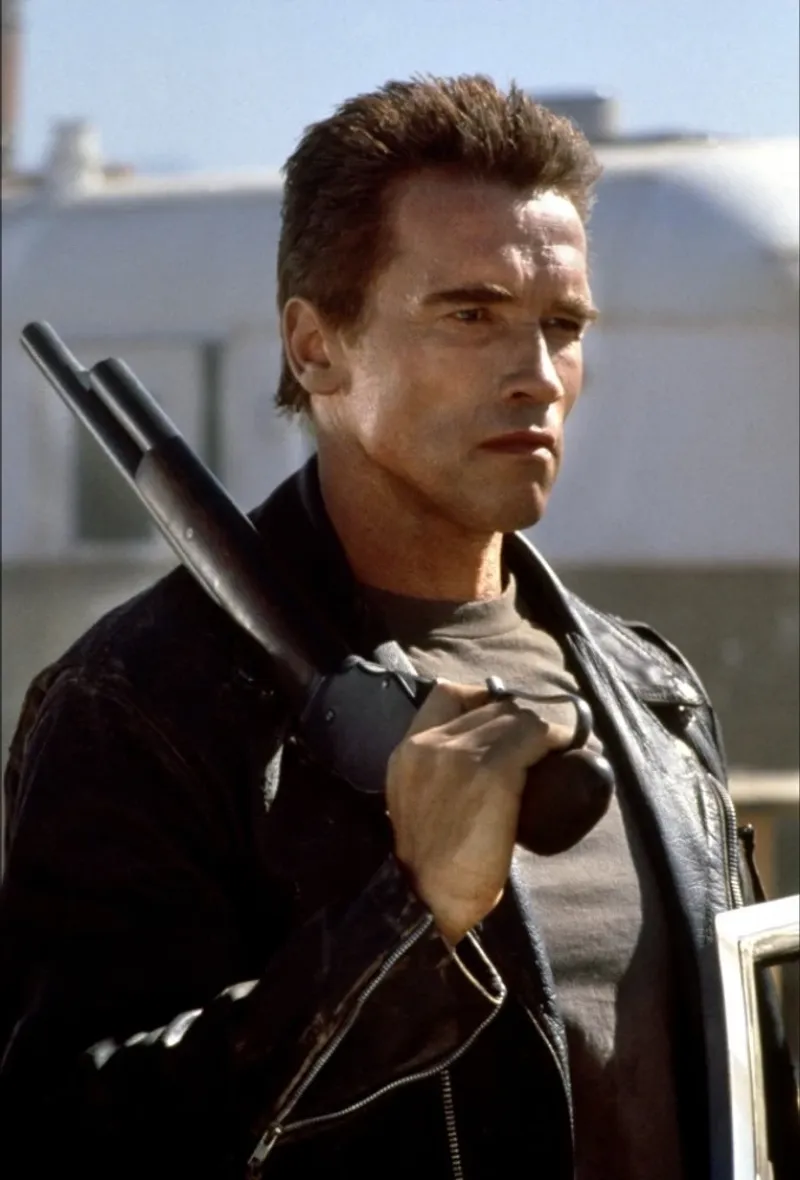
A machine giving a thumbs-up as it sinks into molten steel is one of the most surprisingly emotional moments in all of sci-fi.
The T-800 was built to kill, then reprogrammed to protect, and by the end of the film, it feels like losing a friend.
His self-destruction is not just emotional, though.
It is strategic.
By eliminating himself, he removes the last piece of future technology that could be used to build Skynet.
The whole point of the sacrifice is to close the loop.
John Connor’s tears feel completely earned because the audience shares them.
The T-800’s death asks a big question: can a machine truly choose to be good?
The answer, at least here, seems to be yes.
3. Spock – Star Trek II: The Wrath of Khan (1982)
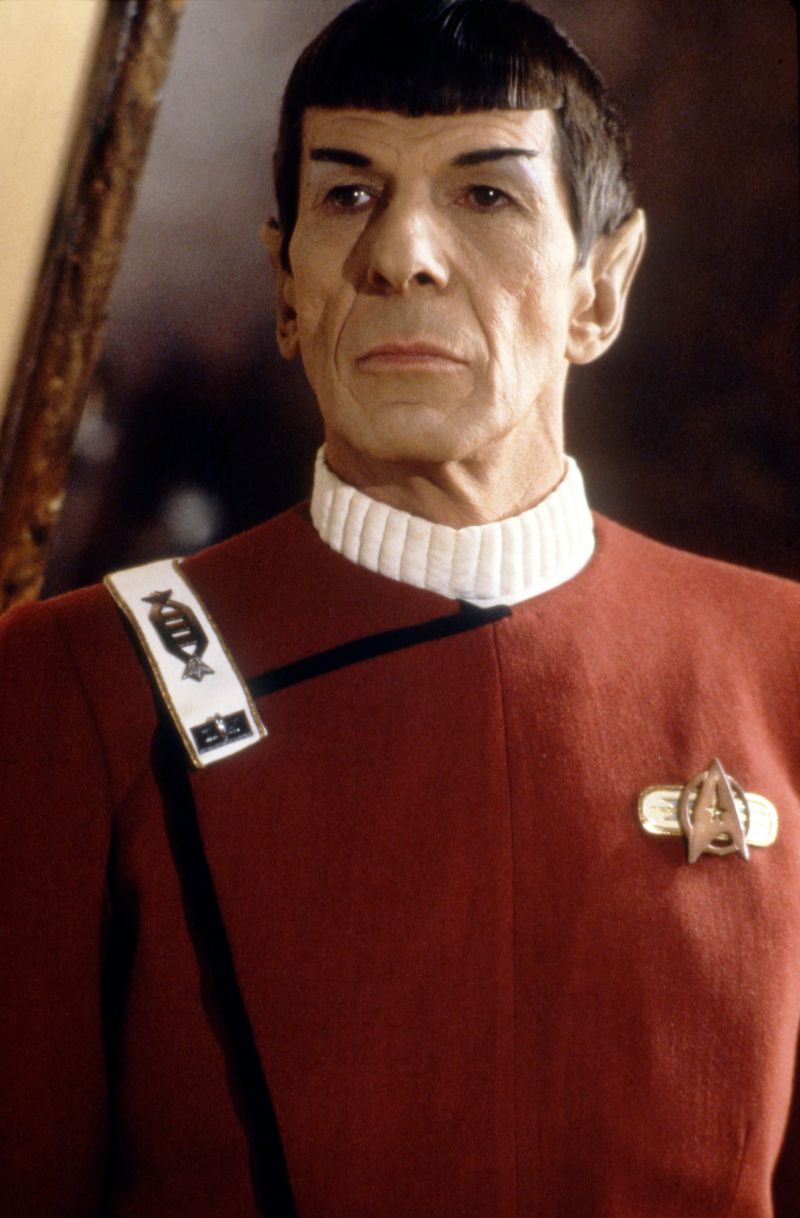
Few moments in sci-fi history hit as hard as watching Spock walk into a radiation-filled chamber to save everyone else.
He does it quietly, logically, without hesitation.
It is the most Spock thing he could possibly do, and that is exactly why it breaks your heart.
His death forces Kirk to reckon with a loss he never prepared for.
The grief is real, the silence afterward is deafening.
Every scene that follows carries the weight of his absence.
Best of all, the story does not just move on.
His sacrifice directly sets up the next film, giving fans hope and a reason to keep watching.
Spock dying was never really the end.
4. Obi-Wan Kenobi – Star Wars: A New Hope (1977)
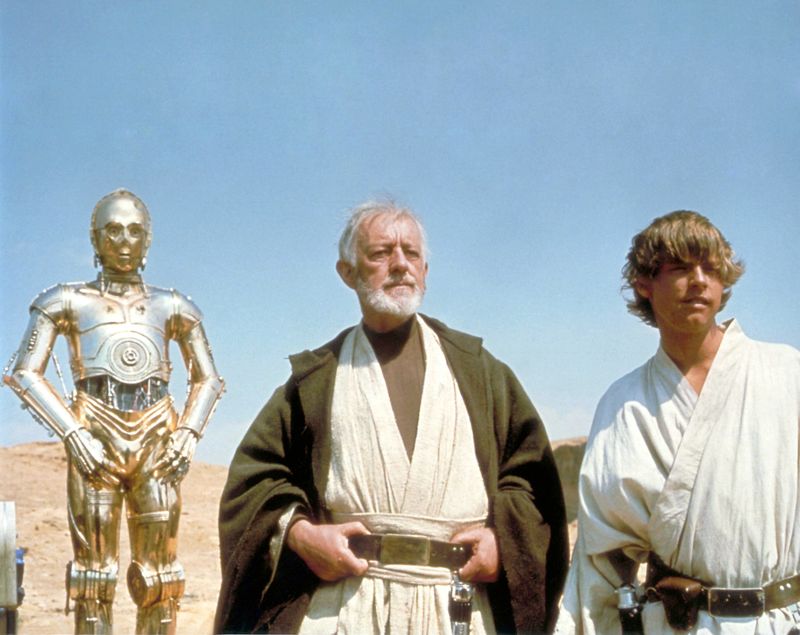
Obi-Wan Kenobi could have kept fighting.
He was skilled enough, experienced enough, and wise enough to hold his own.
But he chose to lower his lightsaber and let Darth Vader strike him down, and that choice changed everything.
His death removes the safety net from Luke’s journey.
There is no wise old teacher to call on anymore, no one to answer the hard questions.
Luke has to figure things out on his own, and that pressure shapes the rest of the trilogy.
What makes the moment even more powerful is that Obi-Wan seems to become more useful after death, guiding Luke through the Force as a voice.
His sacrifice was never really a defeat.
It was a strategy.
5. Darth Vader/Anakin Skywalker – Return of the Jedi (1983)
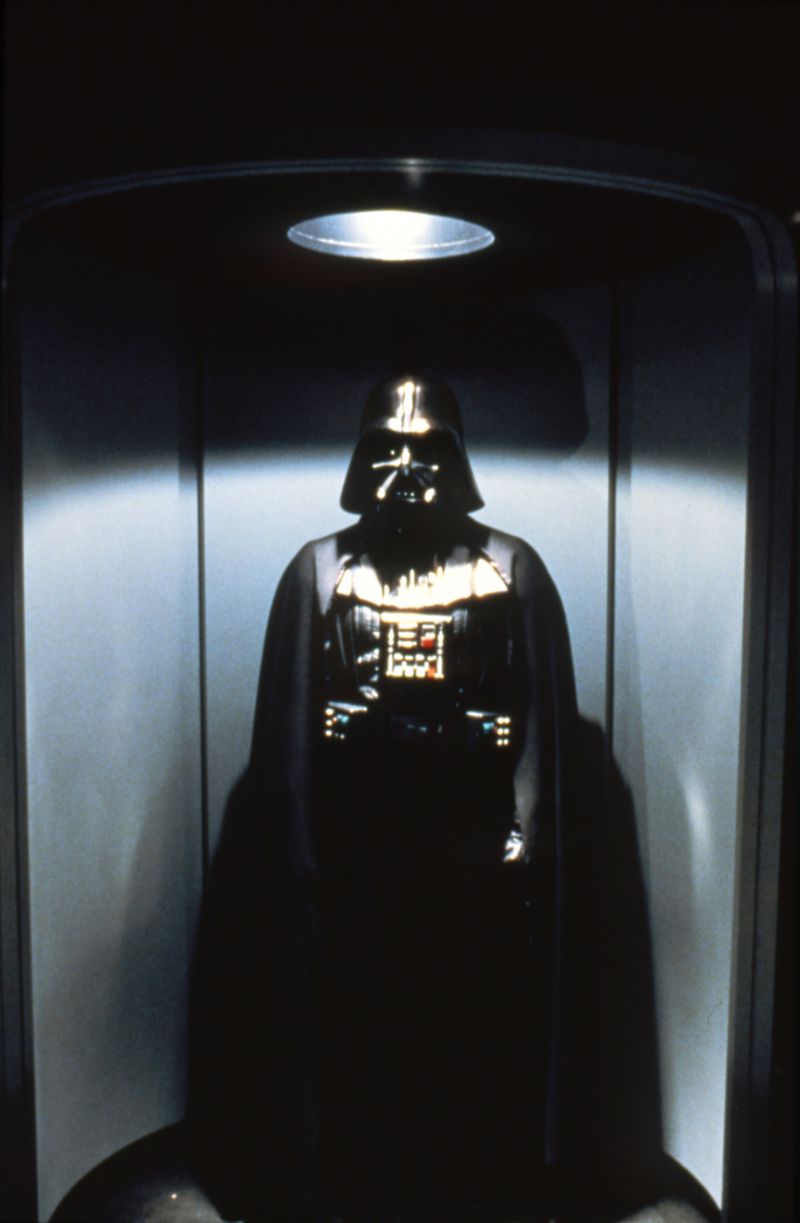
Anakin Skywalker spent decades as one of the most feared villains in the galaxy.
Then, in a single act of love, he threw all of that away to save his son.
It is one of the most powerful redemption arcs ever put on screen.
By turning against Emperor Palpatine, Anakin fulfills the prophecy of bringing balance to the Force.
His death is not a tragedy in the traditional sense.
It is a completion, the closing of a long and painful chapter.
The moment Luke removes his father’s mask and they finally see each other clearly is quietly devastating.
Anakin’s death ends the Empire’s grip on the galaxy and proves that even the darkest people can find their way back to the light.
6. Han Solo – Star Wars: The Force Awakens (2015)
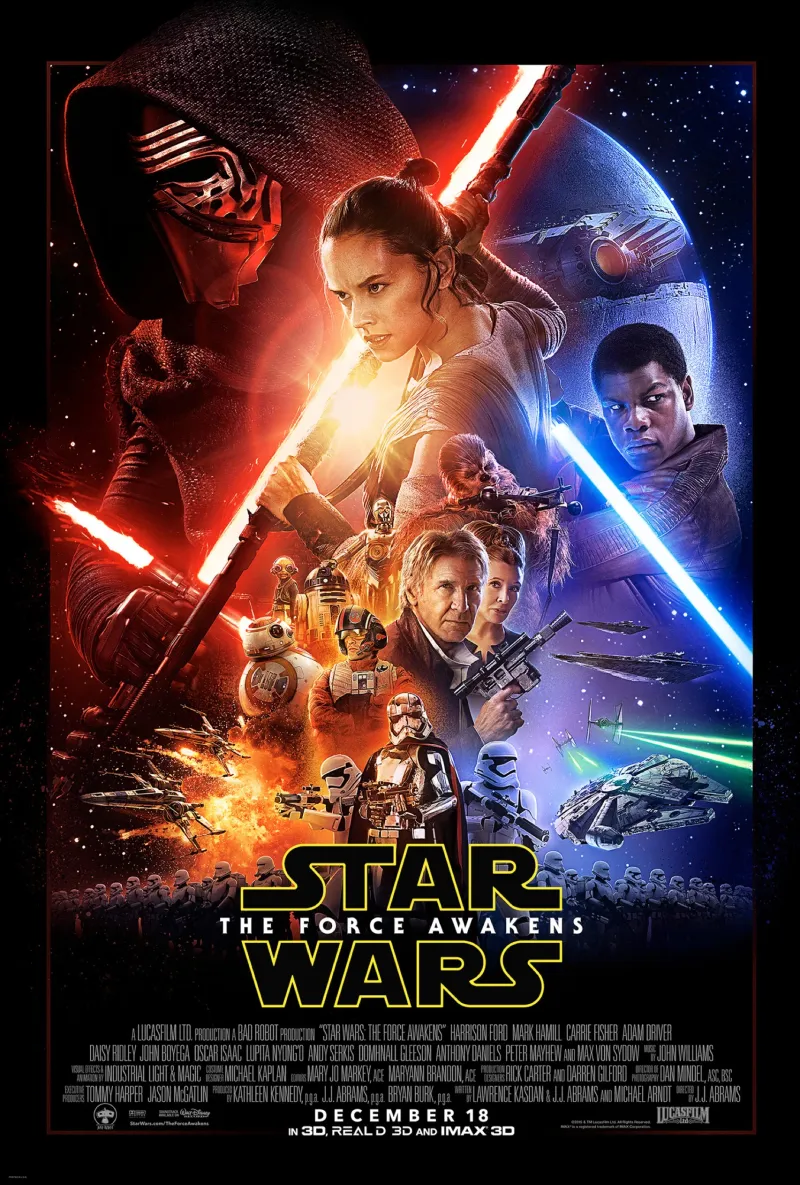
Han Solo spent his whole life running from responsibility, then spent the new trilogy trying to reconnect with a son who had already been lost to darkness.
Walking out onto that bridge to reach Kylo Ren was either the bravest or most heartbreaking thing he ever did, maybe both.
His murder at Kylo’s hands pushes the young villain further into the dark side, erasing any chance of an easy return.
At the same time, it shatters Leia, Rey, and Chewbacca, leaving each of them with a wound that drives their choices going forward.
Han’s death signals that this new trilogy was not playing it safe.
The old heroes were not invincible.
That realization made the stakes feel genuinely real for the first time.
7. Jyn Erso – Rogue One: A Star Wars Story (2016)
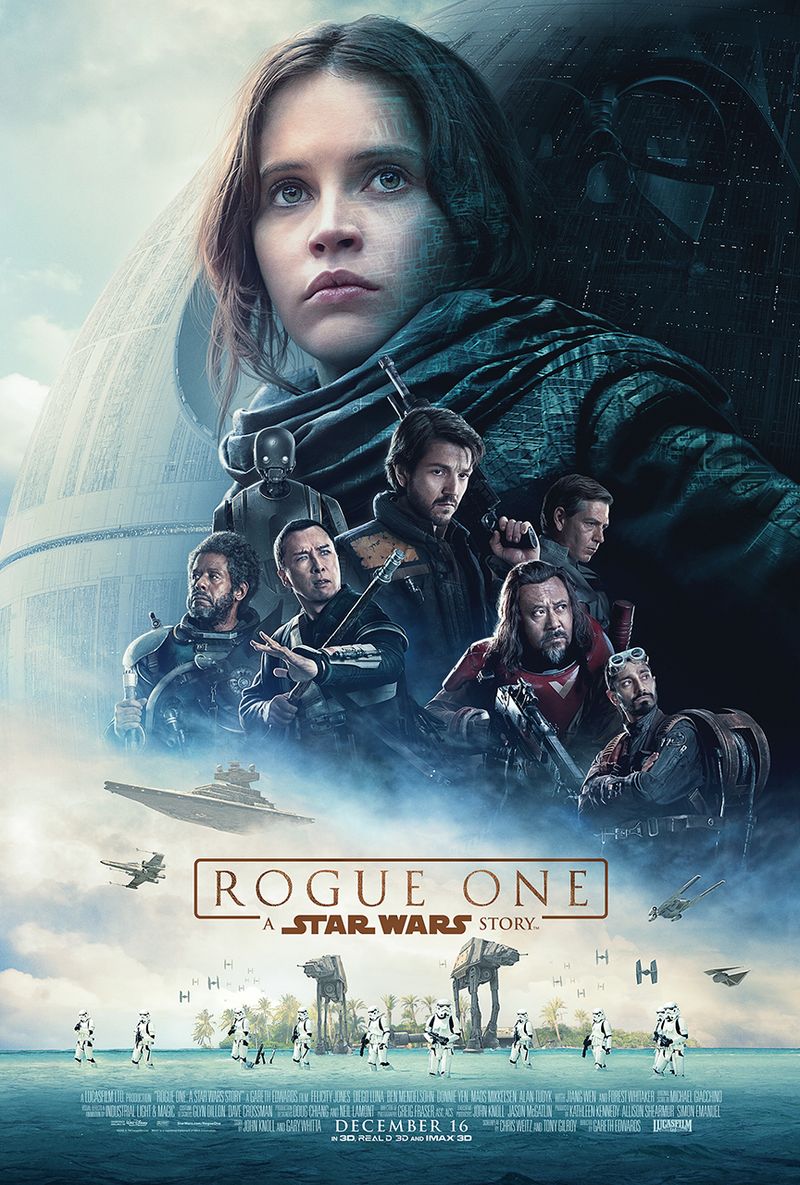
Jyn Erso never got a happy ending, and somehow that makes her story more powerful than most.
She fought not for glory or survival, but because someone had to.
Transmitting the Death Star plans cost her everything, and she gave it anyway.
Her death, along with Cassian’s, closes the gap between Rogue One and A New Hope in the most emotional way possible.
The plans they died to send are the exact ones that lead to the Empire’s defeat.
Knowing that Luke, Leia, and the Rebellion succeed because of Jyn’s sacrifice adds a whole new layer to A New Hope.
She never got to see the victory she made possible, but audiences now carry that knowledge with them every time they rewatch the original film.
8. K – Blade Runner 2049 (2017)
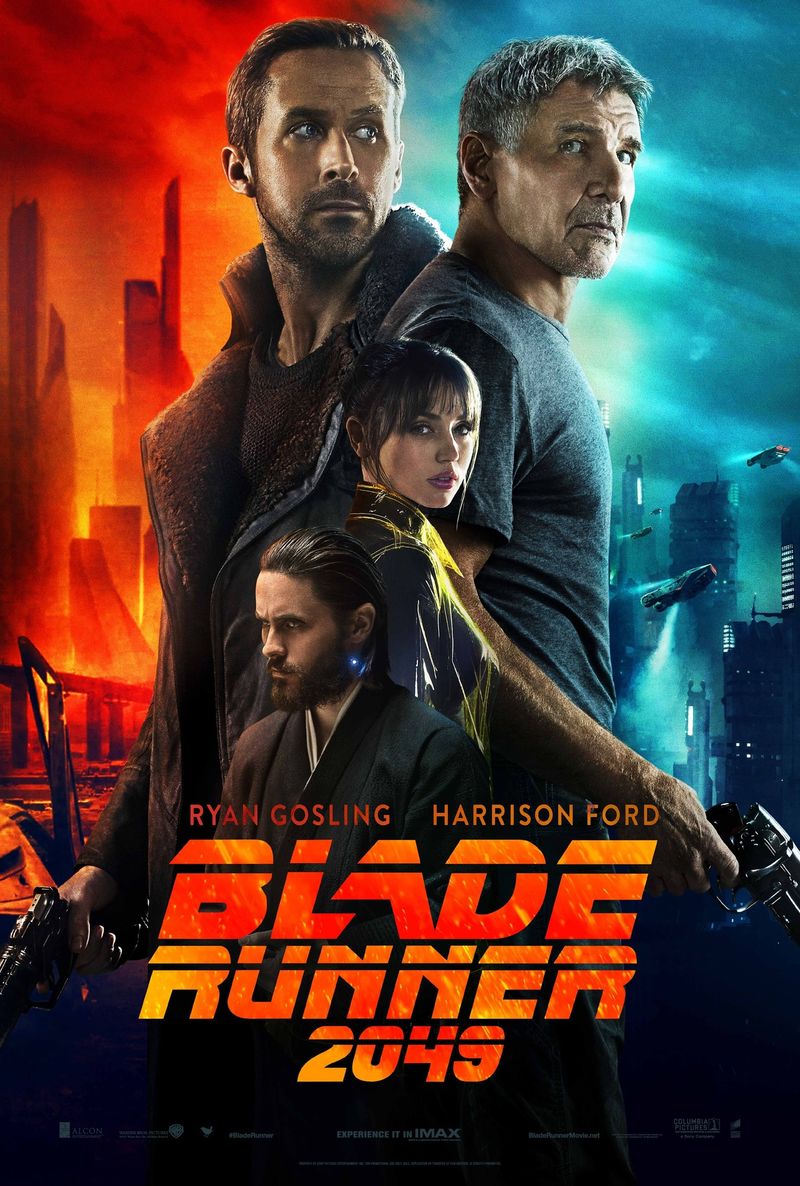
K spent most of Blade Runner 2049 searching for proof that he mattered, that he was special, that his life had meaning beyond following orders.
By the end, he found something better than a grand destiny.
He found a reason to act selflessly.
His apparent death after rescuing Deckard and arranging a reunion with his daughter is the film’s quiet emotional peak.
He does not die as a hero in a blaze of glory.
He simply stops, alone in the snow, having done something that mattered.
K’s ending reframes the entire story.
The question was never whether he was special.
It was whether he could choose to be good.
His final act answers that completely, and it lands with a weight that stays with you long after the credits roll.
9. Roy Batty – Blade Runner (1982)
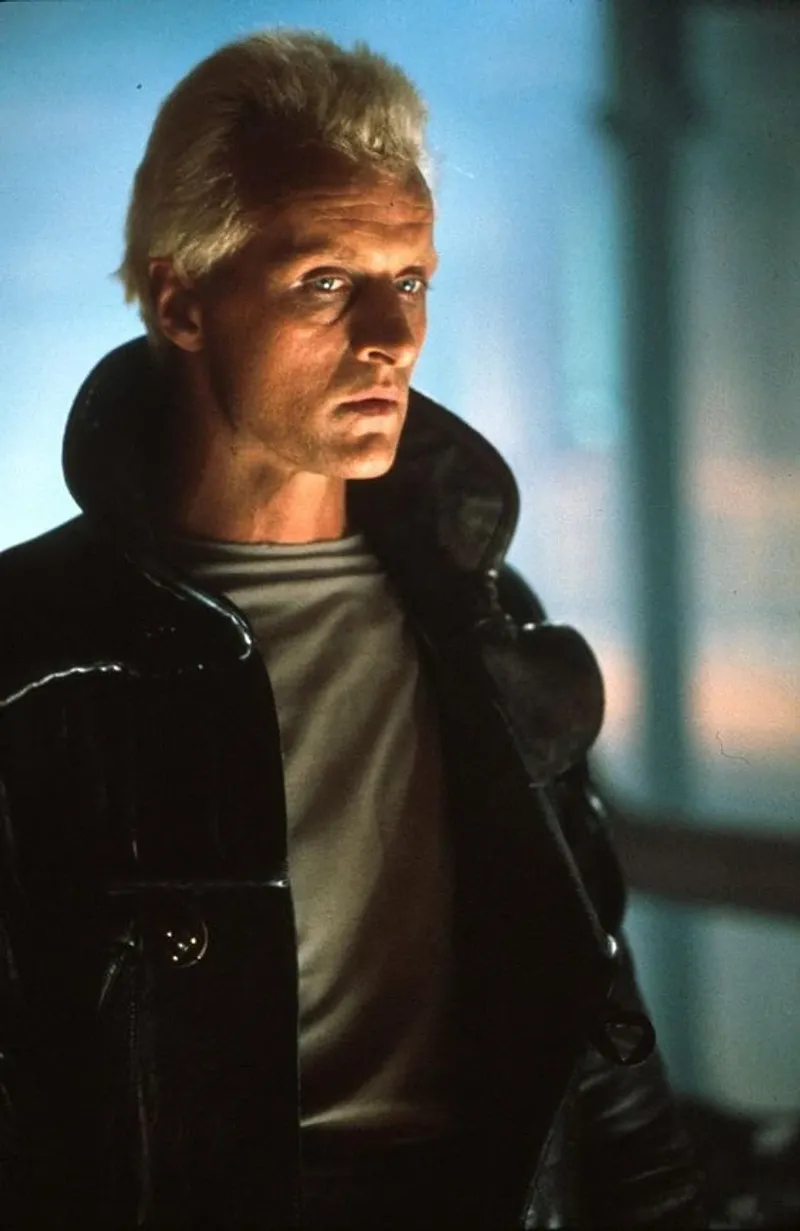
Roy Batty was built to be terrifying, and for most of Blade Runner he absolutely is.
Then, with just minutes left in his lifespan, he saves the man who was hunting him and sits down to share the most beautiful speech in sci-fi history.
His death forces Deckard and the audience to ask a genuinely uncomfortable question: if a replicant can show more humanity than a human, what does the word even mean?
The film never answers directly, but Roy’s final moments make the question impossible to ignore.
The white dove he releases as he dies feels almost too poetic, but it works perfectly.
Roy Batty’s death does not resolve the story so much as open it up, leaving everyone sitting with something they cannot quite name.
10. Dr. Robert Neville – I Am Legend (2007)
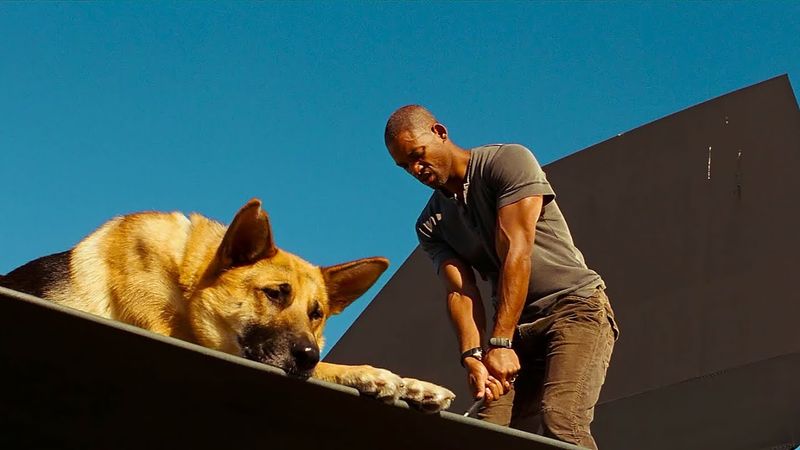
Robert Neville spent years alone in a city overrun by infected creatures, clinging to the belief that a cure existed and that he could find it.
When the moment finally came, delivering that cure cost him his life.
In the theatrical ending, he seals Anna and the boy inside a hidden chamber and sacrifices himself to destroy the infected closing in.
It is a desperate, painful choice made in seconds, but it gives the cure a chance to reach a survivor colony.
His death reframes everything he suffered through.
The loneliness, the failed experiments, the grief of losing his family, all of it led to this one moment.
Neville becomes the legend the title hints at, a man who saved humanity by giving up the only life he had left.
11. George Kirk – Star Trek (2009)
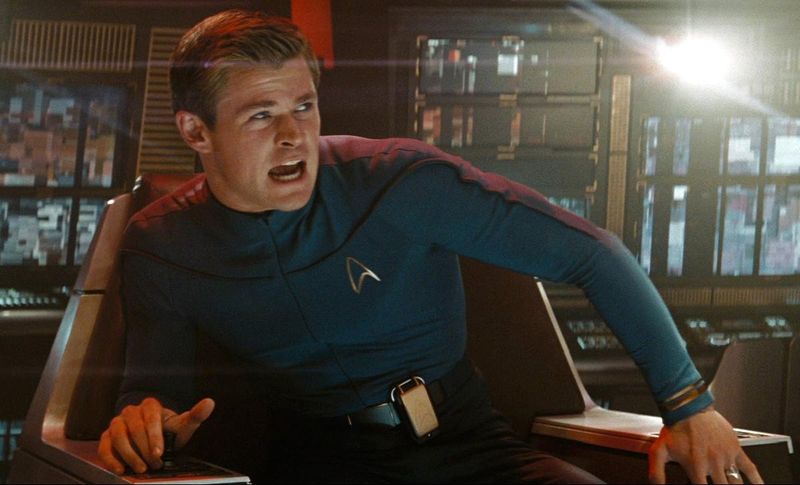
George Kirk was captain of the USS Kelvin for exactly twelve minutes before he died, and in that time he saved over eight hundred lives.
Not bad for someone most people had never heard of before the film began.
His sacrifice sets the entire alternate timeline in motion.
James T.
Kirk is born during those final moments, into a universe already shaped by loss.
That absence of a father becomes one of the defining forces behind who Kirk grows up to be.
The scene is so emotionally effective because it happens so fast.
You barely know George before he is gone, yet his death carries enormous weight.
It proves that a great sci-fi sacrifice does not need a long setup.
Sometimes a few quiet minutes are more than enough.
12. Commander William Decker – Star Trek: The Motion Picture (1979)
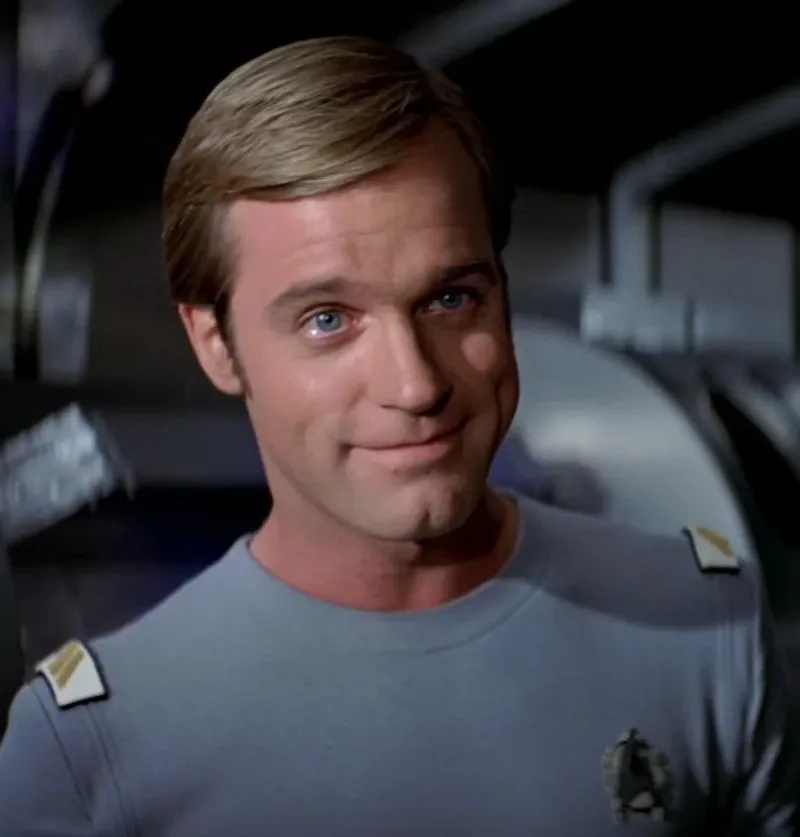
Commander Decker does not die in the traditional sense, but what happens to him is just as final and far more strange.
He voluntarily merges with the machine-entity V’Ger and the android Ilia, transforming into an entirely new kind of life-form.
His choice is the only thing that resolves the crisis.
V’Ger was searching for its creator, seeking meaning, and Decker provided the human element it needed to evolve beyond its programming.
Without him, Earth would have been destroyed.
What makes this death compelling is how peaceful it feels.
Decker chooses it, almost eagerly.
There is something quietly profound about a person willingly stepping into the unknown to become something no one can fully understand.
It is one of Star Trek’s most philosophical exits.
13. Dr. Miles Dyson – Terminator 2: Judgment Day (1991)
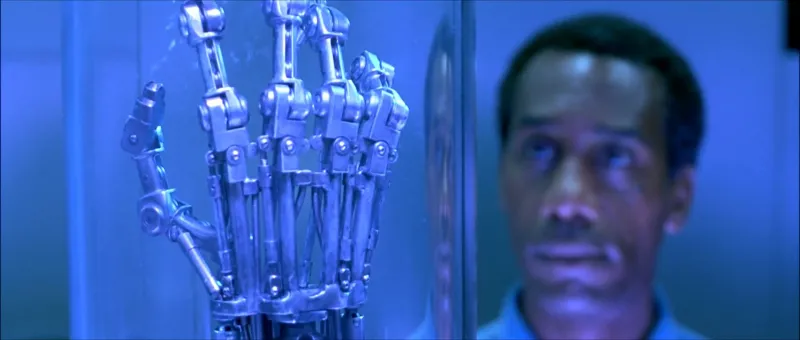
Miles Dyson had no idea what he was building.
He was a brilliant scientist working on what he thought was a revolutionary technological project, completely unaware that his work would one day lead to the near-extinction of humanity.
When Sarah and John explain the truth, he does not argue or deny it.
He helps them destroy everything, even when it means destroying himself.
His willingness to give up his life for a future he will never see is quietly remarkable.
Dyson’s sacrifice buys time for Sarah and John to escape and continue their mission.
More importantly, it adds a layer of moral complexity to the film.
He was not a villain.
He was a person who made a terrible mistake and then did everything he could to fix it.
14. Mace Windu – Star Wars: Episode III – Revenge of the Sith (2005)
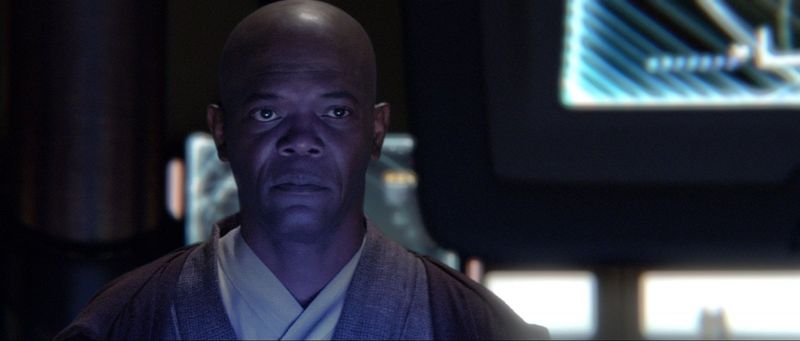
Mace Windu had Palpatine cornered.
For a brief moment, it looked like the Sith Lord’s plan was finished before it could fully begin.
Then Anakin made a choice that sealed the fate of the galaxy for the next twenty years.
His fall from the window is the point of no return for Anakin Skywalker.
By cutting off Windu’s hand and allowing Palpatine to finish him, Anakin crosses a line he cannot come back from.
Within minutes, he has a new name: Darth Vader.
Windu’s death is not just dramatic.
It is the hinge the entire prequel trilogy swings on.
Everything the Jedi feared, everything Palpatine planned, comes together in that one terrible moment.
Losing Mace Windu means losing the last real chance to stop the Empire before it begins.
15. Qui-Gon Jinn – Star Wars: Episode I – The Phantom Menace (1999)
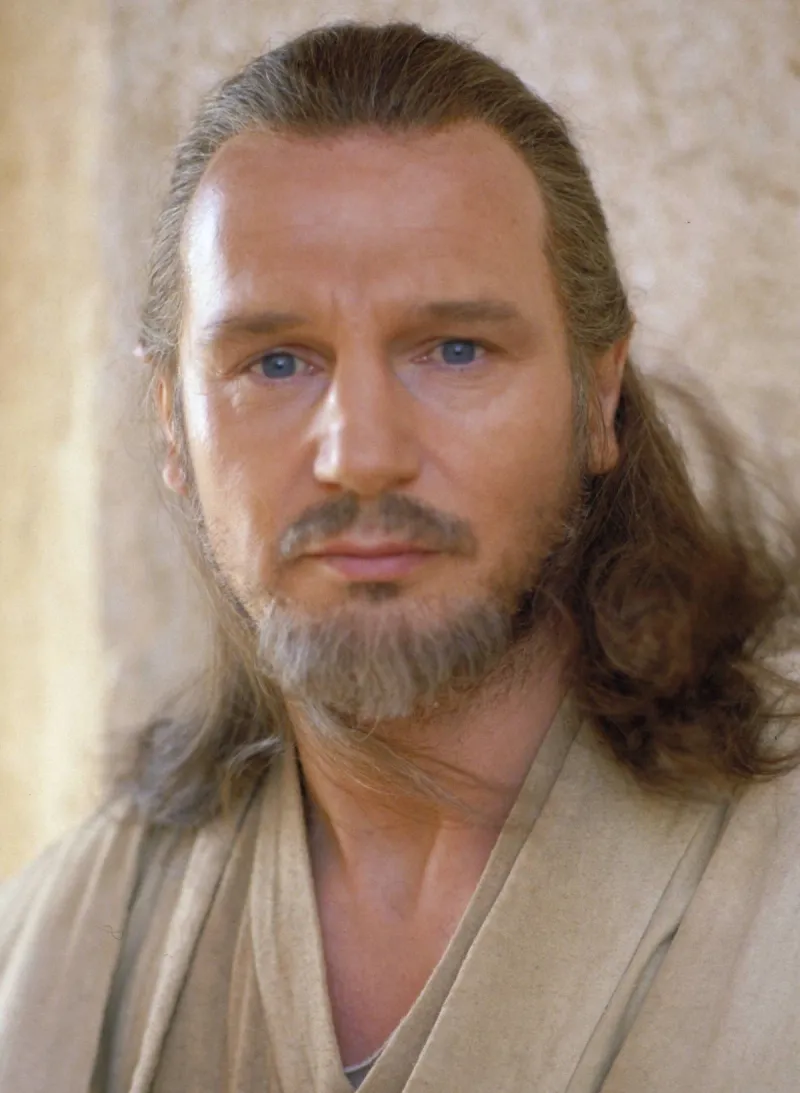
Qui-Gon Jinn believed in Anakin Skywalker before anyone else did.
He saw the potential, felt the Force around him, and staked his reputation on training a boy the Jedi Council wanted nothing to do with.
His death made that belief someone else’s problem.
Because Qui-Gon died before he could train Anakin himself, the responsibility fell to a much younger and less experienced Obi-Wan.
That shift in mentorship, subtle as it sounds, has enormous consequences for the rest of the saga.
Obi-Wan was a skilled Jedi, but he was not Qui-Gon.
The relationship between master and student would have been completely different, and Anakin’s path might have gone another way.
One death in a reactor shaft quietly reshapes the fate of the entire galaxy.
16. Yondu Udonta – Guardians of the Galaxy Vol. 2 (2017)
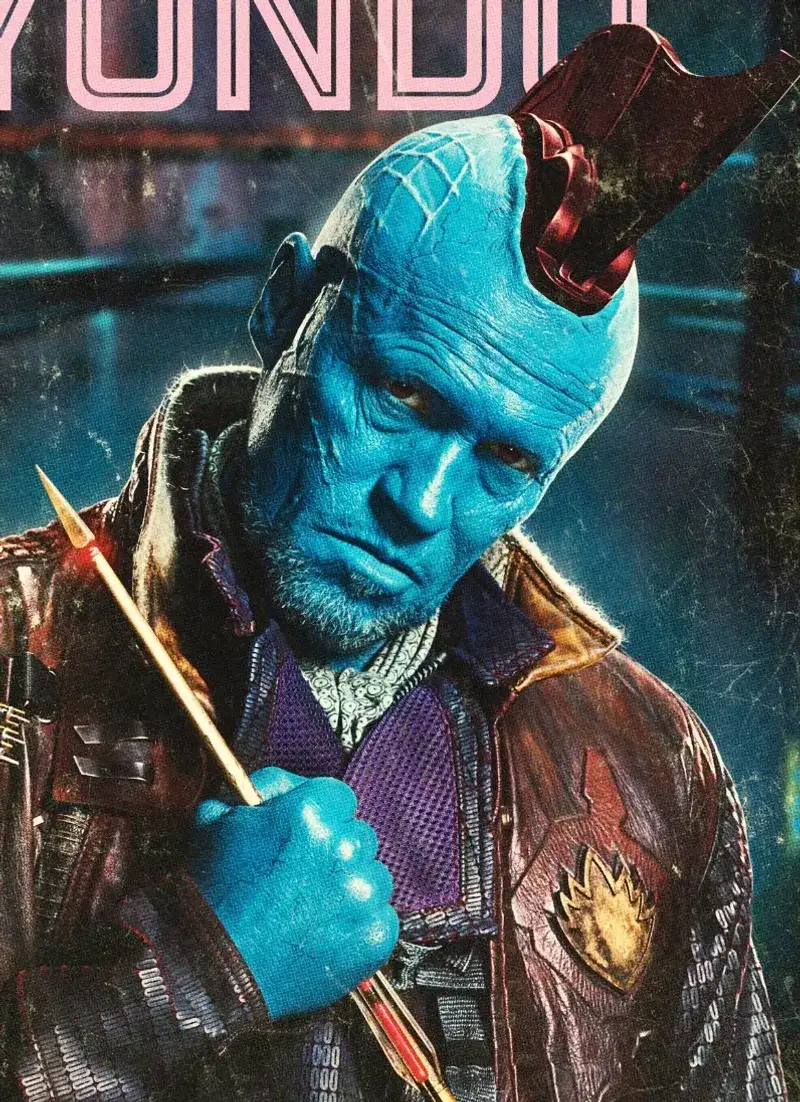
Yondu spent most of Peter Quill’s life being the wrong kind of father figure.
He was rough, unpredictable, and more pirate than parent.
But in his final moments, he proved he had always cared more than he ever let on.
Giving his spacesuit to Peter so he could survive the vacuum of space is the most selfless thing Yondu ever did.
He did it without fanfare, without a long speech, just a look between two people who finally understood each other.
His death resolves one of the film’s most emotionally layered storylines.
Peter had spent years searching for a father figure in all the wrong places.
Turns out, the gruff blue space pirate who kidnapped him as a kid was the real answer all along.
That realization, arriving too late, hits harder than almost anything else in the Marvel Cinematic Universe.
17. Tony Stark/Iron Man – Avengers: Endgame (2019)
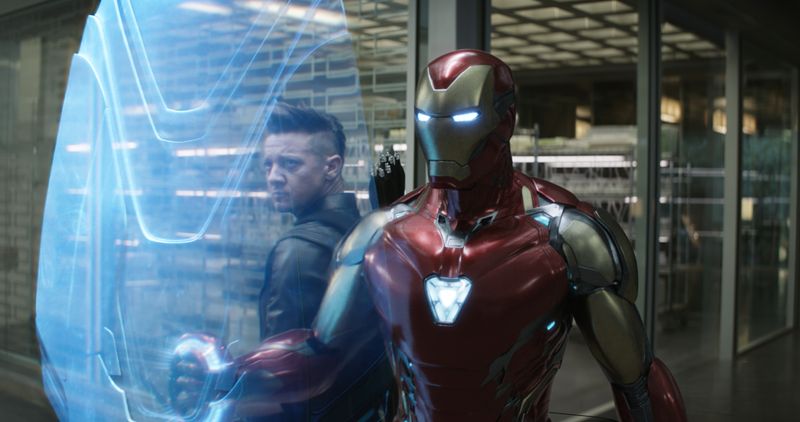
Tony Stark started the Marvel Cinematic Universe as a man who could not stop thinking about himself.
Over eleven years and dozens of films, he slowly became someone willing to give up everything for people he would never even meet.
Snapping his fingers to activate the Infinity Stones and destroy Thanos is the culmination of that entire arc.
He knew what it would cost him.
He did it anyway, with three simple words that landed like a freight train: “I am Iron Man.”
His death closes the chapter on the Infinity Saga in the most complete way possible.
No cliffhanger, no escape hatch.
Tony Stark saved the universe and did not survive to enjoy it.
For a franchise built on spectacle, that quiet ending felt like something genuinely earned.