 MomSkoop

Getting older is something we all do, but how we age depends a lot on the daily choices we make. Some habits that feel harmless or even normal can quietly chip away at our health over time.
The good news is that recognizing these habits early gives you the power to change them. Small shifts in your routine can make a big difference in how you feel, move, and think as the years go by.
1. Being physically inactive
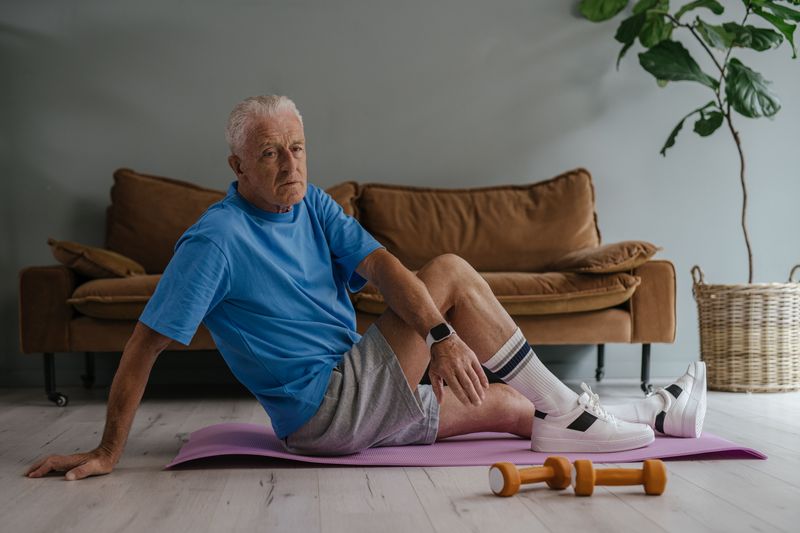
A body that rarely moves is a body that ages faster.
Physical inactivity is one of the most common habits that quietly speeds up the ageing process.
When you skip regular movement, your muscles weaken, your joints stiffen, and your heart has to work harder just to keep up with daily tasks.
Studies show that inactive adults have a higher risk of heart disease, type 2 diabetes, and even cognitive decline.
You do not need to run marathons to make a difference.
Walking, dancing, swimming, or gentle stretching for just 30 minutes most days can improve strength, mood, and energy levels significantly.
Starting small is perfectly fine.
Consistency matters far more than intensity when it comes to staying healthy as you age.
2. Sitting for long periods every day

Researchers have nicknamed it “the new smoking,” and for good reason.
Sitting for long stretches every day raises the risk of cardiovascular disease, poor circulation, and back problems, even if you exercise at other times.
The human body simply was not designed to stay still for hours on end.
Prolonged sitting slows your metabolism, reduces blood flow to your legs, and can gradually weaken the muscles that support your spine.
Breaking up sitting time every 30 to 60 minutes with a short walk or a few stretches can meaningfully reduce these risks.
Try setting a timer as a reminder to stand up and move around.
Even small breaks add up to real health benefits over time.
3. Smoking or using tobacco

Tobacco use remains one of the most damaging habits a person can have at any age, but its effects become especially pronounced as the years add up.
Smoking accelerates skin ageing, narrows blood vessels, and dramatically increases the risk of lung cancer, stroke, and heart disease.
What many people do not realize is that tobacco also weakens bones, reduces lung capacity, and impairs the immune system, making it harder to recover from illness or injury.
Every cigarette shortens the time your body has to repair itself naturally.
Quitting at any age brings measurable health benefits, sometimes within just weeks.
Your lungs begin to heal, circulation improves, and the risk of serious disease drops steadily the longer you stay smoke-free.
4. Drinking excessive alcohol

A glass of wine now and then is unlikely to cause harm, but regularly drinking too much alcohol takes a serious toll on the ageing body.
Alcohol disrupts sleep, damages the liver, raises blood pressure, and increases the risk of several cancers, including breast and colon cancer.
Older adults are also more sensitive to alcohol’s effects because the body processes it more slowly with age.
This means the same amount of alcohol hits harder and lingers longer than it did in younger years.
Falls and accidents become more likely, and memory problems can worsen over time.
Cutting back does not have to mean giving up entirely.
Choosing alcohol-free days each week and staying within recommended guidelines can protect your health significantly.
5. Eating a diet high in ultra-processed foods

Ultra-processed foods, think packaged chips, frozen meals, sugary cereals, and fast food, are engineered to taste great but offer very little real nutrition.
Eating these foods regularly floods the body with unhealthy fats, artificial additives, and excess sodium, all of which promote inflammation and speed up cellular ageing.
Research links high consumption of ultra-processed foods to a greater risk of obesity, heart disease, and even dementia.
These foods also tend to crowd out the whole foods your body actually needs to function well and repair itself.
Swapping just a few processed items for whole alternatives each week can make a noticeable difference.
Fresh fruits, vegetables, legumes, and whole grains give your body the building blocks it needs to age more gracefully.
6. Not eating enough fruits and vegetables

Fruits and vegetables are packed with vitamins, minerals, antioxidants, and fiber, all things your body relies on to fight disease and slow the ageing process.
When these foods are missing from your plate regularly, your immune system weakens and inflammation creeps up quietly in the background.
Most adults fall well short of the recommended five to nine servings per day.
Over time, this shortfall is linked to higher rates of heart disease, certain cancers, and age-related eye conditions like macular degeneration.
Adding more produce does not have to feel like a chore.
Tossing a handful of spinach into a smoothie, snacking on berries, or adding roasted vegetables to dinner are easy ways to close the gap without overhauling your entire diet.
7. Consuming too much added sugar
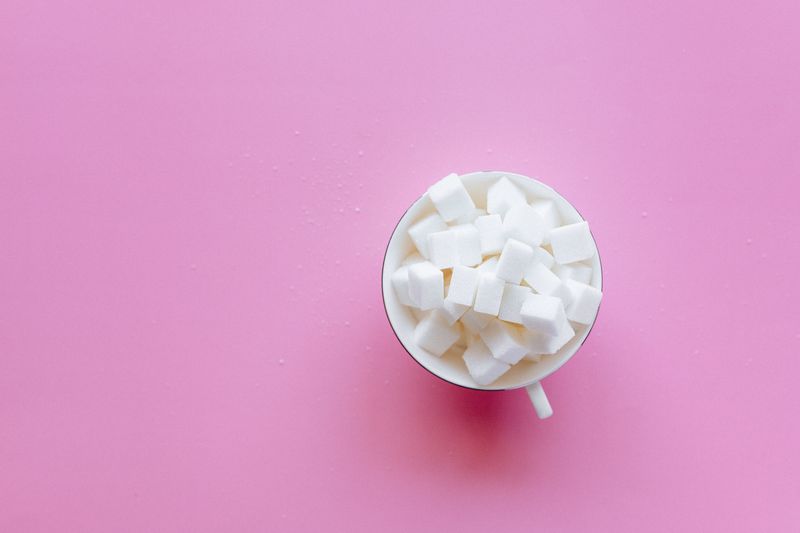
Sugar might taste wonderful in the moment, but a diet loaded with added sugar quietly accelerates the ageing process from the inside out.
Excess sugar triggers a process called glycation, where sugar molecules bind to proteins in the body and damage collagen, the very substance that keeps skin firm and joints flexible.
Beyond appearances, too much added sugar raises the risk of type 2 diabetes, fatty liver disease, and chronic inflammation, all of which contribute to faster physical decline.
Sugary drinks are especially problematic because they deliver a large sugar hit without any sense of fullness.
Reading labels and choosing naturally sweet options like fresh fruit can help you satisfy cravings without the long-term cost to your health and vitality.
8. Consistently getting too little sleep

Sleep is not a luxury; it is the time your body uses to repair cells, consolidate memories, and regulate hormones.
Consistently getting fewer than seven hours a night has been linked to a faster rate of physical and cognitive ageing, with measurable effects on everything from skin health to heart function.
Chronic sleep deprivation raises levels of the stress hormone cortisol, which breaks down collagen and promotes inflammation.
It also impairs the immune system, making you more susceptible to illness and slower to recover.
Over years, the cumulative damage adds up significantly.
Good sleep hygiene, such as keeping a consistent bedtime, limiting screens before bed, and keeping your bedroom cool and dark, can dramatically improve sleep quality and support healthy ageing.
9. Having an irregular sleep schedule

Going to bed at wildly different times each night might not seem like a big deal, but your body runs on an internal clock called the circadian rhythm.
When your sleep schedule shifts constantly, this clock gets thrown off, and the ripple effects touch nearly every system in your body.
An irregular sleep pattern has been linked to metabolic problems, mood disorders, and a weakened immune response.
Some research even suggests it can accelerate biological ageing at the cellular level by shortening telomeres, the protective caps on your DNA.
Keeping a consistent sleep and wake time, even on weekends, is one of the simplest and most powerful things you can do to support long-term health.
Your body genuinely thrives on predictable rhythms.
10. Neglecting strength and balance exercises

After the age of 30, adults begin losing muscle mass gradually each year in a process called sarcopenia.
Without strength training to counteract this, the loss accelerates, leaving people weaker, more prone to falls, and less able to carry out everyday tasks independently as they get older.
Balance exercises are equally important and often overlooked.
Poor balance is one of the leading contributors to falls among older adults, which can result in serious fractures and a rapid decline in overall health.
The good news is that these losses are not inevitable.
Even two sessions of resistance training per week, combined with balance exercises like standing on one foot or doing heel-to-toe walks, can preserve strength and independence well into later life.
11. Spending very little time outdoors

Sunlight does more than brighten your mood.
It is the body’s primary source of vitamin D, a nutrient essential for strong bones, a healthy immune system, and even mental well-being.
People who rarely go outside often develop vitamin D deficiency without realizing it, which can contribute to bone loss, fatigue, and depression.
Time outdoors also encourages physical activity, reduces stress hormones, and has been shown to lower blood pressure.
Nature exposure is linked to improved focus and lower rates of anxiety in older adults.
Even a 20-minute walk outside on a regular basis delivers measurable benefits.
You do not need to spend hours in the sun.
A short daily outing, with appropriate sun protection, can meaningfully support both physical and emotional health as you age.
12. Allowing chronic stress to go unmanaged
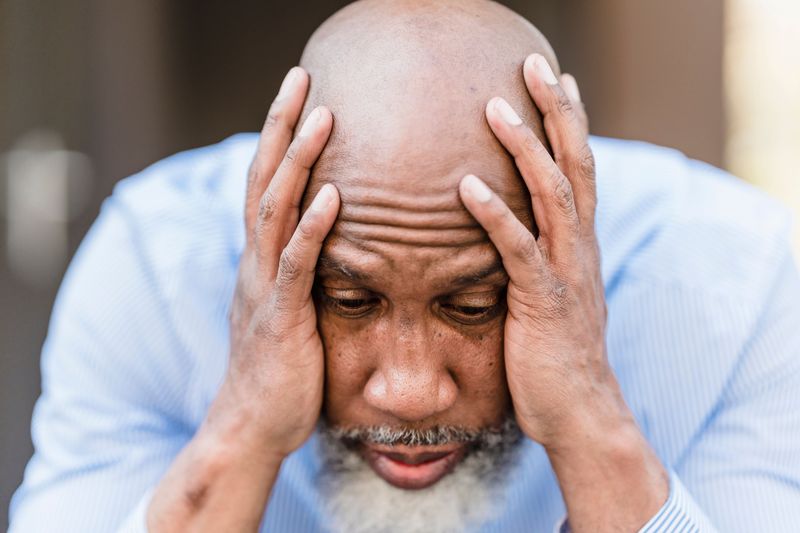
Everyone experiences stress, but when it becomes a constant background noise in your life without any relief, it begins to cause real physical damage.
Chronic stress keeps cortisol levels elevated, which over time breaks down muscle tissue, disrupts sleep, suppresses immunity, and promotes inflammation throughout the body.
Long-term unmanaged stress has been directly linked to accelerated cellular ageing, higher rates of heart disease, and an increased risk of anxiety and depression.
It can also push people toward unhealthy coping habits like overeating, drinking, or withdrawing from social connection.
Building stress management into your daily routine does not require dramatic changes.
Practices like deep breathing, mindfulness, light exercise, or simply talking to a trusted friend can significantly reduce the harmful effects of chronic stress on the ageing body.
13. Becoming socially isolated
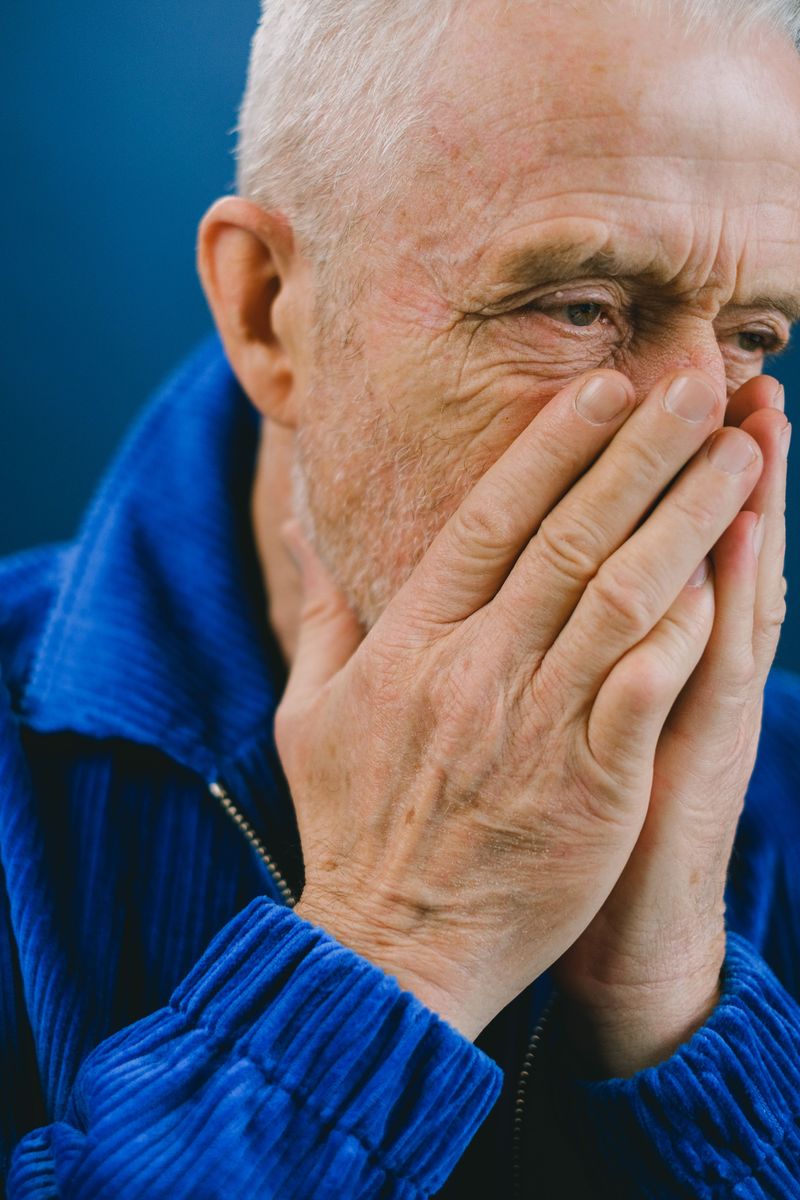
Human beings are wired for connection, and research makes it clear that loneliness is not just an emotional problem.
Social isolation has been linked to a 50% increased risk of dementia, higher rates of depression, weakened immune function, and even a shorter lifespan.
It can be as damaging to health as smoking 15 cigarettes a day, according to some studies.
As people age, social networks naturally shrink due to retirement, bereavement, or mobility challenges.
Without intentional effort to maintain connections, isolation can creep in gradually and go unnoticed until its effects are significant.
Staying connected through community groups, volunteering, regular calls with family, or joining a class or club can protect mental and physical health in ways that medication simply cannot replicate.
14. Avoiding mentally stimulating activities

The brain, much like a muscle, needs regular exercise to stay sharp.
When mental stimulation is consistently absent from daily life, cognitive abilities like memory, problem-solving, and processing speed can decline more quickly than they otherwise would.
This is sometimes called “use it or lose it” for the mind.
Activities like reading, learning a new skill, playing a musical instrument, doing puzzles, or even engaging in stimulating conversation all help build what researchers call cognitive reserve.
This reserve acts as a buffer against age-related mental decline and may delay the onset of conditions like Alzheimer’s disease.
You do not need to take on anything extreme.
Picking up a new hobby, learning a few words in another language, or playing strategy games regularly can keep the mind engaged and resilient.
15. Skipping routine health and dental check-ups

Routine check-ups exist for a good reason: many serious health conditions, including high blood pressure, diabetes, and certain cancers, develop silently without obvious symptoms.
By the time you notice something is wrong, the condition may already be advanced and harder to treat.
Dental health is often underestimated as part of overall wellbeing.
Poor oral health has been linked to heart disease, diabetes complications, and even cognitive decline.
Skipping dental visits allows problems like gum disease to progress quietly, affecting far more than just your teeth.
Regular check-ups give healthcare providers the chance to catch problems early, when treatment is simpler and outcomes are much better.
Scheduling an annual physical and dental visit is one of the most straightforward investments you can make in your long-term health.
16. Ignoring hearing or vision problems
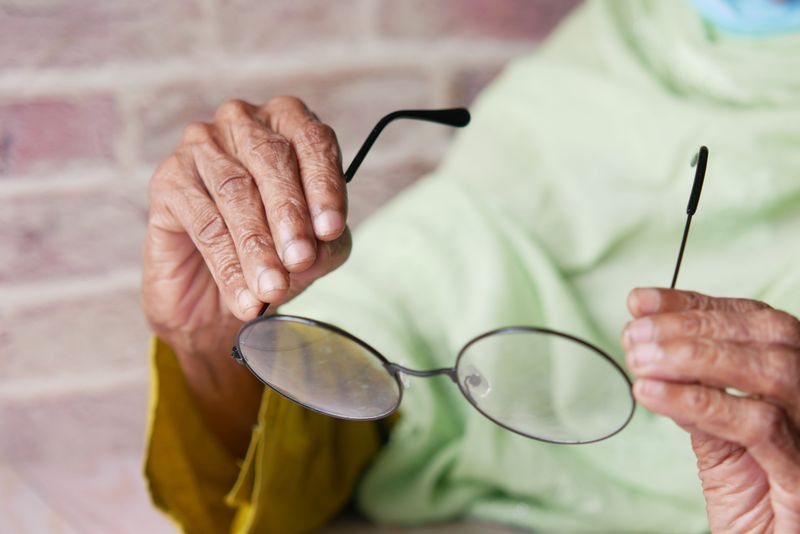
Brushing off changes in hearing or vision as “just part of getting older” is a habit that carries real consequences.
Untreated hearing loss has been strongly linked to cognitive decline, depression, and social withdrawal, all of which compound the effects of ageing significantly.
Yet many people wait years before seeking help.
Vision problems, when left unaddressed, increase the risk of falls, reduce the ability to drive safely, and limit participation in activities that bring joy and purpose.
Both hearing and vision loss affect quality of life in ways that ripple outward into nearly every area of daily living.
Getting a hearing test or eye exam is simple and often covered by insurance.
Addressing these issues early, whether with glasses, hearing aids, or treatment, can preserve independence and wellbeing for years longer.
17. Not drinking enough fluids

Dehydration is surprisingly common among older adults, and it tends to sneak up gradually.
As people age, the sense of thirst becomes less reliable, meaning the body may be running low on fluids well before any obvious signal is felt.
Even mild dehydration can cause fatigue, confusion, headaches, and reduced kidney function.
Chronic low fluid intake over time contributes to urinary tract infections, kidney stones, constipation, and in more serious cases, dangerous drops in blood pressure.
The brain is also particularly sensitive to dehydration, and cognitive performance can dip noticeably when fluid levels fall.
Aiming for around six to eight glasses of water daily, and eating water-rich foods like cucumber, watermelon, and soup, can help you stay adequately hydrated.
Keeping a water bottle visible serves as a helpful nudge throughout the day.
18. Avoiding preventive care, such as recommended screenings and vaccinations

Preventive care is one of the most effective tools available for healthy ageing, yet many people skip it out of fear, inconvenience, or the belief that they feel fine and therefore must be fine.
Screenings for conditions like colorectal cancer, osteoporosis, and high cholesterol can detect problems before symptoms ever appear.
Vaccinations are equally important as the immune system weakens with age.
Flu, pneumonia, shingles, and COVID-19 vaccines are all recommended for older adults and can prevent illnesses that, at an advanced age, carry far greater risks of serious complications or hospitalization.
Staying current with recommended screenings and vaccines is not about being overly cautious.
It is about giving yourself the best possible chance of catching problems early and staying protected so that you can continue living fully and actively.