 MomSkoop
Some movies are so legendary that you can recognize them from a single line, costume, or scene, even if you have never pressed play. They live in jokes, ads, costumes, and everyday conversation until they feel bigger than the screen itself.
This list explores the films that became cultural shorthand for whole moods, genres, and generations. If you have ever felt like you somehow already know a movie you have not seen, you are exactly where you should be.
1. Titanic (1997)
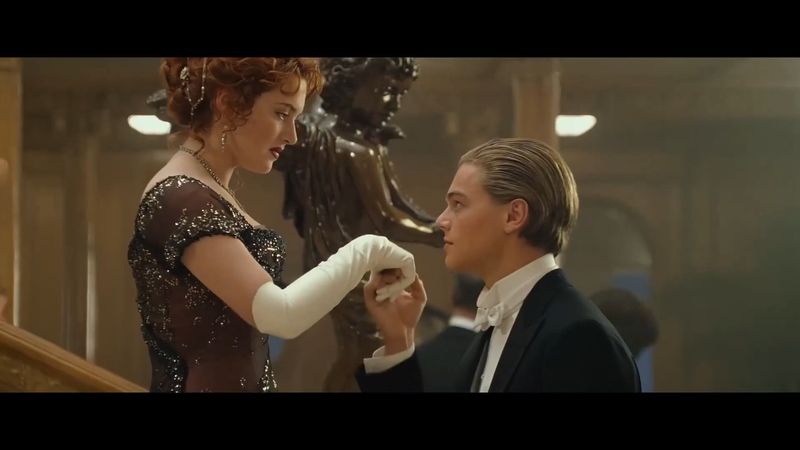
You probably know Titanic without ever watching it because its most famous images became part of everyday culture.
The outstretched arms at the bow, the grand staircase, and the heartbreaking promise of never letting go are instantly recognizable.
Even the song feels attached to a whole era of movie history.
What makes it so unforgettable is how it blends romance with disaster on an enormous scale.
You do not need the full three hours to understand the tragedy, the class divide, or the spectacle of the ship sinking into the Atlantic.
Titanic became more than a film – it turned into a shared cultural memory that people still reference whenever they talk about epic love stories or cinematic heartbreak.
2. Star Wars (1977)

Even if you have never seen Star Wars, you likely know the breathing, the lightsabers, and the phrase about the Force.
Few movies introduced a universe so fully that its characters, ships, and sounds became instantly recognizable across generations.
It feels less like a single film and more like a common language.
The original 1977 movie changed blockbuster storytelling by mixing myth, adventure, and dazzling special effects.
You can probably picture Darth Vader, Luke Skywalker, and Princess Leia without needing plot details at all.
Star Wars became the blueprint for modern franchise culture, and its influence is so huge that simply seeing a glowing sword or hearing a fanfare can make you feel like you already know the story.
3. The Godfather (1972)
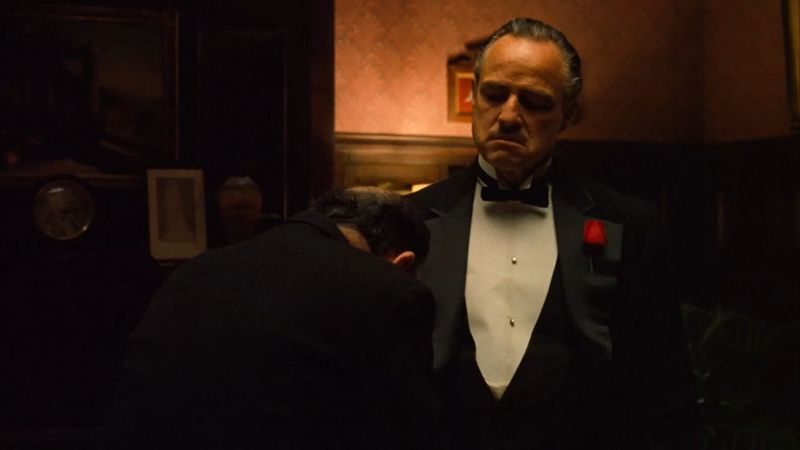
You may not have watched The Godfather, yet you almost certainly know its mood, quotes, and quiet menace.
The image of a powerful don in a dark office, speaking softly while everyone listens, has been copied for decades.
It turned organized crime into cinematic mythology.
What keeps it so famous is the way it made power feel intimate, elegant, and terrifying all at once.
You have heard references to offers people cannot refuse, family loyalty, and business handled with chilling calm.
The Godfather is one of those movies that escaped its own runtime and entered popular culture completely, shaping how you imagine gangsters, dynasties, and prestige filmmaking even if you have never sat through a single scene.
4. Jaws (1975)

You do not need to see Jaws to know why people still hear danger in two simple notes.
The idea of something unseen moving beneath the water became one of cinema’s most effective fears.
One beach, one shark, and one unforgettable sense of dread were enough to change summer forever.
The movie is famous because it made suspense feel primal and immediate, especially for anyone who has ever looked into open water and imagined the worst.
You probably know the poster, the music, and the line about needing a bigger boat.
Jaws turned a straightforward thriller into a cultural event, and its influence is so lasting that a quiet ocean scene can still make you uneasy before anything even appears on screen.
5. Jurassic Park (1993)
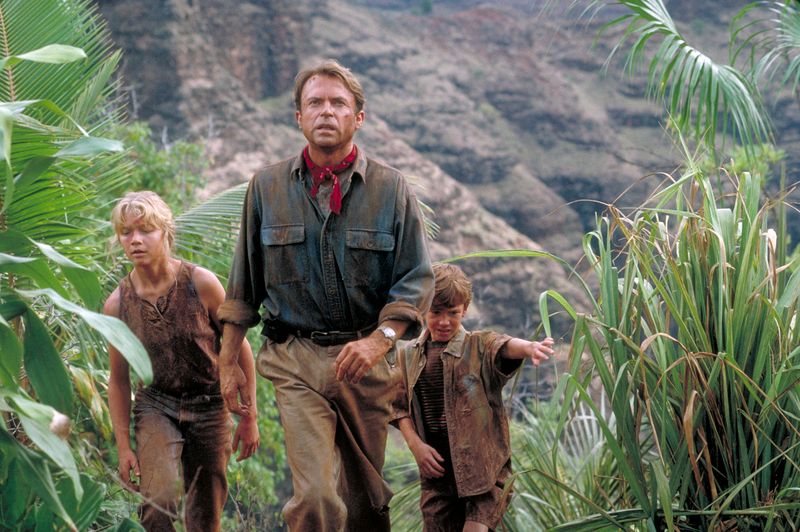
Jurassic Park is one of those movies you can recognize from a single ripple in a cup of water.
The idea of dinosaurs brought back to life was already exciting, but this film made them feel huge, real, and suddenly much too close.
Wonder and terror arrived in the same unforgettable package.
You probably know the roaring T-Rex, the kitchen raptors, and the gates opening to a world that seemed impossible until then.
Its visual effects were so groundbreaking that they rewrote what audiences expected from blockbusters.
Jurassic Park became a shared point of reference for awe, scientific ambition, and things going spectacularly wrong, which is why you can understand its reputation even if you have only seen clips, memes, or the famous logo.
6. The Wizard of Oz (1939)
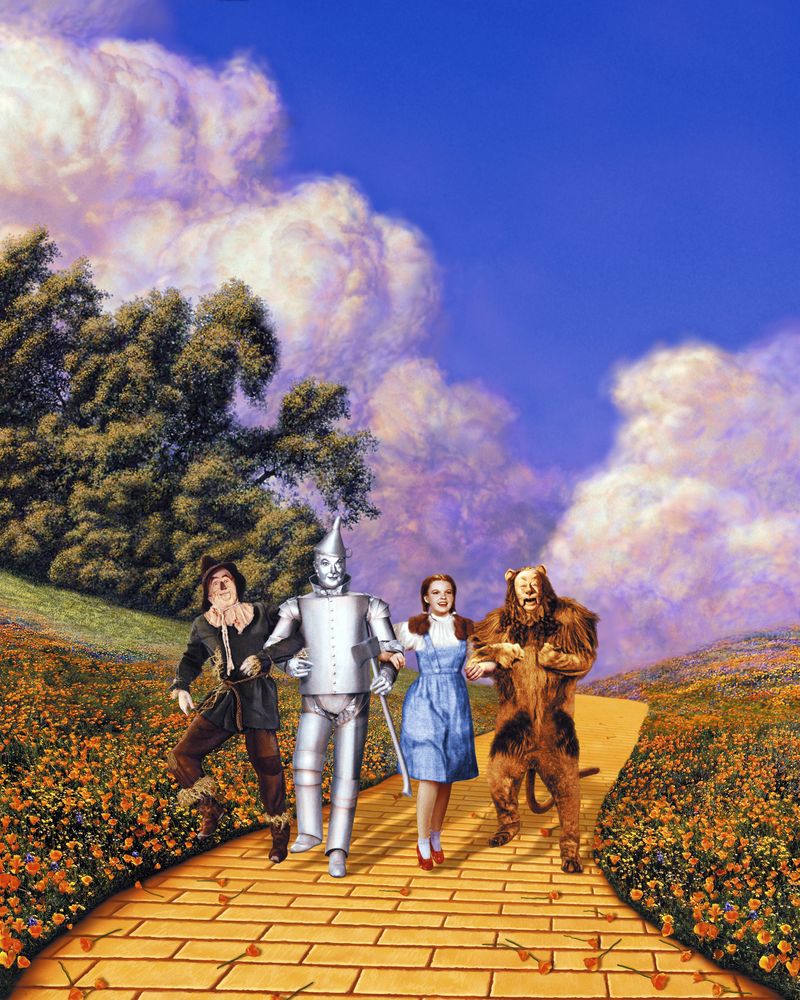
You probably know The Wizard of Oz from ruby slippers, a yellow brick road, and the promise of somewhere over the rainbow.
Its imagery is so deeply woven into popular culture that the movie feels familiar before it even begins.
Few classics have such instantly recognizable symbols.
The film remains famous because it turns a simple journey into a dreamlike world filled with color, music, and archetypal characters.
You can likely identify Dorothy, the Scarecrow, the Tin Man, and the Cowardly Lion without ever watching them travel to Emerald City.
The Wizard of Oz became a shorthand for imagination, home, and discovering courage within yourself, which is why references to twisters, witches, and magical shoes still land almost anywhere.
7. E.T. the Extra-Terrestrial (1982)
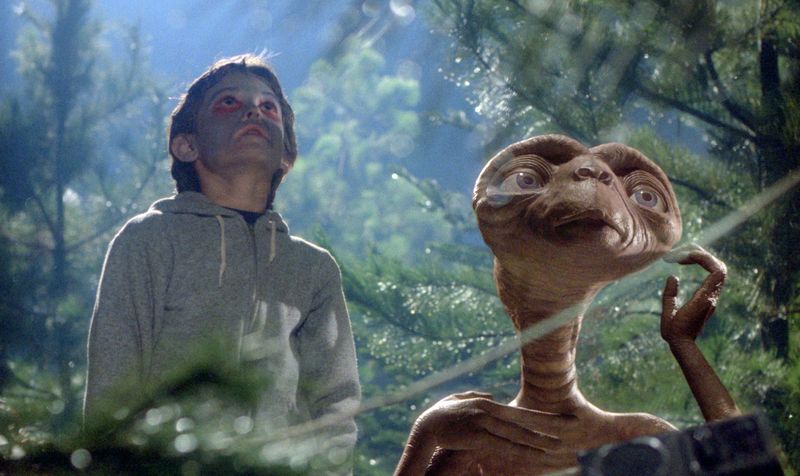
Even without seeing E.T., you probably know the silhouette of a bicycle flying across the moon.
That single image captured childhood wonder so perfectly that it became one of cinema’s most beloved symbols.
The movie feels gentle, strange, and deeply emotional all at once.
Its fame comes from presenting an alien not as a monster, but as a lonely friend who needs help getting home.
You likely recognize the glowing fingertip, the flower, and the voice saying E.T. phone home.
E.T. the Extra-Terrestrial became a cultural touchstone for innocence, empathy, and the magical possibilities hidden in ordinary neighborhoods, making it easy to feel connected to the story even if you have never experienced the whole adventure yourself.
8. The Lion King (1994)
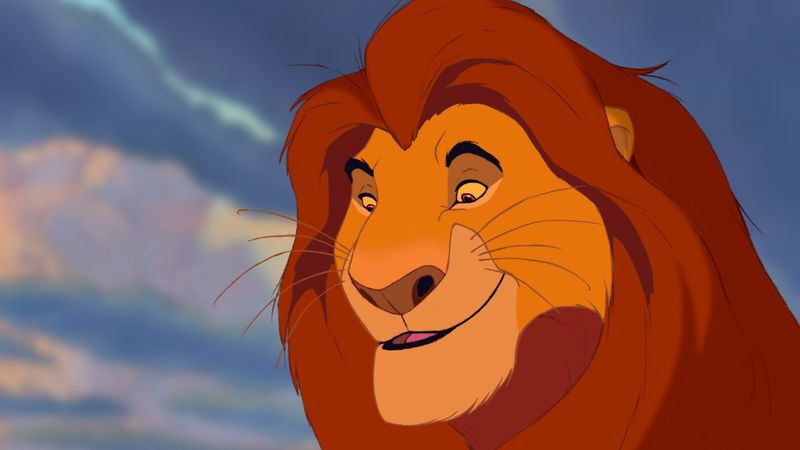
You likely know The Lion King from its opening chant alone, before a single character speaks.
The image of a lion cub raised above Pride Rock became one of the most recognizable moments in animation history.
It is the kind of movie that feels inherited across generations.
The story is famous because it mixes family drama, catchy music, and mythic emotion in a way that reaches almost everyone.
You probably know Simba, Mufasa, Scar, and Hakuna Matata even if you have never watched the full film.
The Lion King became a cultural landmark for childhood, loss, responsibility, and triumphant return, so its songs and scenes continue to show up everywhere from school performances to social media jokes without losing their emotional power.
9. The Dark Knight (2008)
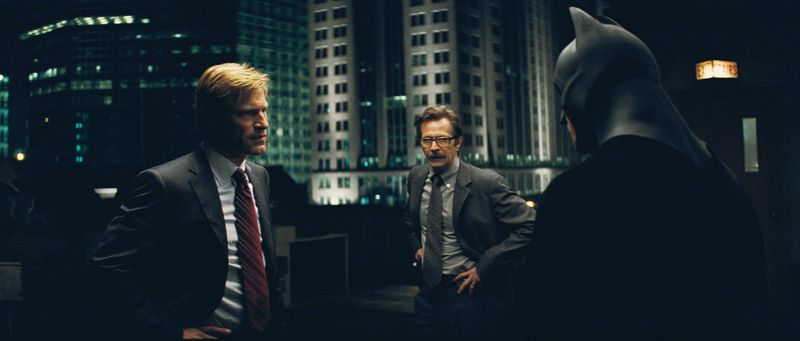
You do not have to watch The Dark Knight to know that its Joker left a mark on modern pop culture.
The smeared makeup, the scarred smile, and the chaotic philosophy became instantly iconic.
It made superhero movies feel darker, sharper, and far more unpredictable.
The film is famous because it balances spectacle with real tension, asking what happens when order faces a villain who wants only disorder.
You probably know Batman’s gravelly voice, the burning pile of money, and the question of why so serious.
The Dark Knight reached beyond comic book fandom and became a defining blockbuster of its era, one that still shapes how you think about masked heroes, morally gray choices, and villains who completely steal the cultural conversation.
10. Harry Potter and the Sorcerer’s Stone (2001)
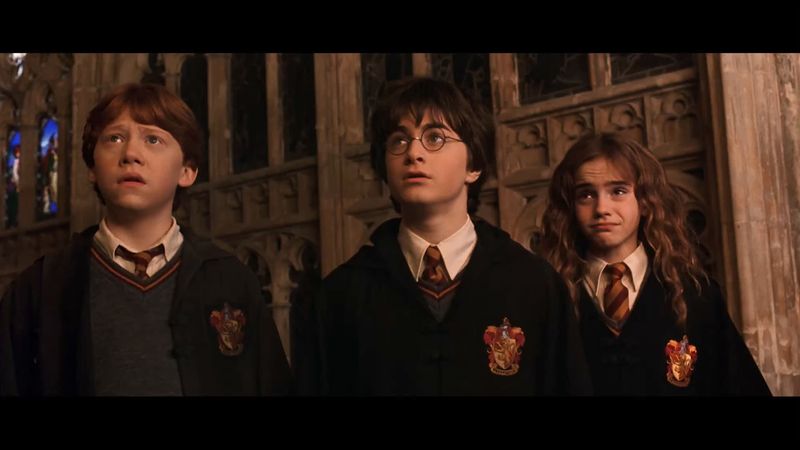
Even if you missed the movie, you probably recognize the glasses, lightning scar, and invitation to a hidden magical world.
Harry Potter and the Sorcerer’s Stone introduced a generation to a school filled with spells, moving staircases, and unforgettable wonder.
It made magic feel cozy, dangerous, and personal.
The film became instantly famous because it translated a beloved book phenomenon into vivid cinematic imagery that everyone could picture.
You likely know Hogwarts, Platform 9 3/4, Quidditch, and the sorting hat without needing a full plot summary.
Harry’s first adventure still defines the franchise’s sense of discovery, and its cultural reach is so wide that references to houses, wands, and chosen heroes feel familiar even if you never joined him on screen.
11. Avatar (2009)
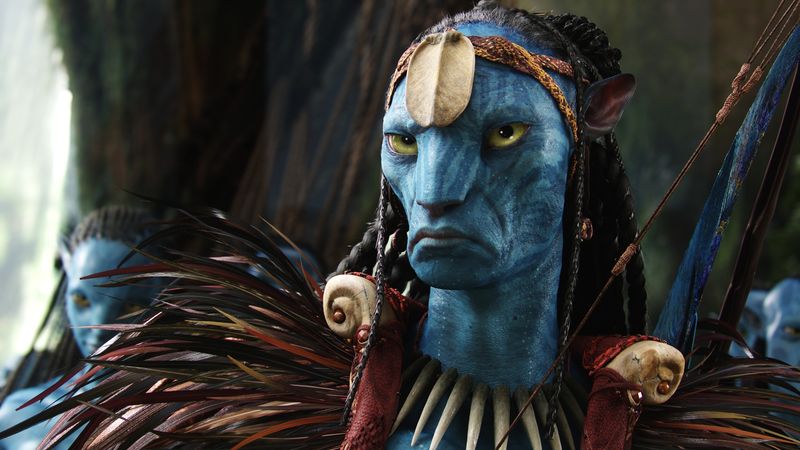
Avatar became famous so quickly that you probably know it from its glowing forests and blue-skinned Na’vi alone.
The movie promised a fully immersive world, and audiences responded to the scale, color, and visual ambition.
It felt like stepping into another planet rather than simply watching one.
Its cultural footprint comes from technological spectacle as much as story, because the film pushed 3D cinema and digital world building to new levels.
You likely recognize Pandora, floating mountains, and the luminous jungle even if character names are blurrier.
Avatar became shorthand for blockbuster immersion, proving that sheer visual experience could become a major event, and that is why its imagery remains familiar to you whether you saw it in theaters or only through endless media coverage.
12. Forrest Gump (1994)
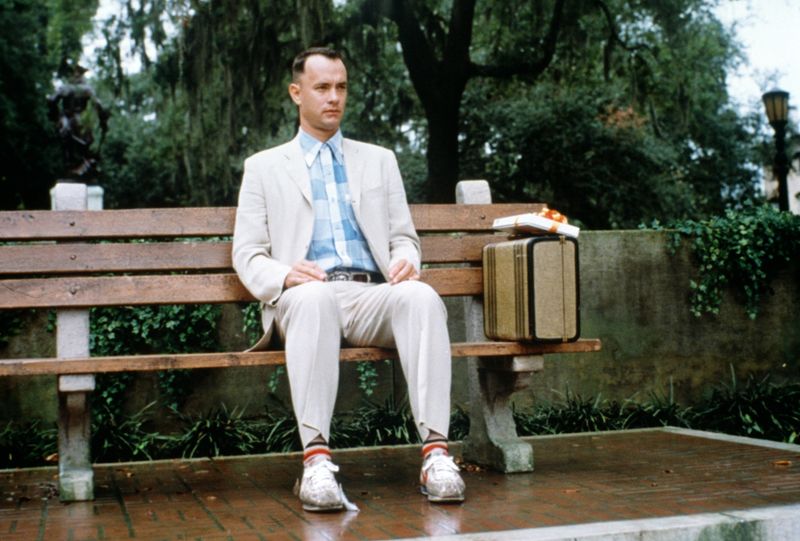
You may never have seen Forrest Gump, yet you probably know the bench, the box of chocolates, and the feather drifting through the air.
The movie became famous by wrapping major moments in American history around one unusually sincere central character.
Its tone is gentle, funny, and surprisingly emotional.
What made it endure is the way simple lines turned into lasting cultural shorthand for fate, love, and perseverance.
You likely recognize references to running, Jenny, and life being like that famous box of chocolates.
Forrest Gump lives on because it feels both deeply specific and universally accessible, so even if you missed the full story, you can still sense why its images and quotes became lodged in the public imagination for decades.
13. The Lord of the Rings: The Fellowship of the Ring (2001)
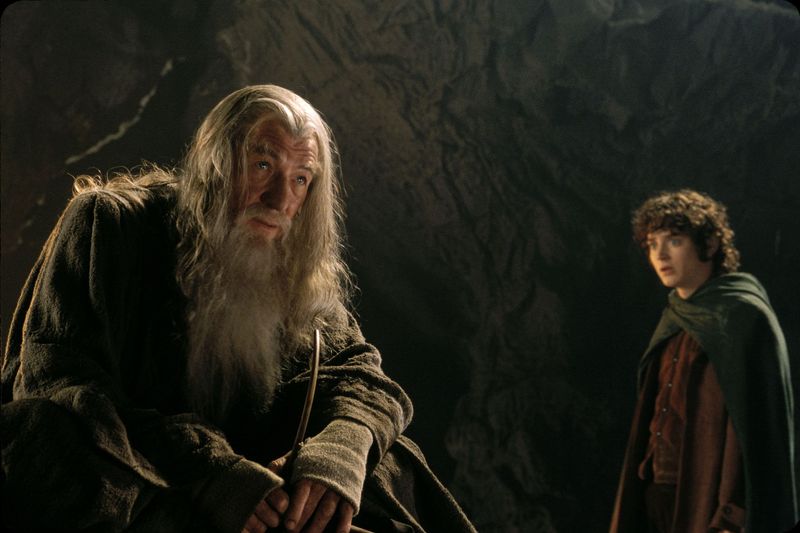
Even without watching it, you probably know this movie as the one with the ring, the fellowship, and the long journey through Middle-earth.
The Fellowship of the Ring brought fantasy into the blockbuster mainstream with astonishing confidence and detail.
It made epic quests feel both intimate and immense.
The film is famous because it introduced a world so complete that audiences instantly believed in its languages, landscapes, and ancient conflicts.
You likely recognize hobbits, Gandalf, and the ominous pull of the One Ring even if the full map is fuzzy.
The Fellowship of the Ring became a benchmark for fantasy filmmaking, and its imagery remains so powerful that mountains, cloaks, and whispered talk of destiny can immediately evoke its world for you.
14. The Matrix (1999)
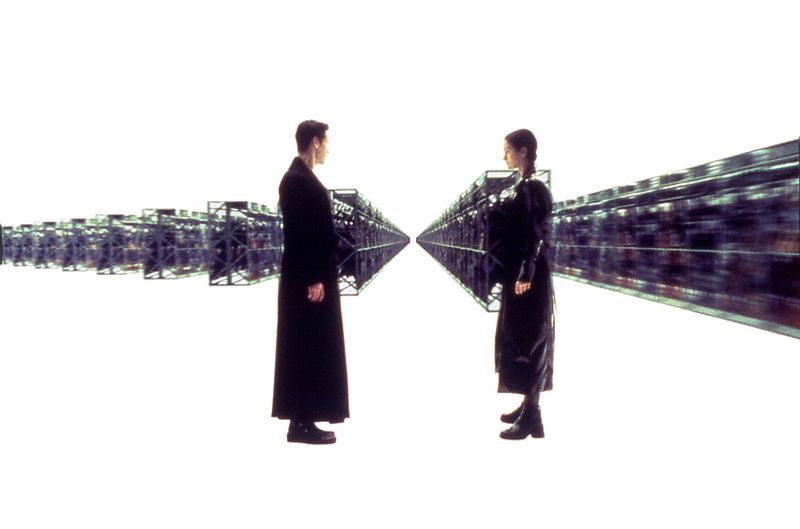
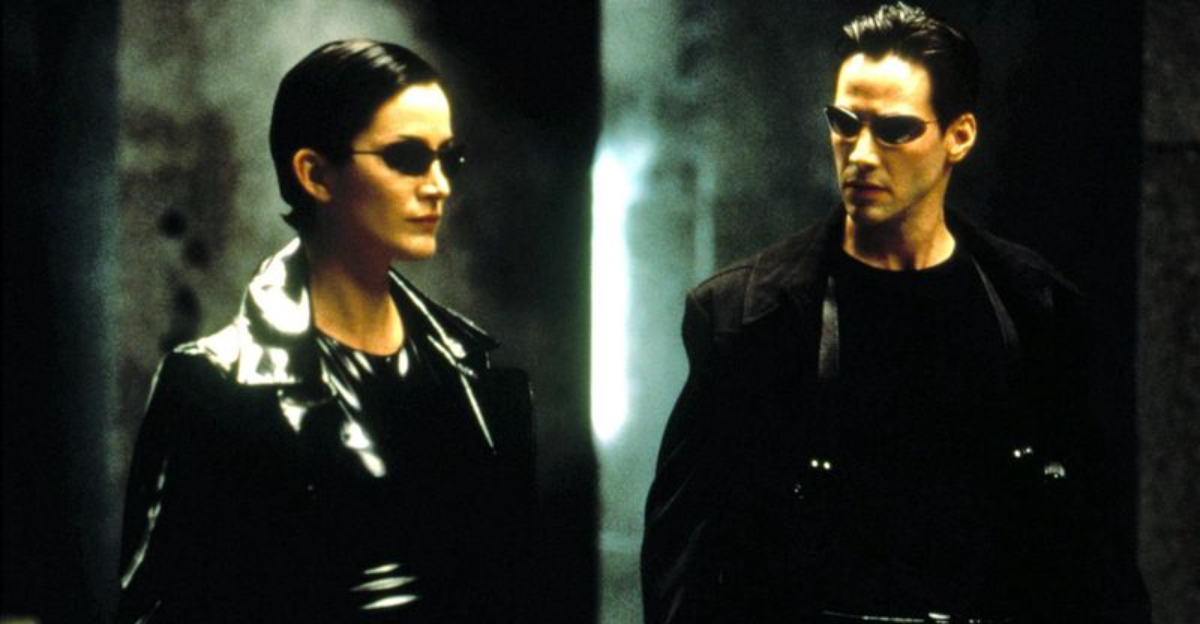
You probably know The Matrix from black coats, dark glasses, and bullets frozen in midair.
Few movies announced themselves so clearly with a visual style that instantly became shorthand for cool, philosophical action.
It changed how science fiction looked, moved, and sounded.
The movie is famous because it fused martial arts, cyberpunk design, and big questions about reality into one wildly influential package.
You likely know the red pill, the blue pill, and the idea that the world may not be what it seems.
The Matrix became a cultural reference point far beyond film, shaping fashion, internet language, and modern action editing, so even without seeing it, you can still feel how deeply its imagery and ideas penetrated everyday conversation.
15. Psycho (1960)
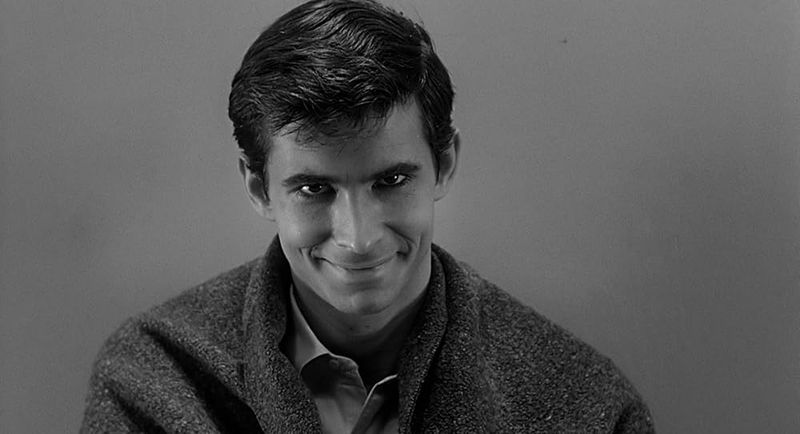
Even if you have never watched Psycho, you almost certainly know the shower scene and the stabbing violins.
That sequence became one of the most famous moments in movie history, to the point that it has been quoted and parodied endlessly.
The title alone suggests dread.
Psycho remains iconic because it rewrote audience expectations, proving that horror could be psychological, stylish, and deeply unsettling without showing very much at all.
You probably recognize the Bates Motel, Norman Bates, and the creepy house on the hill from cultural osmosis alone.
The film’s reputation survives because it made ordinary spaces feel threatening and transformed suspense into something intimate, making you nervous around showers, motels, and polite smiles long before the credits would roll.
16. Gone with the Wind (1939)
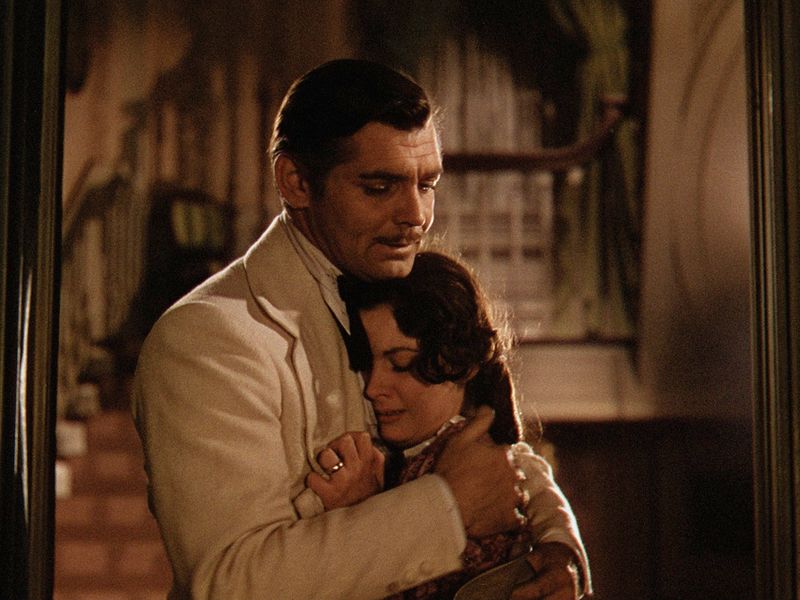
You might not have seen Gone with the Wind, but its scale and melodrama are legendary.
The sweeping dresses, burning skies, and passionate declarations turned it into a symbol of old Hollywood grandeur.
It feels like the blueprint for the giant historical romance.
The movie became famous because it fused romance, war, and towering emotion into a spectacle audiences could not ignore.
You probably know Scarlett O’Hara, Rhett Butler, and at least one immortal closing line, even if the full story remains distant.
Gone with the Wind endures as a cultural landmark because it represents an era when movies aimed for maximal drama and visual opulence, making its images and attitudes recognizable long after its premiere and long after tastes began to change.
17. Rocky (1976)
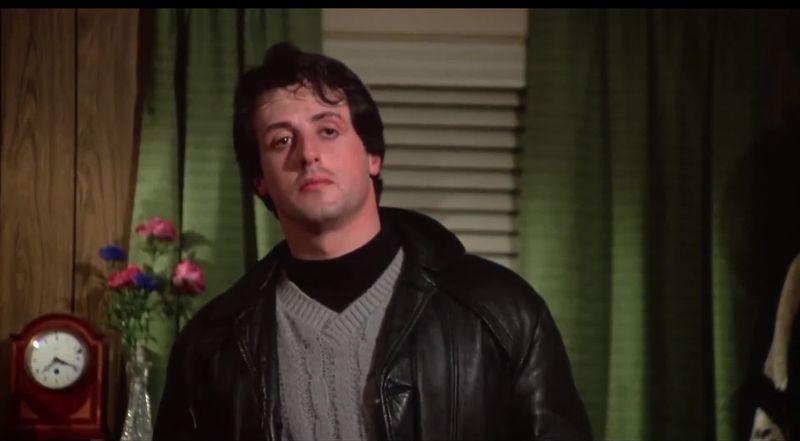
You do not need to see Rocky to know the training montage and the run up the steps.
That image became a universal symbol for grit, self-belief, and the underdog refusing to quit.
The movie transformed one boxer’s struggle into a motivational language everyone understands.
Its fame comes from simplicity done perfectly: a working-class fighter gets one improbable chance and refuses to waste it.
You probably know the triumphant music, the raw punches, and the raised arms at the top of the Philadelphia Museum steps.
Rocky stayed famous because it is not just about winning a fight, but about proving to yourself that you belong in the ring at all, which is why people still reference it whenever effort matters more than polish.
18. Back to the Future (1985)
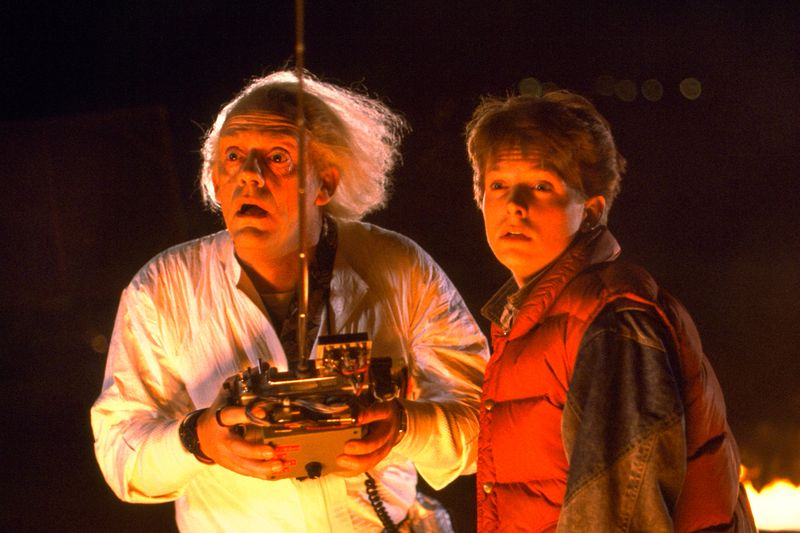
Even if you have never watched Back to the Future, you probably know the DeLorean, the flux capacitor, and the line about roads.
The film turned time travel into a playful, high-energy adventure that still feels fresh.
Its images are so specific that they became instantly timeless.
The movie is famous because it balances comedy, science fiction, and teenage panic with nearly perfect momentum.
You likely recognize Marty McFly, Doc Brown, the hoverboard, and the lightning-struck clock tower without needing every detail explained.
Back to the Future became a pop culture favorite because it makes paradoxes feel fun rather than confusing, and because its style, speed, and optimism continue to invite you into the ride before the engine even starts.
19. The Sound of Music (1965)
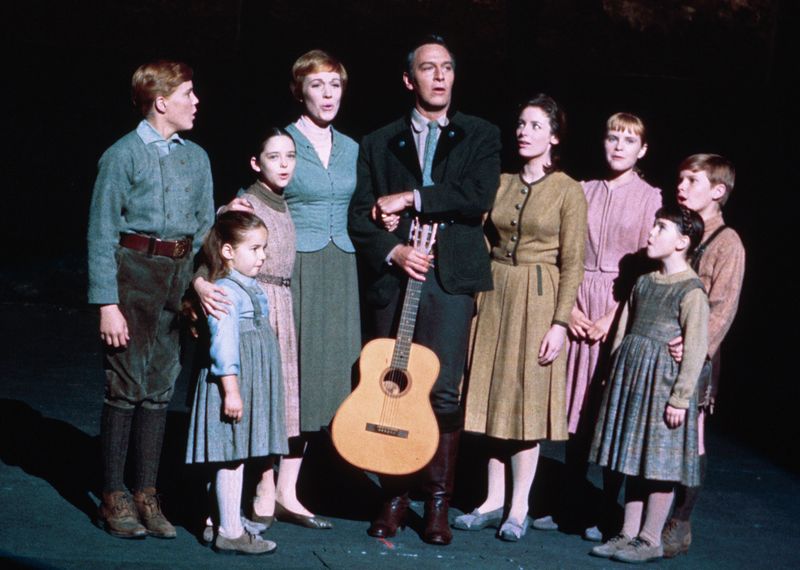
You probably know The Sound of Music from one spinning figure on a hillside and a melody everyone can hum.
Its songs traveled so widely that the film became familiar even to people who never sat down to watch it.
Few musicals achieved that kind of reach.
The movie stays famous because it combines warmth, romance, family, and soaring music with a story that feels both comforting and urgent.
You likely recognize Maria, the singing children, and at least a few do-re-mi references without trying.
The Sound of Music became a cultural touchstone for wholesome spectacle and unforgettable tunes, which is why its mountain vistas and cheerful choruses still signal classic musical joy to you almost instantly, even across generations and changing tastes.
20. Home Alone (1990)
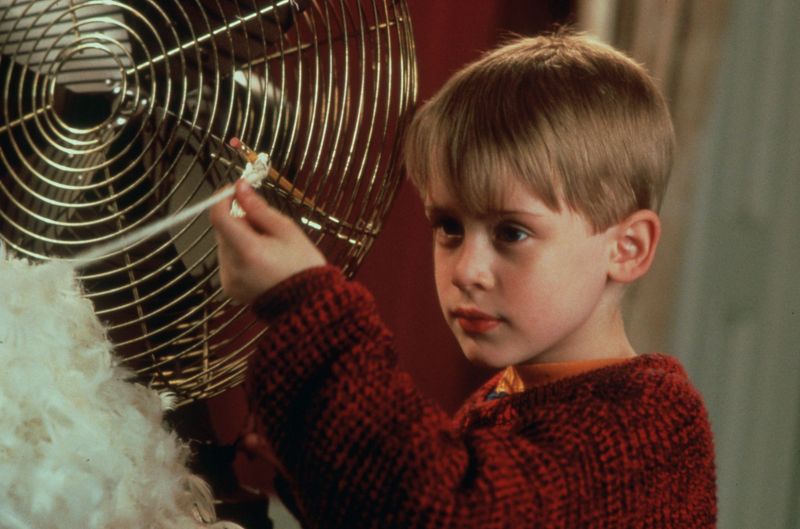
You almost certainly know Home Alone even if you have only seen the scream face and a few holiday clips.
The idea is irresistible: one kid, one big house, and two burglars who badly underestimate both.
It became a Christmas ritual and a comedy reference machine.
The movie is famous because it turns childhood wish fulfillment into escalating slapstick chaos with perfect timing.
You probably know Kevin McCallister, the booby traps, the aftershave scream, and the warm holiday glow wrapped around all the mayhem.
Home Alone endures because it mixes mischief, independence, and genuine heart in a way that speaks to kids and nostalgic adults alike, making it feel familiar every December whether you rewatch it annually or just encounter its scenes everywhere.