 MomSkoop
Hollywood is full of glamorous love scenes and passionate on-screen kisses, but not every actor is willing to lock lips with their co-stars.
Some stars have drawn firm boundaries when it comes to kissing scenes, citing personal beliefs, family commitments, or cultural values.
Their reasons range from religious faith to respect for their spouses, and even professional conflicts that made sharing intimate moments impossible.
1. Neal McDonough – Faith-Based Boundaries
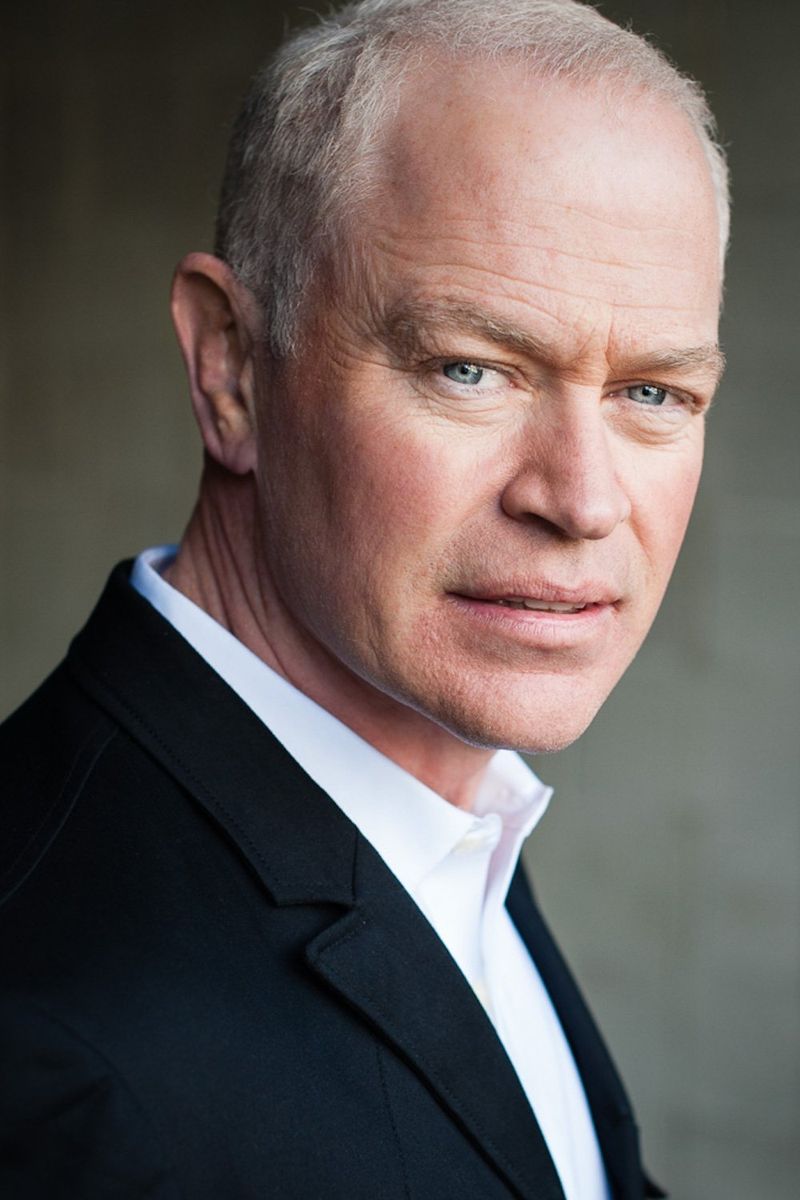
Neal McDonough has built a successful career while maintaining strict personal boundaries rooted in his Catholic faith.
He refuses to kiss anyone other than his wife on screen, a decision that has cost him roles but never his integrity.
This commitment extends to intimate scenes of any kind, making him stand out in an industry where such scenes are commonplace.
His contract explicitly states these conditions before he signs onto any project.
McDonough believes that honoring his marriage vows matters more than any paycheck or career opportunity.
This unwavering stance has earned him both respect and criticism throughout Hollywood, but he remains committed to his principles regardless of professional consequences.
2. Kirk Cameron – Only Kissing His Wife
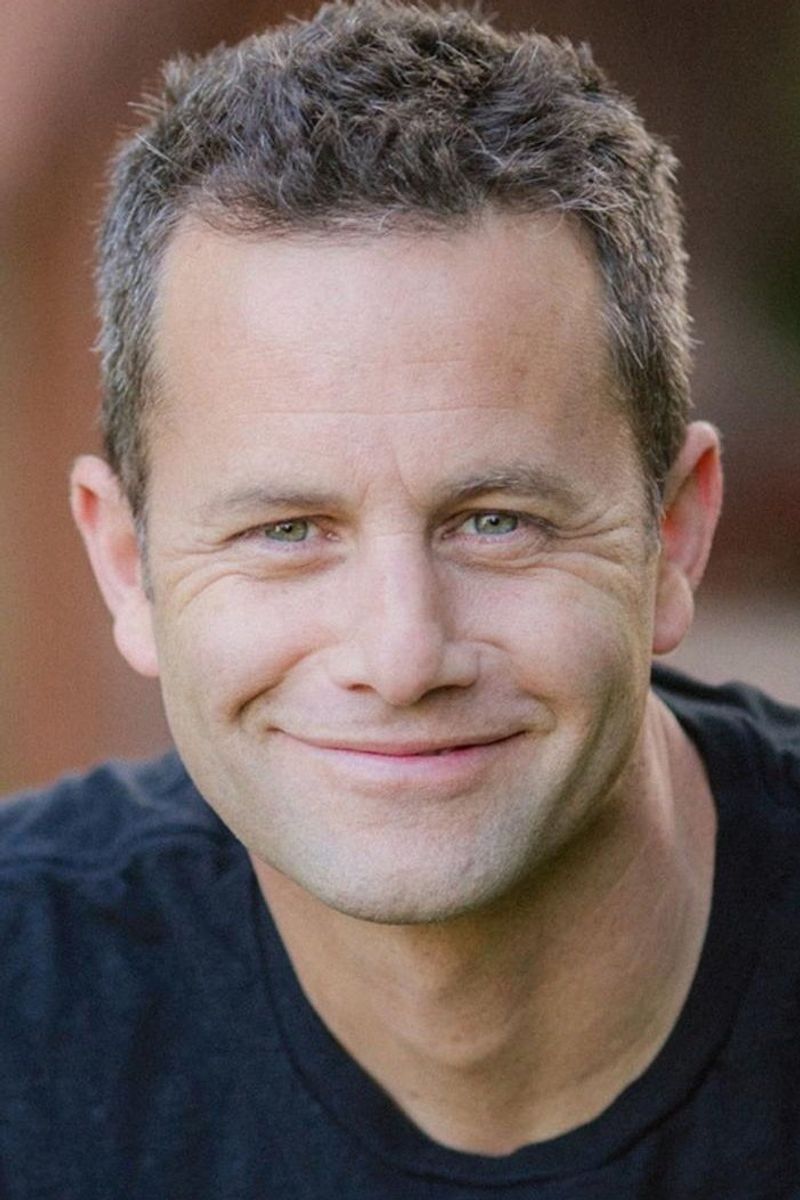
Kirk Cameron became a household name as a teen star, but his adult career took a different direction after his Christian conversion.
He now refuses to film romantic kissing scenes with anyone except his real-life wife, Chelsea.
When scripts require such moments, production teams have gotten creative, using camera angles and even having his wife stand in as a body double.
This policy reflects his deep commitment to his marriage and religious beliefs.
Cameron has stated that he views on-screen intimacy as a form of infidelity, regardless of its professional context.
His stance has limited certain role opportunities, but he considers it a small price to pay for maintaining his values and setting an example for his family.
3. Denzel Washington – Selective Script Changes
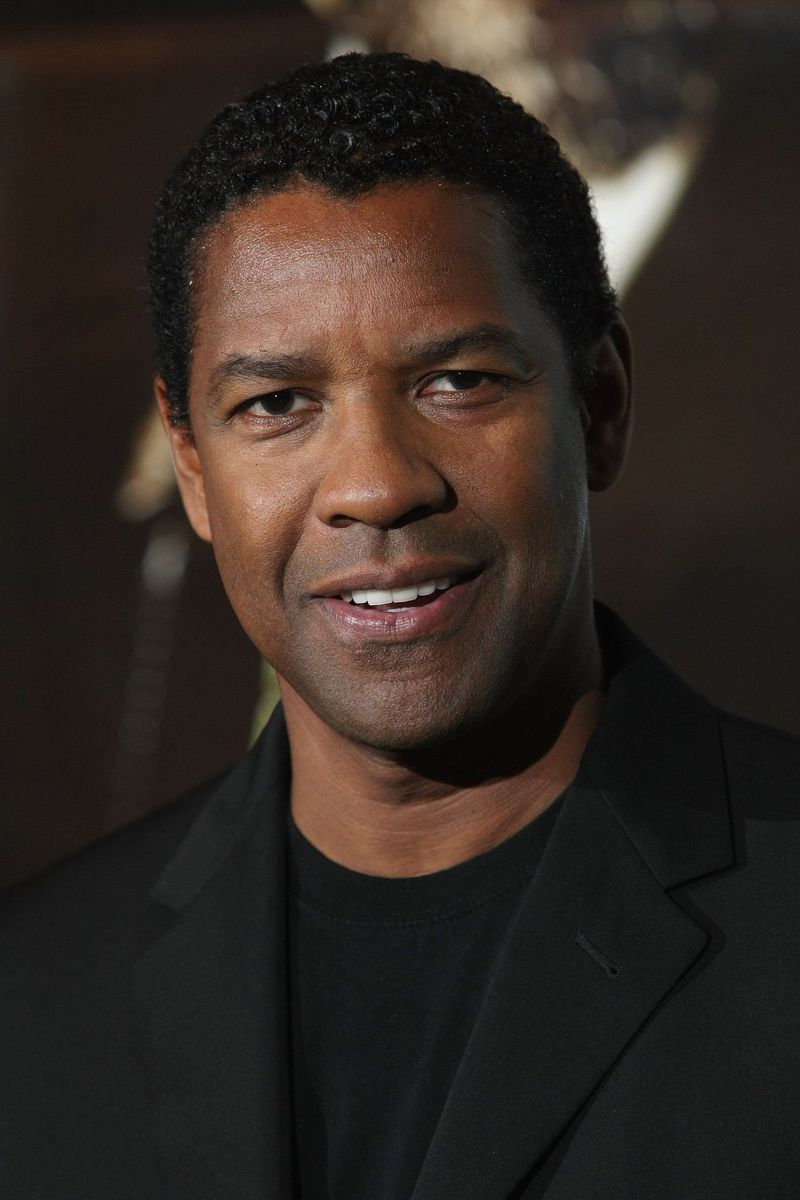
Denzel Washington, one of Hollywood’s most respected actors, made headlines when he declined a scripted kiss in The Pelican Brief opposite Julia Roberts.
Washington reportedly felt the romantic element wasn’t necessary for the story and could distract from the thriller’s tension.
His decision wasn’t about personal discomfort but rather artistic judgment about what served the narrative best.
The change was implemented, and the film succeeded without the romantic subplot many expected.
Washington’s choice demonstrated his influence and willingness to shape his roles according to his vision.
This selective approach to intimate scenes shows how established actors can negotiate script elements that don’t align with their interpretation of a character or story.
4. Will Smith – Career-Defining Refusal

Early in his career, Will Smith turned down a same-sex kiss in the film adaptation of Six Degrees of Separation, despite the scene being central to his character’s story.
Smith later expressed regret about this decision, acknowledging that his refusal came from fear about how it might affect his image and career trajectory.
The role went to another actor for that particular scene, creating an awkward compromise.
This moment became a learning experience for Smith, who has since spoken openly about how societal pressures and personal insecurities influenced his choice.
His honesty about the situation has sparked important conversations about representation and the evolution of attitudes in Hollywood over the past few decades.
5. Tom Cruise – Avoiding Certain Intimacy
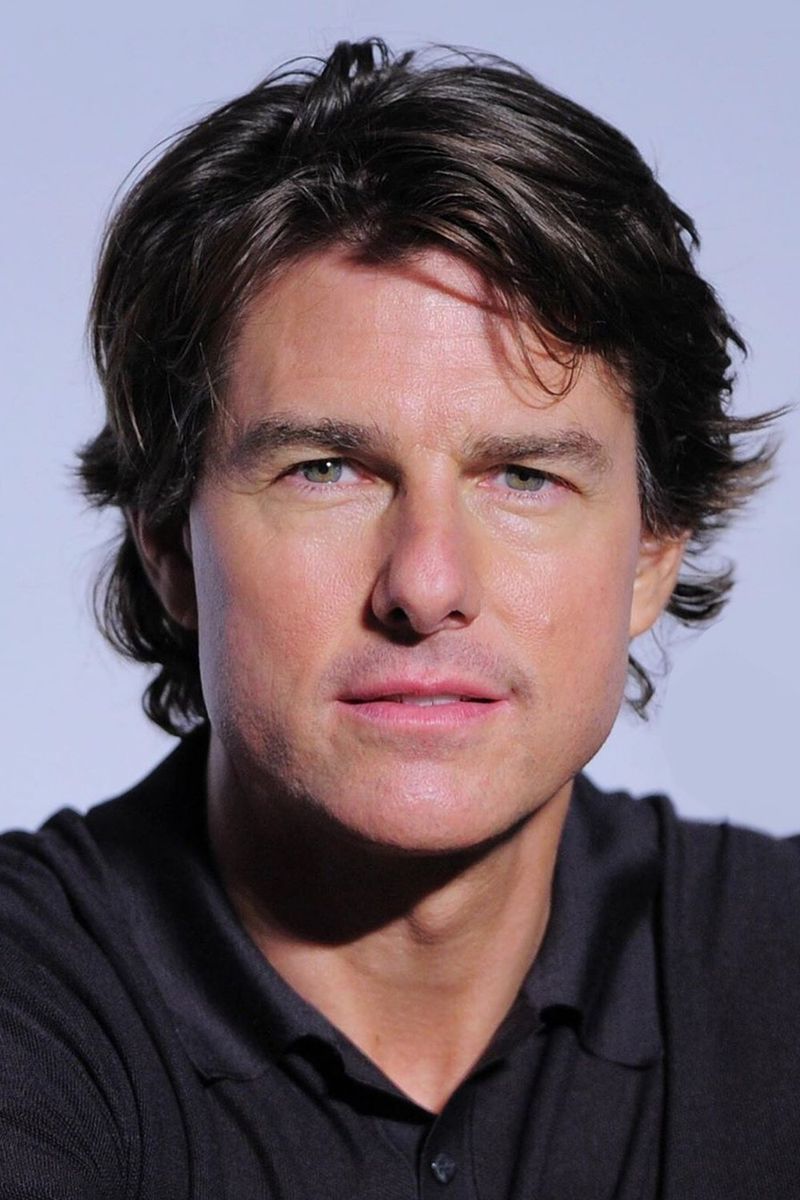
Tom Cruise has developed a reputation throughout his career for being selective about kissing scenes, according to various industry reports.
While he’s participated in romantic scenes when essential to the plot, insiders suggest he often negotiates to minimize or modify intimate moments.
The reasons behind these choices remain somewhat private, though some speculate it relates to his personal beliefs and public image management.
Cruise’s massive star power gives him leverage in these negotiations that most actors don’t possess.
His films consistently perform well regardless of romantic content, proving that action and storytelling can triumph over manufactured chemistry.
This approach has allowed him to maintain control over his on-screen image for decades.
6. Tisha Campbell – Off-Screen Conflict Impact

Tisha Campbell’s situation on the sitcom Martin became one of television’s most talked-about behind-the-scenes conflicts.
After filing a sexual harassment lawsuit against her co-star Martin Lawrence, Campbell understandably refused to participate in any kissing or intimate scenes with him.
The show’s producers had to get creative, using camera tricks and stand-ins to film scenes featuring both characters without them actually being together.
This wasn’t about personal preference but rather protecting herself in a hostile work environment.
Campbell’s courage in standing her ground despite professional pressure helped pave the way for better workplace protections in the entertainment industry.
Her experience highlighted how off-screen relationships directly impact on-screen chemistry and what performers should endure for their jobs.
7. Luke Grimes – Leaving Rather Than Compromising

Luke Grimes made the drastic decision to leave the hit HBO series True Blood rather than participate in a gay romance storyline that included kissing scenes.
His departure from the show surprised fans and created controversy about actors’ responsibilities when accepting roles.
Grimes initially took the part without knowing the full extent of his character’s romantic arc, leading to the conflict.
The actor faced significant backlash for his decision, with many questioning whether discomfort with same-sex scenes reflected deeper prejudices.
Grimes later moved on to other projects, including the successful series Yellowstone, but the True Blood situation remained a defining moment in his career.
His choice sparked ongoing debates about artistic integrity versus personal boundaries in acting.
8. Bhagyashree – No Lip Contact Policy

Bollywood actress Bhagyashree became famous for her role in Maine Pyar Kiya, but she’s equally known for her strict policy against lip-to-lip kissing in films.
Throughout her career, she has insisted on romantic scenes that suggest intimacy without actual lip contact, using creative camera angles and choreography instead.
This stance reflects both personal values and cultural considerations within Indian cinema.
Her policy hasn’t prevented her from portraying convincing romantic leads, proving that chemistry doesn’t require explicit physical contact.
Bhagyashree’s approach has been respected by many filmmakers who appreciate her talent enough to accommodate her boundaries.
This demonstrates how actors can maintain their comfort zones while still delivering compelling performances that audiences believe and enjoy.
9. Julia Roberts – Stipulating Her Conditions

Julia Roberts, despite being one of Hollywood’s most bankable romantic comedy stars, has selectively refused specific on-screen kisses throughout her career.
Roberts has the clout to stipulate conditions in her contracts, including who she kisses and under what circumstances.
Her decisions often relate to the artistic merit of the scene and whether it genuinely serves the story being told.
Roberts has worked with intimacy coordinators and directors to ensure romantic scenes feel authentic without crossing her personal boundaries.
Her selective approach demonstrates how A-list actors can shape their roles while maintaining professional relationships.
This level of control over one’s image and comfort represents the kind of agency many performers strive for but few actually achieve in the competitive entertainment industry.
10. Lindsay Lohan – Body Double Solution

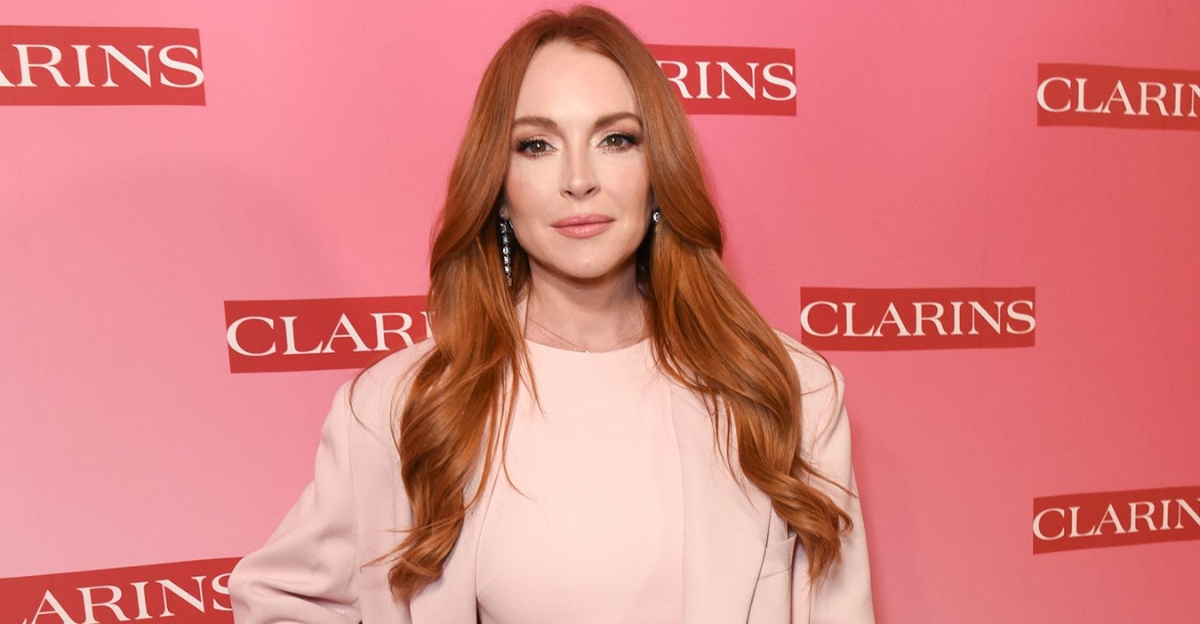
Lindsay Lohan reportedly refused to kiss Charlie Sheen during the filming of Scary Movie 5, opting instead to use a body double for the scene.
The reasons behind her refusal weren’t publicly detailed, though speculation ranged from personal discomfort to professional concerns about Sheen’s controversial reputation at the time.
The production accommodated her request without major issues.
Body doubles have become an increasingly common solution when actors decline intimate scenes for any reason.
Lohan’s choice highlights how performers can protect their boundaries while still fulfilling contractual obligations.
This compromise allows films to include scenes as written while respecting actors’ comfort levels, creating a middle ground that benefits everyone involved in the production process.
11. Fawad Khan – Cultural and Religious Values
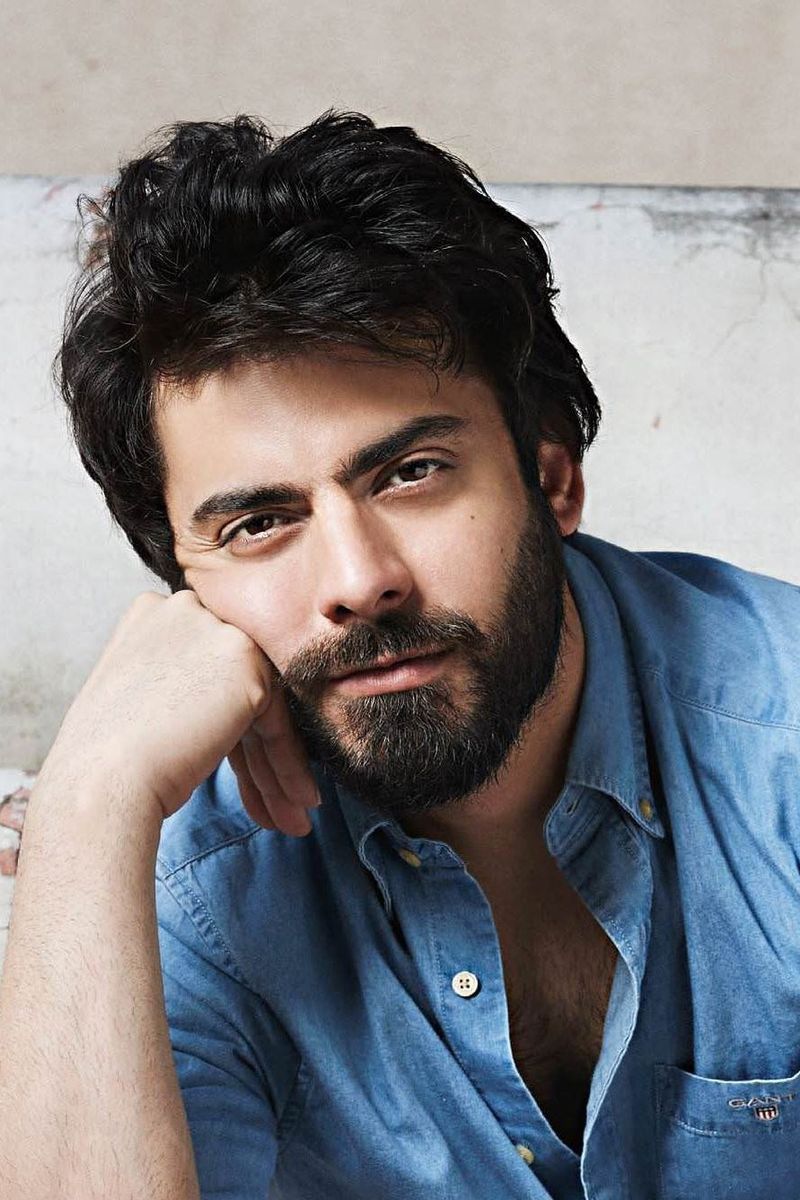
Pakistani actor Fawad Khan declined kissing scenes in the Bollywood film Kapoor & Sons, citing both cultural and religious reasons for his decision.
Khan’s stance reflects the conservative values prevalent in Pakistan’s entertainment industry, where on-screen kissing remains largely taboo.
Despite this boundary, he delivered a critically acclaimed performance that proved physical intimacy isn’t required for emotional depth.
His refusal was respected by the filmmakers, who adjusted scenes to maintain the romantic storyline without compromising Khan’s values.
This accommodation demonstrates the growing understanding in international cinema that actors from different backgrounds bring different boundaries.
Khan’s successful crossover into Bollywood while maintaining his principles has inspired other actors facing similar cultural considerations in their careers.
12. Sai Pallavi – Firm No-Kissing Rule

South Indian actress Sai Pallavi has maintained a firm no-kissing policy throughout her film career, including in movies like Love Story.
She’s been vocal about this boundary, explaining that it aligns with her personal values and comfort level.
Pallavi believes that romance can be portrayed effectively through expressions, body language, and emotional connection without requiring lip-locking scenes.
Her stance hasn’t hurt her popularity; in fact, many fans appreciate her commitment to her principles.
Directors who work with Pallavi know her boundaries upfront and craft romantic sequences accordingly.
This approach has proven that actors can be selective about intimate content while still achieving massive success and critical acclaim in industries where such scenes are becoming increasingly common and expected.
13. Sonakshi Sinha – Personal Discomfort

Bollywood actress Sonakshi Sinha has been open about her discomfort with kissing scenes, maintaining a personal policy against them for much of her career.
Unlike some actors who cite religious or cultural reasons, Sinha’s decision stems from personal preference and what makes her comfortable as a performer.
She believes audiences don’t need explicit scenes to understand romantic relationships between characters.
Her policy has been respected by most filmmakers she’s worked with, though it has occasionally limited certain role opportunities.
Sinha represents a growing number of actors who prioritize their comfort over industry expectations.
This personal agency demonstrates that success doesn’t require compromising one’s boundaries, and that audiences connect with performances based on talent rather than willingness to participate in intimate scenes.
14. Salman Khan – Avoiding On-Screen Kisses
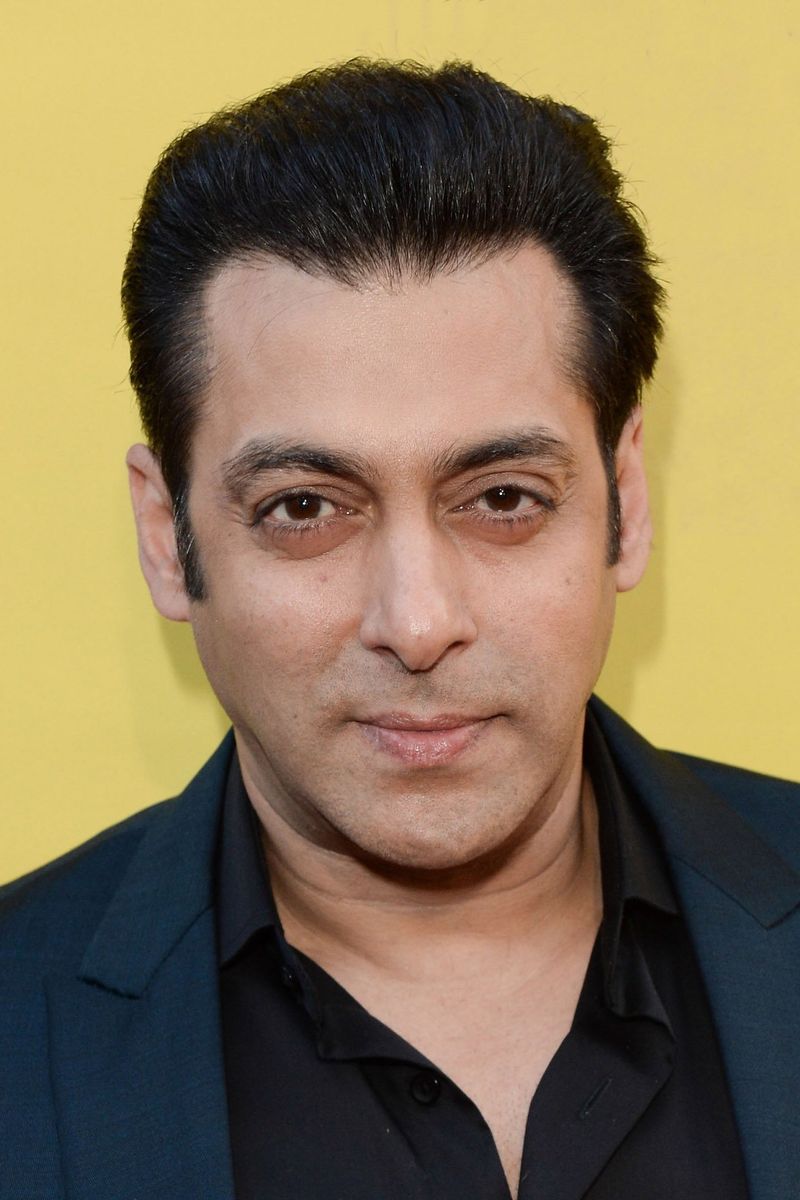
Salman Khan, one of Bollywood’s biggest superstars, generally avoids on-screen kissing due to his personal stance on the matter.
Khan has rarely participated in lip-locking scenes throughout his decades-long career, preferring to portray romance through other means.
His avoidance isn’t strictly religious but rather a combination of personal preference and awareness of his massive fan base’s expectations.
Khan’s immense popularity proves that romantic heroes don’t need kissing scenes to win hearts.
His films consistently break box office records while maintaining his no-kiss approach.
This success has influenced other actors and demonstrated to producers that Indian audiences don’t require Western-style intimacy in their love stories.
Khan’s career stands as evidence that star power and charisma can transcend any single type of scene.
15. Raveena Tandon – Continuing No-Kiss Preference

Veteran Bollywood actress Raveena Tandon has been cited as maintaining a no-kissing preference throughout much of her career.
Tandon built her reputation during an era when on-screen kissing was far less common in Indian cinema, and she’s continued this approach even as industry standards have evolved.
Her decision reflects both personal comfort and respect for traditional values that resonate with many of her fans.
Tandon’s successful career spanning decades proves that longevity in cinema doesn’t require adapting to every changing trend.
She’s portrayed memorable romantic characters without compromising her boundaries.
Her continued relevance in the industry demonstrates that actors can maintain their principles while evolving with the times in other ways.
Tandon’s approach has earned respect from colleagues who appreciate her consistency and integrity.
16. Priyamani – Prioritizing Her Spouse

South Indian actress Priyamani has openly discussed her decision to avoid on-screen kisses, citing her priority to respect her spouse and maintain boundaries in her marriage.
After getting married, Priyamani became more vocal about this policy, explaining that her personal life takes precedence over professional demands.
She believes that certain intimate acts should remain exclusive to her real-life relationship.
Her transparency about this decision has resonated with many fans who appreciate her commitment to her marriage.
Priyamani’s stance reflects a growing trend of married actors reconsidering their boundaries around intimate scenes.
Directors who want to work with her understand these conditions upfront, and most have been willing to accommodate her preferences.
This demonstrates how clear communication about boundaries can lead to mutually respectful professional relationships.
17. Kareena Kapoor Khan – Selective About Scenes

Kareena Kapoor Khan, one of Bollywood’s most prominent actresses, has publicly discussed being selective about kissing scenes throughout her career.
While she hasn’t completely avoided them, she carefully considers each situation based on the script’s requirements, the director’s vision, and her personal comfort level.
Kapoor Khan’s selective approach demonstrates a nuanced perspective on intimate scenes rather than an absolute prohibition.
Her willingness to discuss these decisions openly has contributed to important conversations about consent and comfort in the film industry.
Kapoor Khan’s star power allows her the luxury of choice that many actors don’t have.
This selective participation shows that boundaries don’t have to be all-or-nothing, and that actors can evaluate each situation individually while maintaining professional credibility and audience appeal.
18. Tamannaah Bhatia – Multiple Film Policy

Actress Tamannaah Bhatia has maintained a no-kiss policy across multiple films in her career, working primarily in Telugu and Tamil cinema.
Bhatia’s decision stems from personal comfort levels and an understanding of her audience’s preferences in South Indian markets.
She’s managed to portray convincing romantic leads without lip-locking scenes, relying instead on chemistry, expressions, and emotional connection.
Her policy hasn’t prevented her from becoming one of the most sought-after actresses in South Indian cinema.
Bhatia’s success demonstrates that regional cinema markets often have different expectations than Bollywood or Hollywood regarding on-screen intimacy.
Her ability to draw massive audiences while maintaining her boundaries proves that commercial success and personal principles can coexist.
Many young actors look to her as an example of maintaining agency over one’s career choices.
19. Majid Michel – Post-Faith Commitment

Ghanaian actor Majid Michel underwent a significant spiritual transformation that changed his approach to intimate scenes in films.
After recommitting to his Christian faith, Michel began avoiding on-screen lip contact, explaining that his new beliefs conflicted with participating in such scenes.
This represented a dramatic shift from his earlier career, where he’d been known for steamy romantic roles.
Michel’s decision affected his career trajectory, with some producers hesitant to cast him in romantic leads.
However, he’s found success in faith-based films and roles that align with his current values.
His transformation has inspired discussions about how personal growth and changing beliefs can reshape professional priorities.
Michel’s journey shows that it’s never too late for actors to redefine their boundaries, even if it means walking away from certain opportunities.
20. Candace Cameron Bure – Family Values Priority
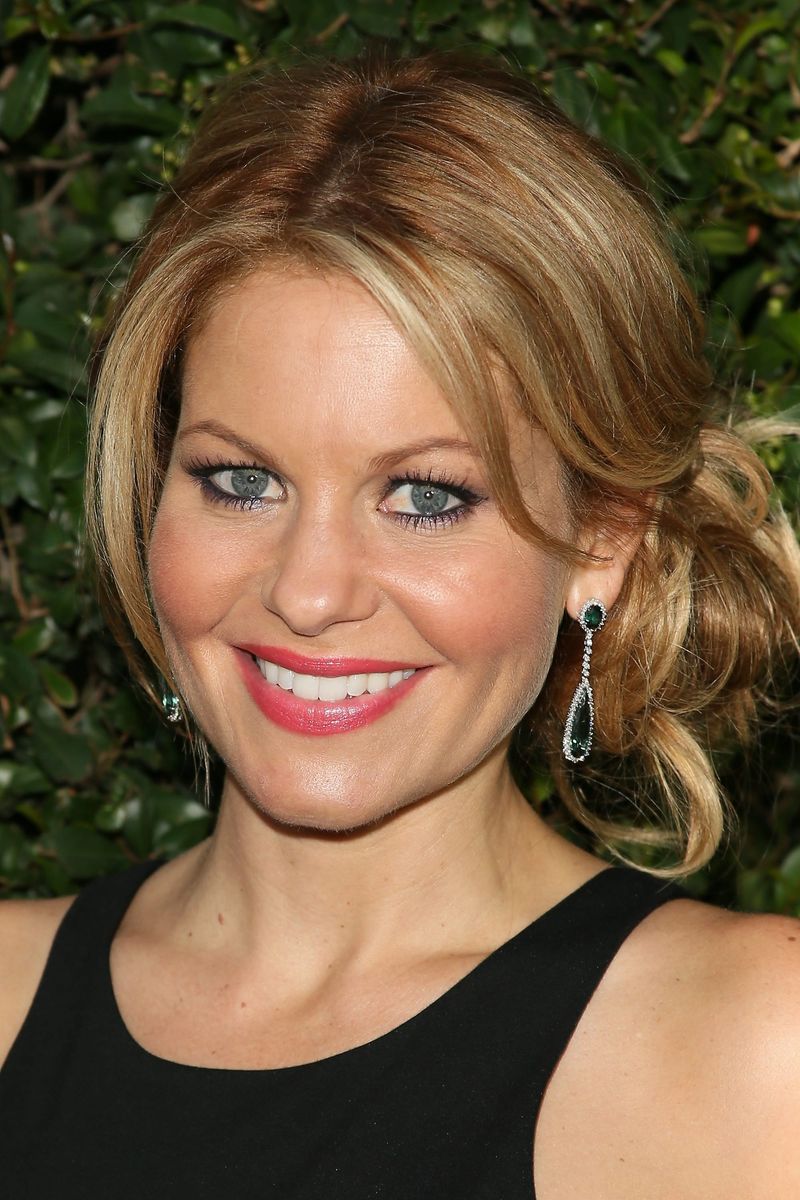
Candace Cameron Bure, known from Full House and numerous Hallmark movies, has increasingly refused mature kissing scenes as her career progressed.
Bure prefers to kiss only her husband in real life and has sought roles that respect this boundary.
Her faith-based values guide these decisions, and she’s been outspoken about wanting her work to reflect her Christian beliefs and family priorities.
Bure’s stance has made her a perfect fit for family-friendly networks like Hallmark, where romance is suggested rather than explicit.
She’s become an advocate for wholesome entertainment that doesn’t compromise personal values.
Her career success in this niche market proves substantial demand exists for content that avoids graphic intimacy.
Bure’s choices have resonated with audiences who share similar values and appreciate seeing their beliefs represented on screen.