 MomSkoop

Getting older has a funny way of clearing out the clutter — not just in your closet, but in your calendar too. Baby Boomers have reached a point in life where they know exactly what matters and what simply isn’t worth the hassle.
After decades of juggling careers, families, and responsibilities, they’ve earned the right to be picky about how they spend their time. Here’s a look at the things Boomers have quietly — and sometimes loudly — decided to leave behind.
1. Learning a New App Every Month

There’s a certain peace that comes with finding tools that work and sticking with them.
Boomers have used enough software over the decades to know that the “next big app” rarely lives up to the hype.
If the current platform handles emails, photos, and messages just fine, why fix something that isn’t broken?
Younger generations may sprint toward every shiny new platform, but Boomers have learned that most apps do the same things with different logos.
The learning curve costs real time — time that could be spent on things that actually matter.
When an app genuinely improves their life, they’ll adopt it.
Until then, the phone stays exactly the way it is.
2. Pretending They’re Having Fun

Fake smiles are exhausting, and Boomers have officially retired theirs.
After spending years showing up to obligatory events out of politeness, many have reached a turning point — if the evening isn’t enjoyable, they’re heading home early and sleeping soundly about it.
There’s real freedom in admitting when something isn’t fun.
A bad party doesn’t become good just because you white-knuckle your way through it.
Boomers have learned that leaving early isn’t rude — it’s honest.
Friends who truly matter understand.
The ones who don’t probably weren’t worth the drive anyway.
Life is too short to sit through another hour of a gathering that stopped being enjoyable before the appetizers arrived.
3. Reading the Terms and Conditions
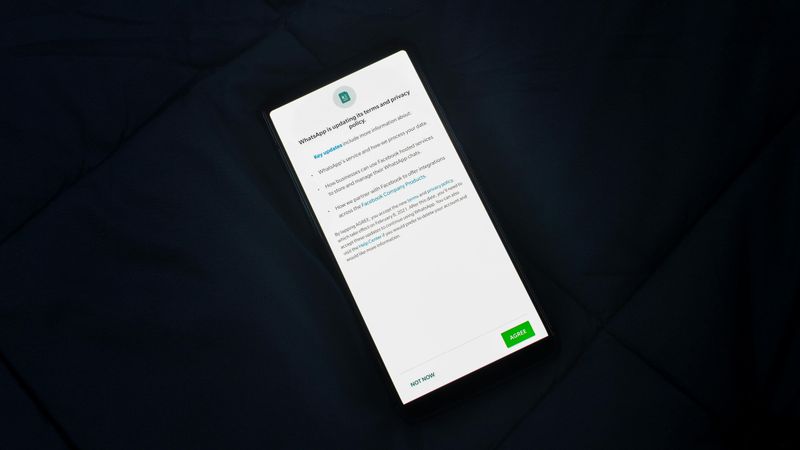
Nobody reads them.
Not the millennials, not the Gen Z crowd, and certainly not the Boomer who’s been clicking “Accept” since the dial-up era.
Terms and conditions documents are often longer than a short novel, written in language that requires a law degree to decode.
Boomers spent enough years in the workforce reading contracts, reports, and policy manuals.
They know when fine print matters and when it’s just legal wallpaper.
For a free weather app or a streaming service, the risk assessment is pretty straightforward.
They scroll, they click, they move on.
Some battles are worth fighting.
The 47-page software agreement for a recipe app is simply not one of them.
4. Turning Every Hobby Into a Side Hustle
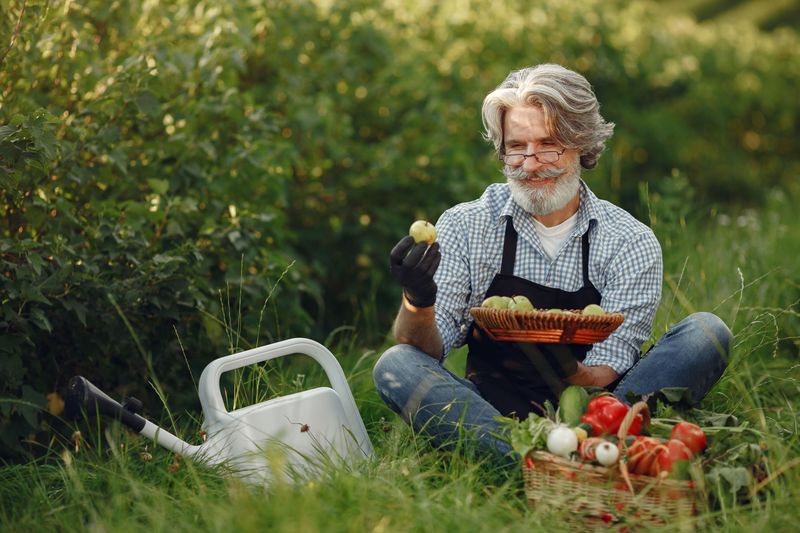
Somewhere along the way, modern culture decided that hobbies must generate income to be worthwhile.
Boomers largely disagree.
Gardening, woodworking, painting, knitting, and fishing are allowed to exist simply because they bring joy — no monetization required.
There’s something quietly rebellious about doing something just because you love it.
Not everything needs a price tag, a brand partnership, or an Etsy shop.
The tomatoes grown in the backyard taste better when they weren’t grown to meet a quarterly sales goal.
Boomers remember a time when hobbies were just hobbies, and they’re holding onto that idea.
The moment a passion becomes a pressure, it stops being a pleasure — and that trade-off just isn’t worth it.
5. Fighting for a Parking Spot
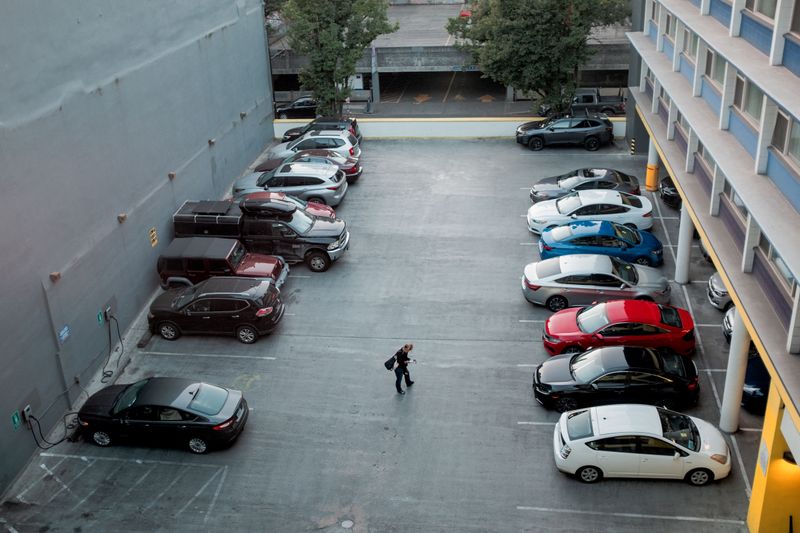
Circling a parking lot three times while someone’s blood pressure quietly climbs is nobody’s idea of a good afternoon.
Boomers have done the math: the stress of hunting for a prime spot costs more than the extra two-minute walk from a farther space.
Parking lot road rage is a young person’s game.
Most Boomers would rather pull into the first open spot they see, enjoy the fresh air on the walk in, and arrive at the store in a perfectly decent mood.
It’s genuinely that simple.
If the lot is packed and the wait looks long, skipping the errand entirely is always on the table.
Some places just aren’t worth the chaos of a Saturday afternoon crowd.
6. Keeping Up With Celebrity Drama

Who unfollowed whom, which pop star is feuding with another, and which influencer got “canceled” this week — Boomers are largely tuned out from the whole spectacle.
Celebrity culture moves fast, and most of them stopped running alongside it years ago.
It’s not bitterness — it’s priorities.
When you’ve raised kids, built a career, and managed real-life complications, the romantic drama of someone famous holds very little weight.
The emotional energy required to keep up simply isn’t available for that purpose anymore.
Boomers will happily watch a classic film or enjoy music they’ve loved for decades.
The tabloid cycle, though?
That’s a conveyor belt of noise they’re perfectly content to walk away from.
7. Standing in Long Lines for Anything
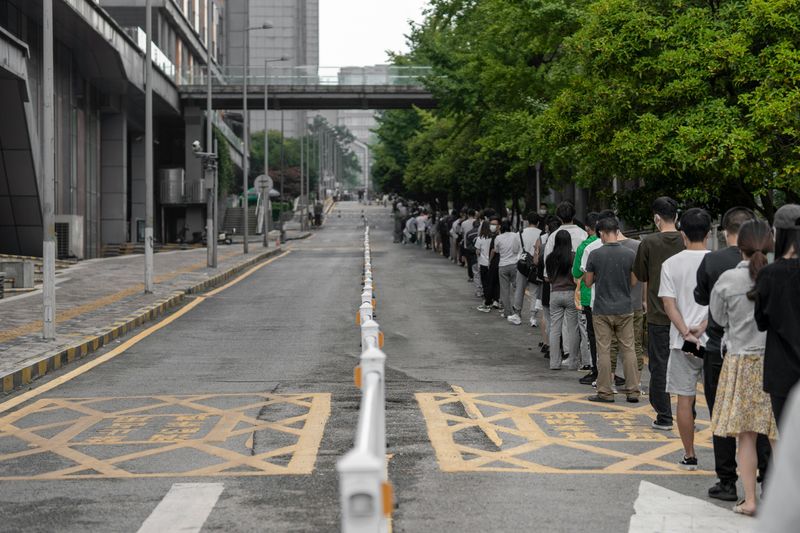
An hour-long wait for brunch, a two-hour queue for a product launch, or a Black Friday line that wraps around the building — Boomers look at these situations and ask one simple question: is it really worth it?
The answer is almost always no.
After decades of waiting in actual important lines — the DMV, hospital waiting rooms, airport security — standing in line for a trendy taco place feels like a poor use of a perfectly good afternoon.
Patience is a virtue, but so is knowing your own time’s value.
Reservations, online ordering, and off-peak visits are the preferred strategies now.
If none of those options exist, there’s probably another great restaurant down the street with available seating.
8. Arguing With Strangers Online

At some point, the comment section reveals itself for what it truly is — a place where nobody changes their mind and everyone walks away more frustrated than before.
Boomers have mostly figured this out, even if it took a few heated exchanges to get there.
Arguing with strangers online is one of the most exhausting activities that produces absolutely zero positive outcomes.
Nobody is persuaded by a reply written in all caps.
Nobody softens their position because someone typed a really long rebuttal.
Walking away from the keyboard is a skill, and Boomers are getting better at it every year.
Real conversations with real people they actually know are worth the energy.
The comment section is not.
9. Owning Things They Don’t Use

The garage full of “maybe someday” items has lost its appeal.
Boomers who have moved houses, cleared out parents’ estates, or simply looked around at the accumulation of decades are embracing the lighter feeling that comes with letting things go.
Downsizing isn’t a defeat — it’s a deliberate choice.
Keeping five sets of dishes, three broken blenders, and boxes of old magazines “just in case” turns a home into a storage unit.
The mental weight of owning too much is real, and Boomers are increasingly done carrying it.
Donation centers, garage sales, and the occasional dumpster run have become oddly satisfying rituals.
Every item that leaves the house is one less thing to dust, move, or explain.
10. Pretending to Understand Modern Slang

“Rizz,” “slay,” “no cap,” “delulu” — the glossary of modern slang evolves so quickly that even younger people struggle to keep up.
Boomers have stopped trying to stay fluent in a language that changes every six months, and honestly, it’s a relief.
There’s something endearing about a Boomer who simply asks, “What does that mean?” instead of nodding along pretending to understand.
It opens up actual conversations, and the explanations are often funnier than the word itself.
Trying to squeeze current slang into casual conversation has never worked smoothly for most Boomers anyway.
The results are usually cringeworthy enough to become a family joke.
Better to own the confusion than to fake fluency in a language you didn’t grow up speaking.
11. Taking Red-Eye Flights to Save Fifty Dollars

There was a time when saving money on airfare meant enduring a 2 a.m. departure, a middle seat, and arriving at the destination looking like a crumpled receipt.
Boomers remember those trips, and most of them have decided the savings aren’t worth the suffering.
Sleep matters more than it used to.
Arriving somewhere exhausted means spending the first day recovering instead of actually enjoying the trip.
The math on a red-eye stops looking clever once you factor in the lost day and the stiff neck.
A reasonable flight at a reasonable hour, even if it costs a bit more, is the preferred approach now.
Travel should feel like a reward, not a test of physical endurance packed into a narrow seat.
12. Attending Meetings That Could Have Been an Email

Decades of workplace experience come with a superpower: the ability to identify a pointless meeting within the first thirty seconds of the agenda.
Boomers have sat through hundreds of them, and the tolerance for that particular time drain has worn very thin.
A quick email, a two-line memo, or a brief phone call can accomplish what most meetings drag out over an hour.
The ritual of gathering everyone in a room to discuss something that could have been a written update is a workplace inefficiency Boomers spot instantly.
Those still working part-time or consulting have learned to ask the right question upfront: “Could this be handled over email?” The answer is usually yes, and everyone’s afternoon gets a little better.
13. Chasing Every Health Trend

Low-fat, low-carb, juice cleanse, keto, intermittent fasting, raw food, and whatever detox tea was popular last spring — Boomers have watched health trends cycle through for fifty years.
Most of them have returned to a straightforward conclusion: eat reasonably, move regularly, sleep well.
Every generation produces a new miracle supplement or a revolutionary eating plan that promises to change everything.
Boomers have lived long enough to watch most of those trends quietly disappear while common sense remained standing.
That’s not to say they ignore their health — many are quite thoughtful about what they eat and how they exercise.
They just do it without buying into the next viral wellness movement that will be forgotten by next quarter.
14. Upgrading Perfectly Good Technology

The television works.
The phone makes calls, sends texts, and takes photos.
The laptop opens, connects to the internet, and runs the programs needed.
For most Boomers, that’s a complete and satisfying technology setup that requires zero upgrades this year.
Consumer culture pushes the idea that last year’s device is already outdated, but Boomers tend to evaluate technology by a different standard: does it do what I need it to do?
If the answer is yes, the upgrade can wait indefinitely.
There’s also something quietly satisfying about using something until it genuinely stops working.
It’s practical, it’s economical, and it pushes back against the pressure to spend money on improvements that mostly just add more buttons to press.
15. Explaining Their Life Choices to Everyone

Buying a quirky vehicle, moving to an unusual city, spending money on an unexpected hobby, or making a lifestyle change that raises eyebrows — Boomers have reached the age where a detailed explanation is no longer something they feel obligated to provide.
The decades spent trying to meet everyone’s expectations have quietly wound down.
There’s a certain liberation that arrives when you realize most people are too busy managing their own lives to care deeply about yours anyway.
Living authentically without a running commentary has become one of the quiet joys of this stage of life.
They buy what brings them happiness, live where they feel most at home, and spend their time on whatever actually matters to them.
16. Being Available 24/7

The expectation that everyone should respond to messages within minutes is a relatively new social pressure — and one that Boomers are largely choosing to ignore.
A text sent at 9 p.m. will get a response tomorrow morning, and that is perfectly acceptable behavior.
Boomers grew up in a world where phones were attached to walls, not people.
If you weren’t home, you weren’t reachable — and somehow, civilization survived just fine.
That perspective makes the modern demand for instant responses feel a little overblown.
Boundaries around communication aren’t rudeness; they’re sanity.
Time spent at dinner, in the garden, or simply resting belongs to them — not to whoever happens to send a message in that moment.
17. Wearing Uncomfortable Clothes for Appearance’s Sake

Tight waistbands, pinching shoes, itchy fabrics, and outfits that require constant adjusting — Boomers have officially served their time in uncomfortable clothing, and the sentence is up.
Comfort and style are no longer treated as opposites.
There’s a quiet confidence that comes with dressing for how you feel rather than how you think you should look.
Many Boomers have discovered that well-fitting, quality clothing in styles they genuinely enjoy is far more appealing than anything that requires suffering to wear.
Fashion has also shifted enough that comfortable options look great.
Supportive shoes, relaxed fits, and breathable fabrics aren’t the aesthetic compromise they once seemed.
Feeling good in what you wear turns out to be its own kind of style statement.
18. Collecting More Stress Than Necessary

Having navigated recessions, health scares, job losses, and family hardships, Boomers have developed a fairly calibrated sense of what actually qualifies as a crisis.
A slow internet connection, a sold-out item, or a delayed coffee order doesn’t make the list.
Perspective is one of the genuine gifts of lived experience.
When you’ve faced real difficulty, minor inconveniences lose their power to ruin a day.
The mental energy that used to get spent on small frustrations gradually gets redirected toward things that genuinely deserve attention.
This isn’t indifference — it’s wisdom.
Choosing not to manufacture stress over things that won’t matter next week is a skill that takes years to develop, and most Boomers have earned it honestly through experience.
19. Trying to Impress People They Barely Know

Somewhere in the middle decades of life, the exhausting performance of impressing acquaintances starts to feel like a costume that no longer fits.
Boomers have mostly stopped wearing it.
The opinions of people they barely know carry very little weight at this stage.
Genuine friendships built over years are the relationships worth investing in.
Those connections don’t require a curated image or a carefully managed impression.
Real friends already know the full picture — awkward moments, bad haircuts, and all.
The shift from seeking approval to simply being yourself is one of the most underrated benefits of growing older.
It’s not that Boomers stopped caring about people — they just got much more selective about whose opinion actually matters to them.
20. Tolerating Needless Nonsense
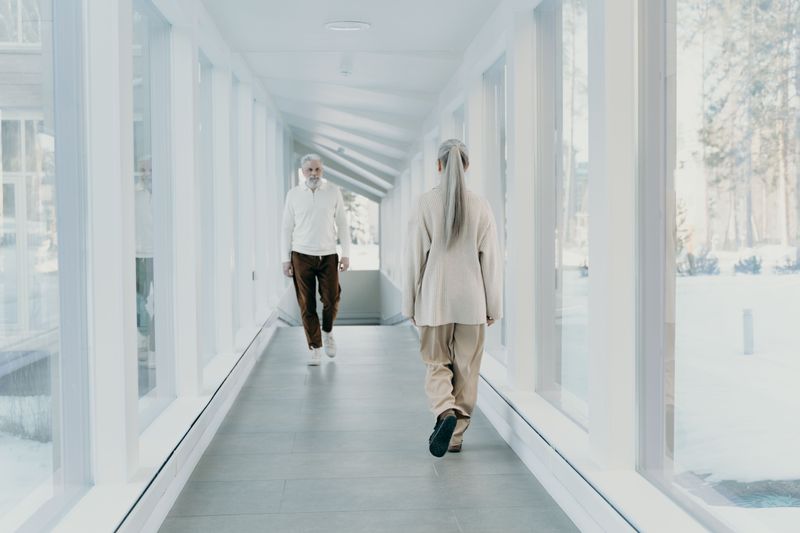
After sixty-plus years of navigating workplaces, relationships, politics, and social obligations, most Boomers have developed what can only be described as a finely tuned nonsense detector.
It fires quickly, accurately, and without apology.
Manufactured outrage, manipulative sales tactics, pointless workplace drama, and social obligations that exist purely out of habit — none of these get the same pass they once did.
The filter has been upgraded significantly over the decades.
Walking away from unnecessary complications isn’t cynicism; it’s efficiency.
Time is the one resource that doesn’t replenish itself, and Boomers are increasingly intentional about where theirs goes.
If something doesn’t add value, bring joy, or serve a real purpose, it simply doesn’t make the schedule anymore.