 MomSkoop

The world is full of strange, jaw-dropping truths that most people never learn in school. From bizarre history to quirky science, reality is often stranger than fiction. Whether it’s a fact about your own body or a wild story from the past, these surprises are guaranteed to make you do a double take. Get ready to have your mind blown by 20 totally weird but completely true facts.
1. Your Tongue Is as Unique as Your Fingerprints
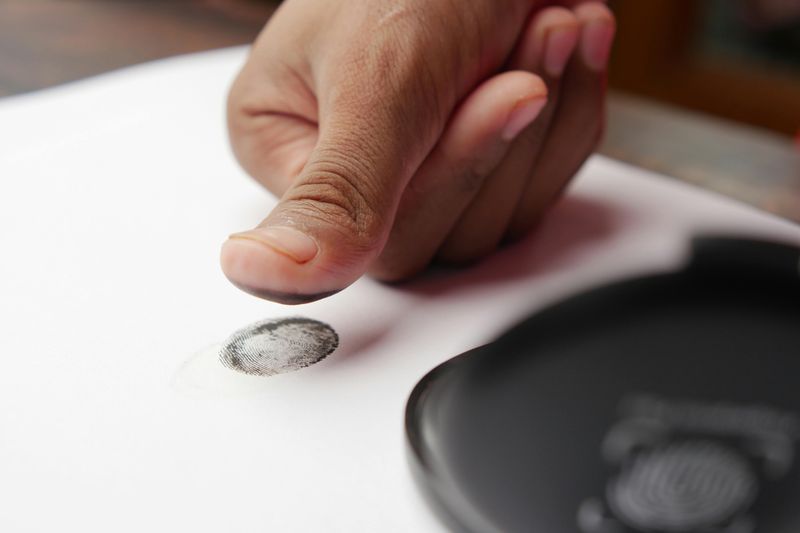
Just like no two fingerprints are exactly alike, no two tongues share the same print either.
The bumps, ridges, and shape of your tongue create a one-of-a-kind pattern that belongs only to you.
Scientists have actually explored using tongue prints as a form of biometric identification, similar to how fingerprints are used in security systems today.
Your tongue is also one of the strongest muscles in your body, working hard every time you eat, speak, or swallow.
So next time someone sticks their tongue out at you, just remember — they’re showing you something completely irreplaceable and scientifically unique to them alone.
2. It Rains Red in Some Parts of the World
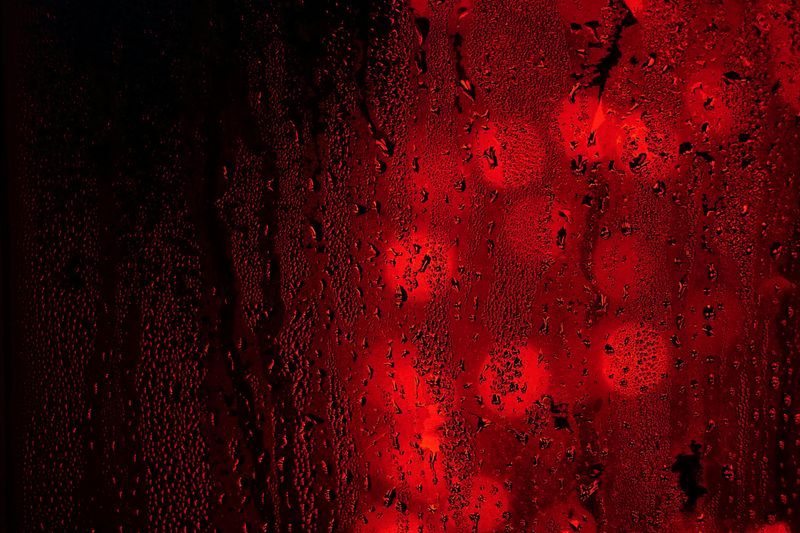
Imagine stepping outside and watching red rain fall from the sky — it sounds like something out of a science fiction movie.
But in Kerala, India, this actually happened in 2001, when red-colored rain fell for about two months, staining clothes and confusing scientists everywhere.
Researchers eventually discovered that the unusual color came from airborne algae spores that had mixed into the clouds before rainfall.
Some scientists even suggested, controversially, that the spores might have extraterrestrial origins — though most experts disagreed.
Either way, red rain is a real, documented weather event that proves nature still has plenty of surprises hiding up its sleeve for us.
3. Babies Have More Bones Than Adults

When you were born, your tiny body contained around 270 bones — that’s about 64 more than the 206 bones a typical adult has.
So where do all those extra bones go as you grow up?
They don’t disappear — they actually fuse together over time through a process called ossification, which happens gradually throughout childhood and into early adulthood.
For example, the skull starts as several separate plates that slowly merge to protect the growing brain underneath.
By the time most people reach their mid-twenties, the fusion process is complete.
It’s one of those amazing biological tricks your body quietly pulls off while you’re busy just living your life.
4. You’re Taller in the Morning Than at Night
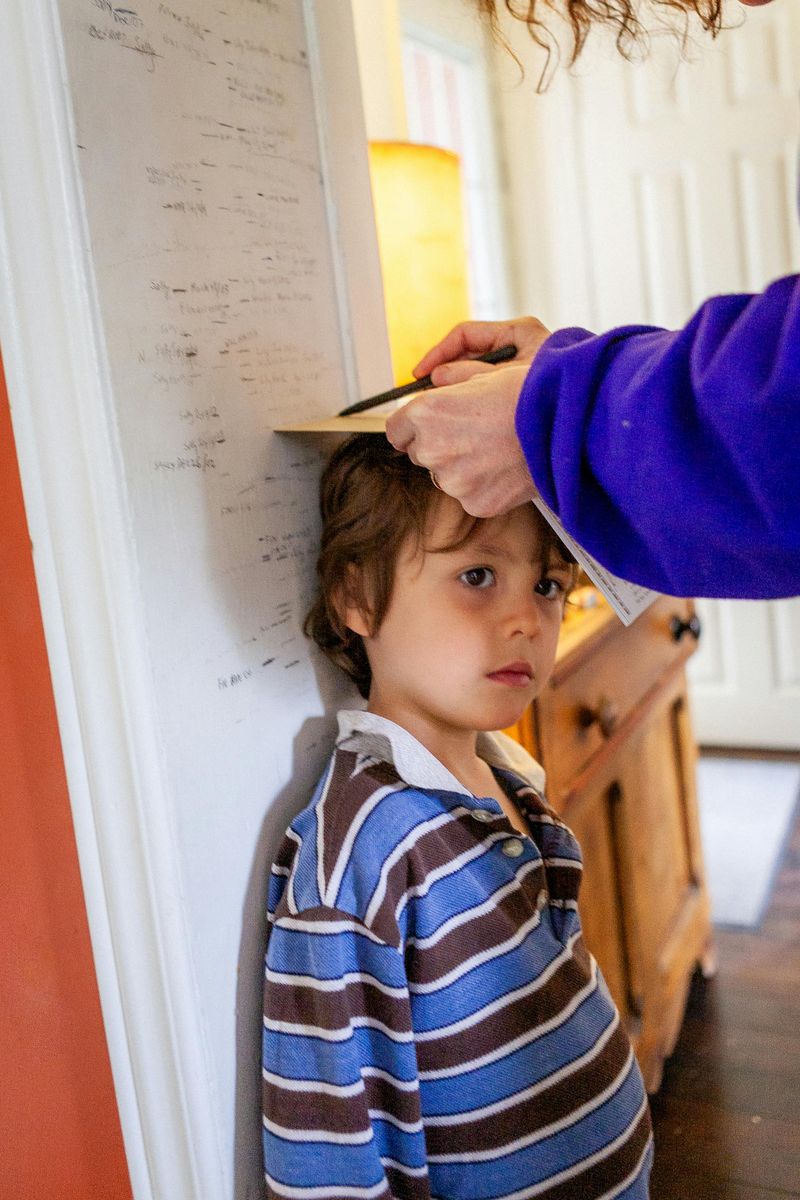
Every morning when you wake up, you are actually slightly taller than you were when you went to sleep the night before.
Throughout the day, gravity compresses the soft cartilage discs that sit between the vertebrae in your spine, causing you to shrink by as much as half an inch by bedtime.
When you lie down and sleep, those discs rehydrate and expand back to their normal size, restoring your full height by morning.
Astronauts experience an even more dramatic version of this effect in space, where the lack of gravity allows their spines to stretch by up to two full inches.
Your height, it turns out, is never truly fixed.
5. Pilots and Co-Pilots Eat Different In-Flight Meals

Next time you’re on a flight wondering what the pilots are eating, here’s something worth knowing: they’re not eating the same thing.
Airlines have a strict policy requiring pilots and co-pilots to eat completely different meals during a flight.
The reason is surprisingly practical — if one meal happens to cause food poisoning, the other pilot will still be healthy enough to fly the plane safely.
It’s a smart precaution that protects everyone on board without passengers ever knowing it’s happening.
The rule applies to timing as well — they often eat at different times too, ensuring at least one alert pilot is always in control of the aircraft at every moment of the journey.
6. There’s an Underwater Post Office in the South Pacific

Hidden beneath the warm blue waters of Hideaway Island in Vanuatu lies one of the world’s most unusual postal services — a fully functioning underwater post office.
Opened in 2003, it sits about three meters below the surface and welcomes scuba-diving tourists who want to send a one-of-a-kind waterproof postcard to friends and family back home.
The postcards are specially made to survive being underwater, and the postal workers are trained divers.
Stamps are applied using a special waterproof ink that actually holds up beneath the sea.
It’s a quirky tourist attraction that also doubles as a real working post office, making it arguably the most adventurous mailing experience available anywhere on the planet.
7. Andrew Johnson Was Buried With His Head on the Constitution
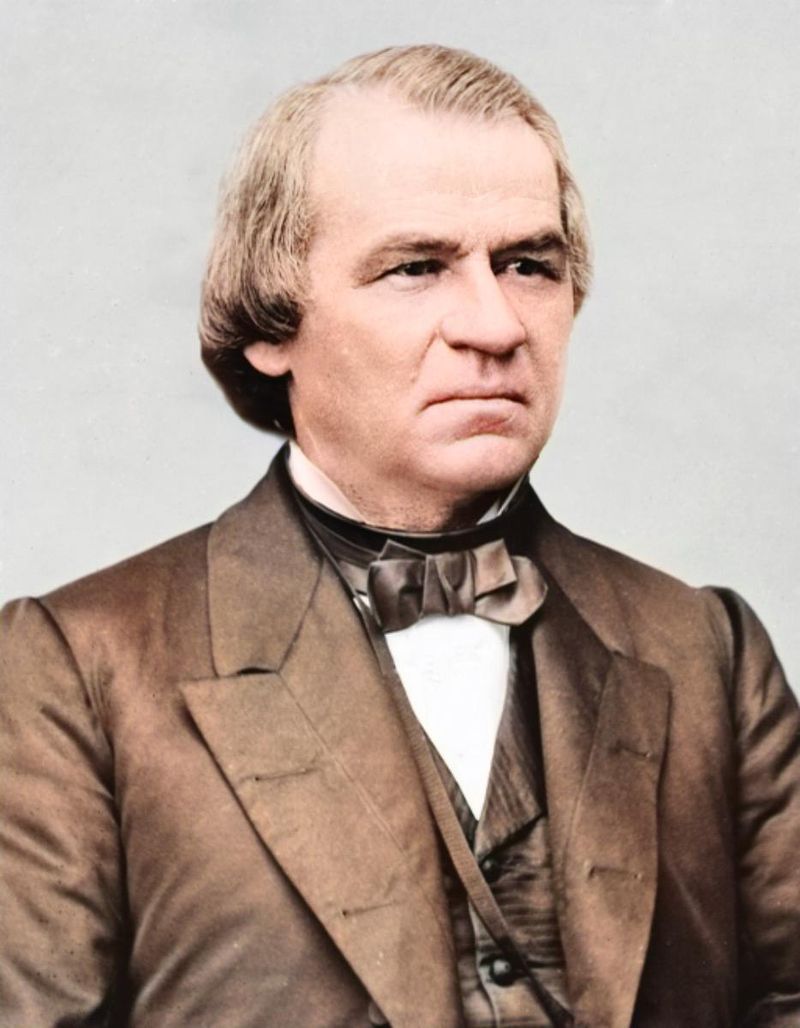
Andrew Johnson, the 17th President of the United States, had a very specific final wish — and it was carried out exactly as he requested.
When he died in 1875, Johnson was buried with his head resting on a copy of the United States Constitution, wrapped in an American flag.
It was a deeply symbolic gesture from a man whose presidency had been defined by fierce battles over constitutional power, including his famous impeachment trial in 1868.
Johnson was the first U.S. president to be impeached, though he was ultimately acquitted by the Senate.
His burial request reflected his lifelong belief in the document he had spent his entire political career fighting both to uphold and to defend.
8. Honey Never Expires

Archaeologists digging inside ancient Egyptian tombs have discovered honey that is over 3,000 years old — and it was still perfectly edible.
Honey’s incredible shelf life comes down to its unique chemistry.
It has very low moisture content, which means bacteria and microorganisms simply can’t survive in it long enough to cause spoilage.
It’s also naturally acidic and contains hydrogen peroxide, giving it powerful antimicrobial properties that act as a built-in preservative.
As long as honey is stored in a sealed container and kept away from moisture, it will last indefinitely.
That jar sitting in your pantry right now could theoretically outlive every person on Earth — which is a genuinely wild thought to sit with.
9. A Dentist Invented the Electric Chair
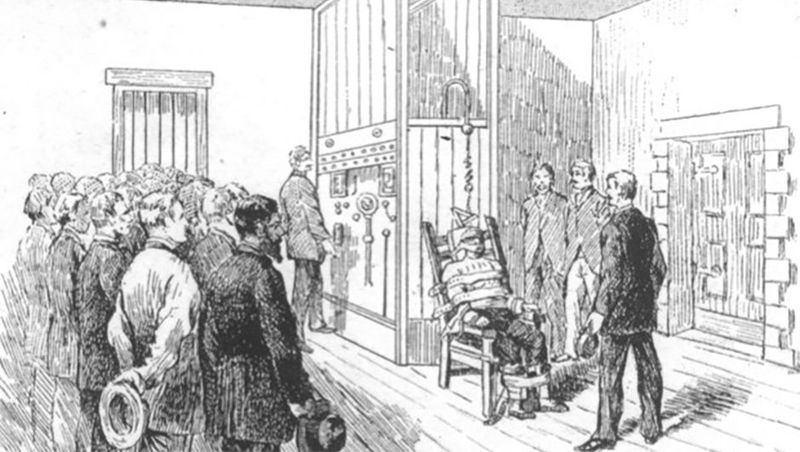
The electric chair has one of the strangest origin stories in legal history — it was invented by a dentist.
Dr. Alfred Southwick, a Buffalo, New York dentist, witnessed a man accidentally die from touching an electrical generator in 1881.
Struck by how quick and seemingly painless the death appeared, Southwick proposed using electricity as a more humane alternative to hanging as a method of execution.
He worked with state officials to develop the first electric chair, which was used for the first time in 1890.
The fact that an instrument of death was designed by someone whose career was dedicated to reducing pain is one of history’s most ironic and uncomfortable contradictions.
10. The Caesar Salad Was Invented in Mexico

Despite sounding like it came straight from ancient Rome, the Caesar salad was actually born in Tijuana, Mexico, in 1924.
Italian immigrant and restaurant owner Caesar Cardini invented the dish on the Fourth of July weekend when his kitchen was running dangerously low on supplies.
He threw together what he had — romaine lettuce, croutons, parmesan cheese, lemon juice, olive oil, egg, and Worcestershire sauce — and tossed it tableside for dramatic effect.
Guests loved it, and the salad quickly became famous.
Cardini eventually trademarked his original dressing recipe and sold it commercially.
So the next time you order a Caesar salad, remember you’re eating a Mexican-born dish with an Italian name that was born out of a kitchen emergency.
11. Martin Luther King Jr. Paid Julia Roberts’ Hospital Bill
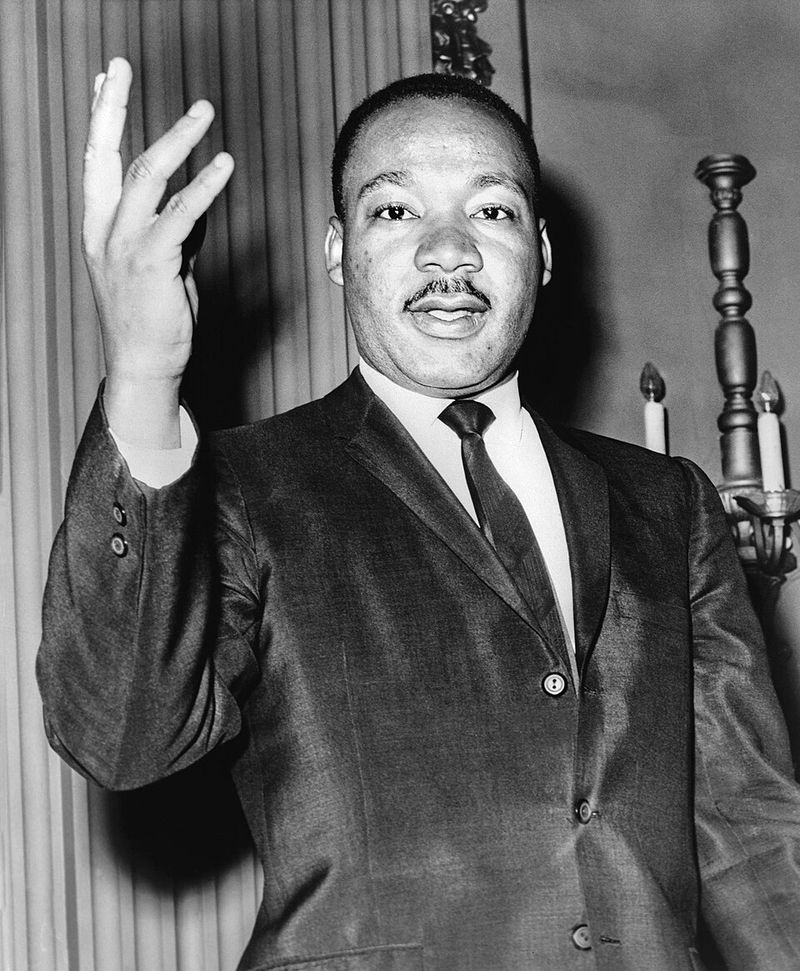
Few people know that civil rights icon Martin Luther King Jr. once helped pay the hospital bill for a newborn baby who would grow up to become one of Hollywood’s biggest stars.
When Julia Roberts was born in 1967 in Georgia, her parents — both involved in local theater — were struggling financially and couldn’t fully cover the medical costs.
Martin Luther King Jr., who knew the Roberts family through civil rights circles, reportedly helped cover the bill as a gesture of kindness and community support.
It’s a heartwarming connection between two American icons from completely different worlds that most people never hear about, tucked quietly away in the footnotes of history.
12. An Author Predicted the Sinking of the Titanic 14 Years Earlier
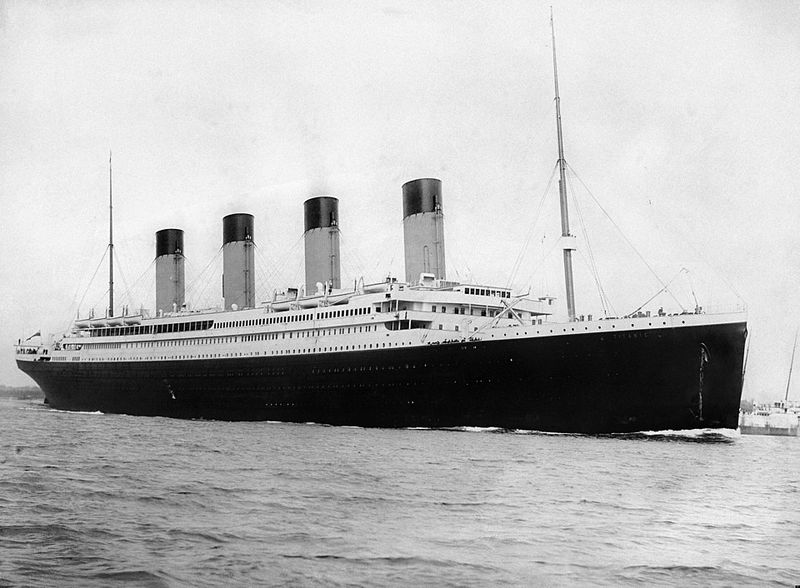
In 1898 — a full 14 years before the Titanic sank — American author Morgan Robertson published a novella called “Futility,” about a massive ocean liner called the Titan that sinks in the North Atlantic after hitting an iceberg.
The similarities between the fictional story and the real disaster are almost eerie.
Both ships were described as virtually unsinkable, both were traveling in April, both struck icebergs on the starboard side, and both had far too few lifeboats for the number of passengers on board.
Robertson claimed the story came purely from imagination and his knowledge of naval engineering.
Whether coincidence or uncanny intuition, the parallels between his story and real life remain genuinely difficult to explain away.
13. The Beatles Officially Broke Up at Disney World
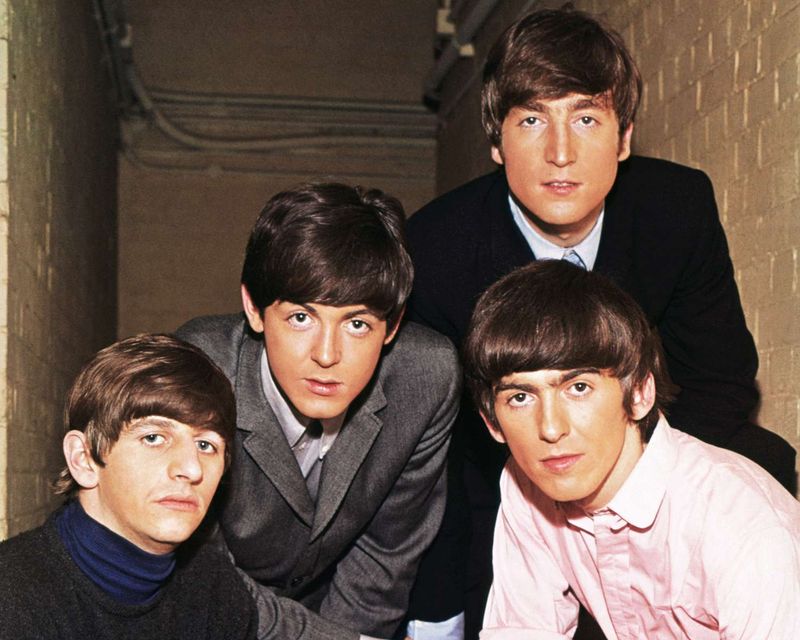
The Beatles had already stopped performing together years before their official legal split, but the paperwork that finally dissolved the band wasn’t signed in London or New York — it was signed at Disney World.
In December 1974, John Lennon signed the documents officially ending the Beatles’ partnership while vacationing at Walt Disney World in Orlando, Florida.
Paul McCartney, George Harrison, and Ringo Starr had signed earlier, leaving Lennon as the last holdout.
He reportedly signed the papers in a hotel room at the Disney resort, bringing a quiet, almost anticlimactic close to one of the most legendary bands in music history.
It’s hard to imagine a more surreal backdrop for such a monumental moment in rock history.
14. Judy Garland’s Dorothy Was Originally a Blonde in The Wizard of Oz
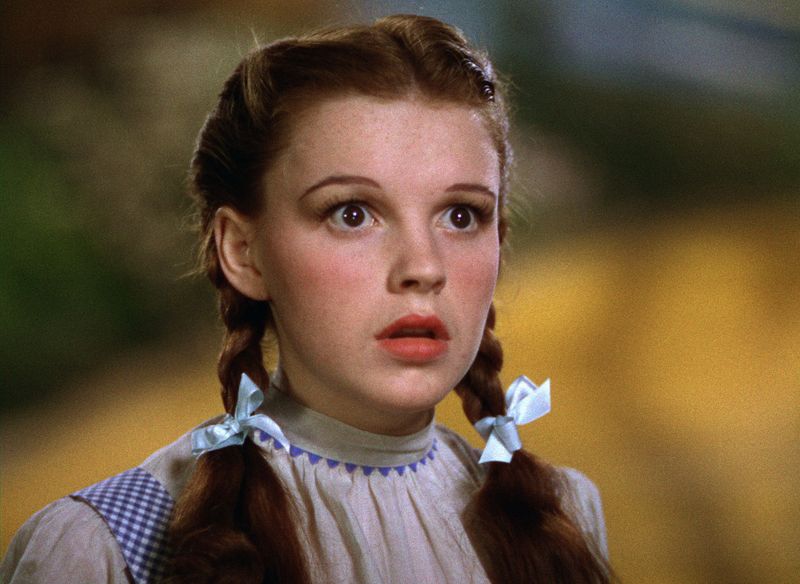
Before the iconic brunette pigtails became one of cinema’s most recognizable looks, Dorothy in The Wizard of Oz was originally styled as a platinum blonde.
Early production tests for the 1939 MGM film showed Judy Garland wearing a curly blonde wig that was meant to give Dorothy a more doll-like, fairy-tale appearance.
Directors eventually decided the look felt too artificial and unrelatable, and switched to the natural dark braids audiences have known and loved ever since.
The transformation helped make Dorothy feel more like an ordinary girl from Kansas rather than a storybook character.
It’s a small styling decision that ended up having a massive impact on one of the most beloved movies ever made in Hollywood history.
15. The Oldest Goldfish Lived to Be 43 Years Old
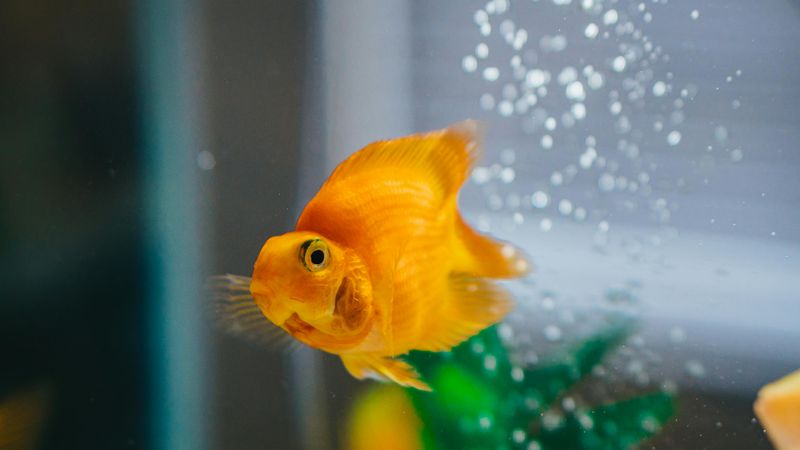
Most people think goldfish only live a few years at most — but a goldfish named Tish from the United Kingdom completely shattered that assumption.
Tish was won at a fairground stall in 1956 by a young boy named Peter Hand, and the fish went on to live an astonishing 43 years, finally passing away in 1999.
Tish held the Guinness World Record for the oldest goldfish ever recorded at the time of his death.
Proper care, a healthy diet, and a clean tank environment are key factors in helping goldfish live much longer than most owners expect.
So before you dismiss your pet goldfish as a short-lived carnival prize, know that with the right care, they can become genuine lifelong companions.
16. Women in Allied Countries Wore Red Lipstick Because Hitler Hated It
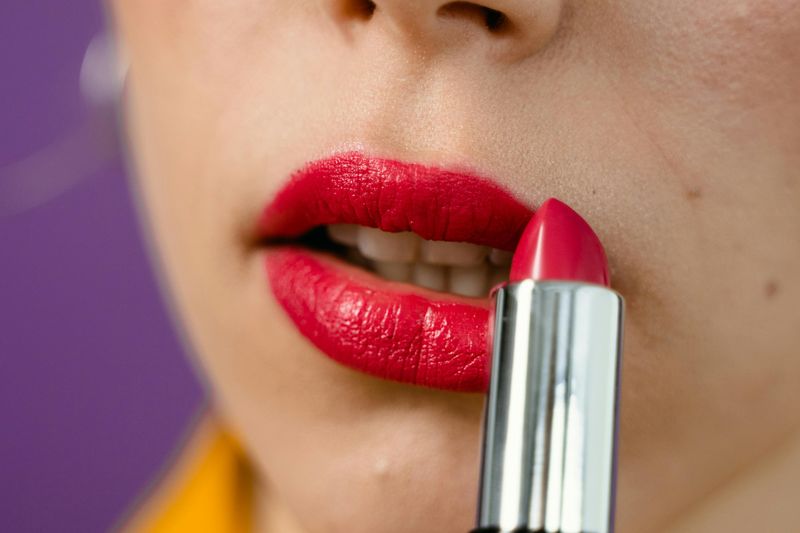
During World War II, red lipstick became more than just a beauty trend — it became an act of quiet, powerful defiance.
Adolf Hitler reportedly despised red lipstick, considering it vulgar and unfeminine by his rigid standards of what women should look like.
When Allied leaders caught wind of this, they actually encouraged women to wear bold red lipstick as a form of morale-boosting resistance against Nazi ideology.
Elizabeth Arden even created a special red lipstick shade called “Victory Red” for female U.S.
Marines.
Women across Britain and America embraced the trend enthusiastically, turning a tube of lipstick into a small but meaningful symbol of freedom, resilience, and refusal to be defined by a dictator’s preferences.
17. Scotland’s National Animal Is the Unicorn

While most countries choose powerful, real animals as their national symbols — lions, eagles, bears — Scotland went in a completely different direction and picked a mythical creature.
The unicorn has been Scotland’s official national animal since the 12th century, long before the country had a formal flag or anthem.
In Celtic mythology, the unicorn represented purity, power, and independence — all qualities the fiercely proud Scottish people deeply identified with.
Interestingly, the lion and the unicorn appear together on the British Royal Coat of Arms, symbolizing the historic rivalry and eventual union between England and Scotland.
Scotland’s choice of a unicorn as its national animal is one of the most gloriously bold and unapologetically whimsical decisions in the entire history of national symbols worldwide.
18. A New York City Restaurant Sells a $2,700 Pizza
If you ever thought pizza was just casual comfort food, Industry Kitchen in New York City is here to completely change your perspective.
The restaurant offers a pizza called the “24K Pizza” that costs a staggering $2,700 per pie.
Topped with black squid ink dough, white stilton cheese, foie gras, truffles, Ossetra caviar, and edible 24-karat gold leaves, it’s less of a meal and more of a luxury art experience.
The pizza was specifically designed to break records and generate buzz, and it succeeded — becoming one of the most talked-about menu items in the city.
Whether it actually tastes $2,700 worth of good is a question only a very select group of extremely wealthy diners can answer from personal experience.
19. In Sweden, Cool Ranch Doritos Are Called ‘Cool American’
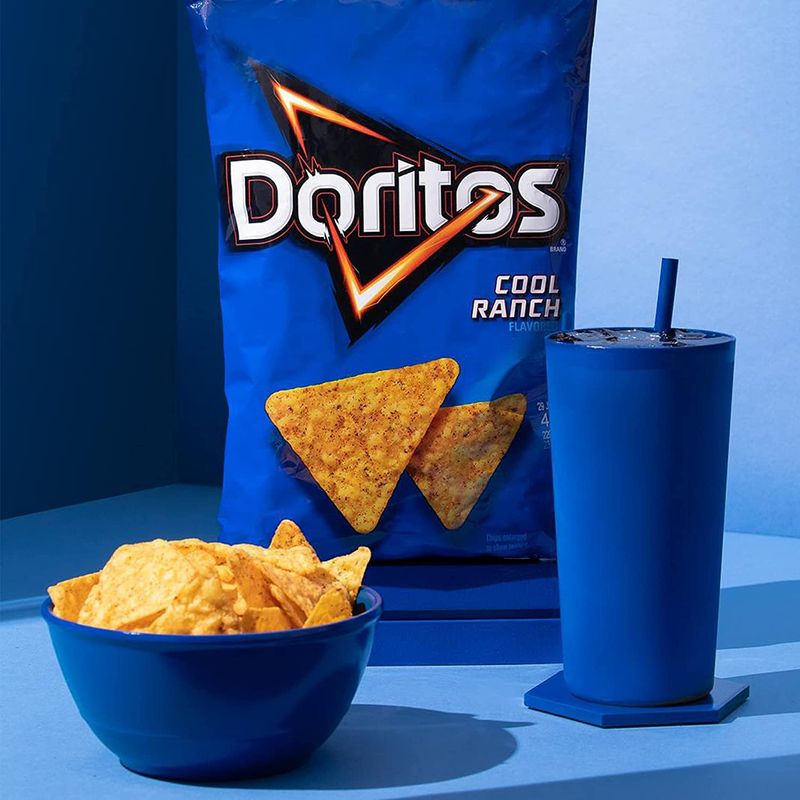
Grab a bag of Doritos in Sweden and you’ll notice something a little different on the packaging — the beloved “Cool Ranch” flavor is called “Cool American” instead.
The reason is refreshingly simple: ranch dressing is not a well-known condiment in Sweden or most of Europe, so calling the chips “Cool Ranch” would mean absolutely nothing to Swedish shoppers.
“Cool American” was chosen as a replacement name because it evokes a fun, recognizable cultural image that European consumers could actually connect with.
It’s a small but fascinating example of how global brands adapt their marketing for different cultures and regional tastes.
Frito-Lay uses similar name swaps in other countries too, quietly reminding us that even snack food branding is more complicated than it looks.
20. The Creation of the Tea Bag Was an Accident

One of the world’s most beloved daily rituals — dropping a tea bag into a mug of hot water — exists entirely by accident.
In 1908, New York tea merchant Thomas Sullivan began sending small silk pouches filled with tea samples to his customers, fully intending for them to remove the tea before brewing it.
Instead, his customers simply dunked the entire pouch into hot water and found it worked perfectly well.
Sullivan quickly realized he had stumbled onto something revolutionary and began producing the pouches commercially.
By the mid-20th century, the tea bag had become standard in households across the world.
Sometimes the best inventions aren’t planned at all — they happen because someone misunderstands the instructions and accidentally creates something better.