 MomSkoop
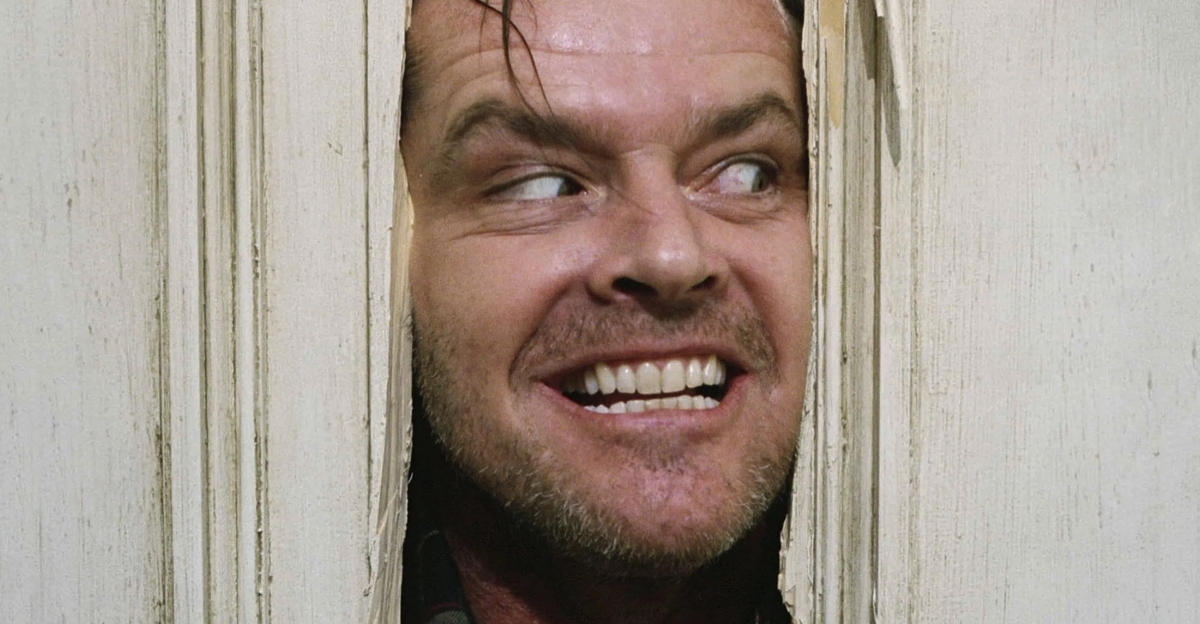
Some of the most beloved films in cinema history didn’t start out that way.
Critics tore them apart, audiences stayed away, and studios considered them disasters.
But something magical happened over time—people gave these movies a second chance and discovered their hidden brilliance.
Now they’re celebrated as groundbreaking masterpieces that changed how we think about filmmaking.
1. The Thing (1982)
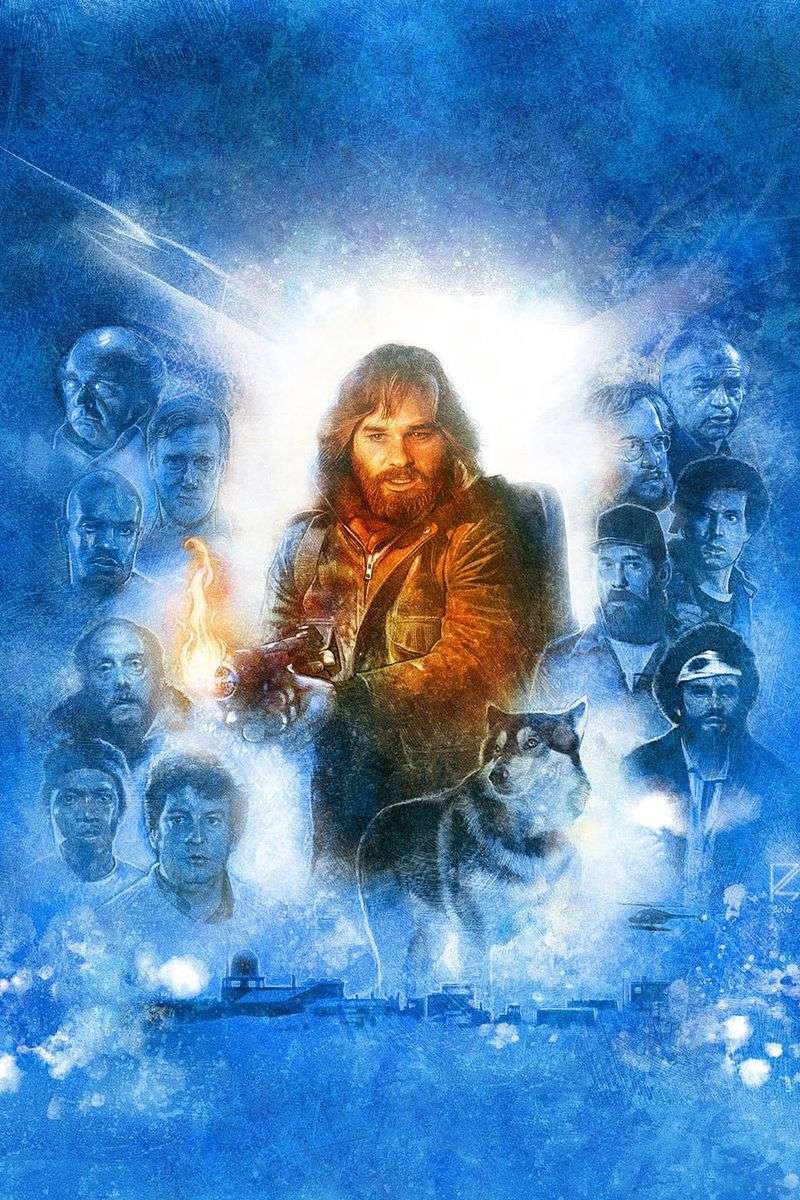
John Carpenter’s masterpiece arrived during the summer of E.T., and audiences weren’t ready for its gruesome take on alien life.
Critics called it disgusting and pointless, with Roger Ebert giving it a thumbs down.
The practical effects that now define horror excellence were considered too extreme and gross for mainstream viewers.
Box office numbers reflected the harsh reception, barely making back its budget.
Home video changed everything as horror fans discovered its brilliant paranoia and tension.
The creature effects by Rob Bottin became legendary, studied by filmmakers worldwide.
Today it’s considered one of the greatest horror films ever made.
Its influence appears in countless movies and video games.
What seemed like excessive gore was actually revolutionary artistry that pushed boundaries.
2. Blade Runner (1982)
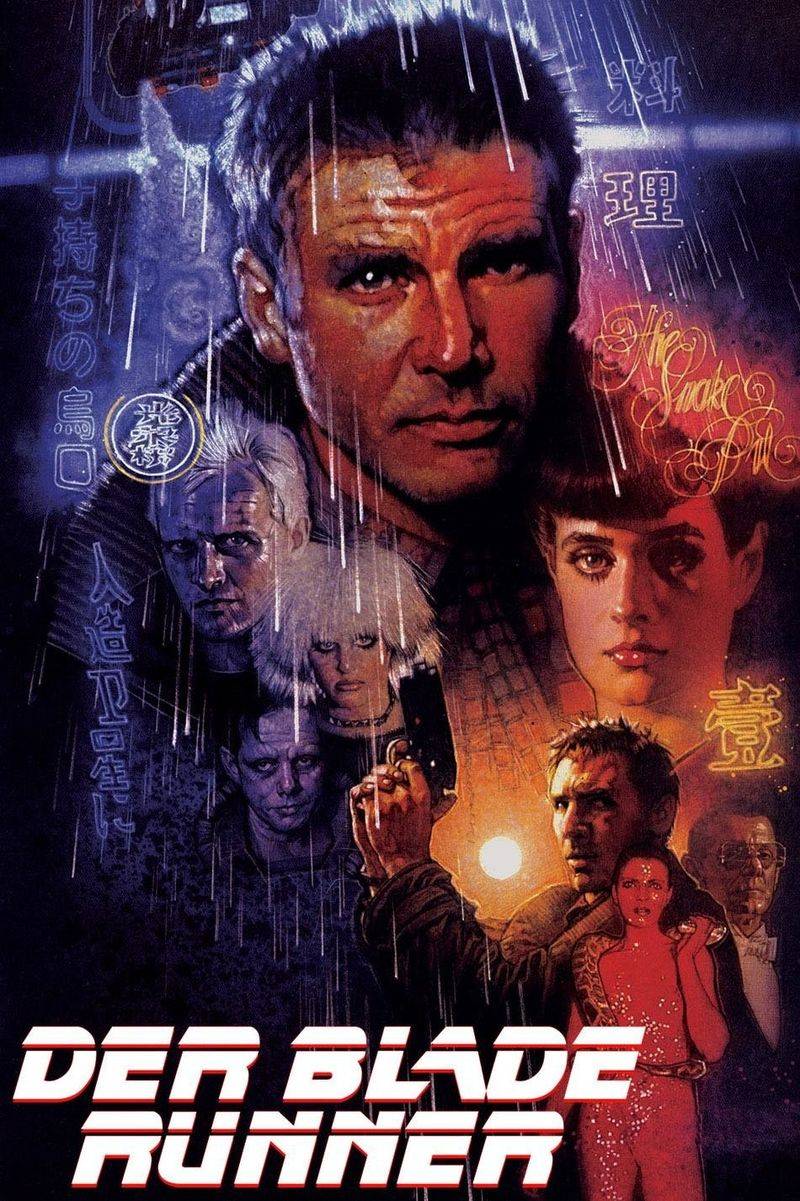
Ridley Scott’s dystopian vision confused audiences expecting a straightforward action movie.
The slow pace and philosophical questions about humanity didn’t match the sci-fi blockbuster formula people wanted.
Initial reviews were mixed at best, with many calling it boring and pretentious despite its stunning visuals.
Theater releases were disappointing, leading to multiple cuts trying to please different audiences.
The studio forced a happy ending and voiceover narration that Scott hated.
Critics who praised its ambition were drowned out by disappointed moviegoers.
Decades later, it’s recognized as visionary filmmaking that defined cyberpunk aesthetics.
The Final Cut restored Scott’s original vision to widespread acclaim.
Its influence on science fiction cinema remains unmatched and continues inspiring new generations.
3. The Shining (1980)
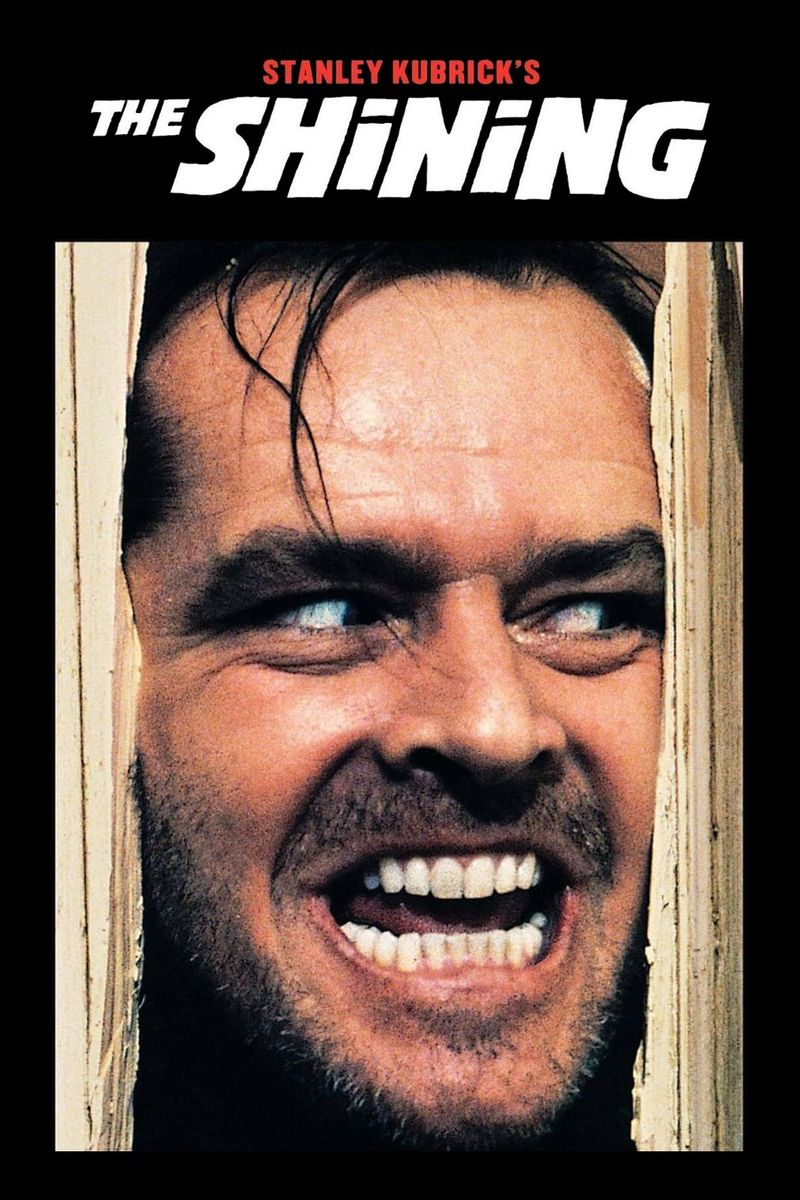
Stanley Kubrick’s adaptation of Stephen King’s novel faced immediate backlash from fans and critics alike.
King himself hated it, calling it a beautiful car with no engine.
Viewers expected a straightforward horror story but got Kubrick’s deliberately paced psychological nightmare instead.
The film earned Razzie nominations, including Worst Director for Kubrick.
Many found Shelley Duvall’s performance annoying rather than sympathetic.
Jack Nicholson’s over-the-top acting seemed too cartoonish for serious horror at the time.
Modern audiences recognize it as a horror masterpiece that transcends typical genre conventions.
Every frame has been analyzed for hidden meanings and symbolism.
Its impact on horror cinema and popular culture has become absolutely massive and undeniable.
4. Heaven’s Gate (1980)
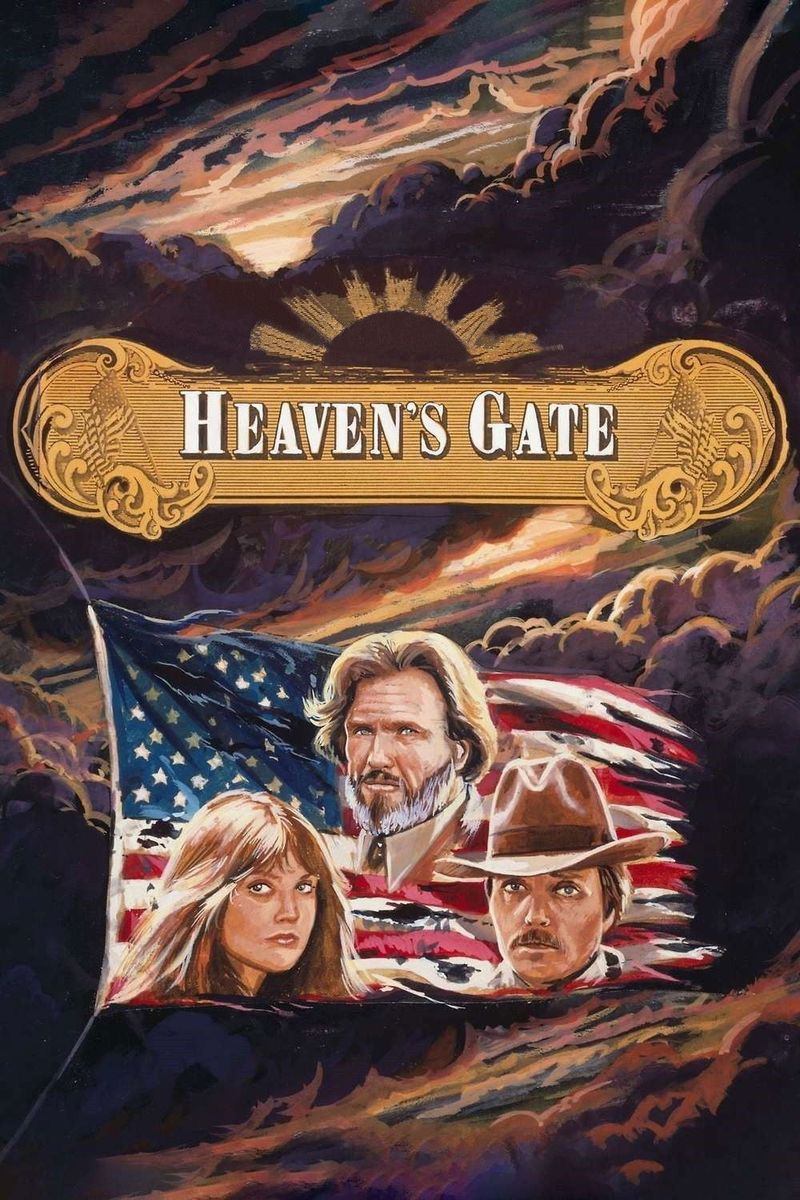
Michael Cimino’s ambitious western became Hollywood’s biggest disaster story, nearly bankrupting United Artists.
The original cut ran over three hours, prompting walkouts and savage reviews.
Critics destroyed it as self-indulgent and incomprehensible, ending Cimino’s career as a major director.
Its massive budget overruns and production nightmares became legendary cautionary tales.
The studio pulled it after one week and re-cut it drastically.
Box office returns were catastrophic, making back only a tiny fraction of costs.
Film scholars later recognized its breathtaking cinematography and ambitious storytelling.
Restored director’s cuts revealed the epic Cimino intended to create.
While still divisive, it’s now studied as flawed but fascinating art that challenged conventional filmmaking.
5. Showgirls (1995)
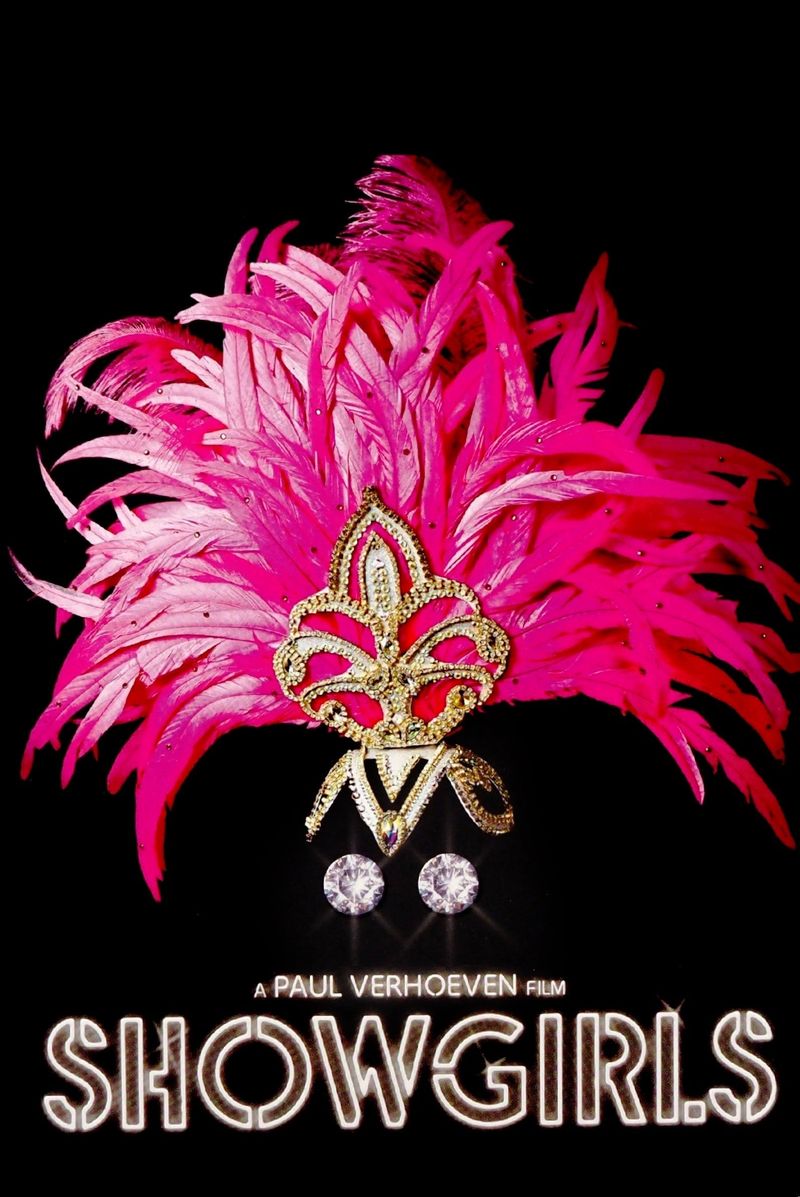
Paul Verhoeven’s NC-17 rated drama about Las Vegas showgirls was immediately labeled one of the worst films ever made.
Critics competed to write the most scathing reviews possible.
The dialogue, acting, and plot were ridiculed mercilessly, winning multiple Razzie awards including Worst Picture.
Elizabeth Berkley’s career seemed destroyed overnight by the backlash.
What Verhoeven intended as satirical commentary was taken as completely serious trash.
Home video sales were surprisingly strong despite theatrical disaster.
Camp enthusiasts discovered its unintentional comedy gold, turning it into midnight movie phenomenon.
Some critics reconsidered it as deliberate satire of American excess and ambition.
Its cult status grew as audiences appreciated its audacious, over-the-top commitment to spectacle.
6. Jennifer’s Body (2009)
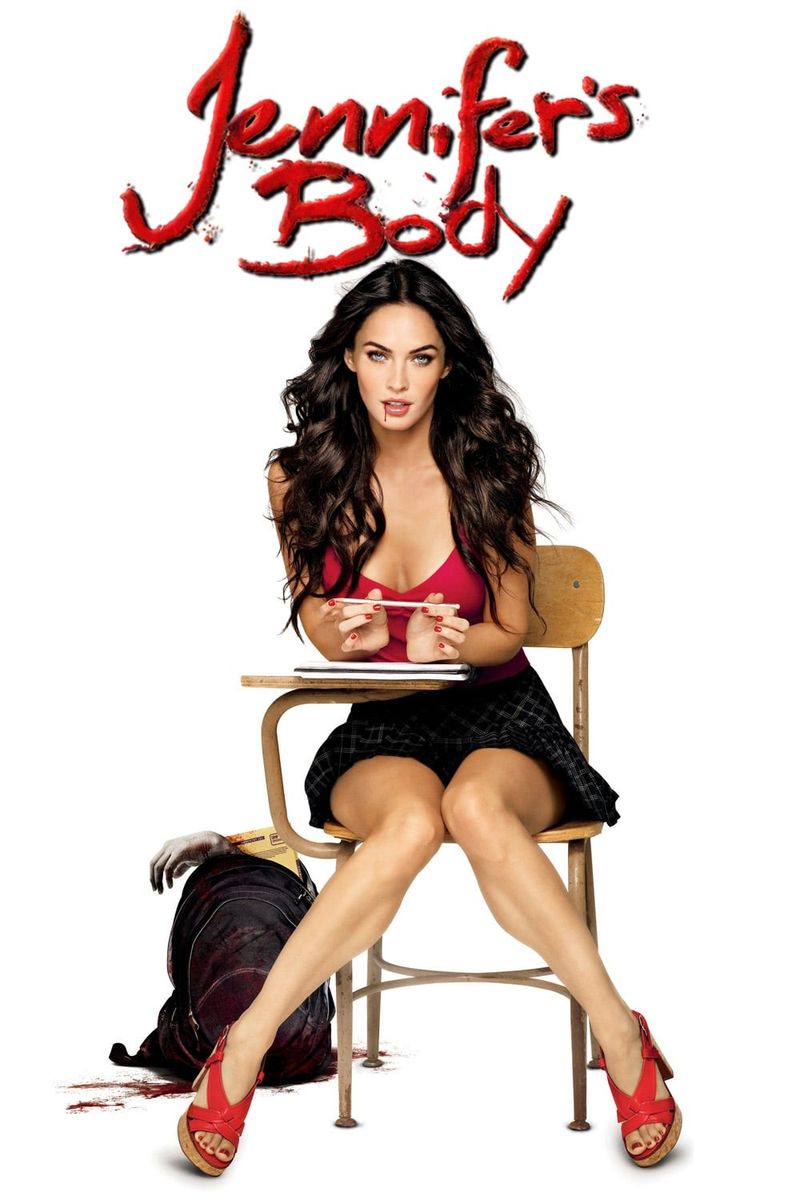
Diablo Cody’s horror-comedy starring Megan Fox was marketed completely wrong and dismissed immediately.
Critics called it a mess that wasted its premise.
The studio focused entirely on Fox’s sex appeal rather than the sharp feminist commentary underneath.
Teenage boys expected one thing while the actual target audience was ignored.
Box office numbers were disappointing, and reviews ranged from mixed to negative.
Amanda Seyfried’s performance was overlooked in favor of mocking Fox.
Years later, audiences rediscovered its clever critique of female friendship and toxic masculinity.
The screenplay’s wit and subversive themes became clear with fresh eyes.
It’s now celebrated as ahead of its time, unfairly dismissed by a culture that wasn’t ready.
7. Speed Racer (2008)
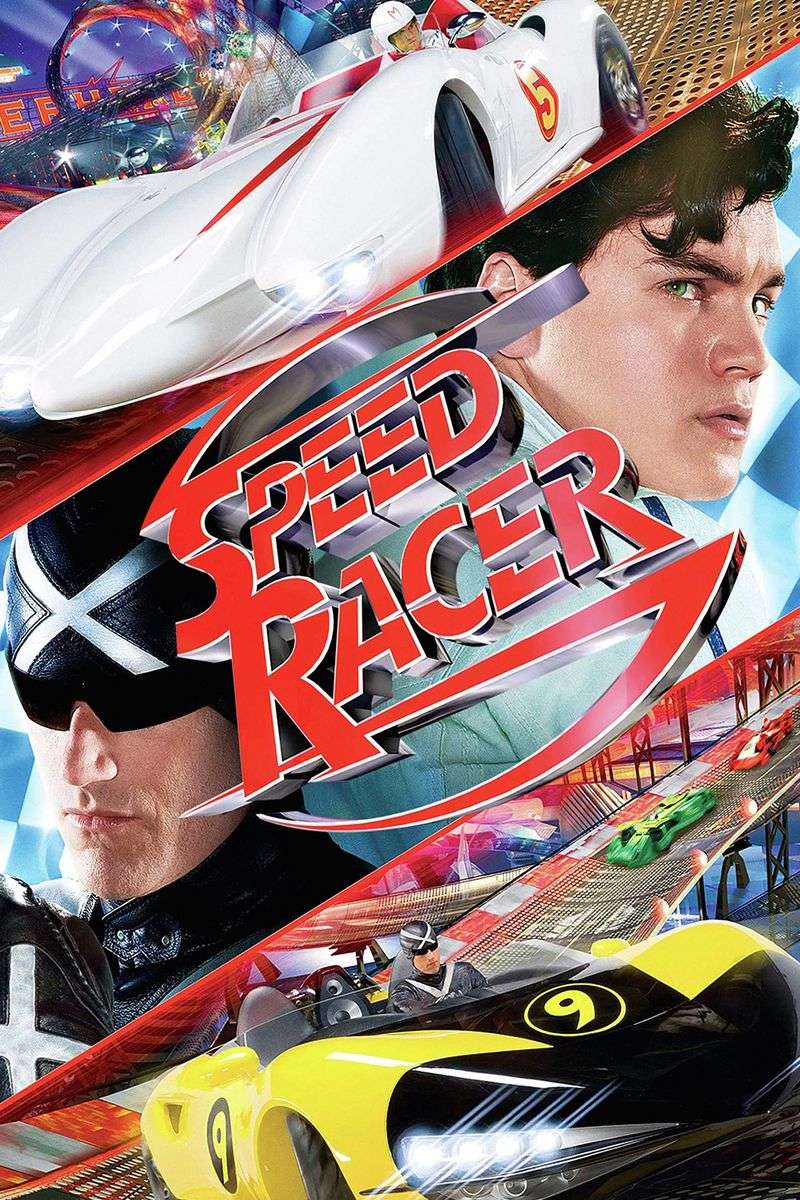
The Wachowskis’ hyper-colorful adaptation of the anime classic confused everyone who saw it.
Critics complained about sensory overload and called it unwatchable.
The candy-colored visuals and frenetic editing seemed designed to cause headaches rather than entertainment.
Audiences stayed away in droves, making it a massive box office bomb.
Many dismissed it as a children’s movie gone horribly wrong.
The unconventional storytelling and visual style didn’t match expectations for a racing film.
Film enthusiasts later recognized its groundbreaking digital cinematography and bold artistic choices.
The Wachowskis created something genuinely original that defied traditional filmmaking rules.
Its influence on visual effects and digital cinematography has grown significantly over time.
8. Dune (1984)
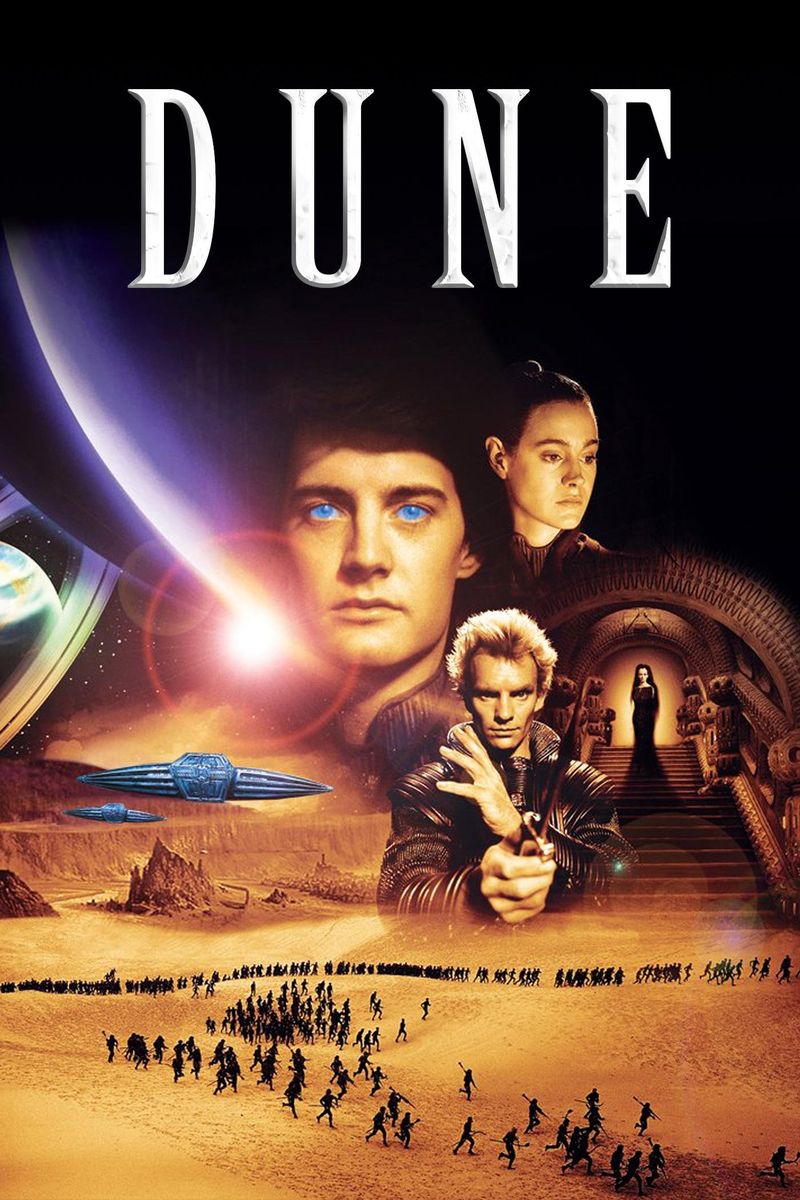
David Lynch’s attempt to adapt Frank Herbert’s complex novel satisfied absolutely nobody upon release.
Fans of the book hated the changes and confusing narrative.
General audiences found it incomprehensible without reading a glossary first.
The studio interference resulted in a compromised vision that Lynch disowned.
Critics savaged it as a beautiful but meaningless mess of weird imagery.
Its theatrical run was short and disappointing for Universal Pictures.
Cult audiences embraced its bizarre aesthetic and memorable design choices.
The practical effects and world-building influenced countless science fiction projects.
Despite its flaws, it’s now appreciated as a fascinating attempt at filming the unfilmable.
9. Starship Troopers (1997)
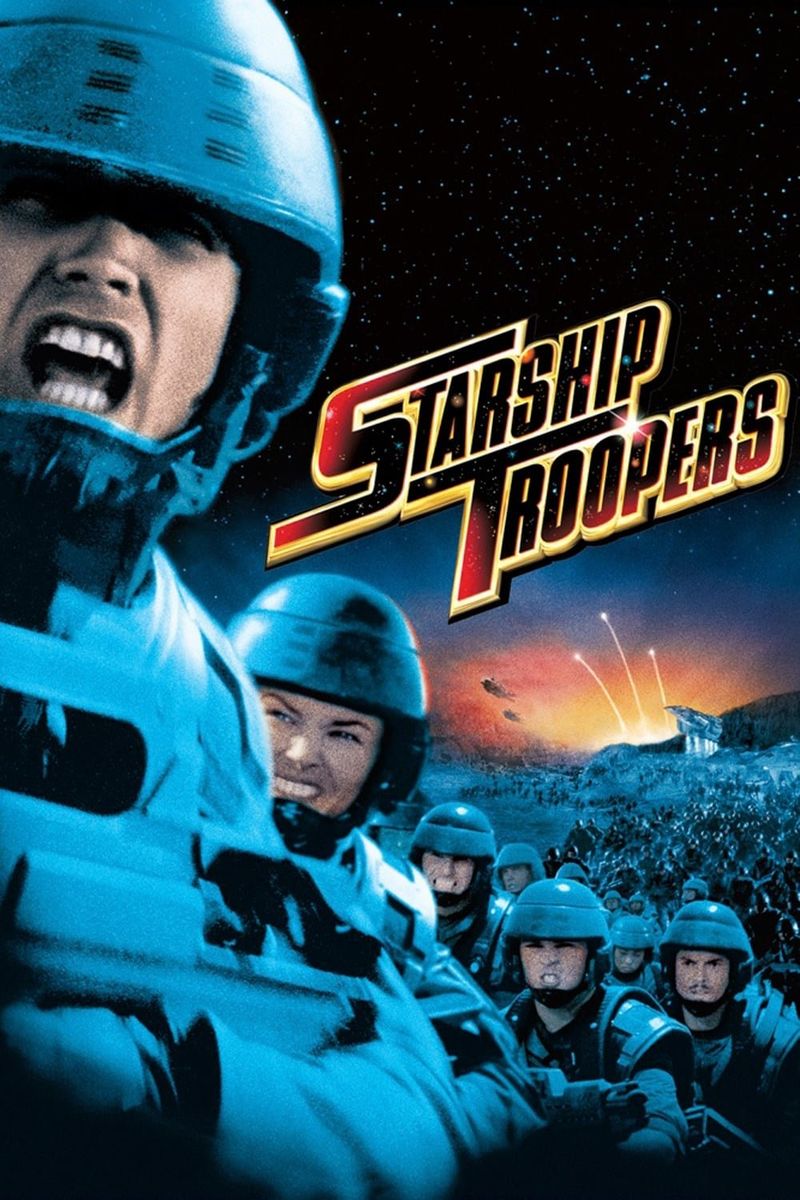
Paul Verhoeven’s satirical take on military fascism was completely misunderstood as a dumb action movie.
Critics dismissed it as brainless special effects spectacle with terrible acting.
The over-the-top propaganda elements were taken literally rather than as intentional parody.
Fans of Robert Heinlein’s novel were outraged by the changes to the source material.
Box office was decent but reviews were harsh and unforgiving.
The campy performances seemed like bad acting rather than deliberate choices.
Modern viewers recognize its brilliant satire of militarism and fascist propaganda.
The seemingly stupid elements were actually sharp commentary on American imperialism.
Its reputation has completely reversed as audiences caught up with Verhoeven’s subversive intentions.
10. Fight Club (1999)
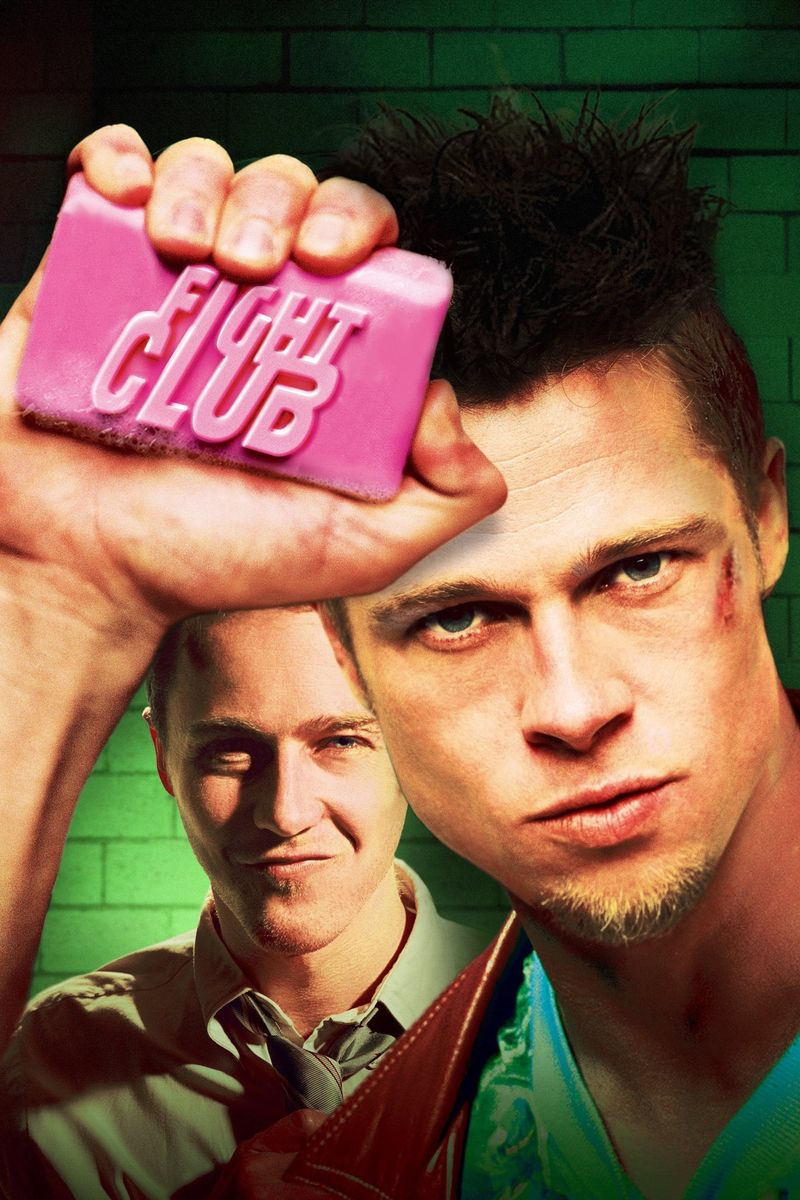
David Fincher’s adaptation of Chuck Palahniuk’s novel sparked immediate controversy and confusion.
Many critics found it irresponsible and dangerous, promoting violence and anarchism.
The twist ending was spoiled in early reviews, angering potential viewers.
Box office performance was underwhelming despite the star power of Brad Pitt.
Audiences didn’t know what to make of its dark themes and unreliable narrator.
Some dismissed it as trying too hard to be edgy and provocative.
Home video turned it into a phenomenon as viewers discovered its layered commentary.
The critique of consumerism and masculinity resonated with a generation.
It became one of the most quoted and referenced films of its era.
11. The Big Lebowski (1998)
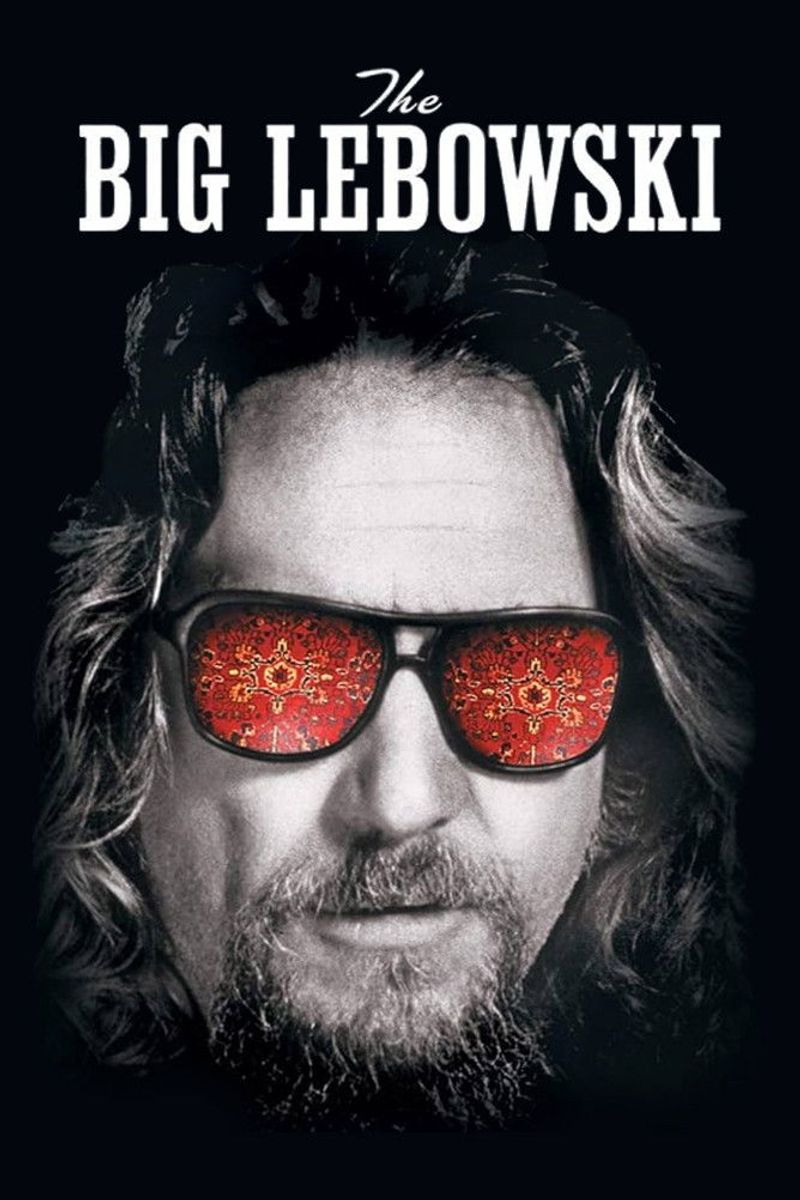
The Coen Brothers’ stoner noir comedy baffled critics and audiences expecting another Fargo.
Reviews were mixed, with many calling it a pointless ramble without direction.
The meandering plot and quirky characters seemed random rather than purposeful.
Box office returns were modest, barely considered a success at the time.
Jeff Bridges’ laid-back performance was seen as lazy rather than brilliant.
The film’s strange humor didn’t connect with mainstream comedy audiences initially.
Annual Lebowski Fest celebrations now happen worldwide, proving its devoted cult following.
Fans quote every line and dress as characters for midnight screenings.
Its influence on comedy and quotable dialogue has become absolutely legendary and continues growing.
12. The Rocky Horror Picture Show (1975)
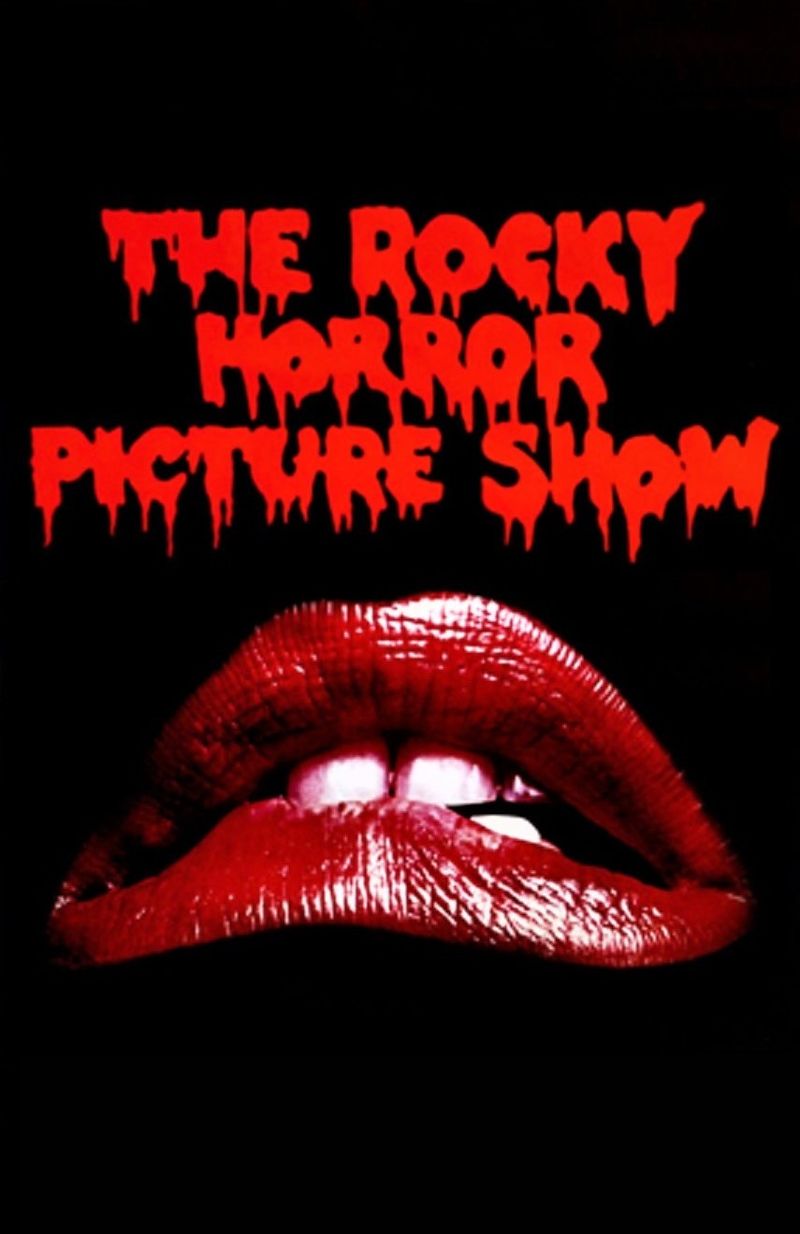
This campy musical horror-comedy flopped spectacularly during its initial theatrical run.
Critics were confused and often disgusted by its sexual content and bizarre story.
Mainstream audiences had no idea what to make of the gender-bending musical numbers.
20th Century Fox considered it a complete disaster and pulled it quickly.
Tim Curry’s performance as Dr. Frank-N-Furter was too outrageous for conservative viewers.
The film seemed destined to disappear into obscurity forever.
Midnight movie screenings transformed it into the ultimate cult phenomenon with audience participation.
Fans created elaborate rituals, callbacks, and costumes for interactive viewings.
It’s now the longest-running theatrical release in cinema history, still showing weekly in theaters worldwide.
13. Office Space (1999)
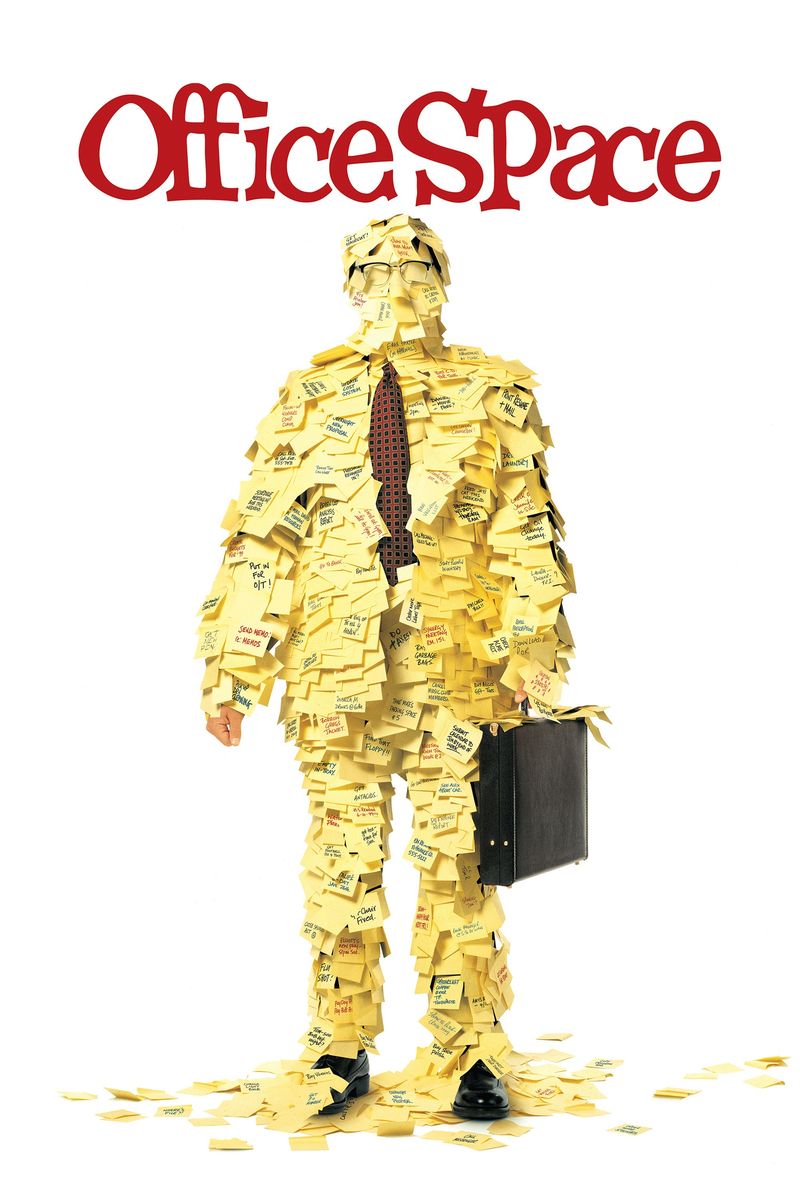
Mike Judge’s workplace comedy barely made a ripple in theaters despite its relatable premise.
Critics gave it lukewarm reviews, calling it amusing but forgettable.
The studio didn’t know how to market it, resulting in poor box office performance.
Most people discovered it months later through word-of-mouth and cable TV.
The deadpan humor and mundane setting seemed too boring for theatrical comedy.
Fox buried it with minimal advertising and a quick release.
It became the definitive satire of corporate culture for an entire generation.
Quotes like “case of the Mondays” entered everyday language permanently.
Its DVD sales were massive, proving that audiences needed time to find this perfect comedy.
14. Scott Pilgrim vs. the World (2010)
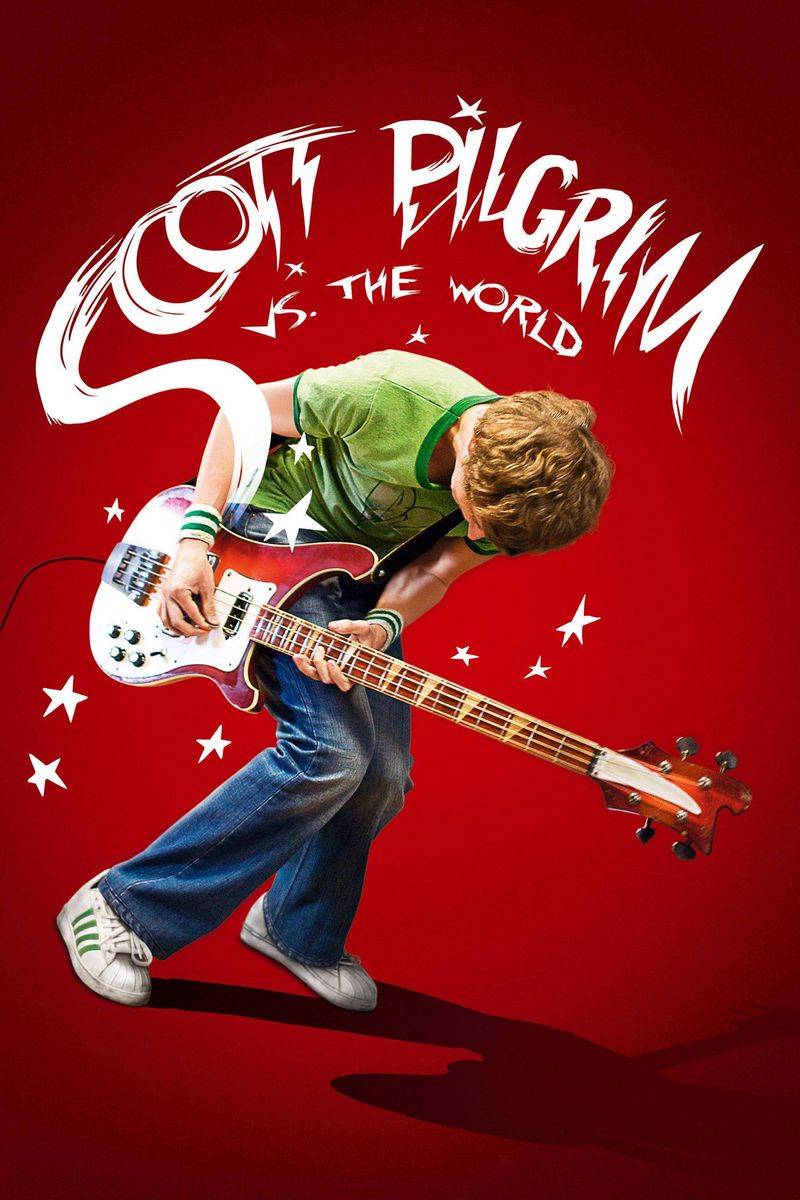
Scott Pilgrim vs. the World confused audiences expecting a straightforward teen comedy, but instead delivered a hyper-stylized video game romance.
Critics and viewers were split on its manic editing, quirky humor, and comic-book weirdness.
Edgar Wright’s bold visual style felt too niche for mainstream moviegoers at the time.
The film underperformed at the box office, especially shocking given its young cast and heavy studio push.
Many dismissed it as overly gimmicky, too nerdy, or emotionally shallow beneath the flashy fights.
It seemed destined to be remembered as a cult oddity rather than a hit.
Later, fans embraced it as one of the most inventive comedies of its era.
Its blend of music, romance, and gaming culture proved wildly influential.
Today it’s celebrated as a millennial cult classic that was simply ahead of its time.
15. Scarface (1983)
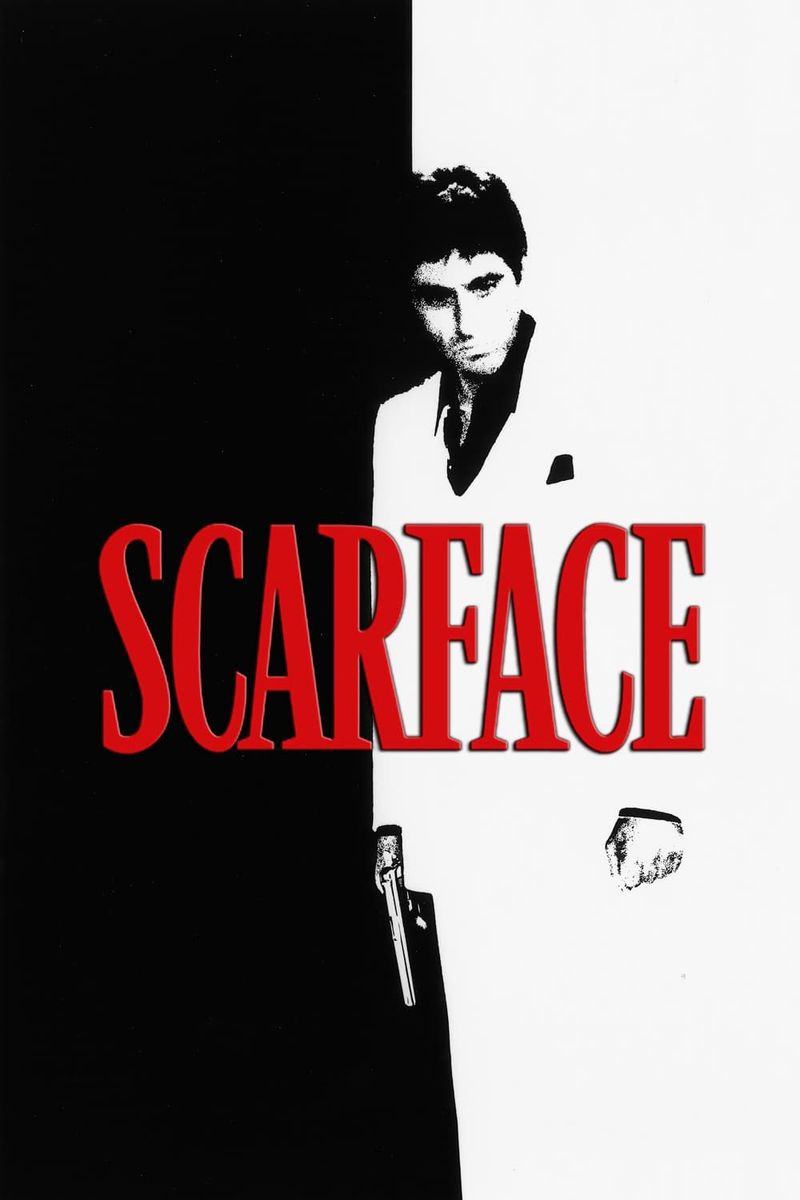
Brian De Palma’s violent gangster epic was condemned as excessively brutal and morally bankrupt.
Critics called it a disgusting celebration of violence and greed.
The graphic content earned it an X rating initially, requiring cuts for theatrical release.
Al Pacino’s over-the-top performance as Tony Montana seemed cartoonish and ridiculous.
Many viewers found the three-hour runtime exhausting and repetitive.
Its portrayal of Cuban immigrants sparked protests and controversy in Miami.
Hip-hop culture embraced it as the ultimate rags-to-riches crime story.
Pacino’s quotable lines became part of popular culture forever.
It’s now considered one of the greatest gangster films ever made, endlessly referenced and imitated.
16. Halloween III: Season of the Witch (1982)
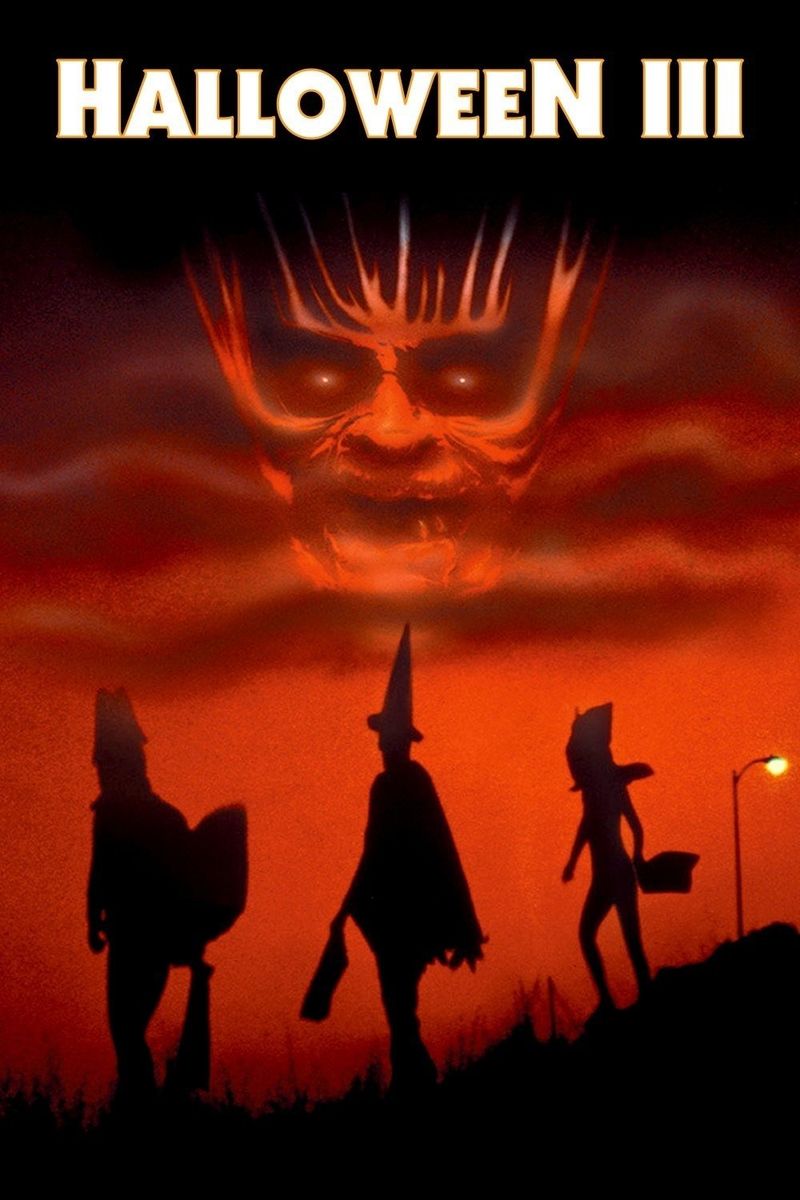
Removing Michael Myers from a Halloween sequel seemed like creative suicide to fans.
Audiences expecting slasher thrills got a weird story about evil Halloween masks instead.
Critics dismissed it as a confusing mess that betrayed the franchise.
John Carpenter’s attempt to make Halloween an anthology series failed spectacularly.
Theater walkouts were common as fans demanded their money back.
The synthesizer score and strange plot couldn’t overcome audience anger.
Horror enthusiasts rediscovered it as a creepy standalone film with unique atmosphere.
Its conspiracy thriller elements and body horror gained appreciation over time.
Separated from franchise expectations, it’s now celebrated as underrated Halloween horror with distinctive charm.
17. The Iron Giant (1999)
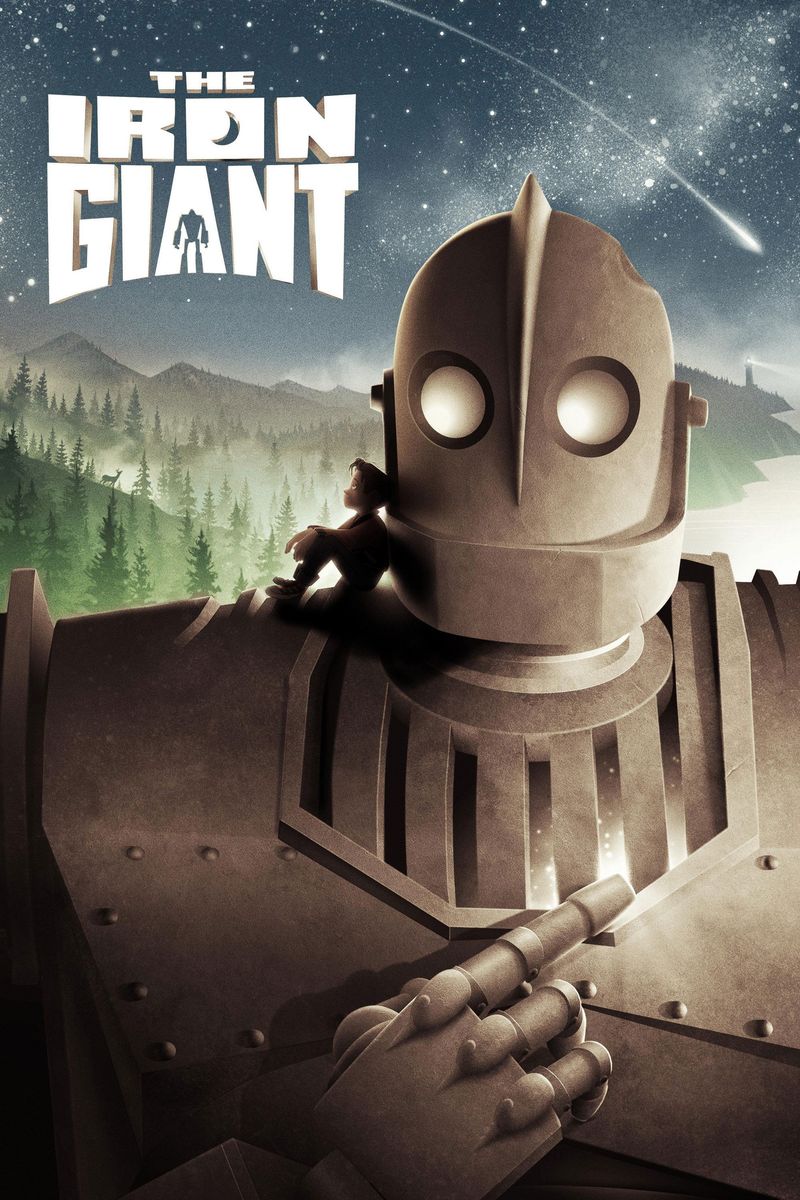
The Iron Giant arrived with little fanfare and struggled badly at the box office despite glowing animation and heart.
Warner Bros. mishandled its marketing, leaving many families unaware the film even existed.
Critics liked it, but audiences largely overlooked it in theaters.
It was seen as another small cartoon release in an era dominated by Disney and Pixar giants.
The quiet, emotional story didn’t fit expectations for loud, joke-packed kids’ entertainment.
Its Cold War setting also seemed oddly serious for a family movie.
Over time, viewers discovered its powerful message about friendship and self-sacrifice.
The Giant became an iconic character, and the film is now considered one of the greatest animated movies ever made.
What once felt forgotten is now beloved as a masterpiece.
18. Hocus Pocus (1993)
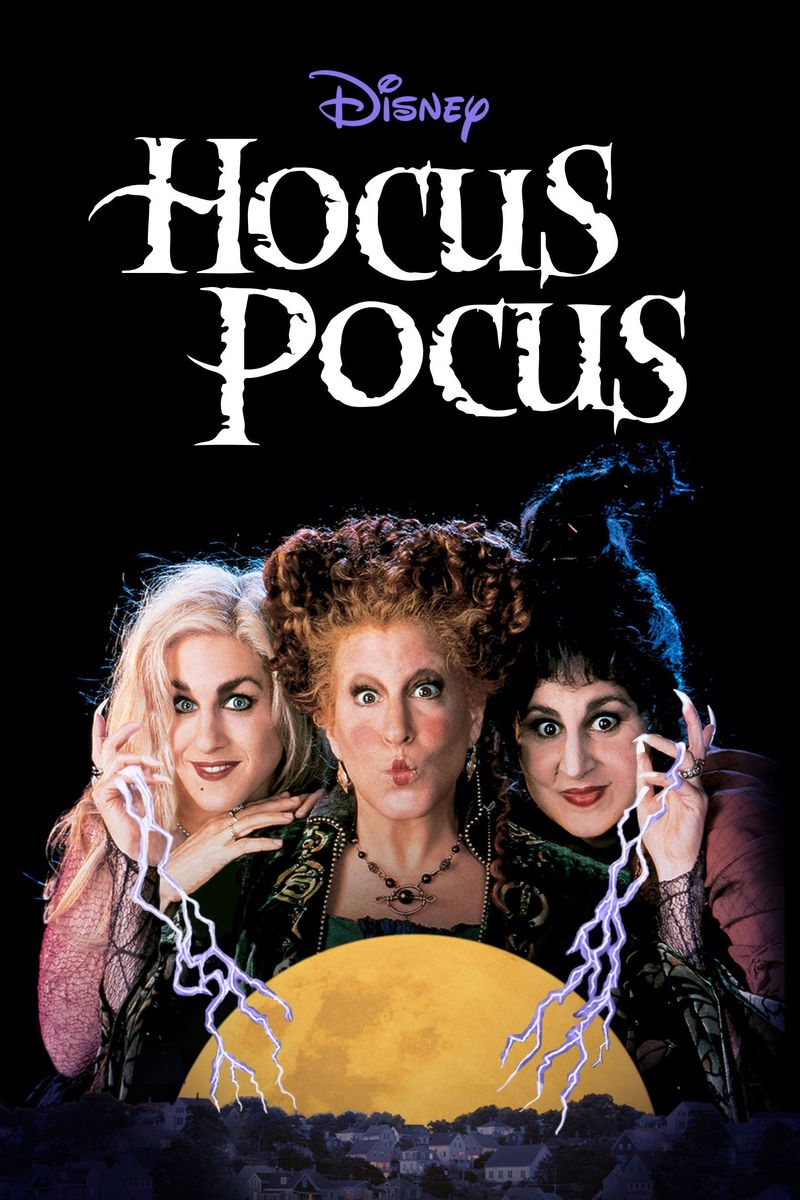
Hocus Pocus was dismissed on release as a strange, uneven Halloween comedy with an odd tone.
Critics didn’t know what to make of its mix of camp, scares, and family humor.
It opened to modest results and was quickly overshadowed by bigger ’90s hits.
Many saw it as too goofy for horror fans and too spooky for younger kids, leaving it stuck in an awkward middle ground.
The witchy performances were over-the-top, and the movie wasn’t taken seriously as a lasting Disney classic.
Years later, it became a seasonal phenomenon through TV reruns and streaming.
Fans embraced its camp charm, quotable moments, and nostalgic Halloween spirit.
Today it’s one of the most beloved October staples in pop culture.
19. Clue (1985)
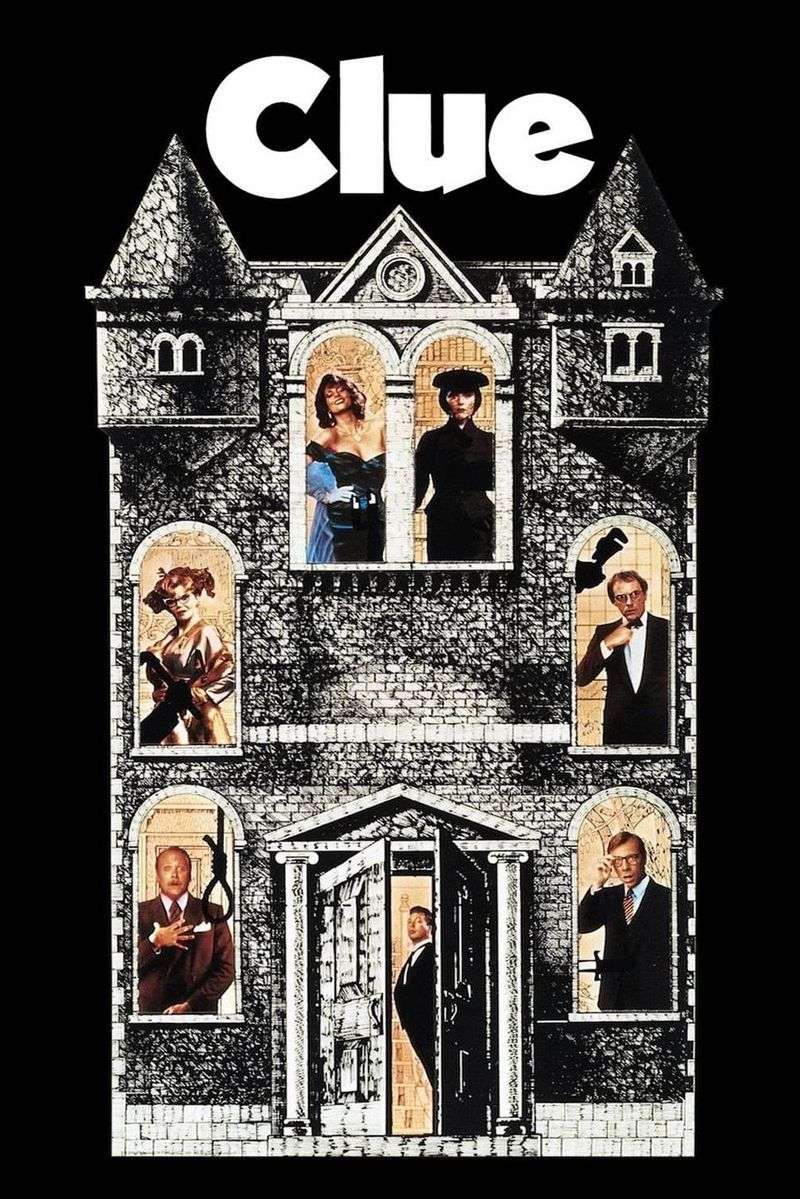
Adapting a board game into a movie seemed ridiculous to everyone involved.
The gimmick of multiple endings confused and annoyed theatrical audiences.
Critics dismissed it as a silly waste of talented actors like Tim Curry and Madeline Kahn.
Different theaters showed different endings, frustrating viewers who felt cheated.
The rapid-fire dialogue and slapstick humor fell flat for most reviewers.
Box office was dismal, barely recouping its modest budget.
Cable TV airings showed all three endings, letting audiences appreciate the full experience.
The witty script and perfect comic timing aged beautifully.
It became a beloved comedy classic with devoted fans who memorize every line and laugh.
20. The Boondock Saints (1999)
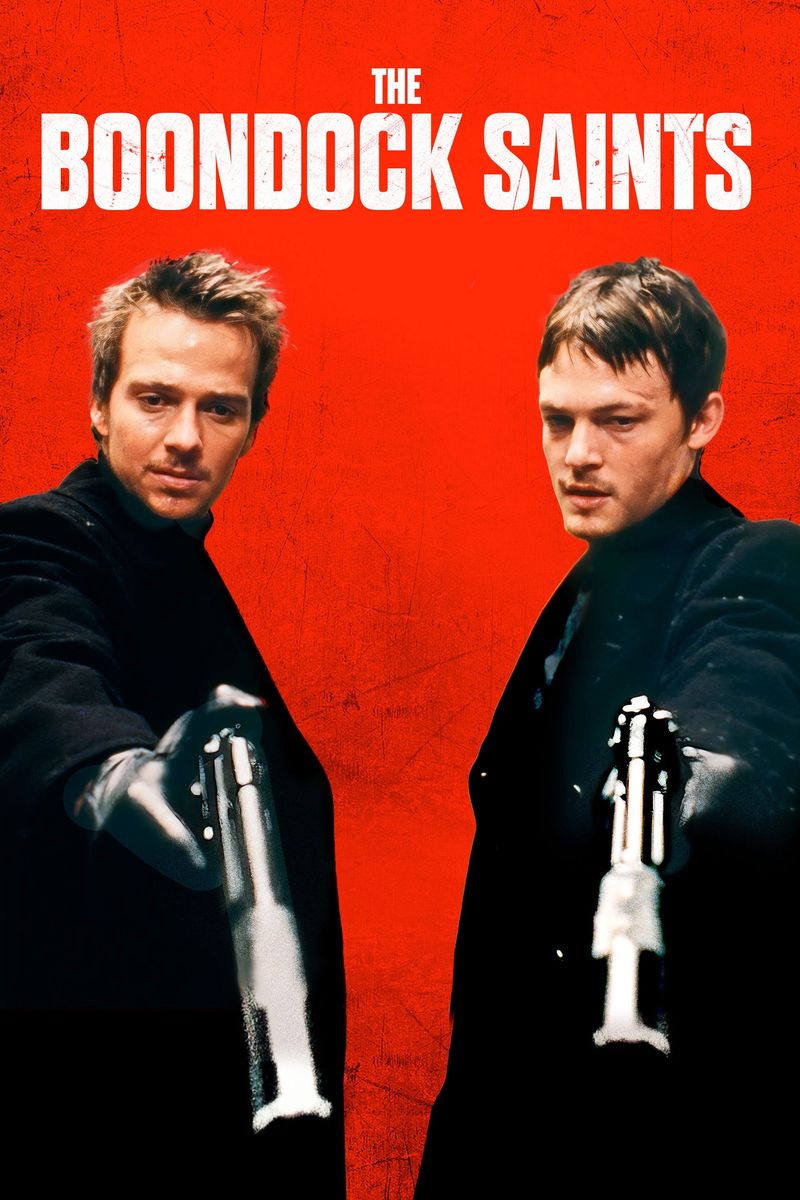
Troy Duffy’s vigilante thriller got almost no theatrical release after terrible test screenings.
Critics who saw it called it a Tarantino ripoff without the talent.
The over-stylized action and religious themes seemed pretentious and juvenile.
Behind-the-scenes drama about Duffy’s difficult personality overshadowed the film itself.
Most people never got a chance to see it in theaters.
Reviews were scathing, destroying any hope of mainstream success.
Home video turned it into a phenomenon, especially among young male audiences.
The quotable dialogue and action sequences found their audience.
Despite critical hatred, it spawned a sequel and remains a cult favorite with passionate defenders.
21. Wet Hot American Summer (2001)
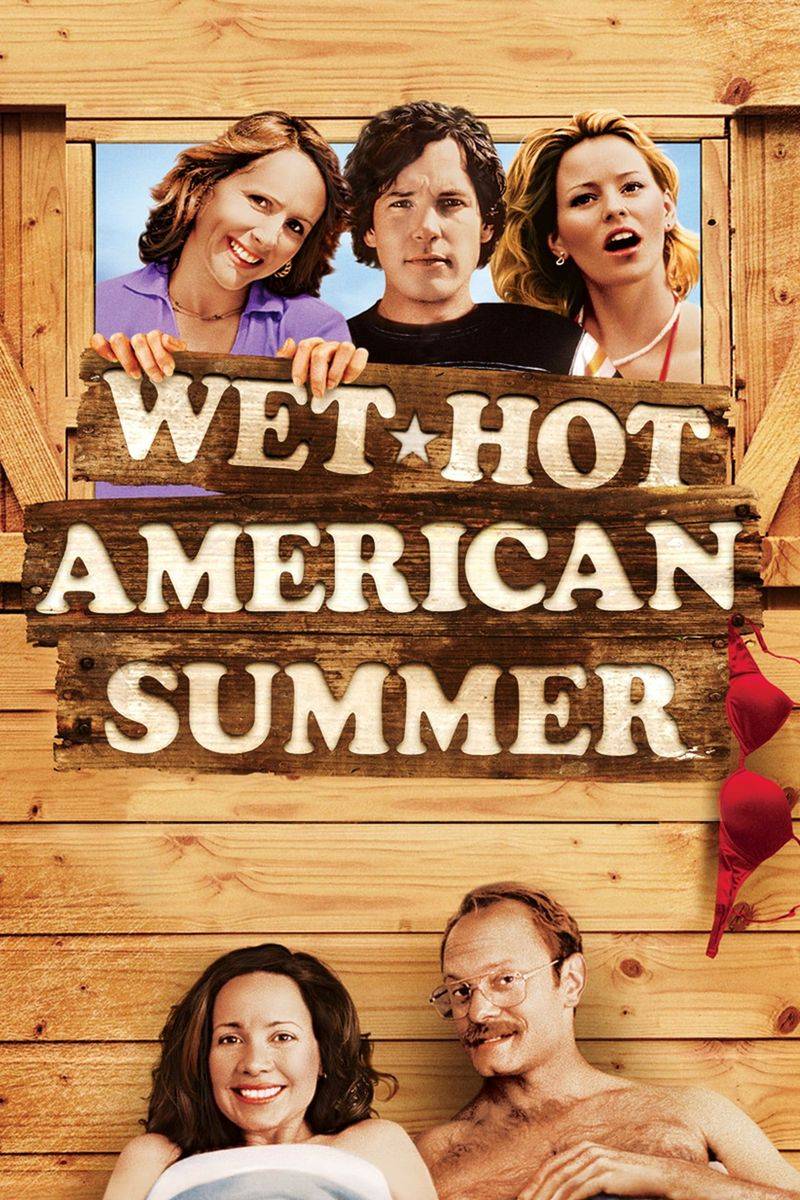
This absurdist comedy about summer camp counselors bombed completely upon release.
Critics didn’t understand its deliberately silly humor and random plot.
The talented cast of unknown actors couldn’t draw audiences to this strange comedy.
Its tiny theatrical run made almost no money whatsoever.
The humor seemed too weird and nonsensical for mainstream comedy fans.
Most reviewers dismissed it as trying too hard to be quirky and offbeat.
Netflix revival series introduced it to new audiences who got the joke.
The cast became huge stars, making the original a fascinating time capsule.
Its influence on absurdist comedy became clear as similar humor entered the mainstream successfully.
22. Donnie Darko (2001)
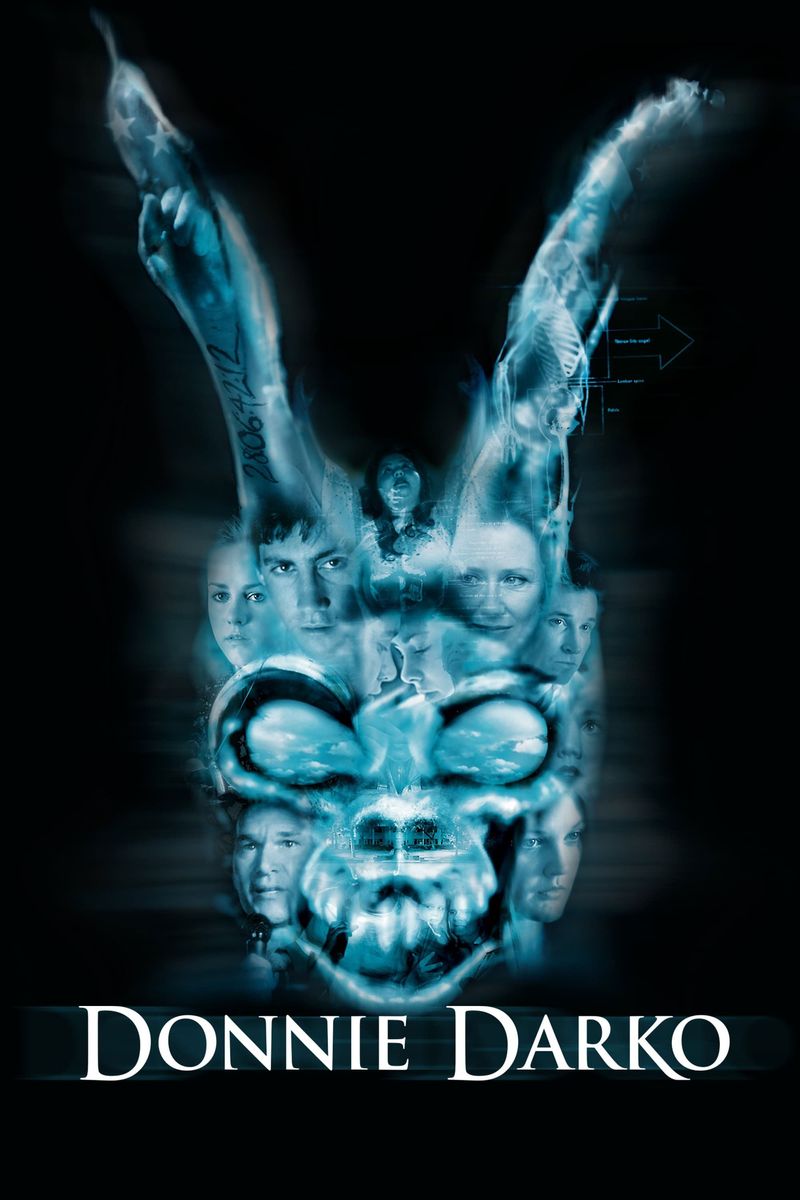
Donnie Darko confused almost everyone when it first appeared, blending teen drama with surreal time-travel dread.
Critics and audiences found it baffling, and its release was complicated by timing after 9/11.
The movie barely made an impact commercially.
Its unsettling tone, strange mythology, and haunting rabbit imagery felt too weird for mainstream success.
Many viewers walked away unsure if it was genius or nonsense.
It seemed destined to fade as an incomprehensible indie experiment.
Later, it found a massive cult following that praised its ambition and atmosphere.
Jake Gyllenhaal’s performance became iconic, and the film’s themes of fate and alienation resonated deeply.
It’s now regarded as one of the defining cult classics of the 2000s.
23. American Psycho (2000)
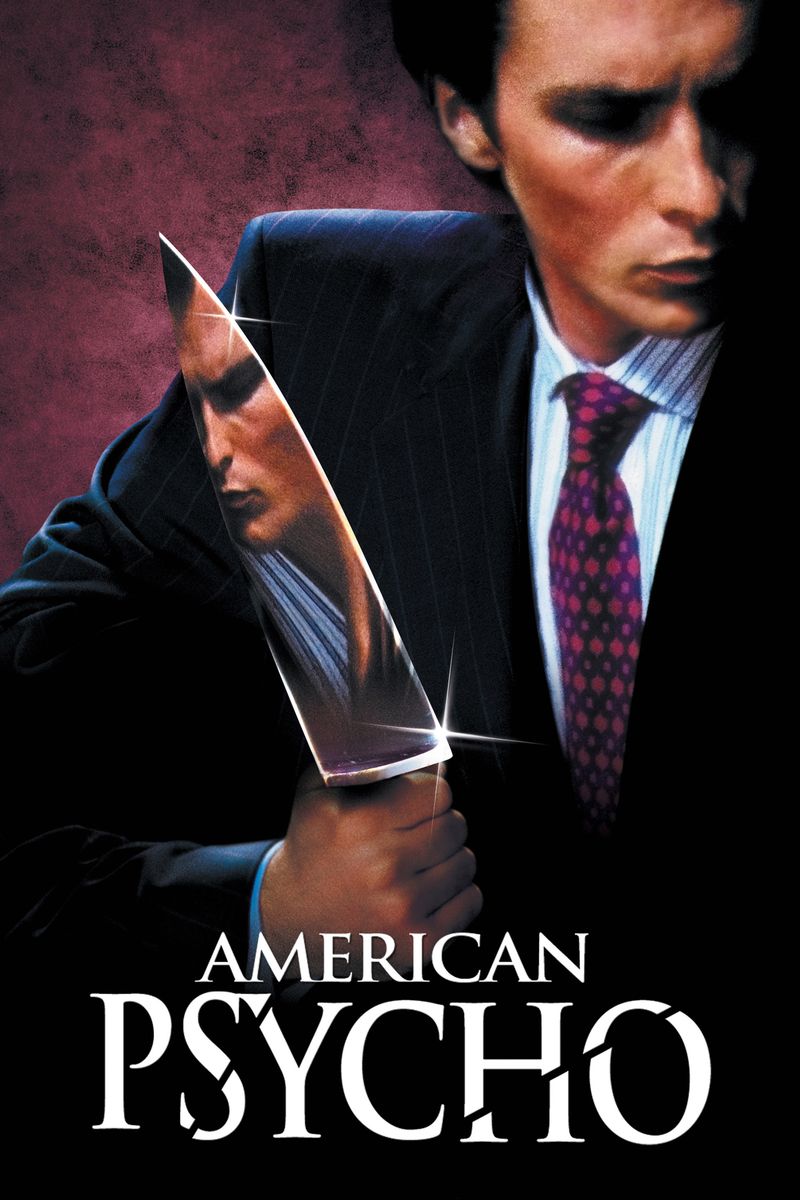
Mary Harron’s adaptation of Bret Easton Ellis’s controversial novel faced protests before release.
Critics were divided on whether its violence was satirical or exploitative.
Christian Bale’s casting over Leonardo DiCaprio disappointed many fans of the book.
The toned-down violence from the novel frustrated some while still disturbing others.
Feminist groups protested its treatment of women despite the female director.
Box office was modest, not matching the pre-release controversy and attention.
Bale’s performance became iconic, launching him into superstardom shortly after.
The satire of masculine toxicity and capitalism became increasingly relevant.
It’s now recognized as a brilliant dark comedy that perfectly captures 1980s excess and emptiness.
24. Event Horizon (1997)
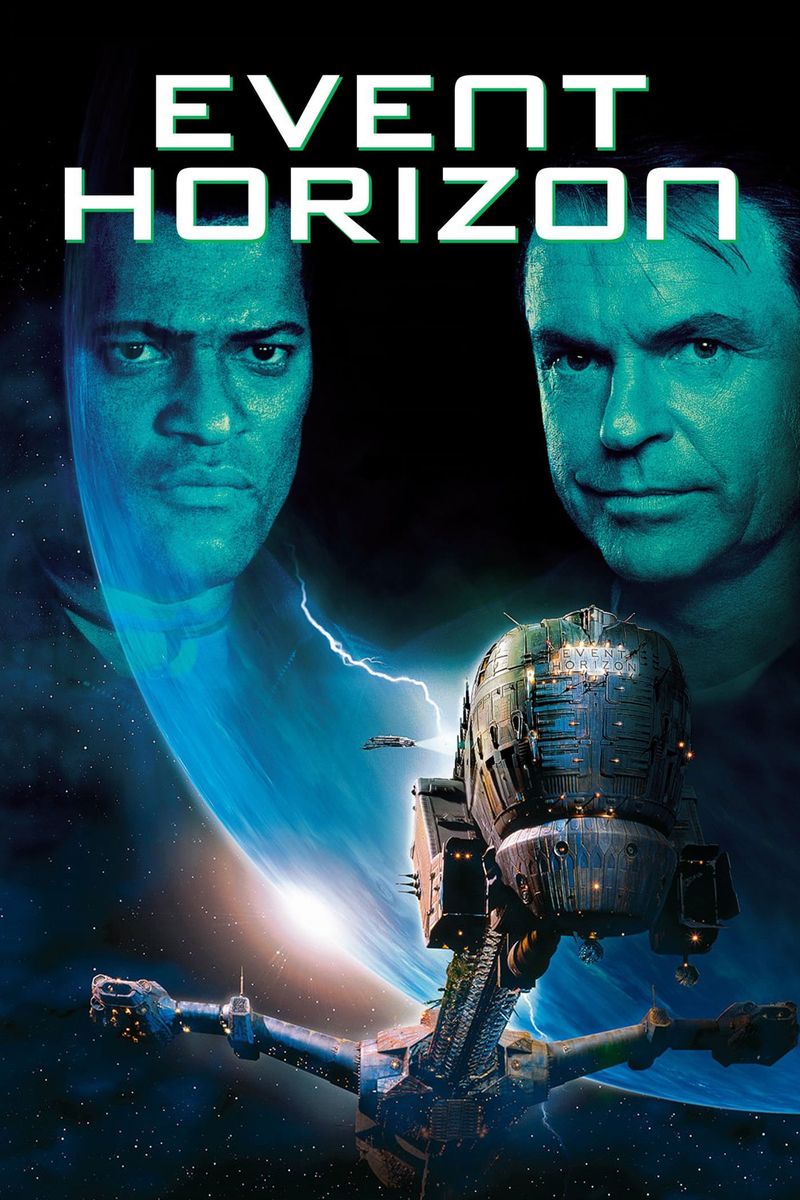
Paul W.S. Anderson’s sci-fi horror hybrid was butchered by studio cuts before release.
Critics called it a confusing mess that wasted its interesting premise.
The extreme gore was trimmed, leaving a neutered version that satisfied nobody.
Box office was disappointing despite the intriguing concept of Hellraiser in space.
The studio didn’t know whether to market it as horror or science fiction.
Reviews focused on its derivative elements rather than original ideas.
Horror fans discovered its nightmarish imagery and genuinely disturbing atmosphere on home video.
The lost footage became legendary, with fans hoping for a director’s cut.
It’s now considered an underrated gem that deserved better treatment and audience appreciation.
25. Last Action Hero (1993)
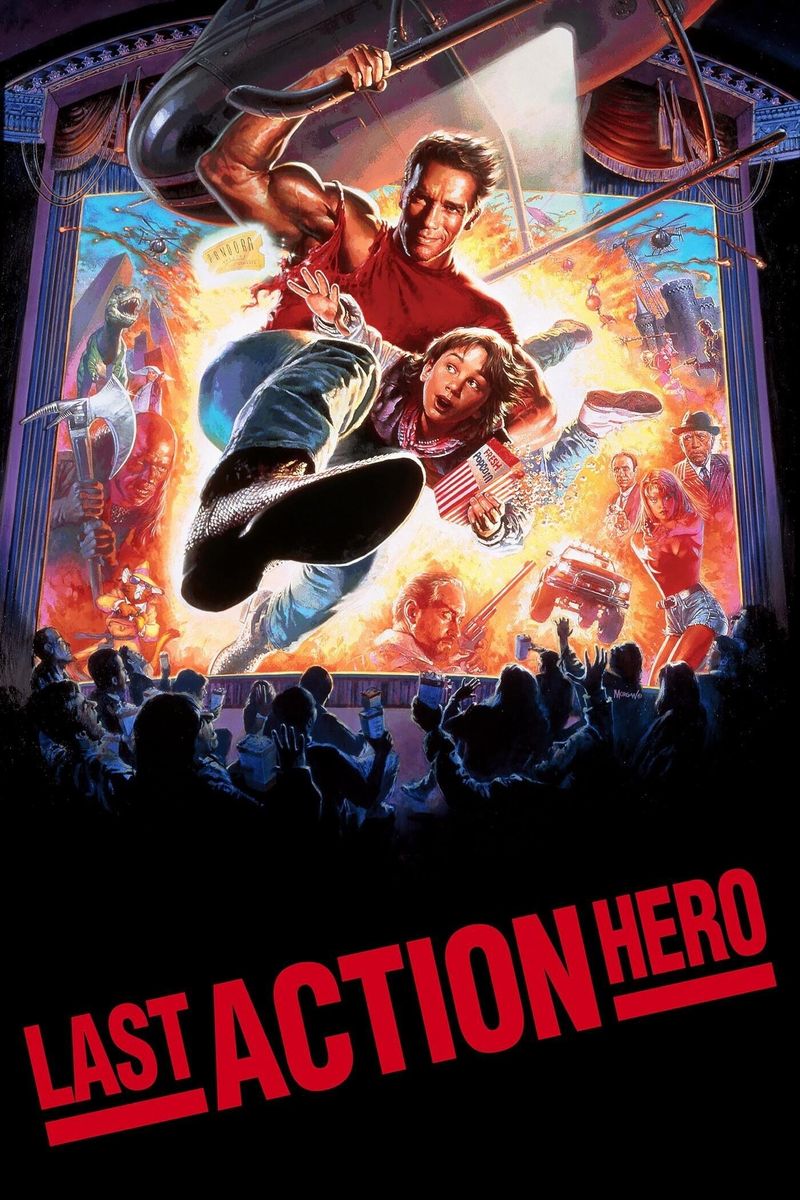
Arnold Schwarzenegger’s meta-comedy about action movies was too clever for its own good.
Critics found it confusing and overstuffed with ideas.
The self-referential humor went over the heads of audiences expecting straightforward action.
Its massive budget and troubled production became tabloid fodder before release.
Opening against Jurassic Park doomed it to box office disappointment.
The tone shifted awkwardly between satire, family comedy, and action spectacle.
Retrospective reviews recognized its ahead-of-its-time commentary on movie tropes and Hollywood.
The meta-humor predicted the self-aware blockbusters that would dominate decades later.
It’s now appreciated as a misunderstood attempt at something genuinely original and ambitious.