 MomSkoop

Have you ever wondered if someone is being honest with you? Our bodies often tell the truth even when our words don’t. Learning to read body language can help you spot dishonesty and protect yourself from being misled. Understanding these signals gives you a powerful tool for navigating conversations and relationships more confidently.
1. Avoiding Eye Contact

When someone struggles to look you in the eye, it might signal discomfort with the truth.
Liars often glance away, look down, or focus on objects around the room instead of maintaining natural eye contact.
While some people are naturally shy, a sudden shift in eye contact patterns during specific questions can be telling.
Pay attention to when the avoidance happens.
If their gaze darts away right after you ask something important, your instincts might be onto something.
Honest people typically maintain comfortable eye contact throughout conversations, even when discussing difficult topics.
2. Touching the Face and Mouth
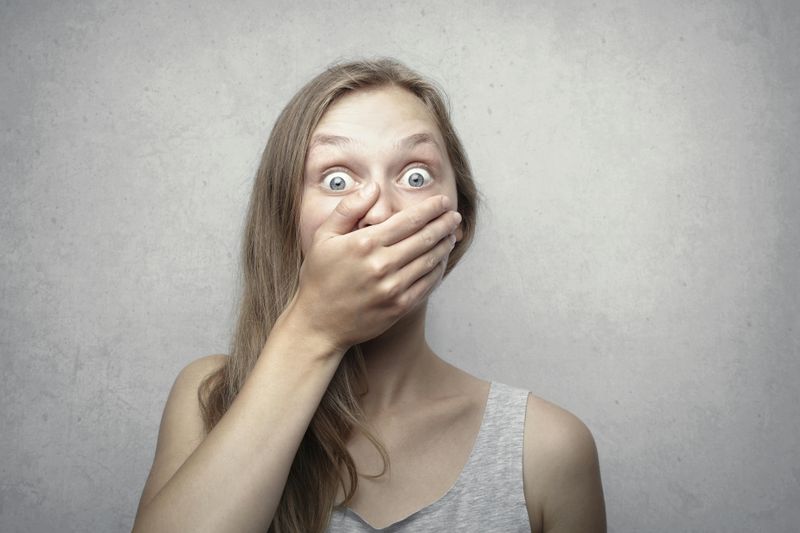
Ever notice someone covering their mouth while talking?
This unconscious gesture can indicate they’re hiding something or feeling uncomfortable about what they’re saying.
Touching the nose, rubbing the eyes, or scratching the neck are also common self-soothing behaviors liars display.
Scientists believe these actions help people cope with the stress of dishonesty.
The physical discomfort of lying triggers nervous habits.
Watch for increased face-touching when someone answers questions, especially if they normally don’t do this.
Context matters, but patterns speak volumes about truthfulness.
3. Fidgeting and Restless Movements

Restlessness often betrays inner anxiety about deception.
Someone telling lies might tap their feet, shift their weight constantly, or play with nearby objects.
Their body literally can’t stay still because their mind is working overtime to maintain the false story.
Compare this to their normal behavior.
Does your usually calm friend suddenly seem unable to sit comfortably?
Excessive fidgeting combined with other signals strengthens your suspicions.
However, remember that some people naturally move more than others, so baseline behavior is your best reference point.
4. Inconsistent Facial Expressions

Genuine emotions create natural facial expressions that match the message.
Liars often display mismatched expressions, like smiling when discussing something supposedly sad.
Their face might show an emotion briefly before they consciously adjust it to fit their story.
Microexpressions flash across faces in fractions of a second, revealing true feelings.
A genuine smile involves the whole face, especially the eyes.
Fake smiles typically only engage the mouth.
Watch for delayed reactions too—honest emotional responses happen immediately, while manufactured ones take a moment to produce.
5. Creating Physical Barriers

Picture someone suddenly crossing their arms or placing objects between you during conversation.
Building barriers is a defensive move that suggests discomfort or dishonesty.
They might hold a pillow, position a laptop as a shield, or turn their body away slightly.
Subconsciously, liars want to protect themselves from being discovered.
Creating distance feels safer when they’re vulnerable.
Notice if these barriers appear during specific topics or questions.
Open, honest communication typically involves open body posture, while deception encourages closing off physically.
6. Changes in Voice and Speech Patterns

Listen carefully because lies often affect how people sound.
Voice pitch might rise, speech speed could increase, or unexpected pauses might interrupt their flow.
Some liars clear their throat frequently or develop a slight stutter when fabricating stories.
Stress tightens vocal cords, changing natural speech patterns.
They might also use fewer contractions, speaking more formally than usual.
Excessive detail or vague answers both raise red flags.
Truthful people generally speak at a consistent pace with natural pauses, while dishonesty creates verbal awkwardness that’s hard to hide completely.
7. Unusual Stillness or Rigidity

While many liars fidget, some do the opposite and freeze up.
They become unnaturally still, barely moving their hands or body while speaking.
This rigid posture stems from intense concentration on maintaining their false narrative and controlling other tells.
Natural conversation involves gestures, head nods, and subtle movements.
Someone who suddenly becomes a statue might be channeling all their energy into deception control.
Their breathing might even become shallow.
Trust your gut when someone’s stillness feels forced or uncomfortable—it probably is.