 MomSkoop
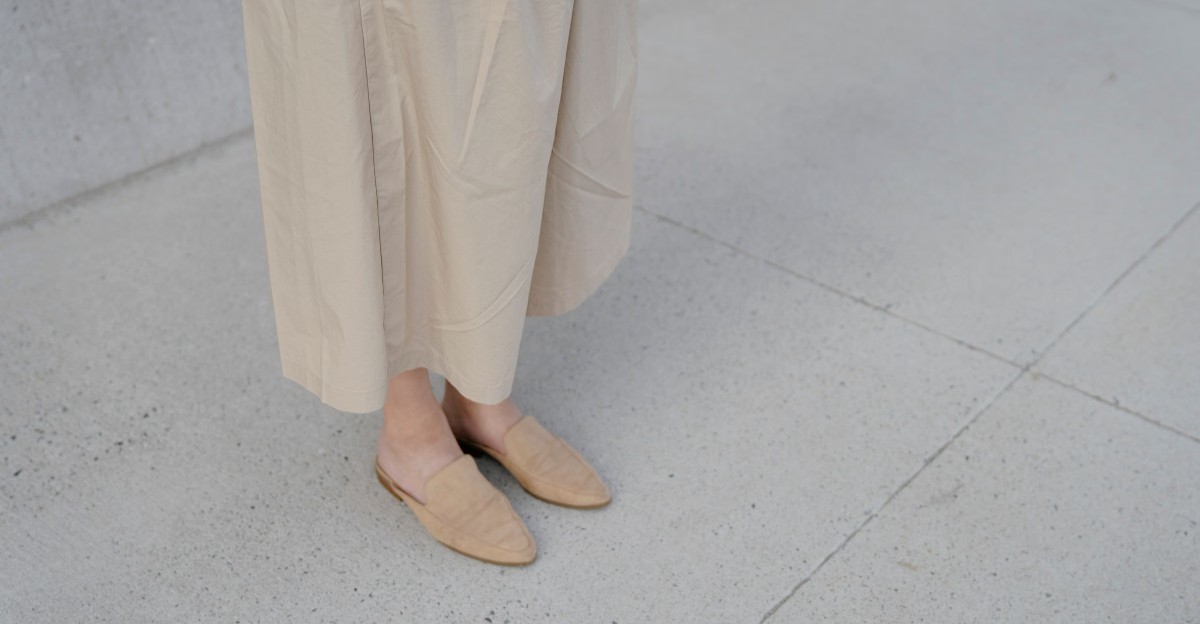
The penny loafer got its name from a small slit in its leather strap, a slot that some wearers used to hold a coin. That tiny detail tells you a lot about how casual shoes pick up personality over time. White sneakers are easy, but they can start to feel like a default setting.
Some alternatives slip on in seconds, while others lace up with a little more structure. A few were built for very specific jobs, like gripping a wet boat deck or handling hot weather with a rope sole. None of them ask you to give up comfort or relaxed style.
1. Loafers
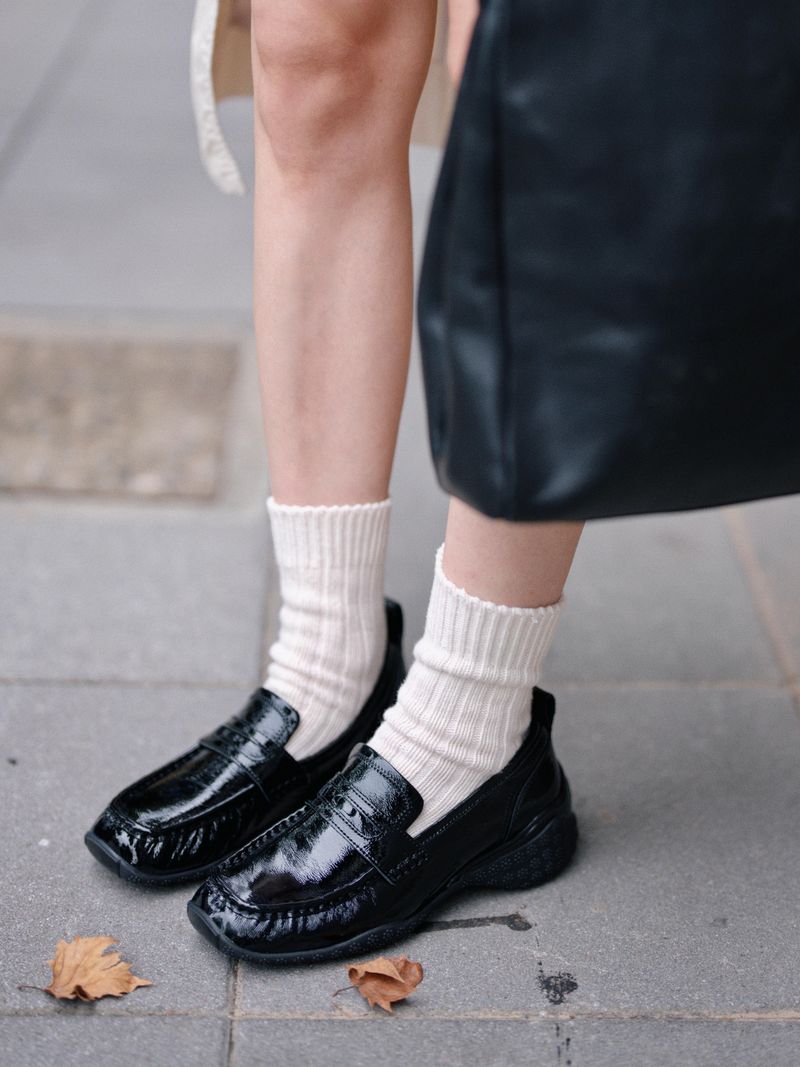
A coin slot is a funny thing to build into a shoe, yet the penny loafer made it famous.
That slit sits in the leather strap across the top of the foot.
Today it mostly works as a neat design detail.
Loafers slip on without laces and usually have a low heel or almost no heel at all.
You’ll often find them in smooth leather or suede.
The shape looks tidier than a sneaker, so even a plain T-shirt and jeans start to seem planned.
Try brown suede loafers with light-wash denim and a striped shirt on a weekend.
Black leather pairs work nicely with chinos or simple trousers when you want a sharper look.
They can even go with a long skirt if you like mixing styles.
Leather loafers need a bit of care to stay looking good.
A soft brush, a leather conditioner now and then, and a cedar shoe tree can help them keep their shape.
Suede does better with a suede brush and a protective spray.
Chunkier lug-sole loafers give a sturdier, more casual feel.
Slimmer versions read cleaner and quieter.
Pick whichever matches the rest of your closet, not someone else’s rulebook.
2. Mules
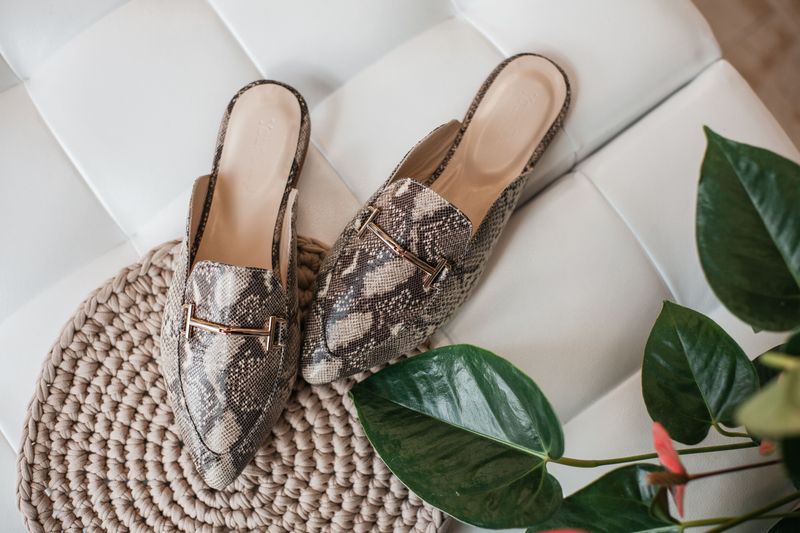
With no back to wrestle, you step in and go.
That makes them handy for coffee runs, quick errands, and slow Saturday mornings.
Mules cover the toes and leave the heel open.
Some are completely flat, while others have a block heel or a slim one.
Leather is common, and you’ll also see suede and fuzzy shearling-lined styles for cooler months.
Since the back of your foot shows, mules create a lighter, more open shape than a sneaker.
Cropped jeans let that outline stand out.
Wide-leg pants also look good because the hem can skim the top of the shoe.
Neutral colors like black, tan, and cream blend with lots of outfits.
A bright or patterned pair can turn a plain gray sweater outfit into something more fun.
Loafer-style mules mix the polish of a loafer with the easy slip-on design.
Fit matters a lot with backless shoes.
Your foot shouldn’t slide forward or hang off the edge, so try them on and walk around before you commit.
Long walking days may call for a different pair, and that’s perfectly fine.
3. Boat Shoes
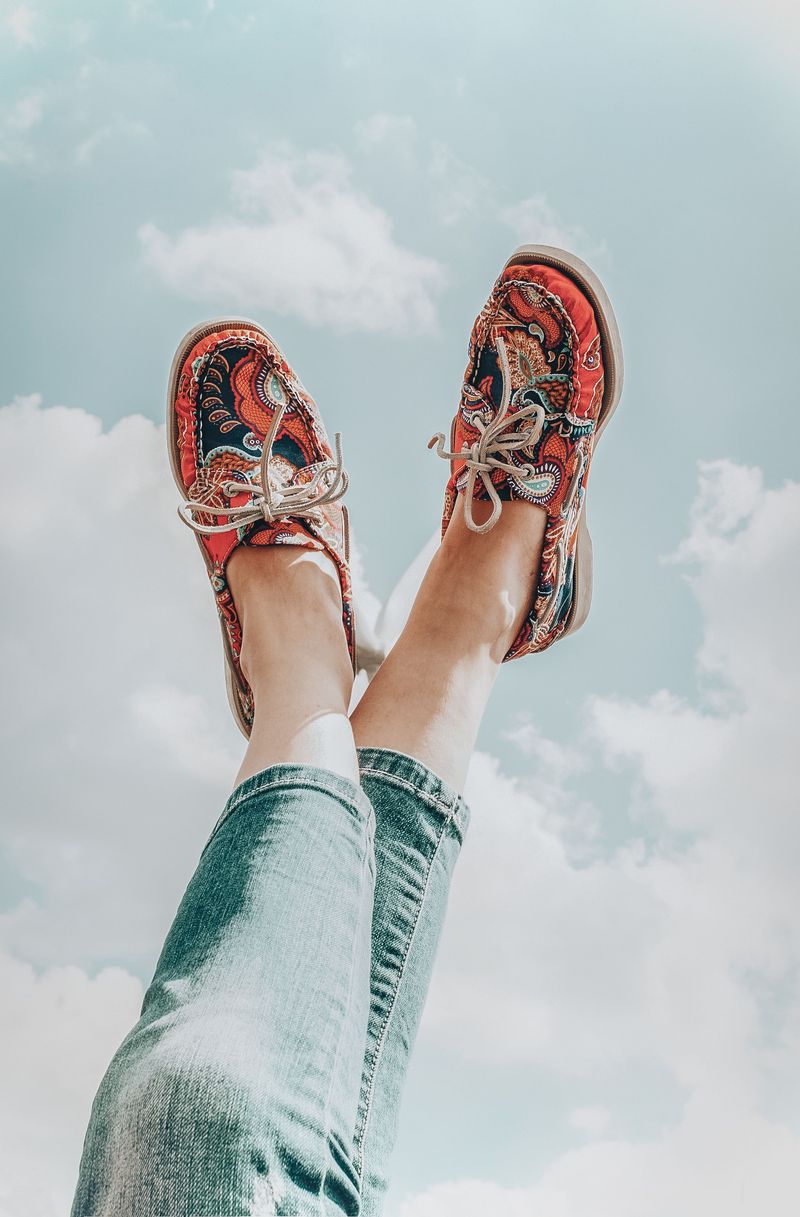
Slippery boat decks inspired this shoe long before it showed up at backyard cookouts.
Paul Sperry introduced his famous Top-Sider in 1935.
He cut thin grooves into the rubber sole to help sailors keep their footing.
Those grooves are called siping, and they’re still a signature feature.
Boat shoes also have a moccasin-style toe and leather laces that thread around the sides.
Most are made from leather, suede, or canvas.
On land, boat shoes bring a relaxed, summery feel.
Wear them with chino shorts and a polo, or with rolled jeans and a linen shirt.
Many people wear them without socks, though no-show socks keep things fresher.
Classic brown leather with a white sole is the version most people picture.
Navy, gray, and canvas styles offer quieter or more playful choices.
A suede pair looks a little softer and dressier.
Care depends on the material.
Leather benefits from conditioner so it doesn’t dry out.
Canvas pairs are easier to brush clean, but check the brand’s care label before tossing anything in water.
And yes, you can wear them without owning a boat.
Nobody checks.
4. Chelsea Boots
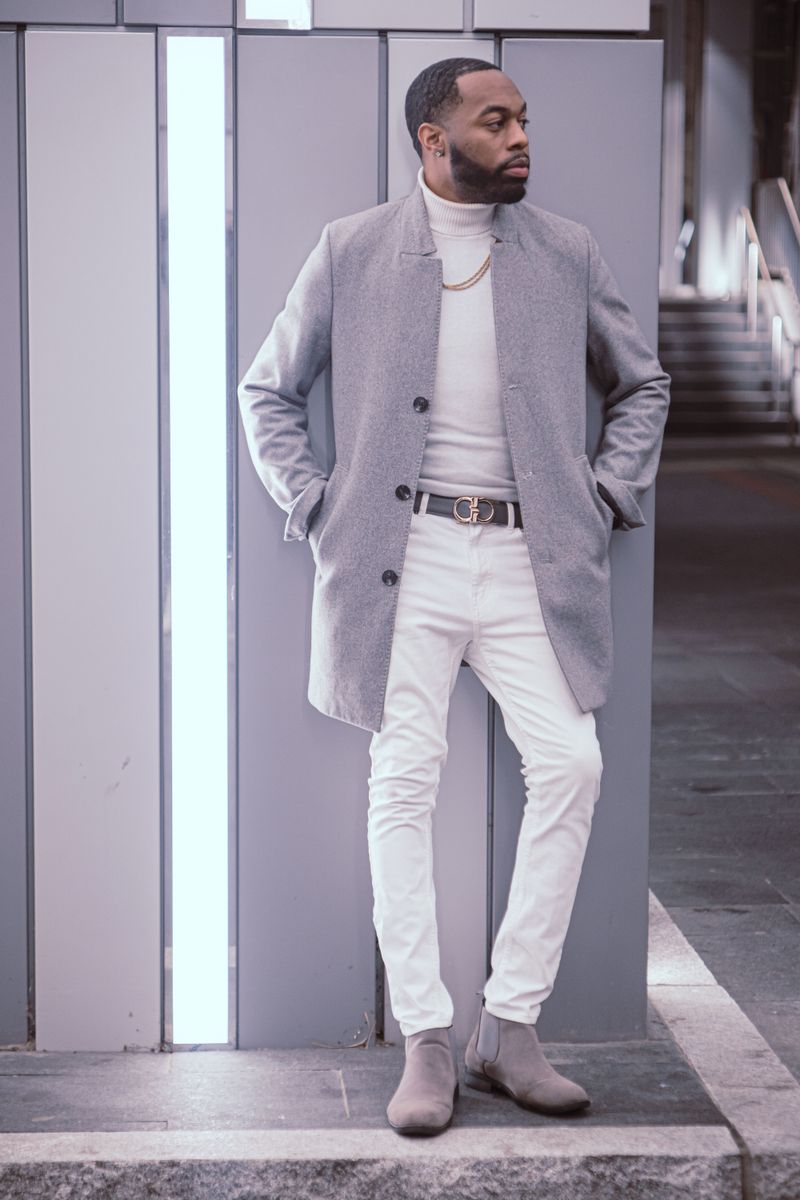
Stretchy side panels are the clever trick behind the Chelsea boot.
They let you pull the boot on without laces or zippers.
A fabric tab at the back usually helps with the tugging.
These ankle-high boots became closely tied to London’s mod fashion scene in the 1960s.
The name connects to the Chelsea area of the city.
Today they sit comfortably between casual and polished.
When cooler weather makes sneakers feel too thin, Chelsea boots step in nicely.
Dark jeans, a crewneck sweater, and brown suede boots make an easy fall outfit.
Black leather pairs look sharp with slim trousers and a simple jacket.
Watch how your pants meet the boot.
Slim or straight legs that end near the top of the boot create a clean line.
Wider pants can cover most of the shaft, which also looks good, just softer.
Suede gives a relaxed, textured look, but it needs protection from rain.
Smooth leather handles wet days better and can be polished.
Lug-soled Chelsea boots add grip and a chunkier style for winter sidewalks.
One pair can easily cover weekend plans, casual dinners, and plenty of chilly afternoons.
5. Derby Shoes
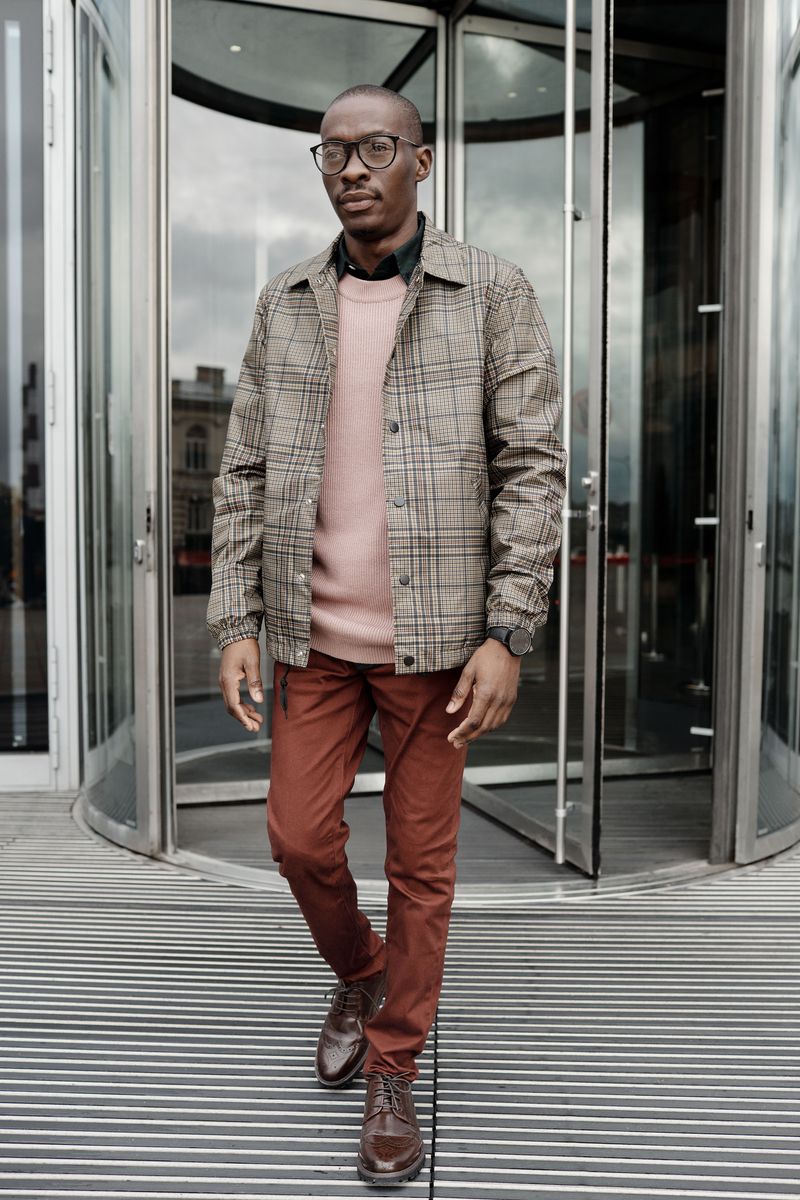
Lace-up shoes can feel stiff and formal, but derbies are the friendlier cousin.
Their secret is something called open lacing.
The flaps holding the eyelets are stitched on top of the shoe’s front section.
Oxfords use closed lacing, which gives them a sleeker, more formal look.
Derbies leave those flaps loose at the edges.
That small change makes them read as more relaxed and a bit roomier through the top.
Leather derbies are common, but suede versions look softer and more casual.
Some have brogue details, which are decorative punched holes along the seams.
Chunky rubber soles push the style even further into everyday territory.
Try them with cuffed jeans and a knit sweater for a neat but easy outfit.
They also work with chinos and an overshirt.
For a fun contrast, pair black derbies with a flowy silk or satin skirt.
A derby gives you the structure of a dress shoe without demanding a suit.
That makes it useful for casual offices, dinners, or any day when sneakers feel too sporty.
Polish smooth leather now and then, and keep it from drying out.
A good brush keeps suede pairs looking fresh.
6. Espadrilles
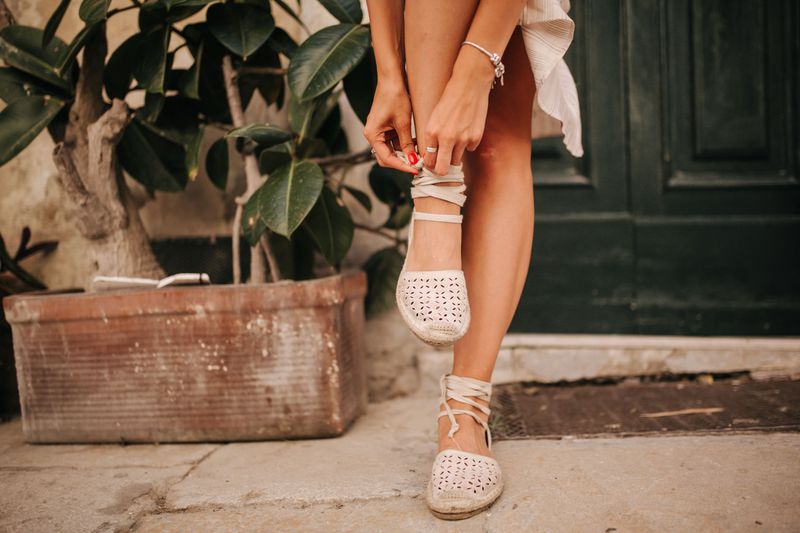
Rope soles might sound like something from a pirate ship, but espadrilles wear them with style.
The soles are traditionally made from braided jute or esparto grass.
Those materials give the shoe its natural, woven look.
Espadrilles have deep roots in Spain and southern France.
The uppers are often canvas, cotton, or linen, which keeps them light.
You’ll also find leather versions plus flat, wedge, and sandal-style designs.
They shine in hot weather when heavy sneakers feel like too much shoe.
Wear flat espadrilles with linen pants and a loose tee.
Wedges look nice with sundresses or midi skirts for summer parties and outdoor lunches.
Here’s the tricky part: jute doesn’t love water.
Soaking the sole can make it lose its shape, so skip puddles and beach waves.
Spot clean the fabric gently instead of using a washing machine.
Classic stripes and solid navy look crisp.
Bright colors bring a vacation mood even when you’re just heading to the grocery store.
Neutral tan pairs blend into nearly any summer outfit.
Store them somewhere dry once the season ends.
Treated kindly, a good pair can return for plenty of sunny days.
7. Desert Boots
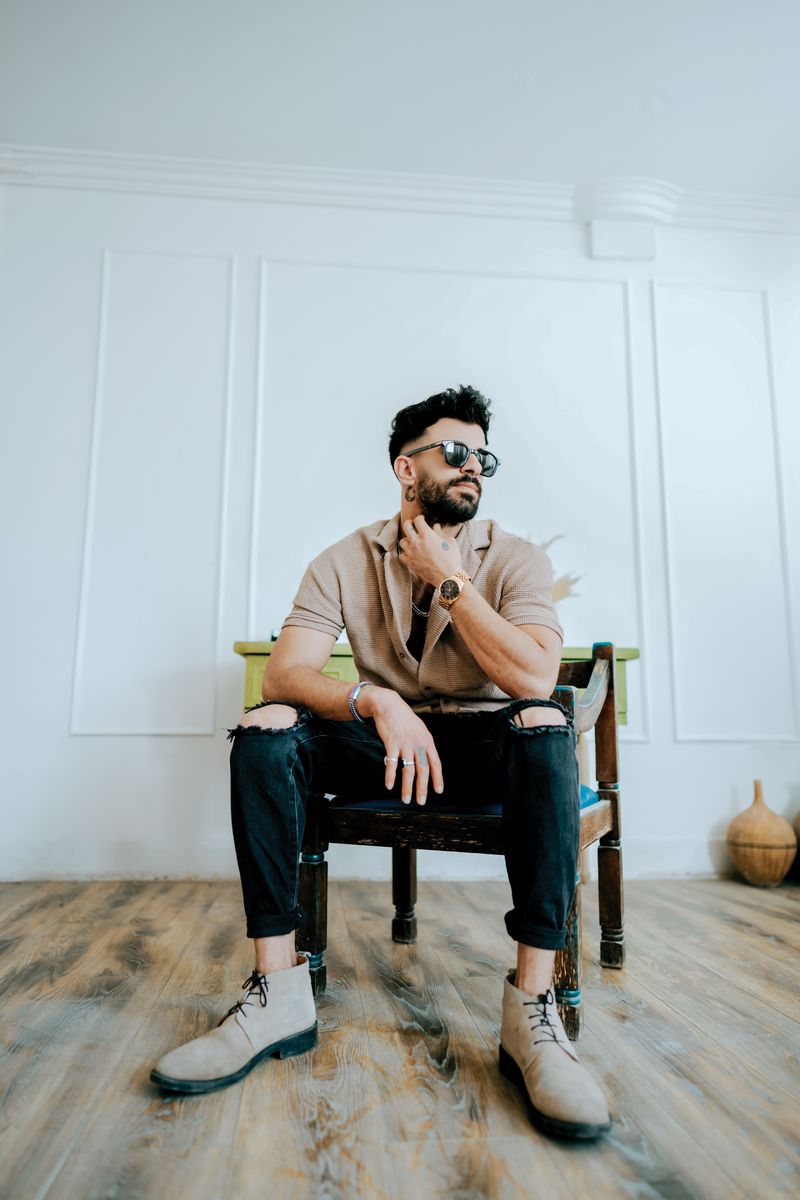
Sandy markets in Cairo helped shape one of the most famous casual boots around.
Nathan Clark noticed crepe-soled boots worn by soldiers there during World War II.
Clarks launched its Desert Boot in 1950.
Desert boots are a type of chukka boot.
They rise to the ankle and usually have just two or three pairs of eyelets.
The classic version uses soft suede on top and a gummy crepe rubber sole underneath.
The shape is simple, which makes them easy to wear.
Sand suede boots with olive chinos and a denim jacket look relaxed but put together.
Darker brown or navy pairs pair well with dark jeans and a sweater.
Crepe soles feel bouncy and soft, but they can pick up dirt quickly.
A crepe brush can help clean them.
For the suede upper, use a suede brush and protector spray before rainy days.
Leather versions exist too, and they handle damp weather better than suede.
They also look a bit cleaner and sharper.
Spring, fall, and mild winter days suit desert boots best.
Once you find a pair you like, you may notice your white sneakers getting a lot more rest.