 MomSkoop

Your gut is home to trillions of bacteria that help digest food, boost immunity, and even affect your mood. But certain foods can throw this delicate balance out of whack, leading to bloating, inflammation, and long-term health problems. Knowing which foods harm your gut can help you make smarter choices every day.
1. Ultra-Processed Foods

Walk down any grocery aisle and you’ll find shelves packed with brightly colored bags and boxes. Most of these items are ultra-processed, meaning they’ve been stripped of nutrients and loaded with additives your gut doesn’t recognize.
Fiber is crucial for feeding good bacteria, but ultra-processed snacks barely contain any. Without fiber, harmful bacteria can take over, creating an imbalance called dysbiosis.
Your microbiome thrives on whole foods like fruits, vegetables, and grains. Swap out packaged snacks for fresh options whenever possible. Your belly will thank you for the upgrade.
2. Refined Sugar and Sugary Drinks

Sugar tastes great, but too much of it feeds the wrong crowd in your gut. Bad bacteria love sugar and multiply quickly when you give them a steady supply.
Over time, high sugar intake can weaken your gut’s protective lining. This damage allows toxins to sneak into your bloodstream, triggering inflammation throughout your body.
Soda, energy drinks, and sweetened juices are some of the biggest offenders. Even fruit juices can pack too much sugar without the fiber that whole fruit provides. Try water infused with fresh fruit for a healthier alternative that still tastes refreshing.
3. Fried Foods and High-Fat Fast Foods

Crispy, golden, and delicious—fried foods are hard to resist. Unfortunately, they’re also tough on your digestive system because they take longer to break down.
High-fat meals can irritate your gut lining and slow digestion, leaving you feeling bloated and sluggish. They also encourage the growth of bacteria linked to inflammation and disease.
Fast food combos loaded with grease might satisfy cravings temporarily, but they wreak havoc on your microbiome balance. Baking or air-frying your favorite foods offers similar crunch without the gut trouble. Small swaps like these add up over time.
4. Processed Meats and Large Amounts of Red Meat

Bacon for breakfast, deli meat for lunch, and steak for dinner might sound tasty, but this pattern isn’t doing your gut any favors. Processed meats like sausages and hot dogs contain preservatives that can harm beneficial bacteria.
Red meat eaten in large quantities has been linked to inflammation and changes in gut flora. Studies show that people who eat less red meat tend to have more diverse, healthier microbiomes.
You don’t have to give up meat entirely. Just try balancing it with plant-based proteins like beans, lentils, and tofu throughout the week.
5. Artificial Sweeteners

Zero calories sounds like a win, right? Not necessarily. Artificial sweeteners might trick your taste buds, but they can confuse your gut bacteria too.
Research suggests that some sweeteners alter the balance of microbes in your intestines. For people with sensitive stomachs, this shift can lead to gas, bloating, and discomfort.
Common culprits include aspartame, sucralose, and saccharin, often found in diet sodas and sugar-free snacks. Natural sweetness from fruit or a small amount of honey might be a better choice. Moderation is key, even with natural options.
6. Excessive Alcohol

A drink here and there might not hurt, but overdoing it on alcohol can seriously damage your gut. Alcohol acts like a toxin, irritating the lining of your intestines and killing off good bacteria.
When your gut lining weakens, it becomes more permeable—a condition often called leaky gut. This allows harmful substances to pass into your bloodstream, causing inflammation and other health issues.
Beer, wine, and spirits all have similar effects when consumed in large amounts. Limiting alcohol and staying hydrated can help your gut recover and maintain its protective barrier.
7. Dairy Foods (For Those with Intolerance or Sensitivity)
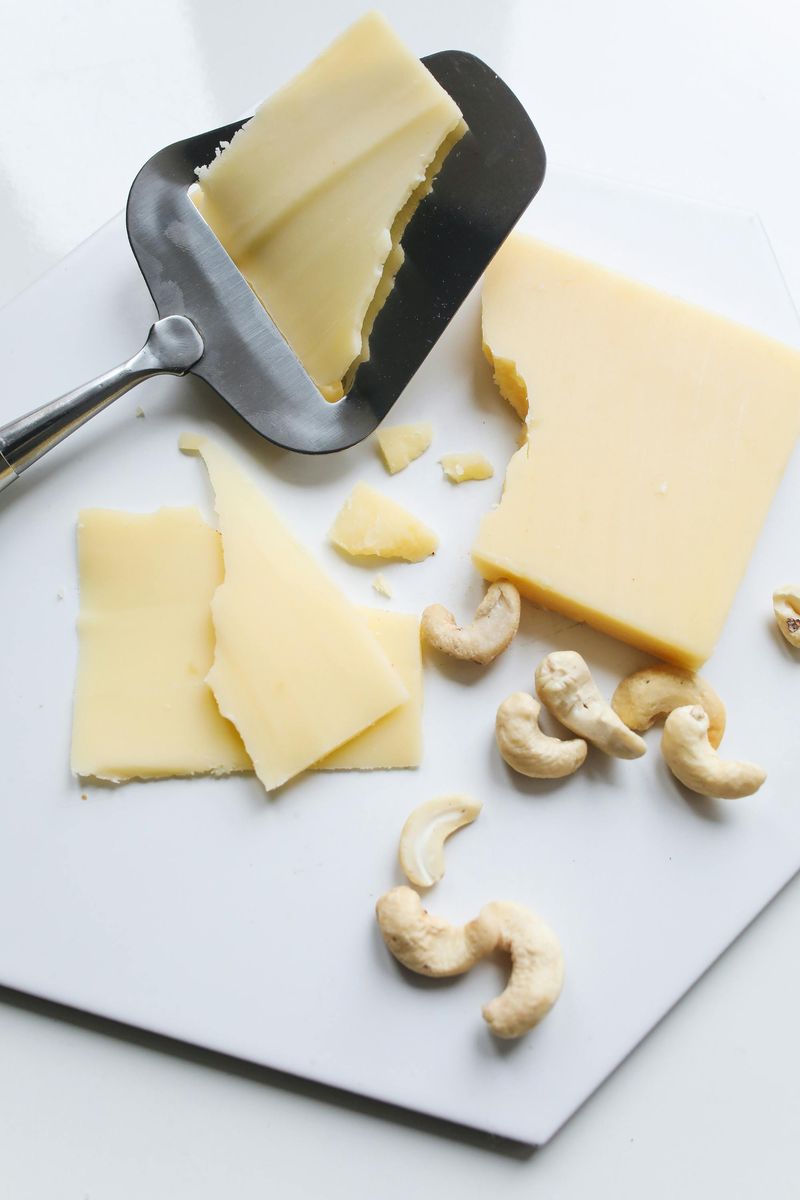
Milk, cheese, and yogurt are staples in many diets, but they can spell trouble if your body struggles to digest lactose. Lactose intolerance means your gut lacks the enzyme needed to break down dairy sugar.
Without that enzyme, dairy ferments in your intestines, leading to gas, bloating, cramps, and sometimes worse. Even people without full intolerance can experience sensitivity that disrupts their gut balance.
Fortunately, lactose-free milk and plant-based alternatives like almond or oat milk offer great substitutes. Experimenting with dairy-free options can reveal how much better your stomach feels.