 MomSkoop
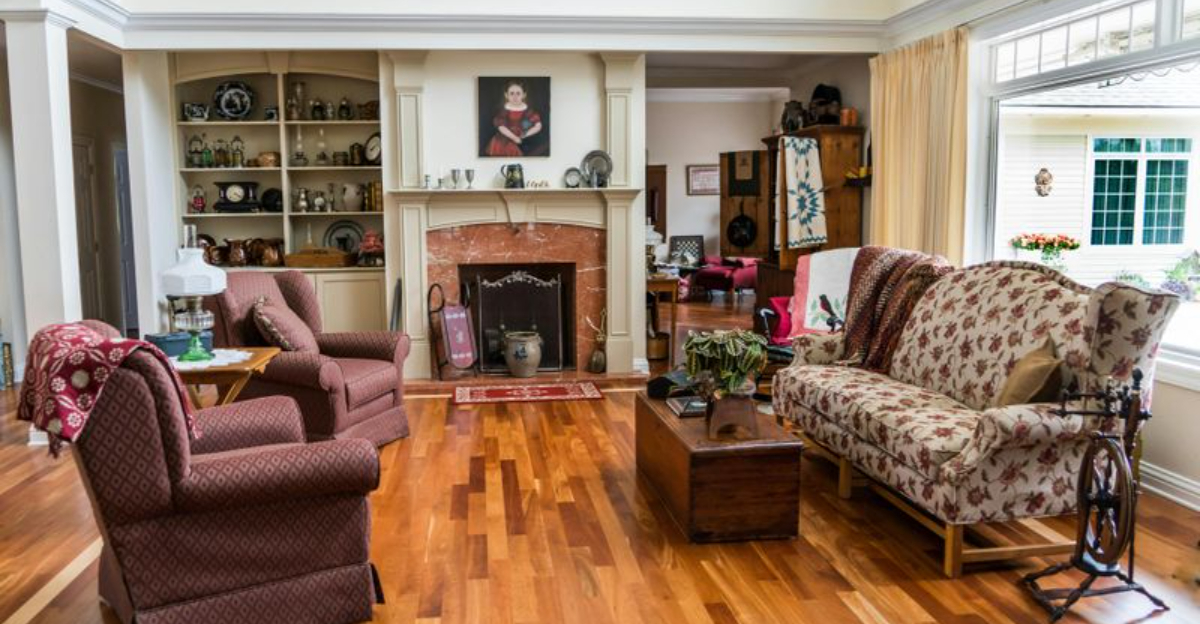
Your living room is the heart of your home, where family gathers and guests get their first real impression of your style. But even with the best intentions, it’s easy to make choices that professional designers say cheapen the look of your space.
From furniture mishaps to lighting fails, these common mistakes can transform a potentially beautiful room into something that feels off. Here are seven design blunders that experts say make living rooms look tacky, plus how to fix them.
1. Oversized or Overstuffed Furniture
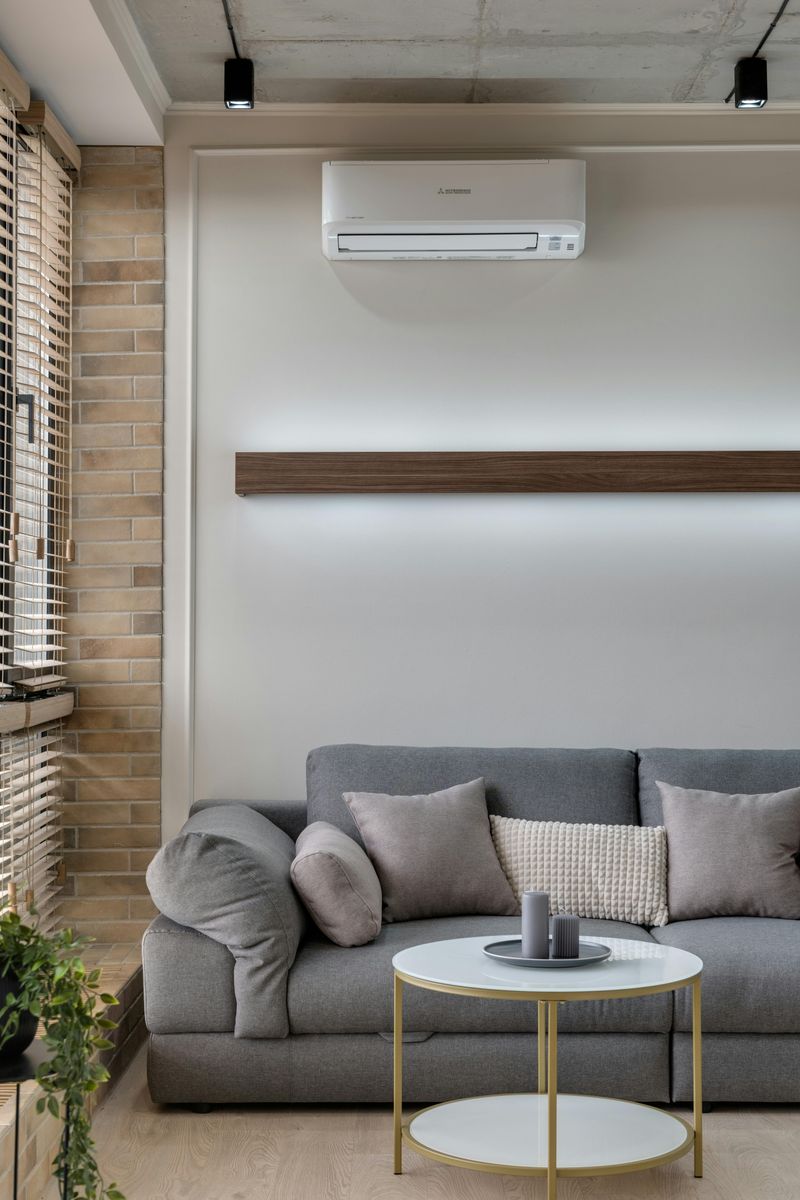
Bulky furniture pieces that dominate your living room create an uncomfortable, cramped atmosphere that nobody enjoys.
When your sofa swallows half the room or your coffee table blocks the walkway, the space loses its welcoming appeal.
Designers recommend measuring your room carefully before buying anything and leaving enough space for people to move around comfortably.
A good rule is keeping at least 18 inches between furniture pieces for easy traffic flow.
Choose streamlined furniture with exposed legs rather than floor-to-ceiling upholstery, which makes pieces look lighter and rooms feel more spacious.
Scale matters tremendously in creating a balanced, sophisticated living area that feels intentionally designed rather than randomly stuffed with whatever fit through the door.
2. Poor Lighting
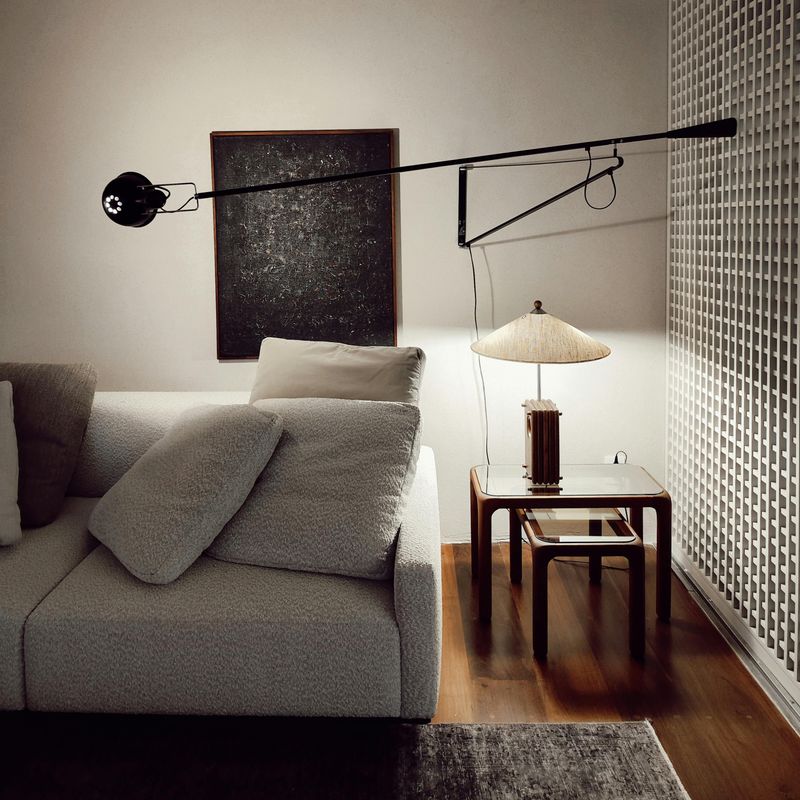
Relying on a single overhead light transforms your living room into something resembling a hospital waiting area.
Harsh fluorescent bulbs or one lonely ceiling fixture create unflattering shadows and kill any cozy ambiance you’re trying to build.
Professional designers always use layered lighting, combining overhead lights with table lamps, floor lamps, and even candles to create depth and warmth.
Think about adding dimmers to control brightness based on the time of day or activity.
Position lamps at different heights around the room to eliminate dark corners and create visual interest.
Warm-toned bulbs between 2700K and 3000K provide the most inviting glow for living spaces, making everything from your skin tone to your furniture look better and more expensive.
3. Matching Furniture Sets
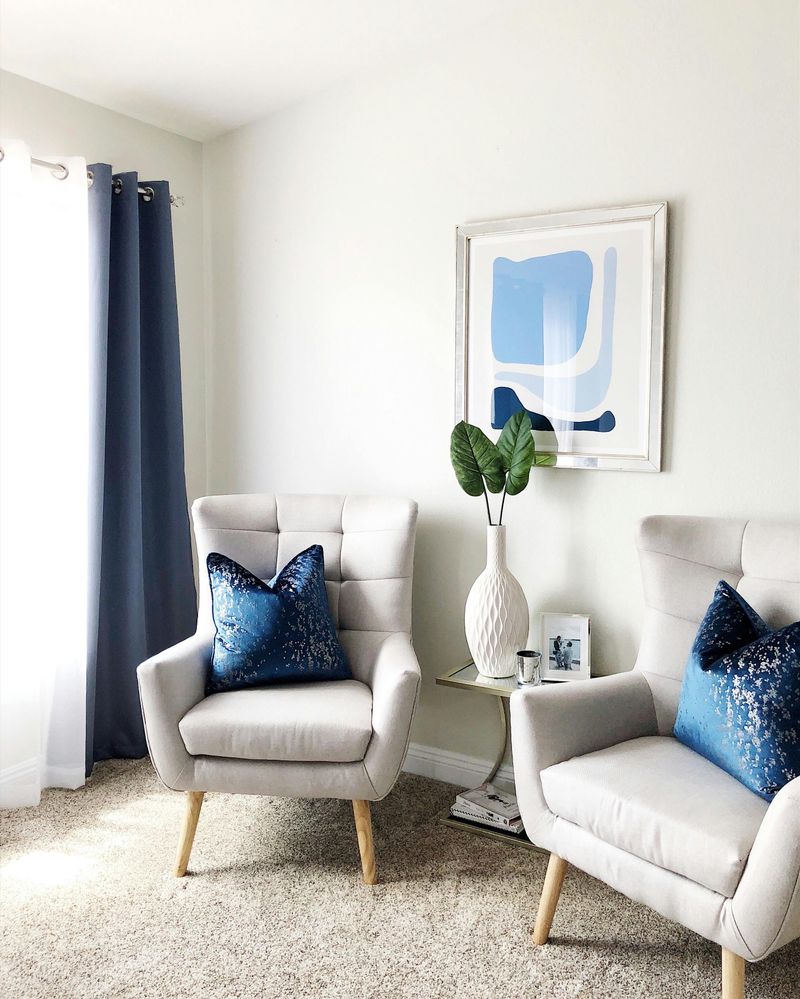
Walking into a room where every piece matches perfectly screams “furniture showroom” rather than “lived-in home.”
Those coordinated sets sold together might seem convenient, but they strip your space of personality and character.
Designers know that mixing different styles, textures, and even time periods creates visual richness that feels collected over time rather than purchased in one afternoon.
Try pairing a modern sofa with vintage side tables or combining different wood tones throughout the space.
The key is finding a common thread, like color palette or design era, that ties mismatched pieces together harmoniously.
Curated spaces always look more expensive and thoughtful than cookie-cutter arrangements that anyone could recreate by ordering set number five from a catalog.
4. Clutter and Too Many Accessories
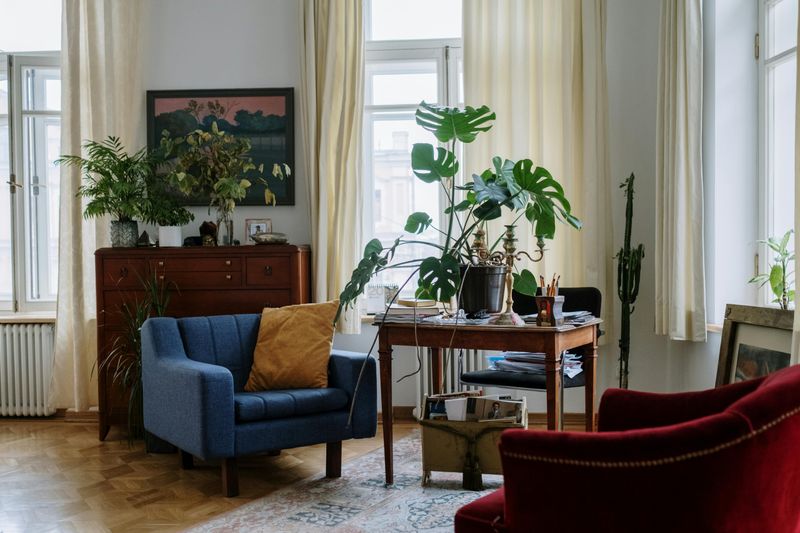
Your coffee table shouldn’t resemble a flea market display with every available surface covered in decorative objects.
When you cram too many throw pillows, picture frames, candles, and random trinkets into one space, the eye doesn’t know where to focus and everything looks messy.
Design professionals follow the “less is more” philosophy, carefully editing accessories to showcase only the most meaningful or beautiful pieces.
Group items in odd numbers (three or five) for visual appeal and leave plenty of negative space so each object can breathe.
Rotate accessories seasonally rather than displaying everything you own simultaneously.
A few well-chosen pieces always look more sophisticated and expensive than dozens of mediocre items competing for attention in a chaotic jumble that makes your space feel smaller and overwhelming.
5. Poorly-Fitting Rugs and Curtains
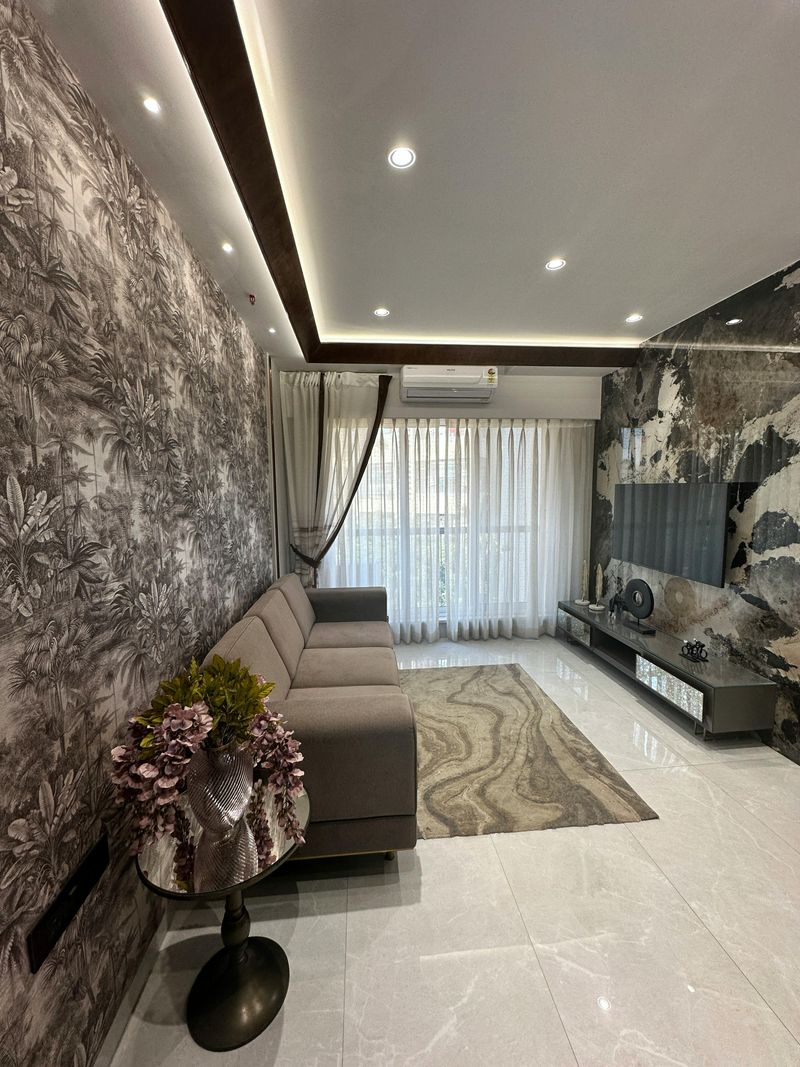
Nothing screams amateur hour quite like curtains dangling awkwardly above your windowsill or a tiny rug floating in the middle of your seating area.
Designers insist that rugs should be large enough for at least the front legs of your furniture to rest on them, anchoring the conversation area together.
As for curtains, hanging them just below the ceiling and letting them graze or puddle slightly on the floor makes ceilings appear taller and windows more grand.
Short, skimpy curtains make your windows look oddly proportioned and cheap.
Measure twice before purchasing these foundational elements, because getting the scale right dramatically impacts how polished and intentional your entire room appears to anyone who walks through the door.
6. Loud Paint Colors and Bold Finishes
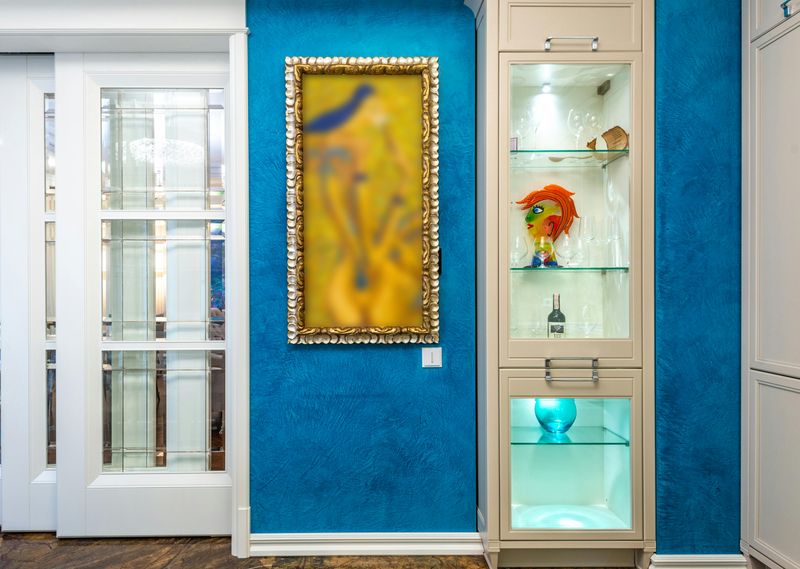
Painting your walls electric lime green or covering everything in shiny gold finishes might feel bold, but it often crosses into tacky territory fast.
While accent walls have their place, overly bright or trendy colors date quickly and overwhelm the senses rather than creating a relaxing environment.
Designers typically recommend neutral base colors for walls, saving bolder hues for easily changeable elements like pillows, artwork, or throws.
If you love color, consider rich jewel tones in moderation rather than neon brights that assault the eyes.
Matte and satin finishes look more sophisticated than high-gloss everything, which can appear cheap and reflect light harshly.
Remember that your living room should feel timeless and calming, not like a nightclub or a carnival that you’ll want to repaint within six months.
7. Ignoring Proper Furniture Arrangement
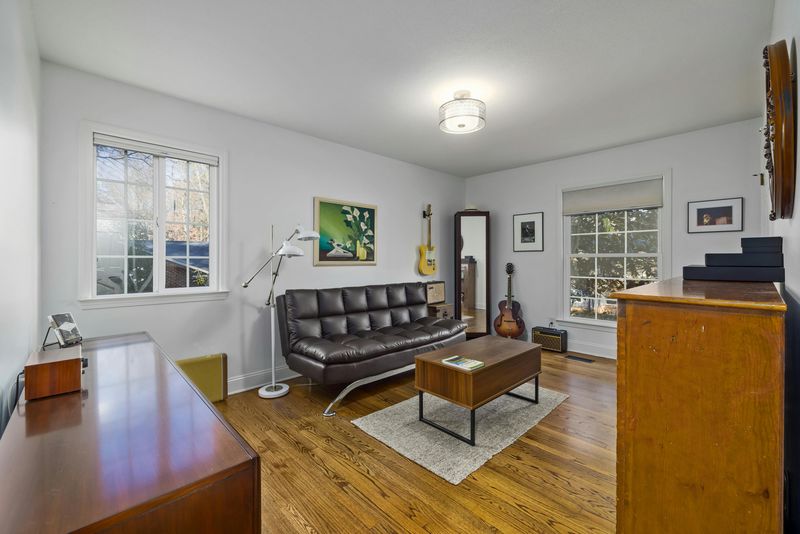
Shoving all your furniture against the walls like you’re preparing for a middle school dance creates an awkward, uninviting atmosphere.
This common mistake makes conversation difficult and wastes the room’s potential by leaving a giant empty space in the center.
Designers arrange furniture to create intimate conversation zones, often floating pieces away from walls to define the space better.
Pull your sofa a few feet forward and angle chairs to face each other, making it easier for people to interact comfortably.
Consider traffic flow patterns and make sure pathways remain clear while keeping seating close enough that people don’t need to shout across the room.
Proper arrangement makes even small living rooms feel more functional and intentional, transforming them from bowling alleys into cozy gathering spots where people actually want to spend time together.