 MomSkoop

Every generation has its own set of phrases that feel totally normal to them but land completely wrong with younger people. Baby Boomers grew up in a very different world, and some of their go-to sayings just don’t translate well to life in the 2020s.
Gen Z, known for valuing honesty, inclusion, and open conversation, often finds these classic lines dismissive or just plain out of touch. Here are eight phrases that Boomers love but make Gen Z roll their eyes hard.
1. Pull Yourself Up by Your Bootstraps

Imagine working three part-time jobs and still barely covering rent, only to be told to “just work harder.” That’s exactly how Gen Z feels when they hear this one.
The phrase originally meant using your own effort to improve your situation, which sounds reasonable on the surface.
But younger generations are dealing with skyrocketing housing costs, student loan debt, and a job market that barely pays a living wage.
Telling someone to bootstrap their way out of a broken system feels tone-deaf at best.
Hard work matters, but it doesn’t cancel out structural inequality.
Gen Z wants solutions, not slogans that ignore the bigger picture entirely.
2. Money Doesn’t Grow on Trees

Back when Boomers were young, a summer job could actually cover a semester of college.
That’s not an exaggeration — tuition costs have risen over 1,000% since the 1980s.
So when an older relative drops this classic line, it can feel almost laughable to someone drowning in student debt.
Gen Z isn’t spending carelessly out of ignorance.
Many are making hard financial choices every single day.
The phrase was meant to teach frugality, and that lesson still has value.
But using it to dismiss real economic struggles misses the mark completely.
Acknowledging today’s financial reality would go a lot further than recycling a decades-old warning about overspending on small things.
3. Because I Said So
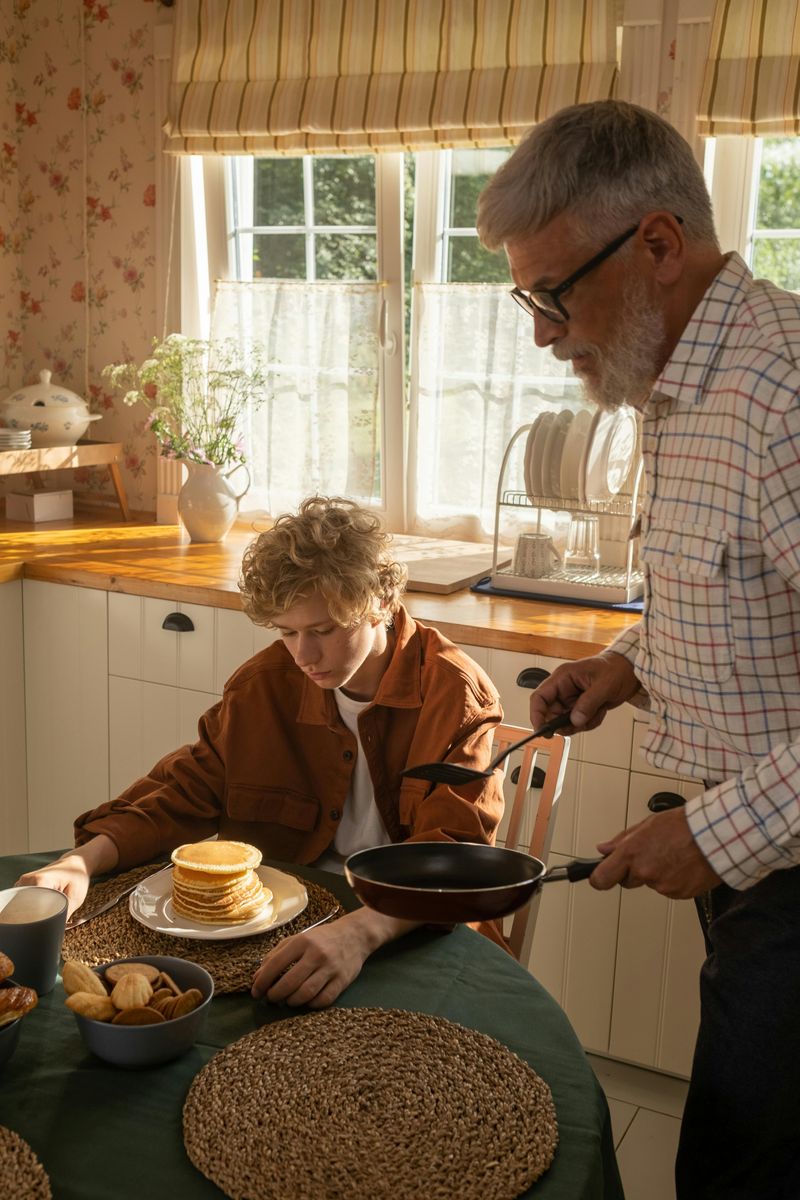
Few phrases shut down a conversation faster than this one.
It’s the verbal equivalent of a door slamming in your face.
For Boomers, authority was something you respected without question — that was just how households and workplaces ran for decades.
Gen Z grew up in a world that encourages critical thinking, open dialogue, and asking “why.” Schools, social media, and even workplaces now reward curiosity and pushback.
Being told to comply simply because someone holds authority feels deeply unsatisfying to a generation that wants context and reasoning.
This doesn’t mean disrespecting elders — it means they communicate differently.
A simple explanation goes miles further than a flat, conversation-ending command that offers nothing useful.
4. Get a Real Job

A YouTuber making six figures.
A freelance graphic designer booked solid for months.
A TikTok creator with brand deals paying their rent.
None of these would count as “real jobs” to someone who grew up thinking a career meant a 9-to-5 with a pension.
The gig economy and creator economy are not hobbies — they’re legitimate career paths for millions of people.
Gen Z watched the traditional job market offer fewer benefits, less stability, and lower wages, so many chose to build their own income streams instead.
Calling those efforts fake or invalid stings, especially when they’re working just as hard, if not harder, than anyone in a cubicle.
5. Back in My Day

Nothing signals an unsolicited comparison quite like these four words.
The moment someone starts with “back in my day,” Gen Z already knows what’s coming — a story about how things were tougher, simpler, or somehow better, followed by an implied criticism of how young people live now.
Here’s the thing: every generation faces its own set of challenges.
Climate anxiety, a global pandemic, social media pressure, and economic instability are very real stressors that didn’t exist decades ago.
Comparing struggles across different eras isn’t helpful — it’s dismissive.
Swapping “back in my day” for “tell me what you’re dealing with” would open the door to actual connection instead of shutting it down with nostalgia.
6. Just Walk In and Ask for the Manager

Picture showing up unannounced at a company’s front desk with a paper resume in 2024.
The receptionist looks confused.
There’s no hiring manager available.
The job was posted online, requires a digital application, and has already received 400 submissions.
Welcome to modern job hunting.
Boomers landed jobs through personal connections, walk-ins, and handshakes.
That world no longer exists for most industries.
Today’s hiring process involves applicant tracking systems, LinkedIn profiles, digital portfolios, and multiple interview rounds done over video calls.
Telling Gen Z to “just walk in” isn’t empowering — it’s advice that could genuinely hurt their chances.
The job market changed dramatically, and the advice needs to catch up too.
7. You Kids Have It Easy

Gen Z entered adulthood during a global pandemic, faced one of the most competitive job markets in recent history, and is now trying to afford housing in cities where average rent can easily exceed $2,000 a month. “Easy” is not the word most of them would use.
Mental health struggles among young people are at record highs.
The pressure of social media, academic expectations, and financial stress hits differently than the challenges of previous generations — not less, just differently.
Dismissing those experiences with a sweeping generalization makes meaningful conversation impossible.
Younger people aren’t asking for sympathy.
They just want acknowledgment that their reality is genuinely hard, not a participation trophy for existing.
8. Stop Wasting Time on That Phone

Smartphones get a bad reputation from older generations who watched them appear seemingly out of nowhere and take over daily life.
But for Gen Z, the phone isn’t a distraction — it often IS the job.
Freelancers manage clients through apps.
Small business owners run entire operations from their screens.
Creatives build audiences and income without ever sitting at a desk.
Beyond work, phones are used for mental health apps, staying connected with friends, accessing news, and navigating daily life.
Yes, screen time can become unhealthy, and balance matters.
But blanket statements about phone use ignore how deeply integrated digital tools are into modern productivity.
The smartphone isn’t the enemy — how it’s used is what actually matters.
