 MomSkoop

Being polite sounds simple, but for people who genuinely care about good manners, everyday life can feel like a minefield of awkward moments. From holding doors to deciding whether to wave at a familiar face, small social situations can quietly cause a lot of anxiety.
Well-mannered people tend to overthink these moments because they truly care about how their actions affect others. If you have ever felt that low-key panic in a totally normal situation, you are definitely not alone.
1. Holding the Door Open and Not Knowing How Long to Wait
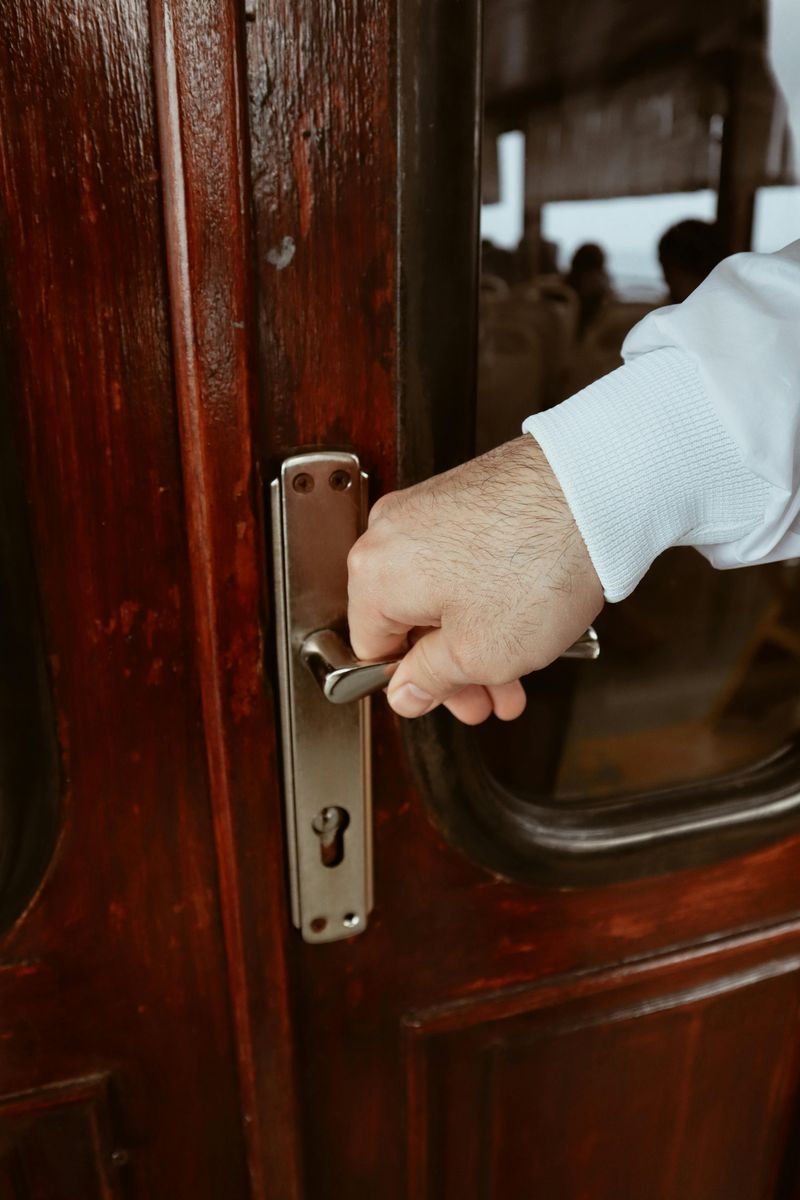
You spot someone heading toward the door about ten steps behind you.
Do you hold it?
For how long?
Well-mannered people feel this pressure intensely.
Letting go too soon feels rude, but holding it too long forces the other person into an awkward speed-walk of gratitude.
The unspoken rule seems simple, but the execution is anything but.
Hold it too early and now they feel obligated to jog.
Hold it too late and you look inconsiderate.
There is no universally agreed-upon distance that makes door-holding the right move.
A good tip: if the person is within five steps, hold it.
Beyond that, a polite nod and a clean exit is perfectly acceptable and saves everyone the stress.
2. Accidentally Speaking Too Loudly in a Quiet Public Place

You are chatting away and suddenly realize the entire coffee shop has gone silent.
Every head turns slightly.
Your voice was the loudest thing in the room, and now your face is turning red.
For someone who prides themselves on being considerate, this moment is genuinely mortifying.
Polite people replay the moment on loop, wondering how long they were being too loud and who noticed.
It is not just embarrassment, it is the worry that you disrupted someone else’s peace.
That guilt hits differently when you care about others’ comfort.
One practical fix: in new or quiet spaces, speak softly by default and match the energy of the room before settling into your normal volume.
Awareness goes a long way.
3. Sitting in Someone Else’s Usual Seat on Public Transport
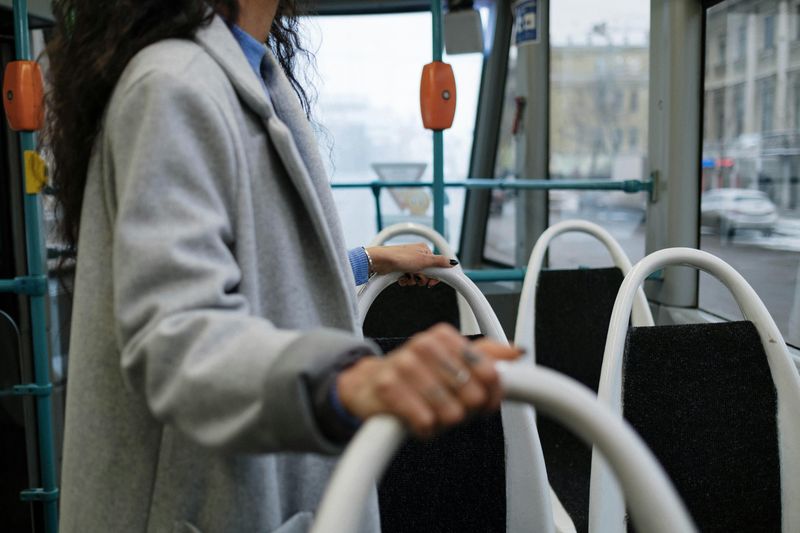
Technically, seats on public buses and trains are first-come, first-served.
Nobody owns a spot.
But try telling that to the person who has sat in the same window seat every morning for three years and is now staring you down with quiet disappointment.
For a well-mannered person, this situation is loaded.
You did nothing wrong, yet you feel like you did something very wrong.
The awkward eye contact, the hesitation, the internal debate about whether to move, it is a surprisingly stressful few minutes.
Honestly, staying put is completely fine.
But if you sense real distress from the other person and another seat is available, offering to move is a small kindness that costs you almost nothing and means a lot.
4. Not Knowing Whether to Greet Someone You Vaguely Recognize

You lock eyes with someone across the room.
You know their face.
Maybe it is a neighbor, a former coworker, or someone from your gym three years ago.
Your brain scrambles to place them while your face is already mid-smile, committed to a greeting you are not sure is warranted.
This is peak social anxiety for polite people.
Ignoring someone you do recognize feels dismissive and cold.
But enthusiastically greeting someone who has no idea who you are?
That is its own flavor of awkward.
The window to decide is about two seconds, which is never enough.
A small wave and a friendly smile is always a safe middle ground.
It acknowledges the person without demanding a full conversation, and it leaves both of you feeling good about the interaction.
5. Walking Too Slowly or Too Quickly in a Crowded Area
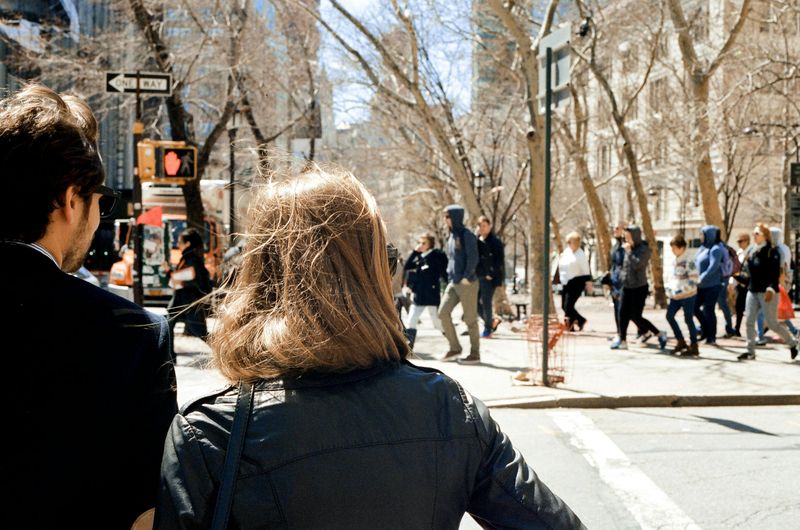
Crowded sidewalks have an unwritten rhythm, and well-mannered people feel deeply responsible for keeping it.
Walk too slowly and you become a human roadblock.
Walk too fast and you are weaving through people like an obstacle course runner.
Either way, someone is probably annoyed.
The stress is real.
Polite people constantly adjust their speed, step aside for oncoming walkers, and feel genuine guilt when they accidentally cut someone off.
What looks effortless to others is actually a series of micro-decisions made in real time.
Did you know that pedestrian flow studies show people naturally sync their pace with those around them?
Leaning into that instinct and staying aware of the space you occupy can make crowded walking feel a whole lot less stressful for everyone involved.
6. Having to Return Food or Complain About Bad Service
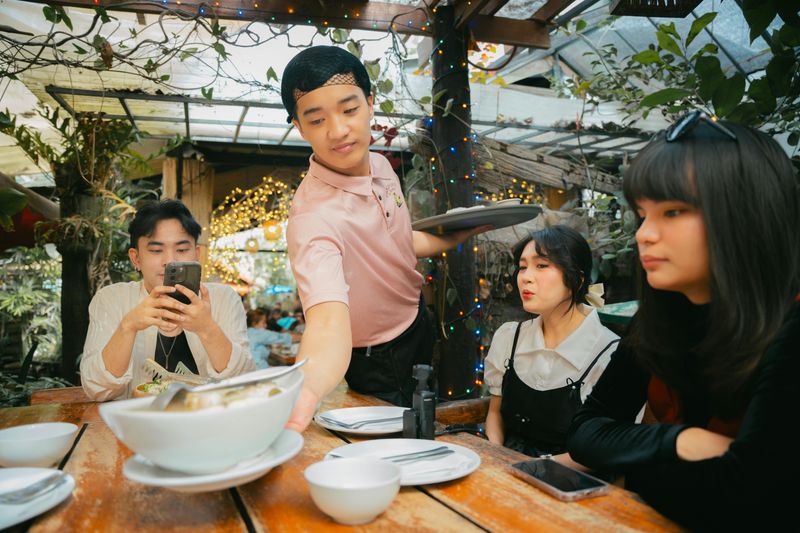
Your steak arrived cold, the order is wrong, or the service has been genuinely poor.
For most people, speaking up is no big deal.
But for someone who hates causing a fuss, sending food back feels like declaring war.
The internal monologue is exhausting: Is it bad enough to say something?
Will the staff be upset?
Well-mannered people often end up quietly eating the wrong meal just to avoid conflict.
The irony is that most restaurants genuinely want to fix mistakes.
Saying something politely actually helps the staff do their job better.
A calm, kind approach works best: simply explain the issue without blame.
Something like, “I think there may have been a mix-up” is honest, respectful, and far less stressful than suffering in silence through a meal you did not order.
7. Reaching a Doorway or Four-Way Stop at the Same Time as Others
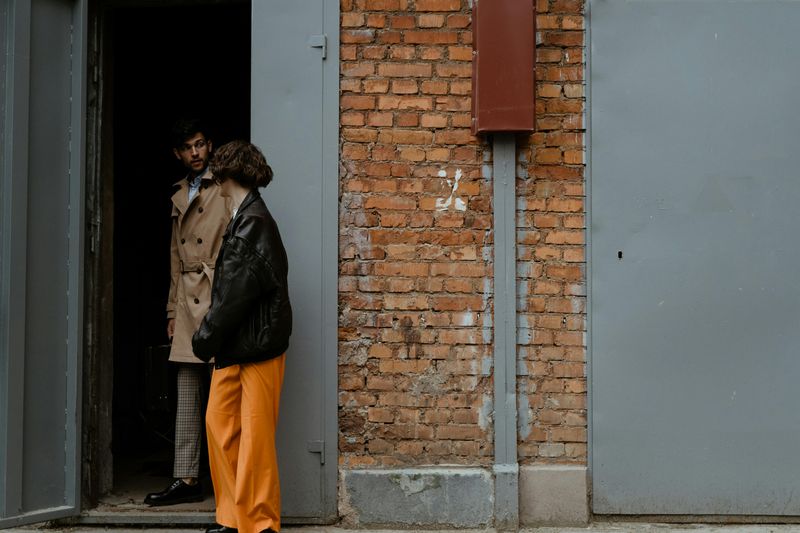
You arrive at the door at exactly the same moment as a stranger.
Both of you reach for it.
Both of you pull back.
You laugh nervously.
Then you both reach for it again.
This tiny choreography of politeness can loop two or three times before someone finally takes charge.
The same thing happens at four-way stops, where the rules exist but somehow everyone still manages to hesitate at the same time.
For courteous people, the fear of being seen as pushy or rude causes them to over-yield, which ironically creates more confusion.
Confidence is actually the kindest tool here.
Making a clear, decisive move, whether going through first or firmly waving someone else through, resolves the situation faster and leaves everyone feeling less flustered than the endless back-and-forth of mutual politeness.
8. Taking a Phone Call in a Silent Waiting Room
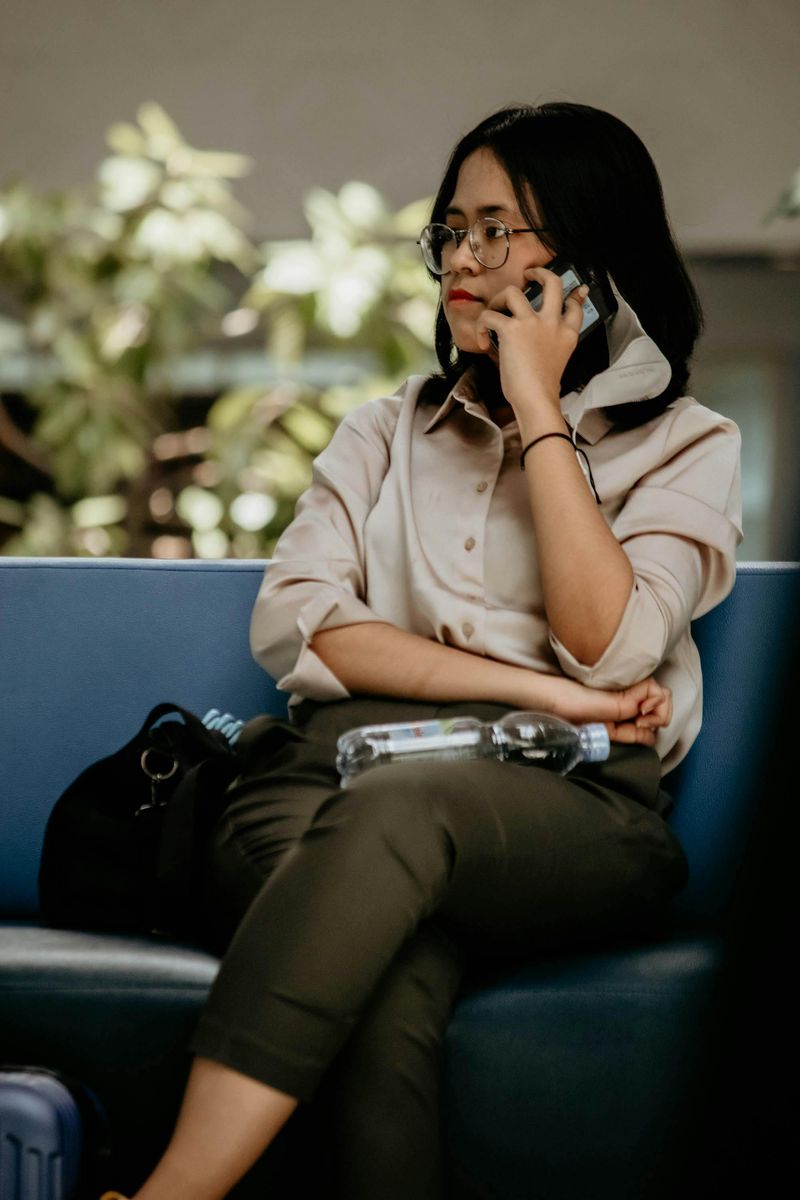
Your phone rings.
The waiting room is dead quiet.
Every person within earshot is now acutely aware of you.
For a well-mannered person, this is a five-alarm social emergency.
Do you answer?
Step out?
Let it go to voicemail while everyone watches you ignore it?
Even a brief, whispered call can feel like a public performance when the room is silent.
Polite people feel the weight of every glance, every shift in seat, every subtle sigh from nearby strangers.
The guilt of disrupting the peace is real, even if the call lasted thirty seconds.
Keeping your phone on silent in waiting rooms is the simplest solution.
If a call cannot wait, stepping outside is always the right move.
A quick, quiet exit shows far more consideration than an apologetic whisper that everyone still hears.