 MomSkoop
Cooking at home should bring out the best in your ingredients, but certain everyday habits can actually work against you. Without realizing it, you might be making simple mistakes that turn fresh produce, quality meat, and flavorful seasonings into disappointing meals.
These common kitchen missteps can steal flavor, ruin texture, and leave you wondering why your food doesn’t taste as good as it should.
1. Overcrowding the Pan
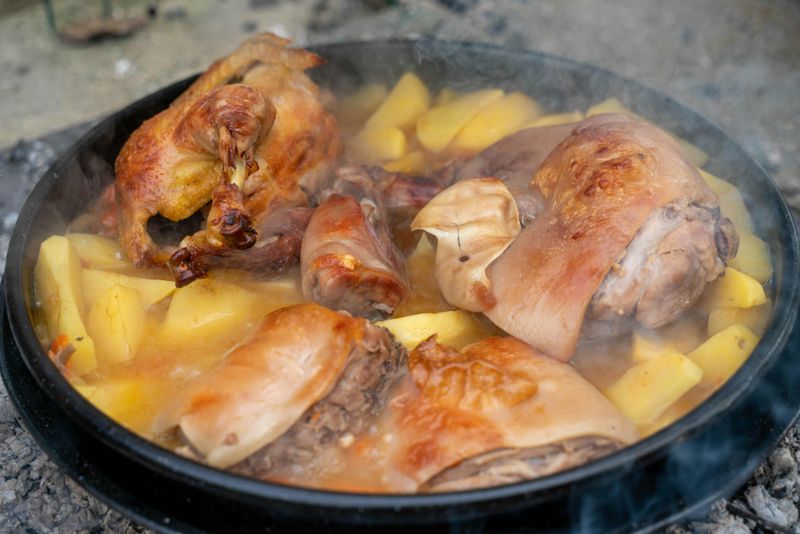
Cramming too many ingredients into one pan might seem efficient, but it backfires quickly.
When food is packed tightly together, moisture gets trapped and creates steam instead of allowing proper browning.
This steaming effect prevents the Maillard reaction, which is what gives food that delicious golden crust and deep, complex flavors.
Without enough space, your vegetables turn soggy, your chicken stays pale, and your potatoes never crisp up.
The fix is simple: give your food room to breathe.
Cook in batches if needed, or use a larger pan so each piece touches the hot surface directly.
Patience pays off with better texture and richer taste in every bite.
2. Not Preheating the Pan or Oven
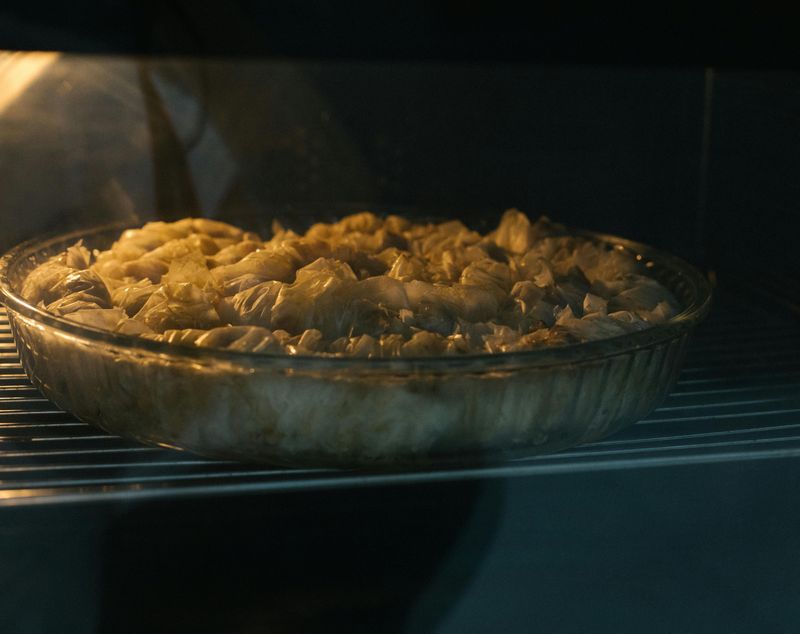
Tossing food into a cold pan or lukewarm oven is a recipe for disappointment.
Proper heat is essential for creating that satisfying sear on steaks, crispy edges on roasted vegetables, and fluffy baked goods with golden tops.
When your cooking surface isn’t hot enough, food absorbs oil instead of crisping, and proteins stick stubbornly to the pan.
Bread won’t rise properly, and meat releases moisture instead of forming a flavorful crust.
Always wait for your pan to shimmer or your oven to beep before adding ingredients.
A few extra minutes of patience ensures even cooking and prevents bland, soggy results that no amount of seasoning can fix.
3. Overcooking Just to Be Safe
Fear can be a terrible cooking companion.
Worried about food safety, many home cooks leave chicken on the heat far too long, turning juicy breasts into dry, chalky disappointments.
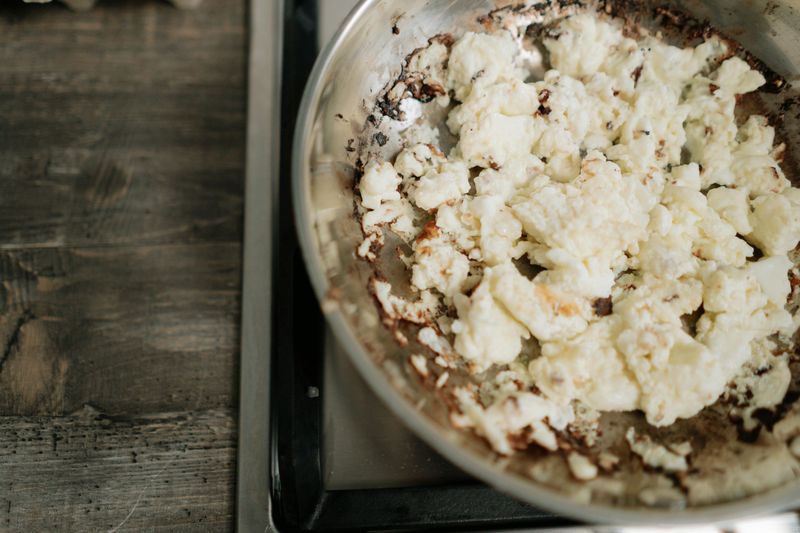
The same anxiety transforms tender salmon into cardboard and scrambled eggs into rubbery lumps.
While food safety matters, a meat thermometer eliminates guesswork without sacrificing quality.
Chicken is perfectly safe at 165°F, not when it’s cooked until gray and flavorless.
Vegetables need just enough heat to become tender-crisp, not mushy and lifeless.
Trust the science of proper temperatures and timing rather than cooking everything until it’s unrecognizable.
Your taste buds will thank you with every properly cooked, flavorful forkful.
4. Under-Seasoning or Seasoning Too Late
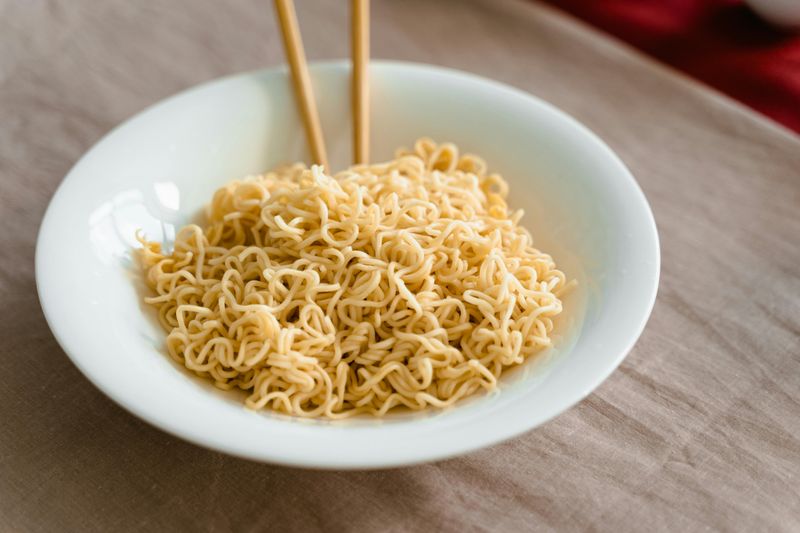
Salt isn’t just a topping—it’s a flavor enhancer that needs time to work its magic.
Sprinkling it only at the table means it sits on the surface rather than penetrating your food and bringing out its natural taste.
Professional chefs season in layers, adding salt at different stages so flavors build depth throughout the cooking process.
When you salt pasta water, season meat before cooking, and adjust vegetables as they sauté, each ingredient reaches its full potential.
Waiting until the end leaves food tasting flat and one-dimensional, no matter how much you shake on at the table.
Don’t be timid with seasoning during cooking—it transforms ordinary ingredients into memorable meals.
5. Constantly Flipping or Stirring Food
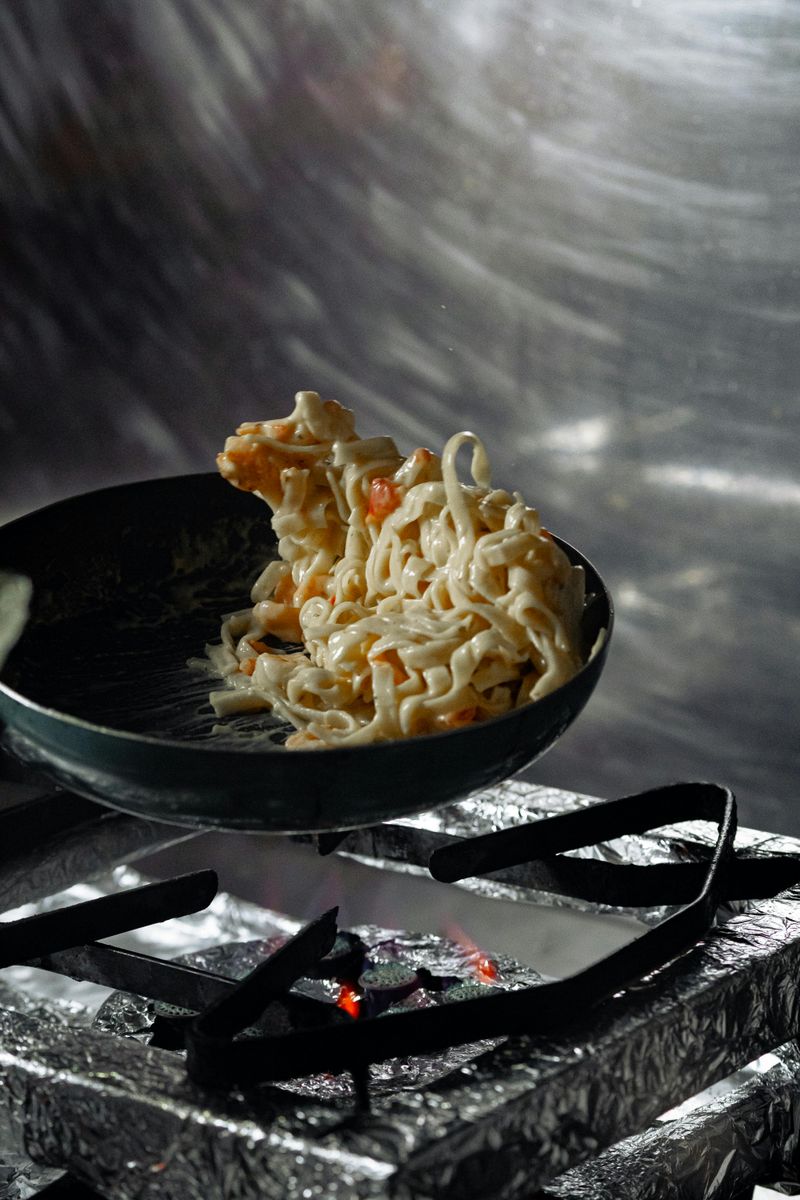
Restless cooks create mediocre meals.
That irresistible urge to poke, flip, and stir your food every few seconds actually prevents the browning that creates incredible flavor.
When a steak, fish fillet, or vegetable sits undisturbed against hot metal, it develops a caramelized crust packed with taste.
Constant movement breaks this contact, leaving food pale and lacking character.
Delicate items like fish can fall apart from too much handling, while burgers become dense and tough when pressed and flipped repeatedly.
Practice patience and trust the process.
Let your food cook peacefully on one side until it naturally releases from the pan, then flip just once for beautiful, flavorful results.
6. Using the Wrong Knife or Dull Knives
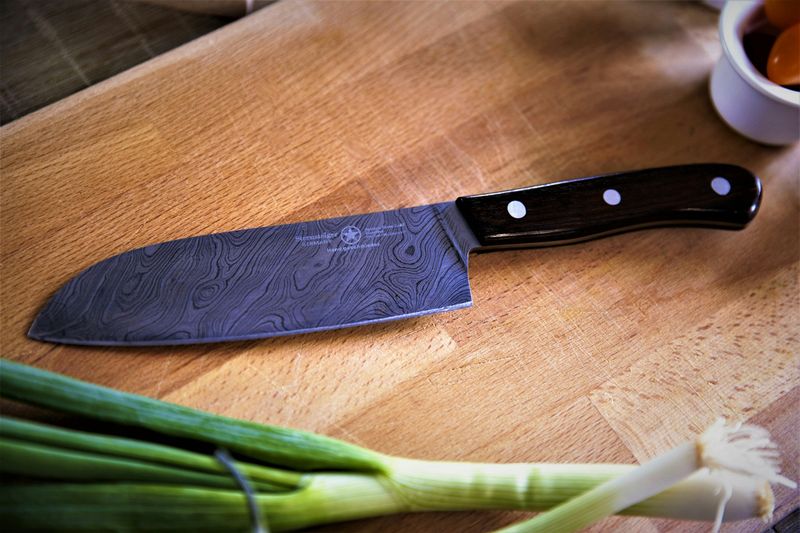
A dull blade is more dangerous and destructive than you might think.
Instead of slicing cleanly through a tomato or onion, it crushes and tears, releasing excess moisture and damaging cell structure.
This leads to mushy texture, uneven cooking, and vegetables that release too much water into your dish.
Using a butter knife for tasks requiring a chef’s knife, or a serrated blade where you need smooth cuts, creates similar problems.
Properly sharpened, appropriate knives make prep work faster, safer, and more enjoyable.
They preserve the integrity of your ingredients, ensuring uniform pieces that cook evenly and maintain their intended texture from cutting board to finished plate.
7. Ignoring Resting Time
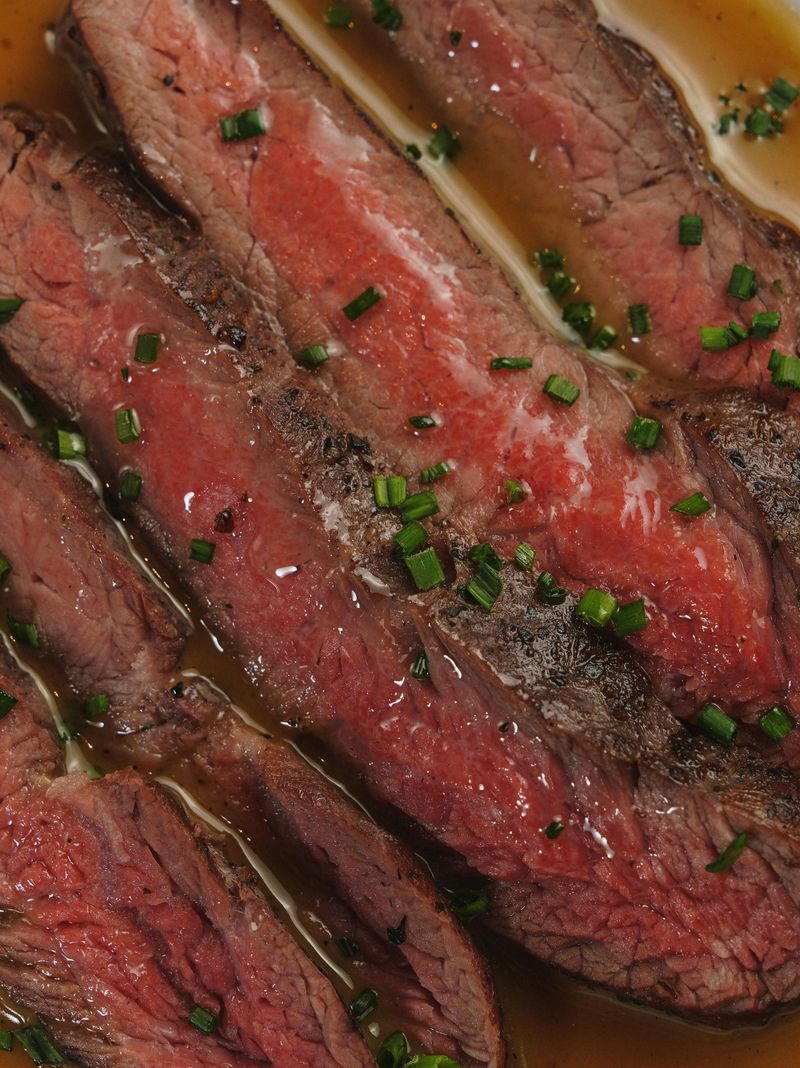
Impatience at the finish line ruins perfectly cooked meat every time.
When you slice into a steak, roast, or chicken immediately after removing it from heat, those precious juices haven’t had time to redistribute throughout the muscle fibers.
They pour out onto your cutting board instead of staying where they belong—inside the meat.
The result?
Dry, disappointing protein surrounded by a puddle of wasted flavor.
Resting allows muscle fibers to relax and reabsorb moisture, ensuring every bite is juicy and tender.
Larger cuts need 10-15 minutes under foil, while smaller pieces benefit from just 5 minutes.
This simple pause makes the difference between good and exceptional.
8. Cooking Everything on High Heat
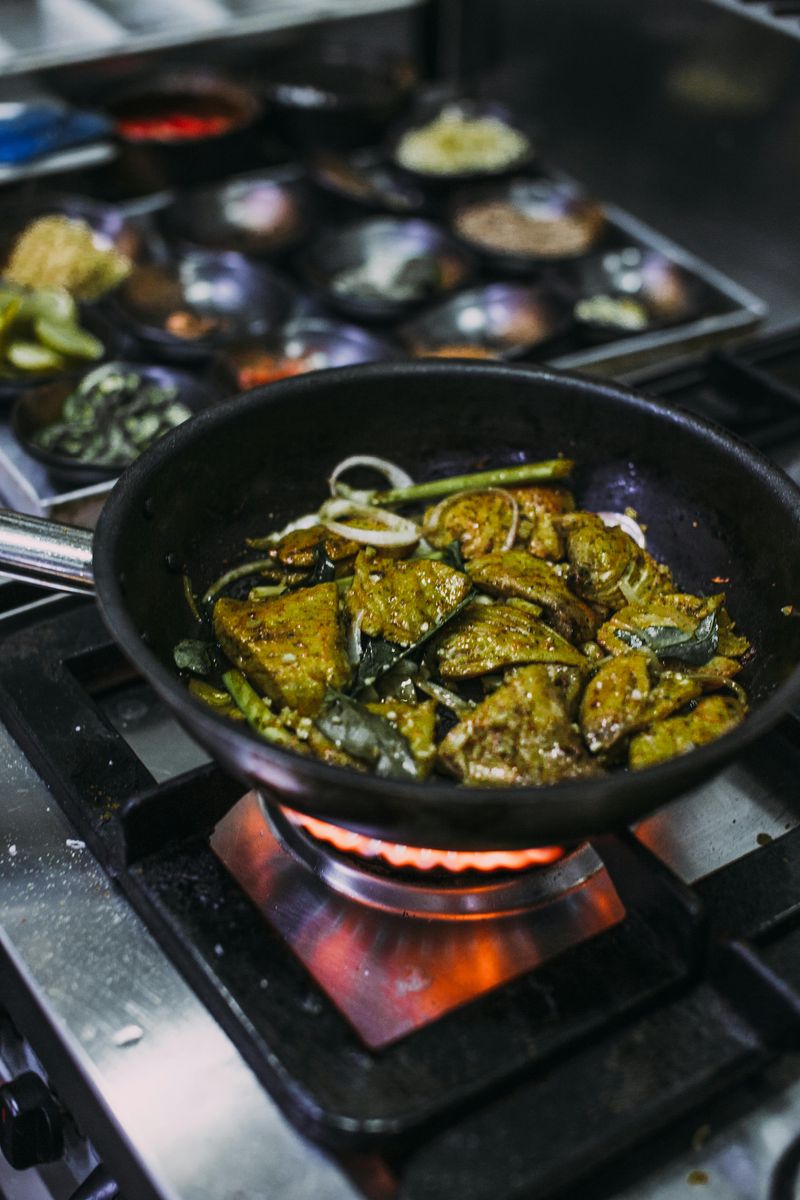
Cranking the burner to maximum doesn’t cook food faster—it just cooks it worse.
High heat has its place for quick sears and stir-fries, but using it for everything creates burned exteriors wrapped around raw centers.
Sauces scorch and stick instead of simmering smoothly, while delicate proteins turn tough and rubbery on the outside before cooking through.
Medium and medium-high heat give food time to cook evenly from surface to center, developing flavor without destruction.
Garlic needs gentle heat to release its sweetness; blast it with high heat and it turns bitter instantly.
Learn when to use which temperature setting, and your cooking will improve dramatically almost overnight.