 MomSkoop

Friendship is one of those things that shapes who we are and how we experience life. But not everyone has a circle of close friends to lean on, and sometimes the signs are subtle.
Recognizing these patterns can help us understand ourselves and others better, and maybe even open the door to deeper connections.
1. She Rarely Mentions Friends in Conversation

Pay attention to how someone talks about their everyday life.
When a woman never brings up friends during stories about her weekend, past experiences, or future plans, it might mean those connections simply do not exist.
Most people naturally weave friends into their narratives because friendships are part of their daily routine.
If her stories only feature family members, coworkers, or a partner, the absence speaks volumes.
Social circles typically come up organically when recounting events or sharing memories.
Without that, conversations can feel one-dimensional.
This pattern becomes especially noticeable over time and across different topics.
2. Her Free Time Is Spent Alone

Everyone enjoys some solo time, but when it becomes the only option, something might be missing.
A woman without close friends often spends weekends, evenings, and holidays by herself.
She does not mention getting invitations to group activities or making plans with others.
Her routines revolve around solitary hobbies or errands rather than social outings.
While independence is valuable, constant isolation can hint at a lack of meaningful connections.
People with close friends usually balance alone time with social events.
If her calendar never includes group dinners, movie nights, or casual hangouts, it reveals a gap in her social life.
3. She Depends Solely on Family or a Partner for Support

Emotional support usually comes from multiple sources, including friends.
When a woman relies entirely on family members, coworkers, or a romantic partner for every emotional need, it suggests a missing friendship layer.
Close friends typically share the load during tough times, offering different perspectives and comfort.
Without them, all emotional weight falls on just one or two people.
This can create imbalance and pressure in those relationships.
Friends provide a unique kind of support that family and partners cannot always replicate.
If she has no one else to turn to, her support system is dangerously narrow.
4. She Avoids or Feels Awkward in Group Settings

Group gatherings can reveal a lot about someone’s social comfort level.
A woman who avoids parties, meetups, or social events altogether might lack the friendships that make these settings enjoyable.
Even when she does attend, she might stick to surface-level small talk and leave early.
Deep discomfort in groups often stems from not having a familiar face or trusted companion nearby.
Close friends make social situations feel safer and more fun.
Without them, mingling becomes exhausting rather than exciting.
If she consistently opts out or seems visibly uneasy, it points to an absence of close connections.
5. She Has No Go-To Person for Big News

Think about who you call first when something exciting or terrible happens.
Most people have a best friend or close confidant who hears the news before anyone else.
A woman without close friends lacks that go-to person.
She might share achievements or problems with family or a partner, but there is no friend waiting on the other end of the line.
This absence becomes obvious during major life events like promotions, breakups, or personal milestones.
Friends are the ones who celebrate and mourn with us in real time.
Without that immediate connection, her victories and struggles feel lonelier.
6. Her Friendships Fade Quickly or End Abruptly
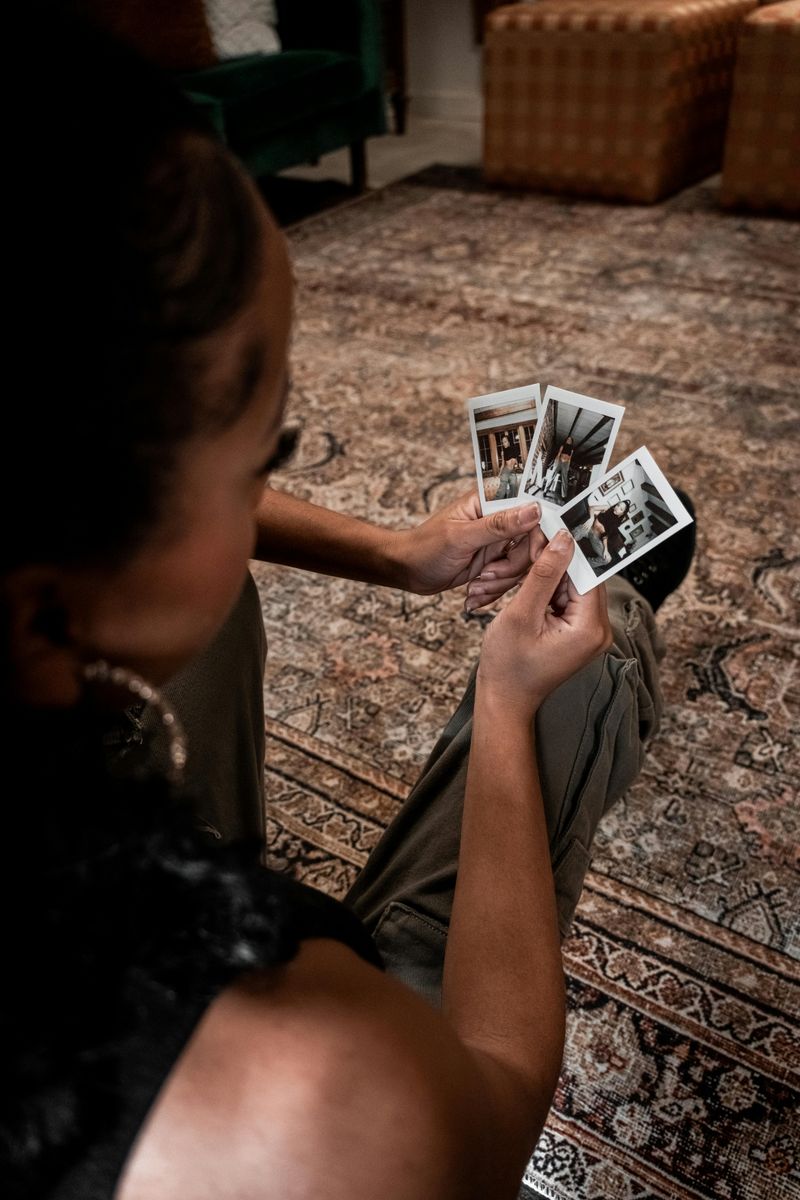
Some women struggle to maintain long-term friendships, even when they try.
Connections that start strong often fizzle out within months or end suddenly without clear reasons.
This pattern repeats itself over the years, leaving behind a trail of short-lived relationships.
Maintaining friendships requires effort, vulnerability, and consistency.
When those ingredients are missing, bonds weaken and disappear.
She might blame circumstances or busy schedules, but the real issue runs deeper.
Long-lasting friendships need nurturing, and without it, they cannot survive.
If her past is filled with fleeting connections, she likely has no close friends now.
7. She Keeps Conversations Guarded and Impersonal

Closeness requires openness, and some women build walls instead of bridges.
Even after repeated interactions, her conversations stay surface-level and impersonal.
She avoids sharing feelings, personal stories, or vulnerabilities that deepen connections.
Questions about her life receive vague or deflective answers.
This guarded approach keeps potential friends at arm’s length.
True friendship thrives on honesty and emotional exchange.
Without that willingness to open up, relationships remain shallow.
If she never lets anyone truly know her, close friendships cannot form.
This protective barrier might feel safe, but it also guarantees loneliness.
8. She Expresses Distrust or Dismisses the Value of Friendship

Sometimes the absence of close friends is a deliberate choice rooted in disappointment.
A woman might express distrust toward friendships, framing closeness as unnecessary or even risky.
She talks about past betrayals or letdowns that convinced her friendships are overrated.
This mindset acts as a shield against future hurt but also blocks meaningful connections.
While skepticism can stem from real pain, it ultimately isolates her further.
Dismissing friendship as unimportant becomes a self-fulfilling prophecy.
Without belief in the value of close bonds, she will never pursue or maintain them.
Her words reveal not just absence, but active avoidance.