 MomSkoop
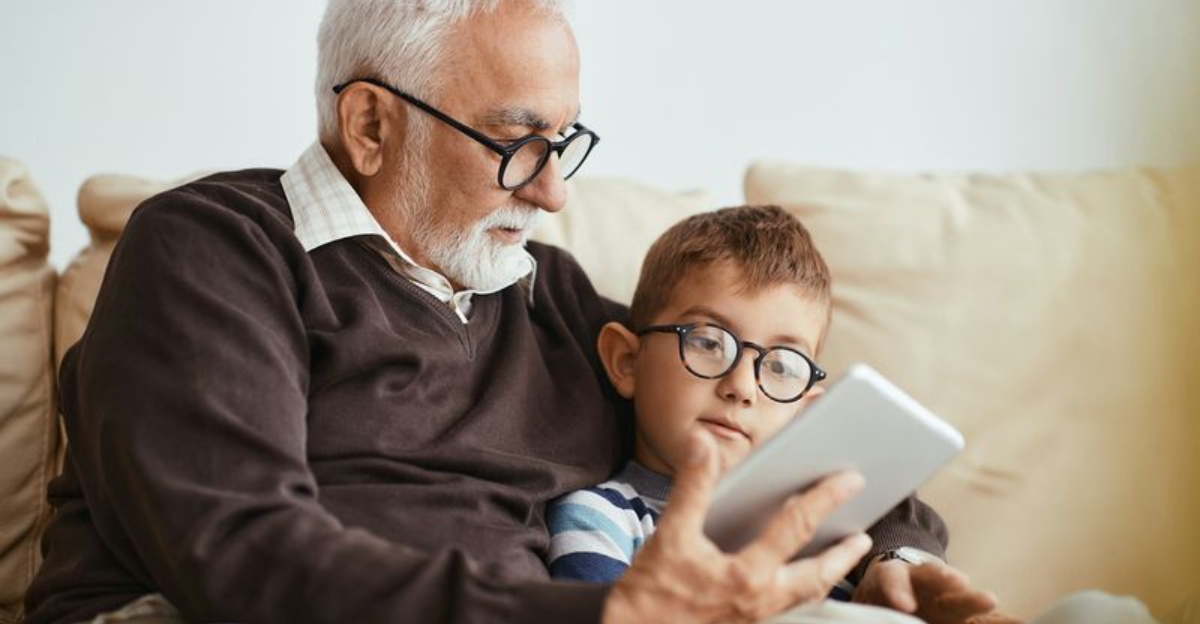
Many Baby Boomers grew up in a world without smartphones, social media, or GPS — and they’ll be the first to tell you life felt simpler back then. While technology has brought amazing conveniences, it has also changed the way people connect, learn, and spend their time.
Boomers often look back fondly on days when kids played outside until dark and families gathered around the TV at a set time. Whether you agree or not, their perspective offers a fascinating look at how much daily life has changed.
1. Smartphones

Remember when the only “cell” you worried about was the one in science class?
Before smartphones took over, people actually looked at each other when they talked.
Conversations had eye contact, laughter, and real connection.
Boomers argue that without smartphones, people were more present in daily life.
You had to pay attention to your surroundings instead of a glowing screen.
Boredom sparked creativity rather than a quick scroll through a feed.
There’s something to be said for a world where dinner meant talking, not texting.
Kids today might find it hard to imagine, but life without constant notifications was, by many accounts, a lot more peaceful.
2. Social Media
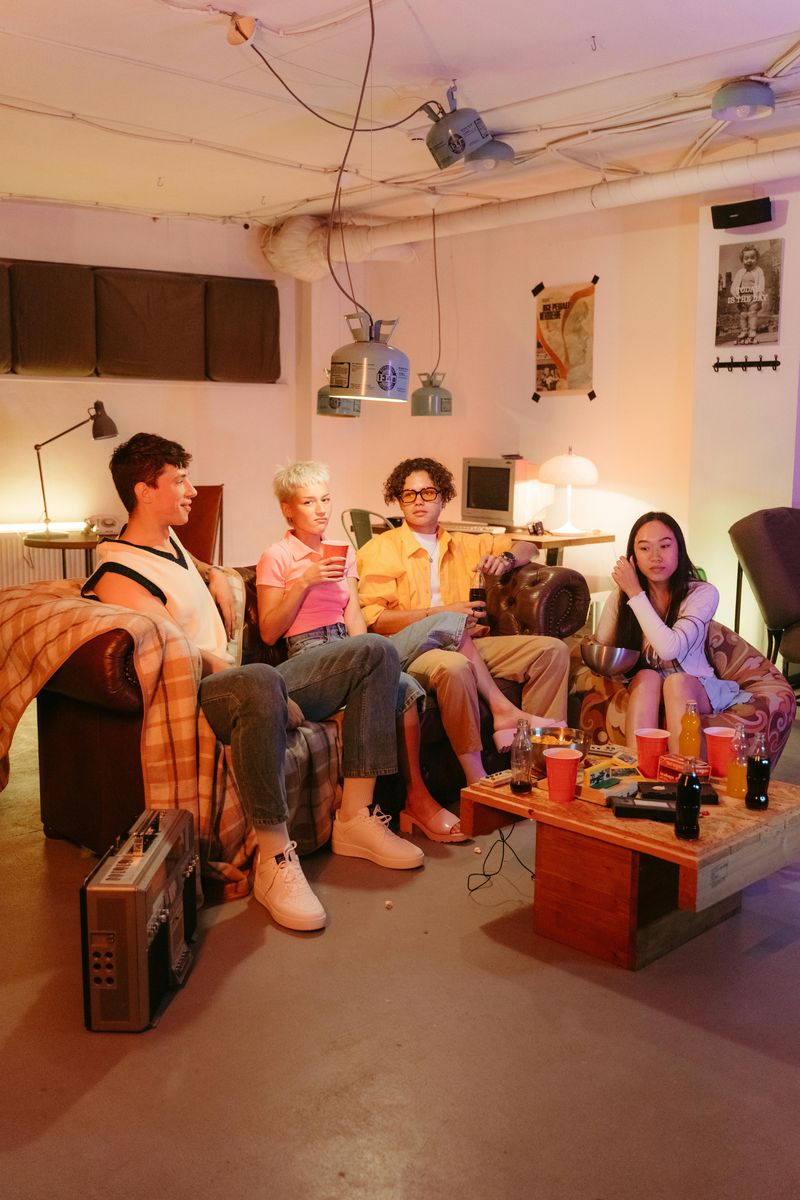
Before Facebook, Instagram, and TikTok, friendships were built on shared experiences — not follower counts.
You knew your friends because you spent actual time with them, not because you liked their posts.
Boomers often point out that social media has turned life into a highlight reel.
Everyone compares their behind-the-scenes to someone else’s best moments, which can quietly chip away at self-esteem.
Drama that once stayed in the hallway now spreads across the internet in seconds.
Without social media, people focused on their own lives rather than curating an online persona.
Friendships were messier, sure, but they also felt a lot more genuine and grounded in real moments.
3. Constant Internet Access

Patience used to be a skill people actually practiced.
Before the internet was always one tap away, finding an answer meant heading to the library, flipping through an encyclopedia, or asking someone who really knew.
Boomers say that slower access to information made people think harder and remember more.
When you had to work for knowledge, it stuck with you.
You didn’t just skim a quick summary — you actually read and understood things deeply.
There’s also something to be said for the quiet that came with offline life.
Without constant internet access pulling at your attention, people had more mental space to think, create, and simply enjoy being bored once in a while.
4. GPS Navigation
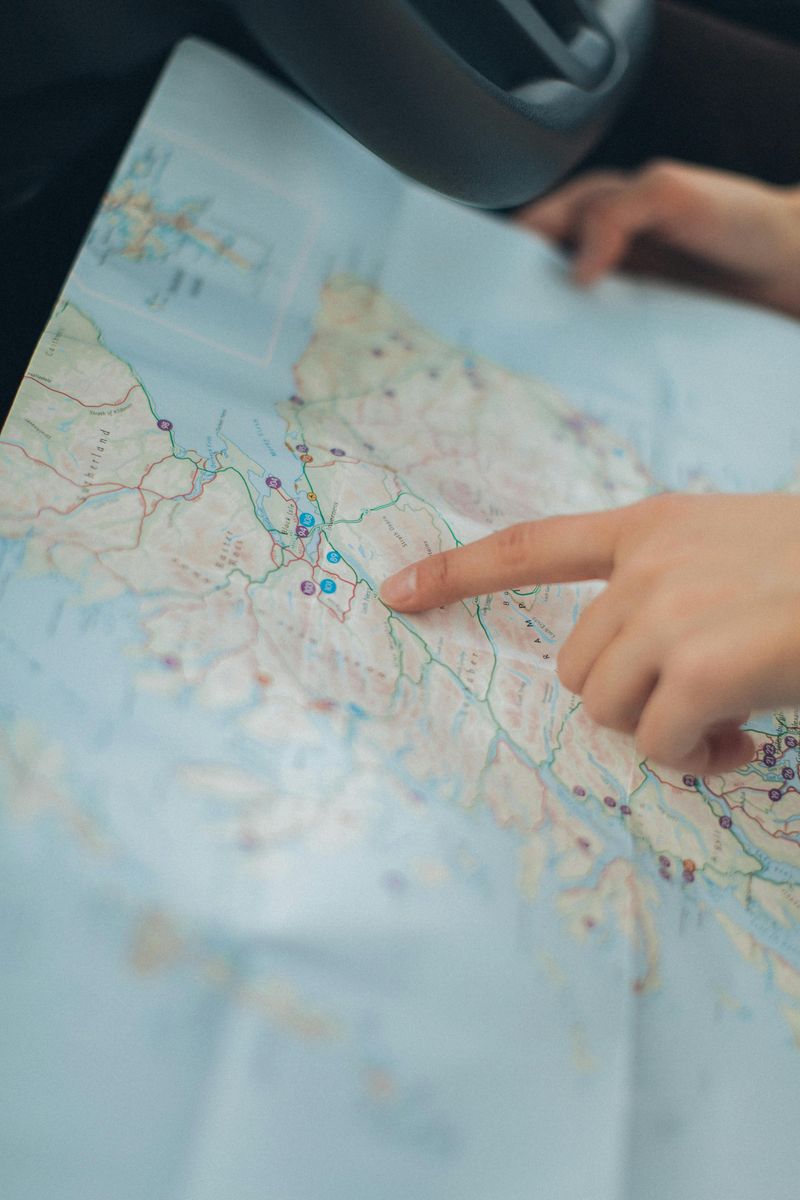
Unfolding a giant paper map in the front seat was practically a rite of passage.
Getting a little lost was part of the adventure — and finding your way back felt genuinely satisfying.
Boomers believe that navigating without GPS built real spatial awareness and problem-solving skills.
You memorized landmarks, learned shortcuts, and actually understood the layout of your town.
That mental map stayed with you for years.
Today, most people couldn’t find their way across town without a voice telling them when to turn.
GPS is incredibly handy, no doubt — but something was lost when we stopped trusting our own sense of direction.
Sometimes getting lost led to the best discoveries.
5. Online Shopping

Shopping used to mean something.
You’d stroll into a local store, chat with the owner, and leave with exactly what you needed — plus a little neighborhood gossip on the side.
Boomers miss the social side of shopping that online retail has quietly replaced.
Local stores were community hubs where people gathered, connected, and supported their neighbors.
When you bought from a local shop, that money stayed in the community and helped real families.
Online shopping is fast and convenient, but it has put countless small businesses out of the game.
The charming hardware store, the family-owned bookshop — many are gone now, replaced by a warehouse and a two-day delivery window.
That trade-off stings.
6. Streaming and Binge-Watching
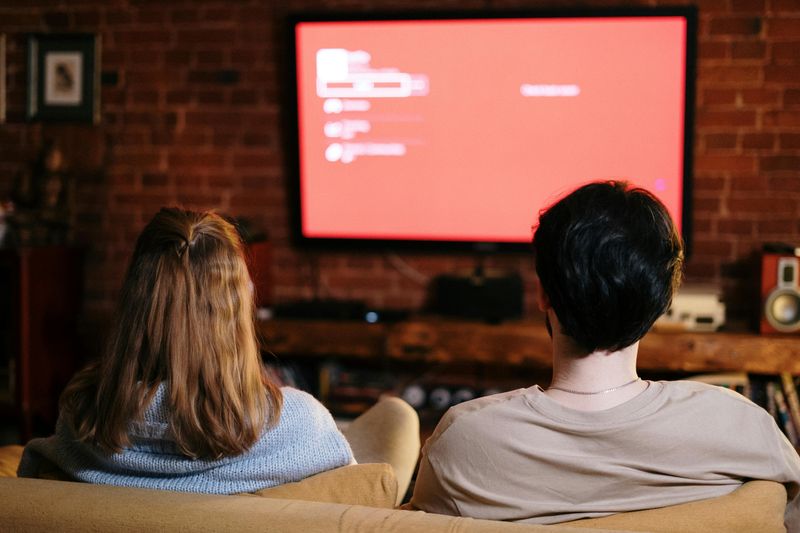
There was a special kind of excitement about waiting all week for your favorite TV show.
Thursday nights meant the whole family parked on the couch at 8 p.m. sharp — no exceptions, no pausing, no rewinding.
Boomers say that scheduled television actually brought families together in a way streaming never quite does.
Everyone watched the same thing at the same time, then talked about it the next day at school or work.
Shared culture felt more, well, shared.
Binge-watching gives viewers full control, but it also removes the communal experience.
When you can watch anything anytime, there’s less reason to gather.
The ritual of appointment TV created memories that a personalized algorithm simply cannot replicate.
7. Texting

“I’ll call you later” actually meant something once.
Picking up the phone to hear a friend’s voice — even through a staticky landline — carried a warmth that a string of emojis just can’t match.
Boomers often point out that texting has made communication feel disposable.
Messages are short, misread easily, and often ignored for hours.
A quick call, by contrast, forced you to be present, responsive, and genuinely engaged in the conversation.
There’s also the issue of tone.
Without hearing someone’s voice, it’s easy to misunderstand what they mean.
Texting might be faster, but it has quietly drained a lot of the emotion and personality out of everyday communication between friends and family.
8. Kids Glued to Screens
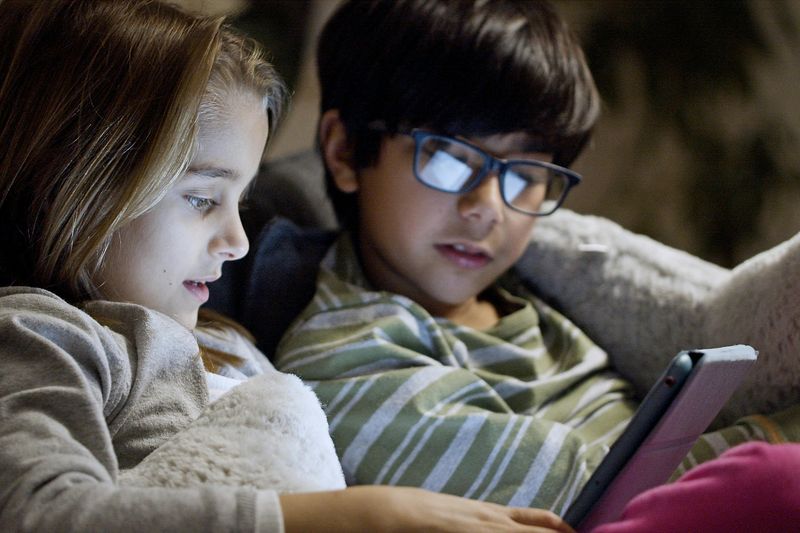
Scraped knees, muddy shoes, and a sunburn from being outside all day — that was childhood for a whole generation.
Kids roamed their neighborhoods freely, invented games, and solved problems without a single screen involved.
Boomers genuinely worry about what children are missing today.
Physical play builds coordination, creativity, and social skills that no app can teach.
Negotiating the rules of a backyard game is actually a masterclass in communication and compromise.
Screen time has also been linked to rising anxiety and sleep problems in kids, something researchers are still working to fully understand.
Fresh air, physical activity, and face-to-face friendships shaped resilient, confident kids — and that formula hasn’t changed one bit.