 MomSkoop
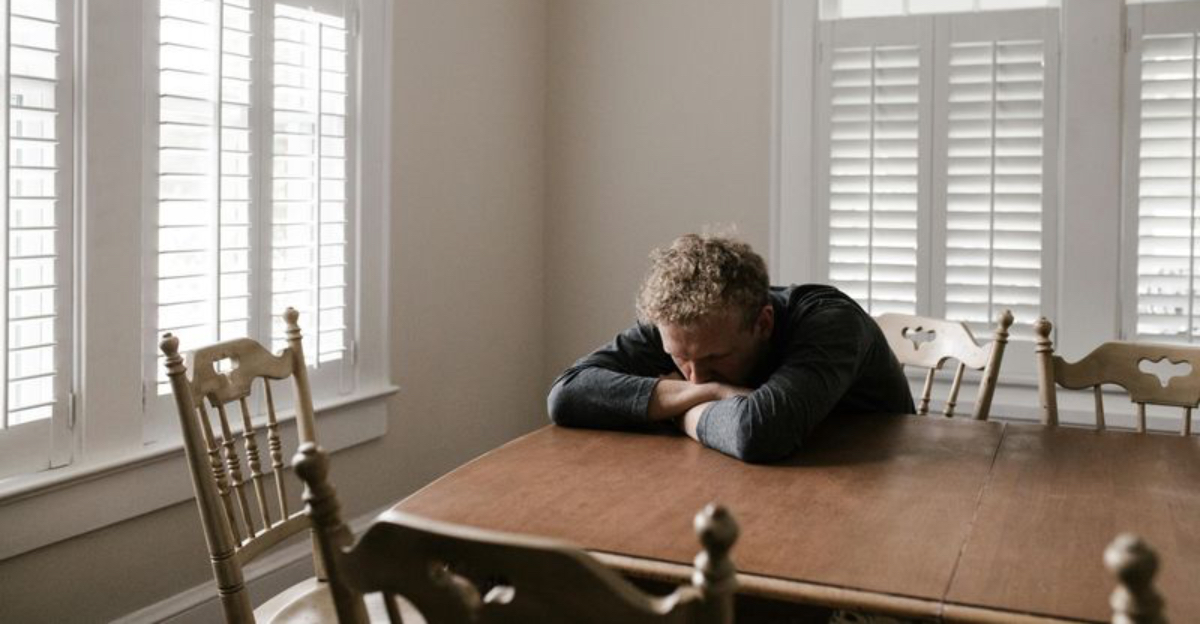
Every night, millions of Americans lie awake thinking about the same concerns. These worries don’t always get talked about openly, but they’re always there, quietly nagging at the back of our minds.
From money troubles to health scares, these anxieties shape how we make decisions and plan for tomorrow. Understanding what keeps us up at night can help us realize we’re not alone in our fears.
1. Money and Financial Stability

Bills keep piling up, and that checking account balance seems to shrink faster every month.
One unexpected car repair or medical bill can throw everything off balance, leaving families scrambling to figure out where the money will come from.
Credit card debt grows quietly in the background while paychecks stay the same year after year.
The dream of saving for emergencies or retirement feels impossible when just covering basics takes everything you earn.
Financial security isn’t just about having money—it’s about sleeping peacefully knowing you can handle whatever comes next.
Unfortunately, that peace of mind feels out of reach for millions of hardworking Americans today.
2. Health (Their Own and Their Family’s)

That strange pain that won’t go away keeps you wondering if it’s something serious.
Healthcare costs have skyrocketed so high that many people avoid going to the doctor altogether, even when something feels wrong.
Insurance premiums eat up huge chunks of paychecks, yet deductibles remain so high that families still can’t afford treatment.
What happens if someone gets really sick?
Will insurance actually cover it, or will medical bills destroy everything you’ve worked for?
Parents especially worry about their kids—every cough, fever, or injury triggers questions about whether it needs medical attention and how much it’ll cost.
Health anxiety isn’t just about illness anymore; it’s about whether you can afford to get better.
3. Job Security
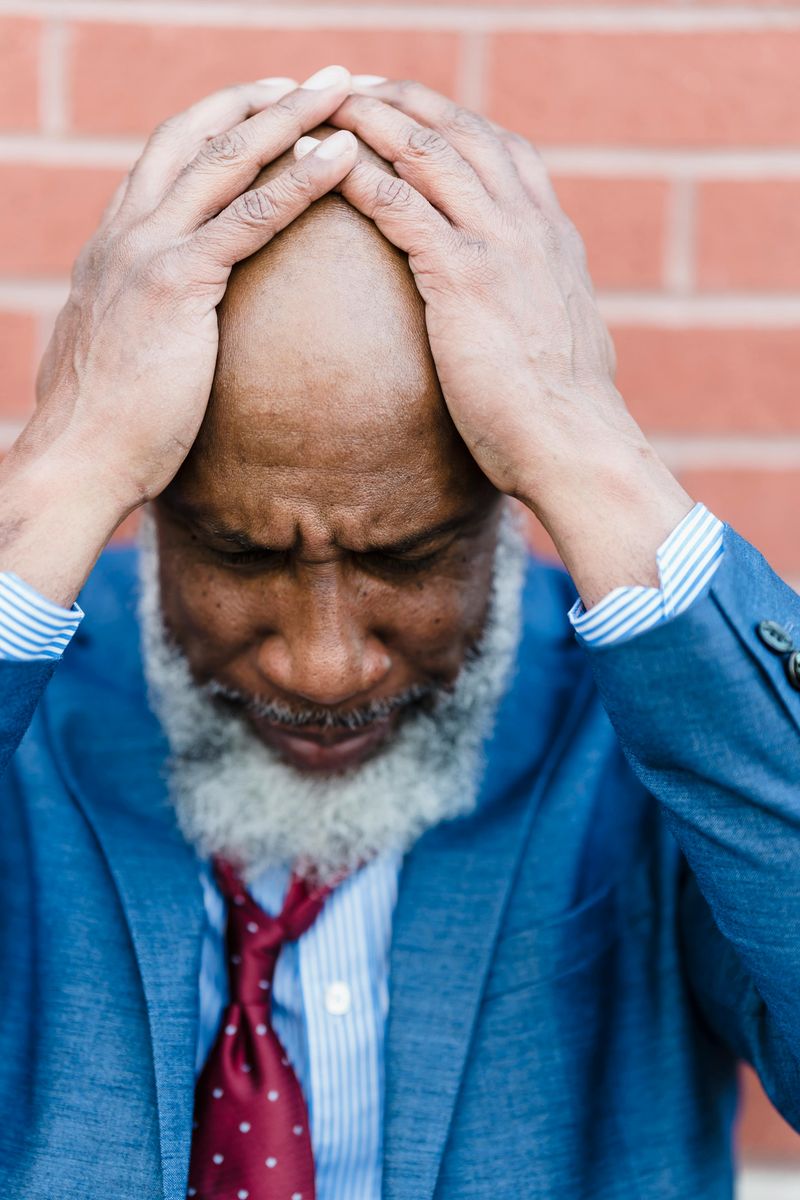
Companies announce layoffs without warning, and suddenly loyal employees find themselves jobless after years of dedication.
Automation and artificial intelligence threaten to replace human workers across countless industries, making people wonder if their skills will matter in five years.
Even those currently employed feel the constant pressure of proving their worth.
Will the company downsize?
Will younger, cheaper workers take your place?
These questions haunt workers at every level.
Changing careers or learning new skills sounds good in theory, but where’s the time and money for that when you’re already working full-time?
Job insecurity creates a cycle of stress that affects everything from mental health to family relationships and future planning.
4. Rising Cost of Living

Grocery shopping has become genuinely shocking—items that cost three dollars last year now cost five or six.
Rent increases arrive like clockwork, forcing families to choose between staying in their neighborhood or moving somewhere cheaper but farther from work and school.
Gas prices fluctuate wildly, making every commute an expensive gamble.
Insurance for cars, homes, and health climbs higher annually while coverage seems to shrink.
Meanwhile, wages barely budge, creating an impossible math problem where expenses grow faster than income.
The middle-class lifestyle that once seemed achievable now feels like a fantasy.
Saving money becomes nearly impossible when every dollar goes toward surviving rather than thriving, leaving Americans feeling trapped in an endless cycle of just getting by.
5. Aging and the Future

Getting older happens to everyone, but that doesn’t make it less scary.
Bodies don’t work like they used to—joints ache, energy fades, and suddenly you need reading glasses for everything.
Retirement savings fall short of what experts say you need, assuming you have any savings at all.
Will Social Security even exist when you need it?
Who will take care of you if you can’t take care of yourself anymore?
Watching parents age gives a preview of what’s coming, and it’s frightening.
Nursing homes cost astronomical amounts, yet living independently becomes dangerous as mobility and memory decline.
The future that once seemed distant suddenly feels right around the corner, and most Americans aren’t remotely prepared for it financially or emotionally.
6. Safety and Crime
Sending kids to school shouldn’t be terrifying, yet many parents kiss their children goodbye each morning wondering if they’ll be safe.
News reports constantly remind us that danger can strike anywhere—schools, shopping centers, movie theaters, even churches.
Neighborhoods that once felt safe now have residents installing security cameras and alarm systems.
Car break-ins, package theft, and property crime seem more common than ever, making people feel vulnerable in their own homes.
The unpredictability is what really gets to people.
You can follow all the safety rules and still become a victim because violence and crime don’t follow patterns anymore.
This constant low-level anxiety about personal safety affects where people live, shop, and send their kids to school.
7. Political and Social Division

Holiday dinners have become minefields where one wrong comment can explode into heated arguments between relatives who used to get along perfectly.
The country feels more divided than ever, with people on opposite sides viewing each other as enemies rather than neighbors with different opinions.
Friendships end over political posts on social media.
Coworkers avoid certain topics entirely to prevent workplace conflicts.
The tension is exhausting, and many Americans worry things will only get worse before they get better.
Will there be violence?
Will families permanently split apart?
Can the country survive this level of anger and division?
These questions keep people awake at night because the answers feel increasingly uncertain and frightening in today’s polarized climate.
8. Whether They’re Doing Life Right

Social media makes everyone else’s life look perfect while yours feels like a constant struggle.
Friends are buying houses, taking vacations, and celebrating promotions while you’re still trying to pay off student loans and figure out your career path.
Did you make the right choices?
Should you have studied something different, taken that job offer, or moved to another city?
Comparing yourself to others becomes a daily habit that chips away at confidence and happiness.
The pressure to have it all figured out by a certain age creates intense anxiety.
What if you’re behind?
What if you never catch up?
These worries about measuring up to invisible standards cause Americans to question their worth and accomplishments constantly, even when they’re doing just fine.